English
  Français

Description
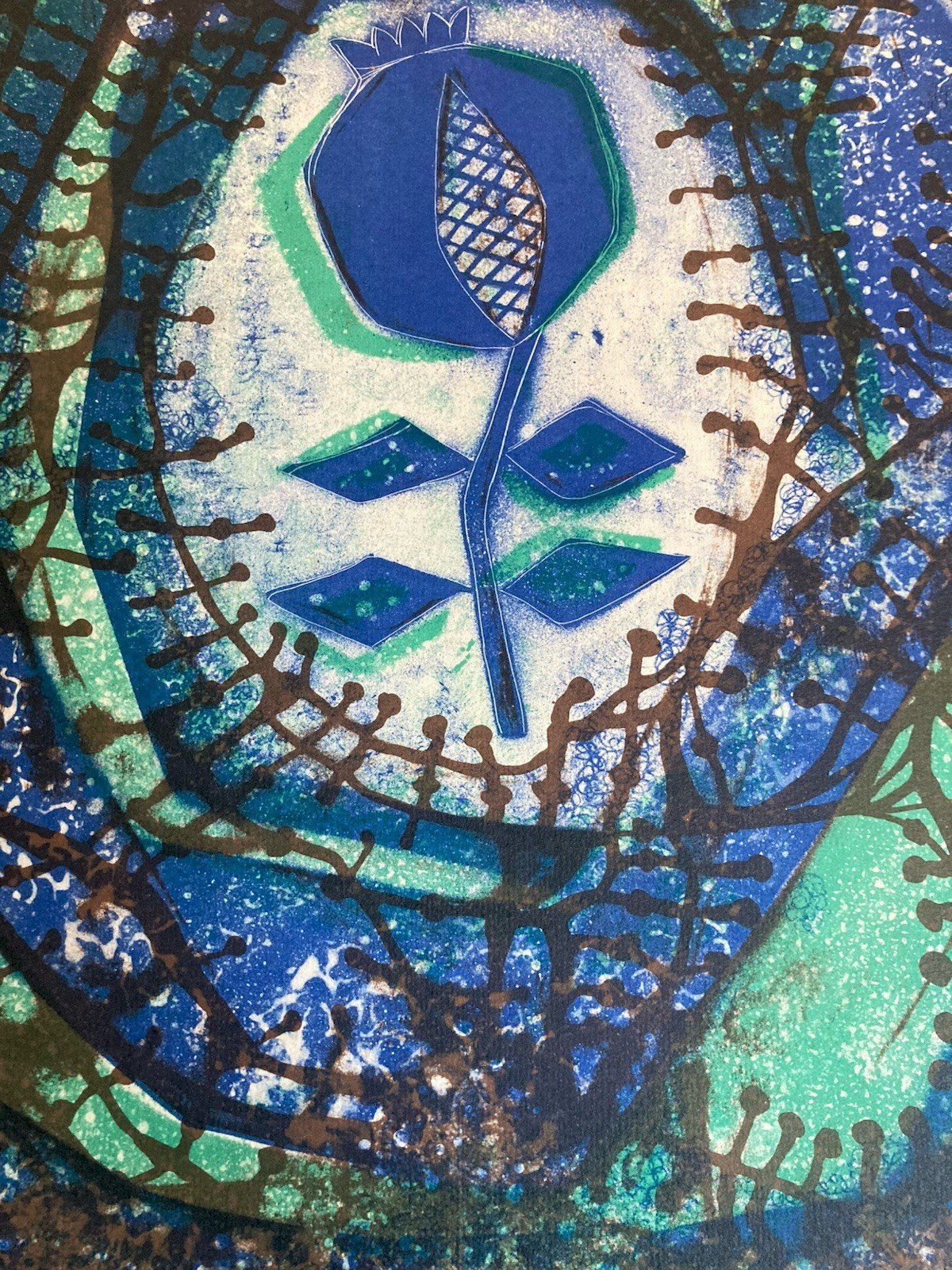
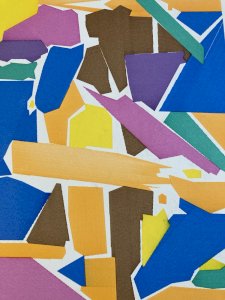
The engraving has been hand-signed. General condition is good, see photo. This cartography was dedicated to JEAN Dieuzaide. This lithograph comes from the Jean Dieuzaide collection. Biography of Antoni Cumella Serret Antoni Cumella Serret (Granollers, August 31, 1913 – Granollers, January 25, 1985) was a Catalan ceramist of international renown, recognized as one of the great renovators of Spanish ceramics in the 20th century. Coming from a family of artisans (his father was a jeweler and his father-in-law a potter), he discovered the world of clay very early on. Trained at the Escola del Treball in Barcelona, he began developing his first ceramic pieces by the end of the 1920s. He was quickly influenced by Catalan modernism, by Gaudí's architecture, but also by the clean lines of Mies van der Rohe's pavilion at the 1929 International Exposition. These references nurtured his taste for experimentation, the sobriety of forms, and the integration of ceramics into architectural space. In the 1930s, he was already teaching ceramics at the Grup Escolar Lluís Vives in Barcelona. The Spanish Civil War interrupted his career: mobilized as a health aide, he faced imprisonment at the end of the conflict. After these trials, he energetically resumed his artistic work, participating in exhibitions in Spain and abroad. From the 1950s onwards, Cumella became known beyond specialized circles. His research on glazes, textures, and forms earned him several distinctions at the Milan Triennials, where he received gold medals. His work expanded into large public and private commissions: murals, facades, decorative ensembles, while continuing a more intimate production of lab pieces where he constantly explored new processes. The lithographic period of the 1970s While ceramics remained at the heart of his career, Cumella did not limit himself to this single medium. In the 1970s, he became interested in lithography, a field that allowed him to transpose his plastic language onto paper. In these graphic works, he experimented with games of materials, rhythms, and contrasts reminiscent of the effects of his glazes and ceramic surfaces. Although this production remained more confidential than his clay creations, it revealed his desire to translate his formal universe into a reproducible medium and to explore other avenues of artistic dissemination. Final years and recognition In the 1970s and 1980s, Cumella continued a fruitful career, alternating monumental works with more experimental research. He received numerous distinctions: the FAD Gold Medal, the National Prize for Plastic Arts (1980), and the Creu de Sant Jordi (1982), one of the highest cultural distinctions in Catalonia. He passed away in 1985 in Granollers, his hometown. His work, rooted in tradition but always looking towards innovation, continues to inspire contemporary ceramists and artists. Recommended products provided by Belle Lithographie Jean Dieuzaide 1970 Abstract abstraction Engraving Litho Art See the product Very Beautiful Lithograph Engraving Signed Antoni Cumella 1974 Abstract abstraction See the product Style: 1970 Genre: Expressionism Features: On Paper Theme: Abstract Country of origin: France
Réf :
#373210
Related Products




Comments
Lithograph Anthoni Cumella A Jean Dieuzaide 1974 Abstract abstraction
275€
31500 Toulouse
Ce site contient des liens d’affiliation pour lesquels je peux recevoir une compensation.
Description
The engraving has been hand-signed. General condition is good, see photo. This cartography was dedicated to JEAN Dieuzaide. This lithograph comes from the Jean Dieuzaide collection. Biography of Antoni Cumella Serret Antoni Cumella Serret (Granollers, August 31, 1913 – Granollers, January 25, 1985) was a Catalan ceramist of international renown, recognized as one of the great renovators of Spanish ceramics in the 20th century. Coming from a family of artisans (his father was a jeweler and his father-in-law a potter), he discovered the world of clay very early on. Trained at the Escola del Treball in Barcelona, he began developing his first ceramic pieces by the end of the 1920s. He was quickly influenced by Catalan modernism, by Gaudí's architecture, but also by the clean lines of Mies van der Rohe's pavilion at the 1929 International Exposition. These references nurtured his taste for experimentation, the sobriety of forms, and the integration of ceramics into architectural space. In the 1930s, he was already teaching ceramics at the Grup Escolar Lluís Vives in Barcelona. The Spanish Civil War interrupted his career: mobilized as a health aide, he faced imprisonment at the end of the conflict. After these trials, he energetically resumed his artistic work, participating in exhibitions in Spain and abroad. From the 1950s onwards, Cumella became known beyond specialized circles. His research on glazes, textures, and forms earned him several distinctions at the Milan Triennials, where he received gold medals. His work expanded into large public and private commissions: murals, facades, decorative ensembles, while continuing a more intimate production of lab pieces where he constantly explored new processes. The lithographic period of the 1970s While ceramics remained at the heart of his career, Cumella did not limit himself to this single medium. In the 1970s, he became interested in lithography, a field that allowed him to transpose his plastic language onto paper. In these graphic works, he experimented with games of materials, rhythms, and contrasts reminiscent of the effects of his glazes and ceramic surfaces. Although this production remained more confidential than his clay creations, it revealed his desire to translate his formal universe into a reproducible medium and to explore other avenues of artistic dissemination. Final years and recognition In the 1970s and 1980s, Cumella continued a fruitful career, alternating monumental works with more experimental research. He received numerous distinctions: the FAD Gold Medal, the National Prize for Plastic Arts (1980), and the Creu de Sant Jordi (1982), one of the highest cultural distinctions in Catalonia. He passed away in 1985 in Granollers, his hometown. His work, rooted in tradition but always looking towards innovation, continues to inspire contemporary ceramists and artists. Recommended products provided by Belle Lithographie Jean Dieuzaide 1970 Abstract abstraction Engraving Litho Art See the product Very Beautiful Lithograph Engraving Signed Antoni Cumella 1974 Abstract abstraction See the product Style: 1970 Genre: Expressionism Features: On Paper Theme: Abstract Country of origin: France
Réf :
#373210