 English
 Français


Description
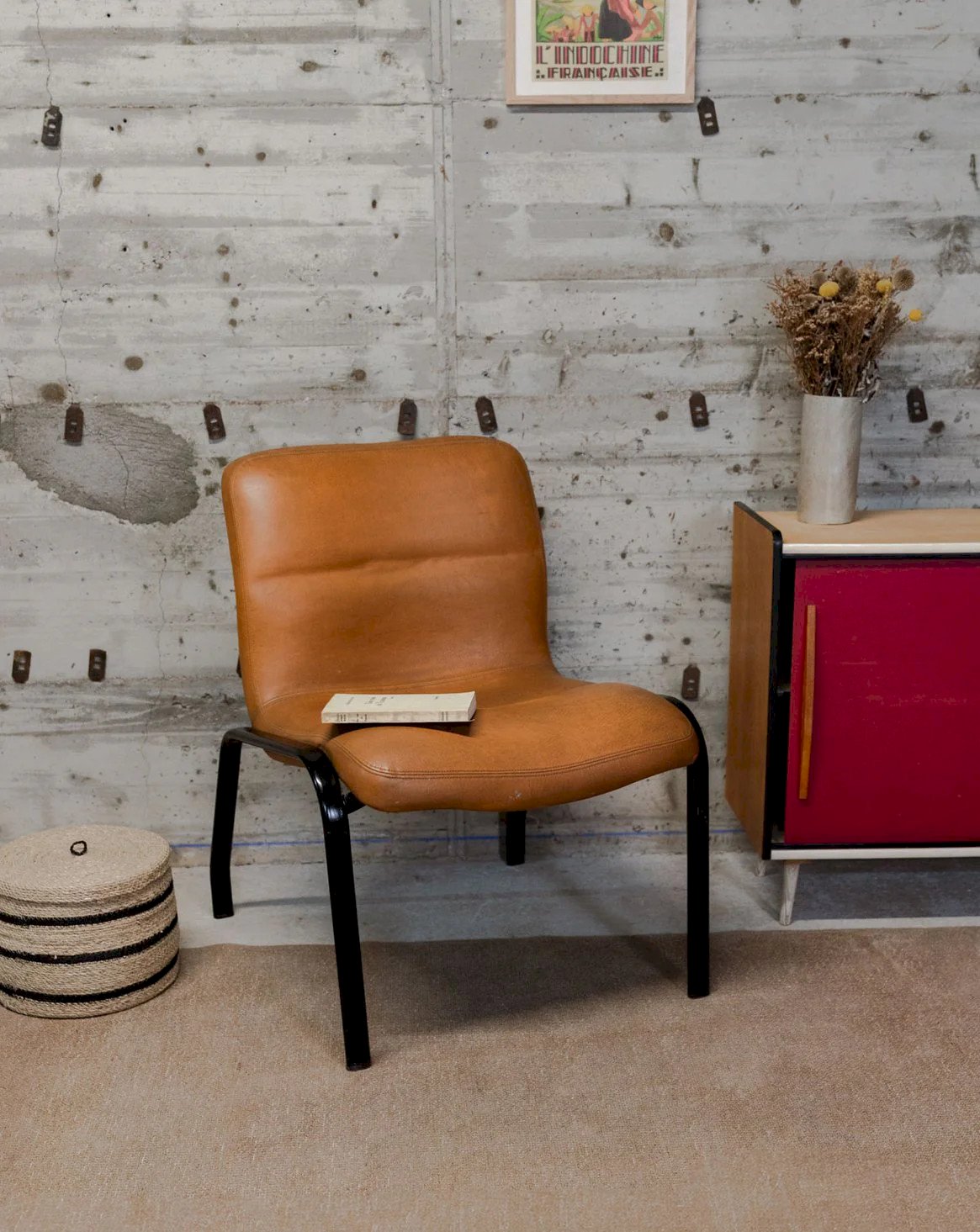
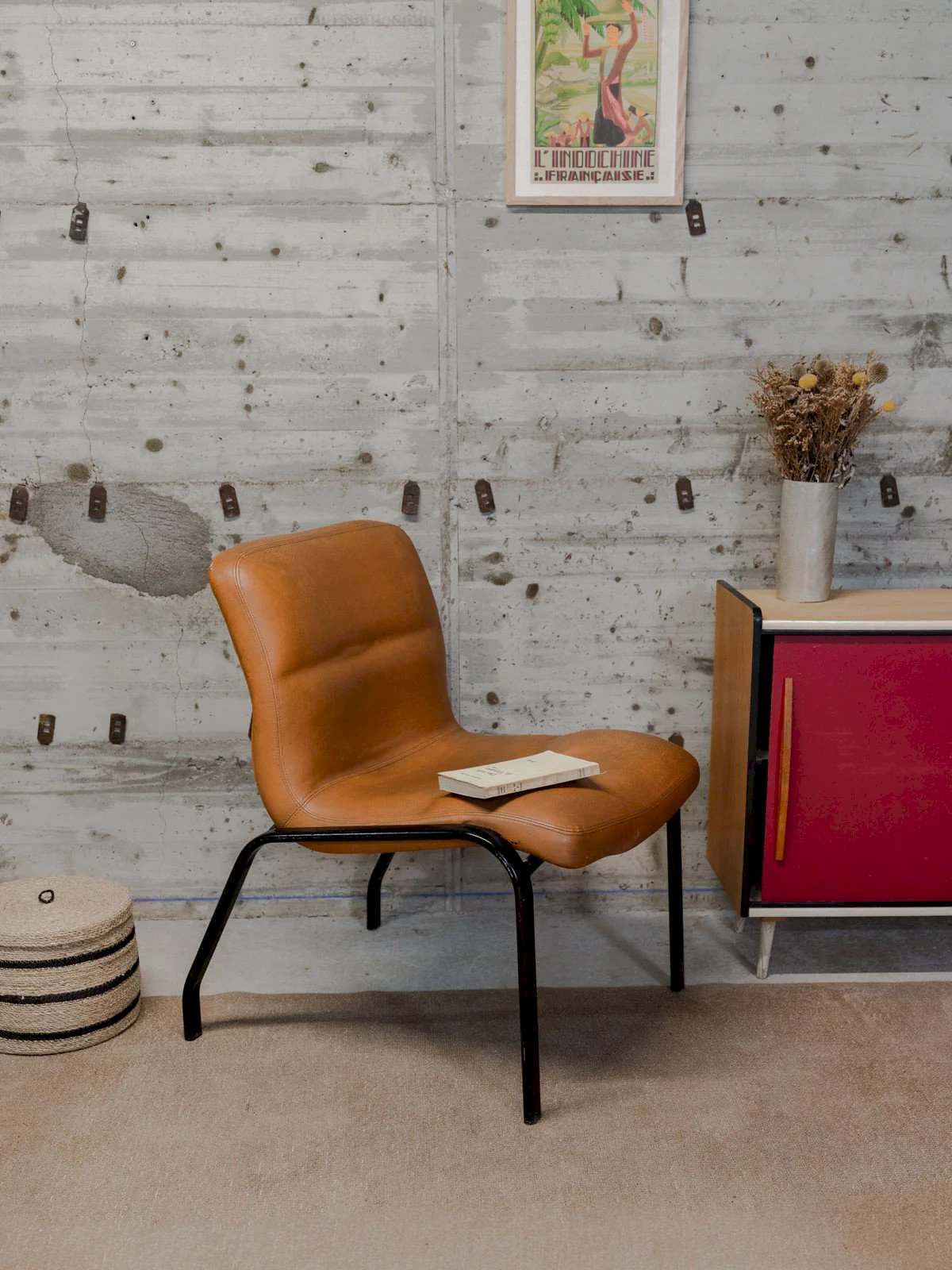
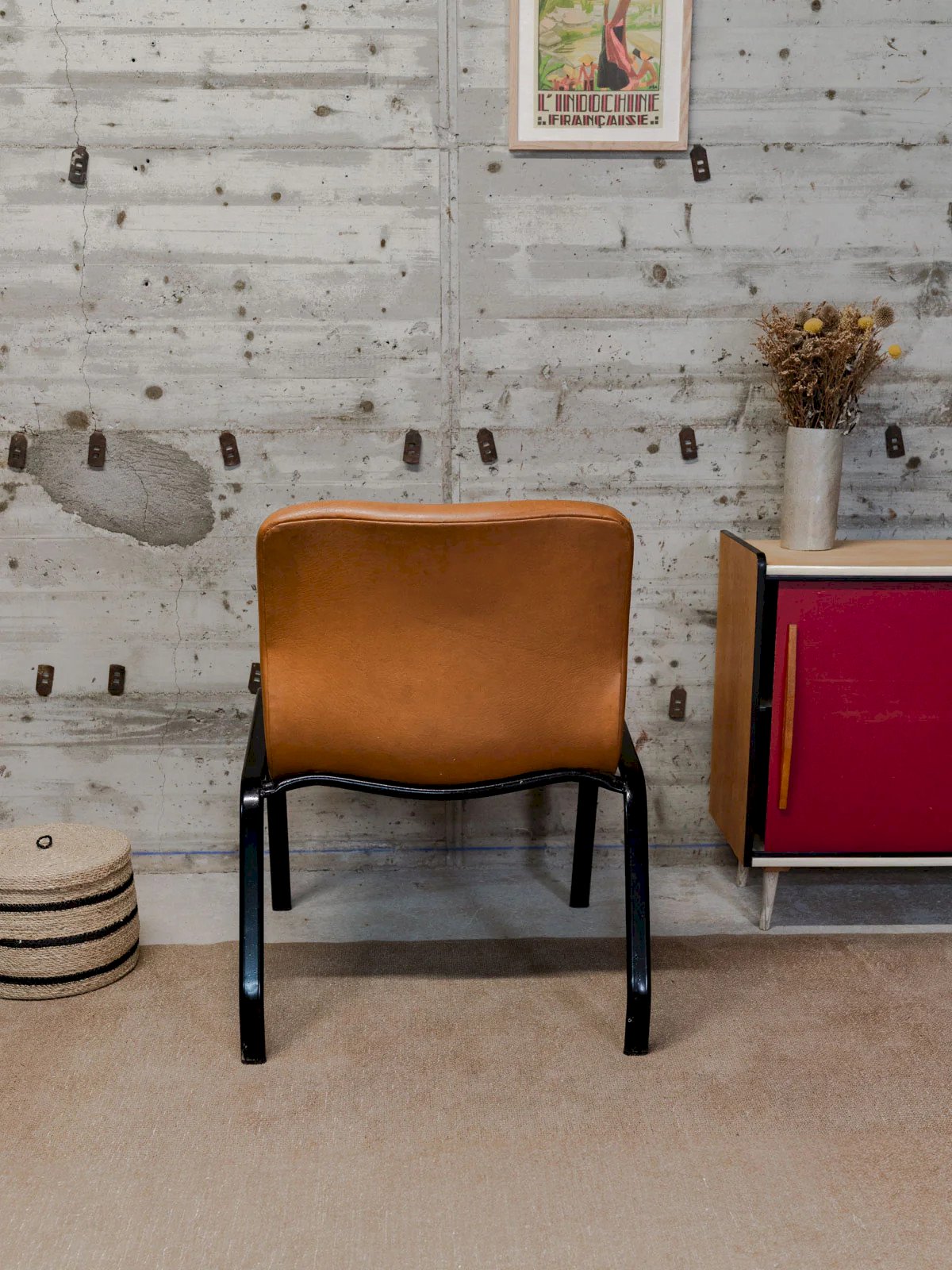
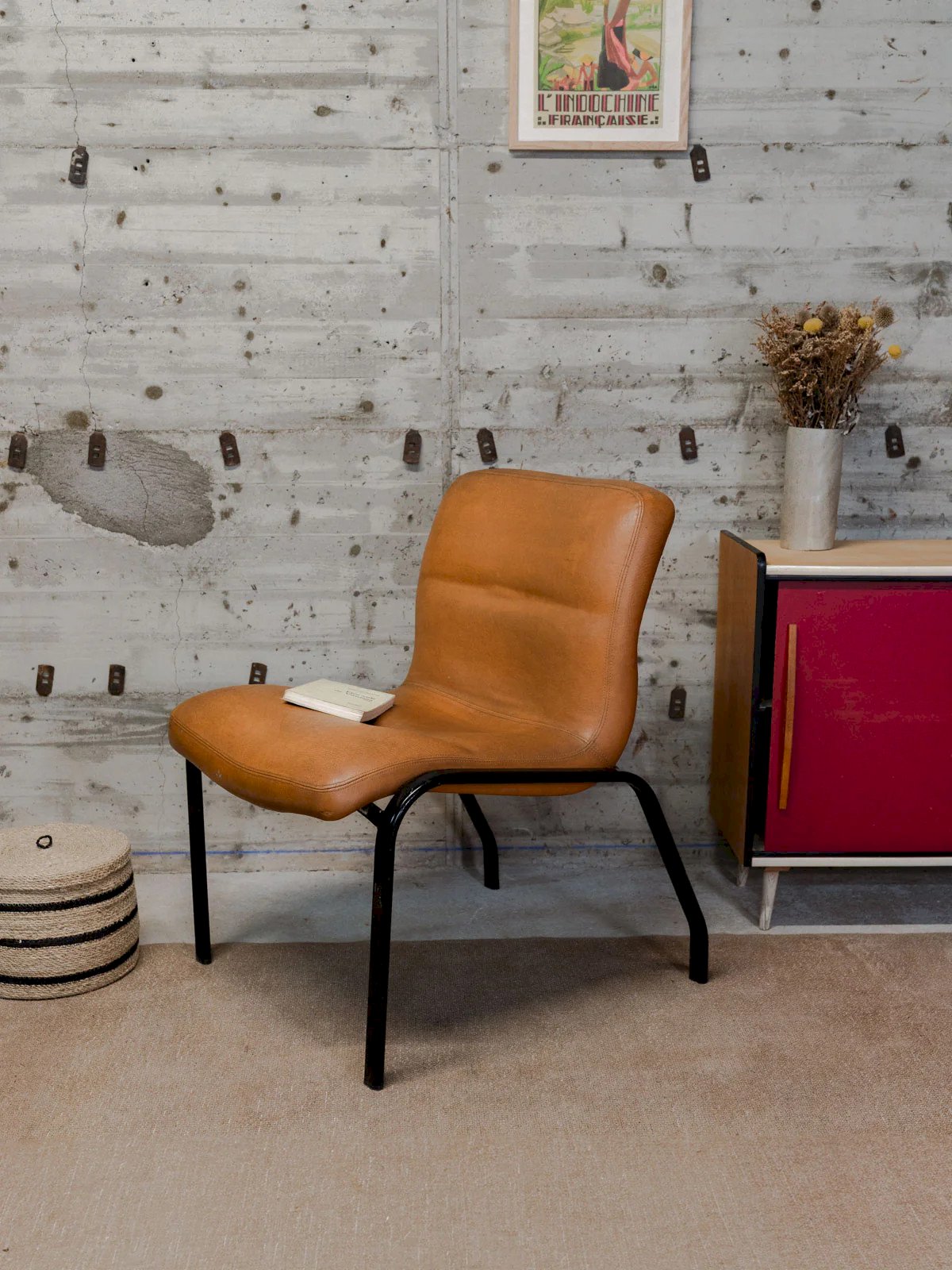
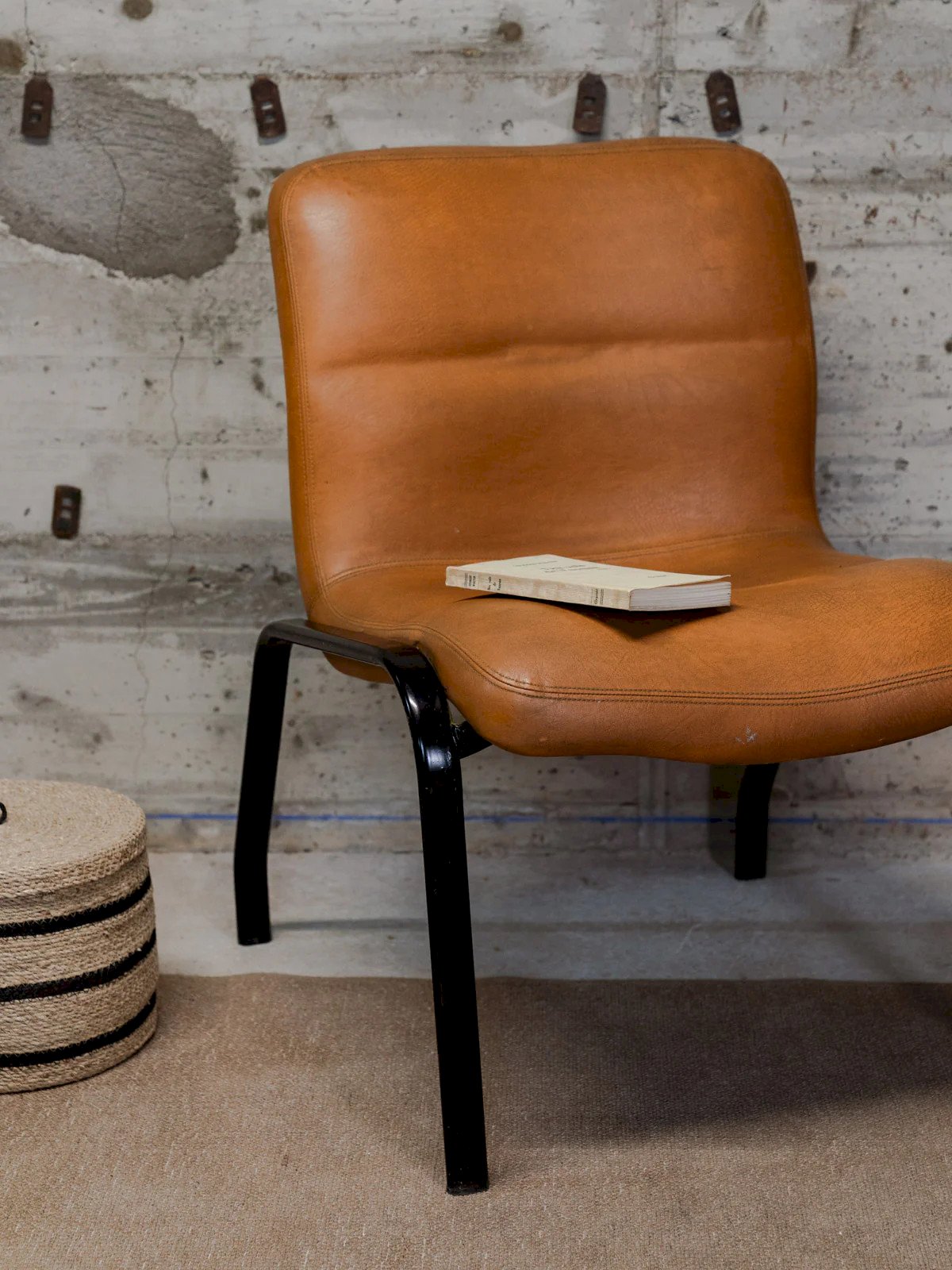
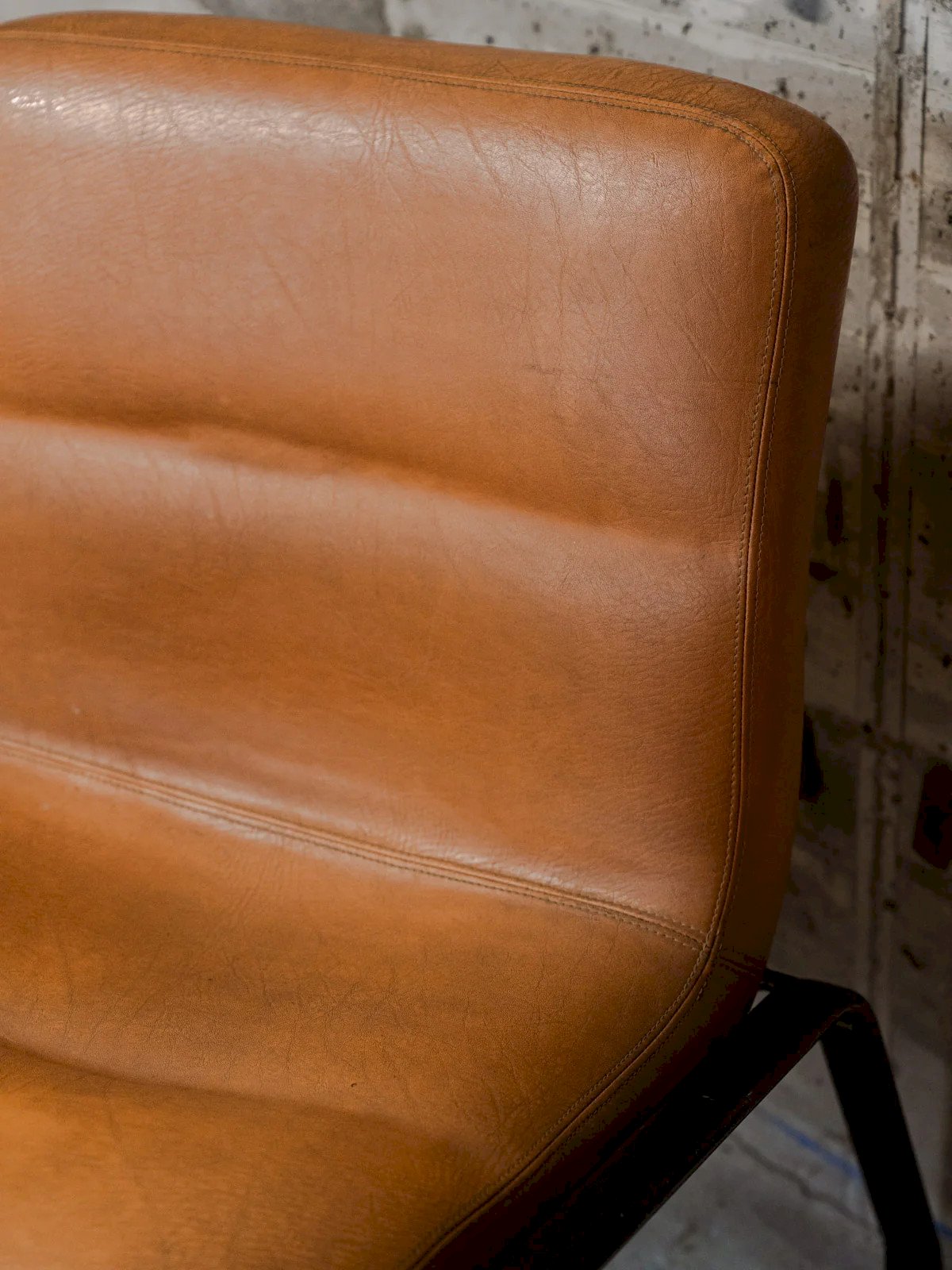
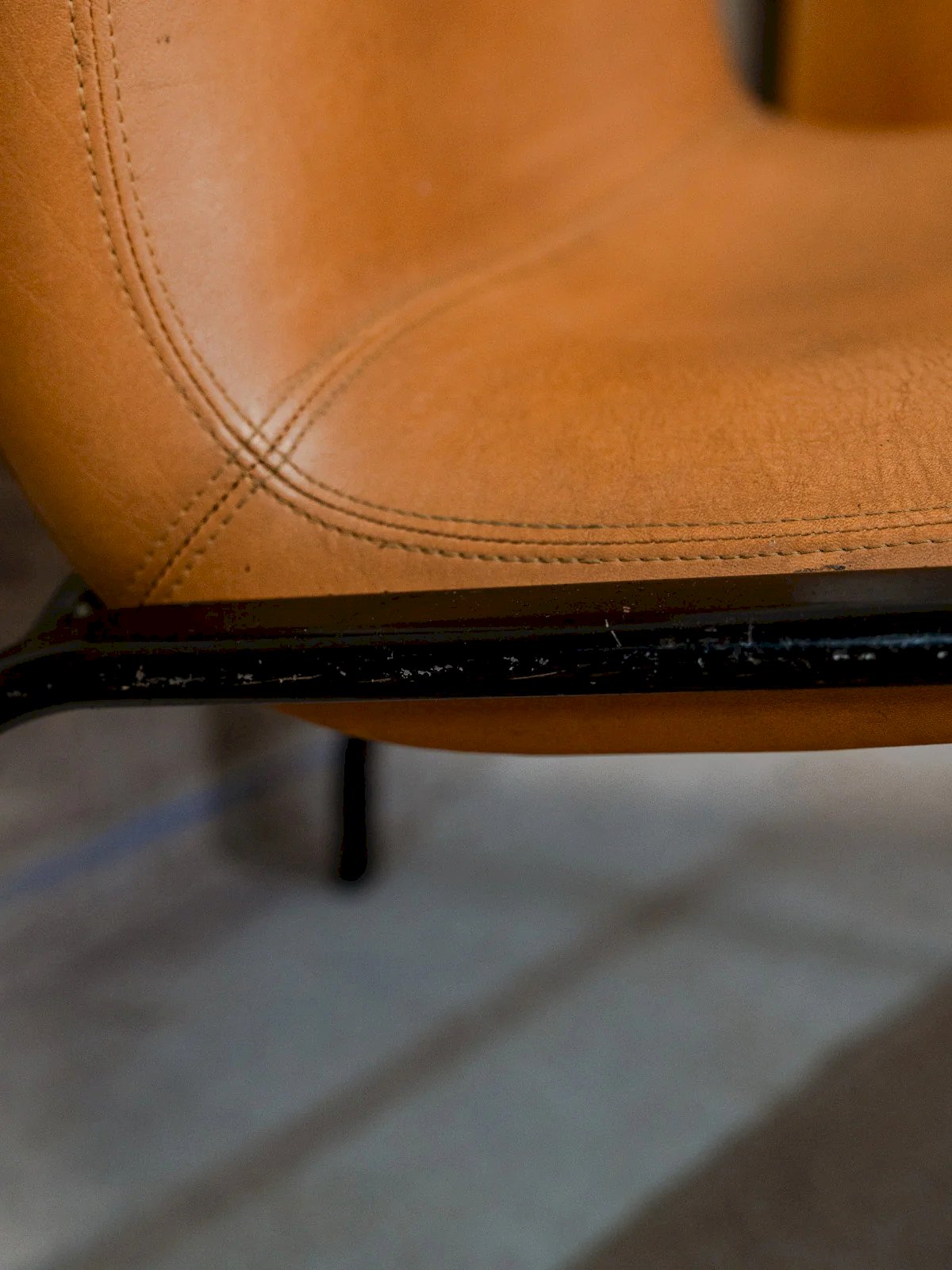
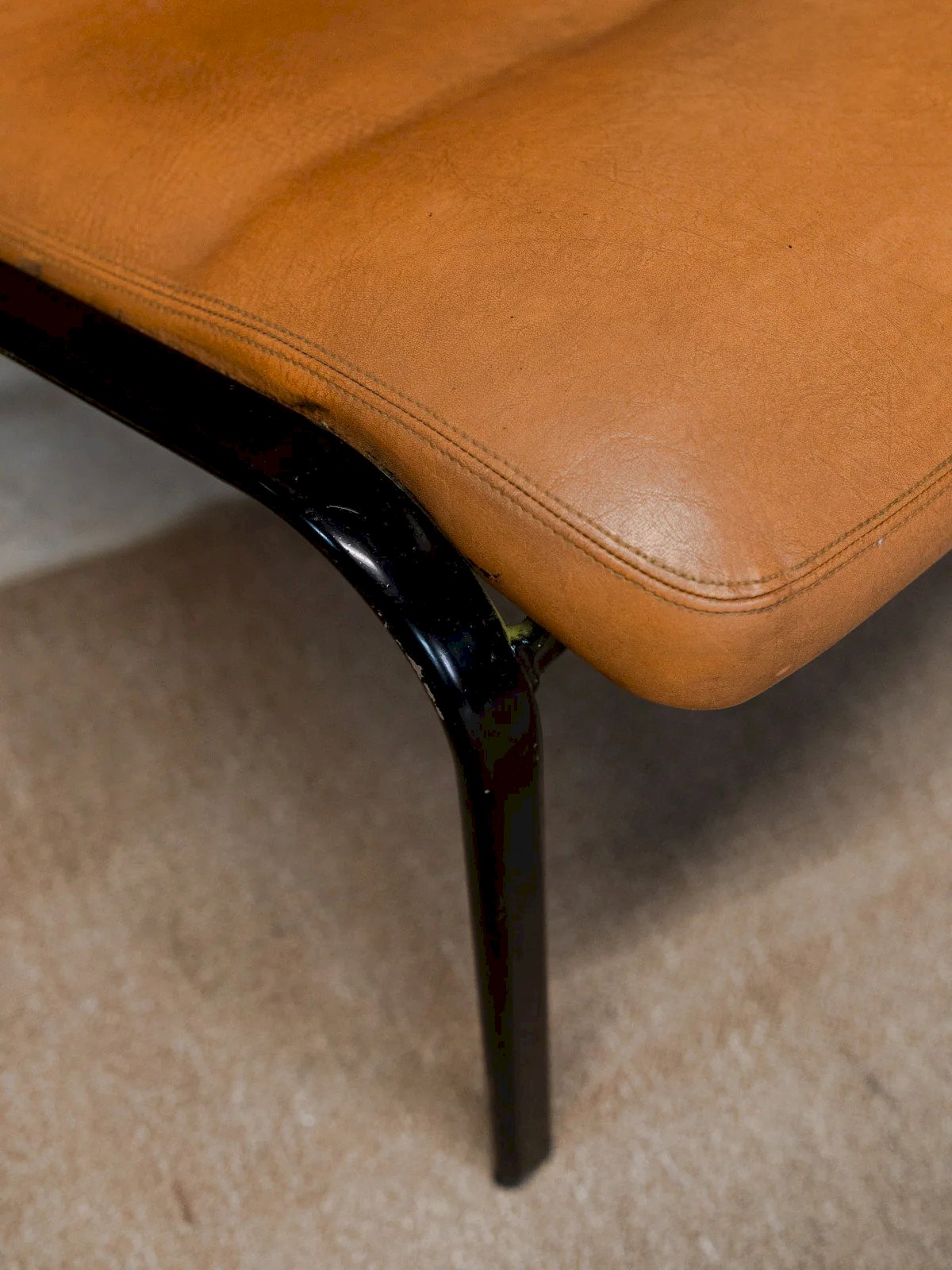
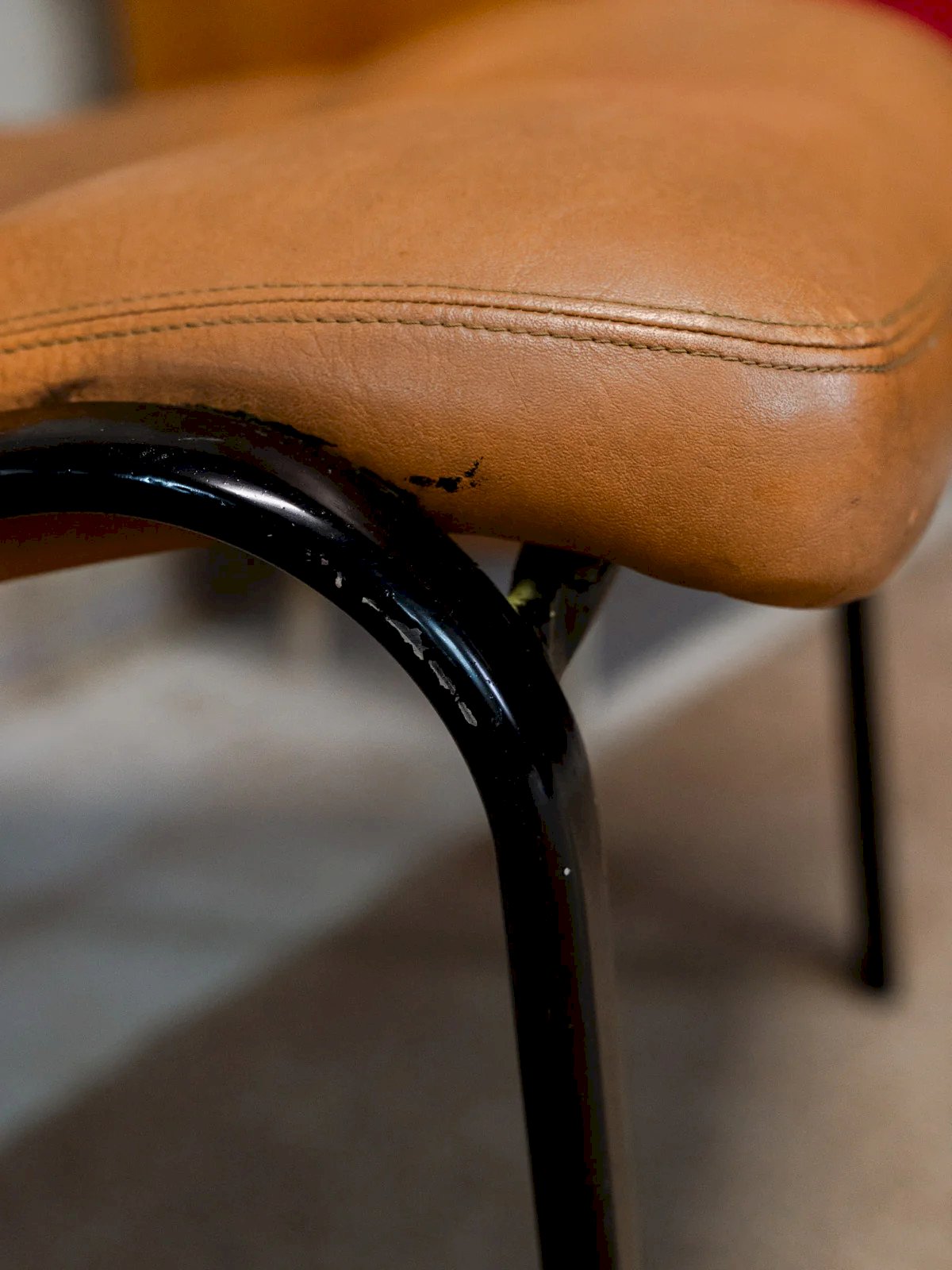
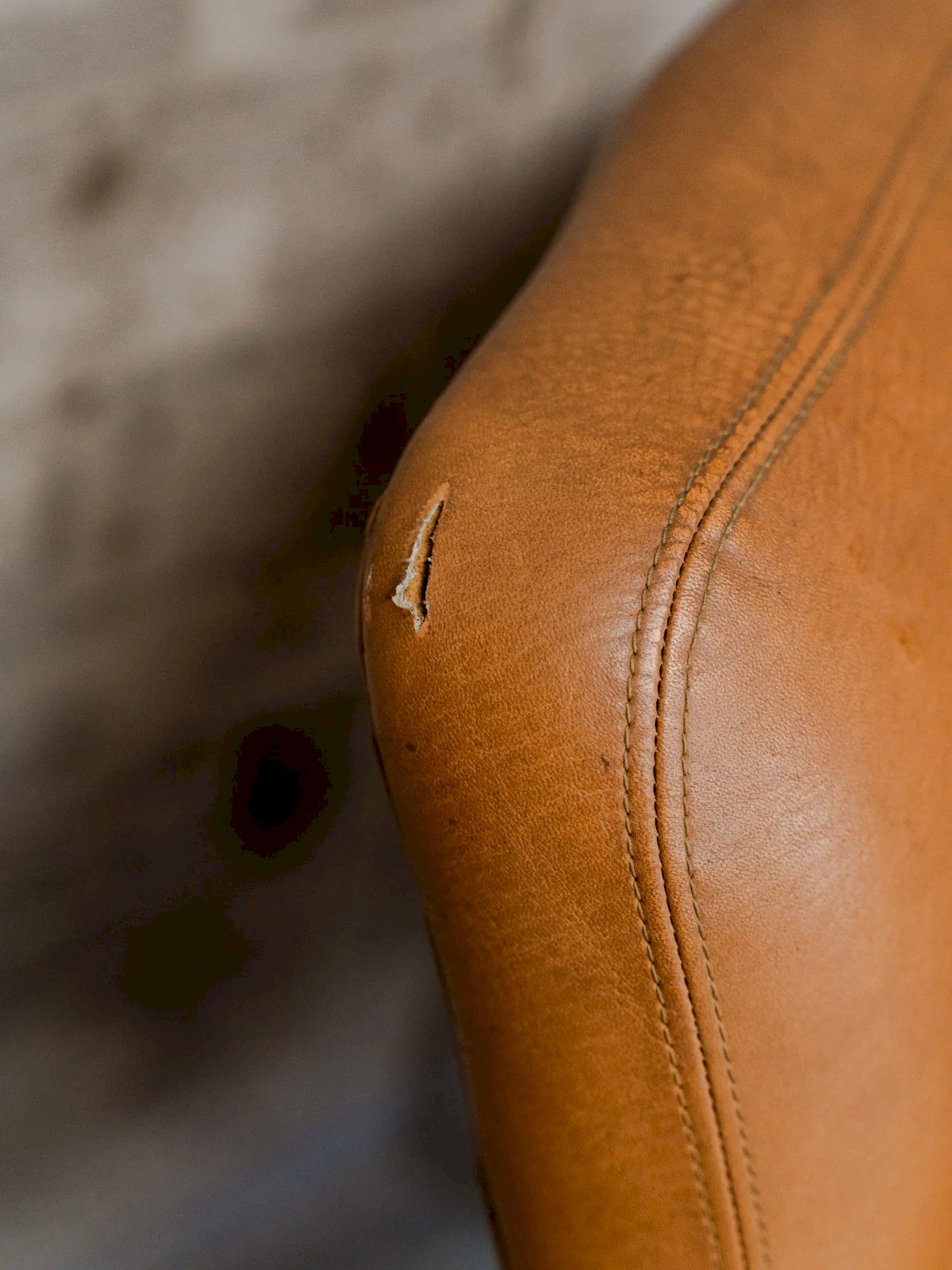
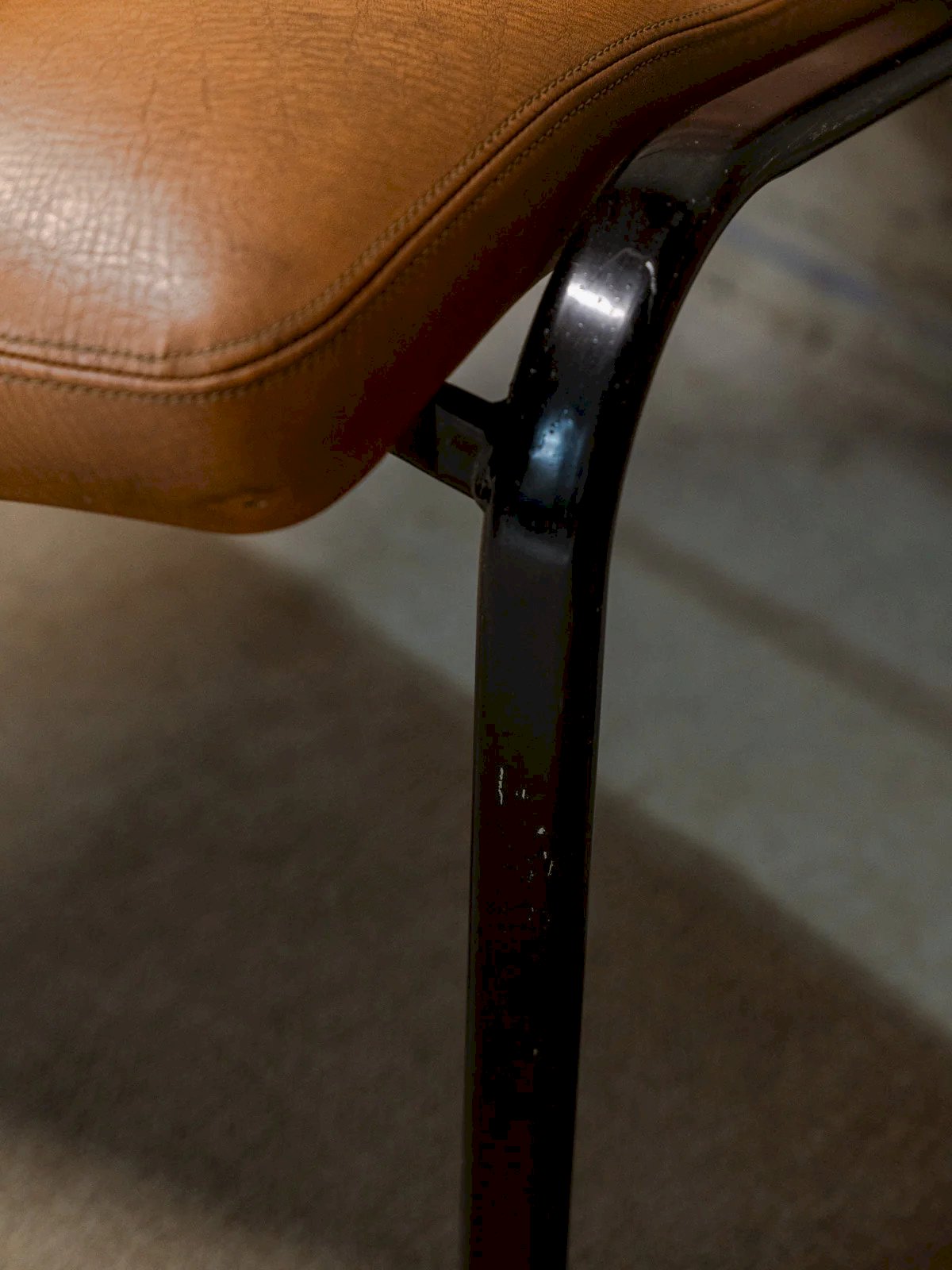
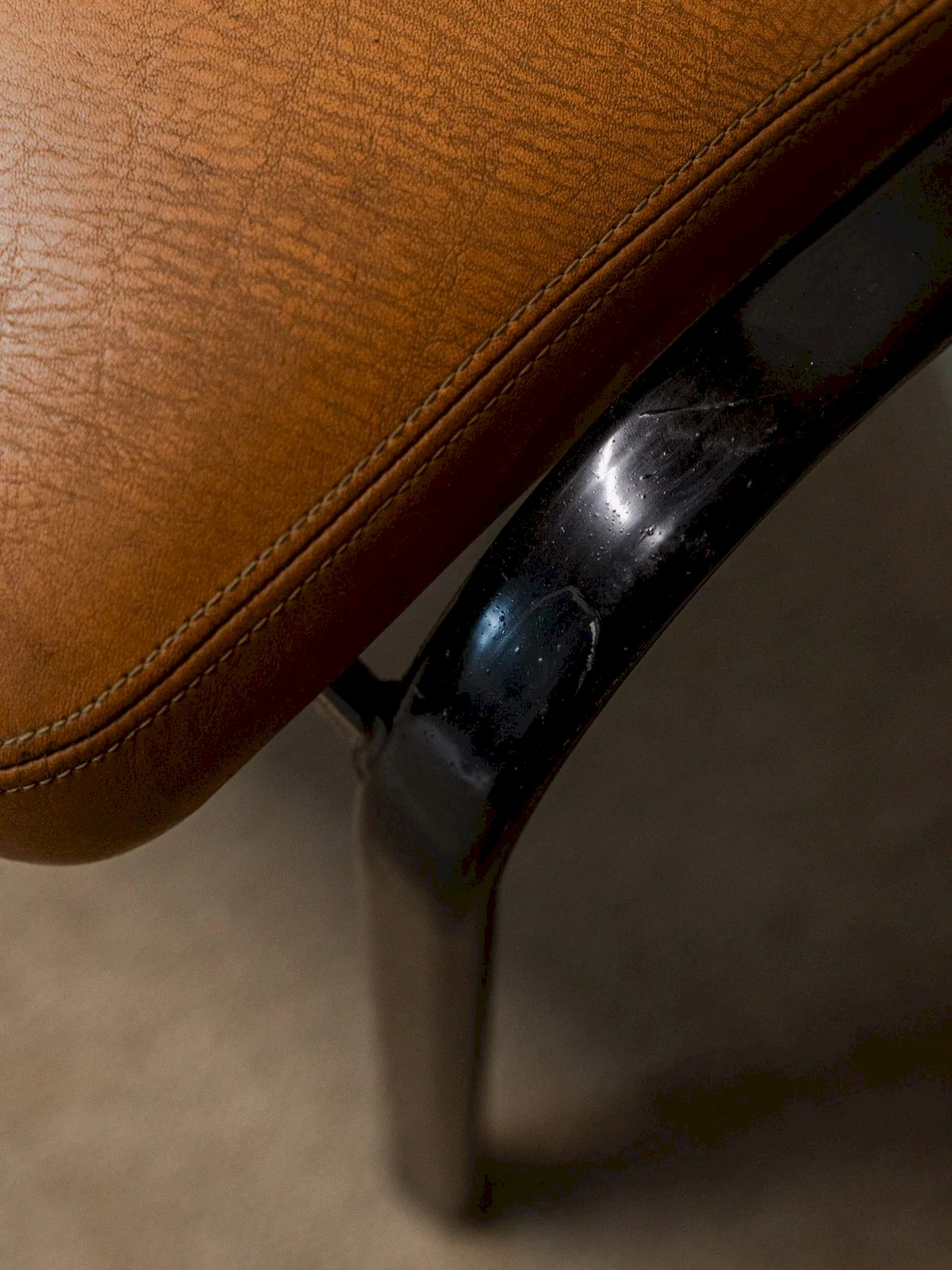
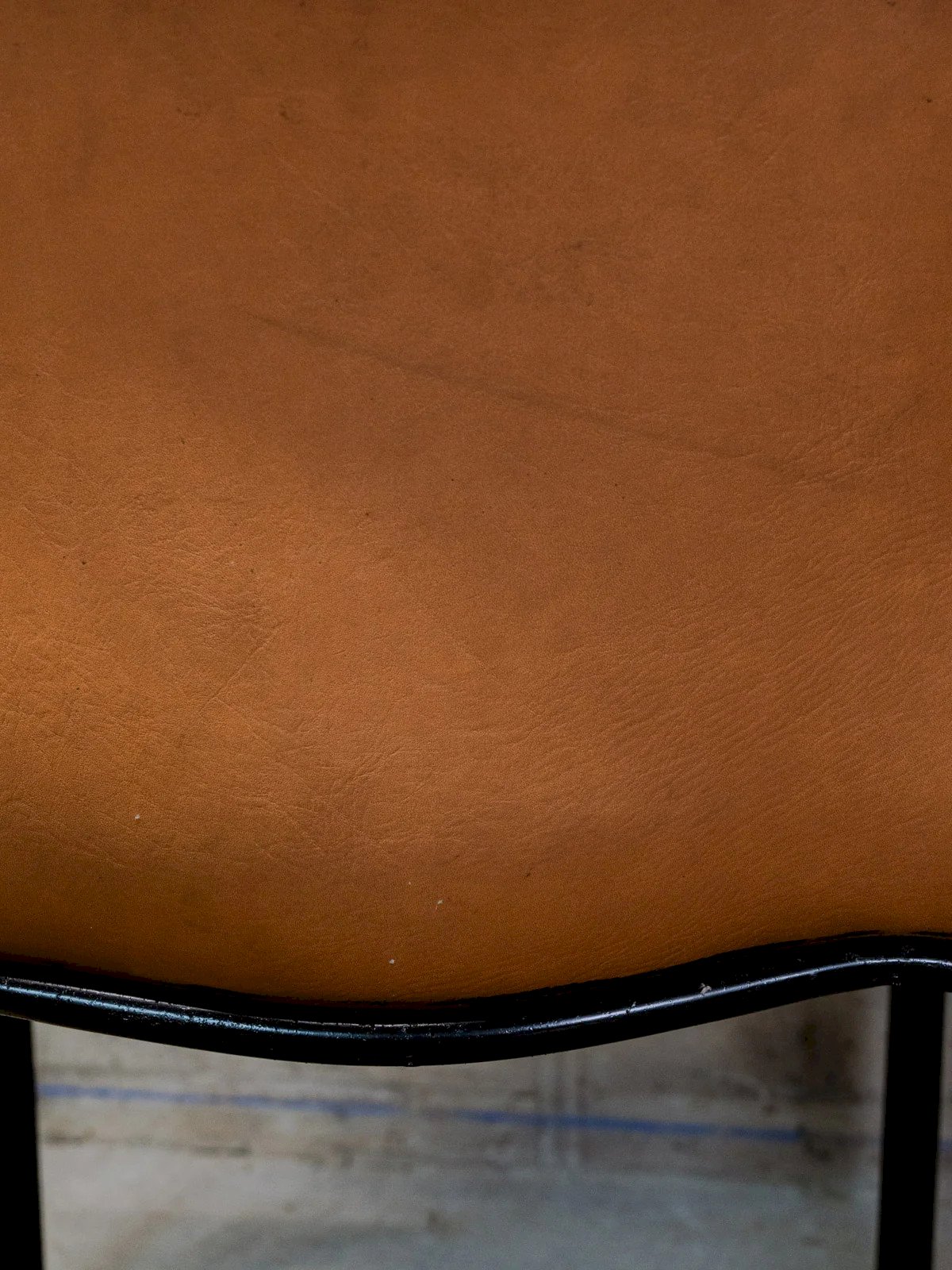
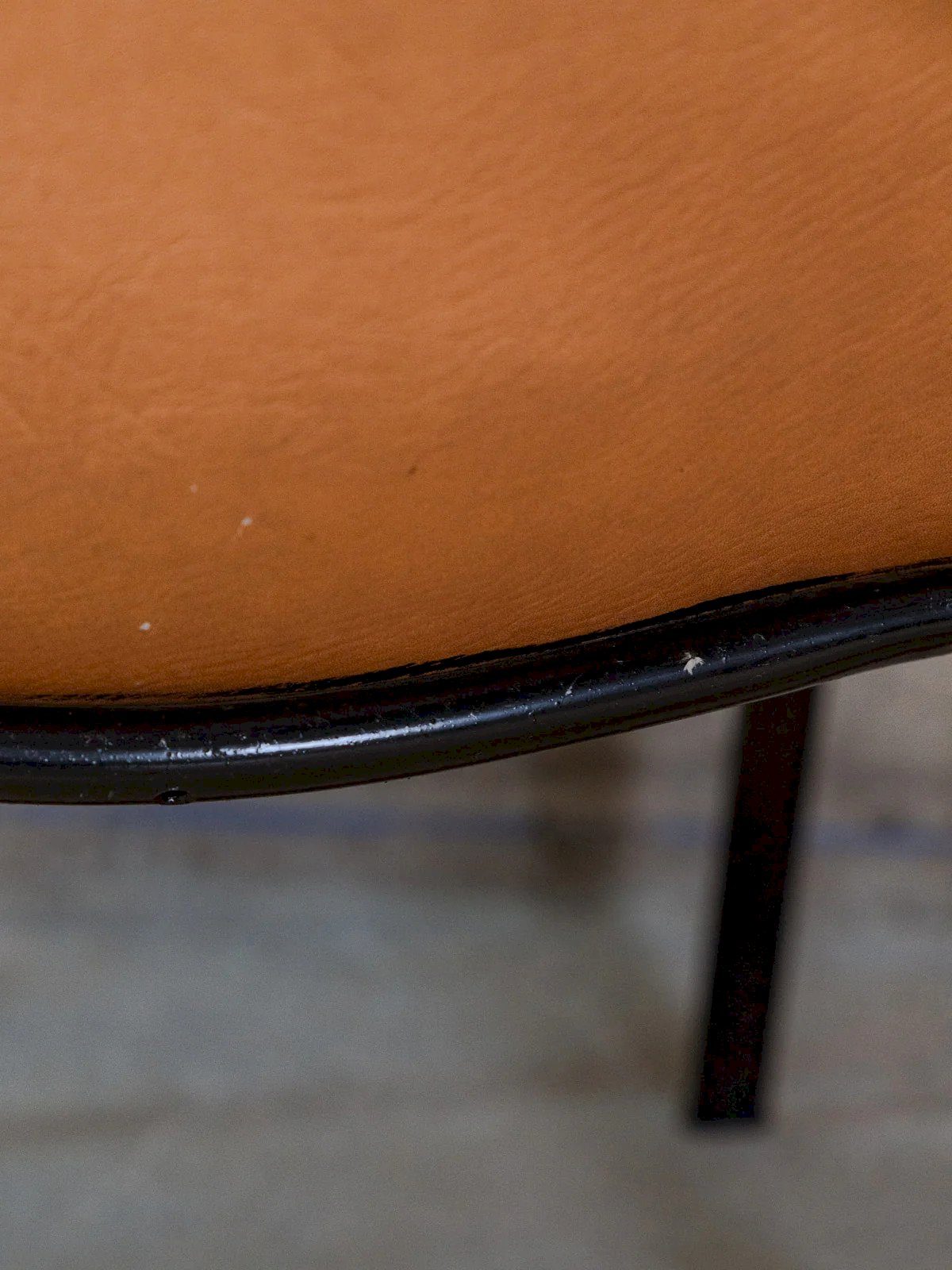
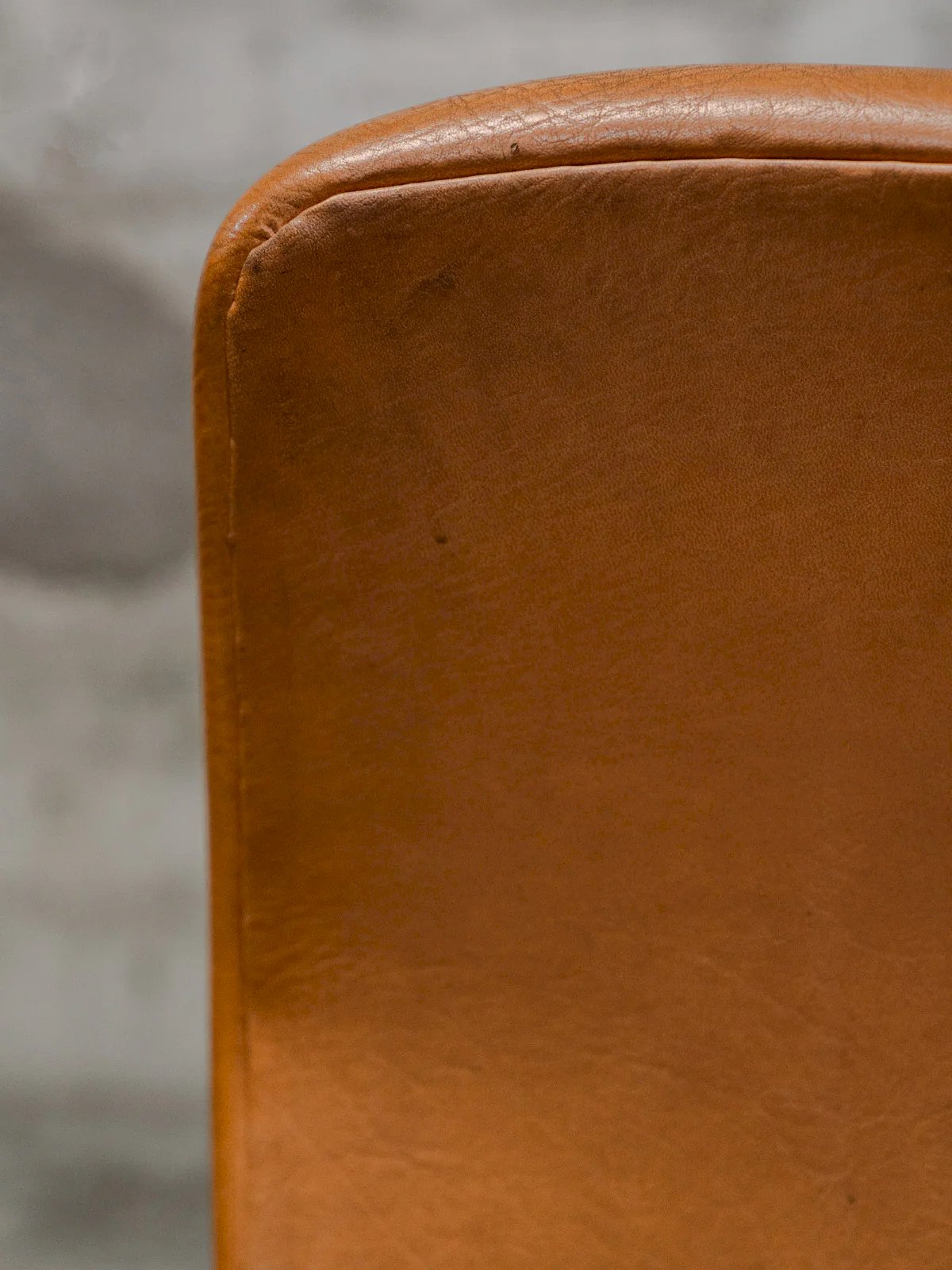
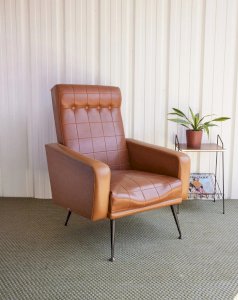
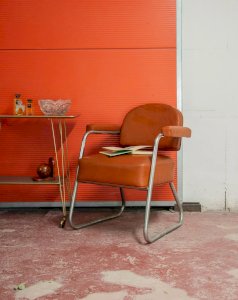
Adopt this vintage camel leather armchair on a metal frame. Its sober and graphic design adds a retro touch to your living room or office. Its seat height is comfortable, and its size makes it easy to place in an urban interior or a guest room, while the contrast between the leather and the metal highlights an elegant and contemporary look. Some slight traces of time are present on the metal. Length: 63 cm Width: 50 cm Height: 81 cm Seat height: 48.5 cm Seat depth: 48.5 cm A brief history of the armchair If the chair is made for work or dining, the armchair was born in the 17th century for one mission only: rest. Its name derives from the old French "faudesteuil," a folding seat for dignitaries, but it emancipated itself under Louis XV to become this comfort furniture equipped with armrests. Unlike the chair, it favors a wider seat and a reclined back, inviting conversation rather than rigid posture. Whether it is a "bergère" with full cheeks to shelter from drafts or a lighter "bridge" armchair, it embodies the evolution of the art of living.
Réf :
#412127
Brand / From : Debongout
Related Products

Comments
Jakob, the faux leather armchair N°1248
229€
75002 Paris
Ce site contient des liens d’affiliation pour lesquels je peux recevoir une compensation.
Description
Adopt this vintage camel leather armchair on a metal frame. Its sober and graphic design adds a retro touch to your living room or office. Its seat height is comfortable, and its size makes it easy to place in an urban interior or a guest room, while the contrast between the leather and the metal highlights an elegant and contemporary look. Some slight traces of time are present on the metal. Length: 63 cm Width: 50 cm Height: 81 cm Seat height: 48.5 cm Seat depth: 48.5 cm A brief history of the armchair If the chair is made for work or dining, the armchair was born in the 17th century for one mission only: rest. Its name derives from the old French "faudesteuil," a folding seat for dignitaries, but it emancipated itself under Louis XV to become this comfort furniture equipped with armrests. Unlike the chair, it favors a wider seat and a reclined back, inviting conversation rather than rigid posture. Whether it is a "bergère" with full cheeks to shelter from drafts or a lighter "bridge" armchair, it embodies the evolution of the art of living.
Réf :
#412127
Brand / From : Debongout