 English
 Français


Description
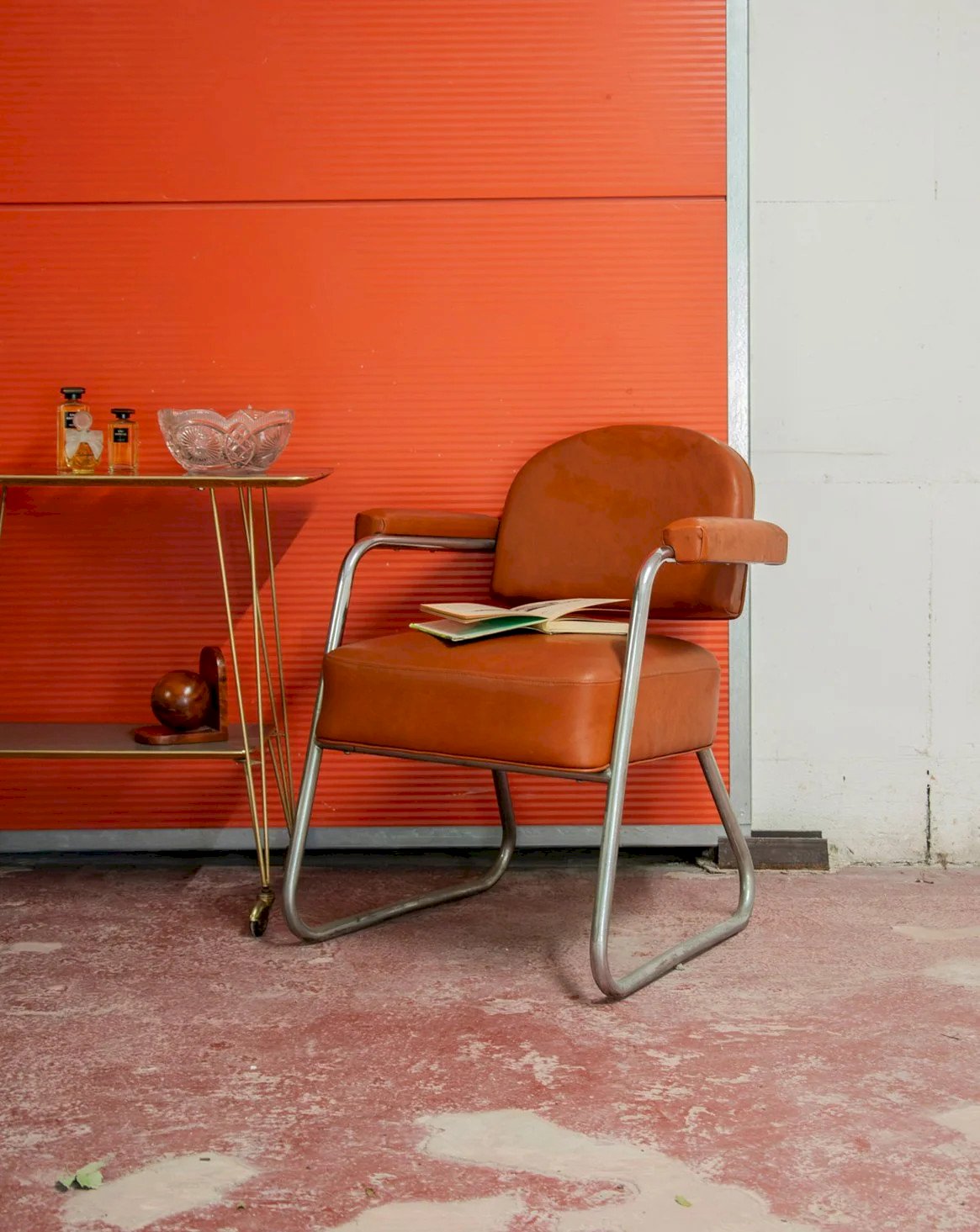
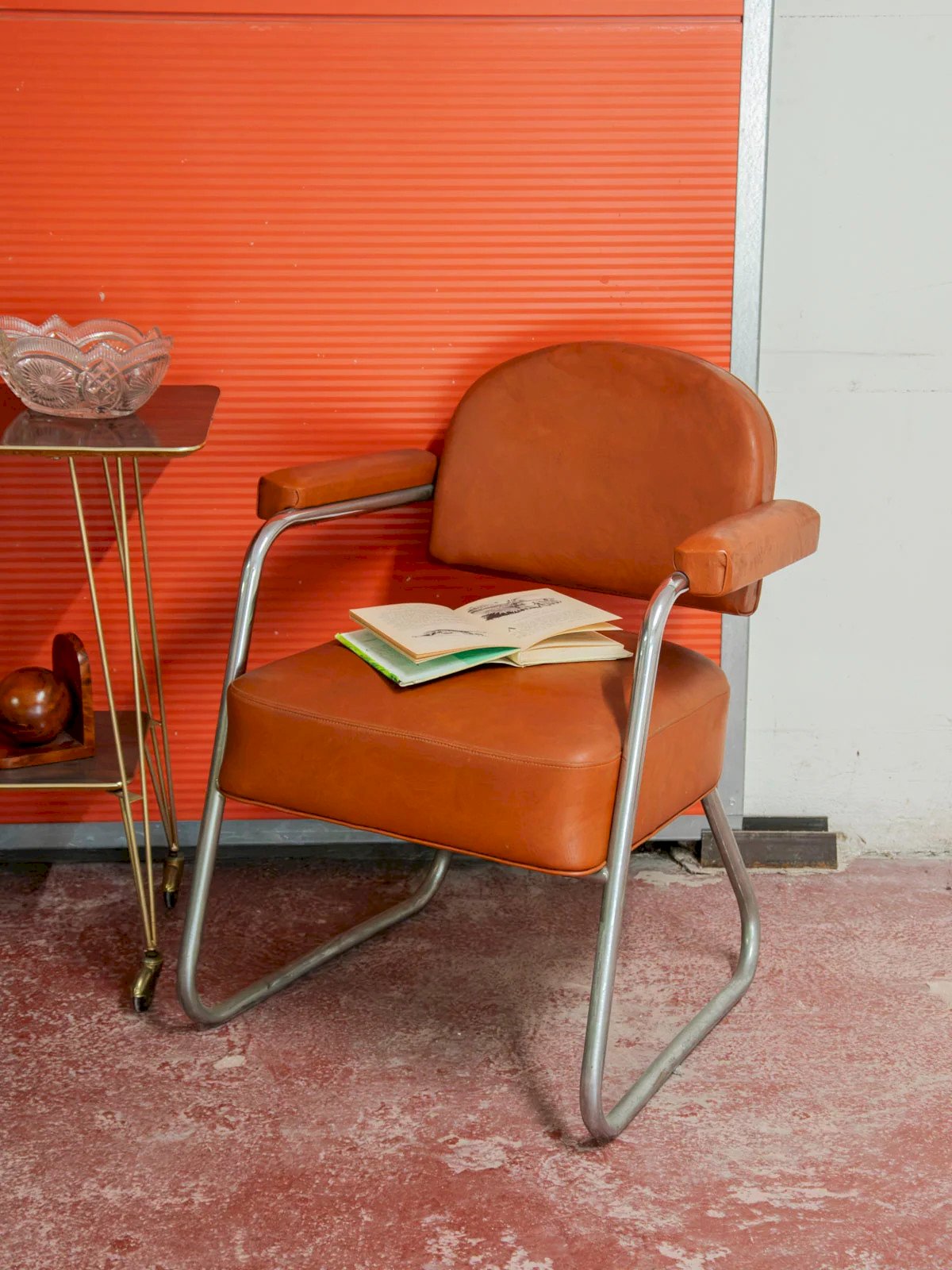
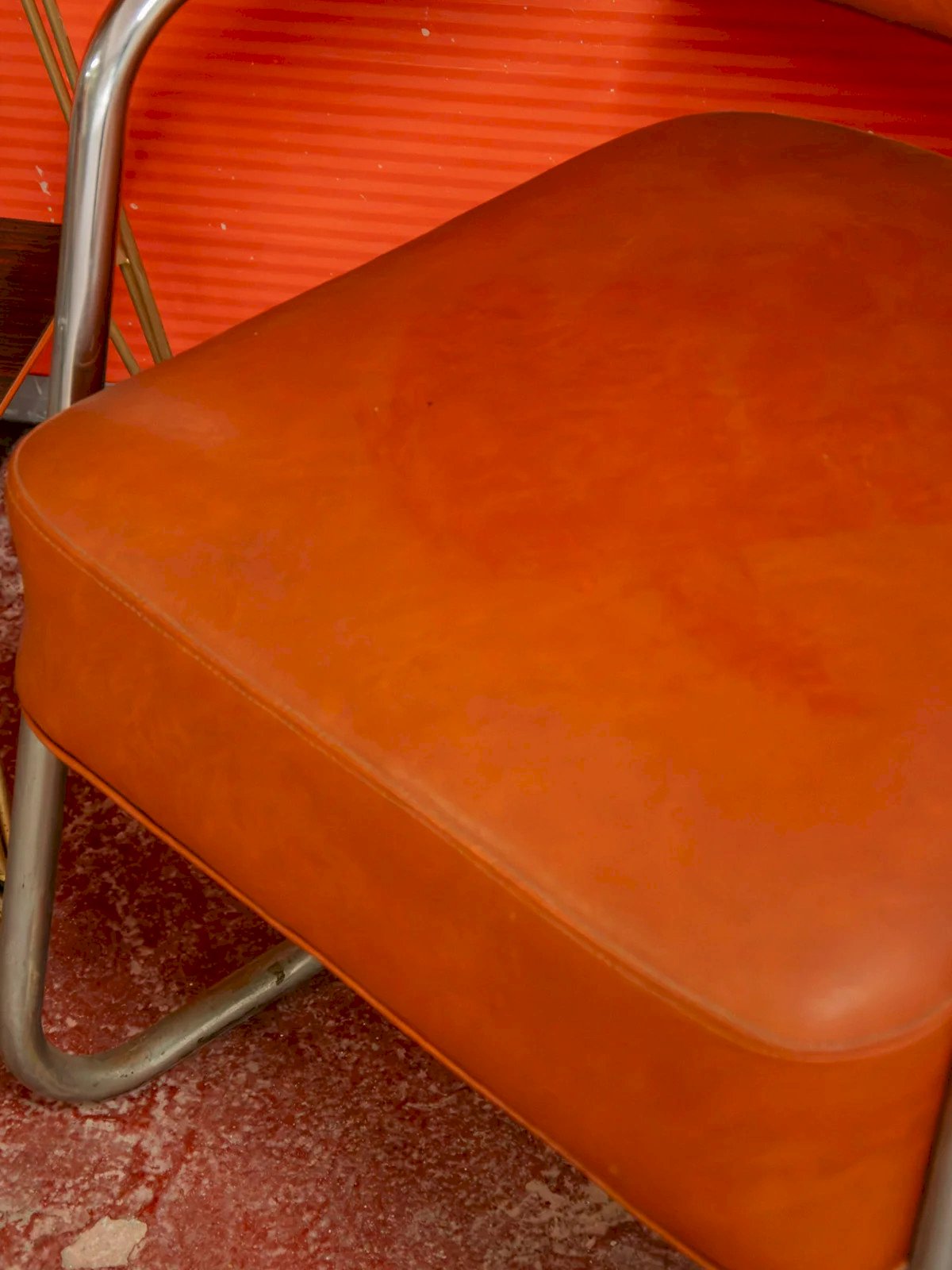
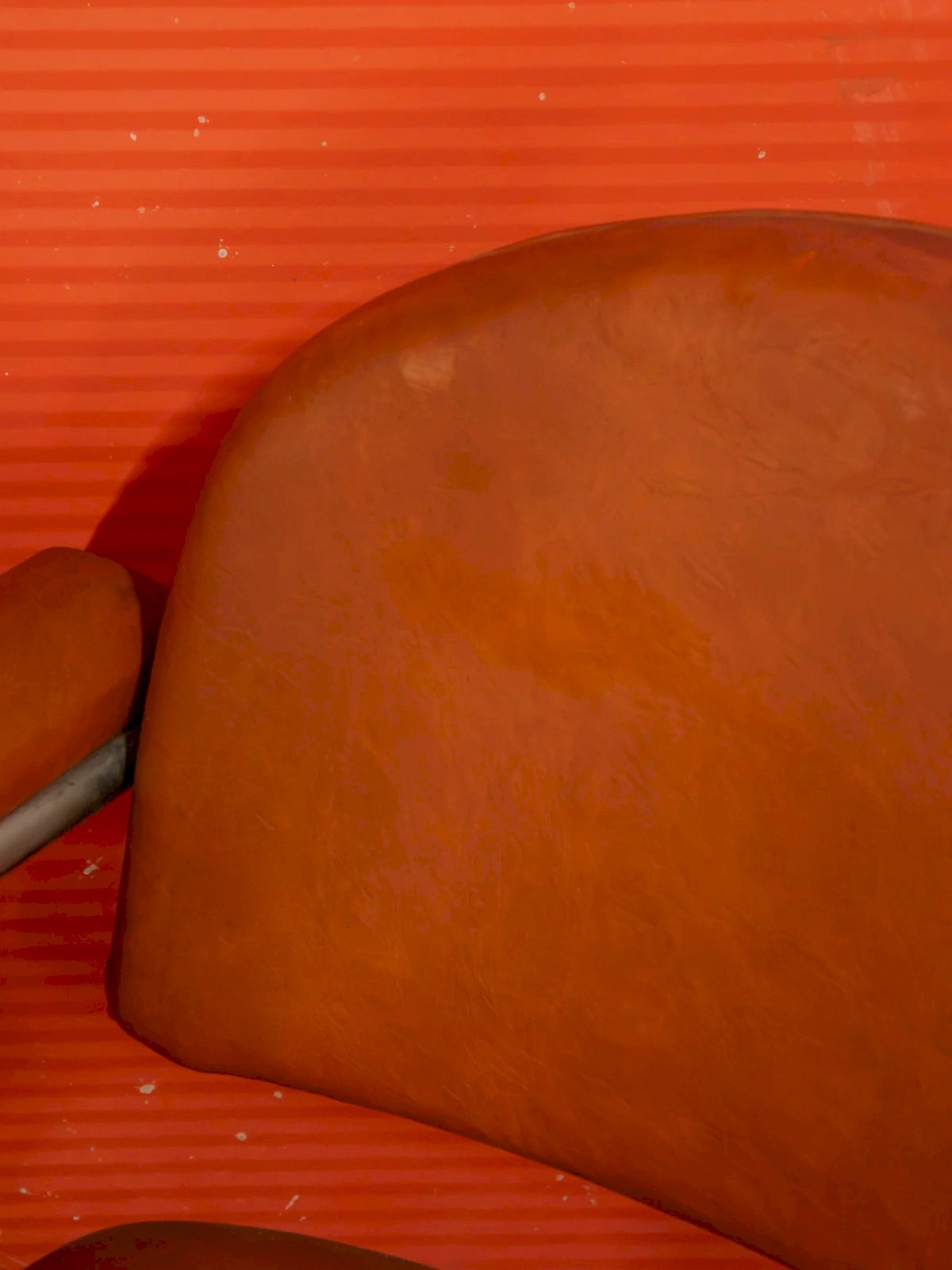
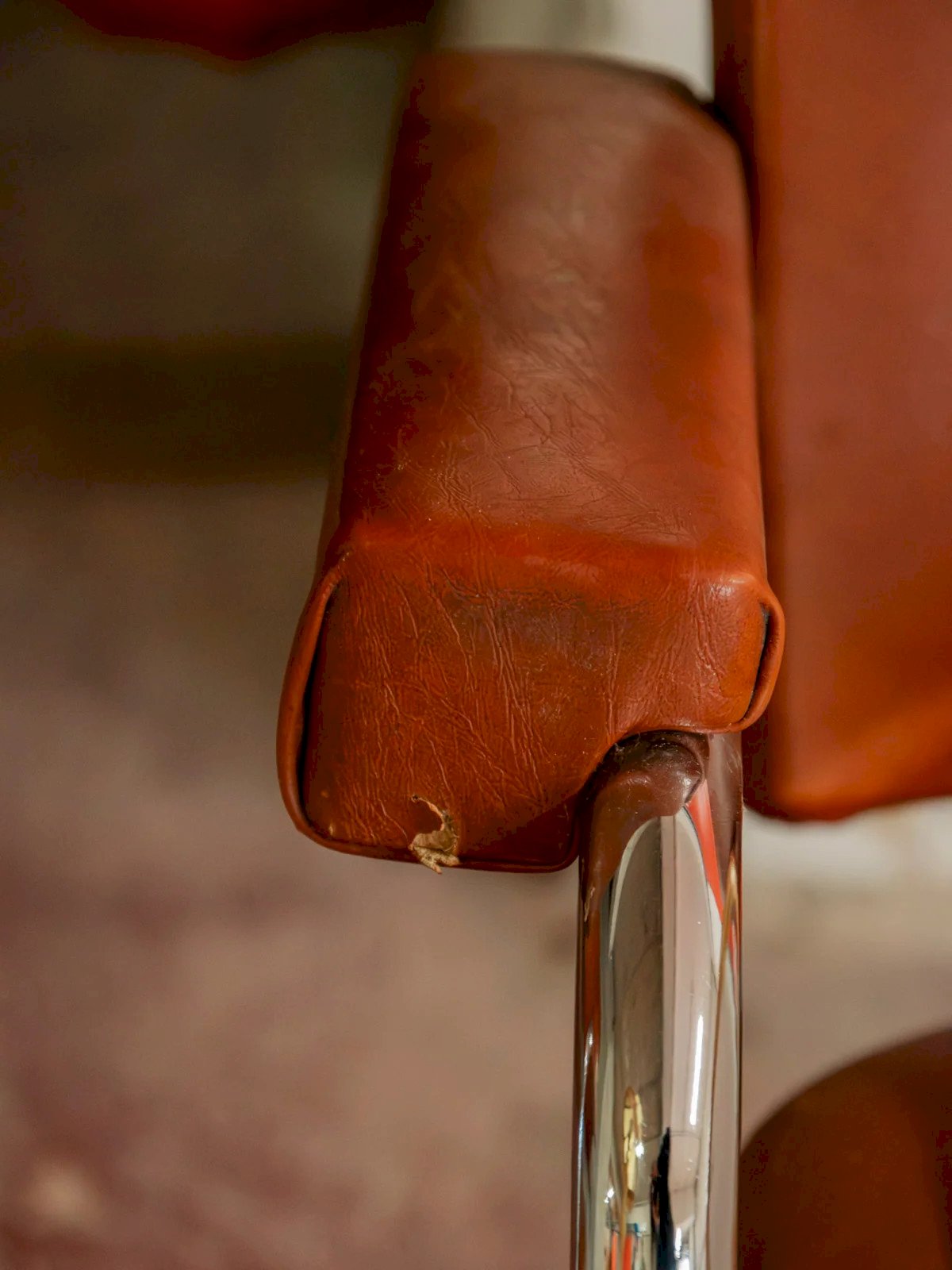
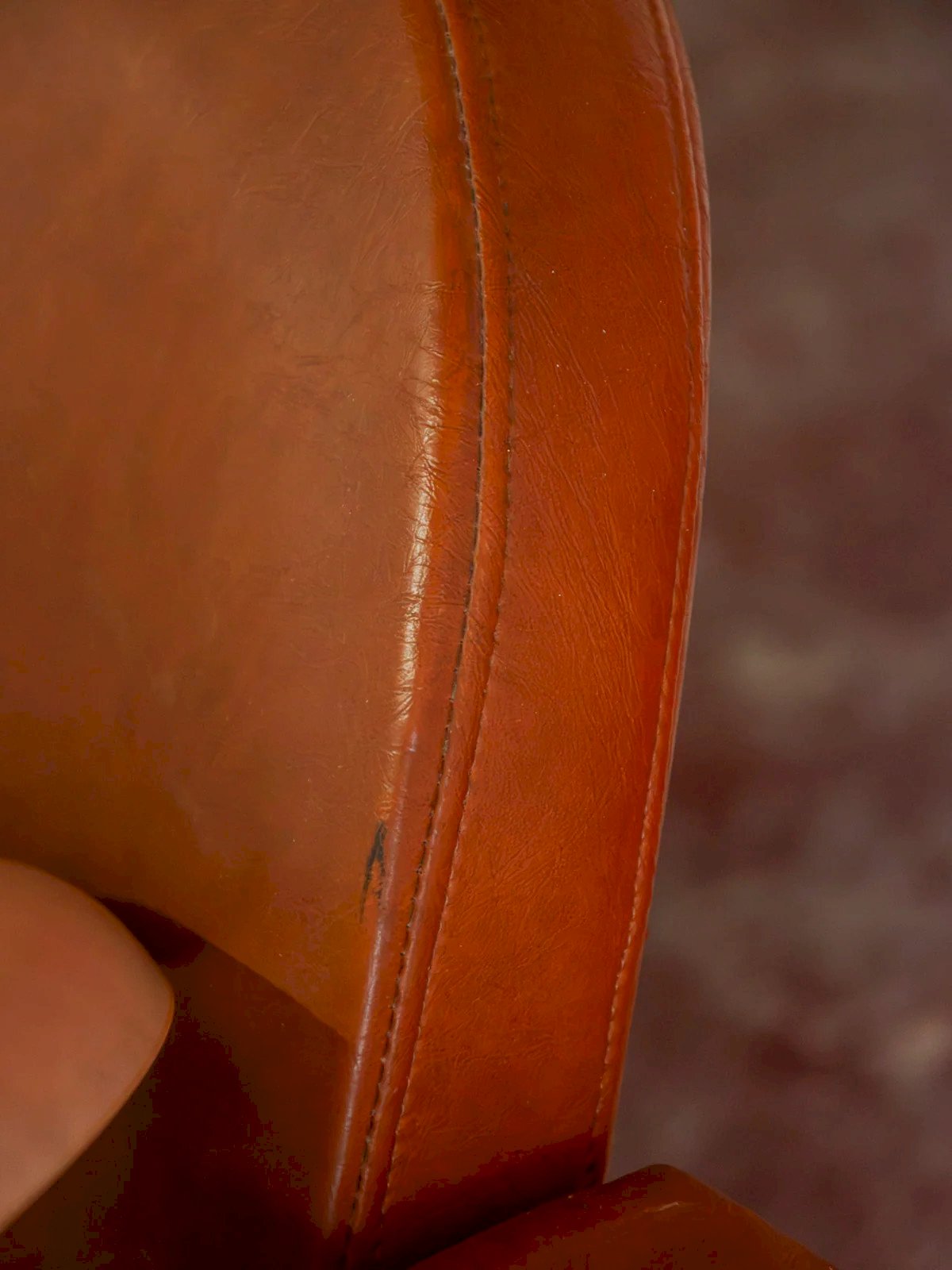
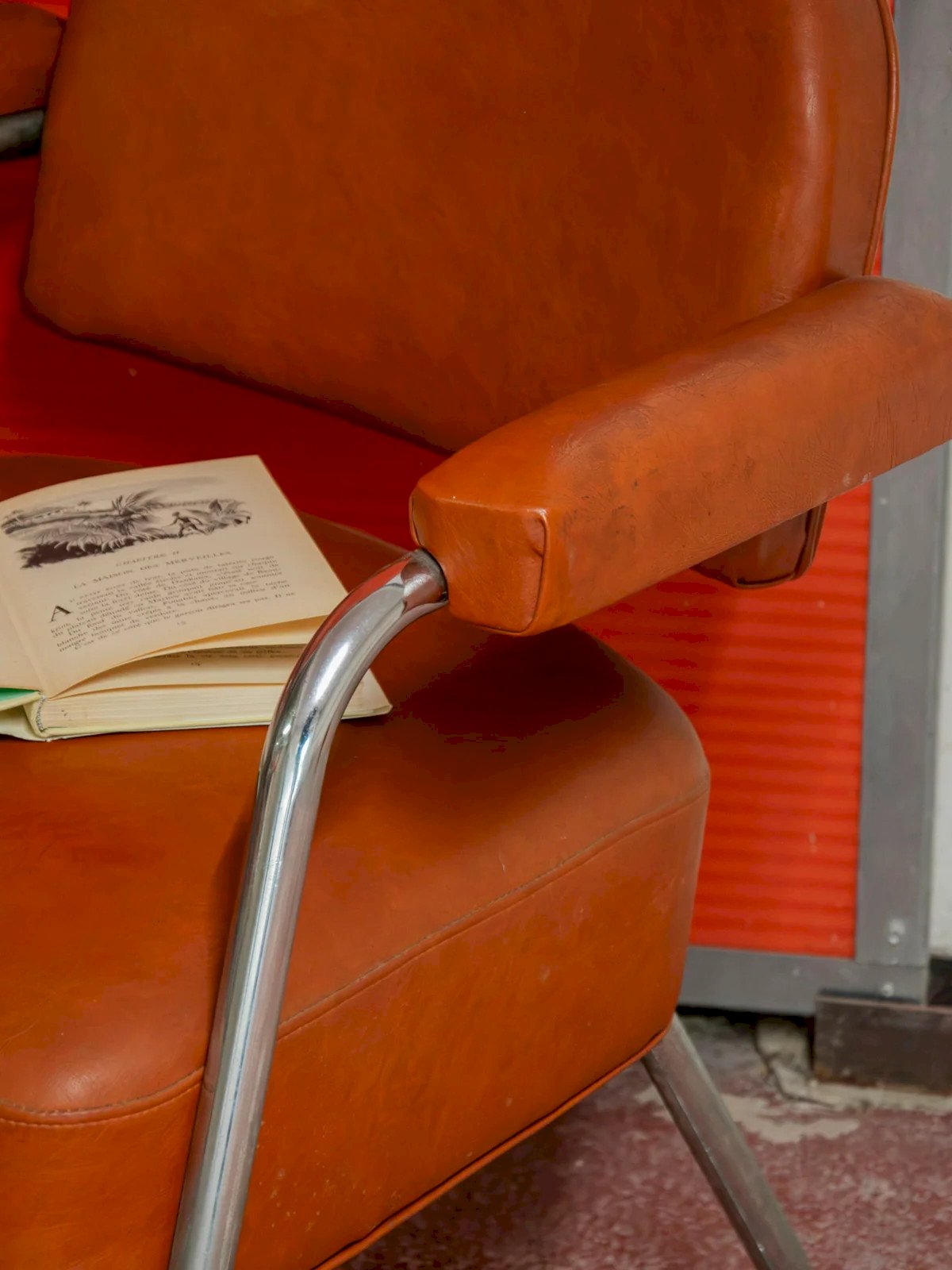
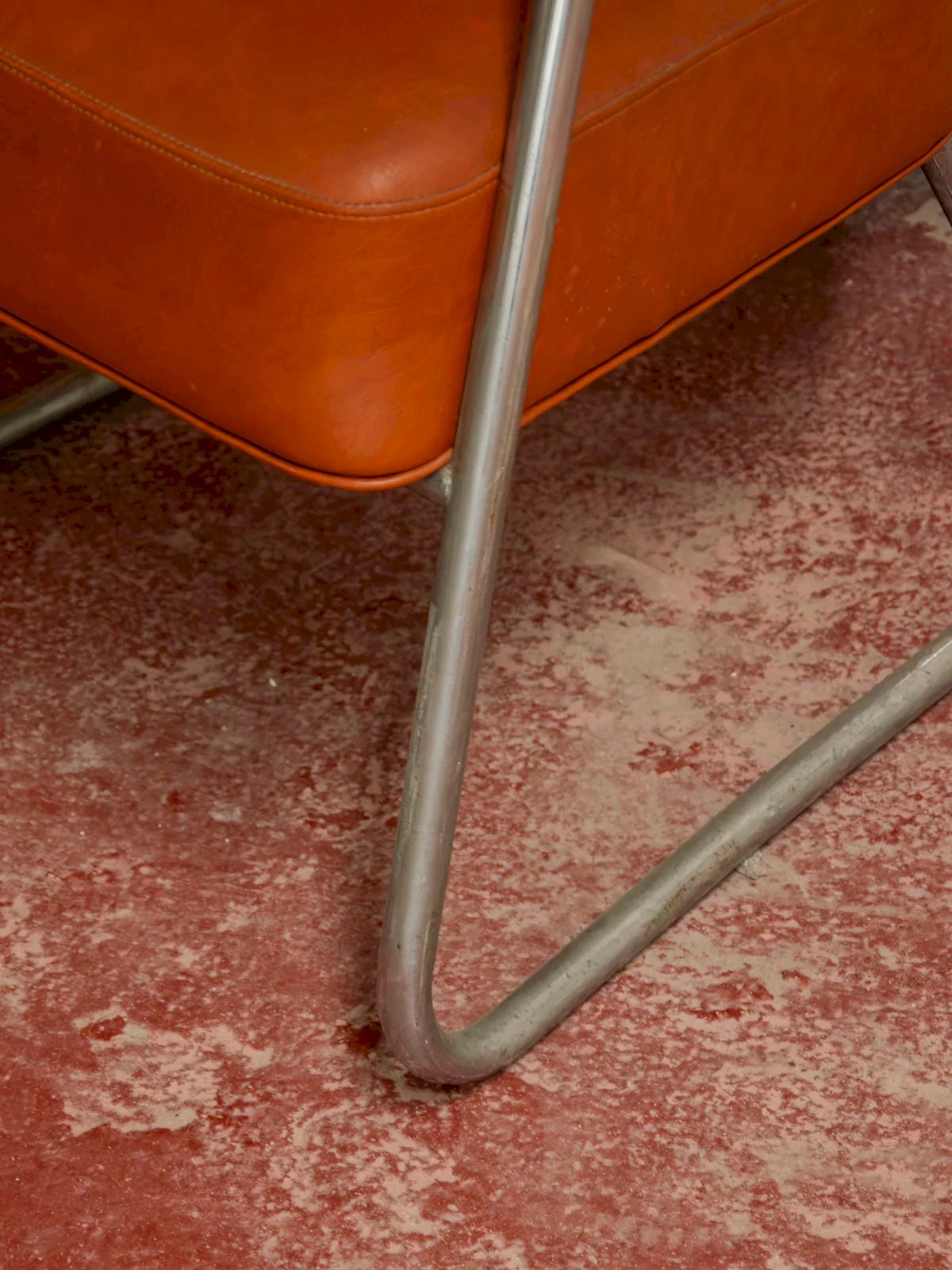
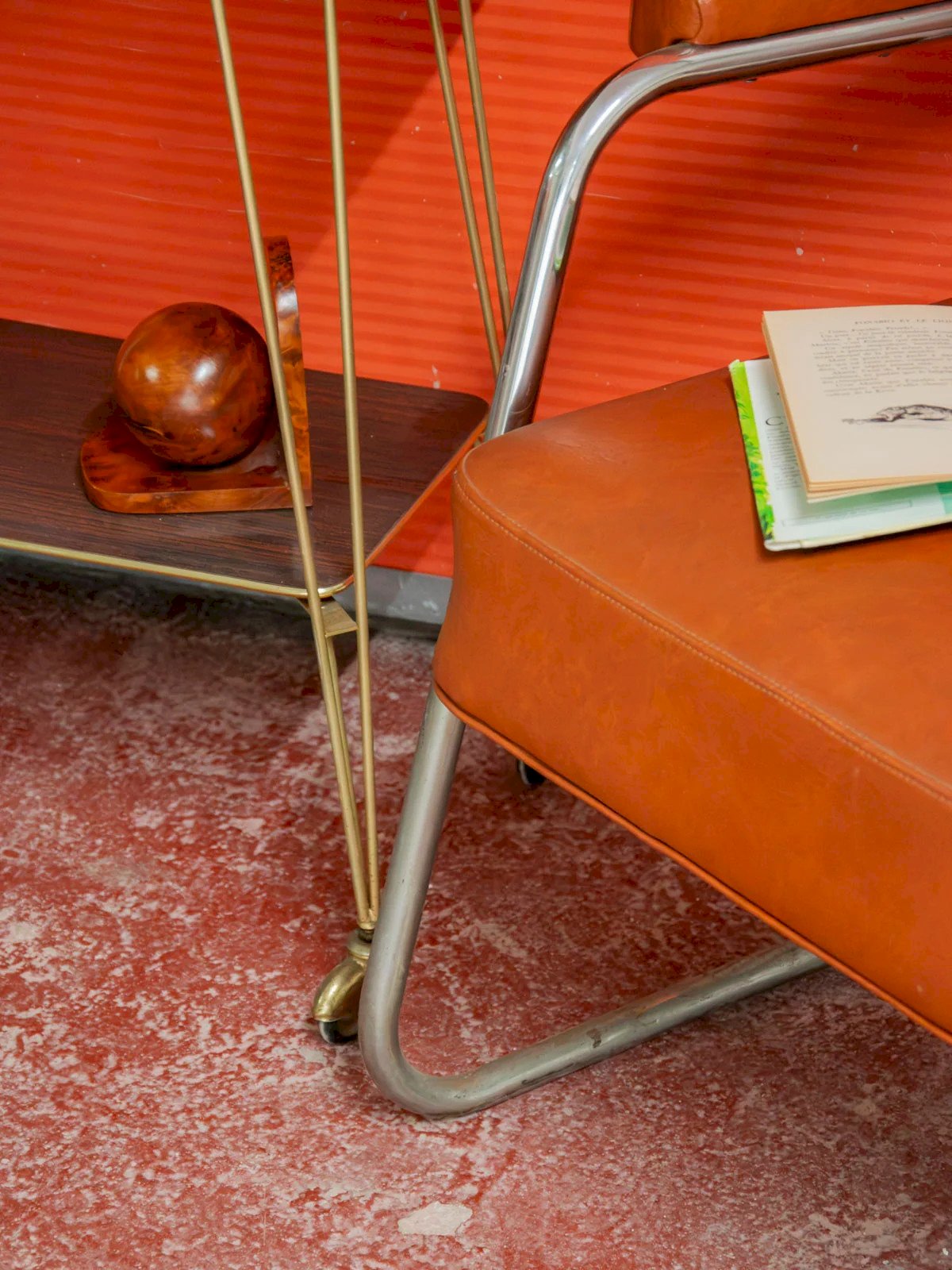
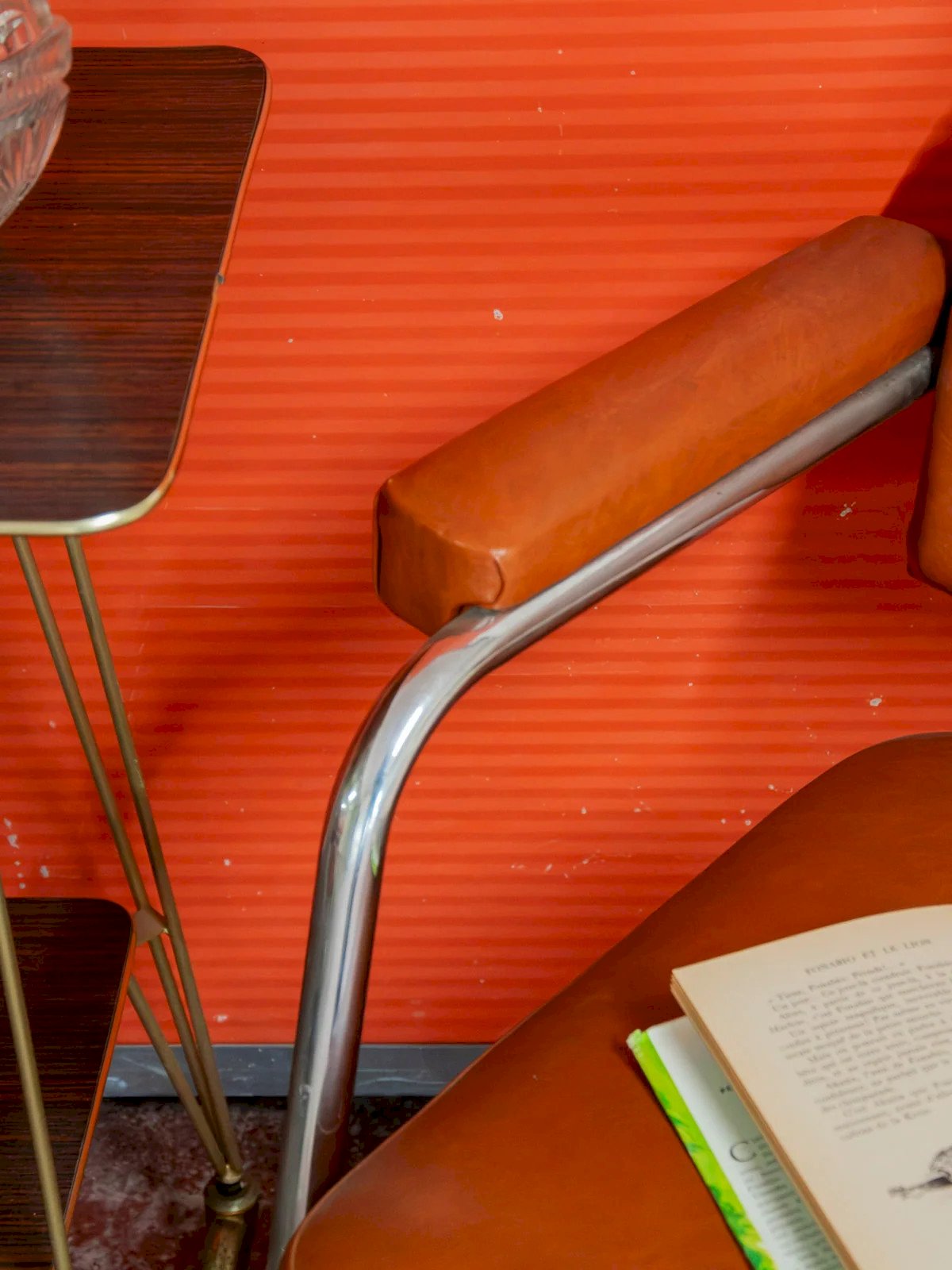
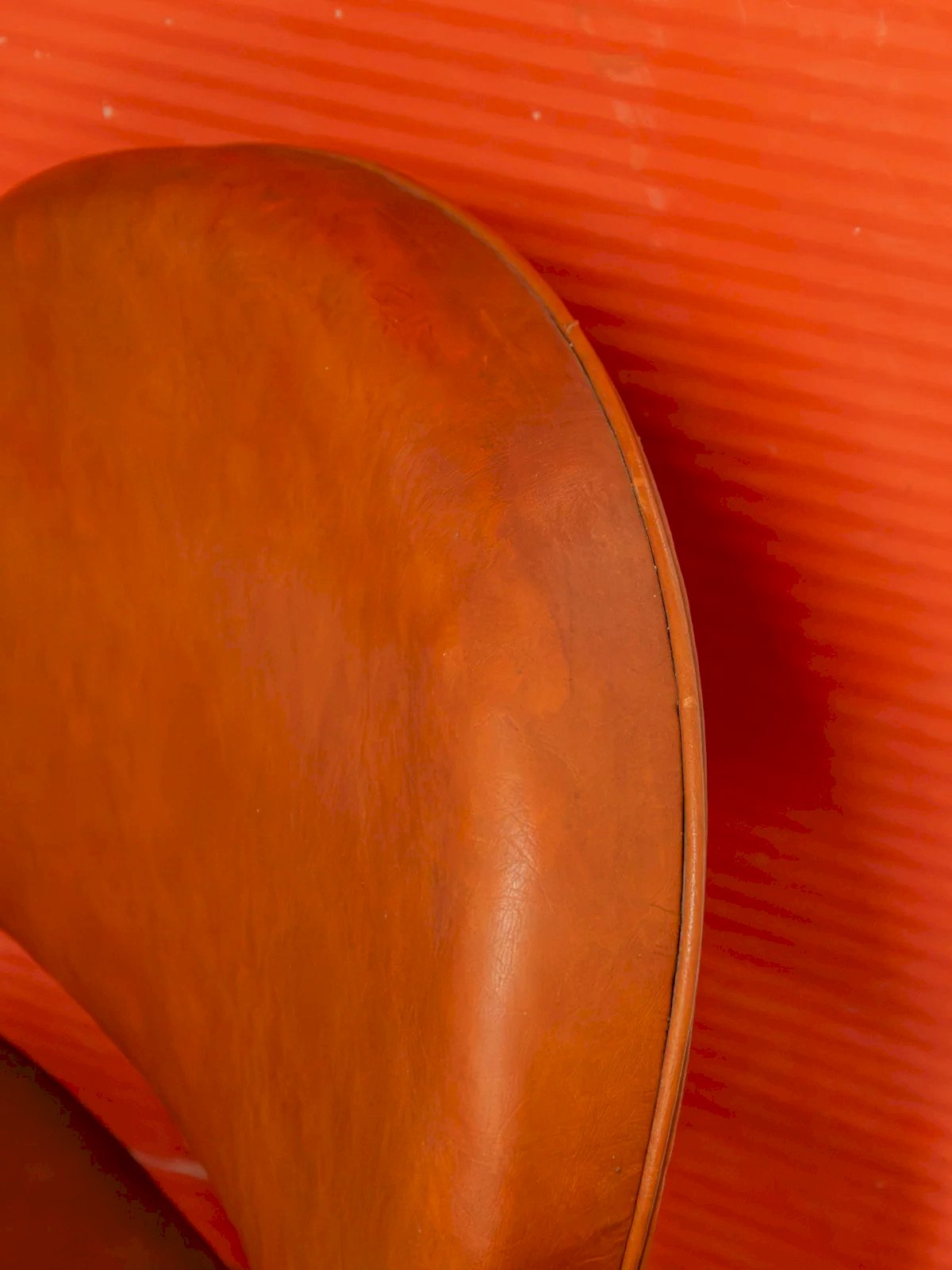
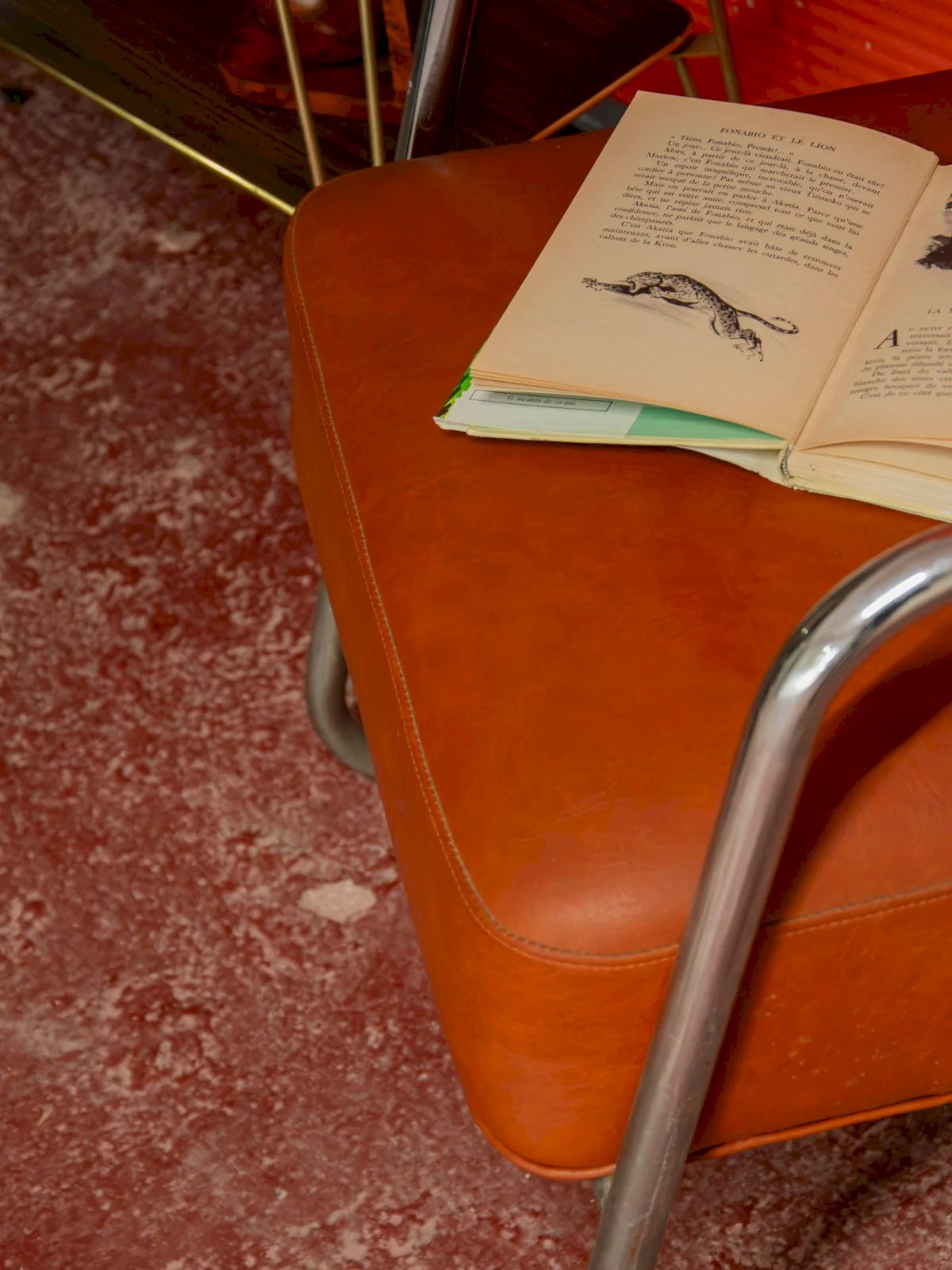
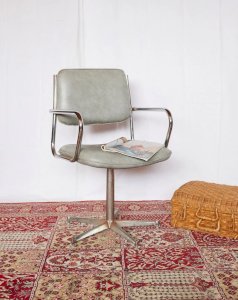
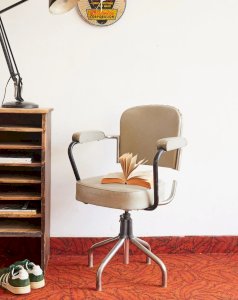
With its rounded curves, this second-hand brown faux leather armchair presents a contemporary look with a gentle touch. Its steel structure provides a solid hold, while the faux leather seat and back offer a comfortable and soft welcome. The seat's depth allows for easy settling in, and the rounded armrest supports the posture without harshness in a living room. The contrast between the faux leather and steel complements a simple decoration, featuring matte materials and neutral tones. Near a window, it holds a wool throw on the armrest and a stack of books within reach. Width: 50 cm Depth: 64 cm Height: 79 cm Seat height: 46 cm Seat width: 47 cm Seat depth: 48 cm A brief history of the armchair While chairs are made for work or meals, the armchair was born in the 17th century for one sole mission: relaxation. Its name derives from the old French "faudesteuil," a folding seat for dignitaries, but it emancipated under Louis XV to become this comfort piece with armrests. Unlike chairs, it favors a wider seat and an inclined backrest, inviting conversation rather than a rigid posture. Whether it's a "bergère" with full cheeks to shield from drafts or a lighter "bridge" armchair, it embodies the evolution of the art of living.
Réf :
#414746
Brand / From : Debongout
Related Products


Comments
Jakob, the brown faux leather armchair No. 1505
219€
75002 Paris
Ce site contient des liens d’affiliation pour lesquels je peux recevoir une compensation.
Description
With its rounded curves, this second-hand brown faux leather armchair presents a contemporary look with a gentle touch. Its steel structure provides a solid hold, while the faux leather seat and back offer a comfortable and soft welcome. The seat's depth allows for easy settling in, and the rounded armrest supports the posture without harshness in a living room. The contrast between the faux leather and steel complements a simple decoration, featuring matte materials and neutral tones. Near a window, it holds a wool throw on the armrest and a stack of books within reach. Width: 50 cm Depth: 64 cm Height: 79 cm Seat height: 46 cm Seat width: 47 cm Seat depth: 48 cm A brief history of the armchair While chairs are made for work or meals, the armchair was born in the 17th century for one sole mission: relaxation. Its name derives from the old French "faudesteuil," a folding seat for dignitaries, but it emancipated under Louis XV to become this comfort piece with armrests. Unlike chairs, it favors a wider seat and an inclined backrest, inviting conversation rather than a rigid posture. Whether it's a "bergère" with full cheeks to shield from drafts or a lighter "bridge" armchair, it embodies the evolution of the art of living.
Réf :
#414746
Brand / From : Debongout