 English
 Français



Description
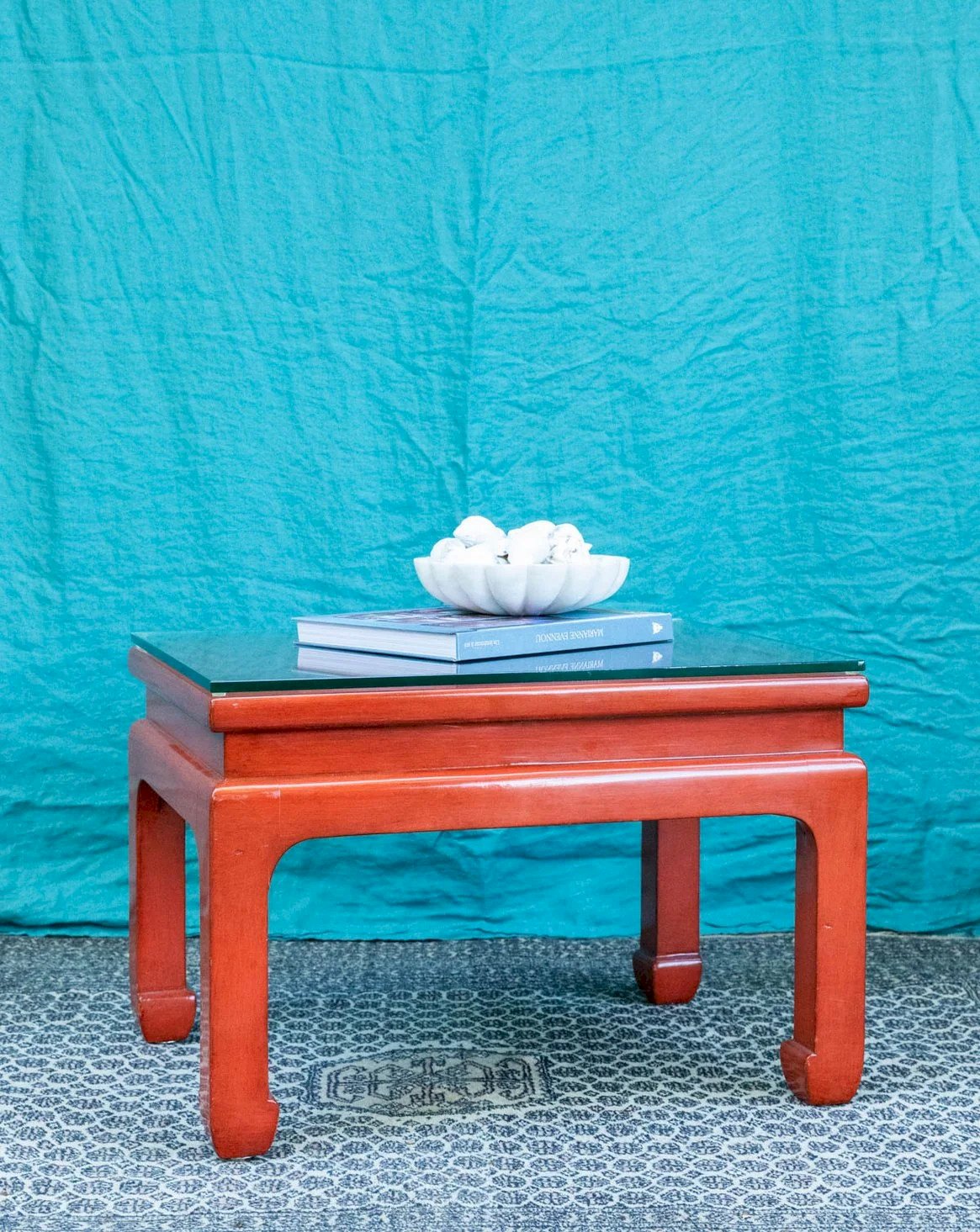
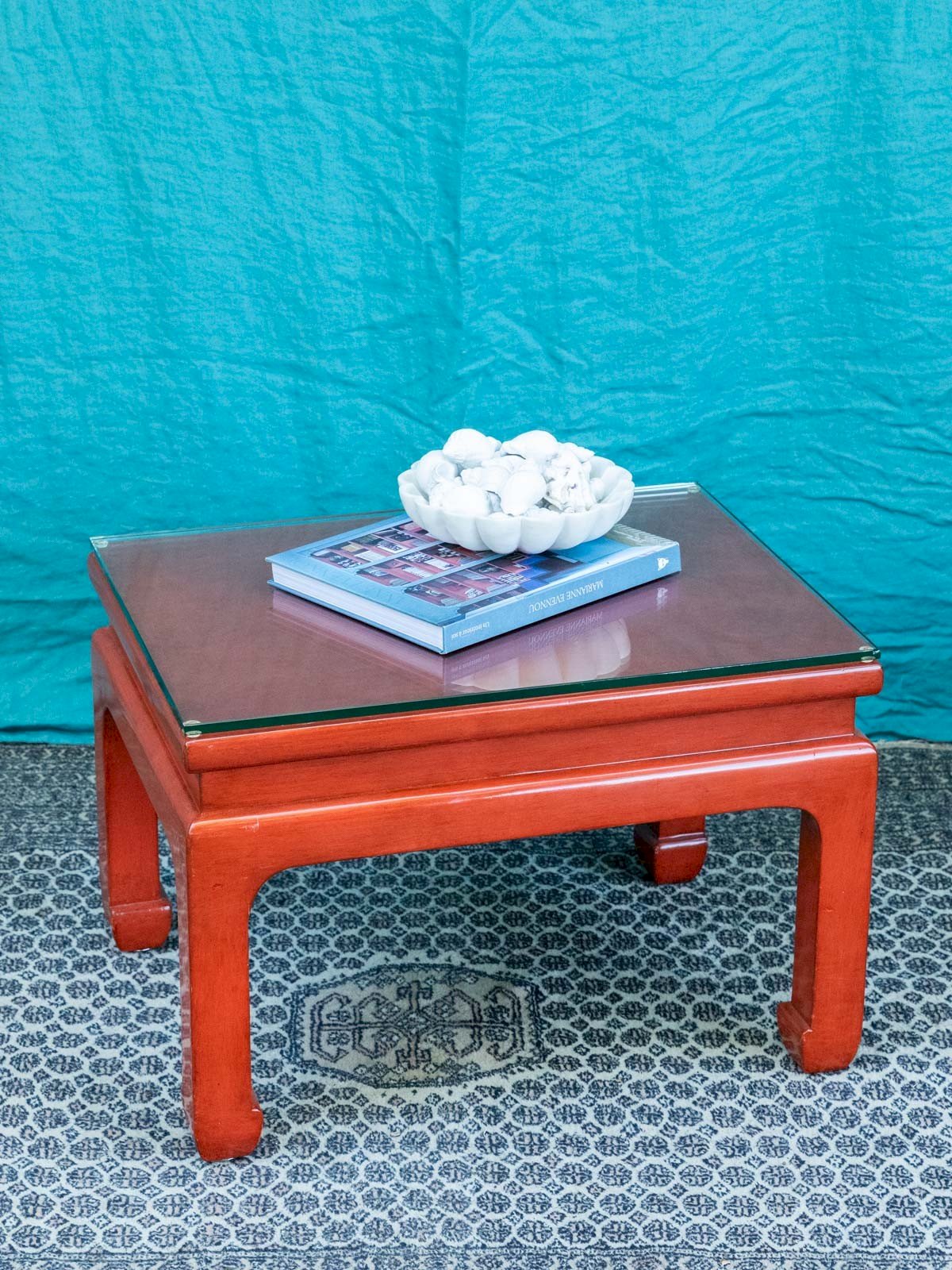
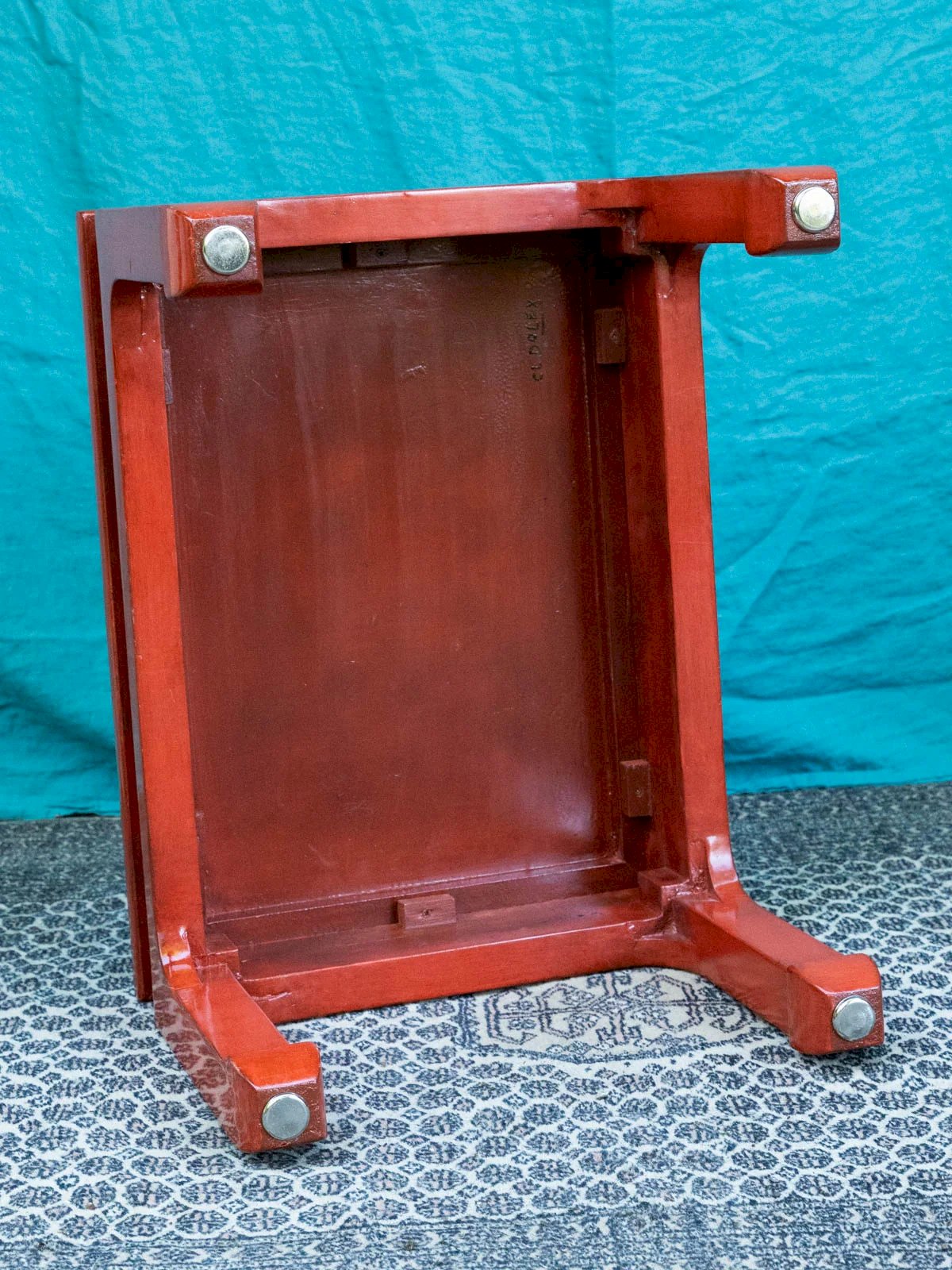
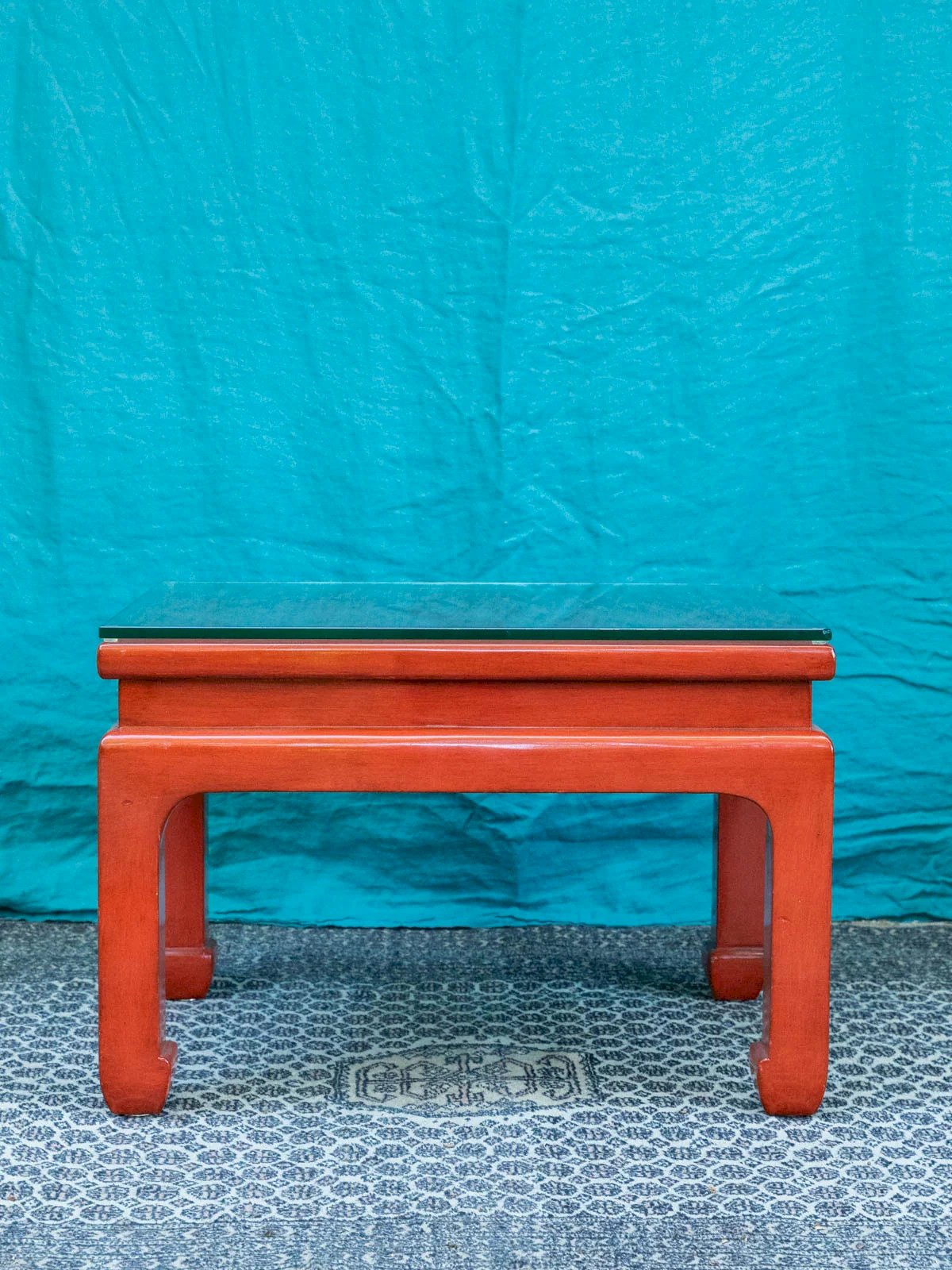
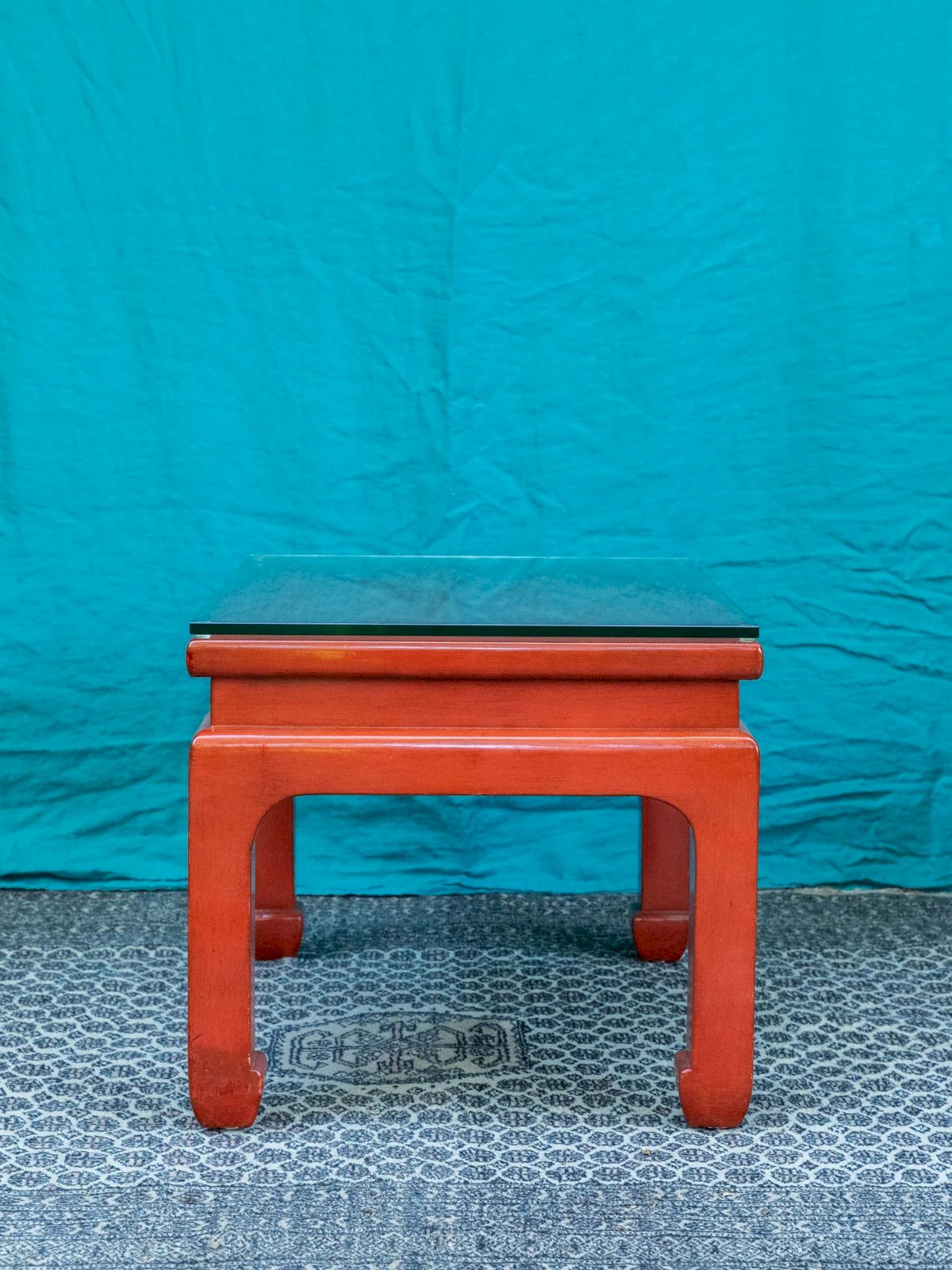
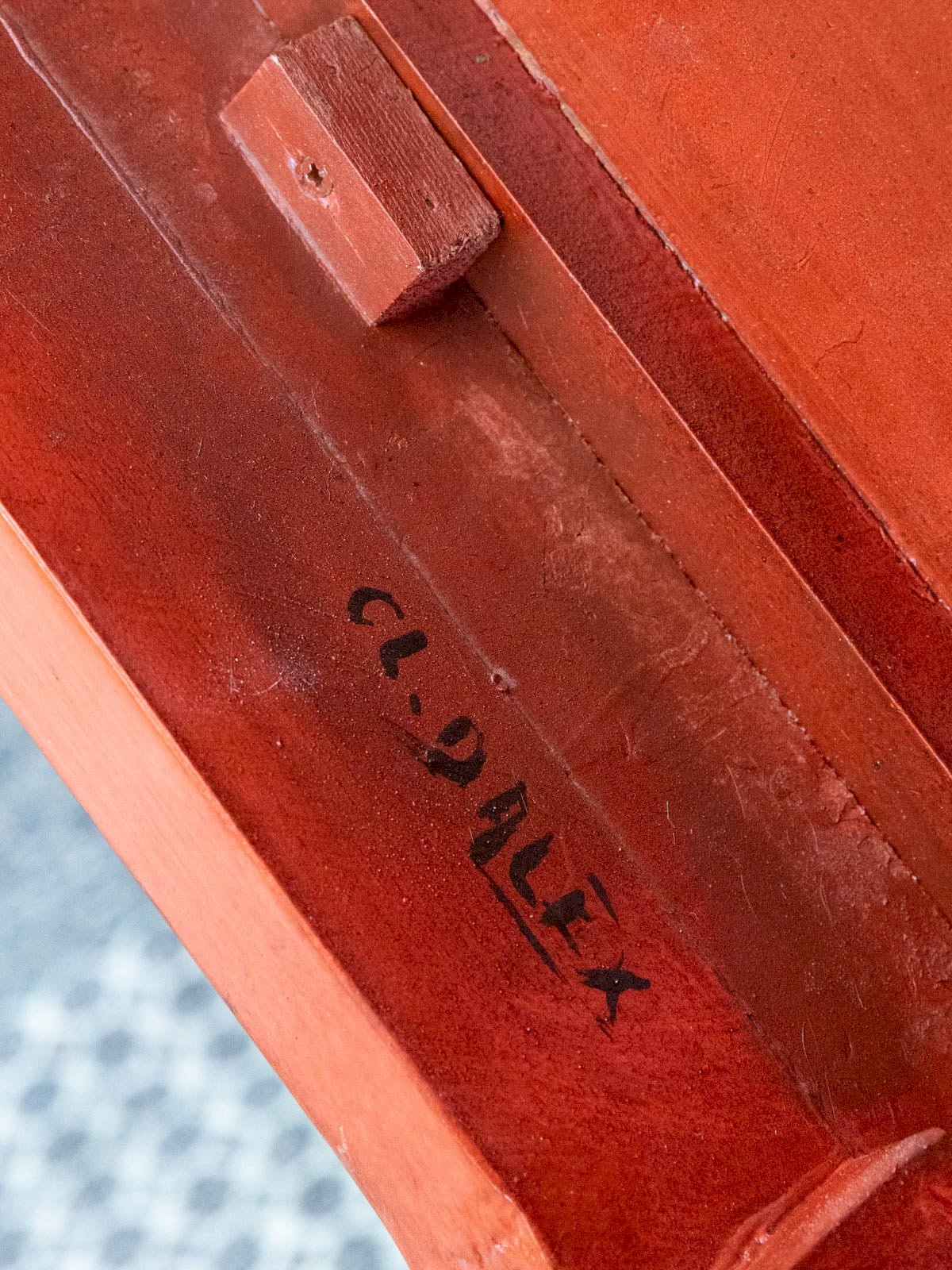
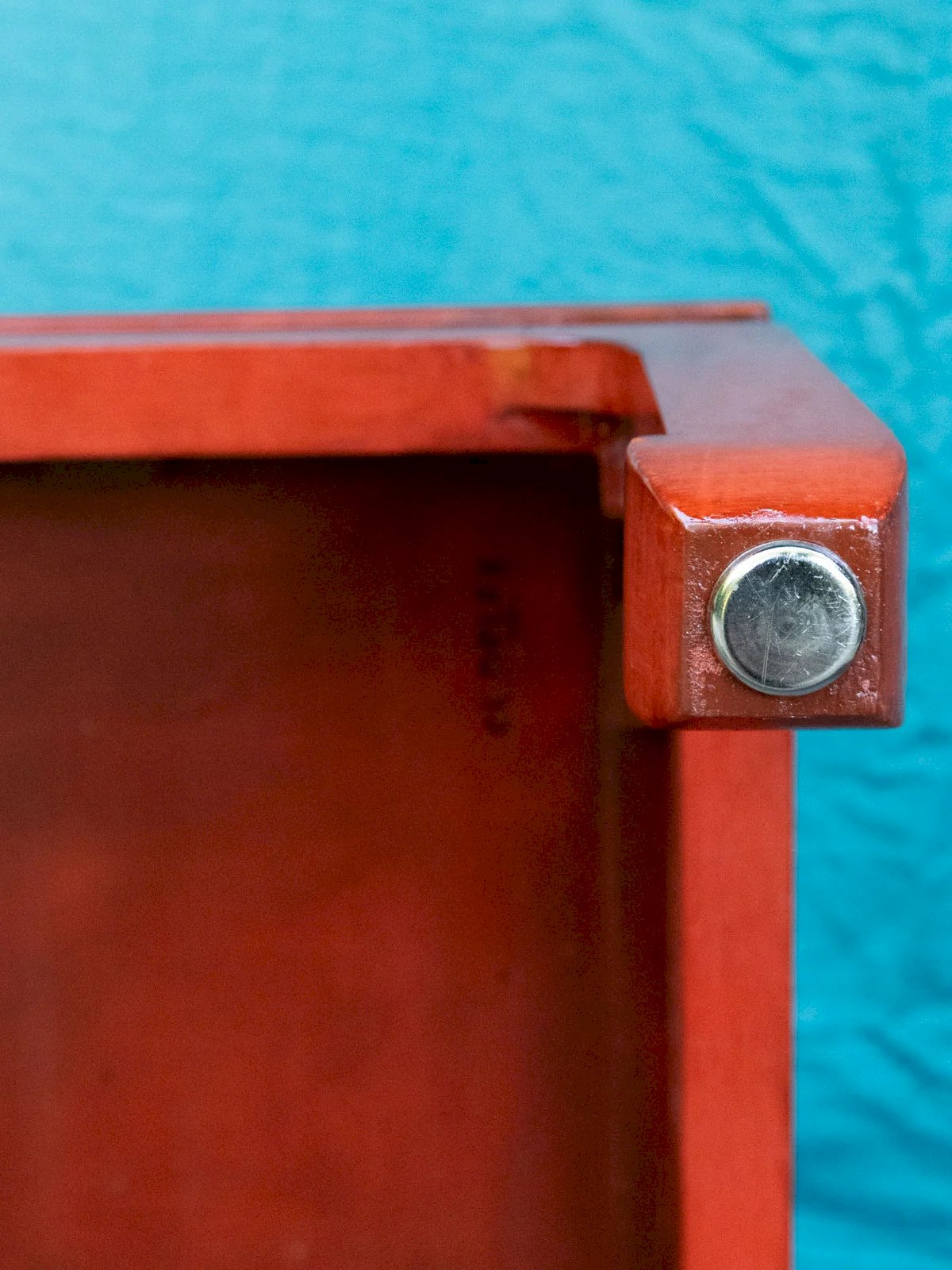
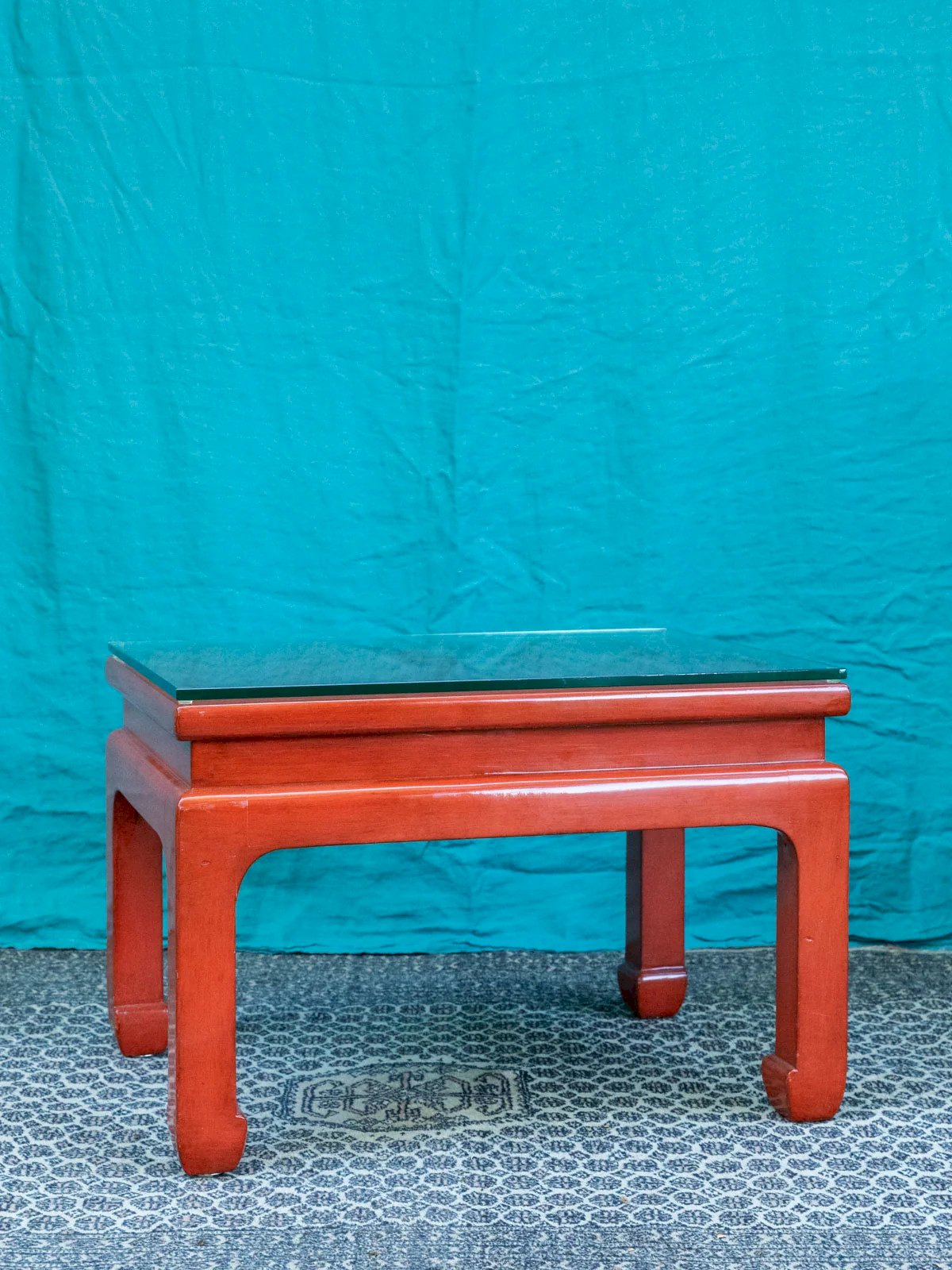
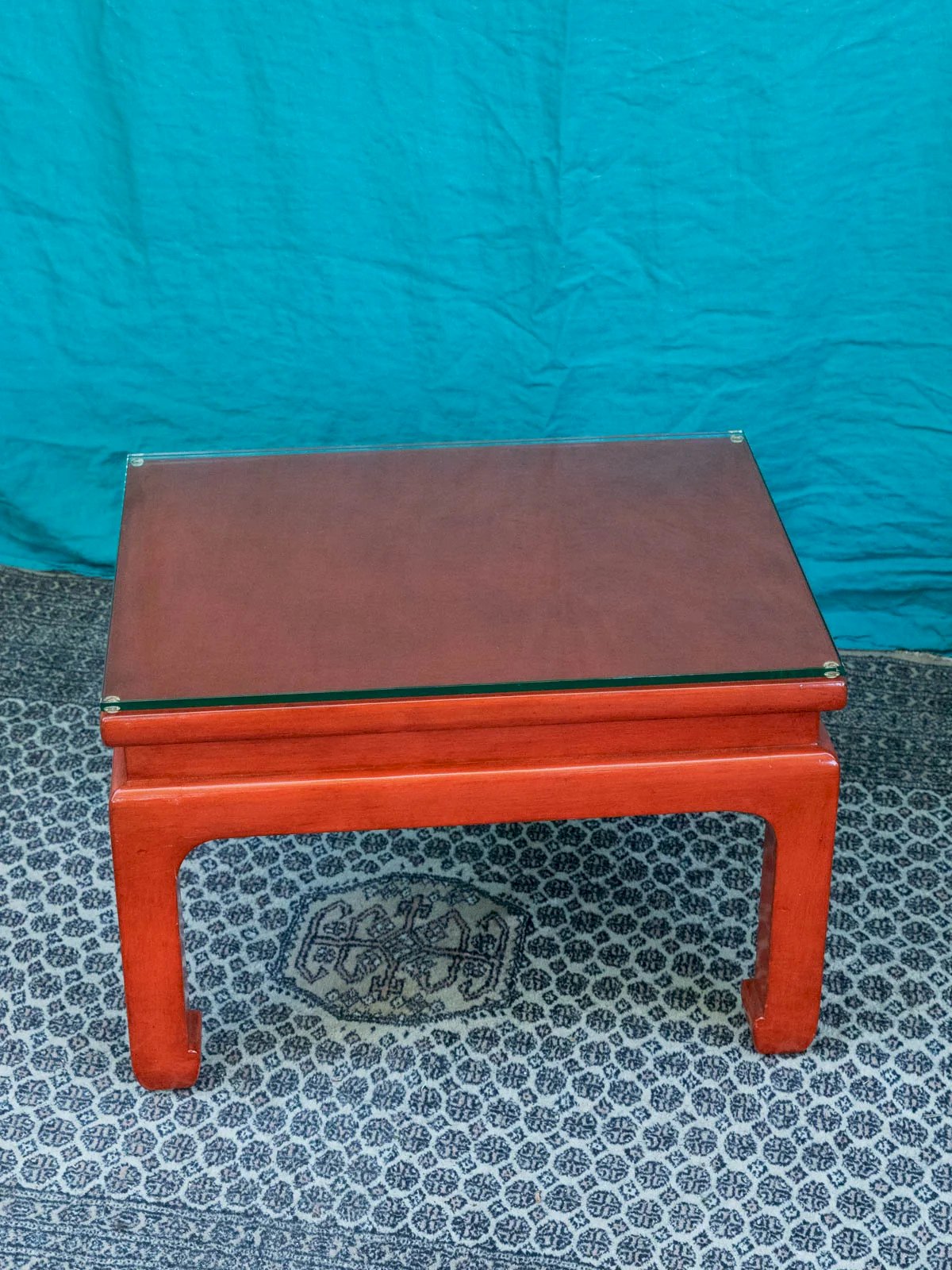
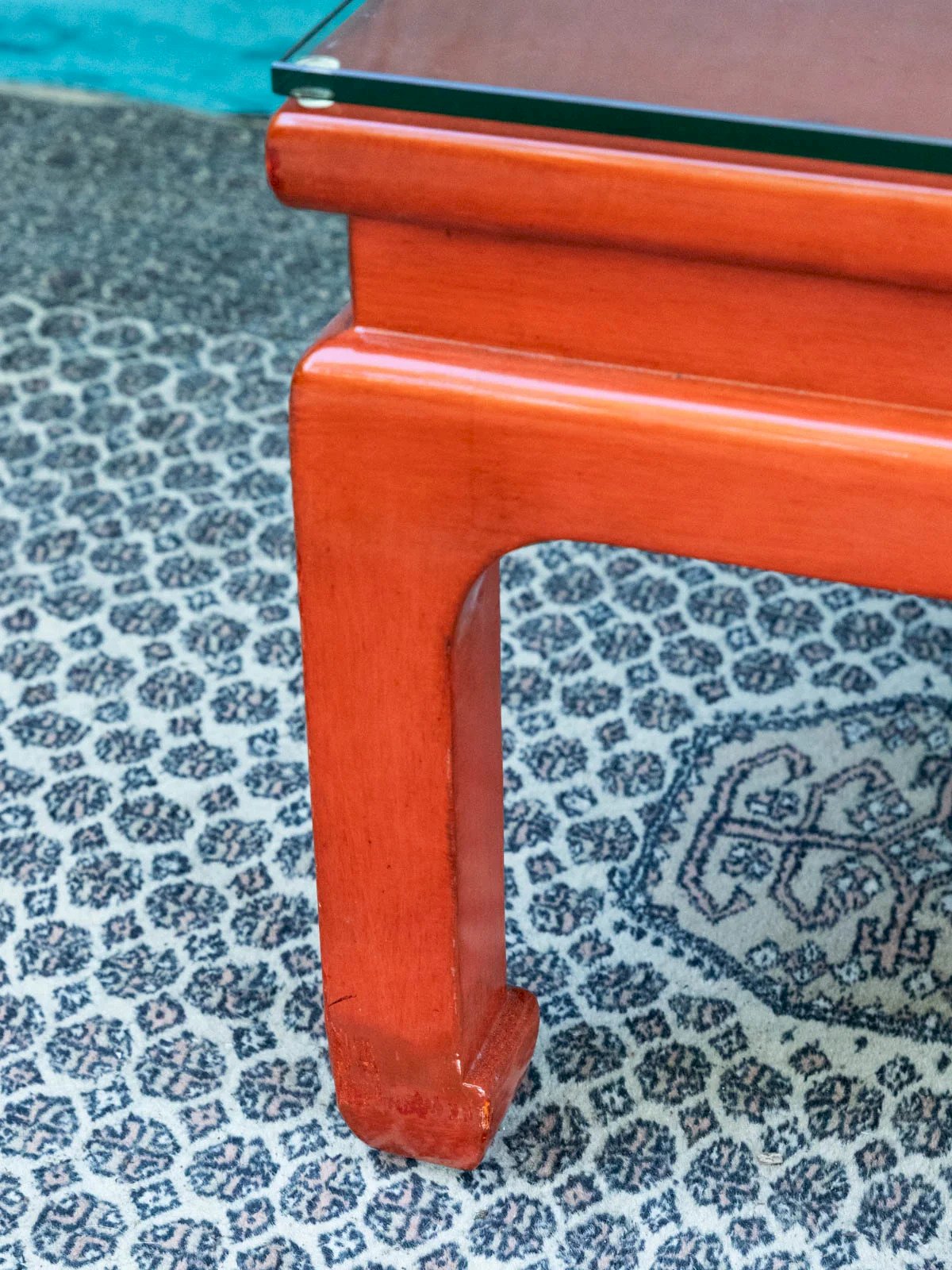
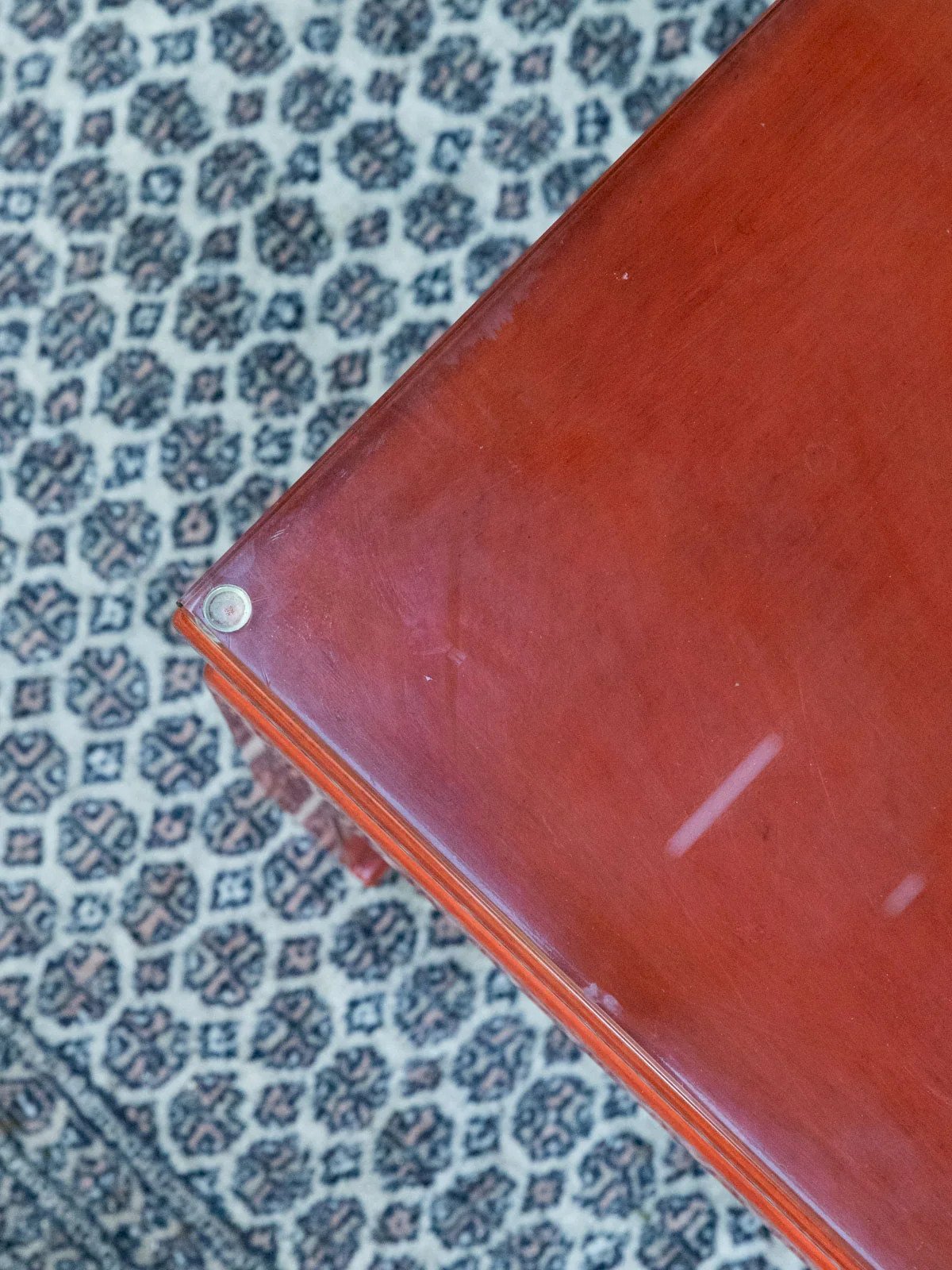
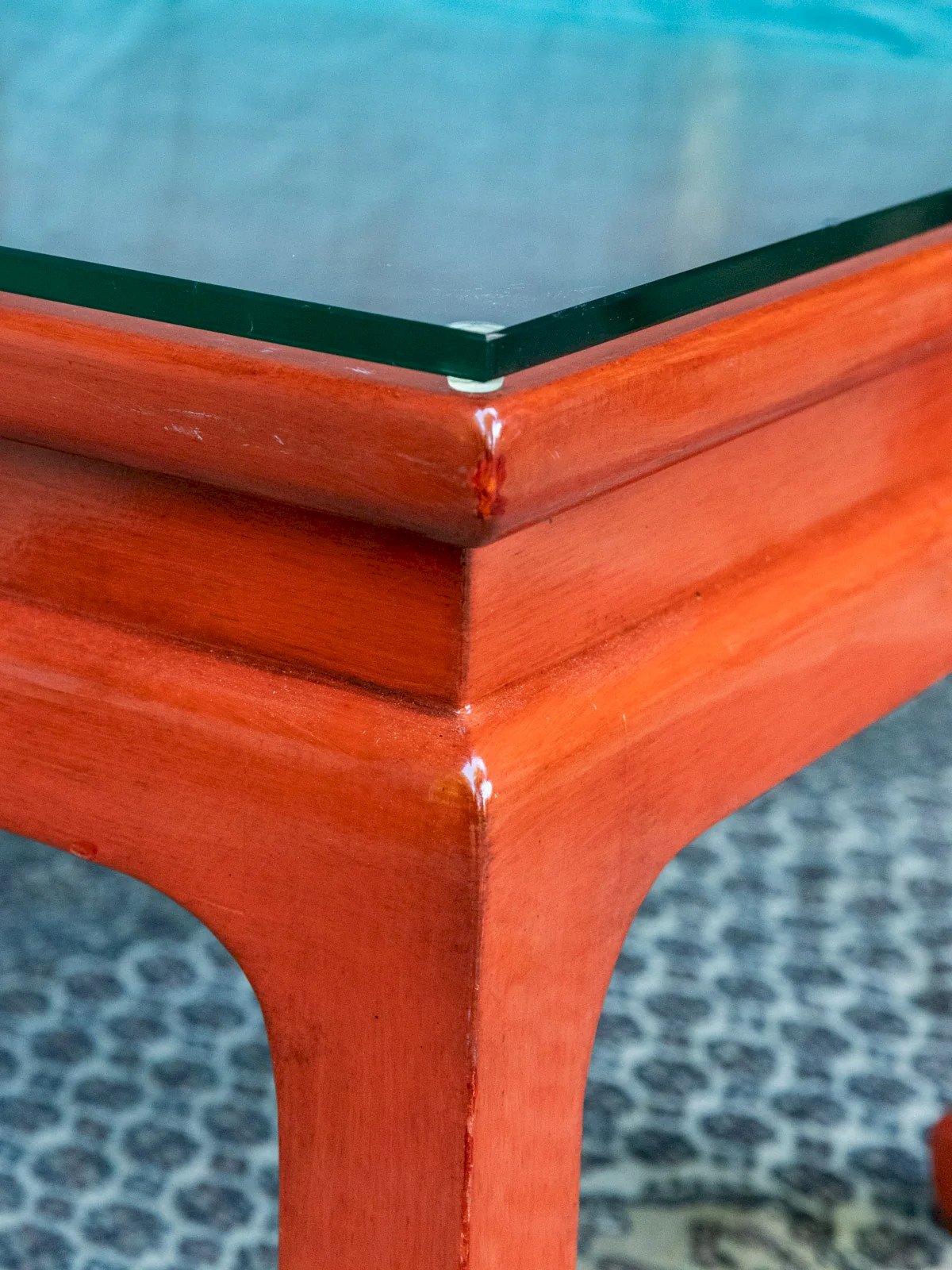
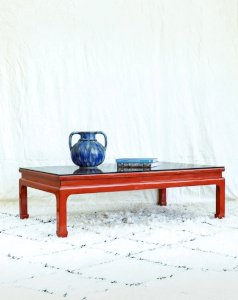
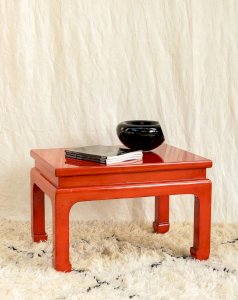
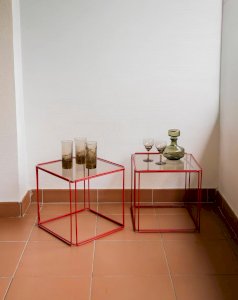
This contemporary coffee table in orange-red lacquered wood is eye-catching due to the combination of wood and glass. It features a glass top that can be placed on it, providing a lighter aesthetic and revealing the depth of the lacquered red. Used in a living room, it complements a sofa as a side table and readily holds an art book, a key dish, or a carefully placed cup. Its presence close to the floor allows it to structure the space without weighing it down while maintaining a very modern look. It also lends itself to a more graphic scene, with a glass lamp and a few magazines set on its top. Two quantities available. Length: 60 cm Width: 45 cm Height: 41 cm A brief history of the coffee table Unlike dining tables, the coffee table truly emerged in the early 20th century with the evolution of living rooms toward more comfort and relaxation. Its intentionally low structure aligns with the seating of armchairs and is inspired by Eastern tea tables and 19th-century coffee stands. Known as the "living room table" or "cocktail table," it is characterized by its generous top supported by a short and sturdy base.
Réf :
#413957
Brand / From : Debongout
Related Products


Comments
Donna, the red lacquered coffee table No. 1609
389€
75002 Paris
Ce site contient des liens d’affiliation pour lesquels je peux recevoir une compensation.
Description
This contemporary coffee table in orange-red lacquered wood is eye-catching due to the combination of wood and glass. It features a glass top that can be placed on it, providing a lighter aesthetic and revealing the depth of the lacquered red. Used in a living room, it complements a sofa as a side table and readily holds an art book, a key dish, or a carefully placed cup. Its presence close to the floor allows it to structure the space without weighing it down while maintaining a very modern look. It also lends itself to a more graphic scene, with a glass lamp and a few magazines set on its top. Two quantities available. Length: 60 cm Width: 45 cm Height: 41 cm A brief history of the coffee table Unlike dining tables, the coffee table truly emerged in the early 20th century with the evolution of living rooms toward more comfort and relaxation. Its intentionally low structure aligns with the seating of armchairs and is inspired by Eastern tea tables and 19th-century coffee stands. Known as the "living room table" or "cocktail table," it is characterized by its generous top supported by a short and sturdy base.
Réf :
#413957
Brand / From : Debongout