 English
 Français


Description
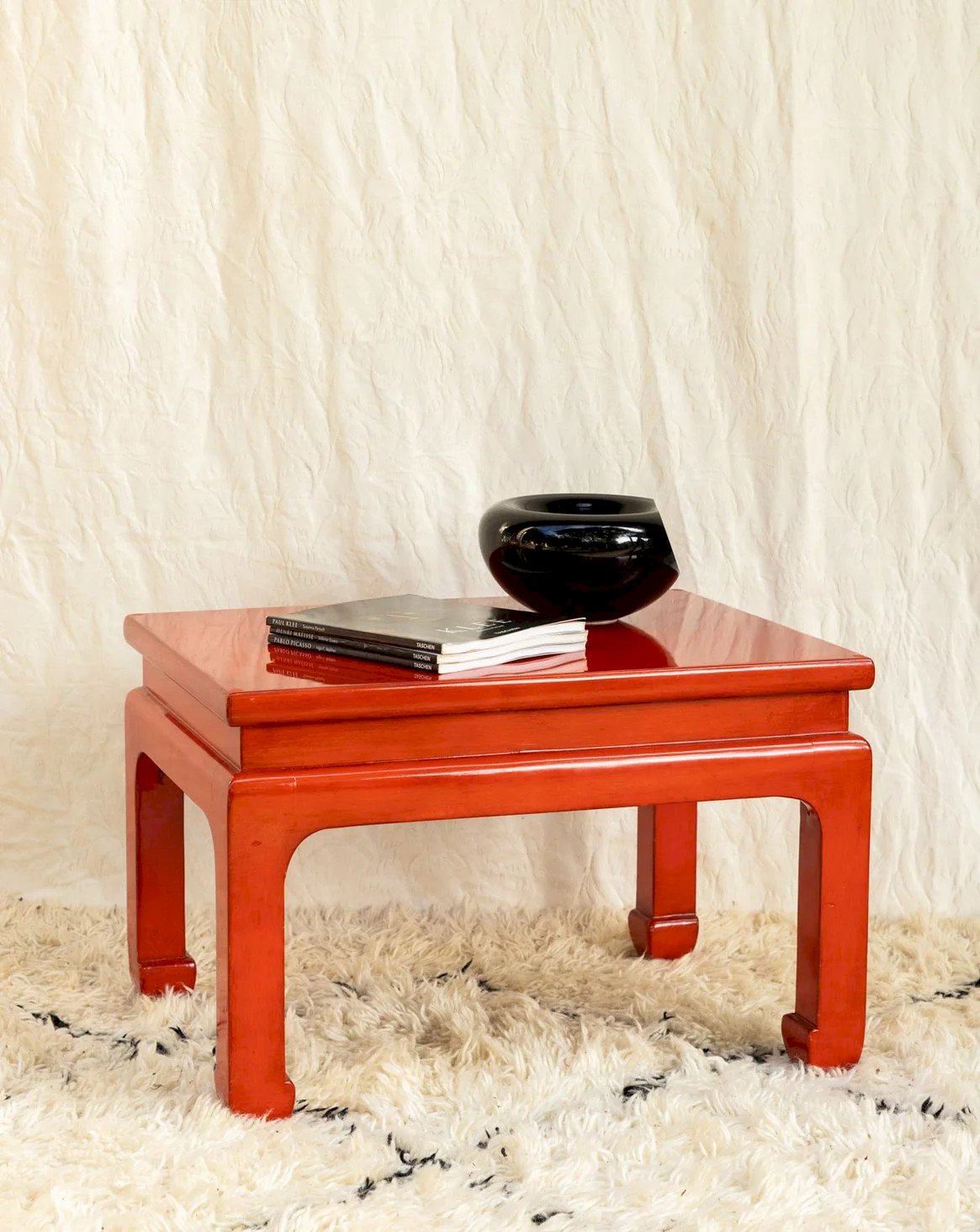
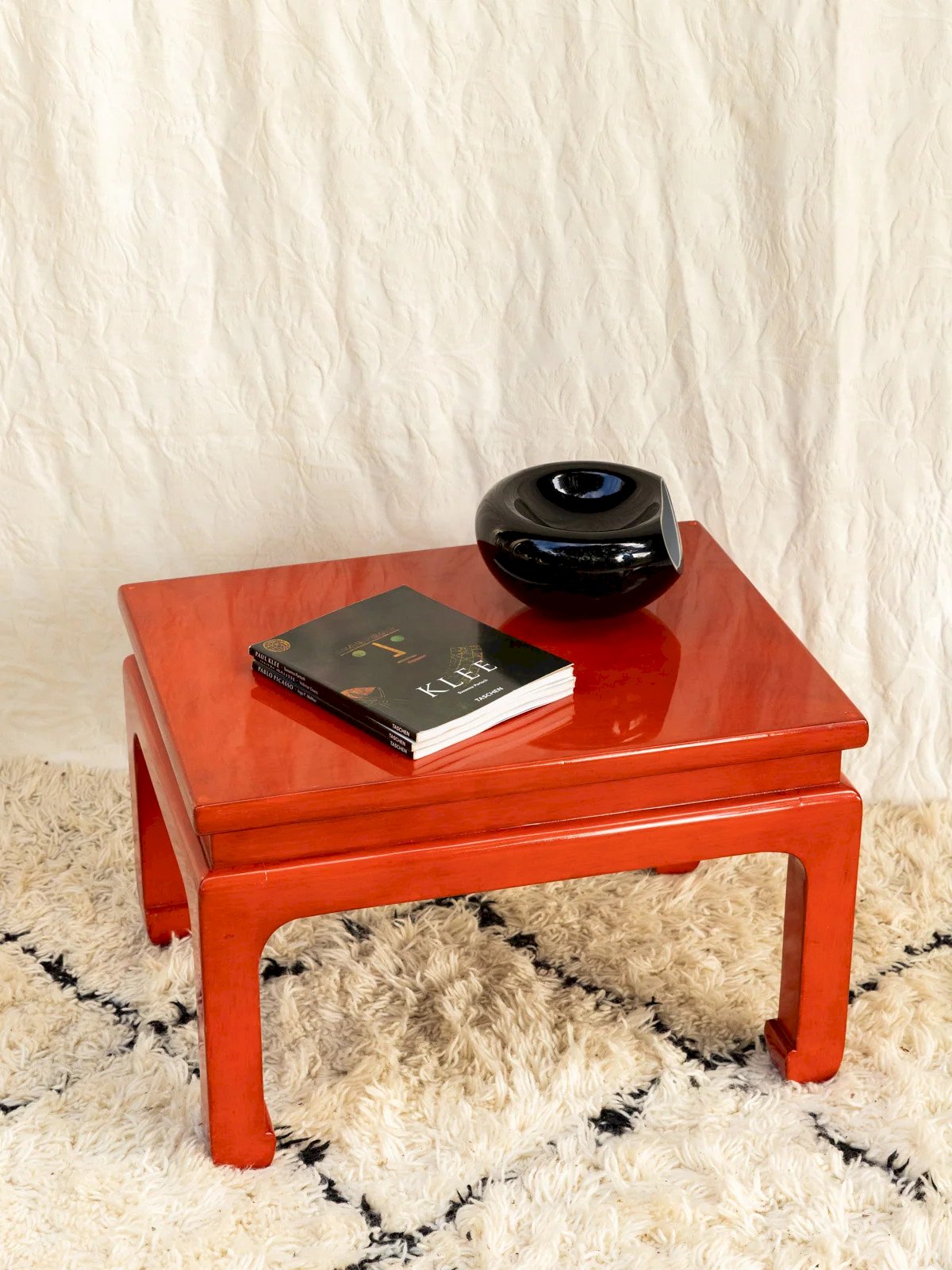
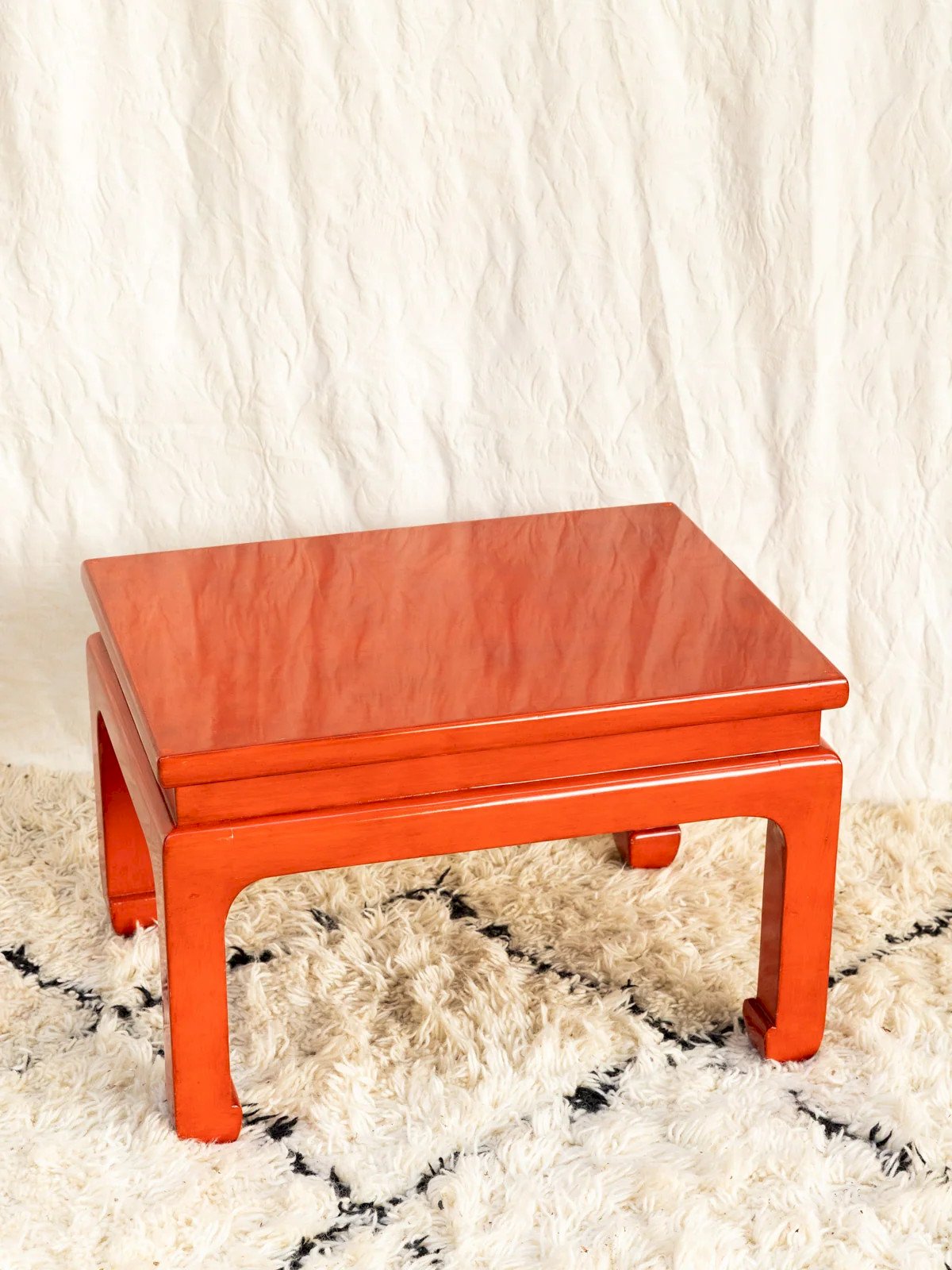
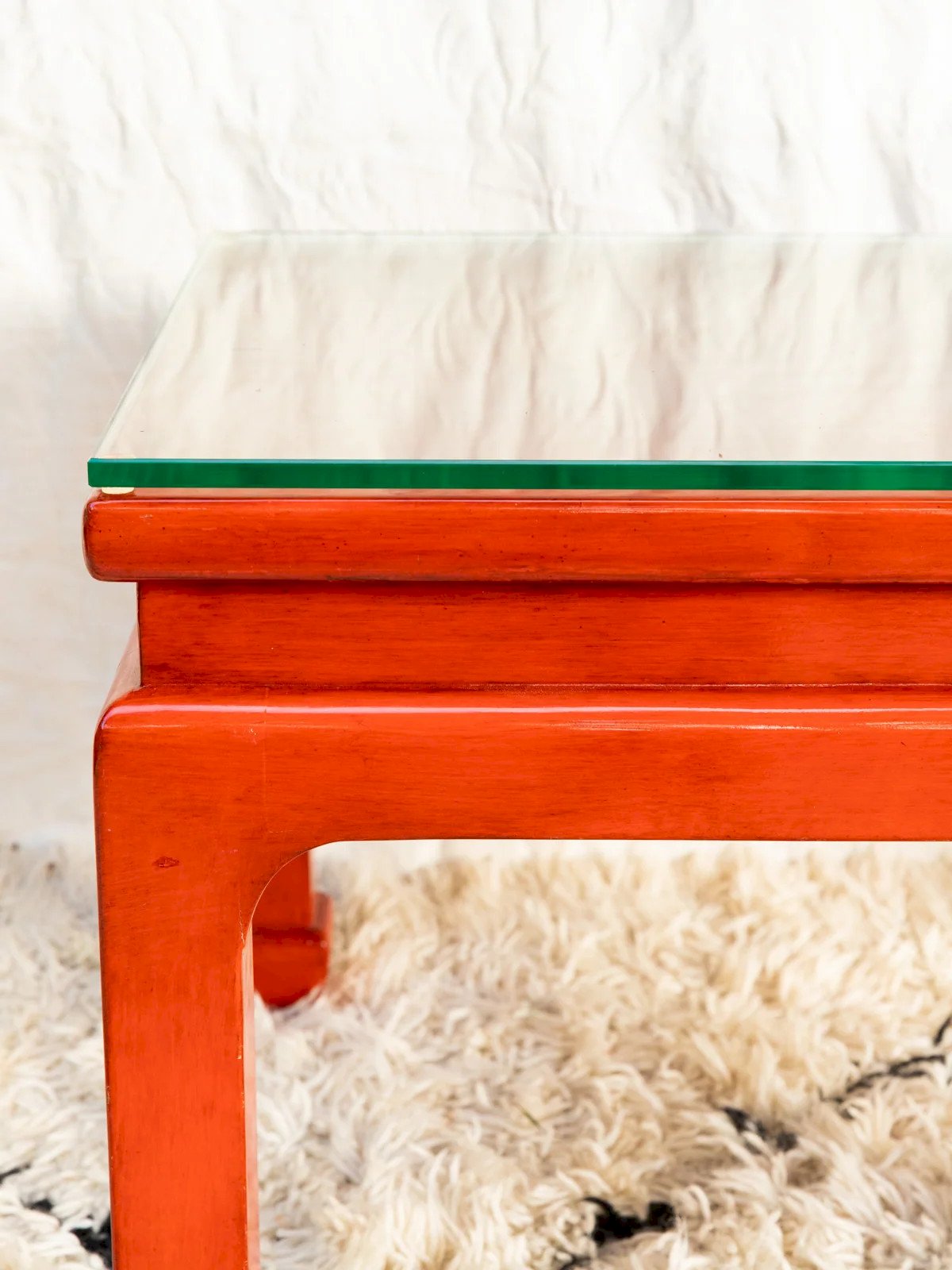
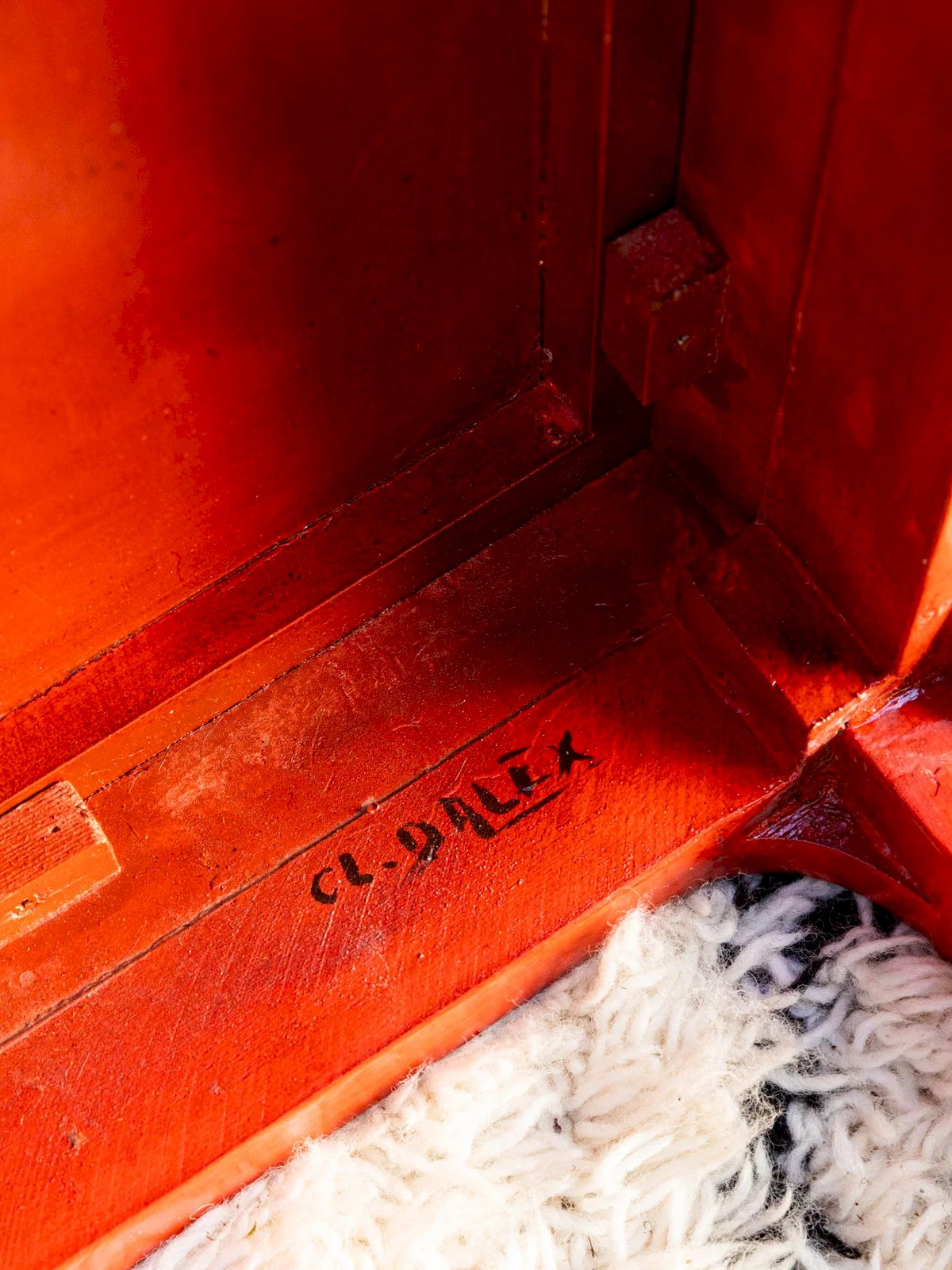
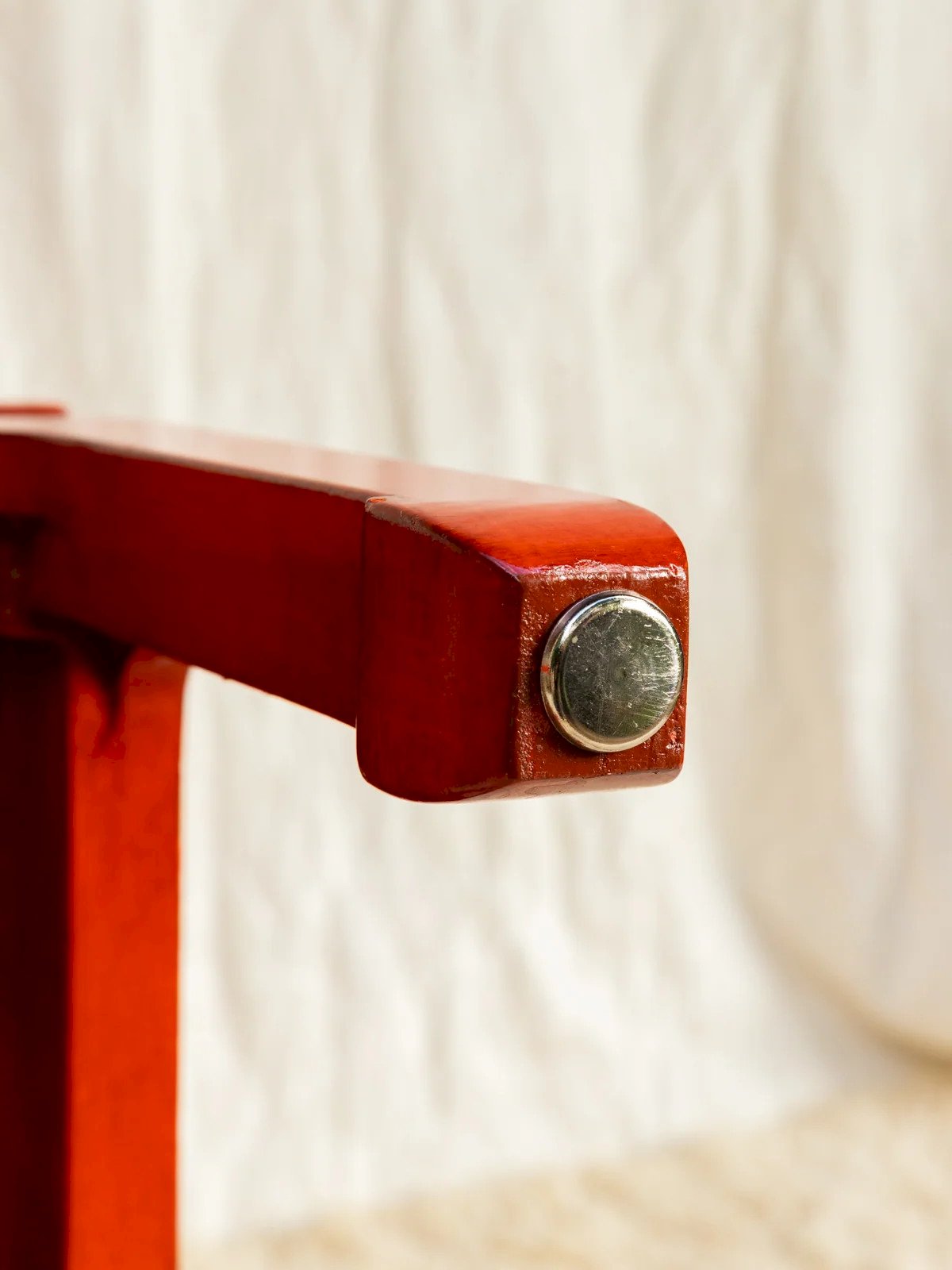
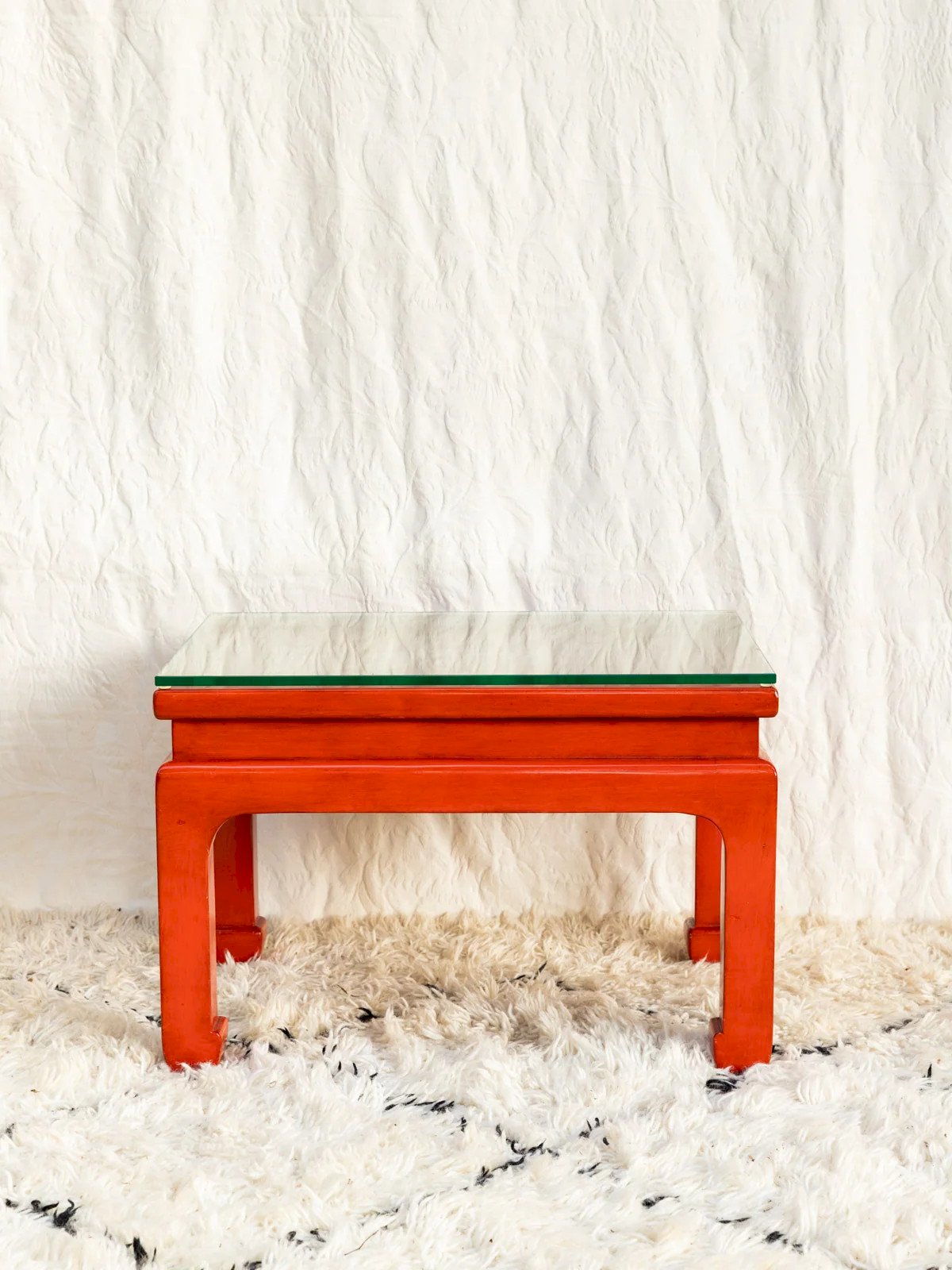
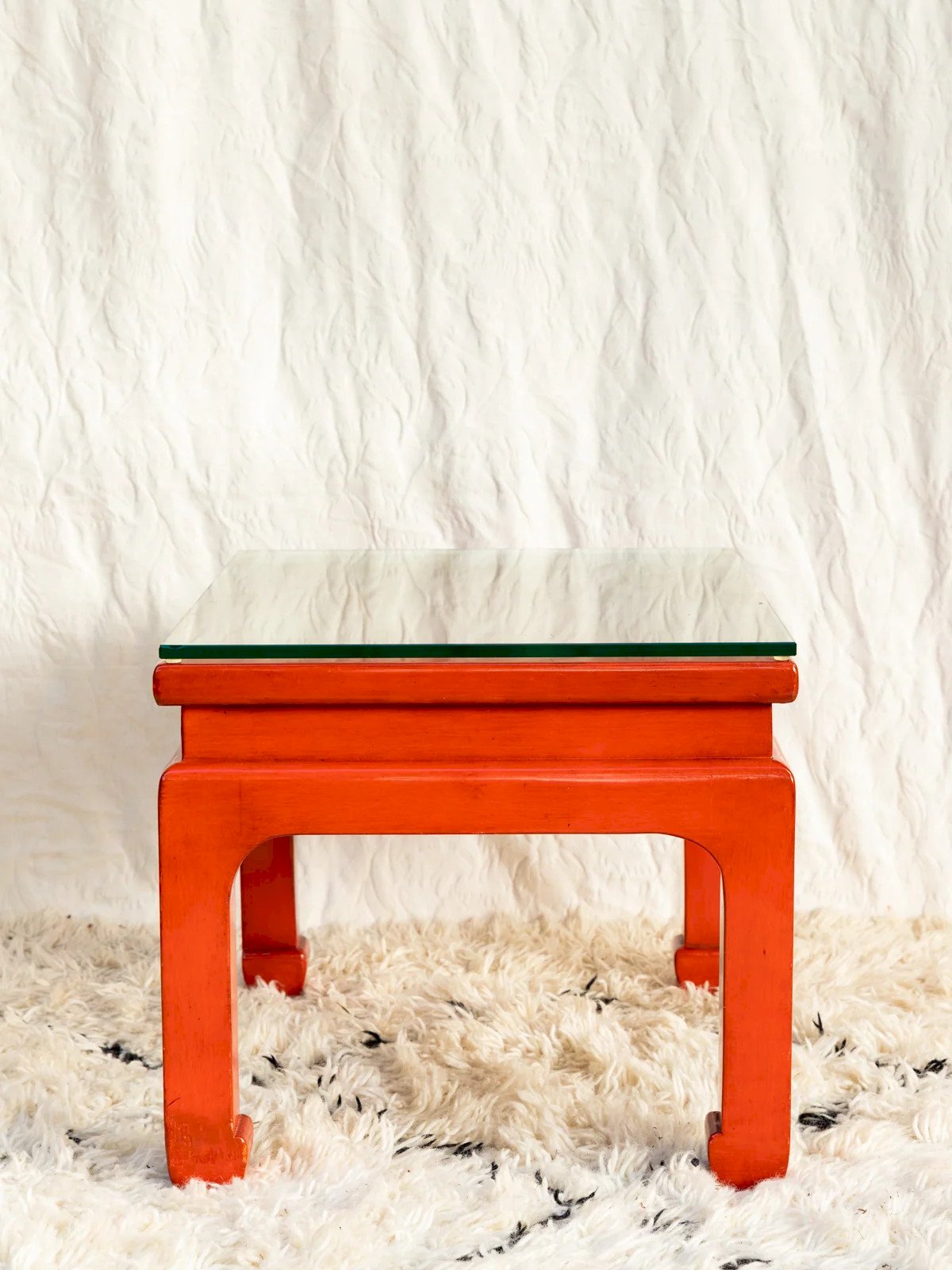
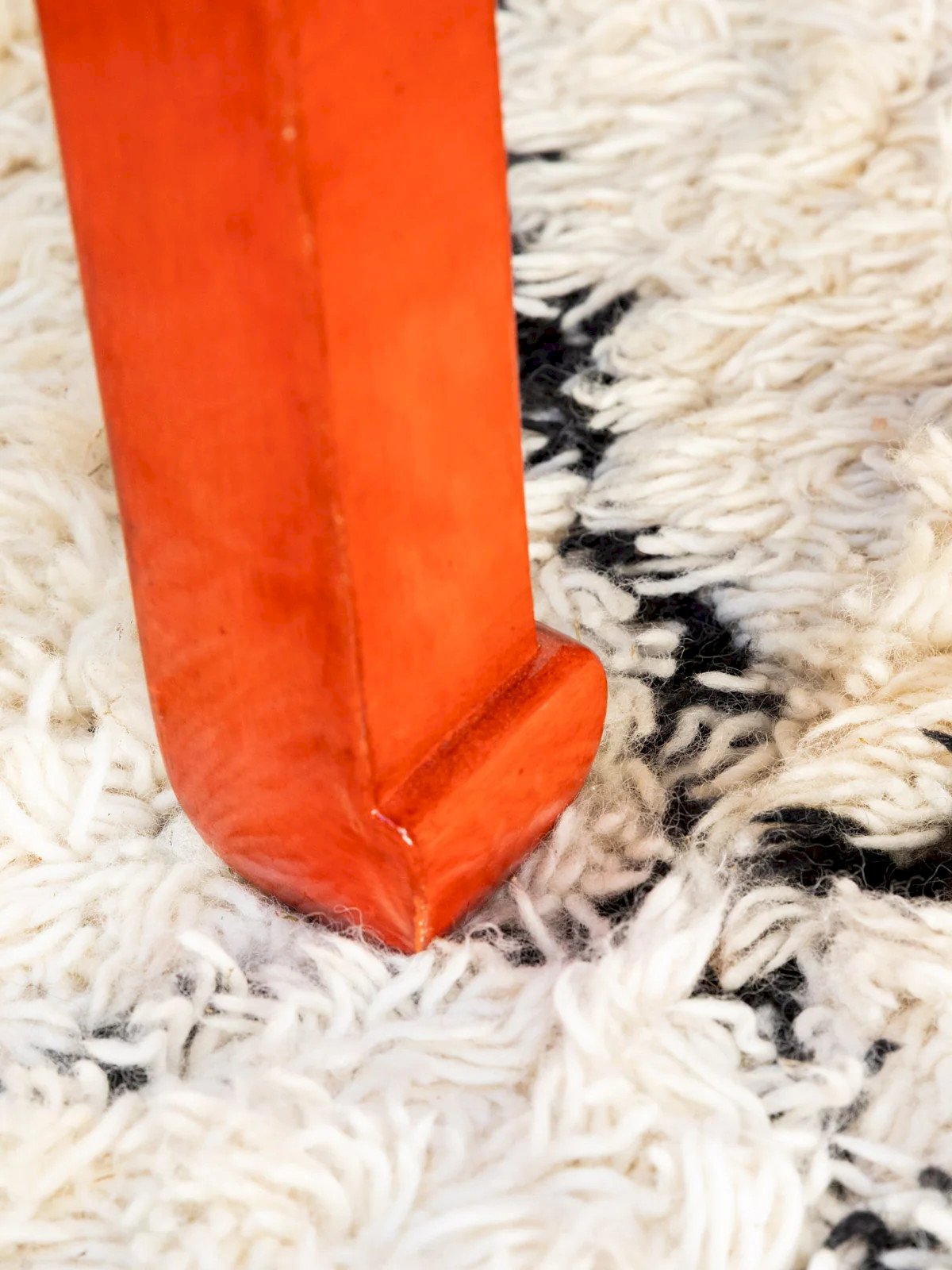
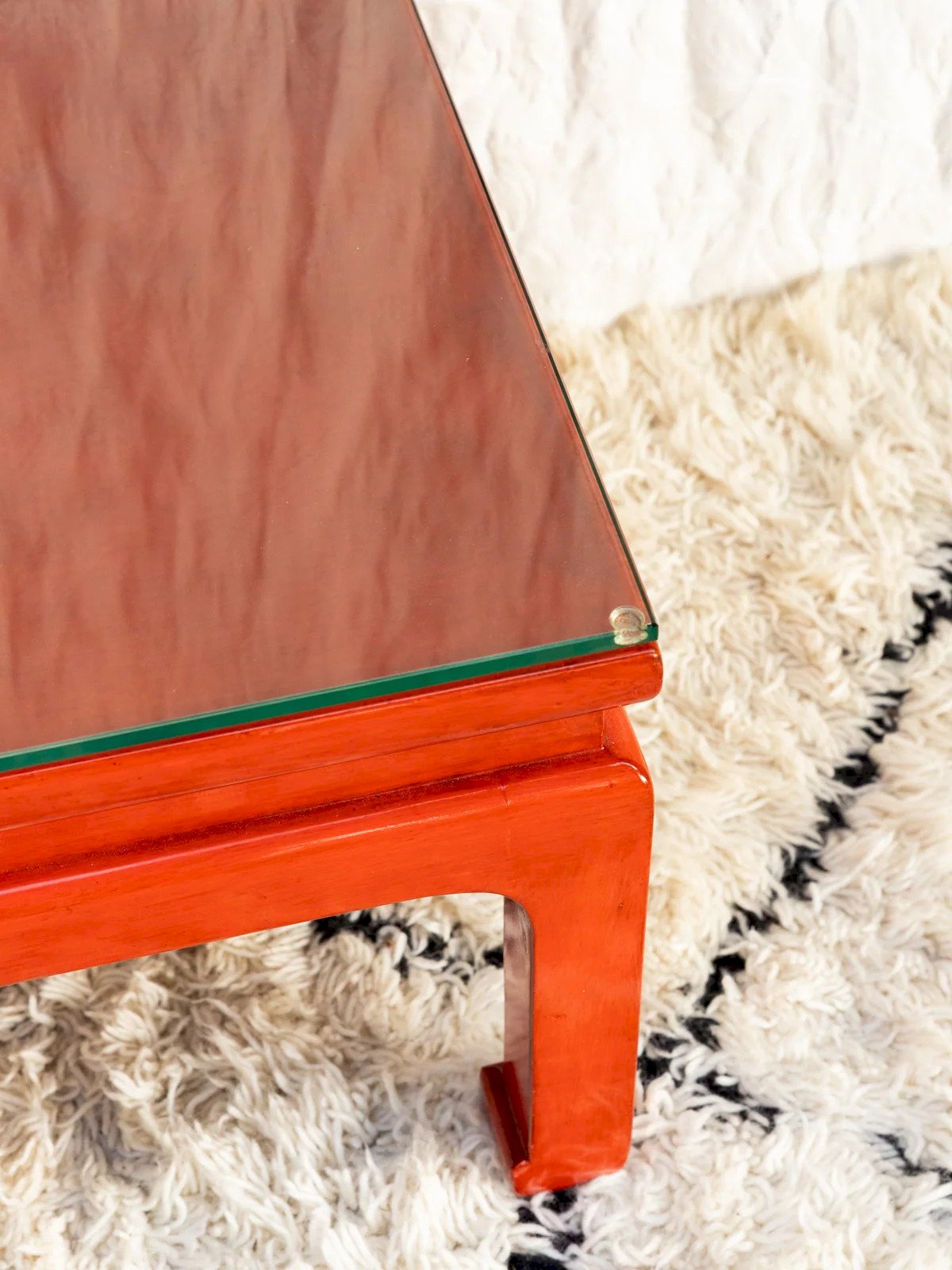
This lacquered wooden coffee table in a red and orange hue imposes a graphic appearance, enhanced by a beautiful cut and a decidedly contemporary design. Second-hand, it retains its original metal pads embedded in the wood, a detail that highlights its careful craftsmanship. Its low format makes it a natural companion for the living room, ideal in front of a sofa for placing a book, a cup, or a few chosen items. The lacquered wood provides a luminous surface, while its proportions engage with softer materials. On a neutral rug, it will welcome a glass tray, a candle, and a delicate vase to create a very balanced lounge area. Length: 60 cm Width: 45 cm Height: 40 cm A brief history of the coffee table Unlike dining tables, the coffee table only truly emerged in the early 20th century with the evolution of living rooms towards more comfort and relaxation. Its structure, intentionally low to align with the seating of armchairs, is inspired by Eastern tea tables and 19th-century coffee stands. Known as a "salon table" or "cocktail table," it is characterized by its generous top supported by a short, sturdy base.
Réf :
#414678
Brand / From : Debongout
Related Products


Comments
Donna, the designer coffee table in red lacquered wood N°1699
459€
75002 Paris
Ce site contient des liens d’affiliation pour lesquels je peux recevoir une compensation.
Description
This lacquered wooden coffee table in a red and orange hue imposes a graphic appearance, enhanced by a beautiful cut and a decidedly contemporary design. Second-hand, it retains its original metal pads embedded in the wood, a detail that highlights its careful craftsmanship. Its low format makes it a natural companion for the living room, ideal in front of a sofa for placing a book, a cup, or a few chosen items. The lacquered wood provides a luminous surface, while its proportions engage with softer materials. On a neutral rug, it will welcome a glass tray, a candle, and a delicate vase to create a very balanced lounge area. Length: 60 cm Width: 45 cm Height: 40 cm A brief history of the coffee table Unlike dining tables, the coffee table only truly emerged in the early 20th century with the evolution of living rooms towards more comfort and relaxation. Its structure, intentionally low to align with the seating of armchairs, is inspired by Eastern tea tables and 19th-century coffee stands. Known as a "salon table" or "cocktail table," it is characterized by its generous top supported by a short, sturdy base.
Réf :
#414678
Brand / From : Debongout