 English
 Français


Description
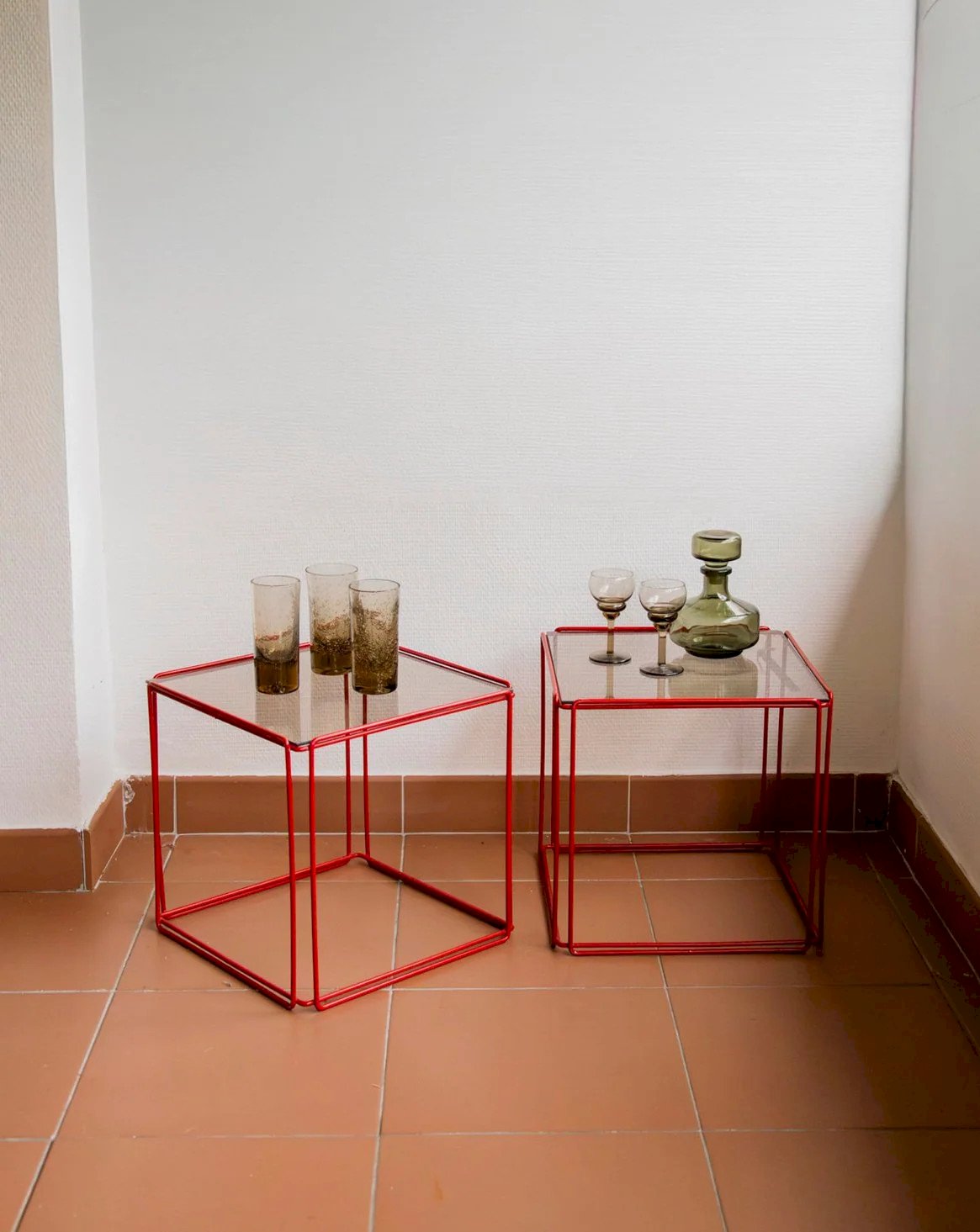
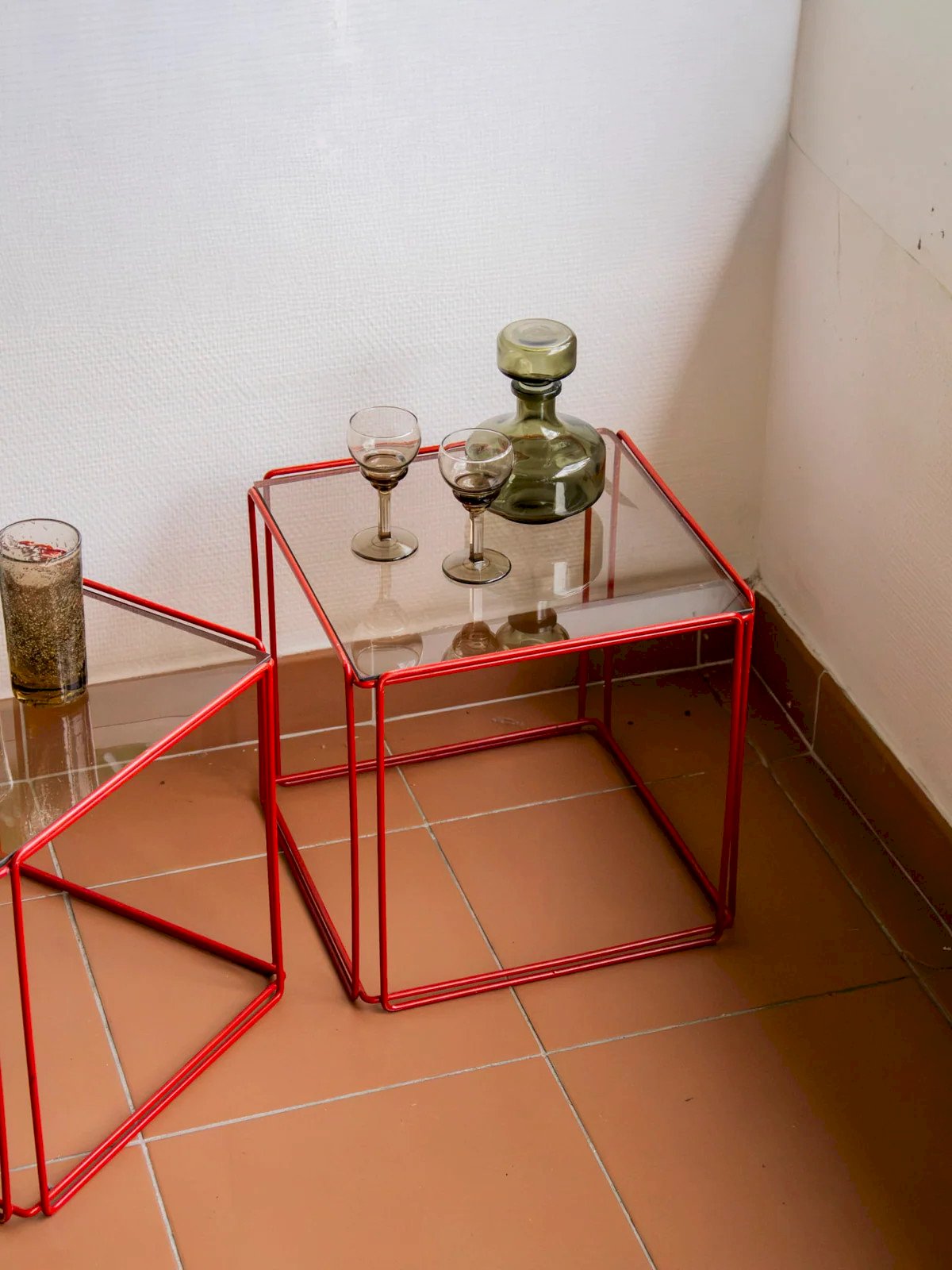
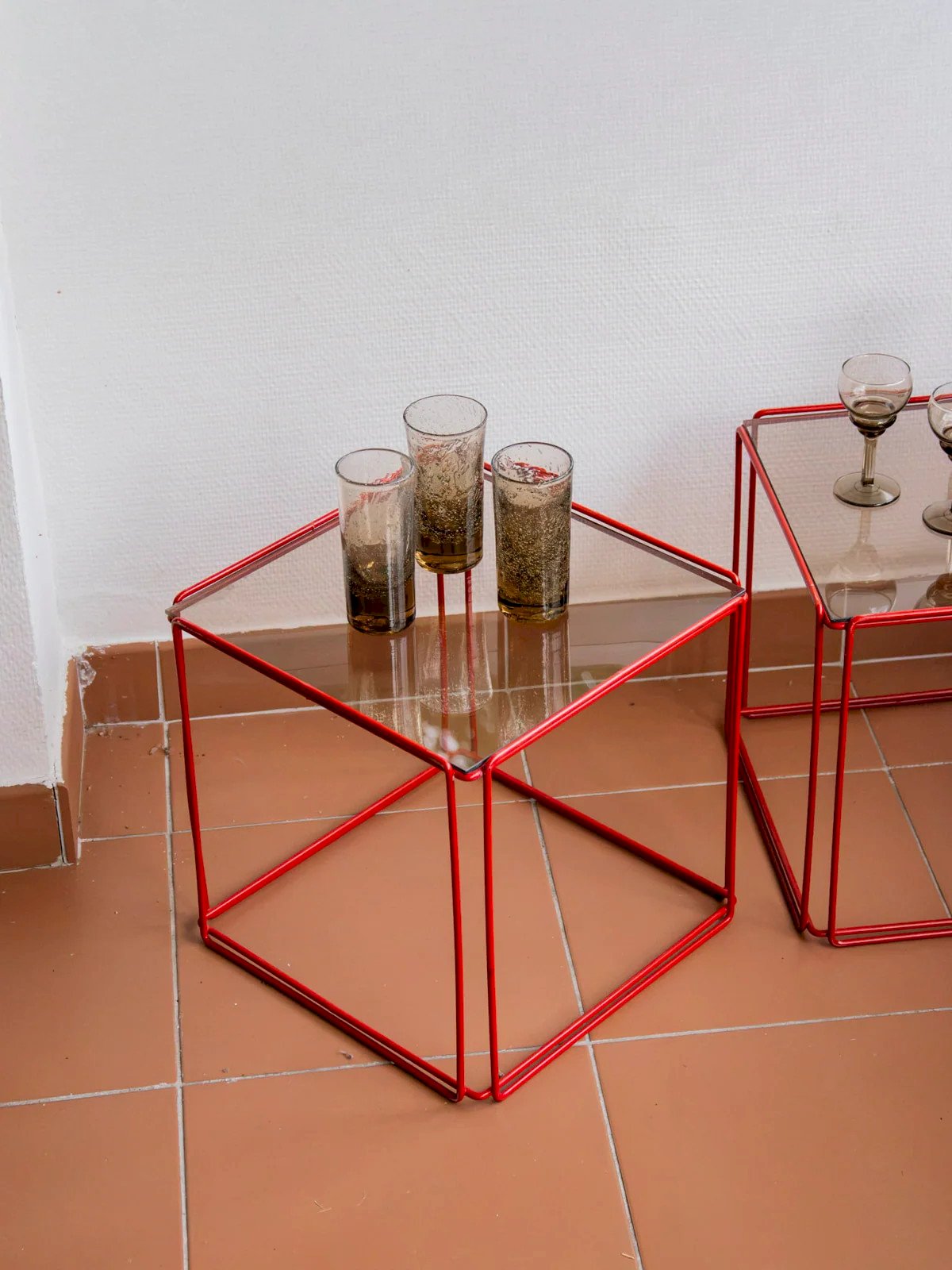
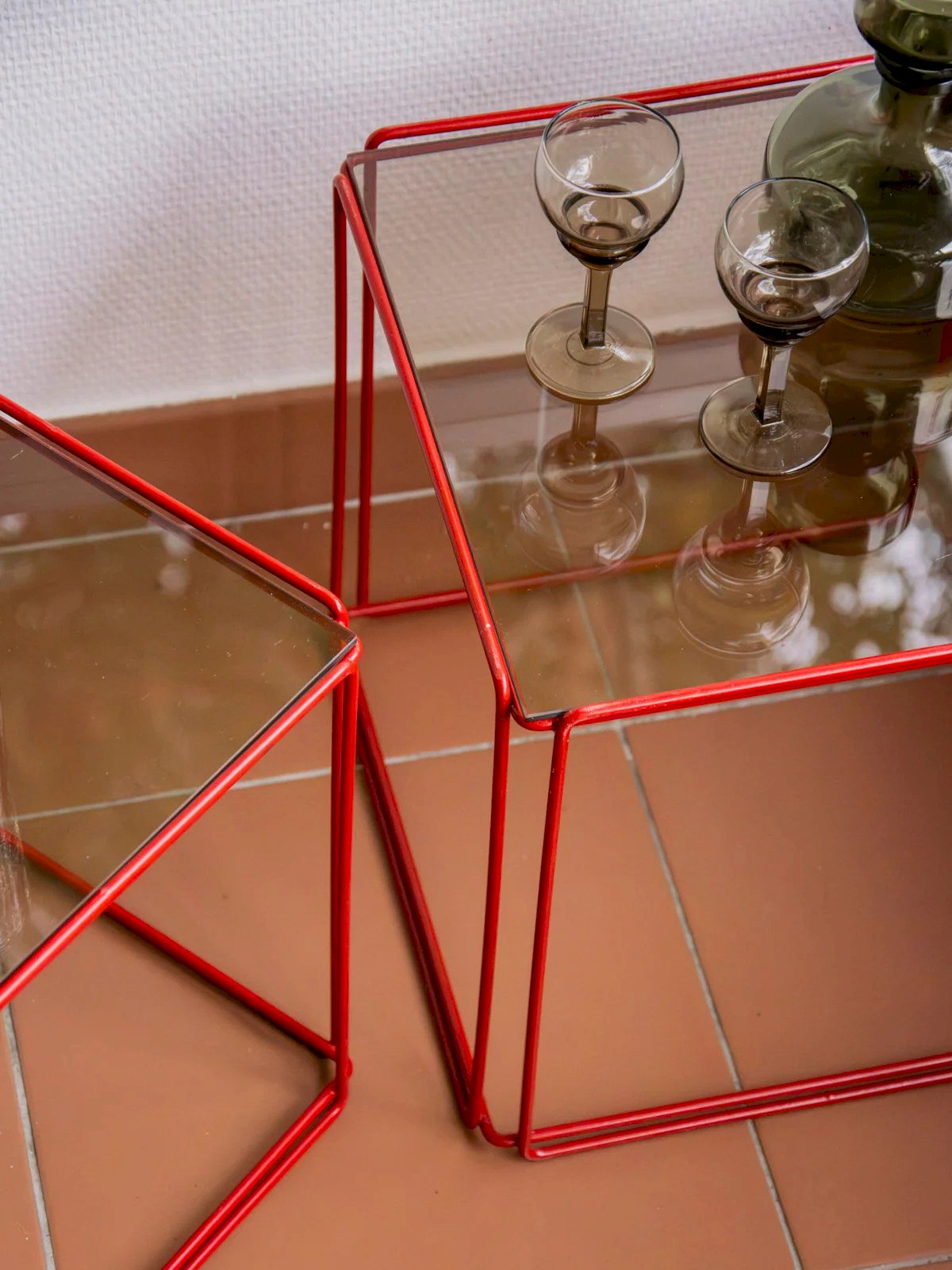
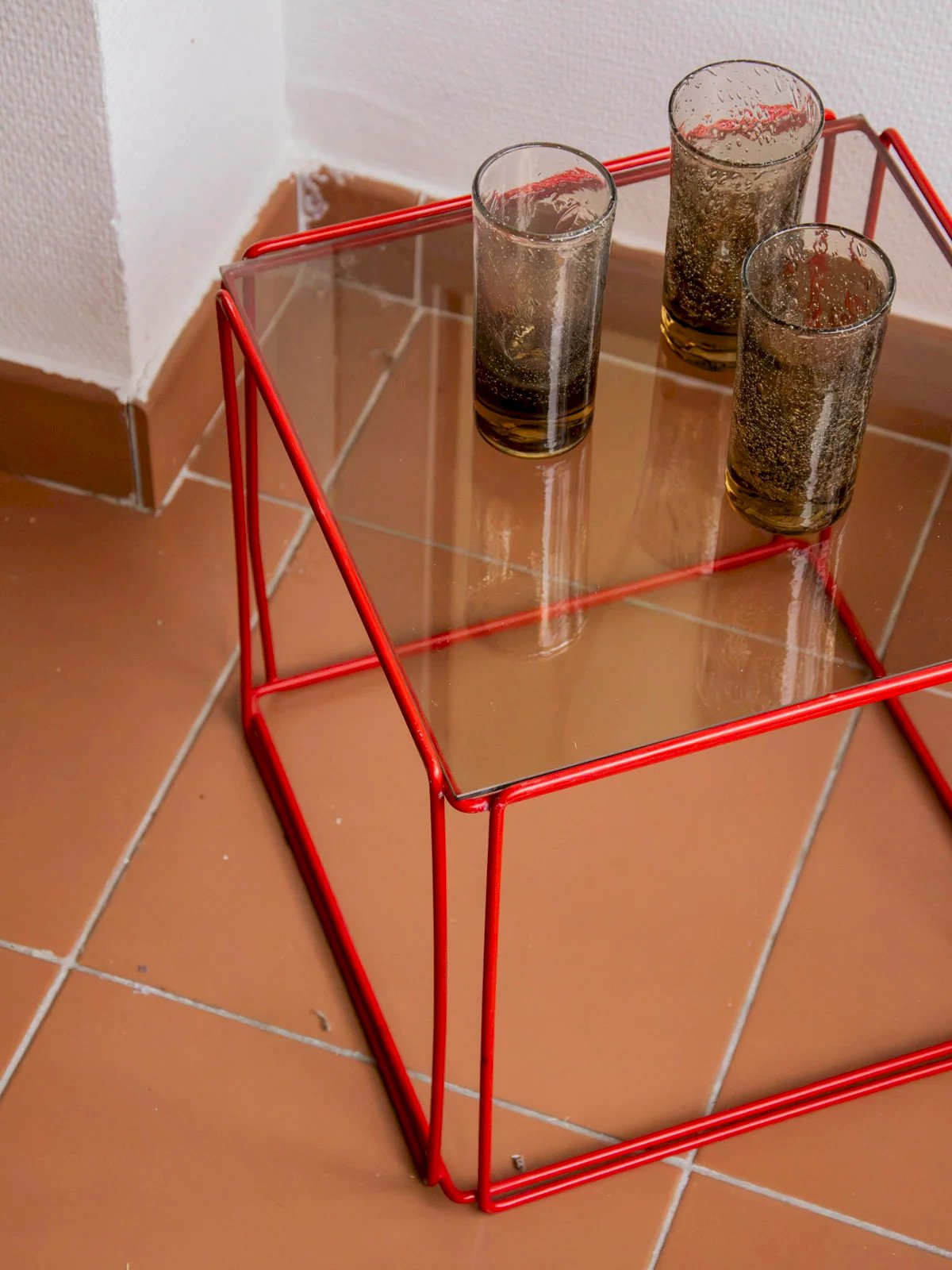
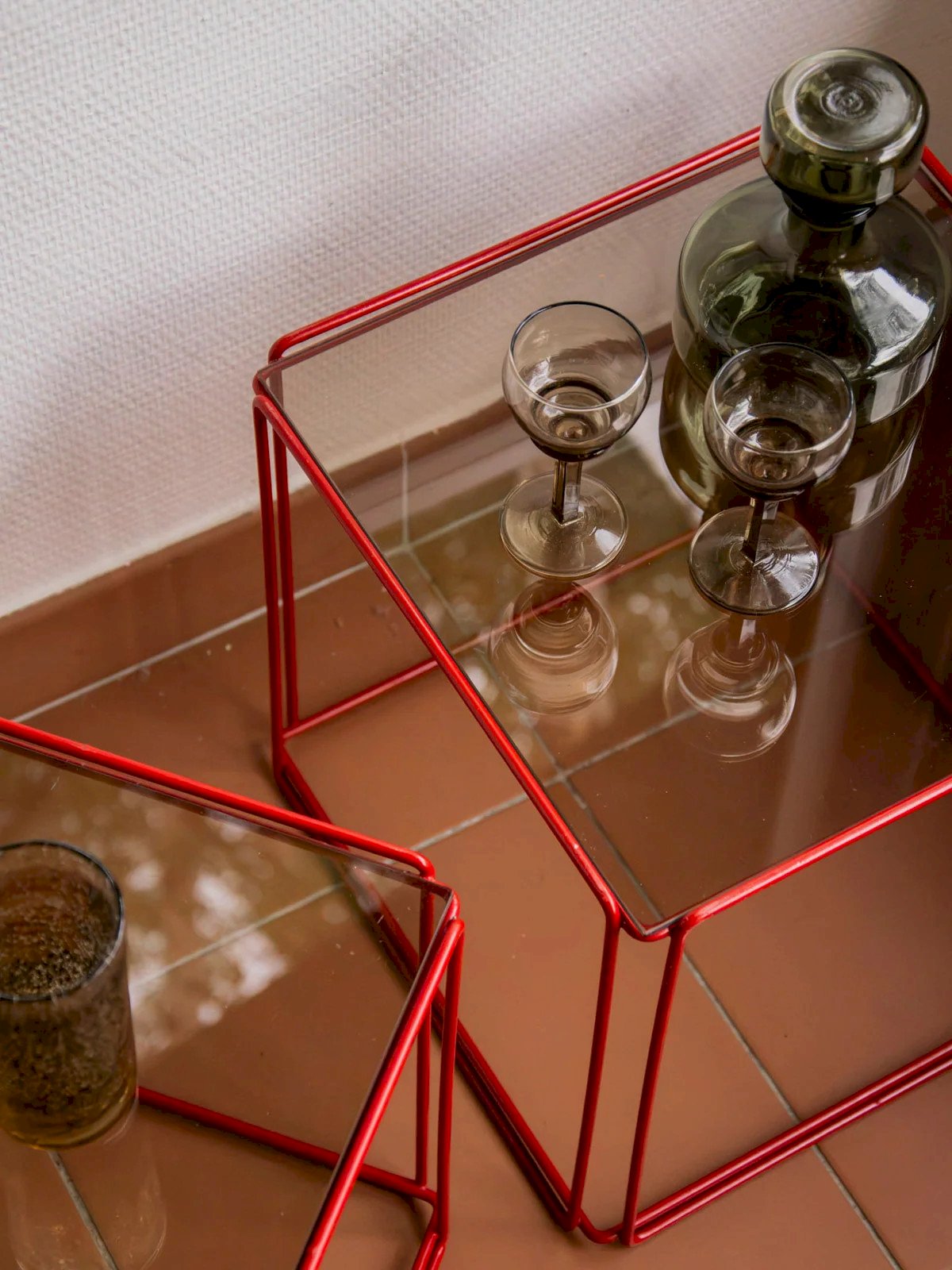
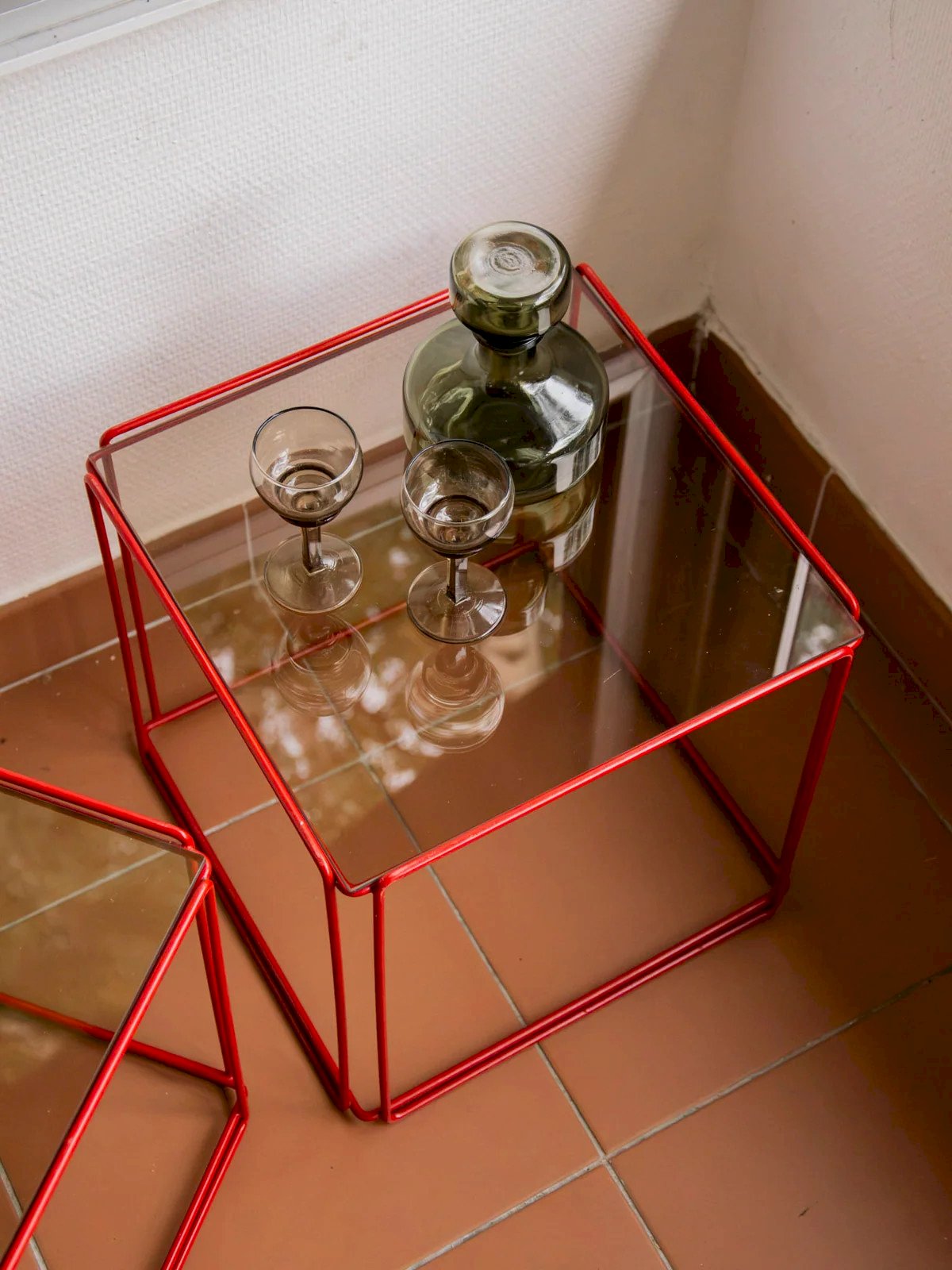
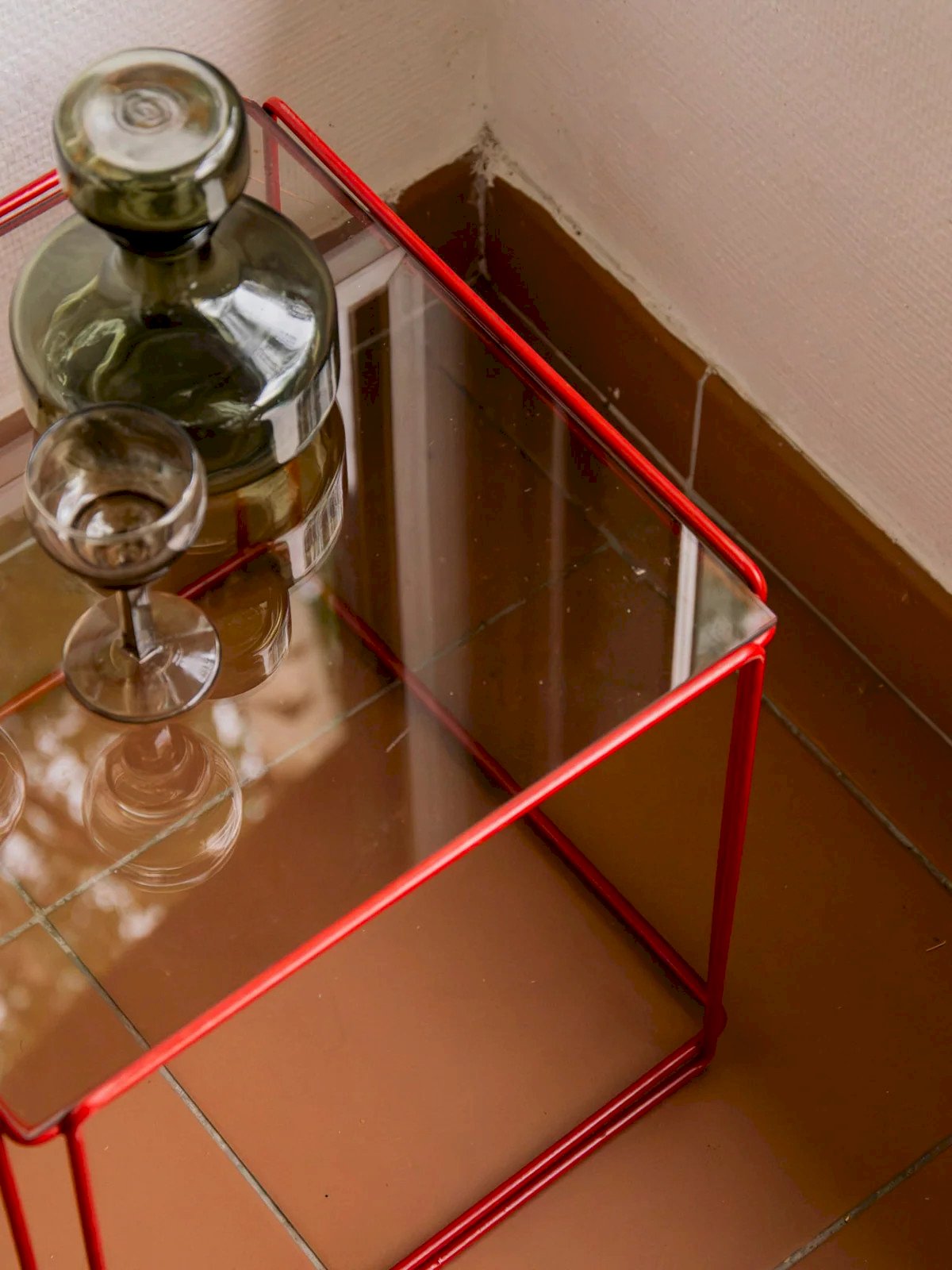
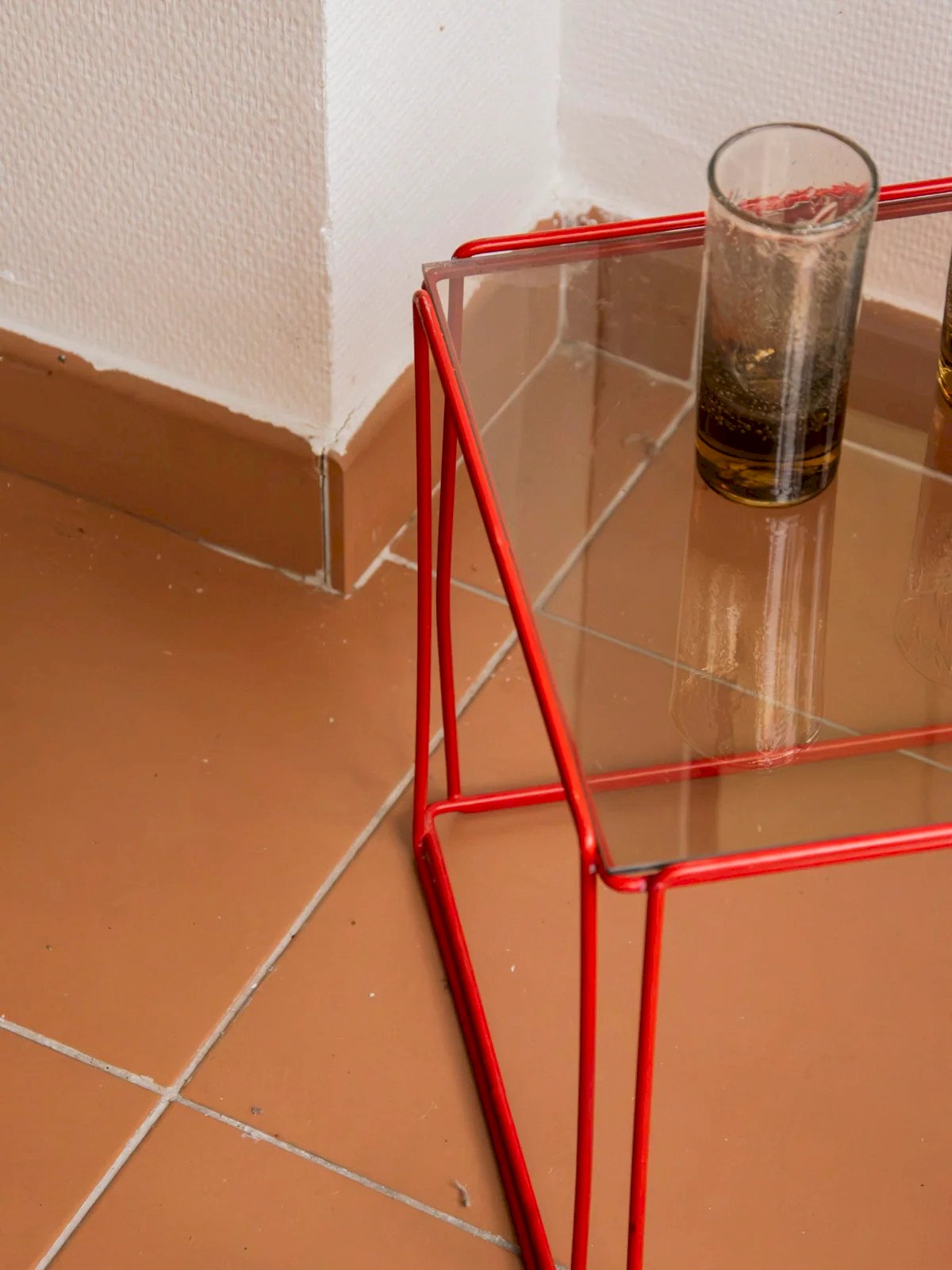
This pair of coffee tables in smoked glass and red metal adds a contemporary and vintage touch to the living room. Their glass top allows the red structure to express itself with clarity, while the interplay of materials creates a sober and refined contrast. Designed to accompany a sofa, they are happy to hold a book, a small tray, or a cup, without weighing down the space. Their two-piece format allows them to be combined to create a cohesive set or to be distributed as needed, in a reading corner or in front of a seat. On the smoked glass, a low lamp and a few magazines are enough to compose an elegant scene. Width: 31 cm Depth: 31 cm Height: 30 cm A Brief History of the Coffee Table Unlike dining tables, the coffee table only truly appeared at the beginning of the 20th century with the evolution of living rooms towards more comfort and relaxation. Its structure, deliberately low to align with the seats of armchairs, is inspired by Eastern tea tables and 19th-century coffee stands. Referred to as a "living room table" or "cocktail table," it is defined by its generous top supported by a short and sturdy base.
Réf :
#414516
Brand / From : Debongout
Related Products


Comments
Donna, the pair of red metal and glass coffee tables No. 1639
319€
75002 Paris
Ce site contient des liens d’affiliation pour lesquels je peux recevoir une compensation.
Description
This pair of coffee tables in smoked glass and red metal adds a contemporary and vintage touch to the living room. Their glass top allows the red structure to express itself with clarity, while the interplay of materials creates a sober and refined contrast. Designed to accompany a sofa, they are happy to hold a book, a small tray, or a cup, without weighing down the space. Their two-piece format allows them to be combined to create a cohesive set or to be distributed as needed, in a reading corner or in front of a seat. On the smoked glass, a low lamp and a few magazines are enough to compose an elegant scene. Width: 31 cm Depth: 31 cm Height: 30 cm A Brief History of the Coffee Table Unlike dining tables, the coffee table only truly appeared at the beginning of the 20th century with the evolution of living rooms towards more comfort and relaxation. Its structure, deliberately low to align with the seats of armchairs, is inspired by Eastern tea tables and 19th-century coffee stands. Referred to as a "living room table" or "cocktail table," it is defined by its generous top supported by a short and sturdy base.
Réf :
#414516
Brand / From : Debongout