 English
 Français


Description
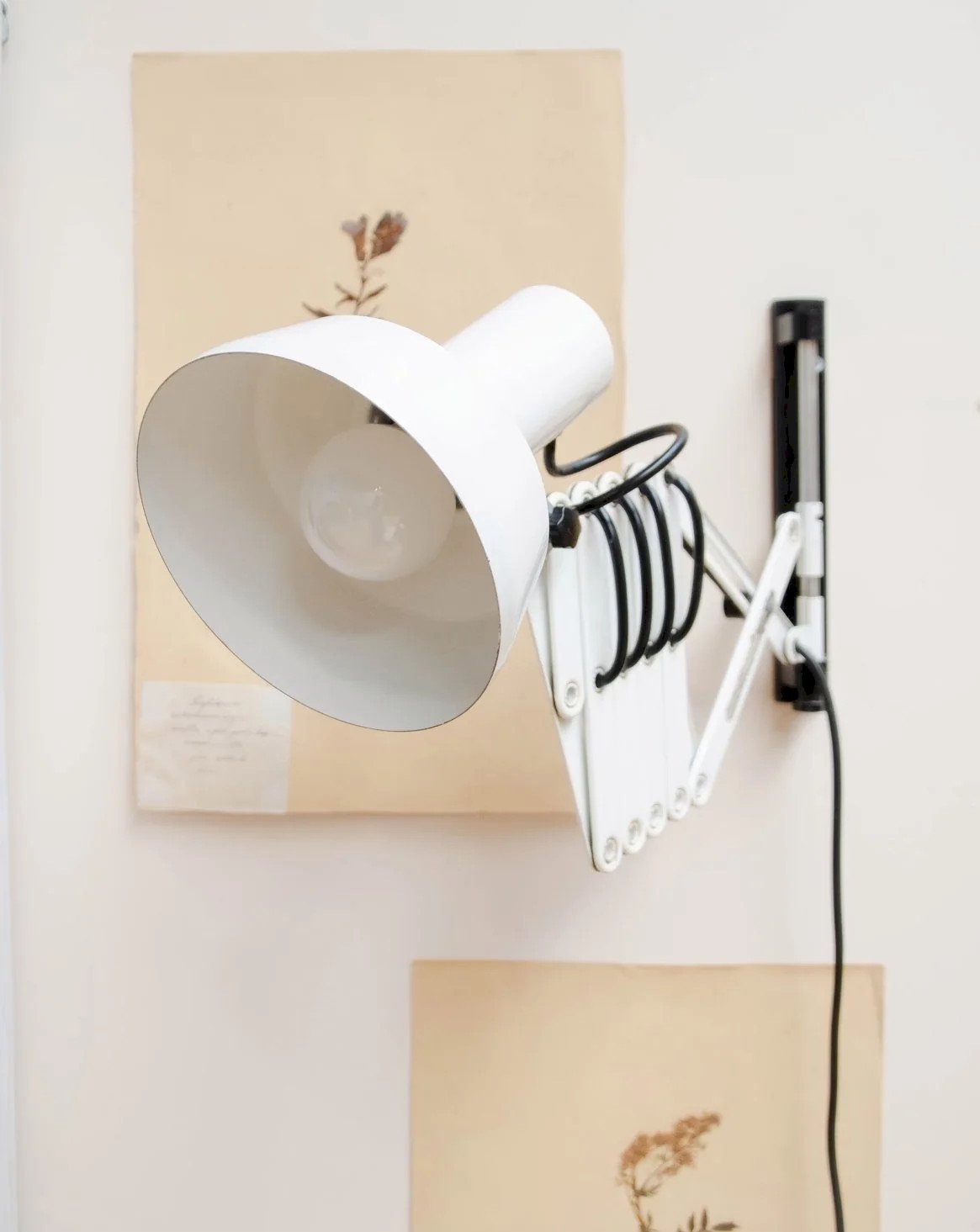
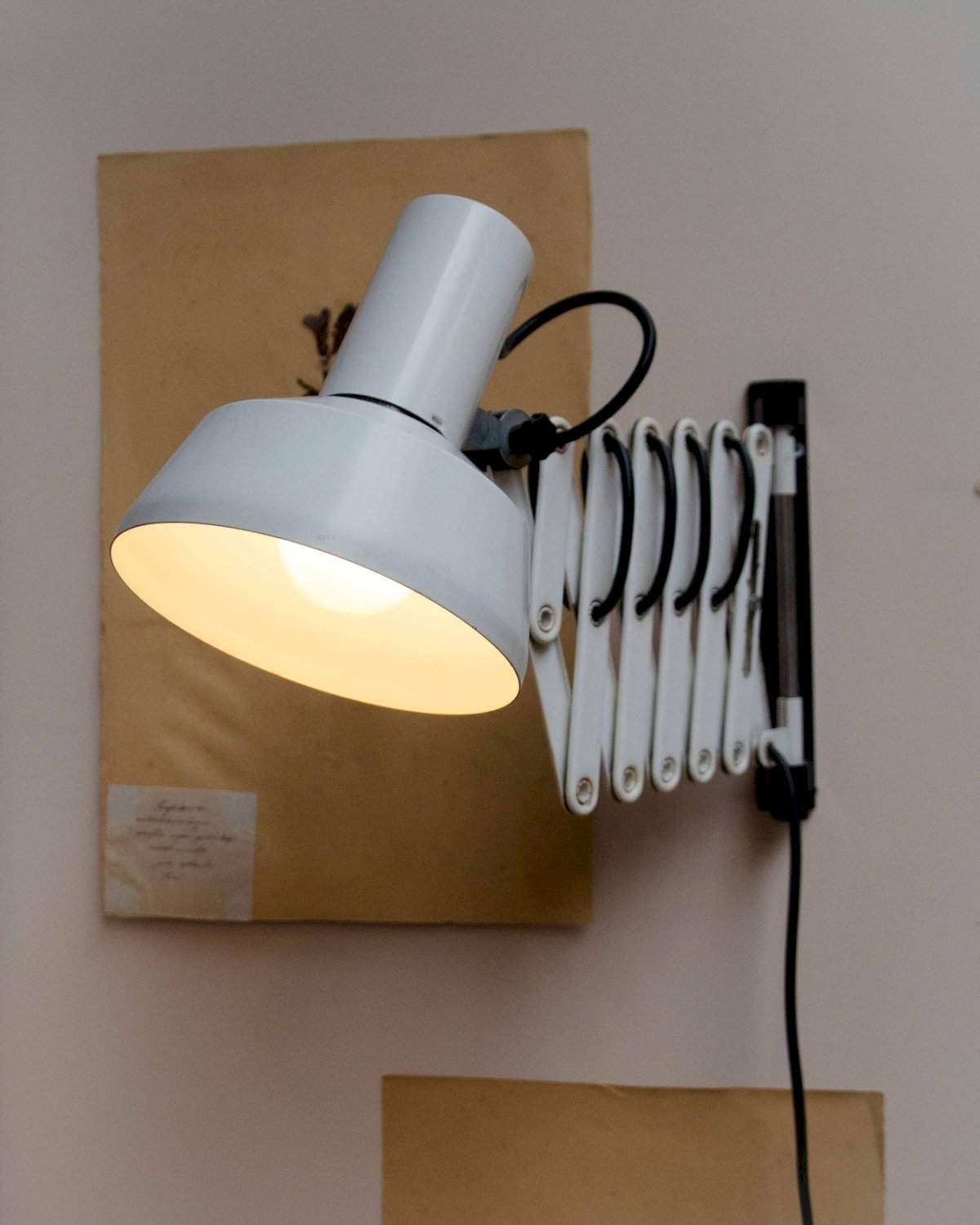
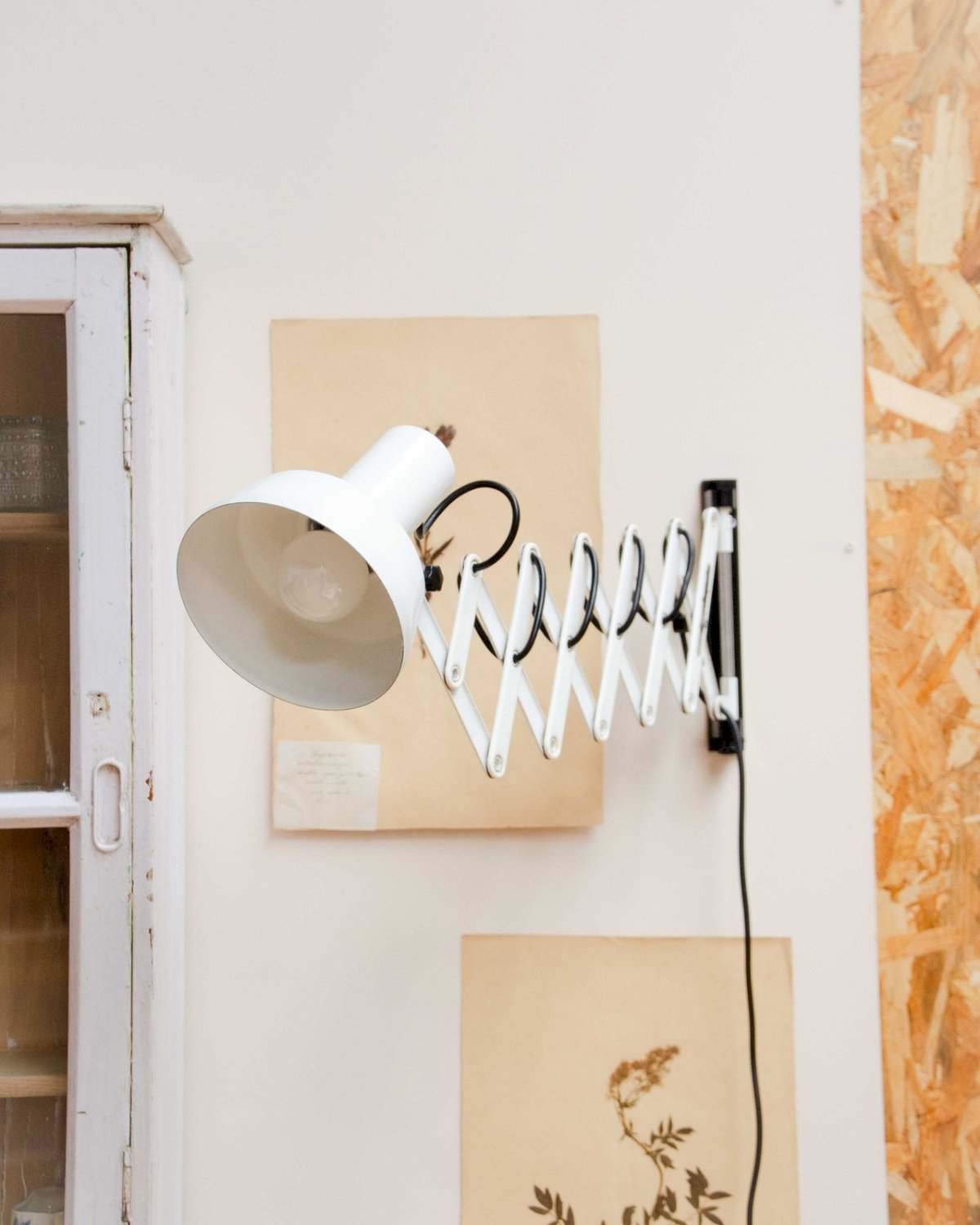
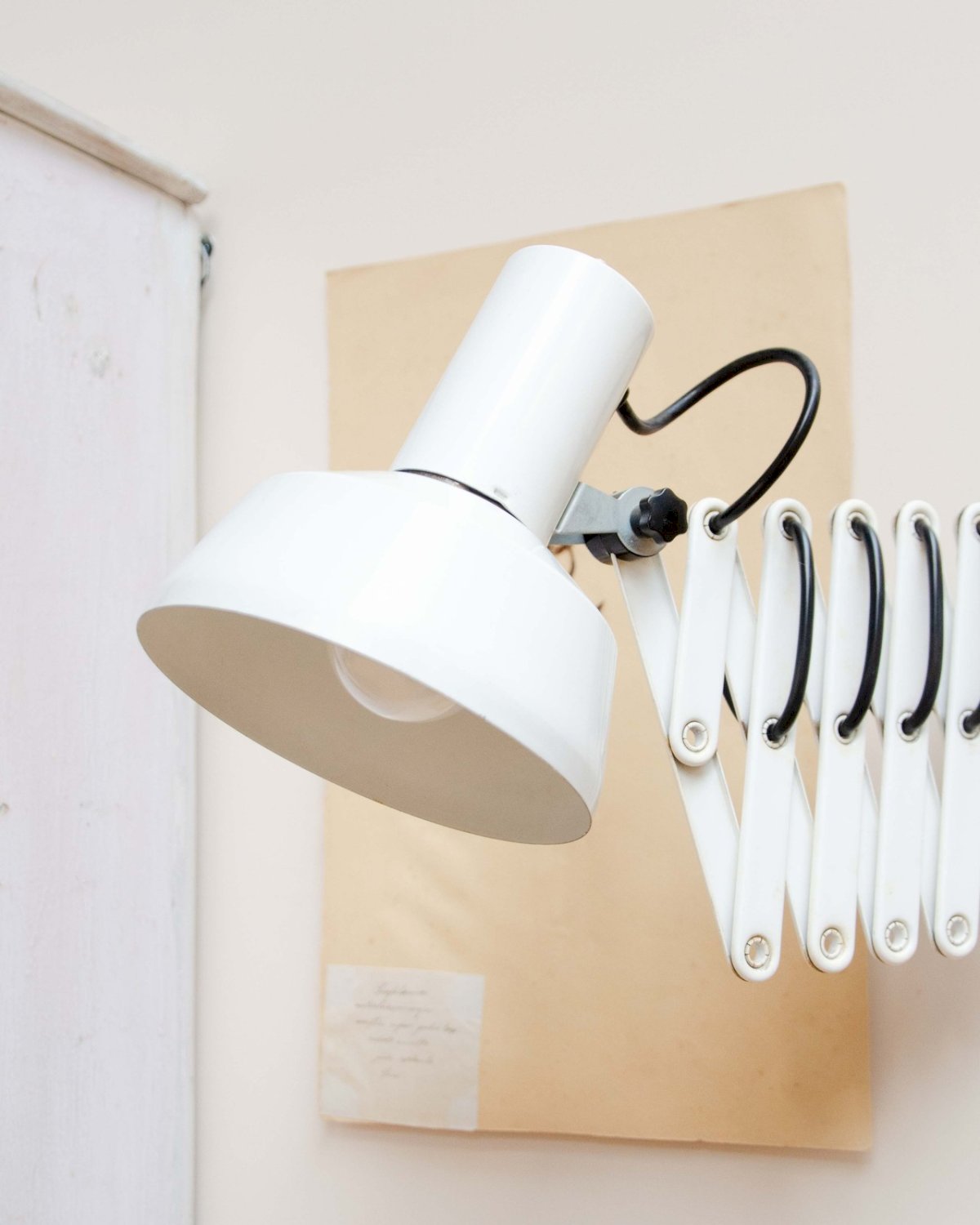
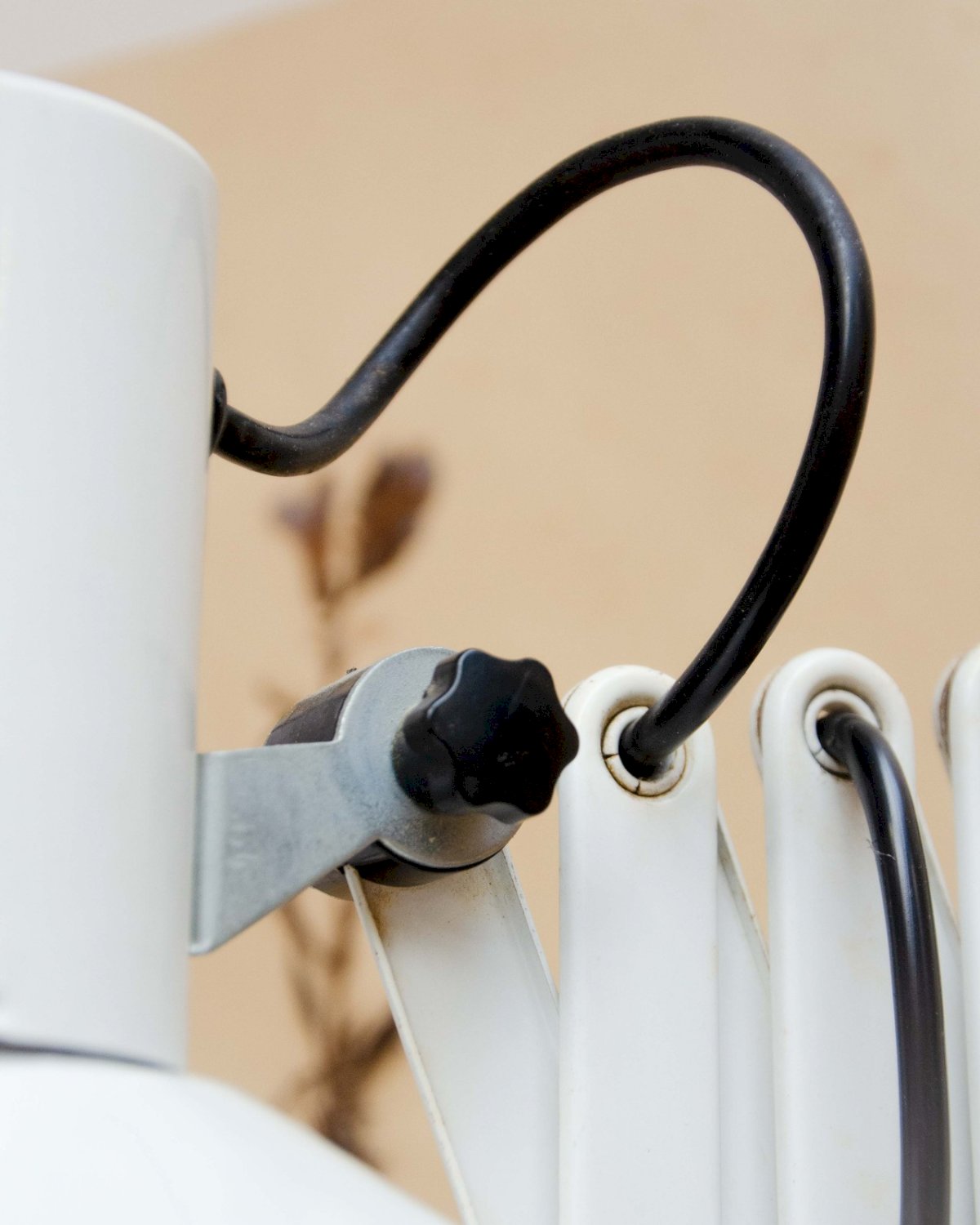
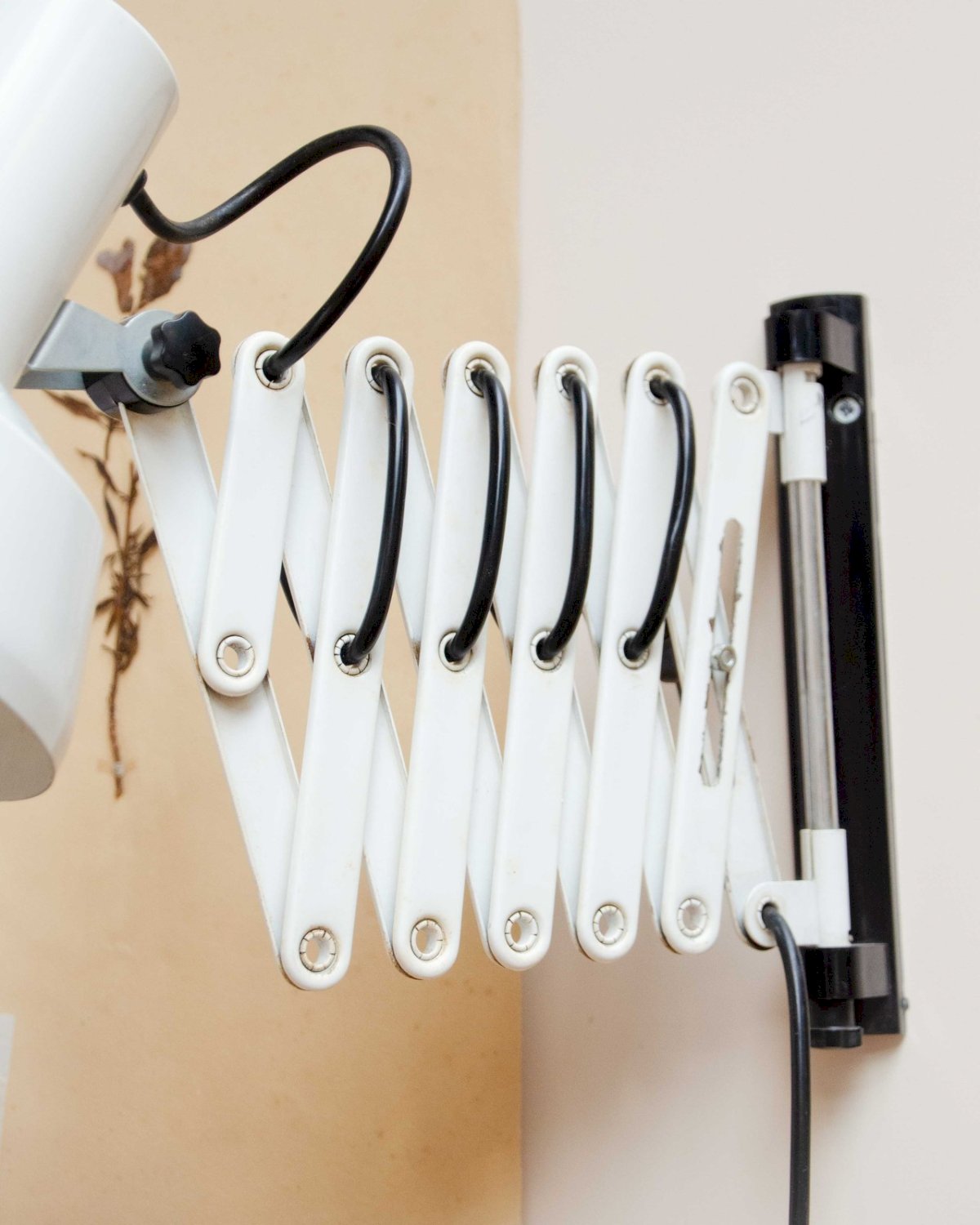
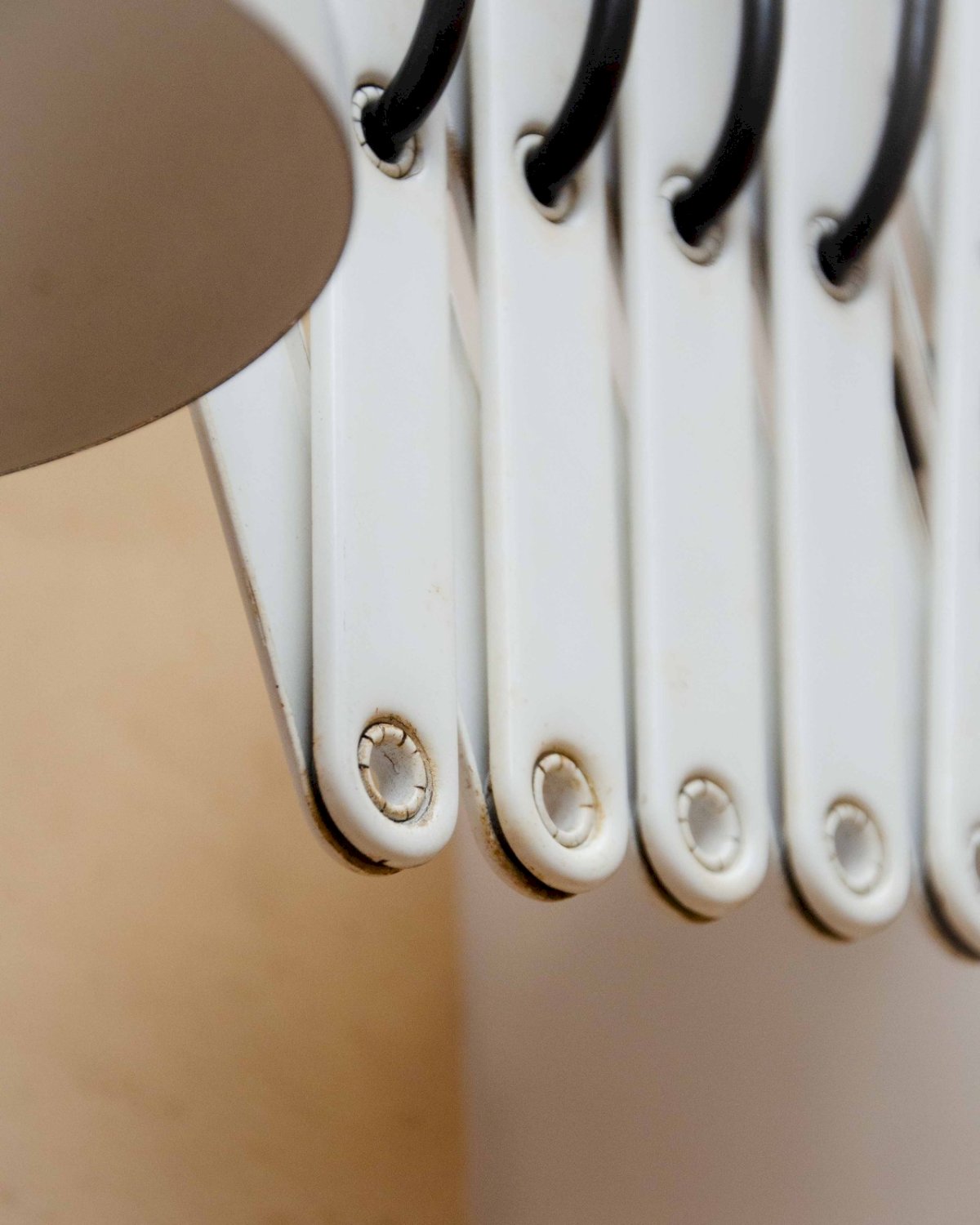
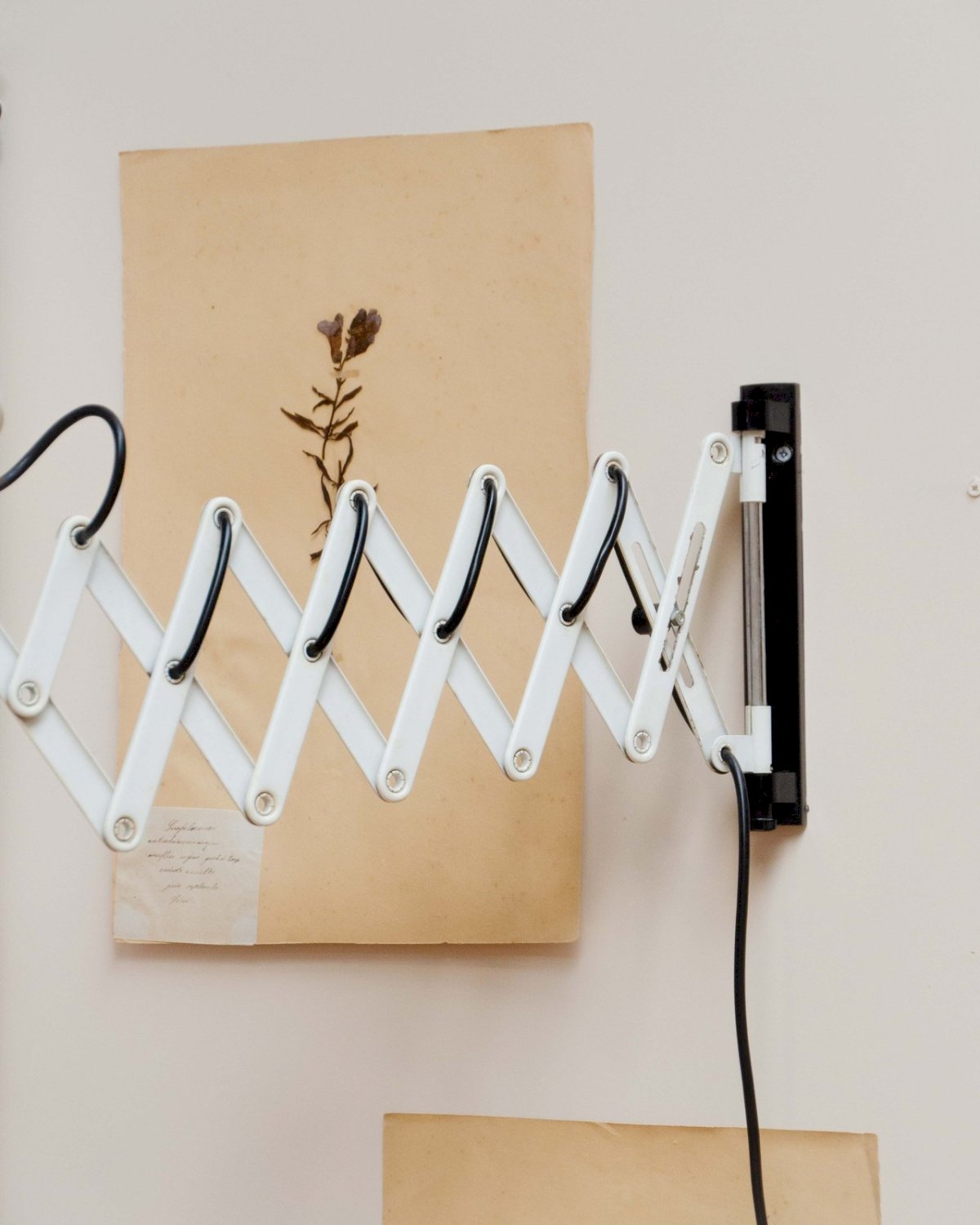
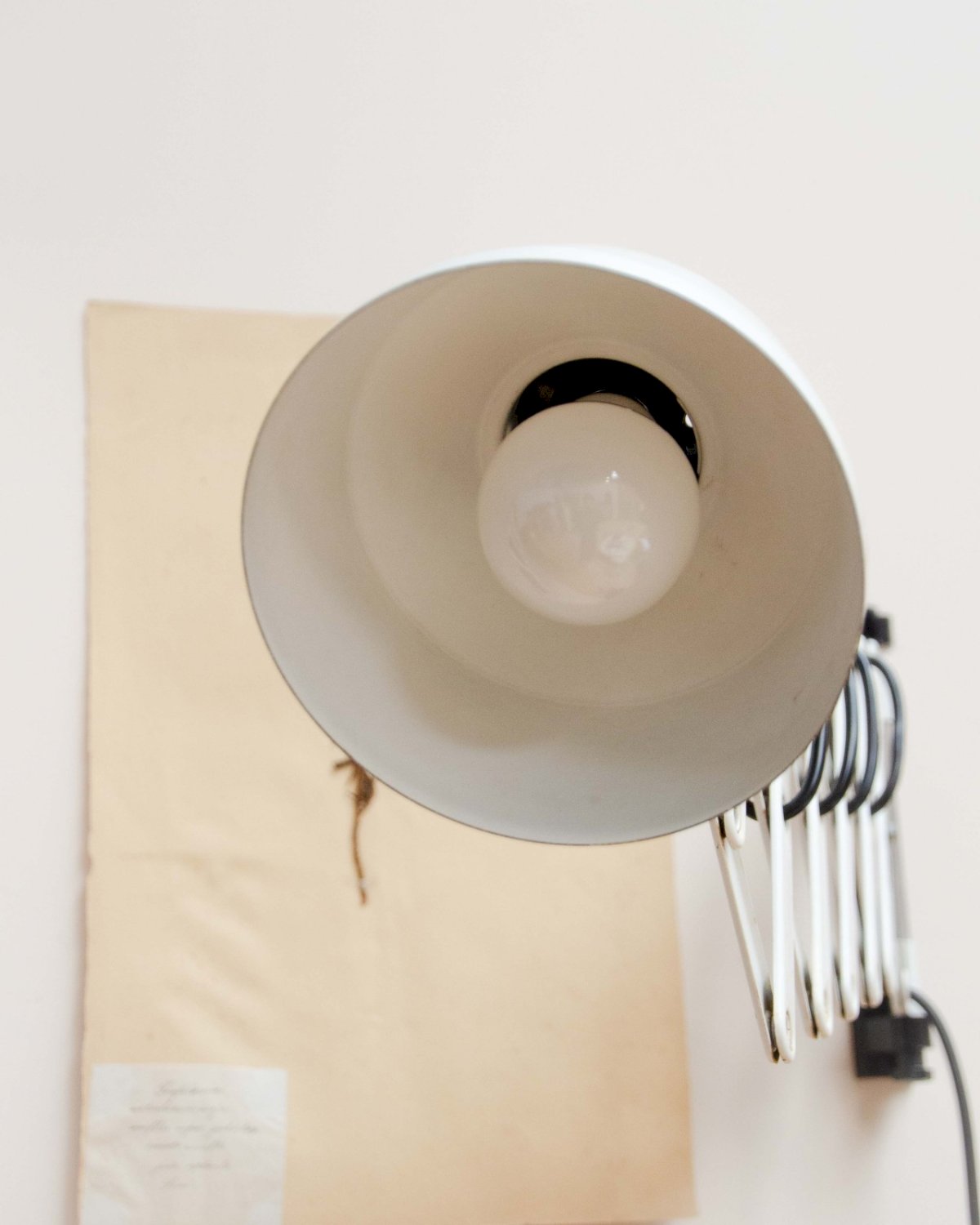
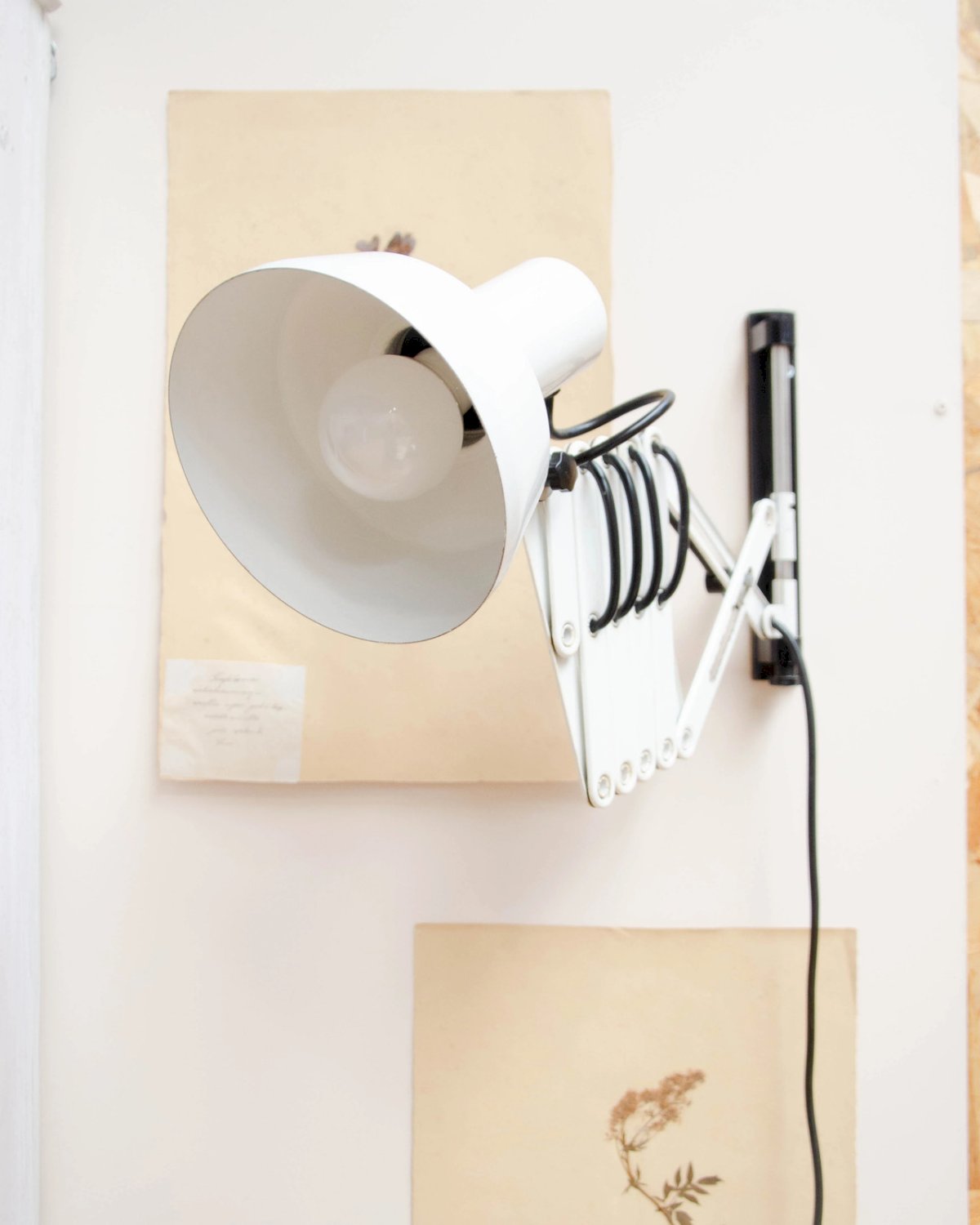
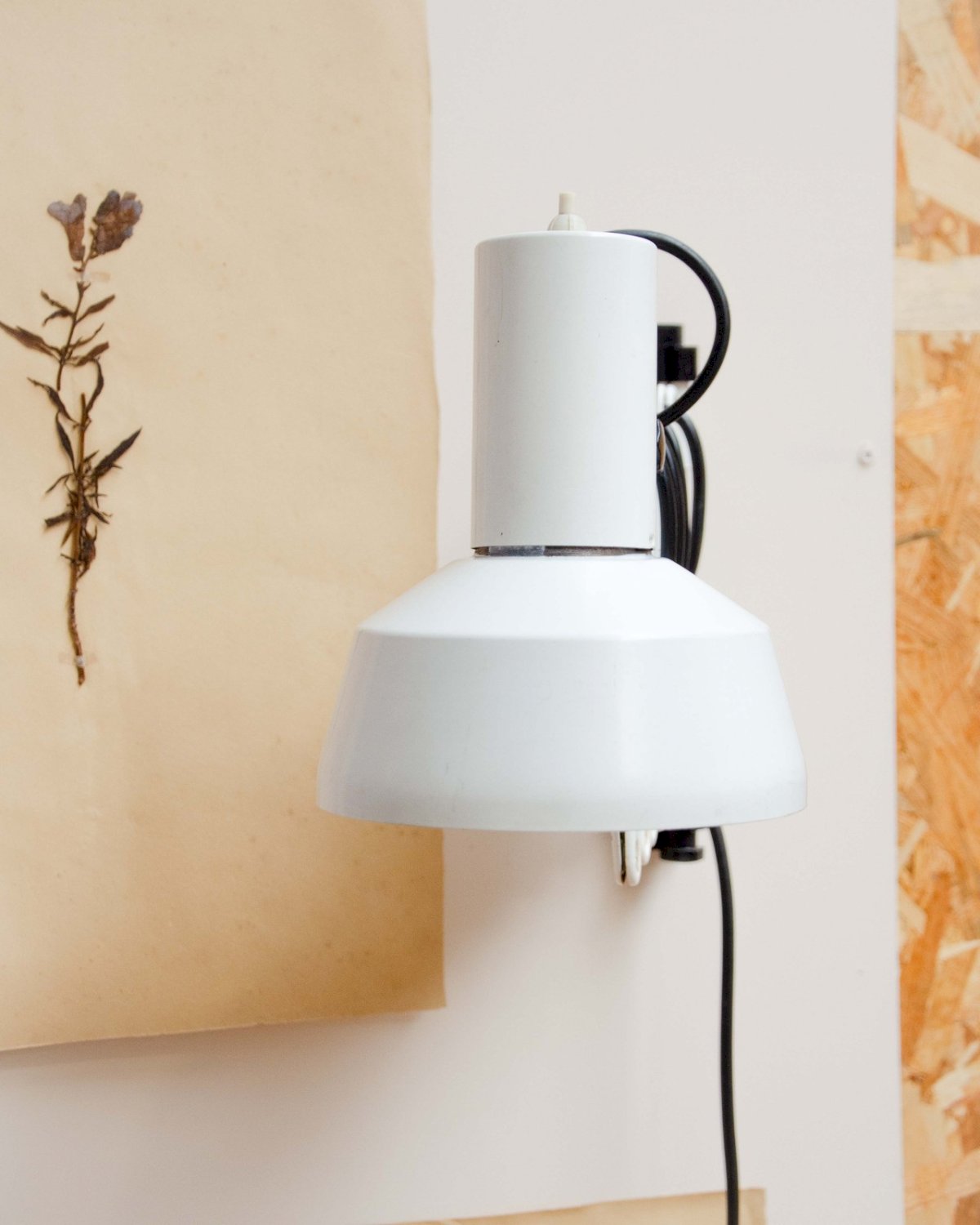
With its accordion design and bright white finish, this metal wall lamp brings an industrial style that blends country charm with industrial flair. Its telescopic scissor arm allows it to extend as needed, illuminating a reading nook, a desk, or the wall above a bed. When unfolded, the generous size makes it a beautiful accent piece, easy to pair with weathered wood, natural linen, or kitchen décor. Carefully curated, this light fixture will also find its place in an entryway or living room, alone or in pairs, to create a warm and graphic ambiance. Its mechanism is functional. Length: 90 cm Width: 32 cm Height: 16 cm A Brief History of the Sconce The sconce descends from the medieval "light arms," those torches fixed to walls to illuminate corridors without obstructing passage. Long before electricity, it was a marvel of ingenuity: it often integrated a mirror or polished metal plate at the back, a technical trick essential for doubling the candlelight through simple reflection. In the 18th century, it moved from passage areas to reception salons, adorned with bronze and crystal to become a true stage-setting instrument. Its wall-mounted position then highlighted woodwork and architectural reliefs, creating shadow plays impossible to achieve with central lighting.
Réf :
#413607
Brand / From : Debongout
Related Products



Comments
Suzette, the industrial metal wall lamp No. 241
129€
75002 Paris
Ce site contient des liens d’affiliation pour lesquels je peux recevoir une compensation.
Description
With its accordion design and bright white finish, this metal wall lamp brings an industrial style that blends country charm with industrial flair. Its telescopic scissor arm allows it to extend as needed, illuminating a reading nook, a desk, or the wall above a bed. When unfolded, the generous size makes it a beautiful accent piece, easy to pair with weathered wood, natural linen, or kitchen décor. Carefully curated, this light fixture will also find its place in an entryway or living room, alone or in pairs, to create a warm and graphic ambiance. Its mechanism is functional. Length: 90 cm Width: 32 cm Height: 16 cm A Brief History of the Sconce The sconce descends from the medieval "light arms," those torches fixed to walls to illuminate corridors without obstructing passage. Long before electricity, it was a marvel of ingenuity: it often integrated a mirror or polished metal plate at the back, a technical trick essential for doubling the candlelight through simple reflection. In the 18th century, it moved from passage areas to reception salons, adorned with bronze and crystal to become a true stage-setting instrument. Its wall-mounted position then highlighted woodwork and architectural reliefs, creating shadow plays impossible to achieve with central lighting.
Réf :
#413607
Brand / From : Debongout