 English
 Français


Description
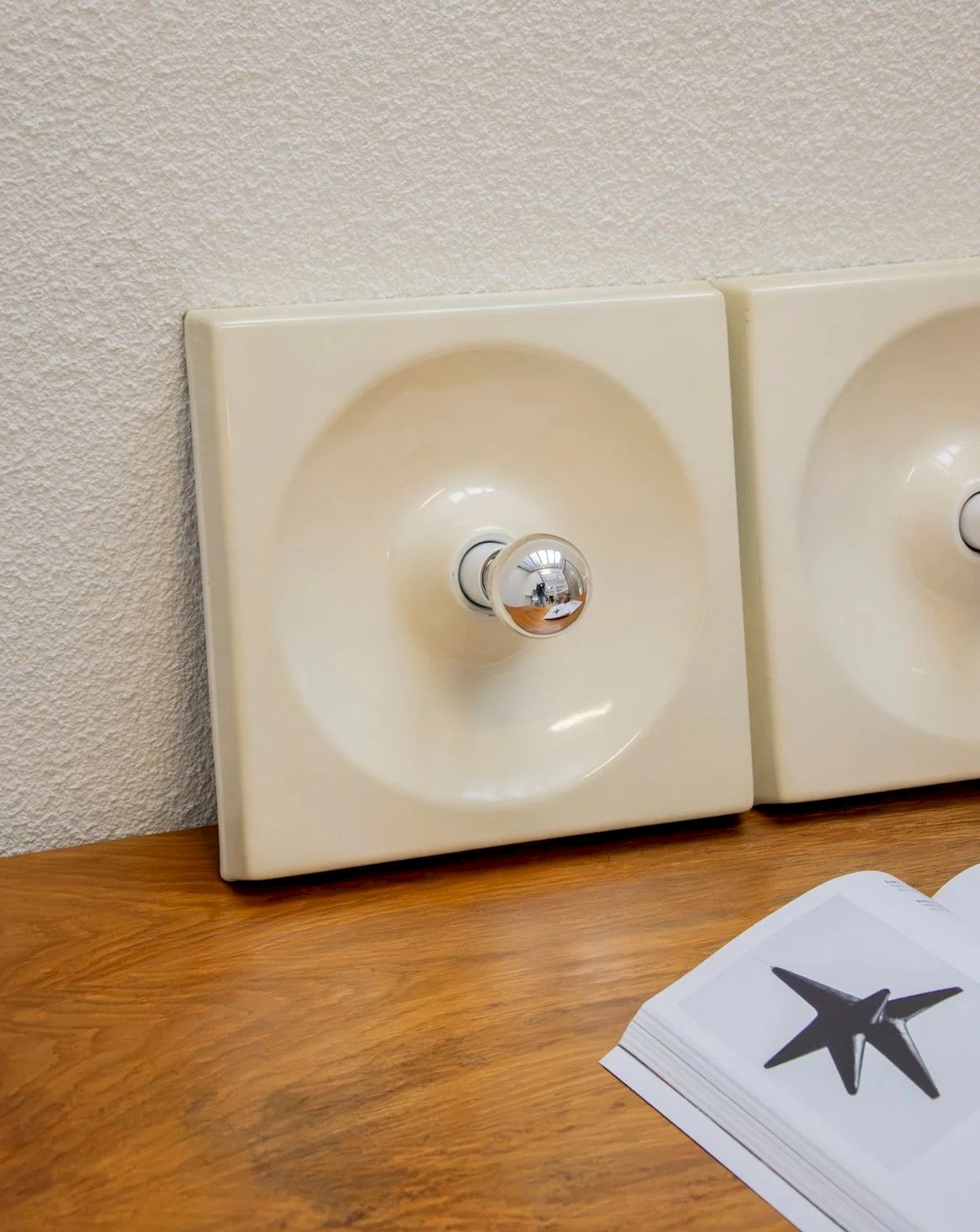
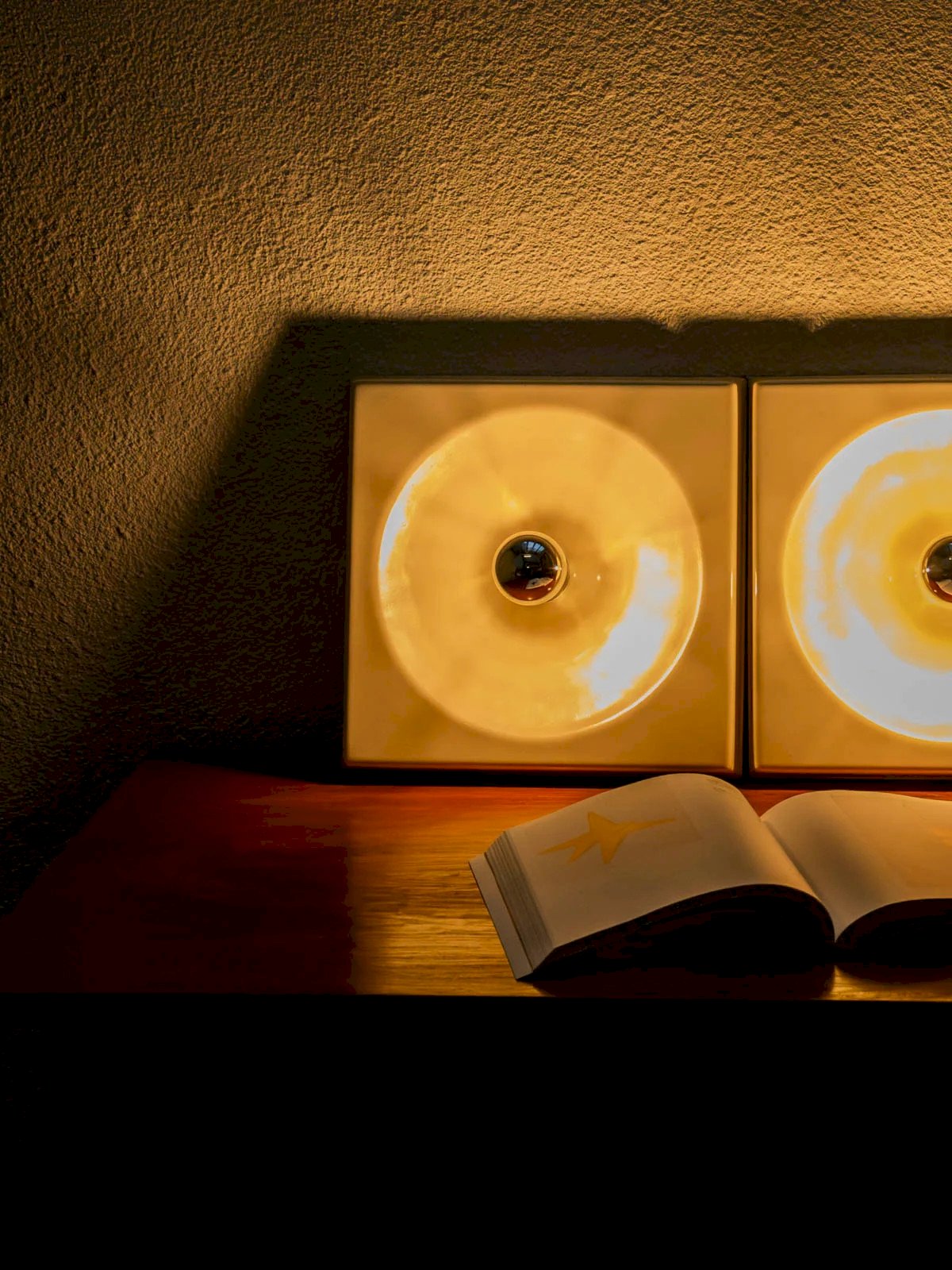
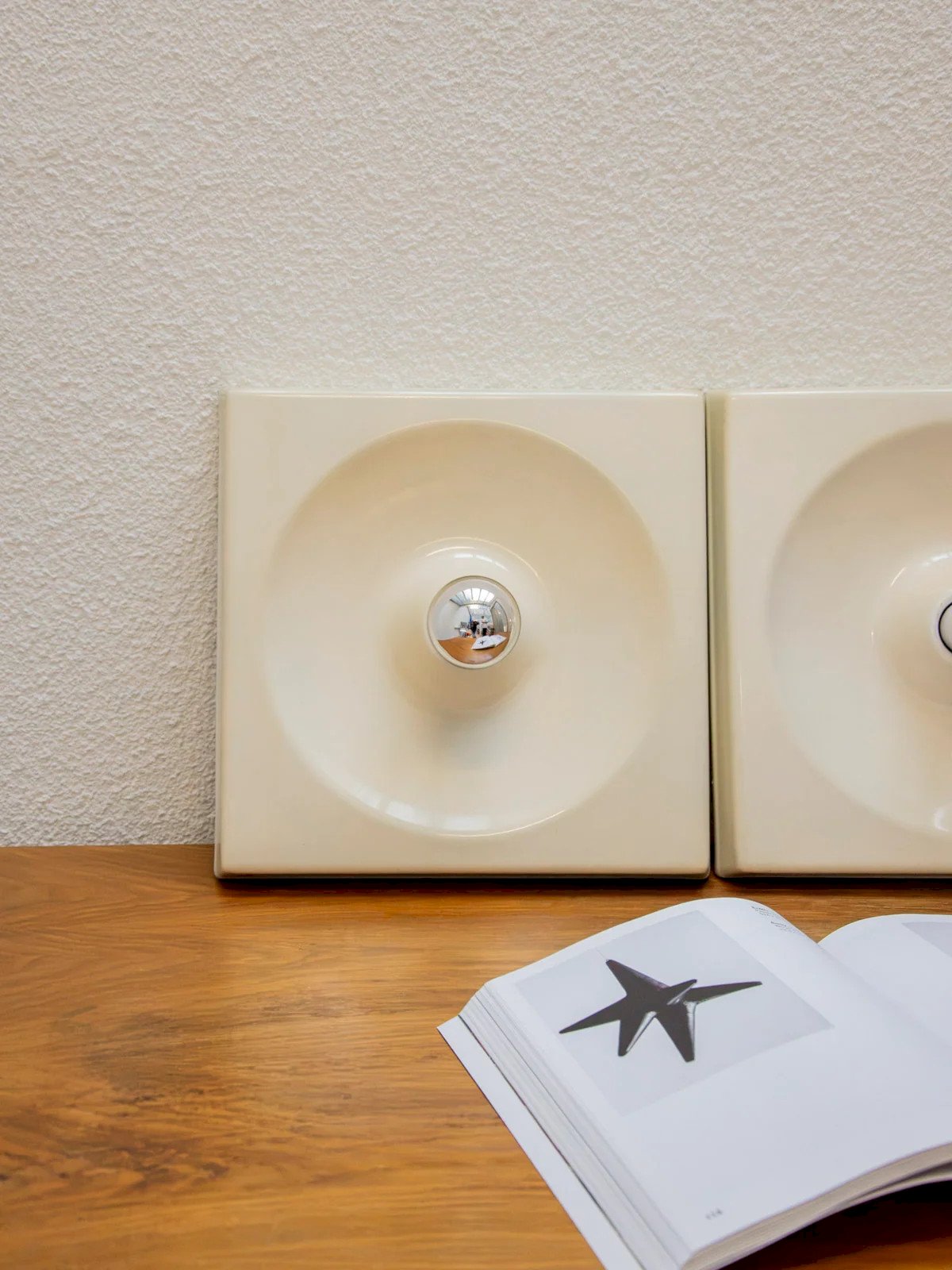
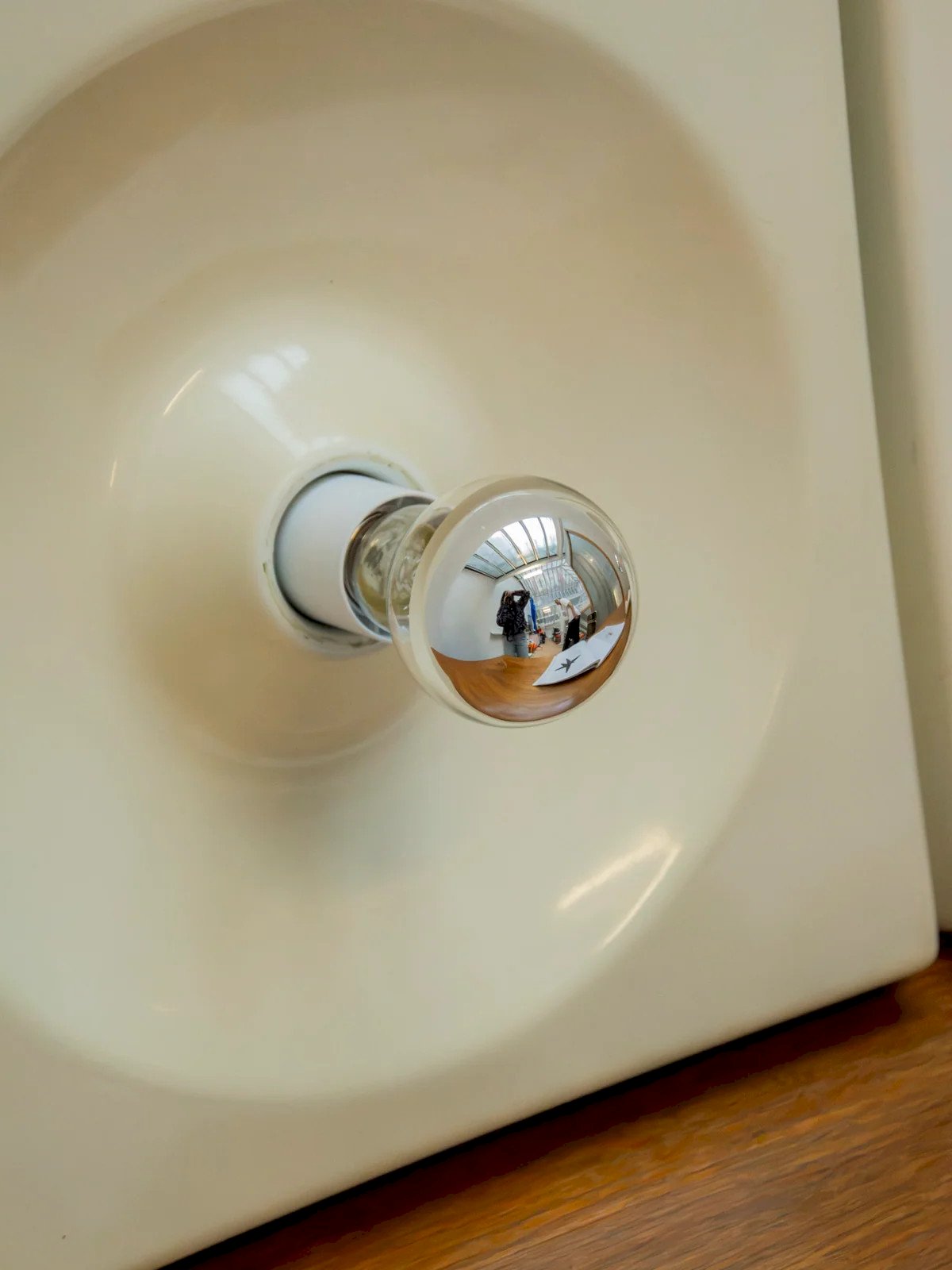
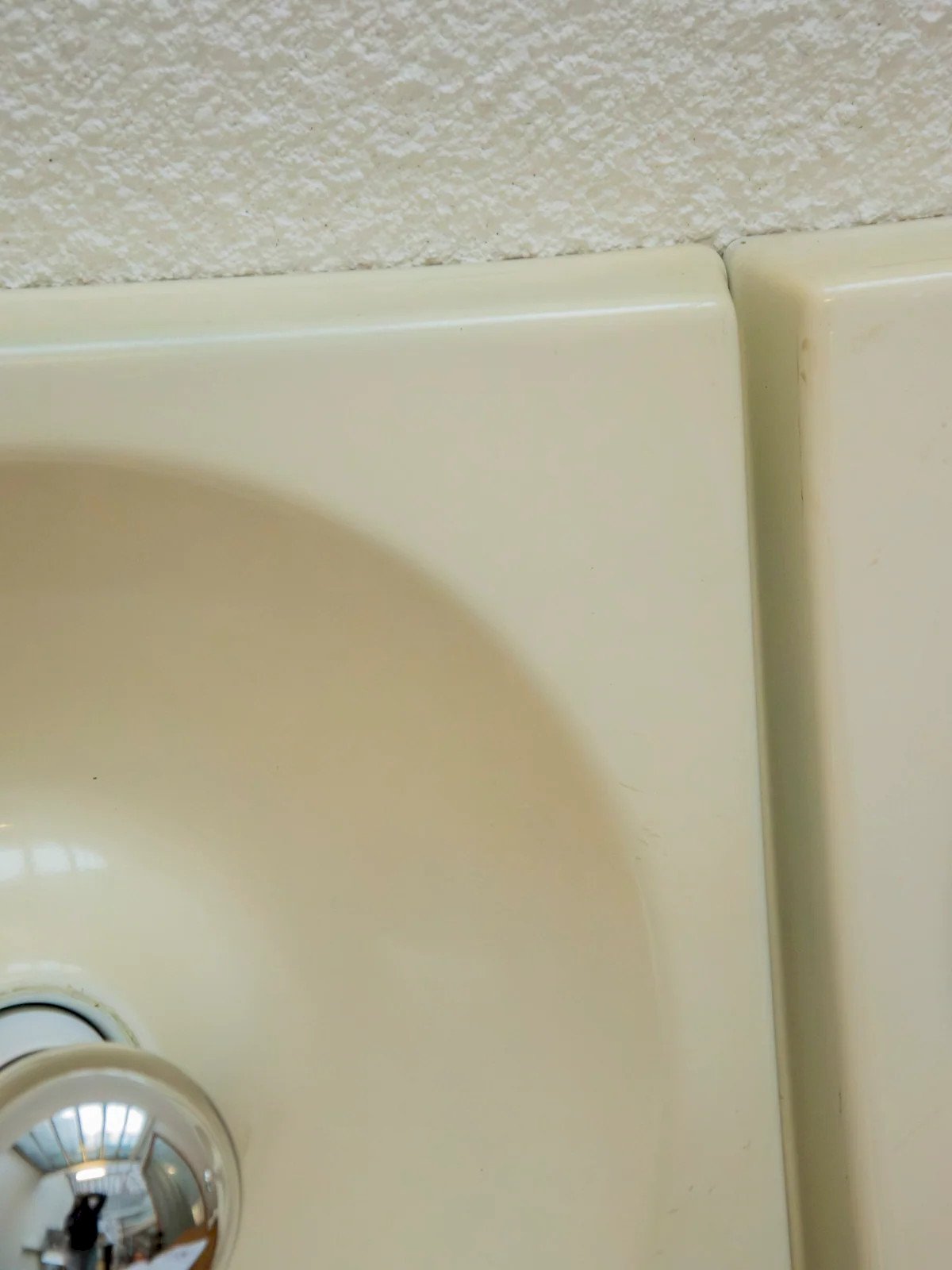
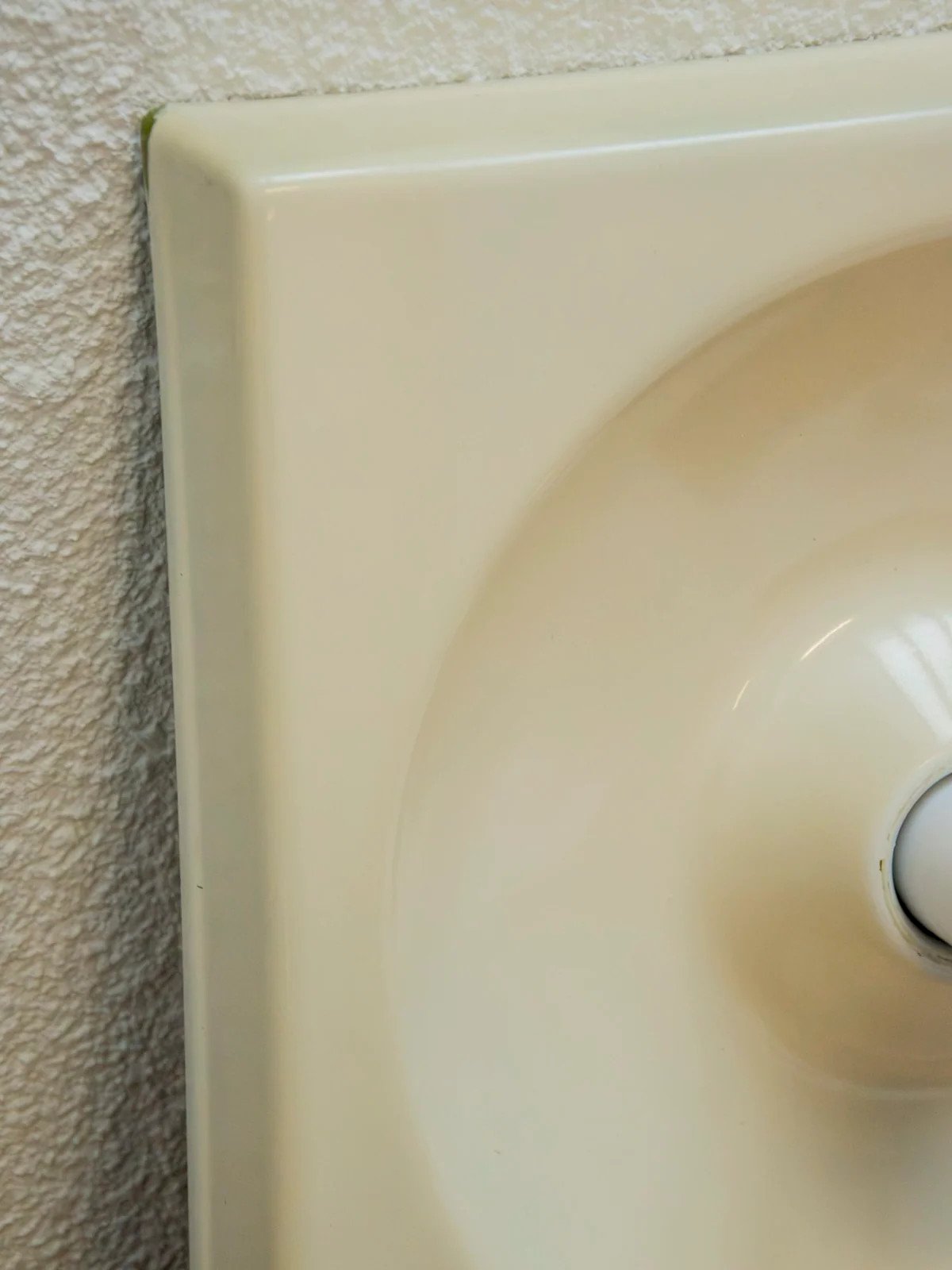
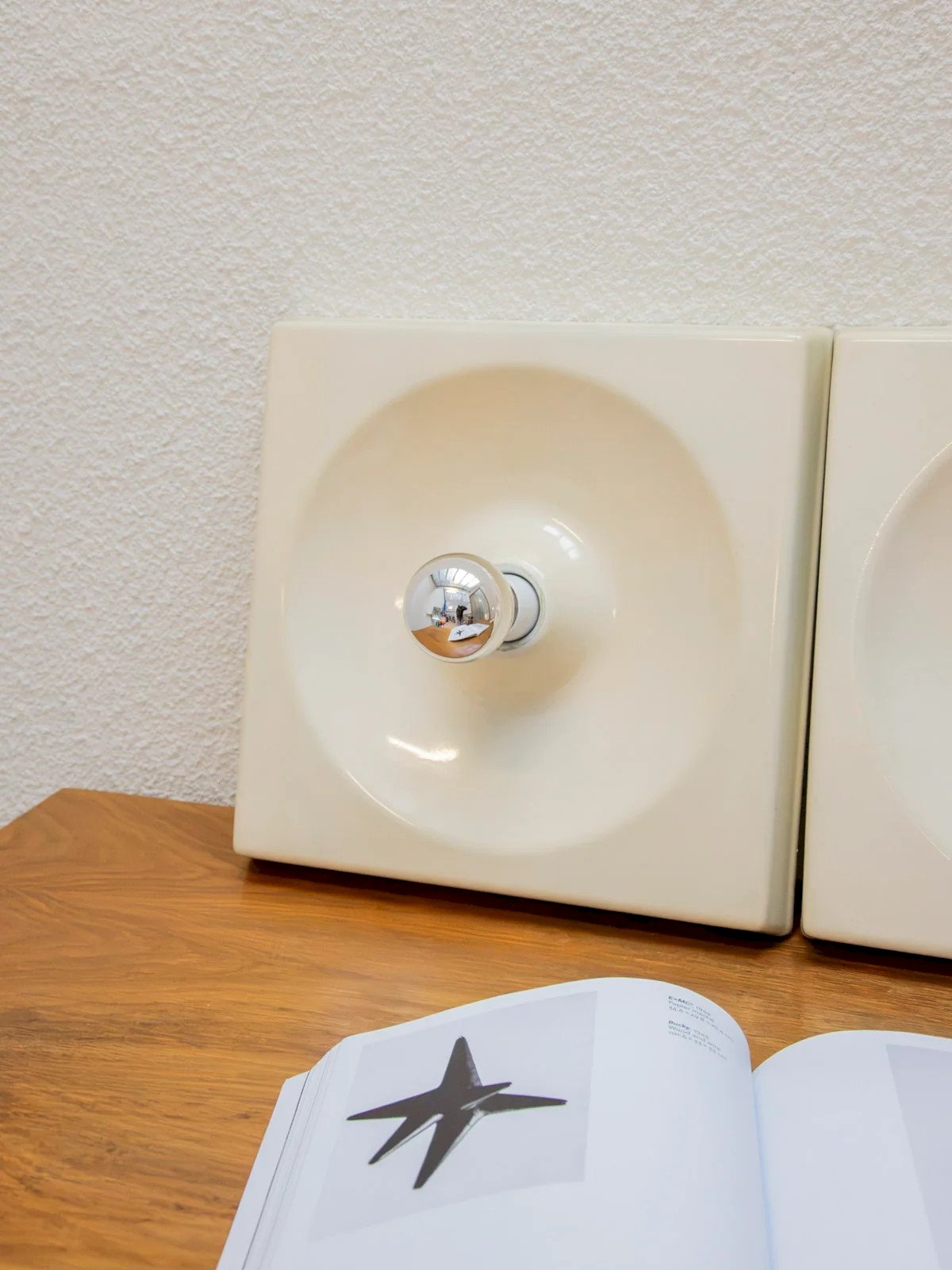
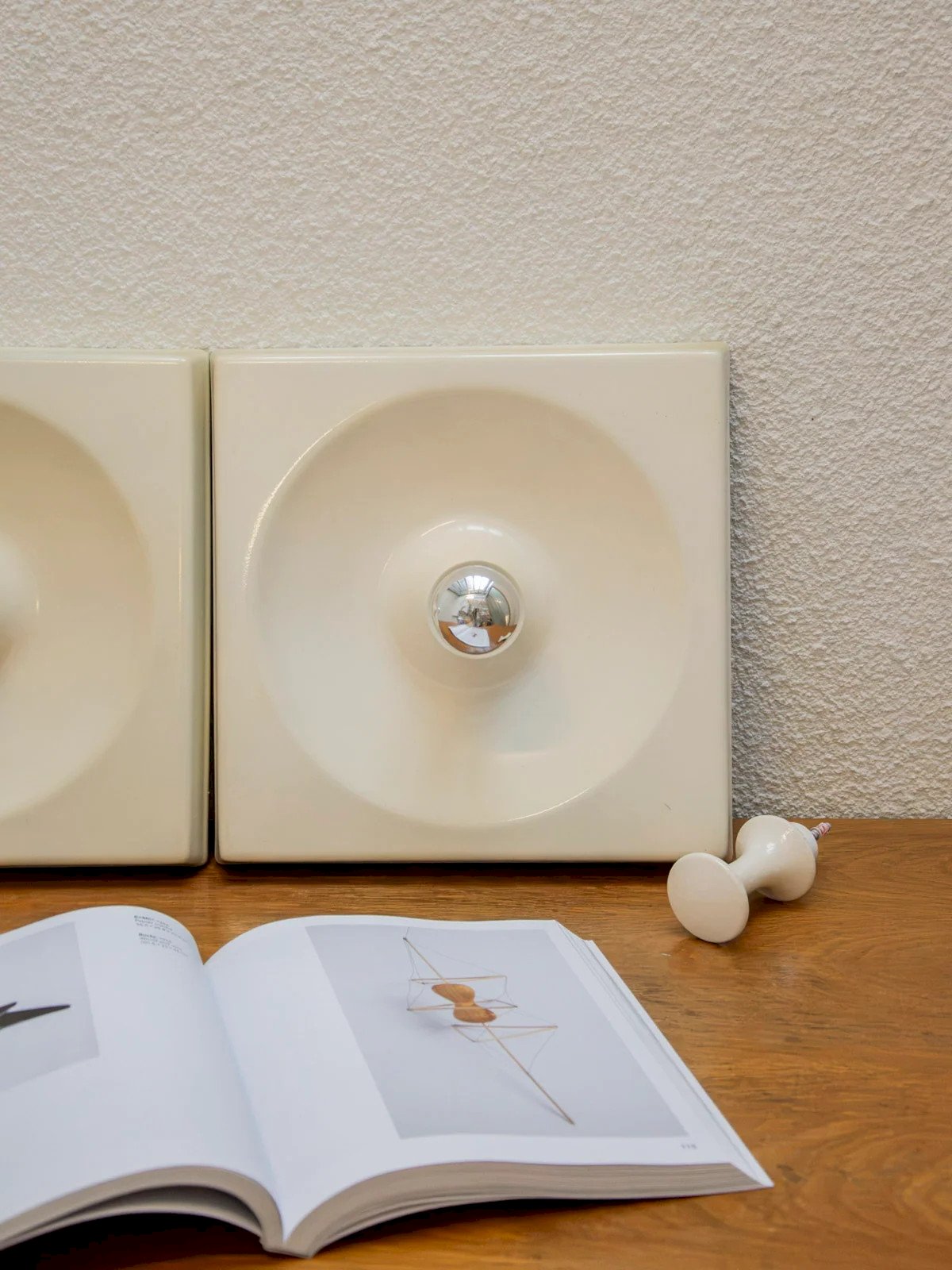
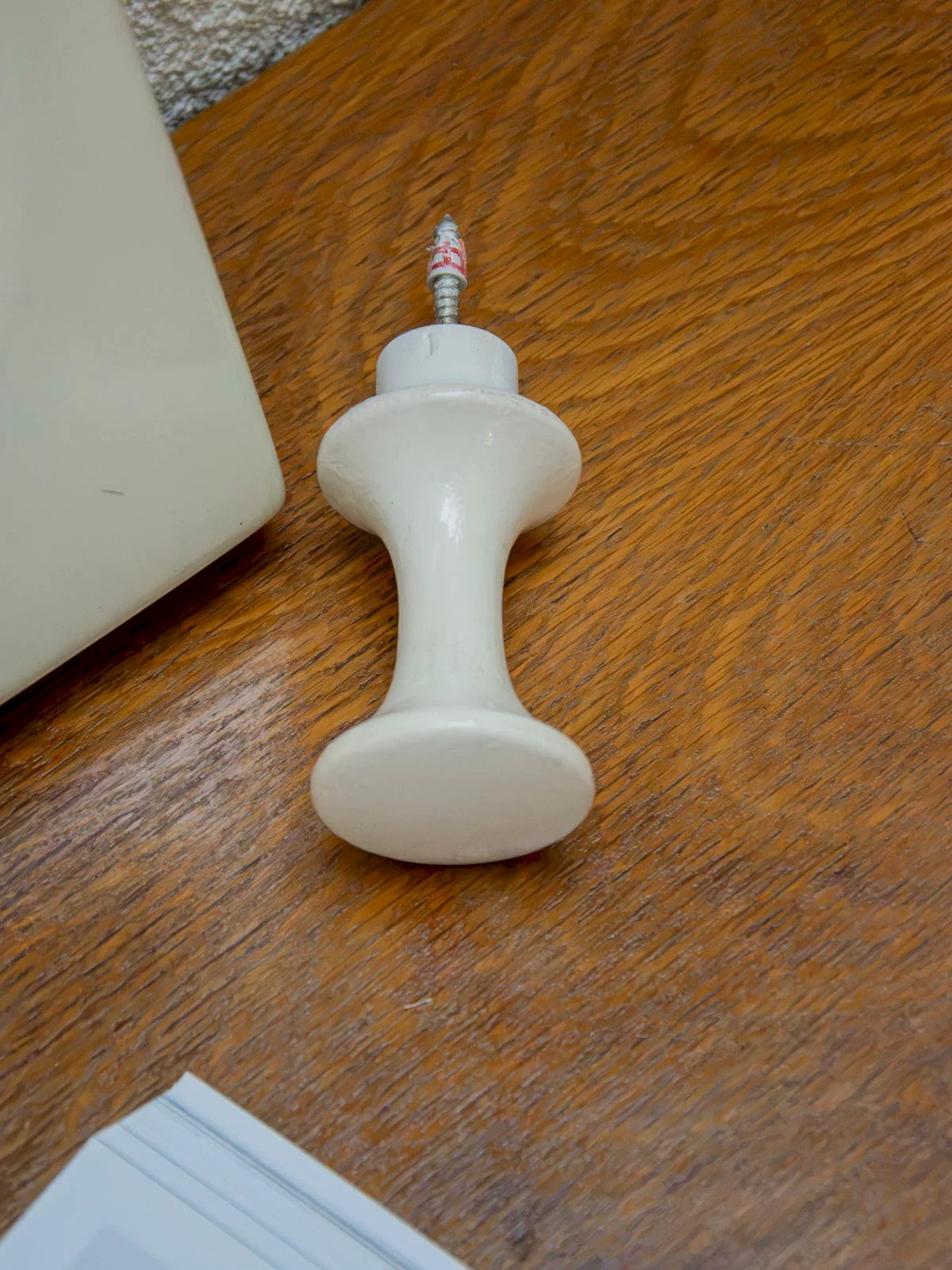
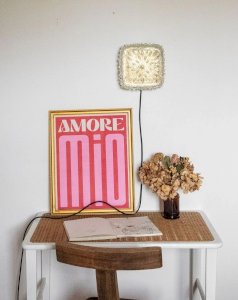
This cream resin wall light, with its country charm, adds a soft and unique touch to a hallway or a bedroom. Its wall format highlights the thermoplastic resin tile, while its light cream shade easily complements second-hand, vintage, and patinated decor. It can be installed as a hook or as lighting, depending on the use you wish to give it, and the bulb is included. In an entryway, it pairs well with an antique mirror or a wooden hook, creating a simple and refined scene. Width: 33 cm Depth: 4 cm Height: 33 cm A brief history of the wall light The wall light descends from the "arms of light" of medieval times, these torches fixed to walls to illuminate hallways without obstructing passage. Long before electricity, it was a concentrate of ingenuity: it often incorporated a mirror or polished metal plate at the back, a technical trick essential for doubling the glow of the candle through simple reflection. In the 18th century, it moved from passage areas to reception salons, adorned with bronze and crystal to become a true staging instrument. Its wall position allowed it to highlight woodwork and architectural reliefs, creating shadows impossible to achieve with central lighting.
Réf :
#414666
Brand / From : Debongout
Related Products



Comments
Suzette, the wall sconce with geometric lines No. 249
389€
75002 Paris
Ce site contient des liens d’affiliation pour lesquels je peux recevoir une compensation.
Description
This cream resin wall light, with its country charm, adds a soft and unique touch to a hallway or a bedroom. Its wall format highlights the thermoplastic resin tile, while its light cream shade easily complements second-hand, vintage, and patinated decor. It can be installed as a hook or as lighting, depending on the use you wish to give it, and the bulb is included. In an entryway, it pairs well with an antique mirror or a wooden hook, creating a simple and refined scene. Width: 33 cm Depth: 4 cm Height: 33 cm A brief history of the wall light The wall light descends from the "arms of light" of medieval times, these torches fixed to walls to illuminate hallways without obstructing passage. Long before electricity, it was a concentrate of ingenuity: it often incorporated a mirror or polished metal plate at the back, a technical trick essential for doubling the glow of the candle through simple reflection. In the 18th century, it moved from passage areas to reception salons, adorned with bronze and crystal to become a true staging instrument. Its wall position allowed it to highlight woodwork and architectural reliefs, creating shadows impossible to achieve with central lighting.
Réf :
#414666
Brand / From : Debongout