 English
 Français


Description
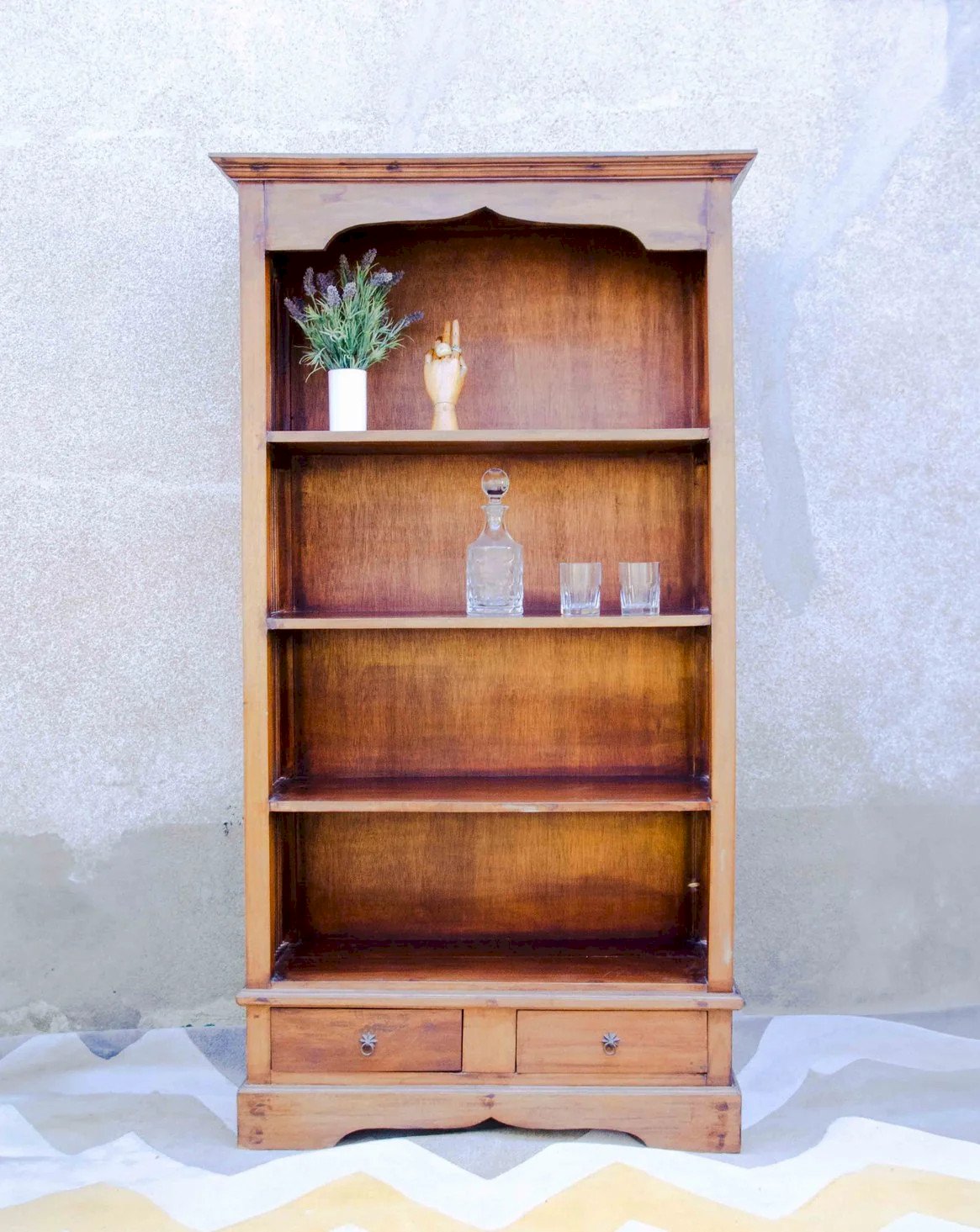
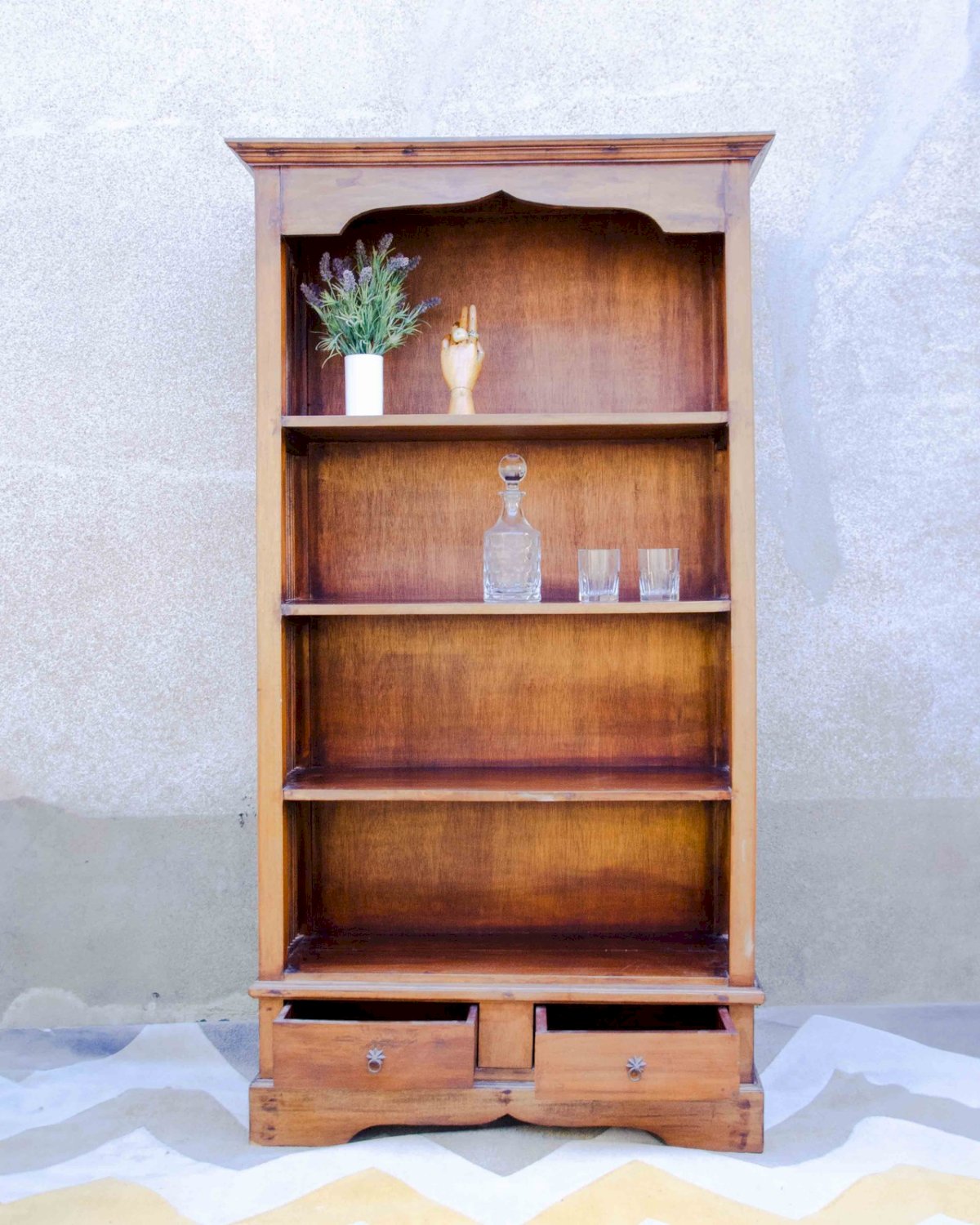
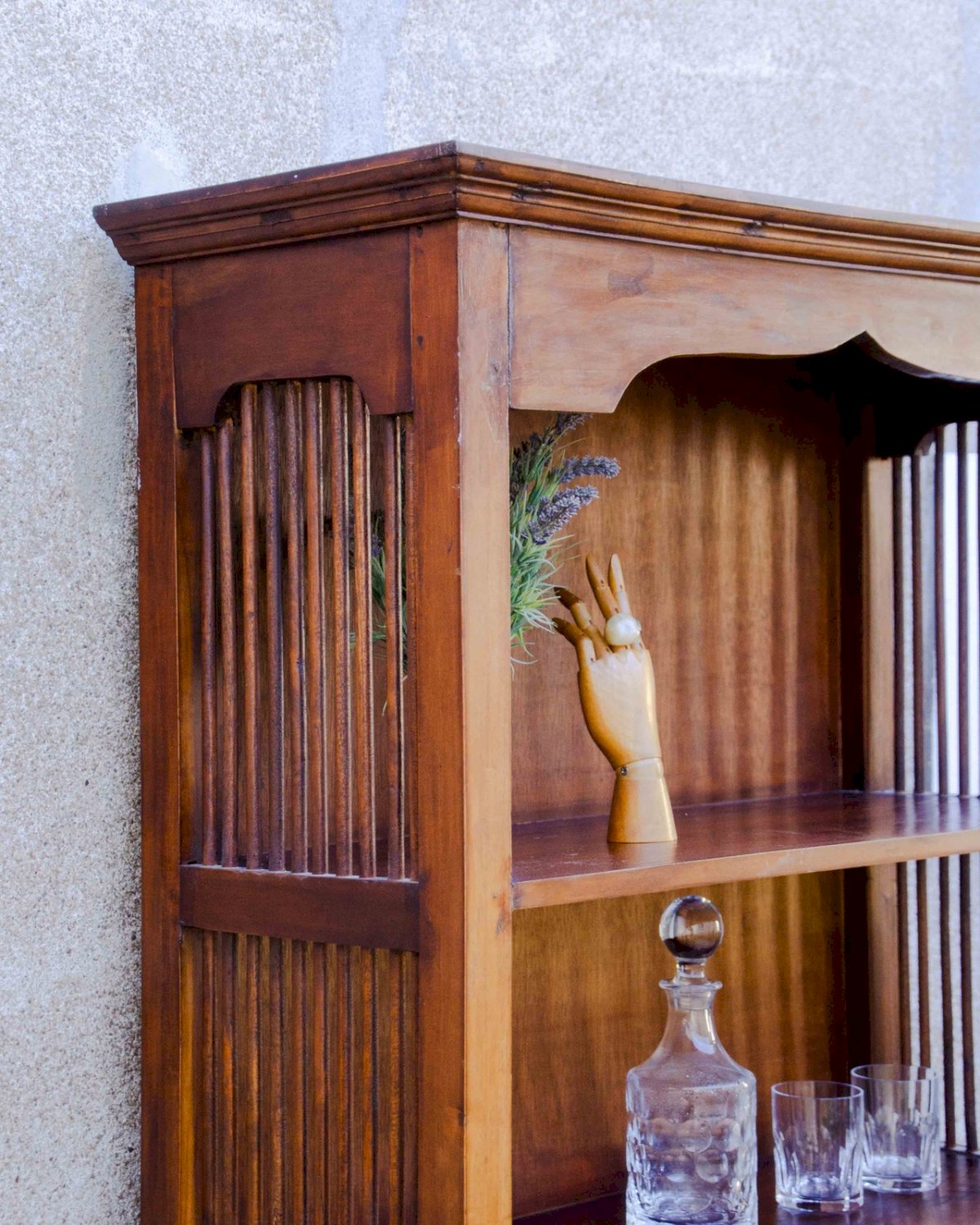
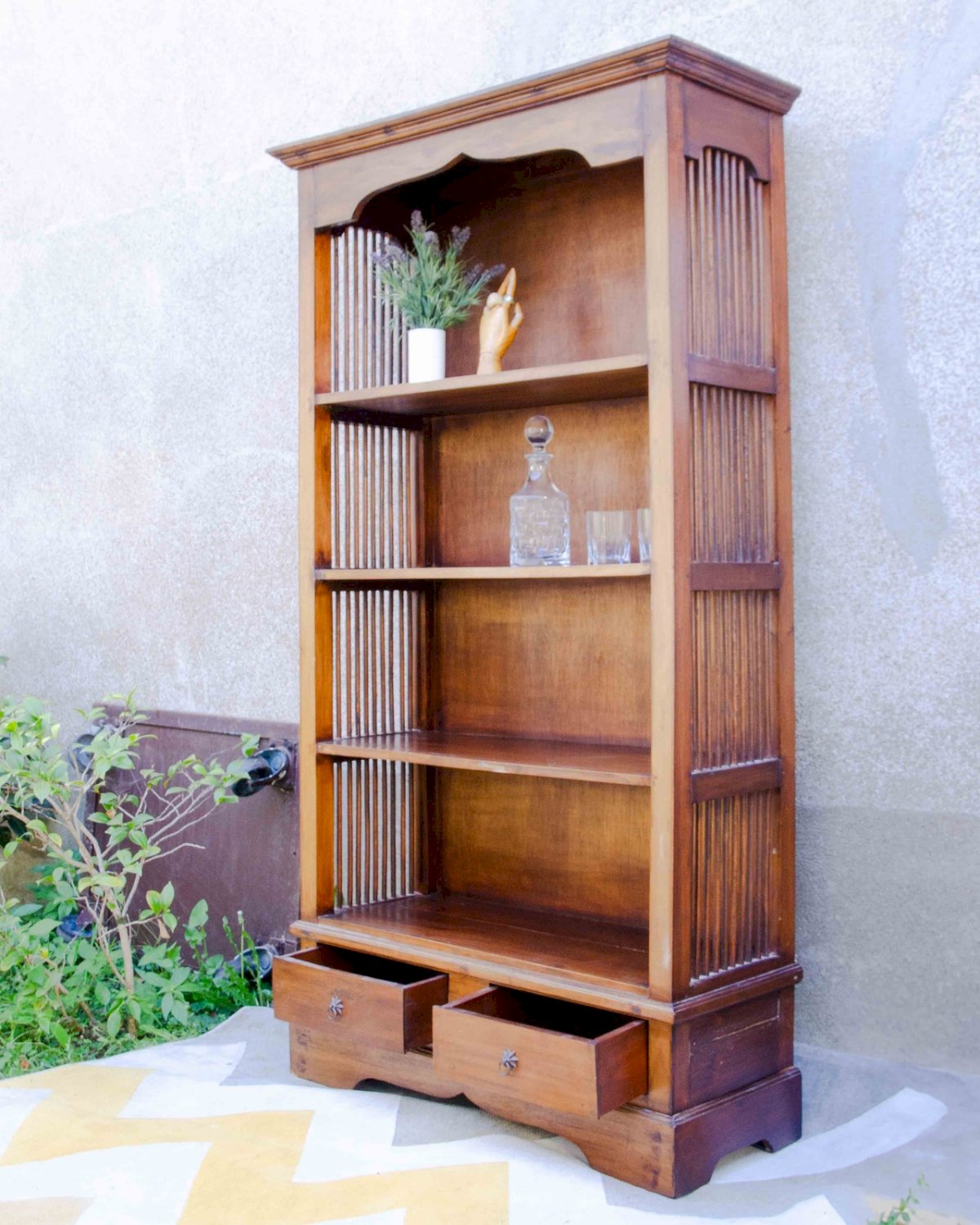
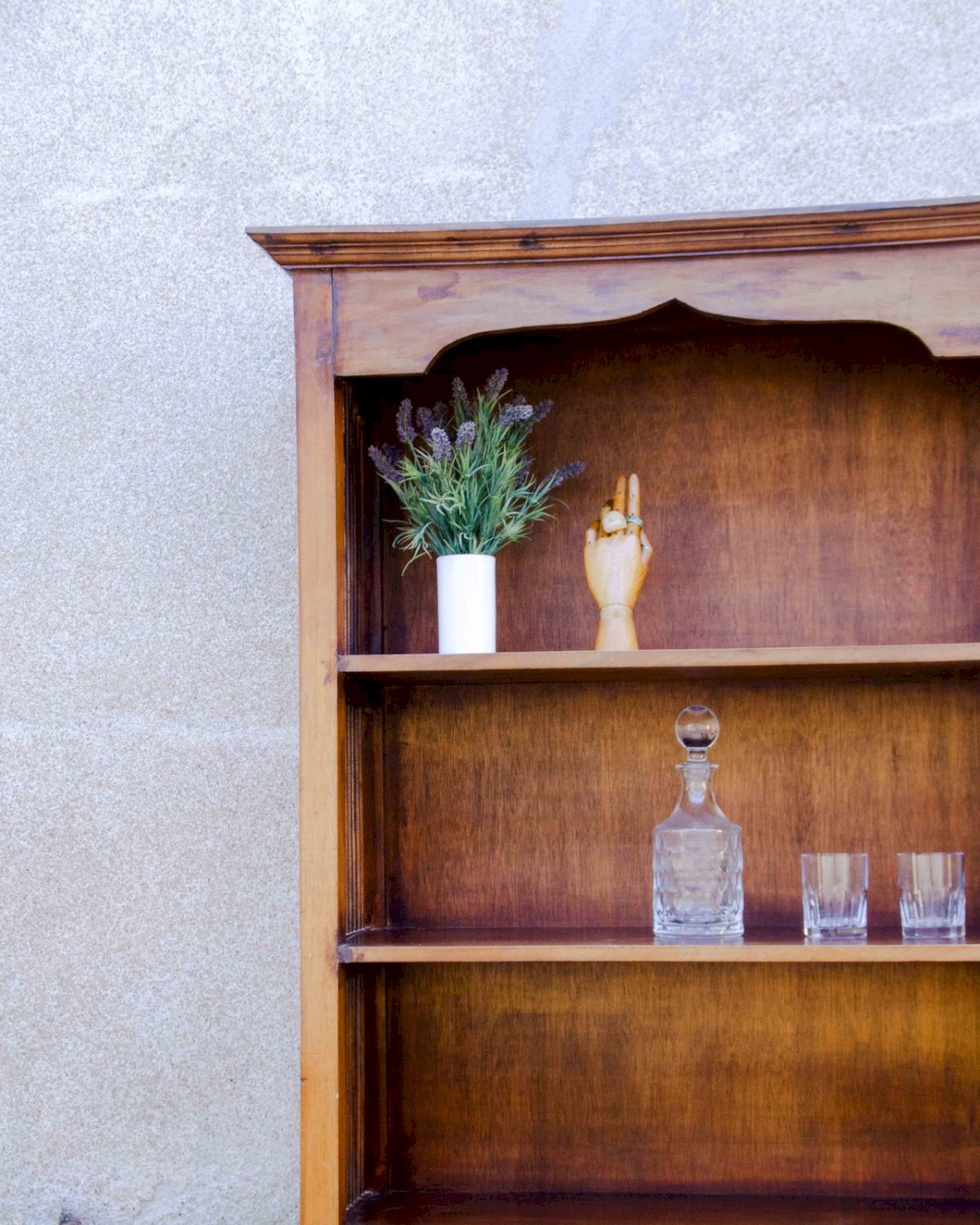
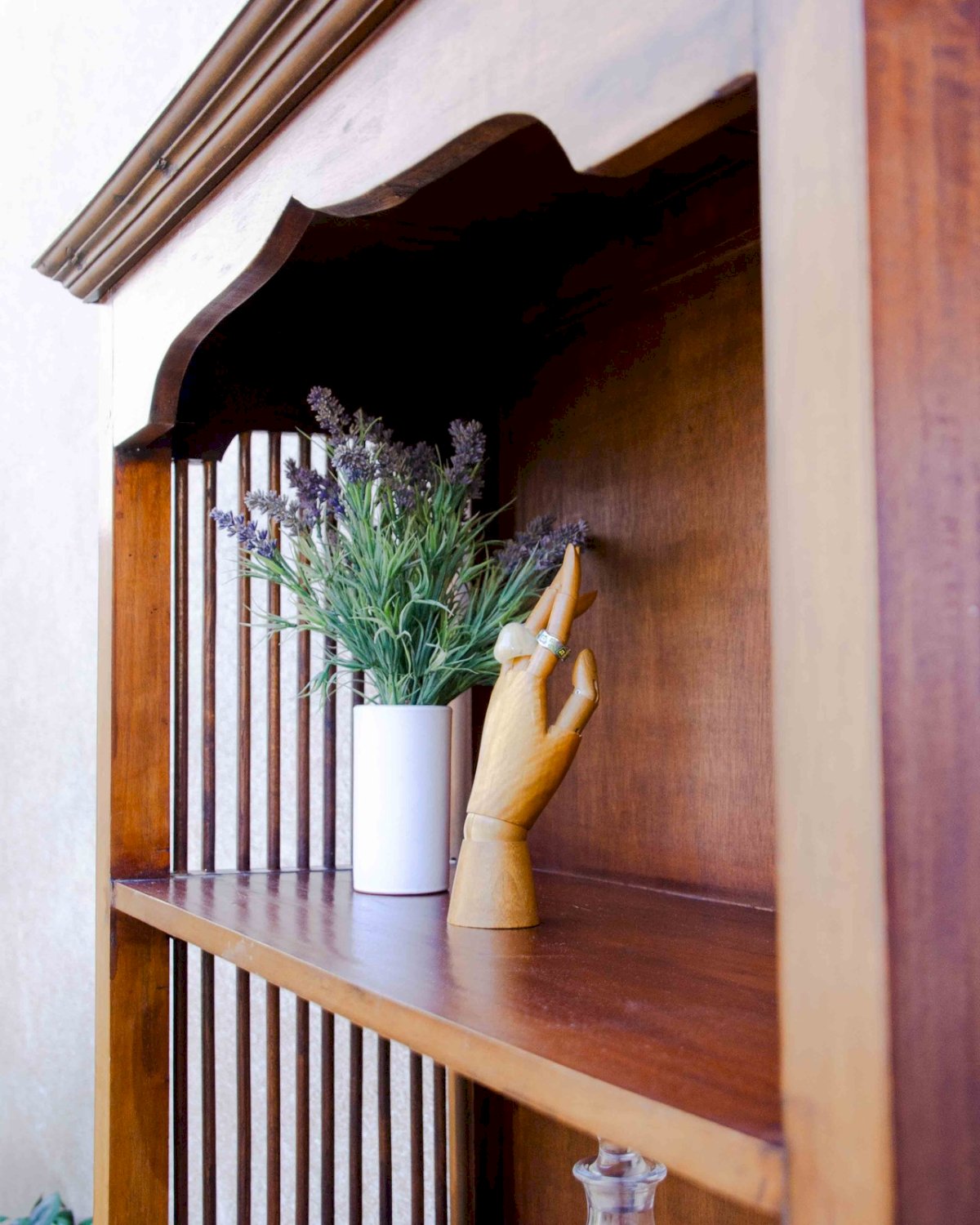
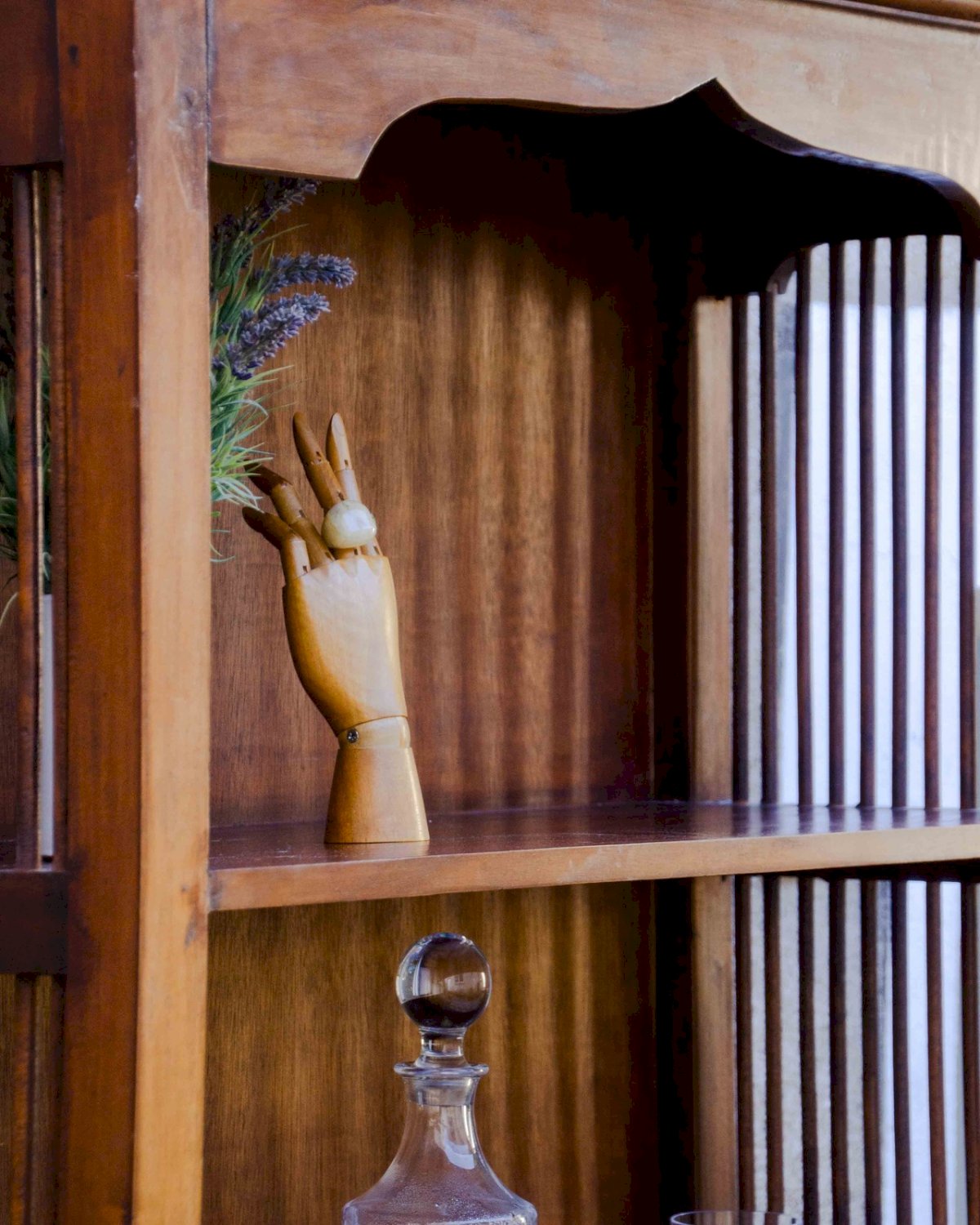
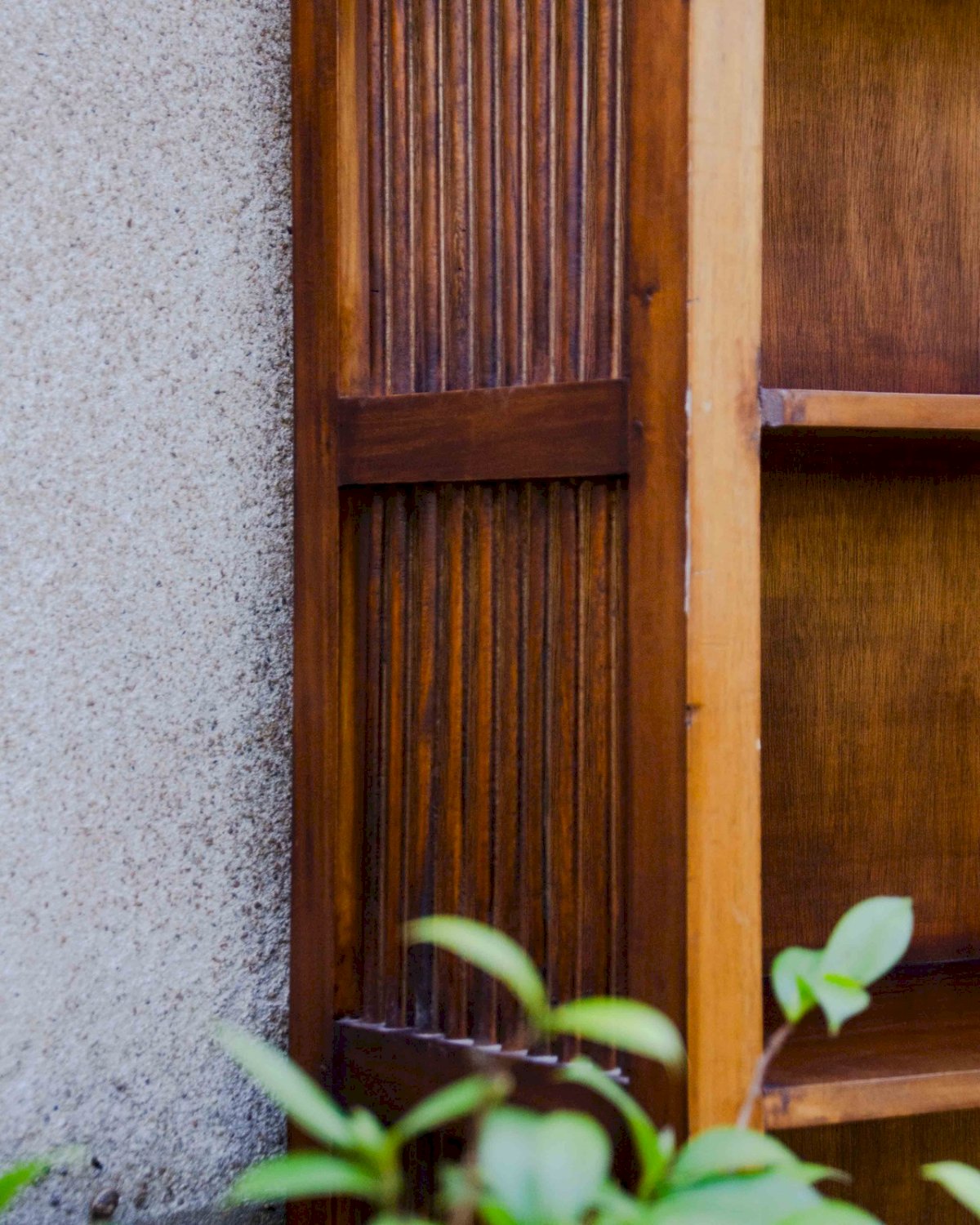
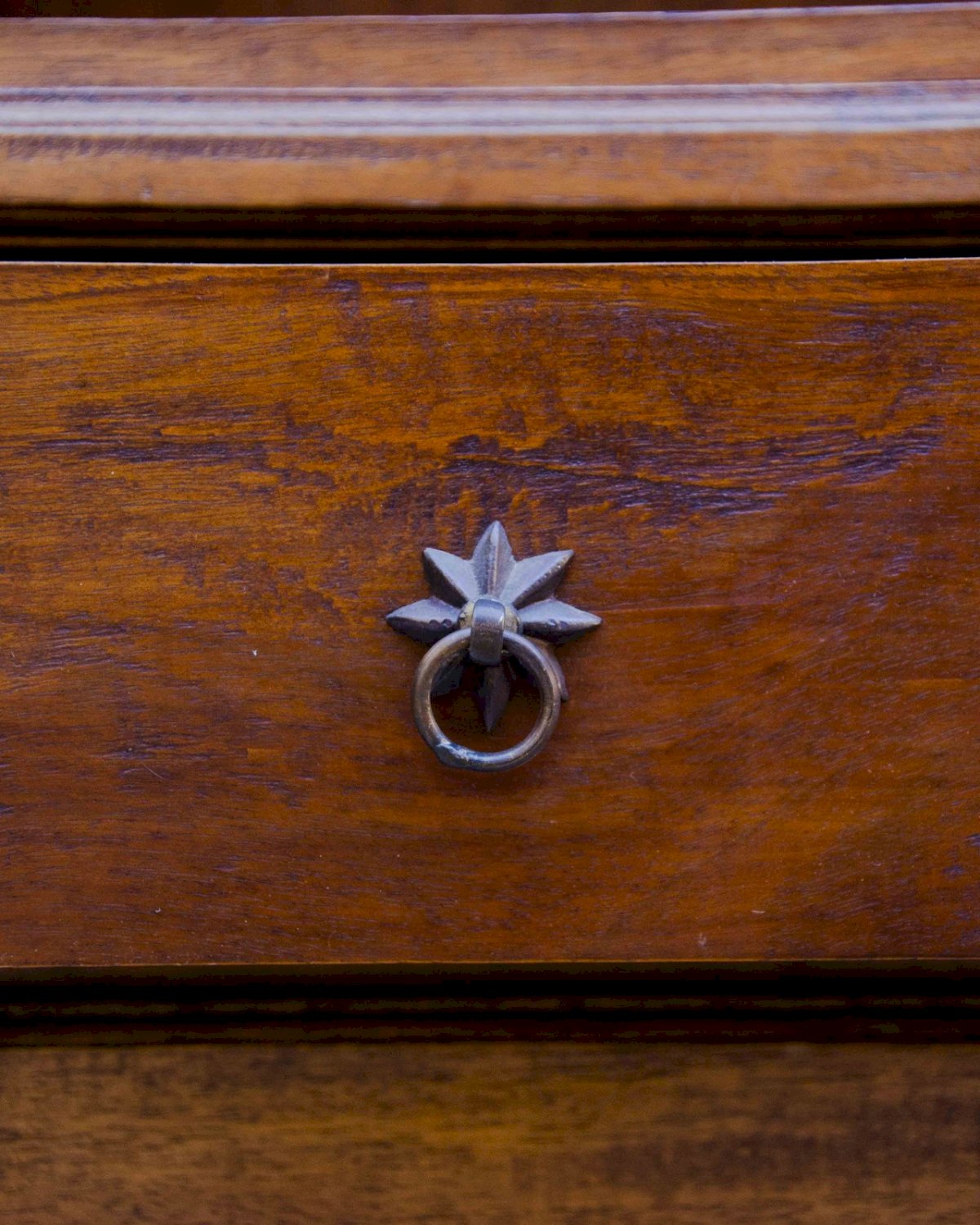
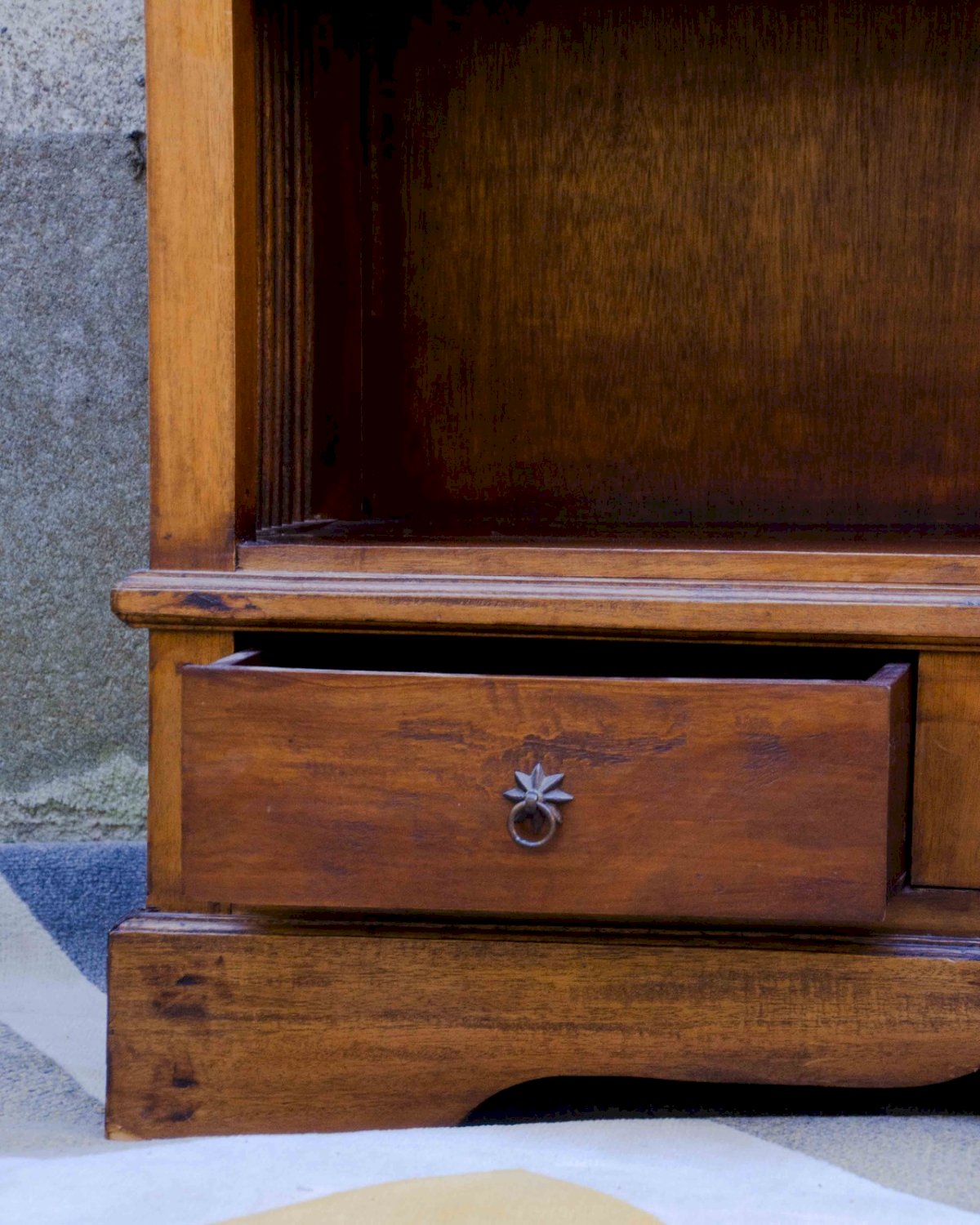
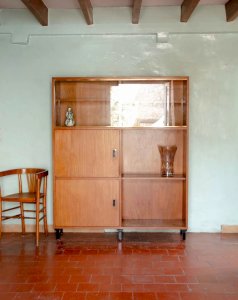
Invite exotic elegance into your home with this deep-toned teak bookshelf. Featuring two practical drawers, it combines functionality and style while providing an ideal storage space for your books and decorative items. The wooden slats on the side add a touch of originality, creating a warm and welcoming atmosphere. Light traces of time are present, testifying to its history. Length: 97 cm Width: 38 cm Height: 179 cm Shelf heights: 48, 31, 32, and 32 cm A brief history of the bookshelf Long reserved for palaces, the bookshelf entered private homes in the 18th century with the rise of the taste for literature. It is distinguished by its adjustable shelves thanks to a rack system, a technical innovation allowing for height adjustment according to the format of the bindings. Before being a movable piece of furniture, it was often embedded in the woodwork of castles; it was the bourgeoisie who made it a freestanding piece that could be moved at will. Whether open or glass-fronted, it is the sanctuary of knowledge, once referred to as a "lending library" in ancient inventories.
Réf :
#413399
Brand / From : Debongout
Related Products


Comments
Madeleine, the teak library No. 742
639€
75002 Paris
Ce site contient des liens d’affiliation pour lesquels je peux recevoir une compensation.
Description
Invite exotic elegance into your home with this deep-toned teak bookshelf. Featuring two practical drawers, it combines functionality and style while providing an ideal storage space for your books and decorative items. The wooden slats on the side add a touch of originality, creating a warm and welcoming atmosphere. Light traces of time are present, testifying to its history. Length: 97 cm Width: 38 cm Height: 179 cm Shelf heights: 48, 31, 32, and 32 cm A brief history of the bookshelf Long reserved for palaces, the bookshelf entered private homes in the 18th century with the rise of the taste for literature. It is distinguished by its adjustable shelves thanks to a rack system, a technical innovation allowing for height adjustment according to the format of the bindings. Before being a movable piece of furniture, it was often embedded in the woodwork of castles; it was the bourgeoisie who made it a freestanding piece that could be moved at will. Whether open or glass-fronted, it is the sanctuary of knowledge, once referred to as a "lending library" in ancient inventories.
Réf :
#413399
Brand / From : Debongout