 English
 Français


Description
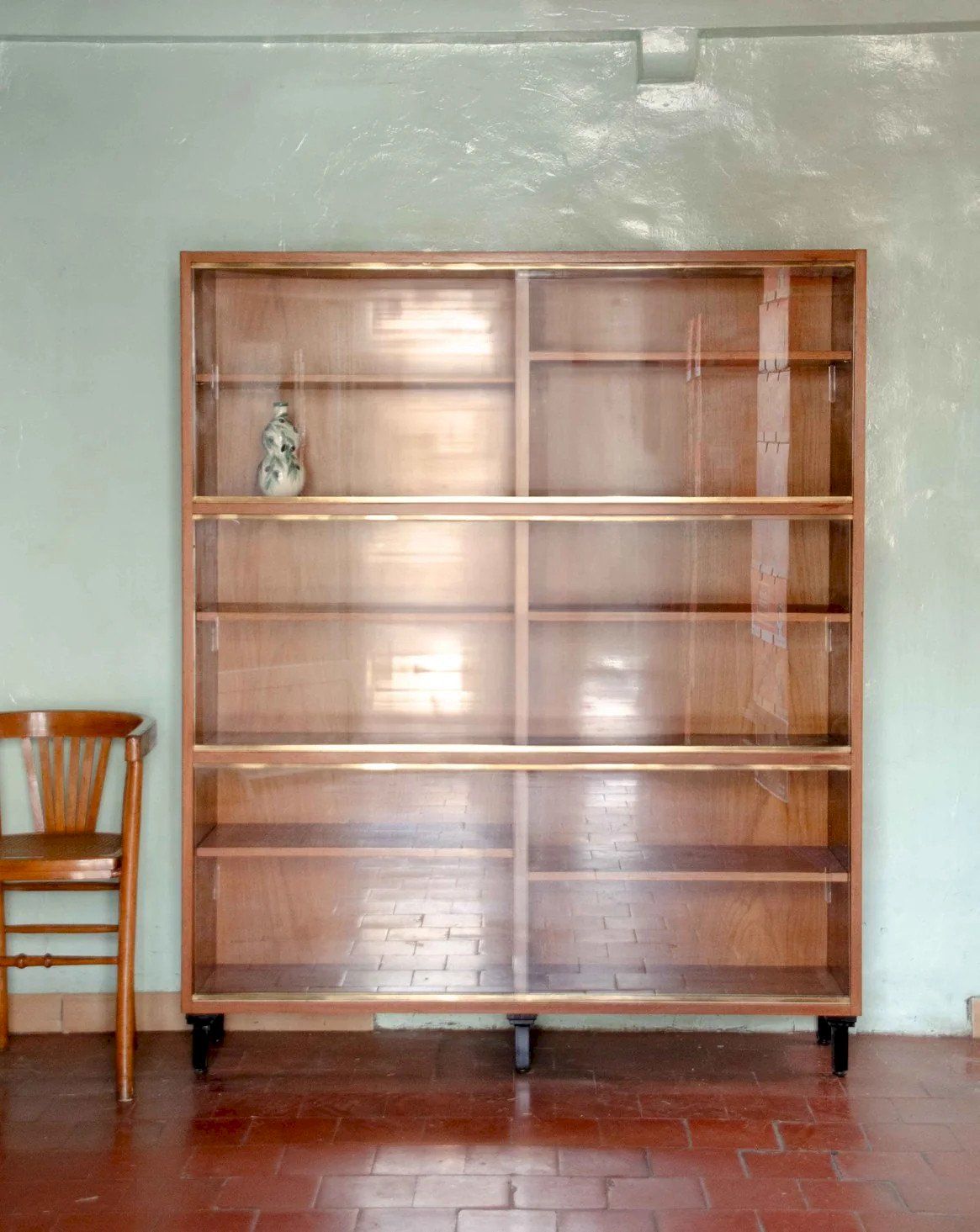
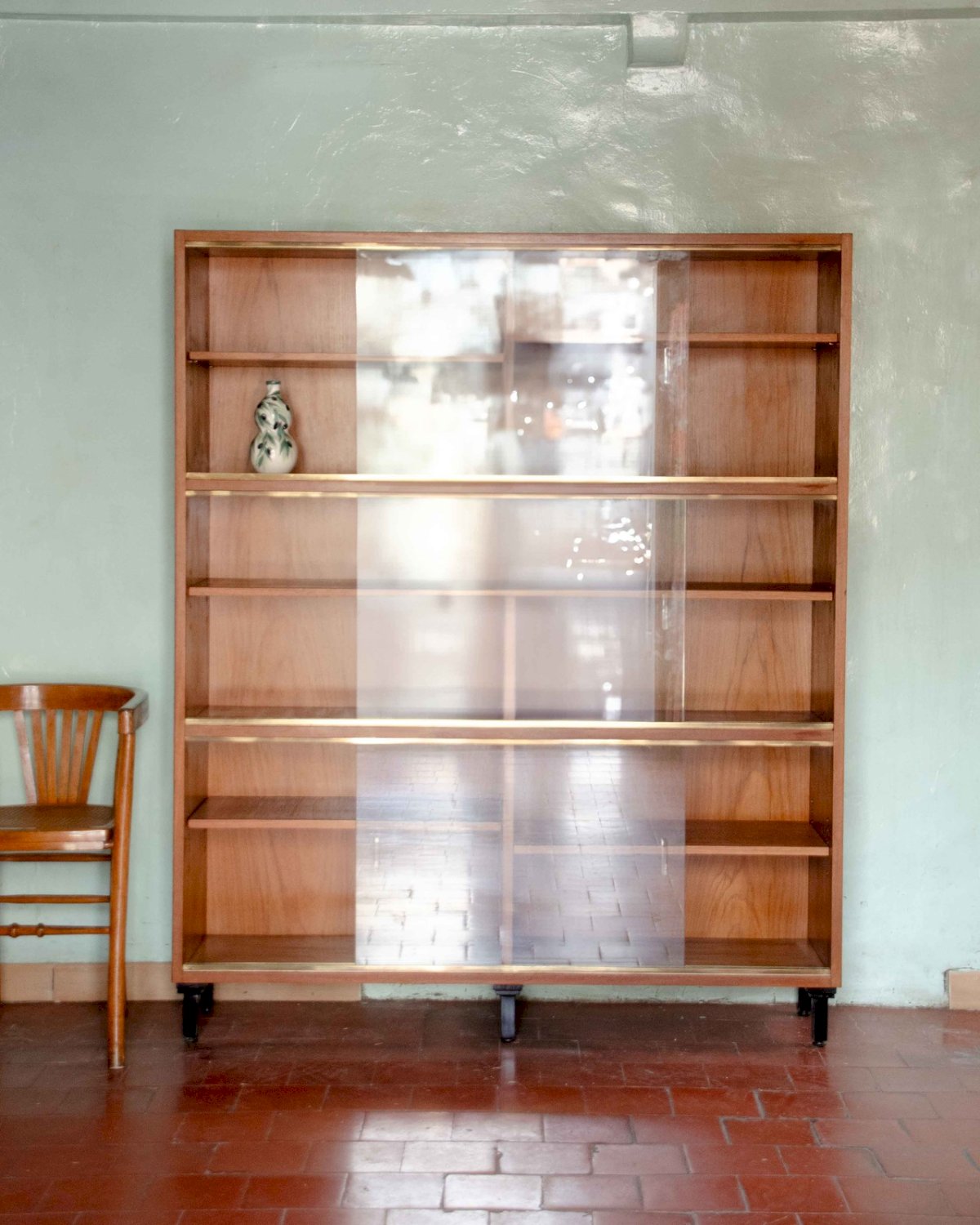
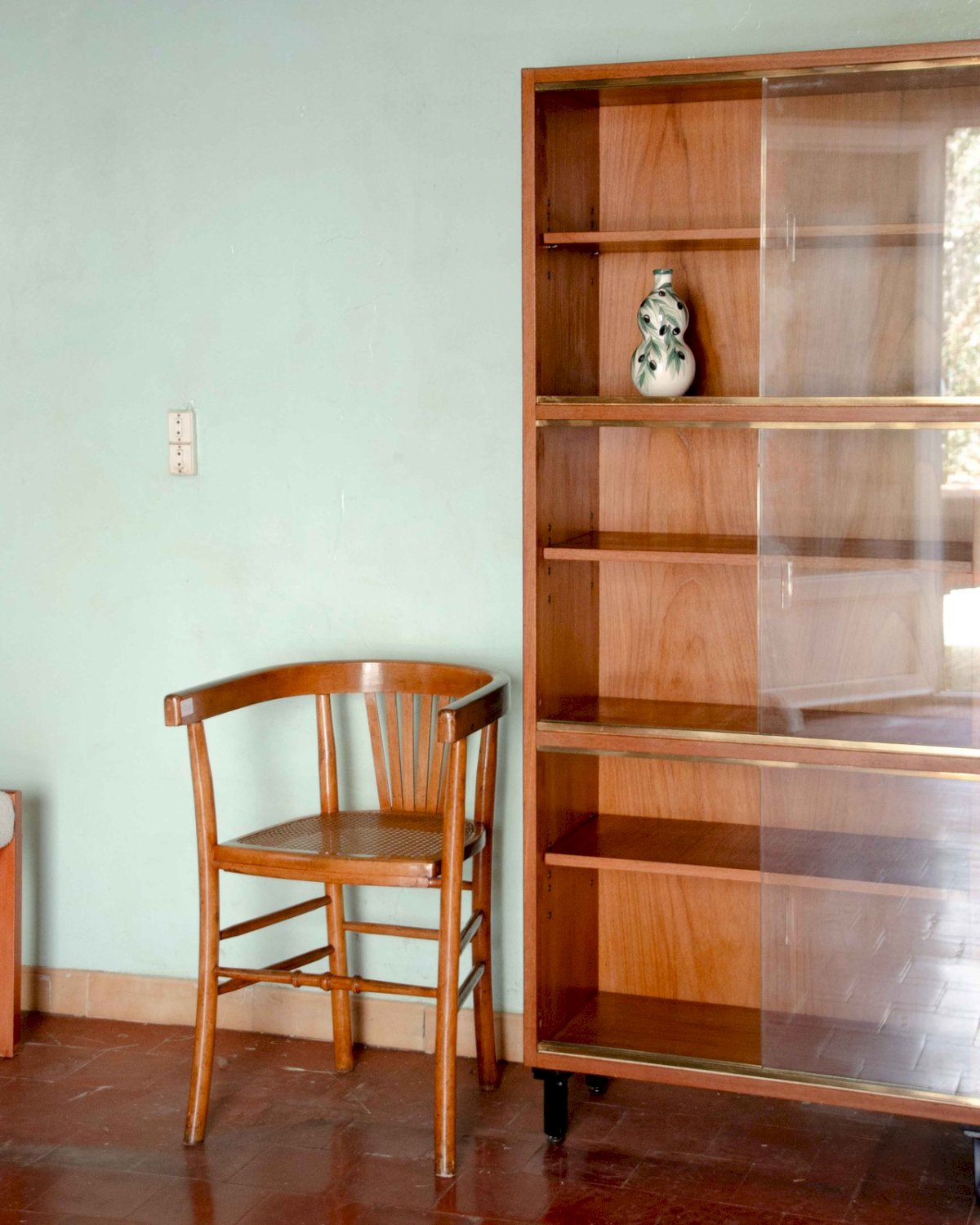
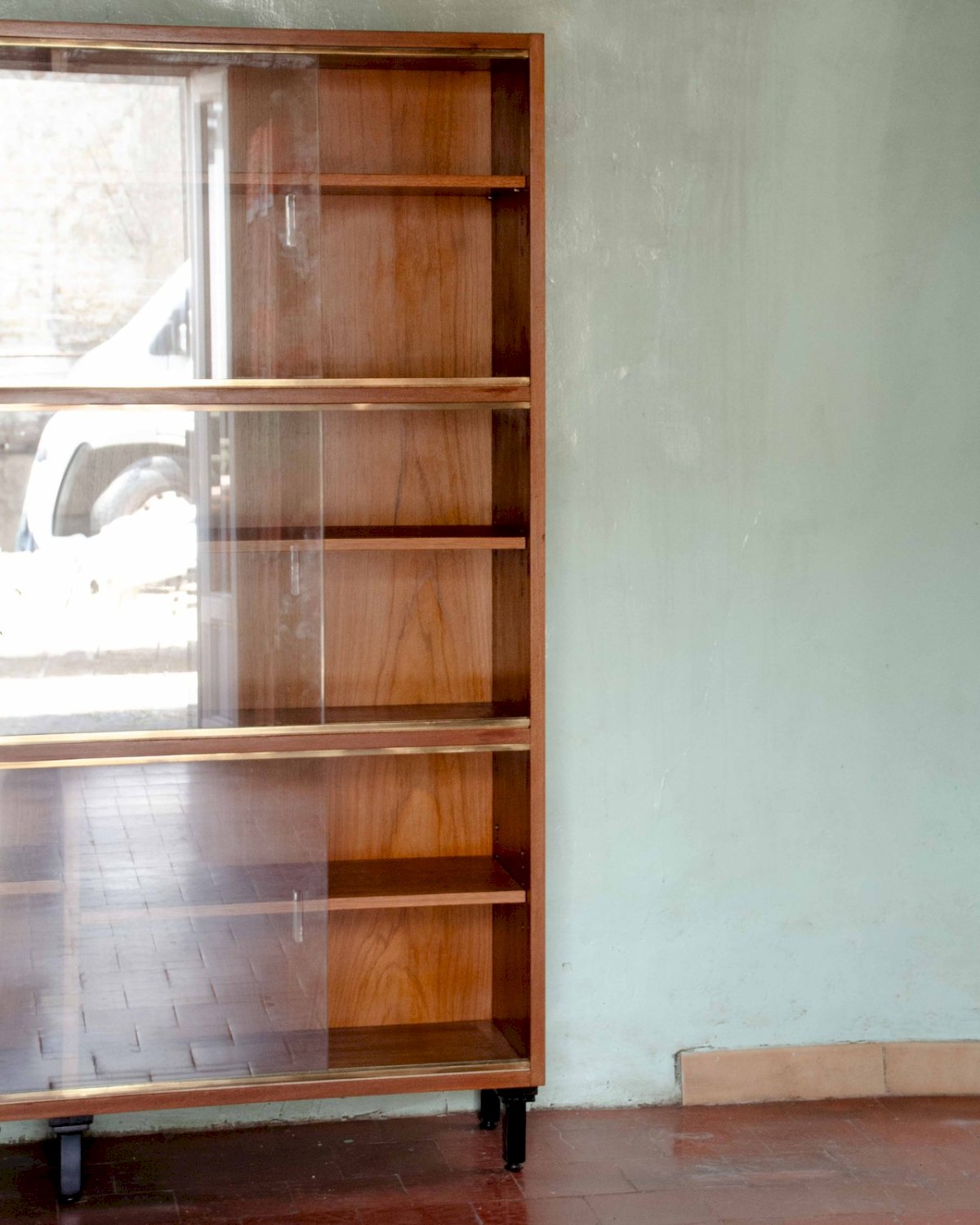
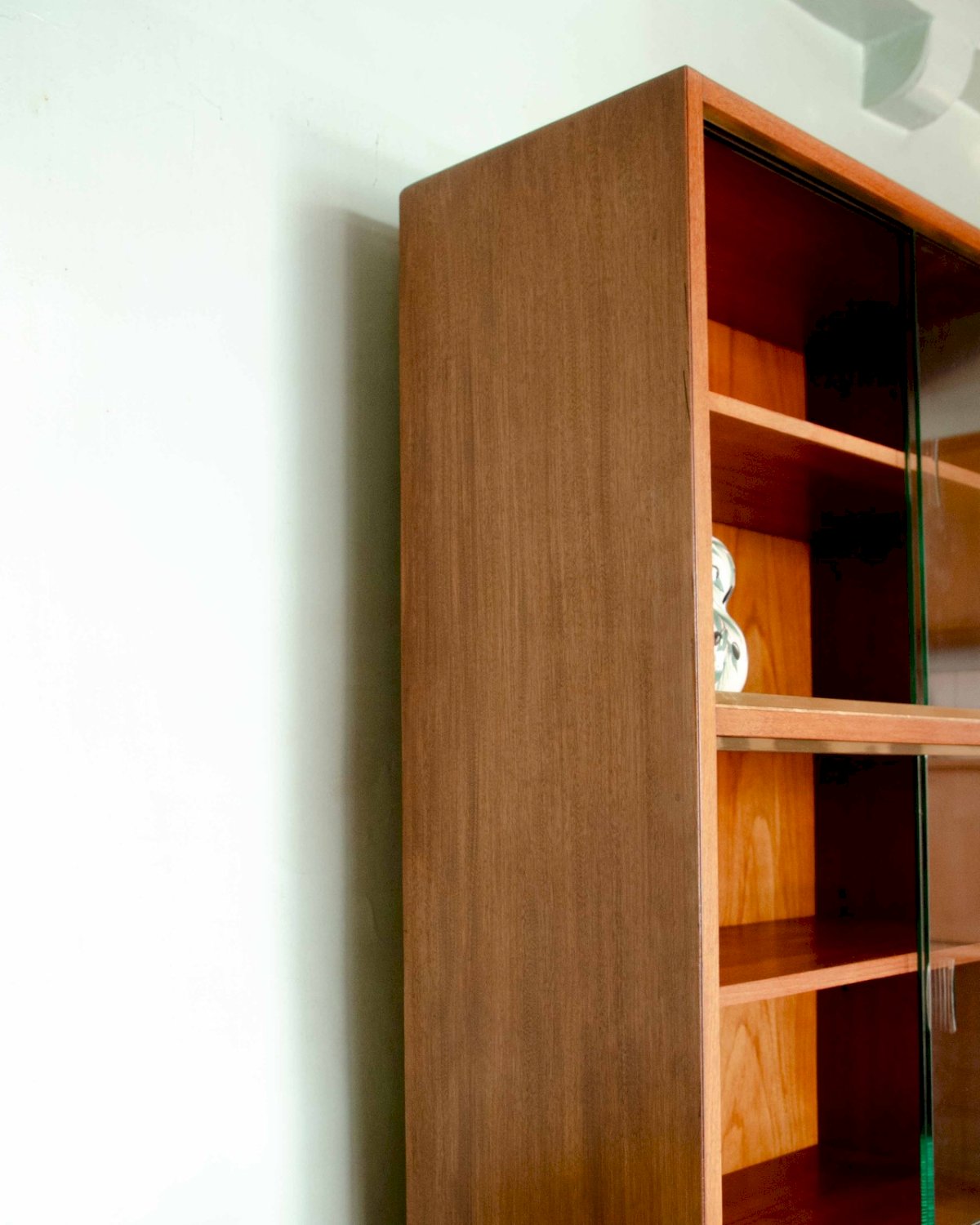
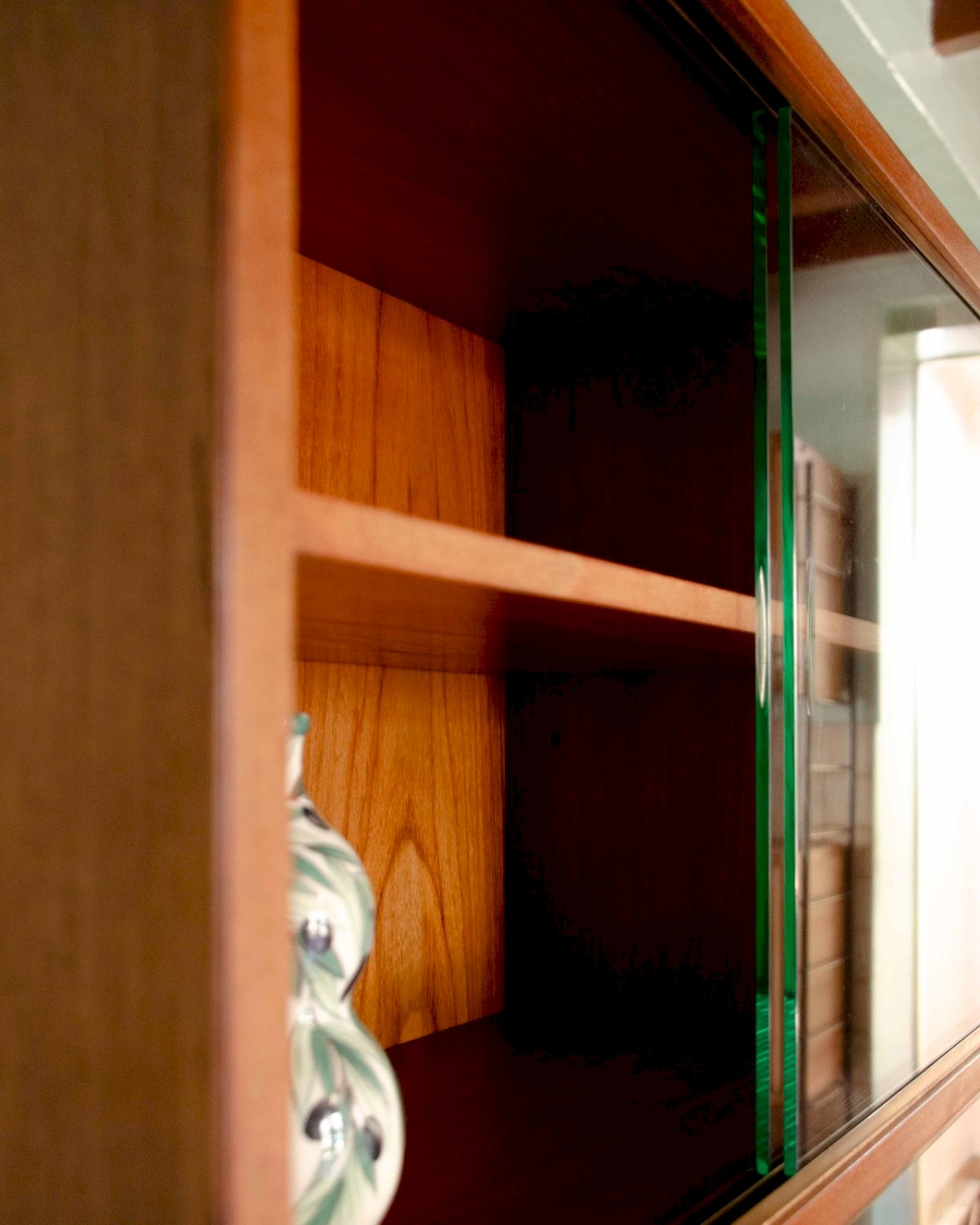
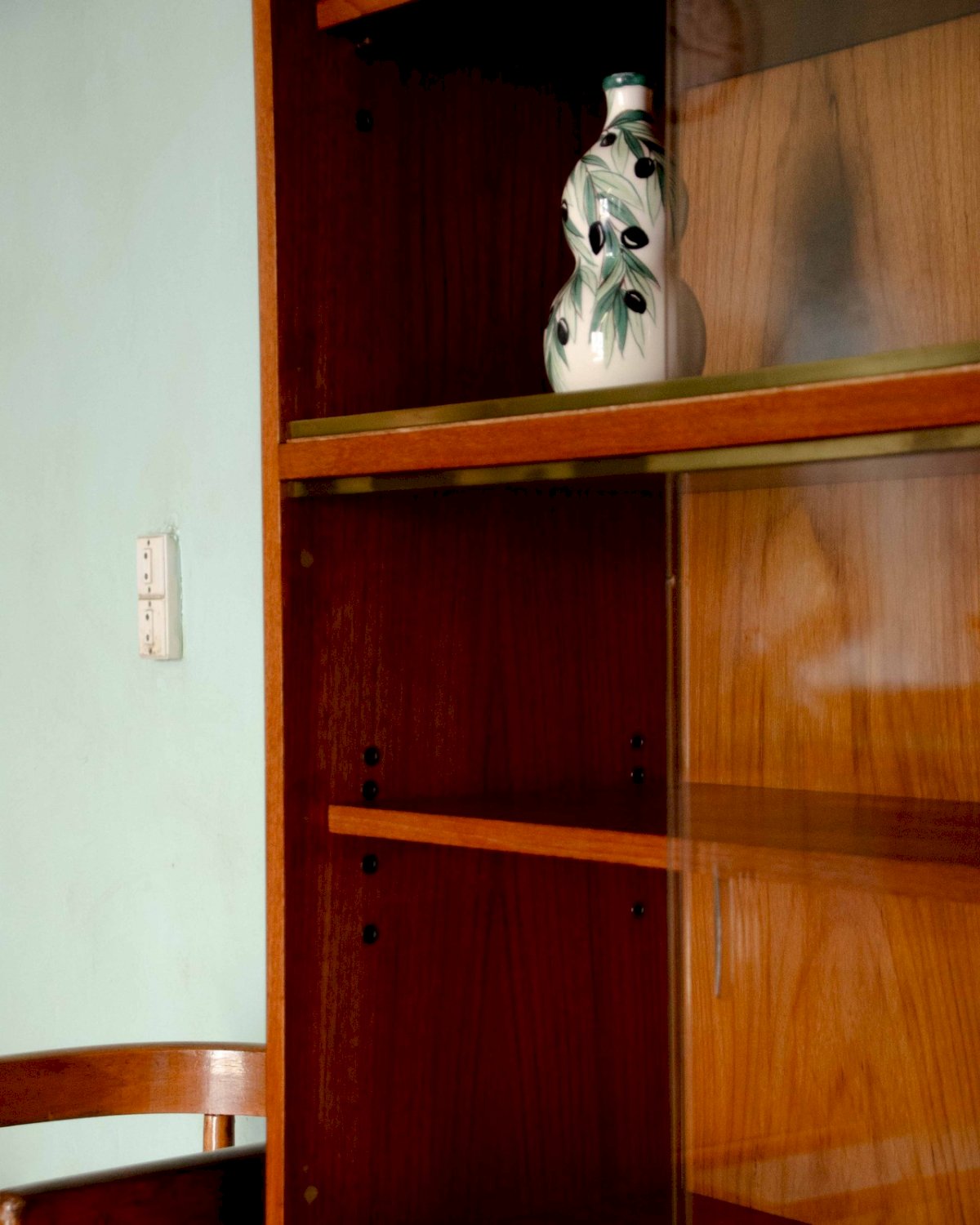
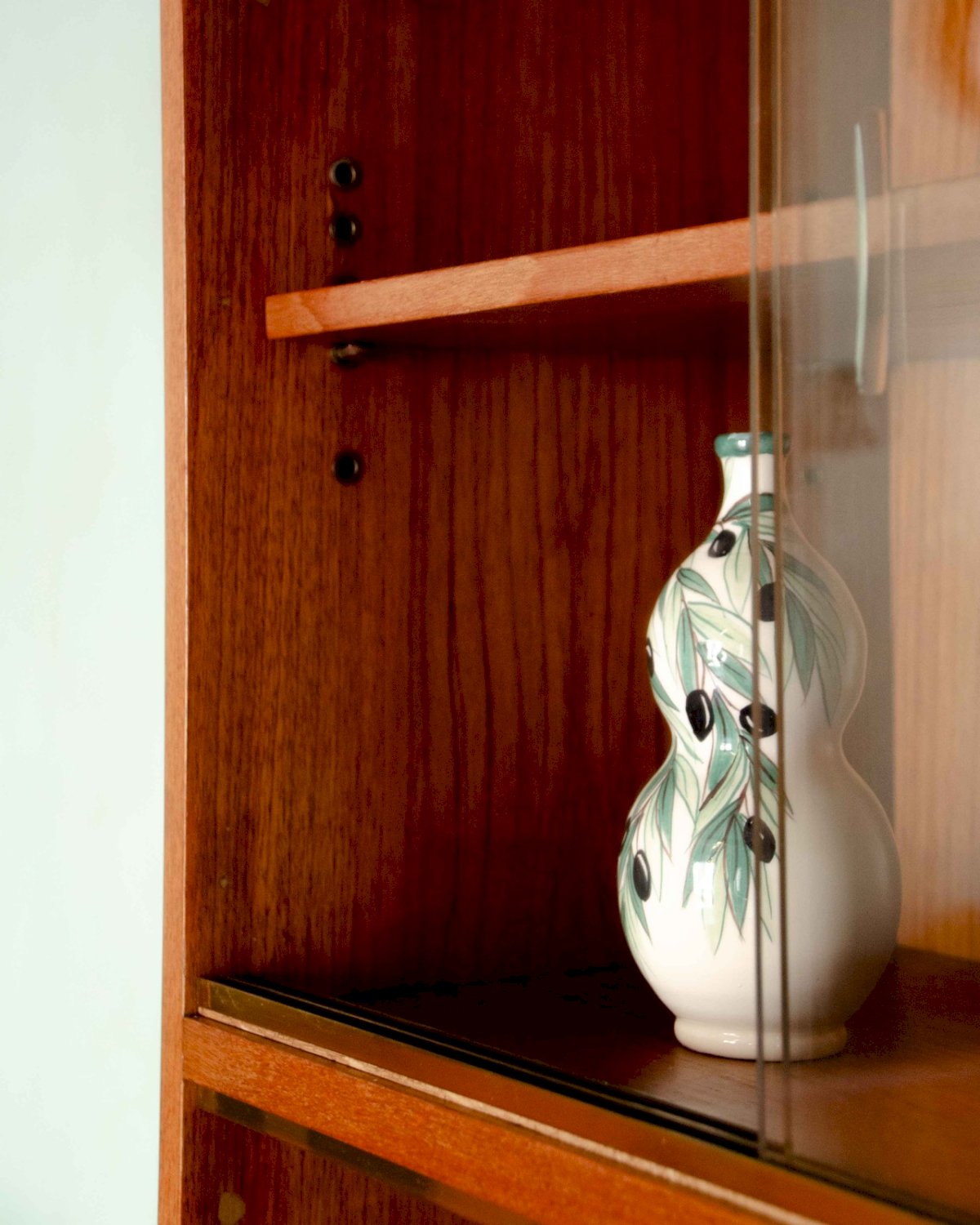
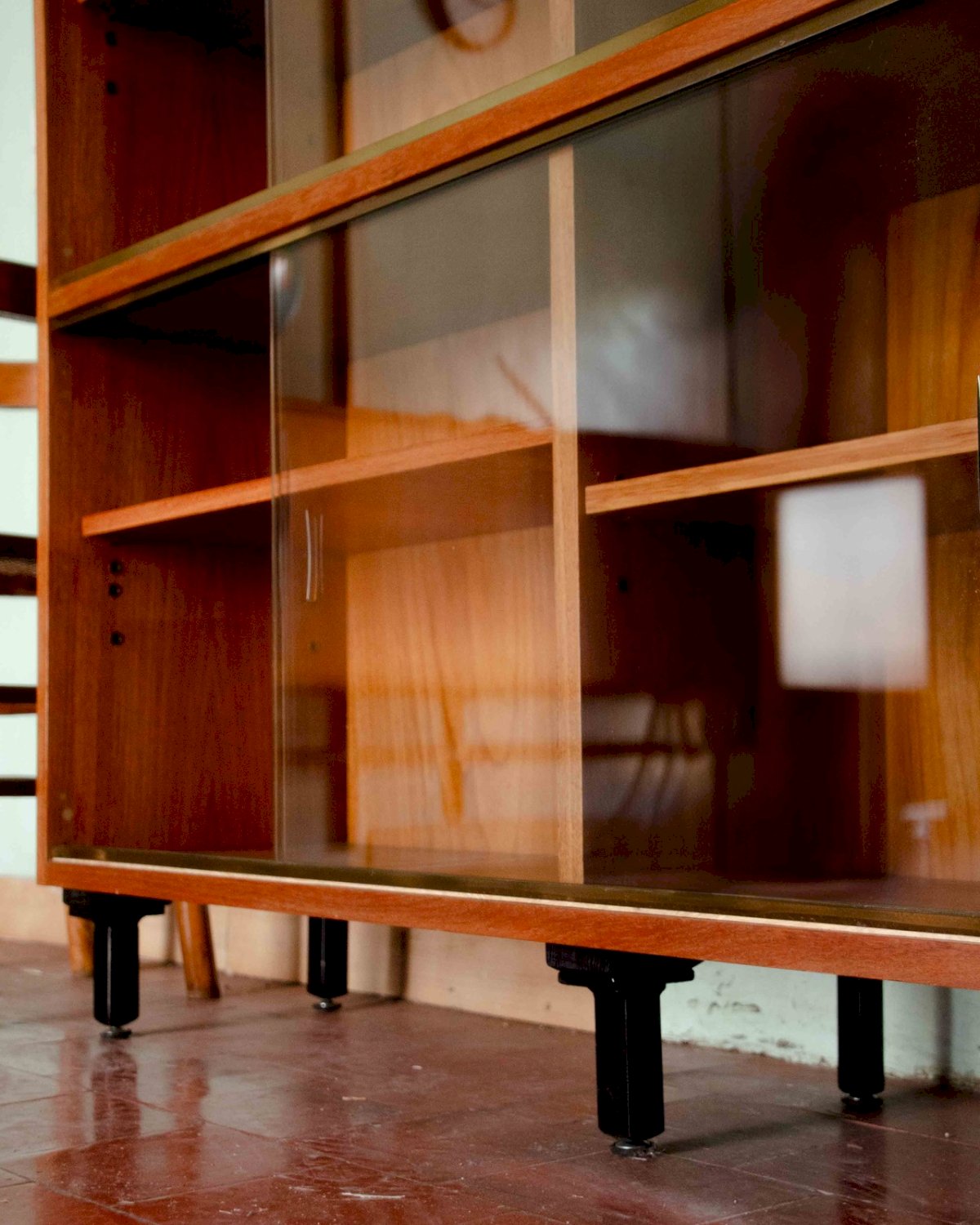
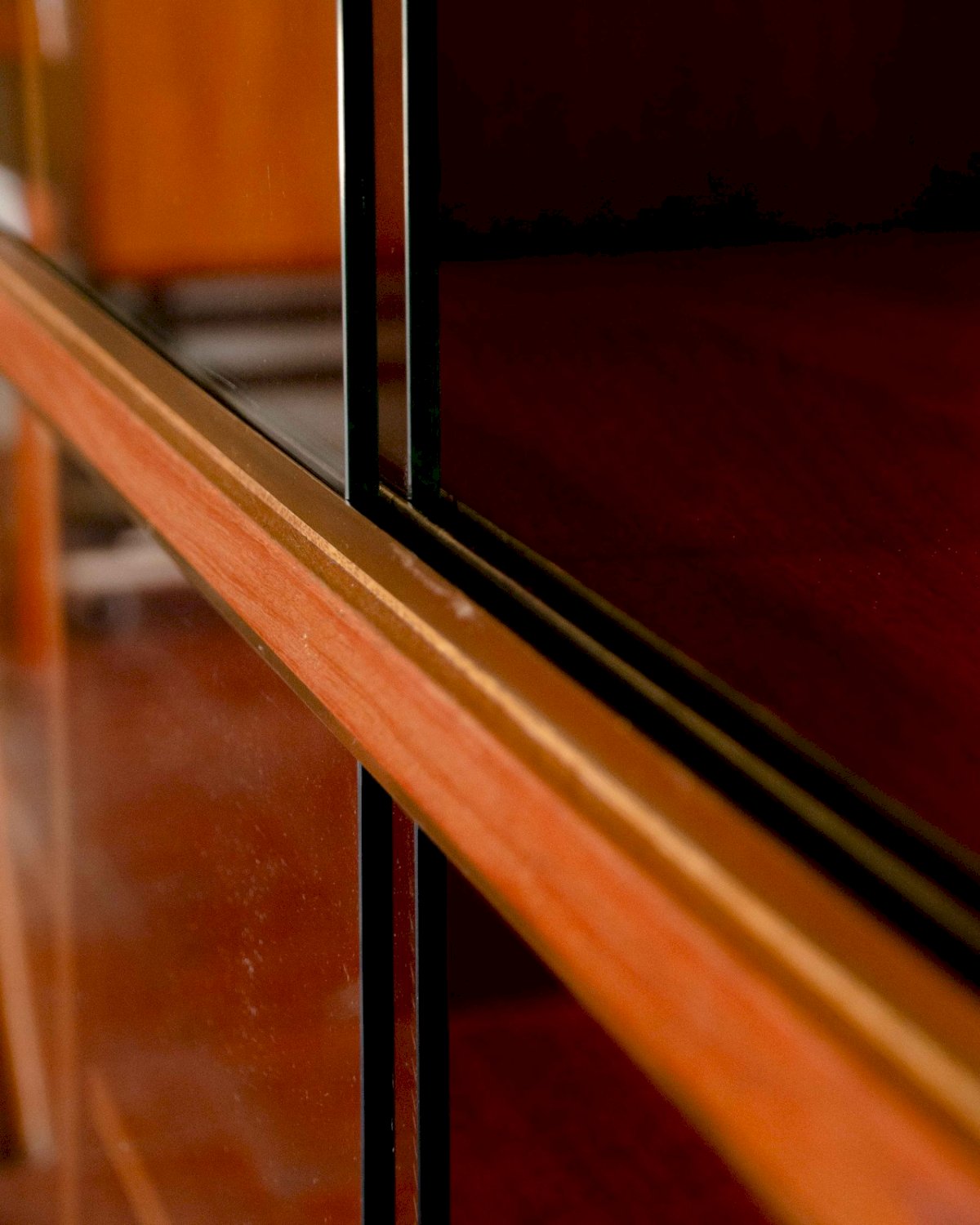
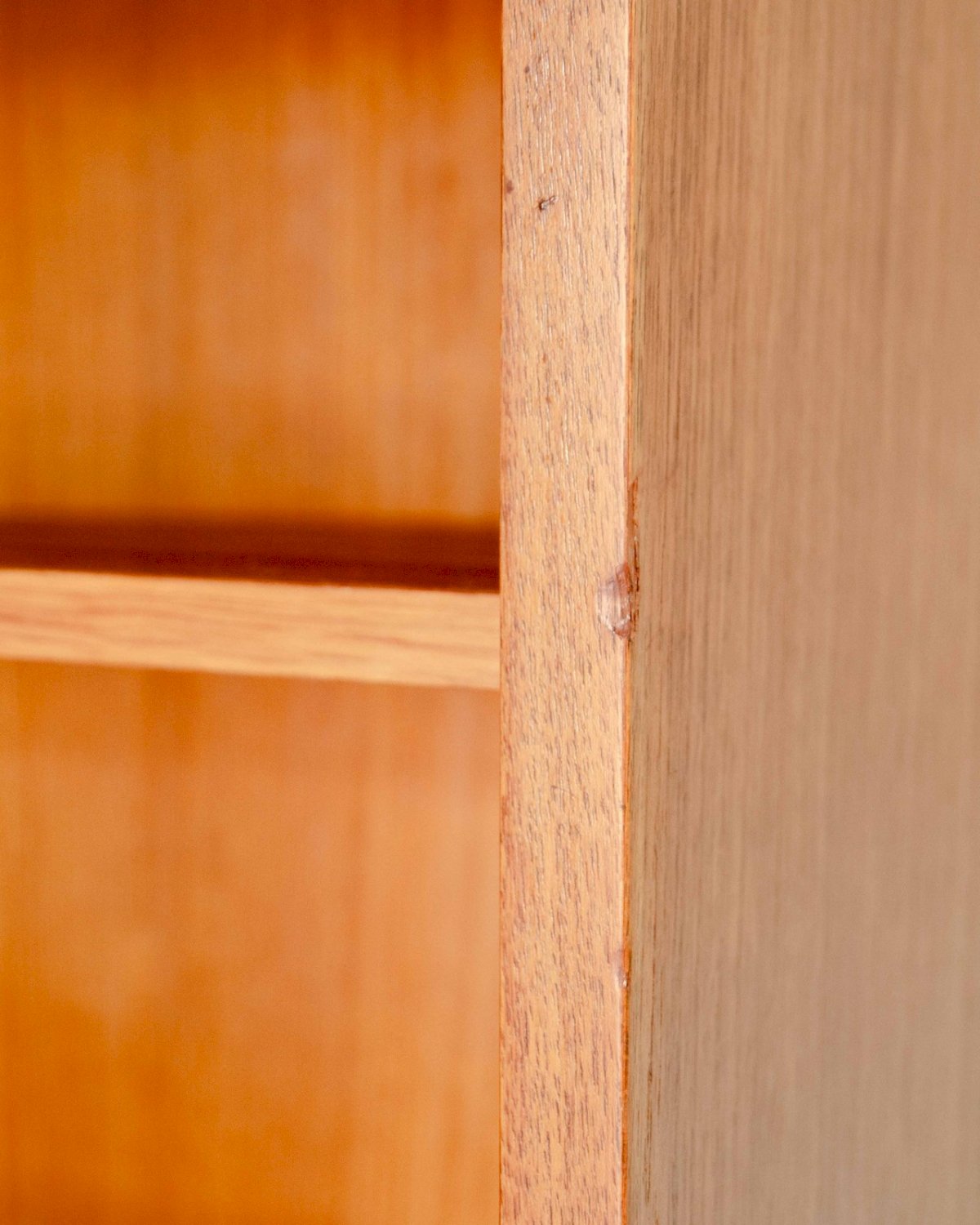
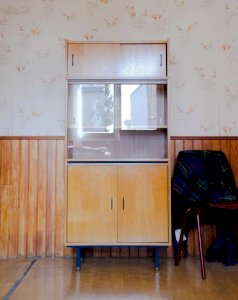
Invite elegance into your space with this refined teak veneer bookcase, subtly adorned with brass strips. Its six modular shelves allow you to display your books and decorative objects stylishly, while adapting to your needs. The slightly adjustable legs add a touch of practicality, ensuring perfect stability on any type of flooring. This piece embodies a harmony between functionality and aesthetics, bringing a warm atmosphere to your interior. Some signs of use reflect its history. Length: 134 cm Width: 33 cm Height: 163.5 cm Niche height: 46 cm A brief history of the bookcase Long reserved for palaces, the bookcase made its way into private interiors in the 18th century with the rise of a taste for literature. It is distinguished by its adjustable shelves thanks to a rack system, a technical innovation allowing the height to be adjusted according to the size of the bindings. Before becoming a mobile piece of furniture, it was often built into the woodwork of castles; it was the bourgeoisie that turned it into a standalone piece that could be moved as desired. Whether open or glass-fronted, it is the sanctuary of knowledge, formerly known as a "library" in old inventories.
Réf :
#412926
Brand / From : Debongout
Related Products

Comments
Madeleine, the glass library in teak N°734
1 399€
75002 Paris
Ce site contient des liens d’affiliation pour lesquels je peux recevoir une compensation.
Description
Invite elegance into your space with this refined teak veneer bookcase, subtly adorned with brass strips. Its six modular shelves allow you to display your books and decorative objects stylishly, while adapting to your needs. The slightly adjustable legs add a touch of practicality, ensuring perfect stability on any type of flooring. This piece embodies a harmony between functionality and aesthetics, bringing a warm atmosphere to your interior. Some signs of use reflect its history. Length: 134 cm Width: 33 cm Height: 163.5 cm Niche height: 46 cm A brief history of the bookcase Long reserved for palaces, the bookcase made its way into private interiors in the 18th century with the rise of a taste for literature. It is distinguished by its adjustable shelves thanks to a rack system, a technical innovation allowing the height to be adjusted according to the size of the bindings. Before becoming a mobile piece of furniture, it was often built into the woodwork of castles; it was the bourgeoisie that turned it into a standalone piece that could be moved as desired. Whether open or glass-fronted, it is the sanctuary of knowledge, formerly known as a "library" in old inventories.
Réf :
#412926
Brand / From : Debongout