 English
 Français


Description
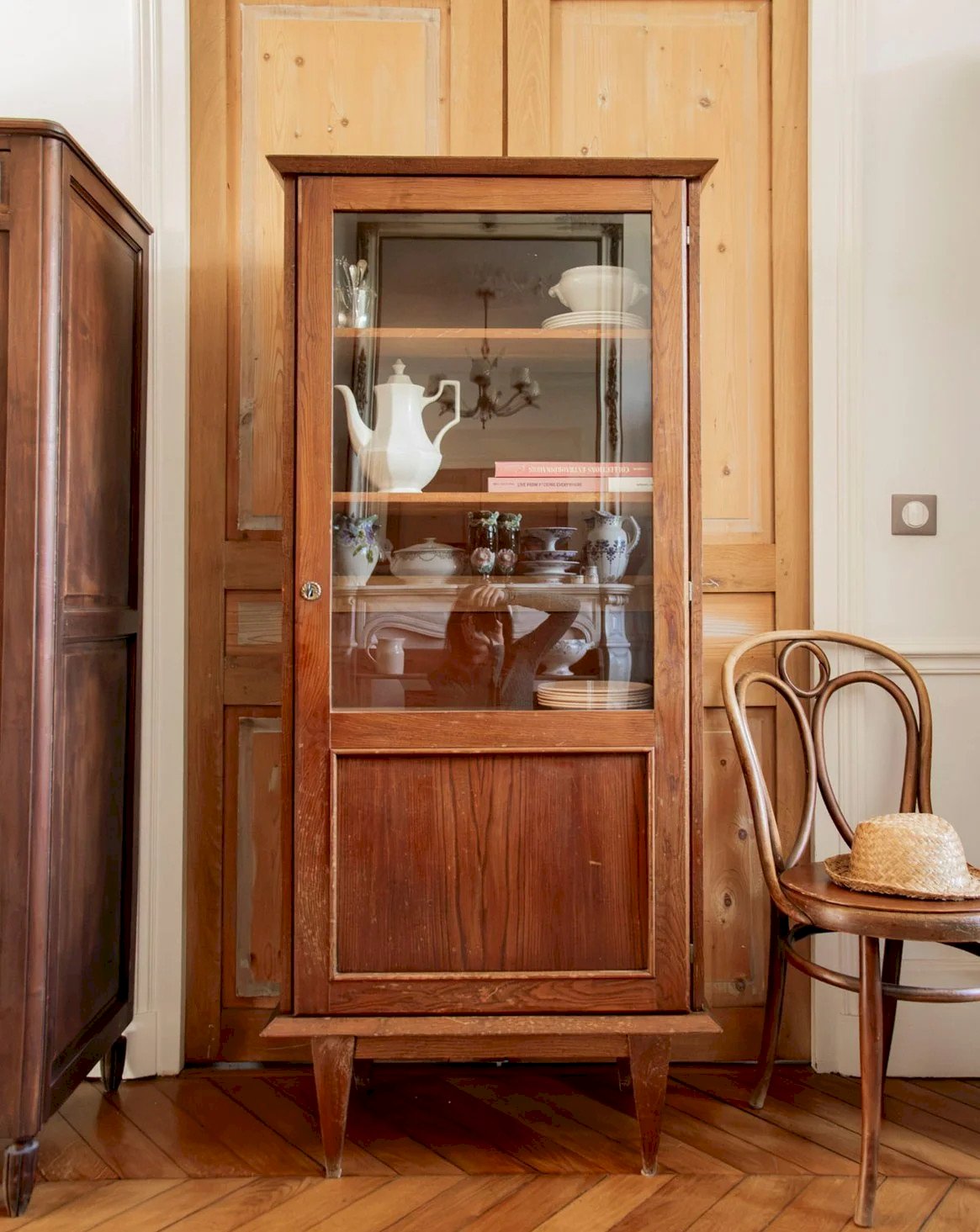
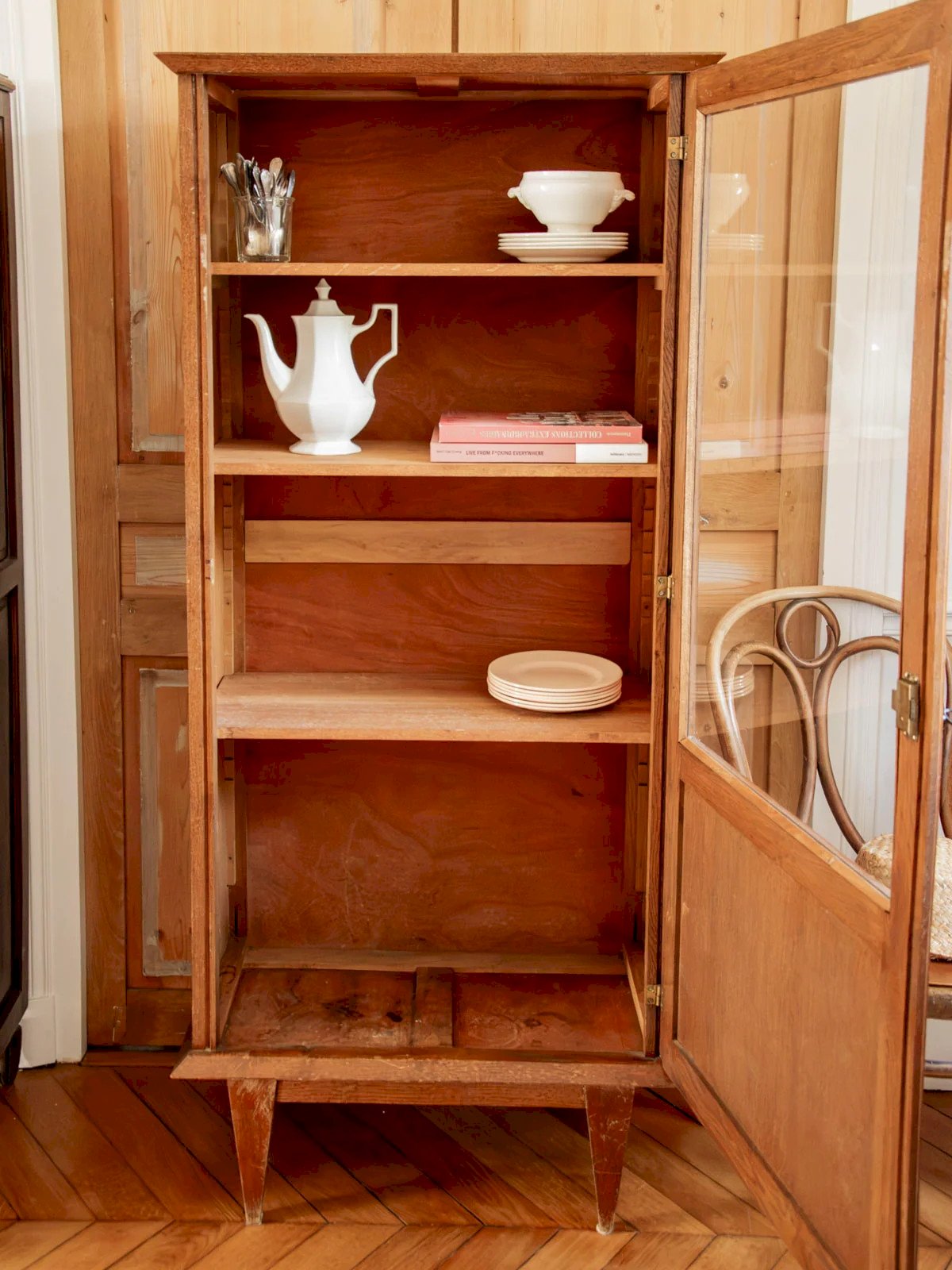
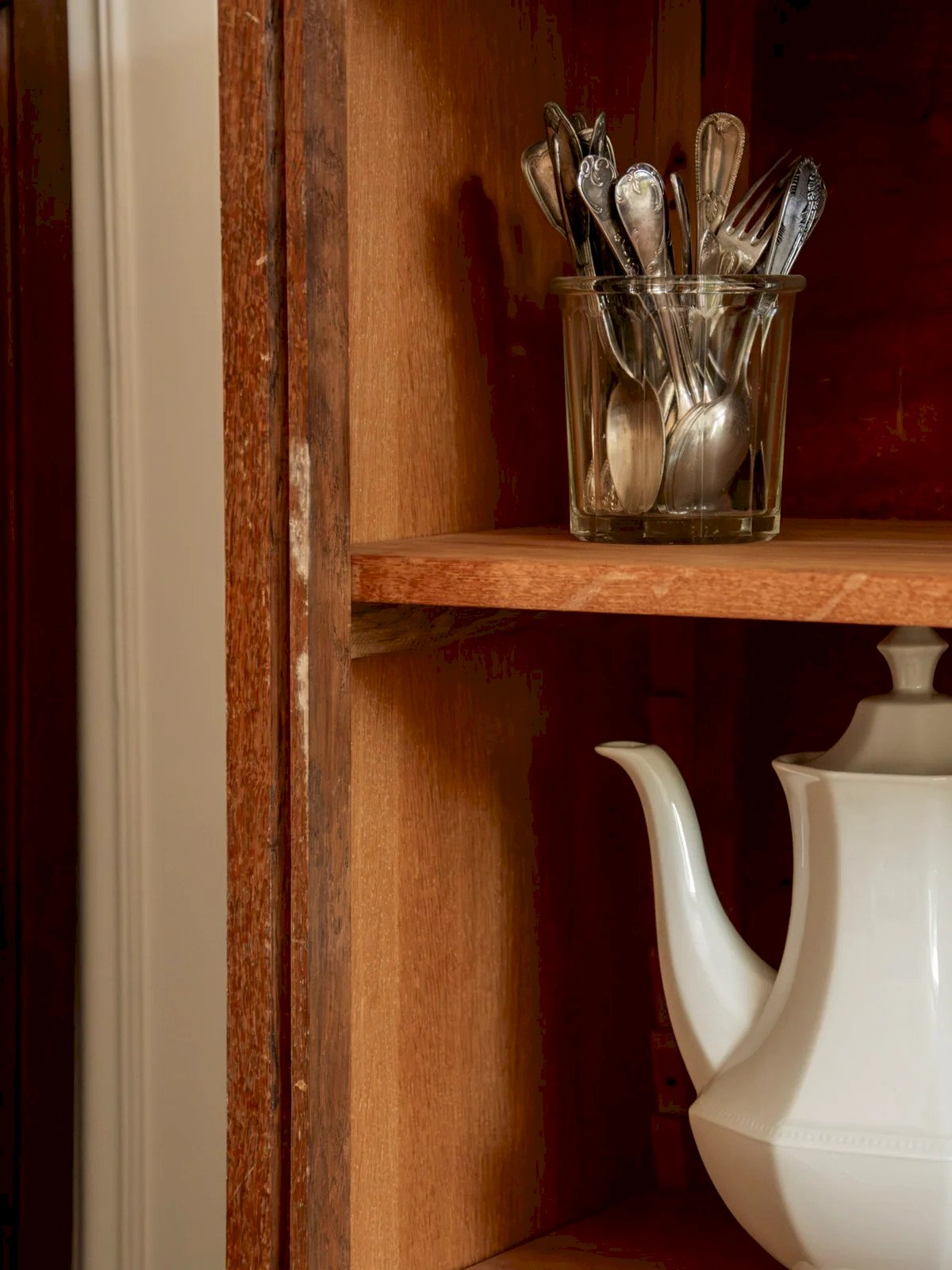
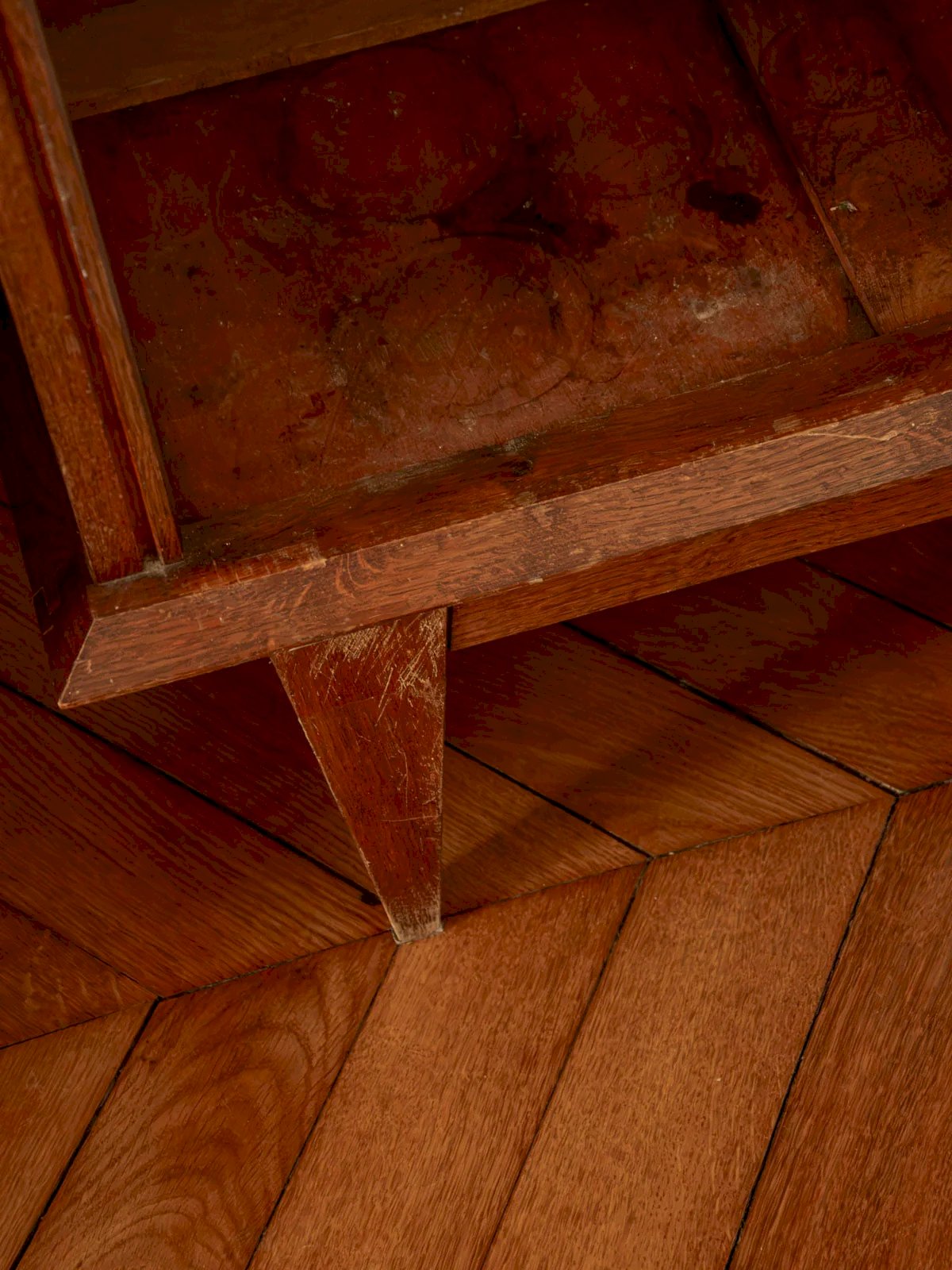
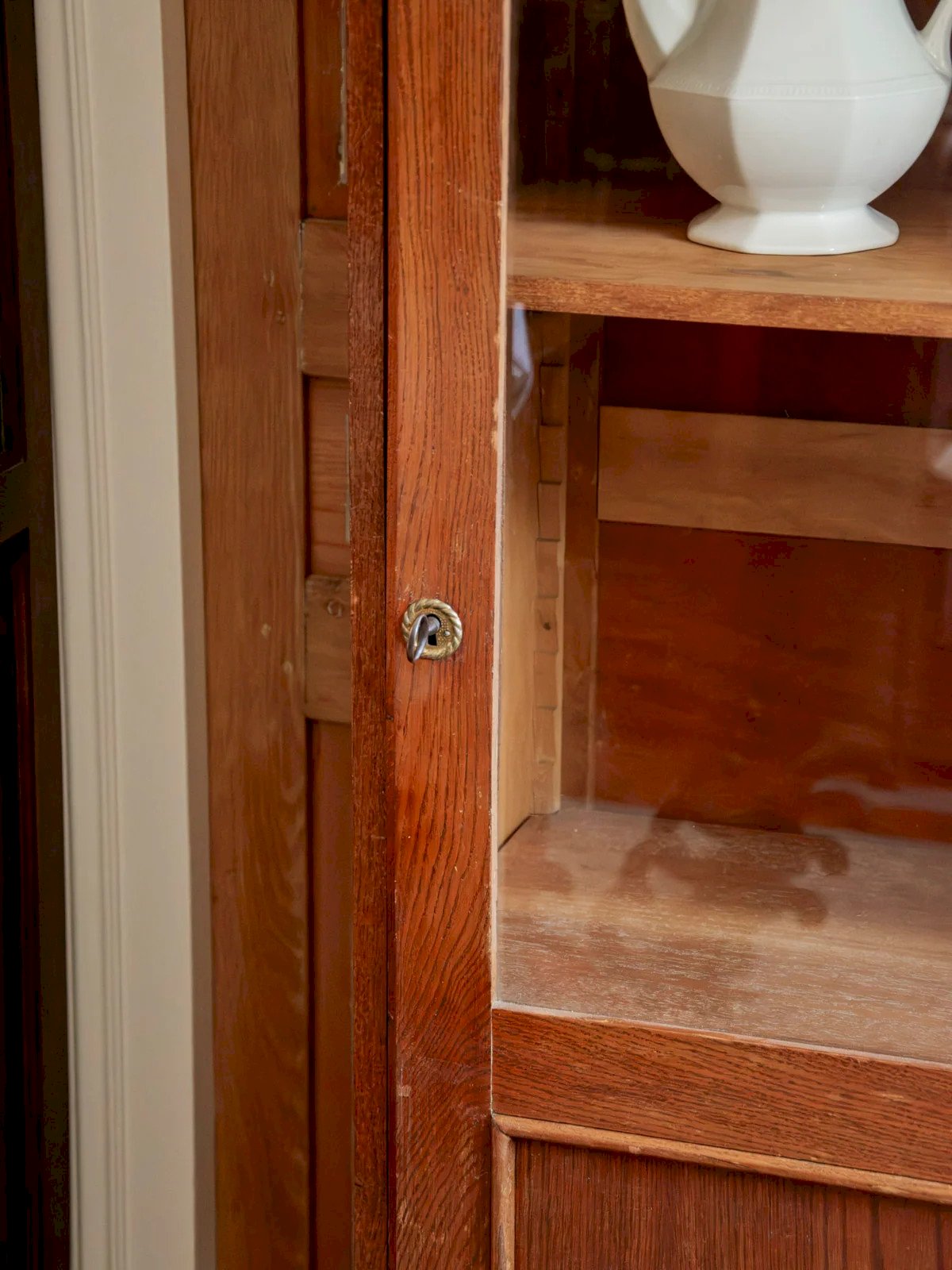
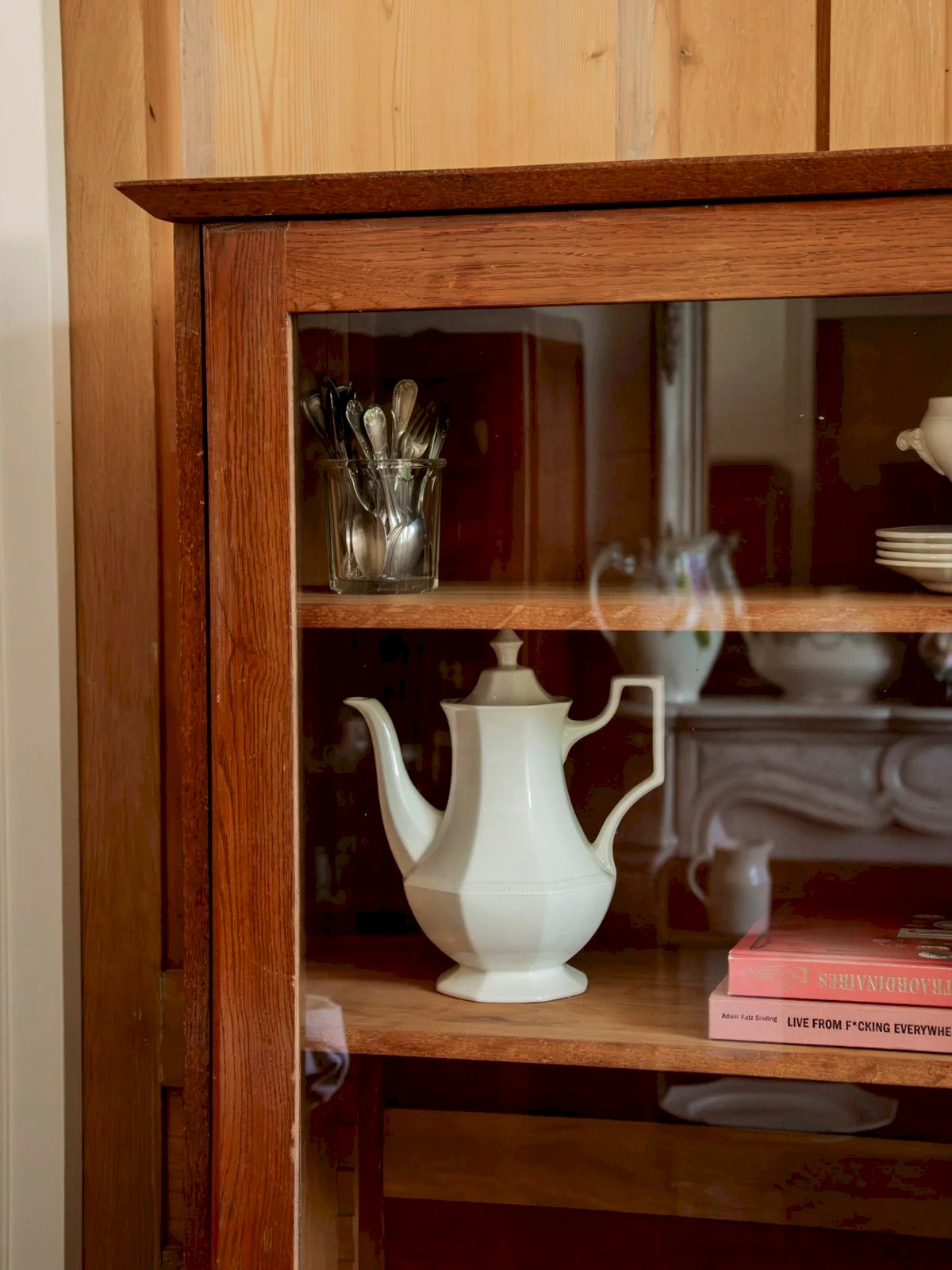
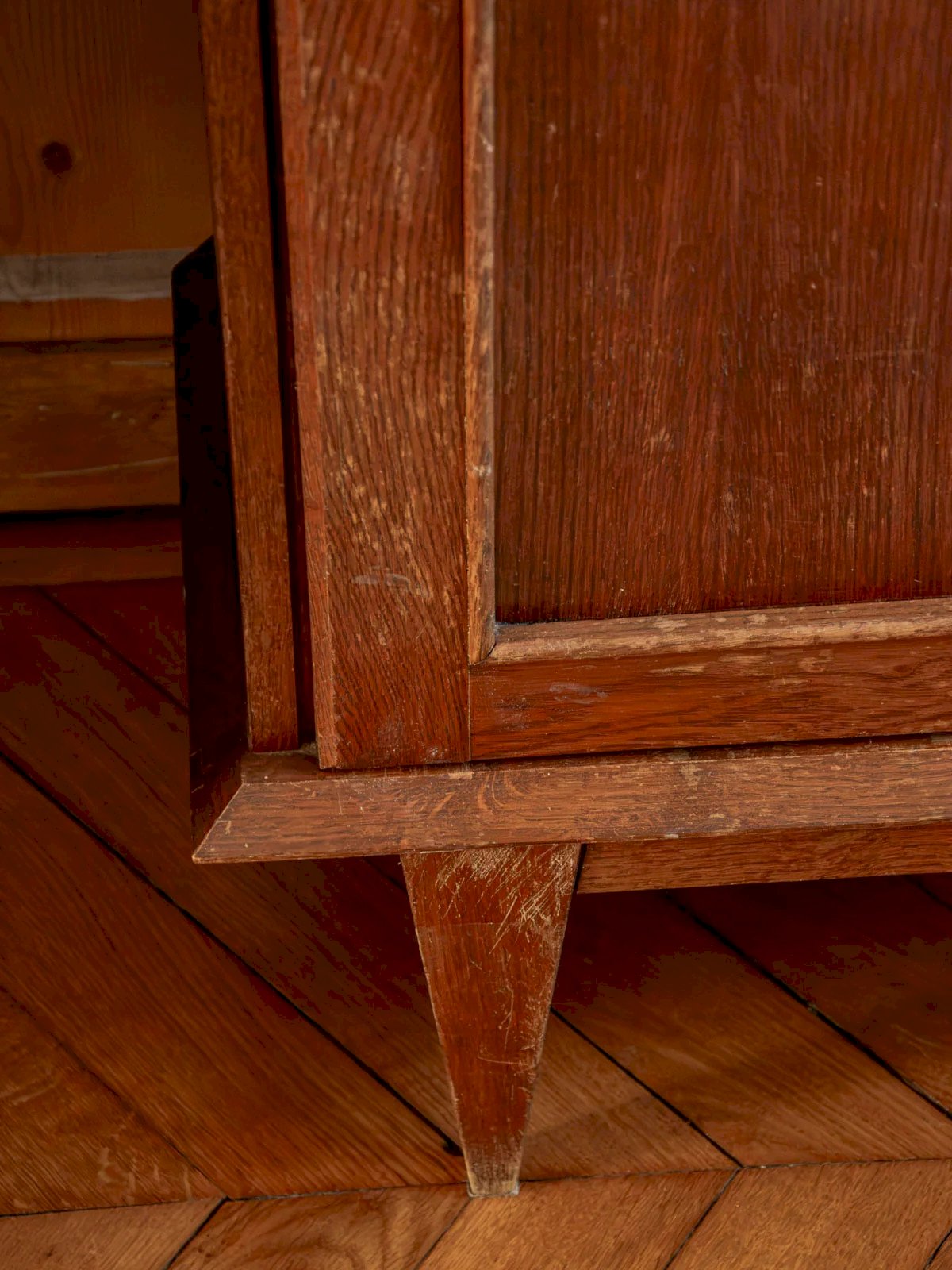
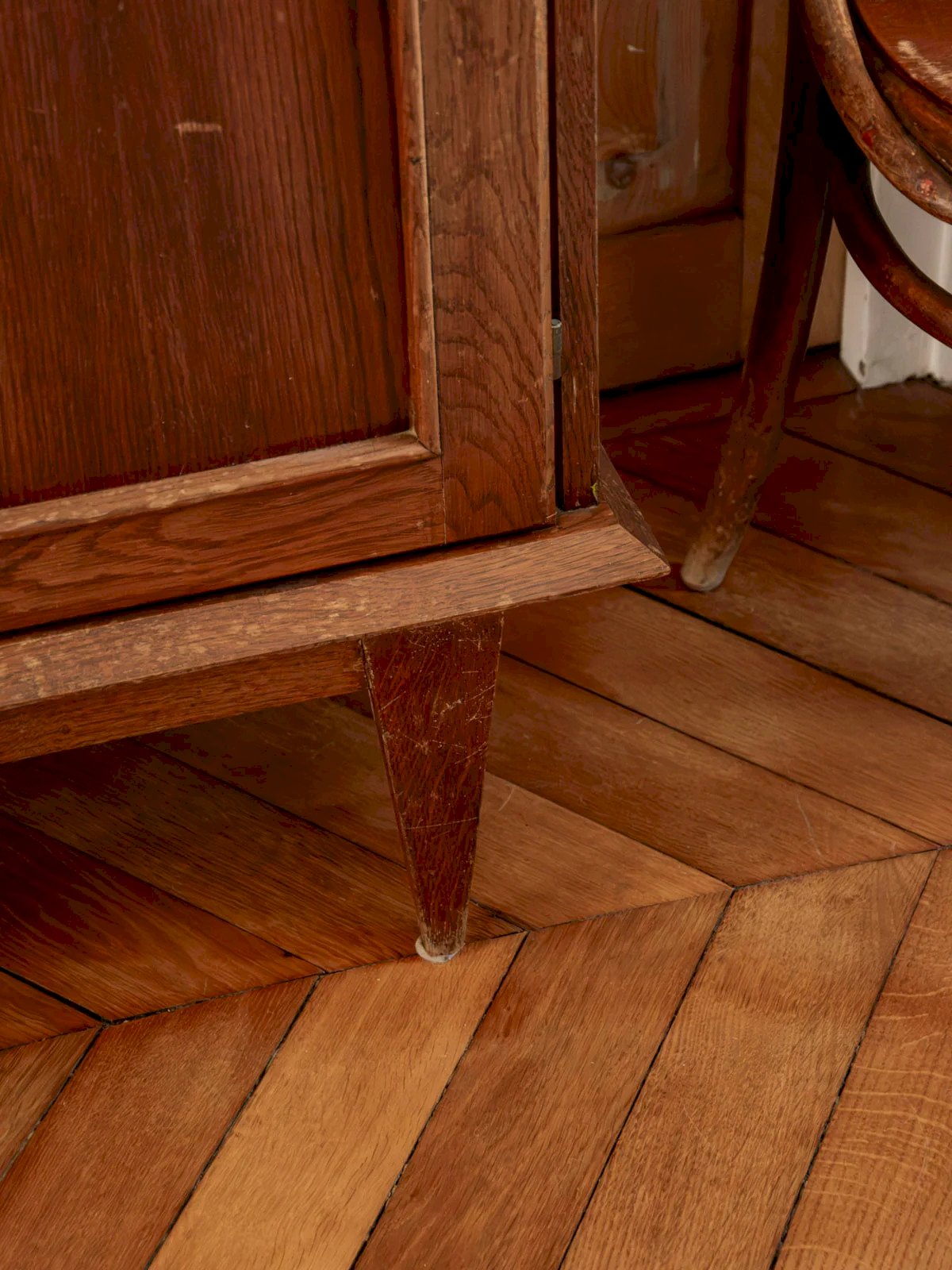
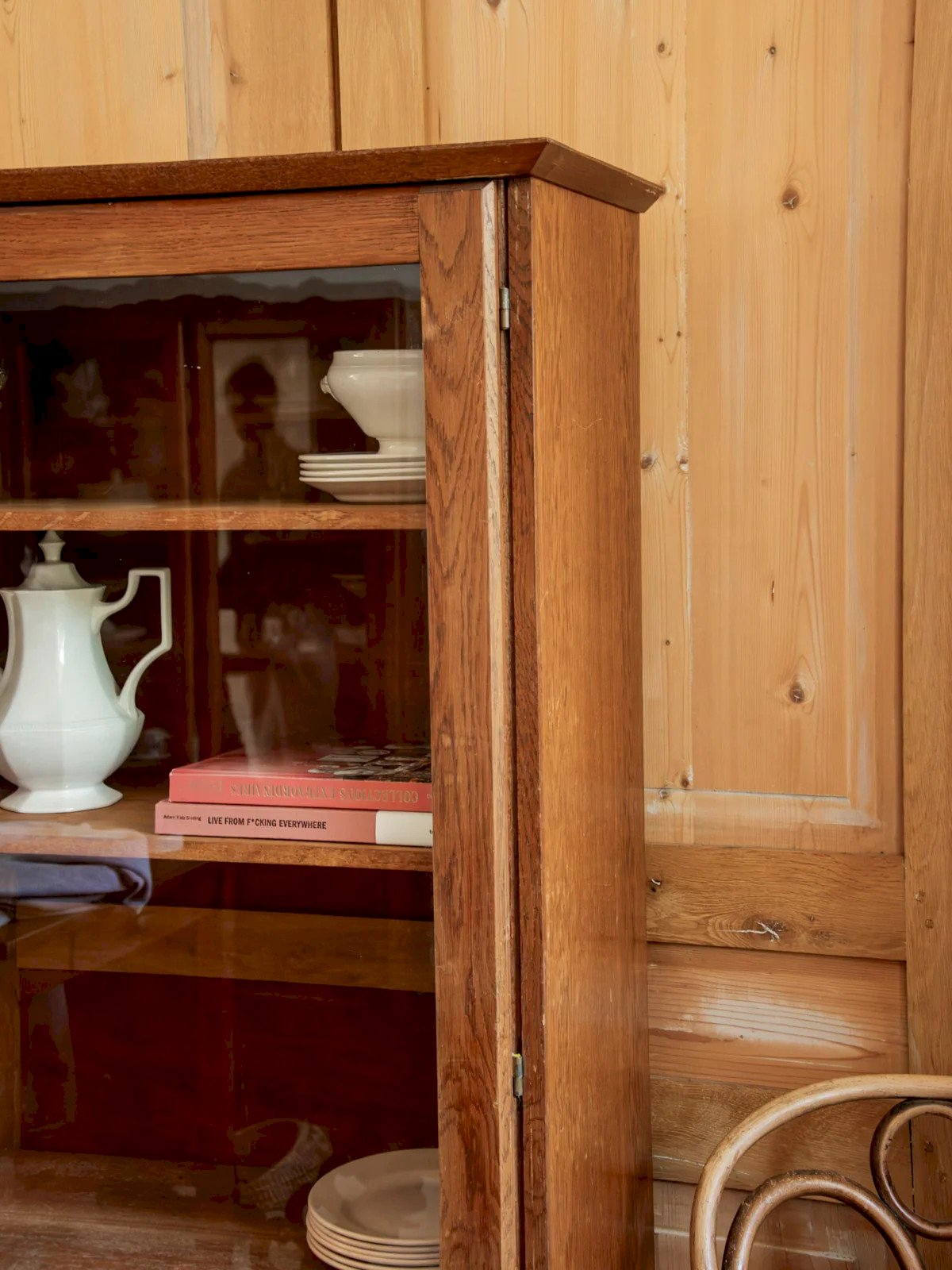
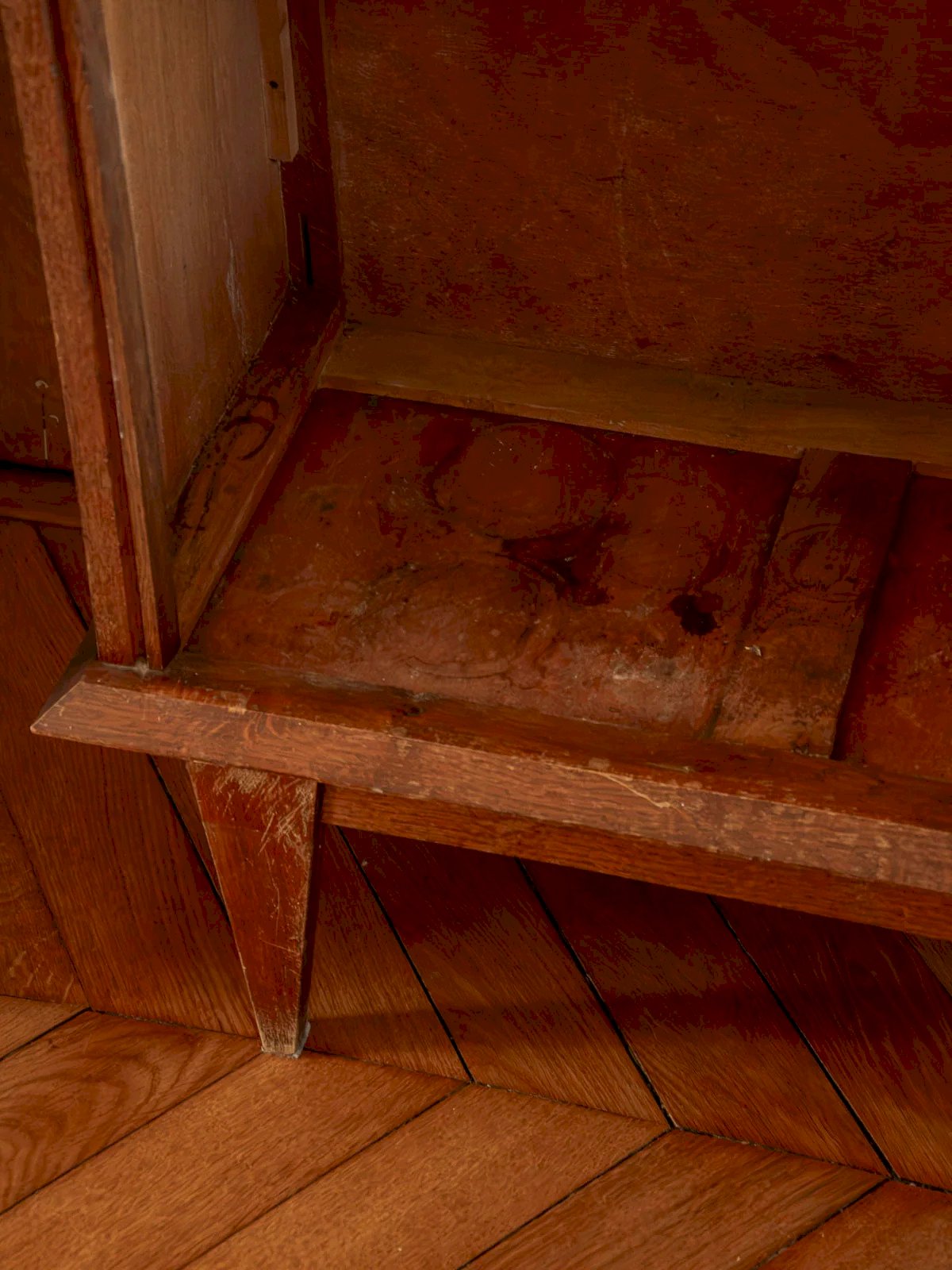
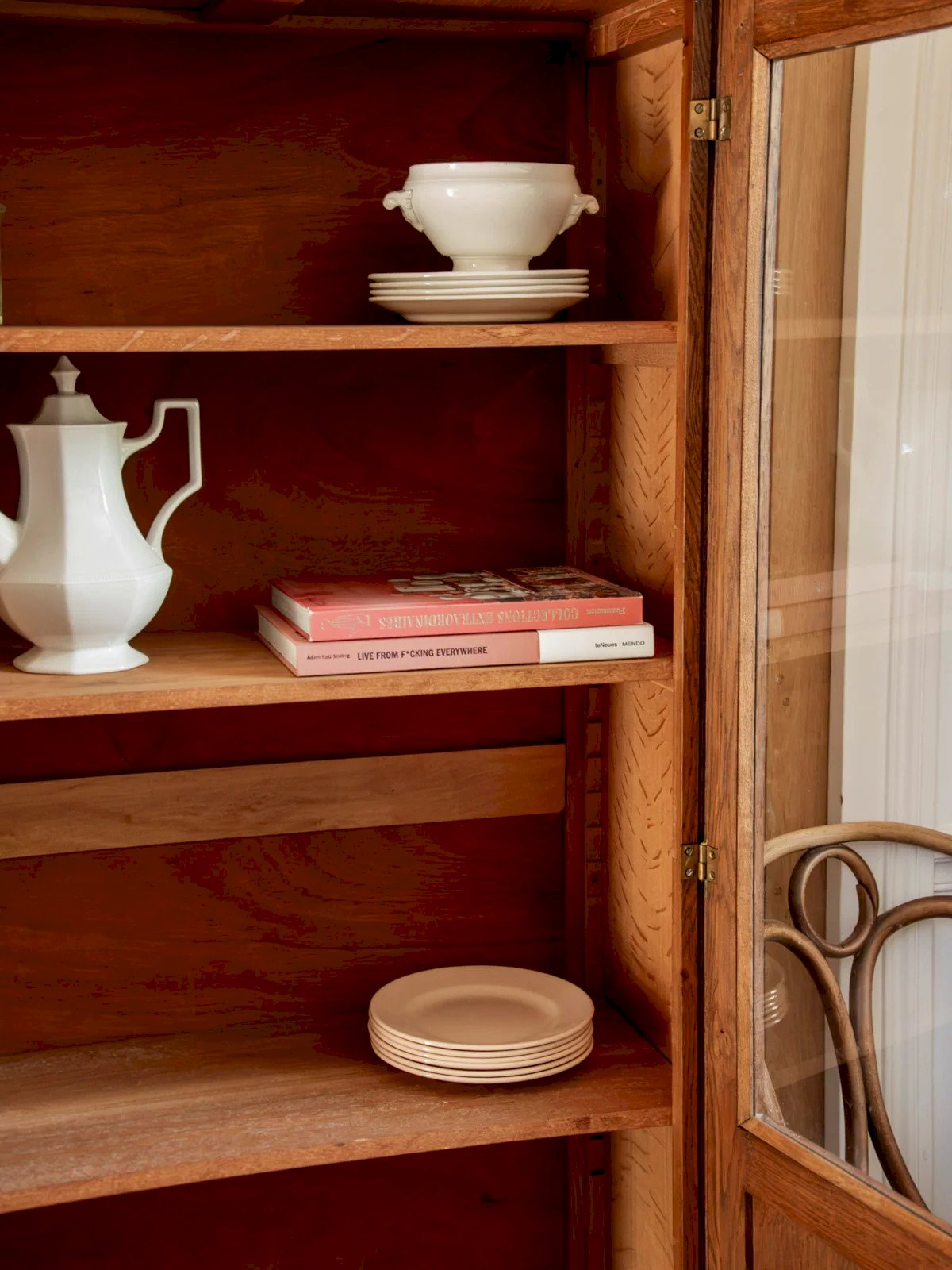
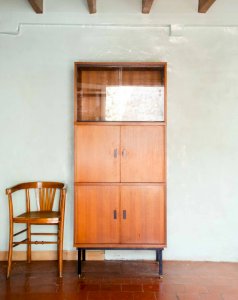
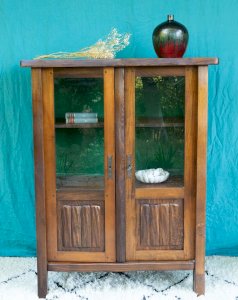
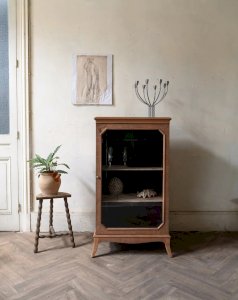
This light wood bookshelf is appealing with its contemporary look and minimalist style, ideal for a living room or an office. Vintage, it combines a glass door with three adjustable shelves, offering modular storage for books, files, or a few chosen objects. Its generous height allows it to take up little floor space while elegantly structuring a wall, while its tall niche easily accommodates beautiful books or decorative pieces. Placed next to a fabric armchair and topped with a few frames, it creates a neat and bright reading corner. Width: 75 cm Depth: 36 cm Height: 166 cm Height of the niche: 140 cm A brief history of the bookshelf Once reserved for palaces, the bookshelf made its way into private interiors in the 18th century with the rise of the taste for literature. It is distinguished by its adjustable shelves thanks to a rack and pinion system, a technical innovation that allows for height adjustment according to the format of the bindings. Before becoming a mobile piece of furniture, it was often built into the paneling of castles; it was the bourgeoisie who made it a standalone piece of furniture that could be moved according to one's desires. Whether open or glass-fronted, it is the sanctuary of knowledge, formerly referred to as a "library" in old inventories.
Réf :
#414128
Brand / From : Debongout
Related Products

Comments
Madeleine, the showcase library in raw wood No. 758
639€
75002 Paris
Ce site contient des liens d’affiliation pour lesquels je peux recevoir une compensation.
Description
This light wood bookshelf is appealing with its contemporary look and minimalist style, ideal for a living room or an office. Vintage, it combines a glass door with three adjustable shelves, offering modular storage for books, files, or a few chosen objects. Its generous height allows it to take up little floor space while elegantly structuring a wall, while its tall niche easily accommodates beautiful books or decorative pieces. Placed next to a fabric armchair and topped with a few frames, it creates a neat and bright reading corner. Width: 75 cm Depth: 36 cm Height: 166 cm Height of the niche: 140 cm A brief history of the bookshelf Once reserved for palaces, the bookshelf made its way into private interiors in the 18th century with the rise of the taste for literature. It is distinguished by its adjustable shelves thanks to a rack and pinion system, a technical innovation that allows for height adjustment according to the format of the bindings. Before becoming a mobile piece of furniture, it was often built into the paneling of castles; it was the bourgeoisie who made it a standalone piece of furniture that could be moved according to one's desires. Whether open or glass-fronted, it is the sanctuary of knowledge, formerly referred to as a "library" in old inventories.
Réf :
#414128
Brand / From : Debongout