 English
 Français


Description
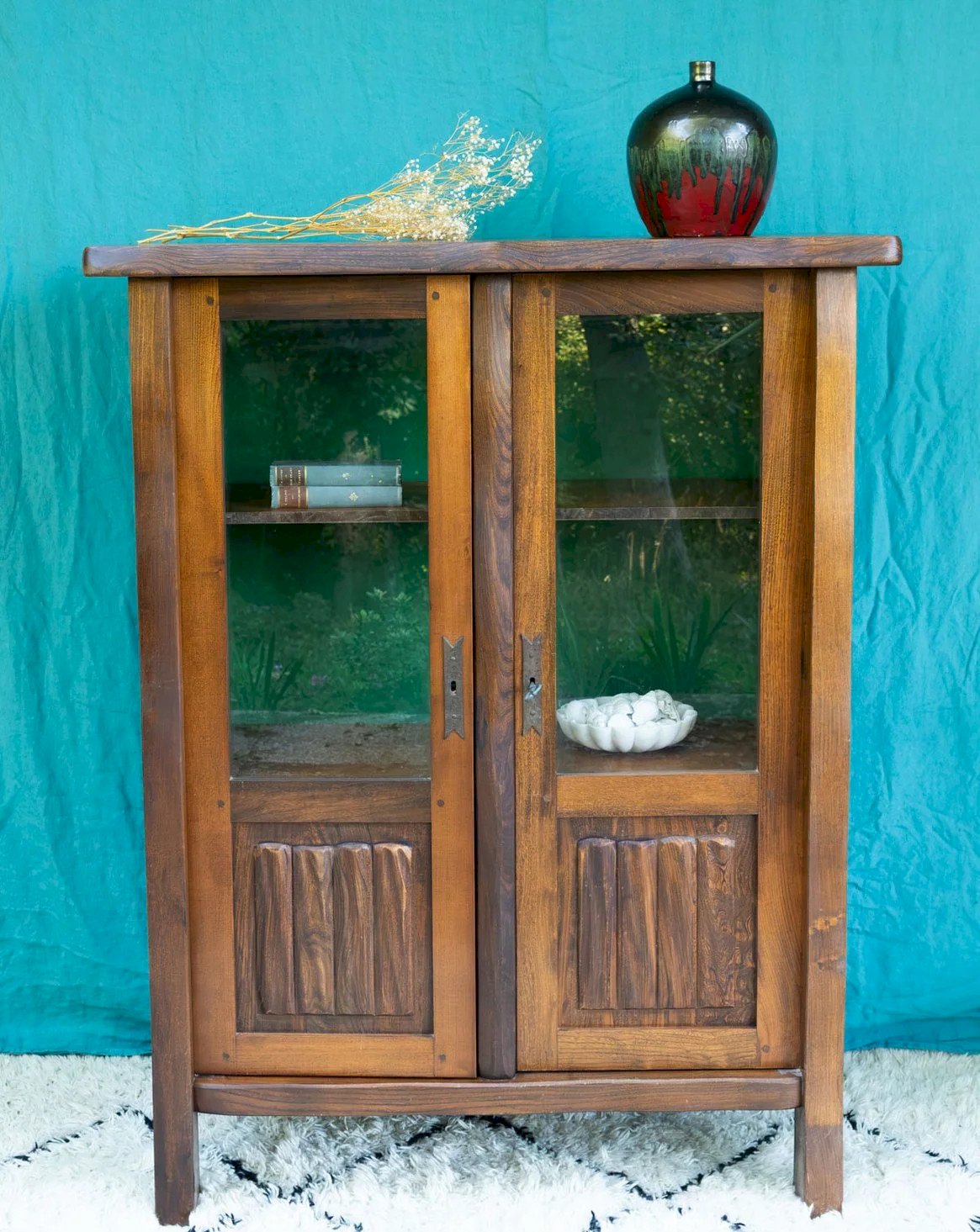
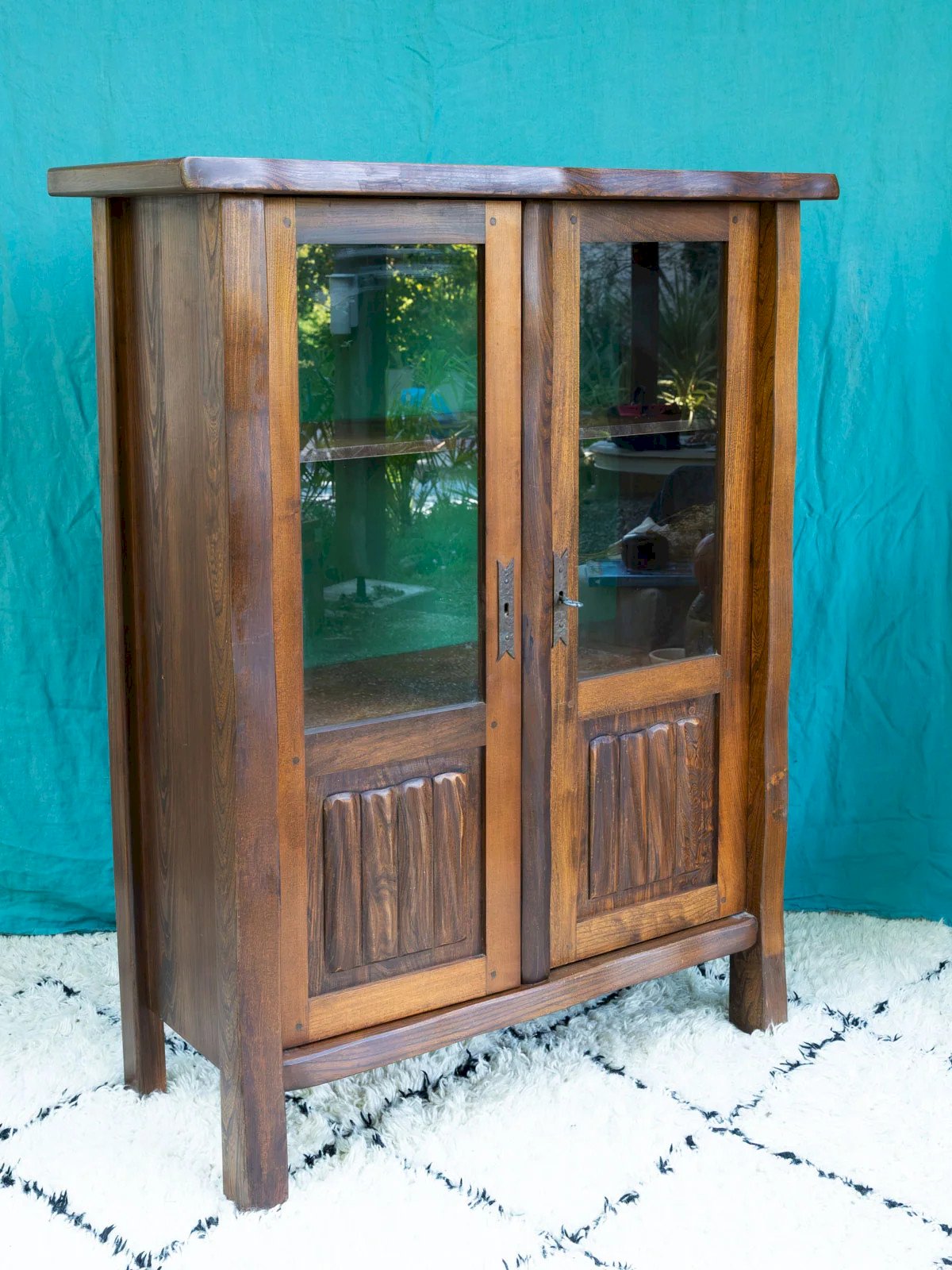
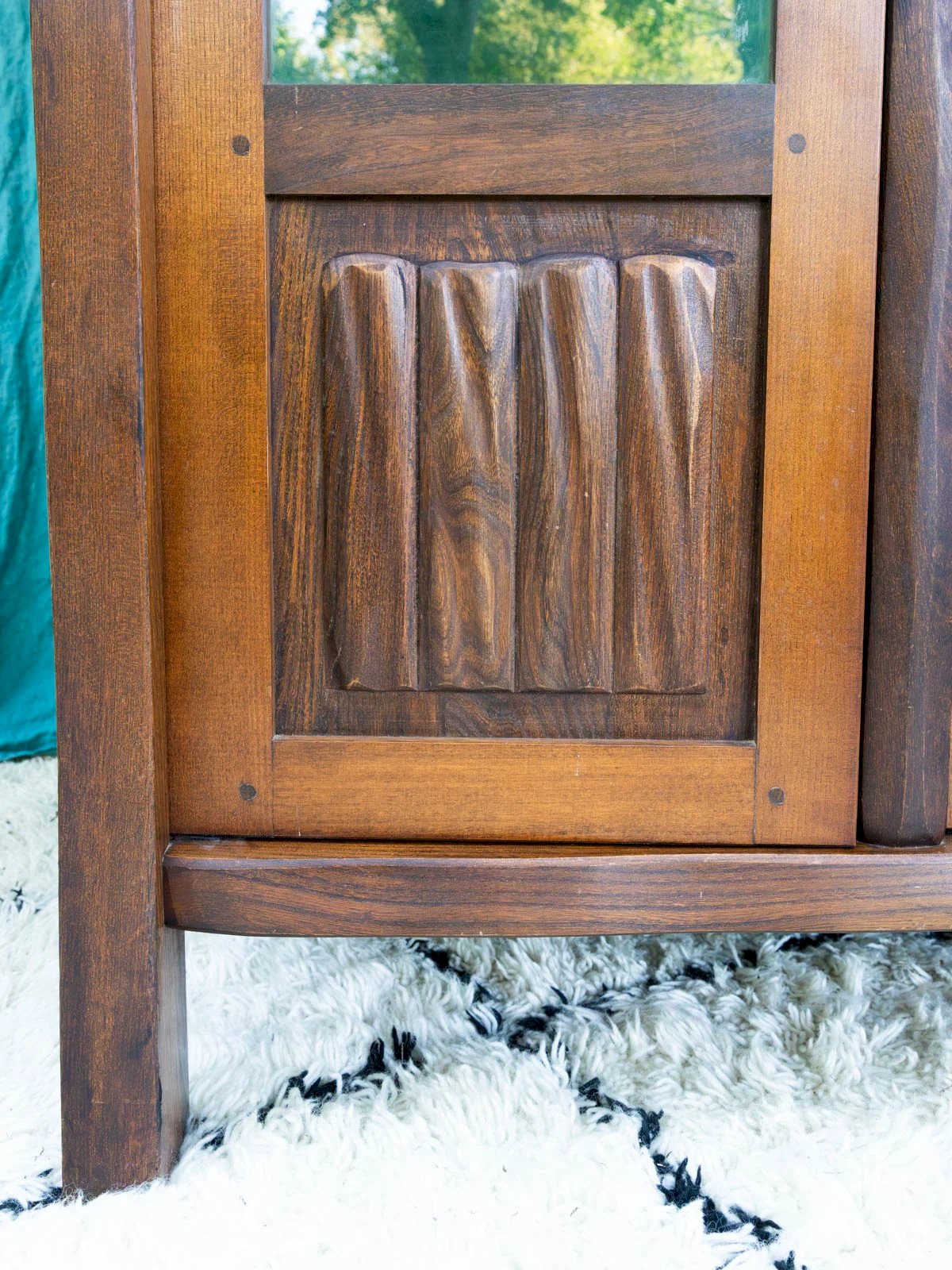
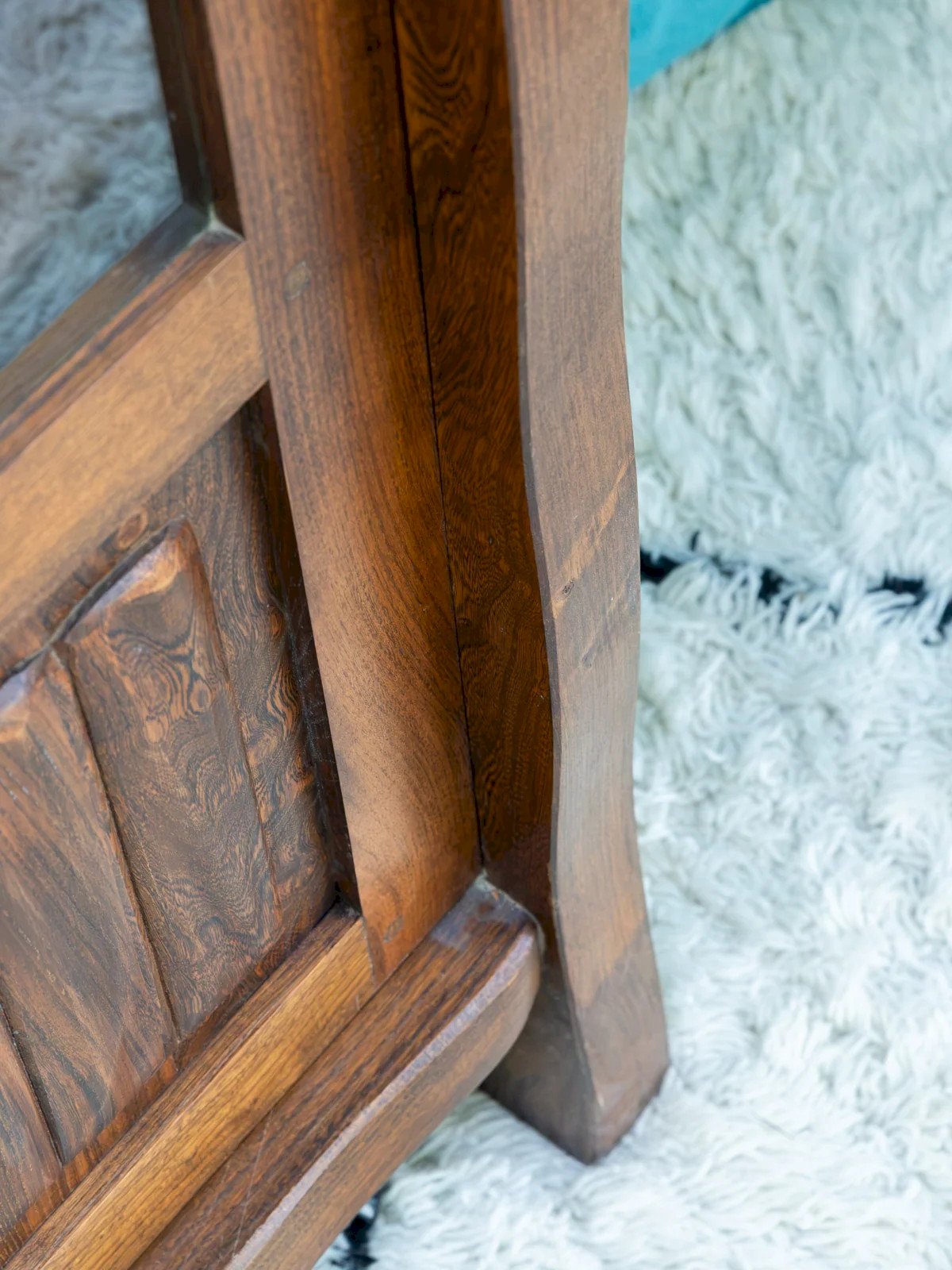
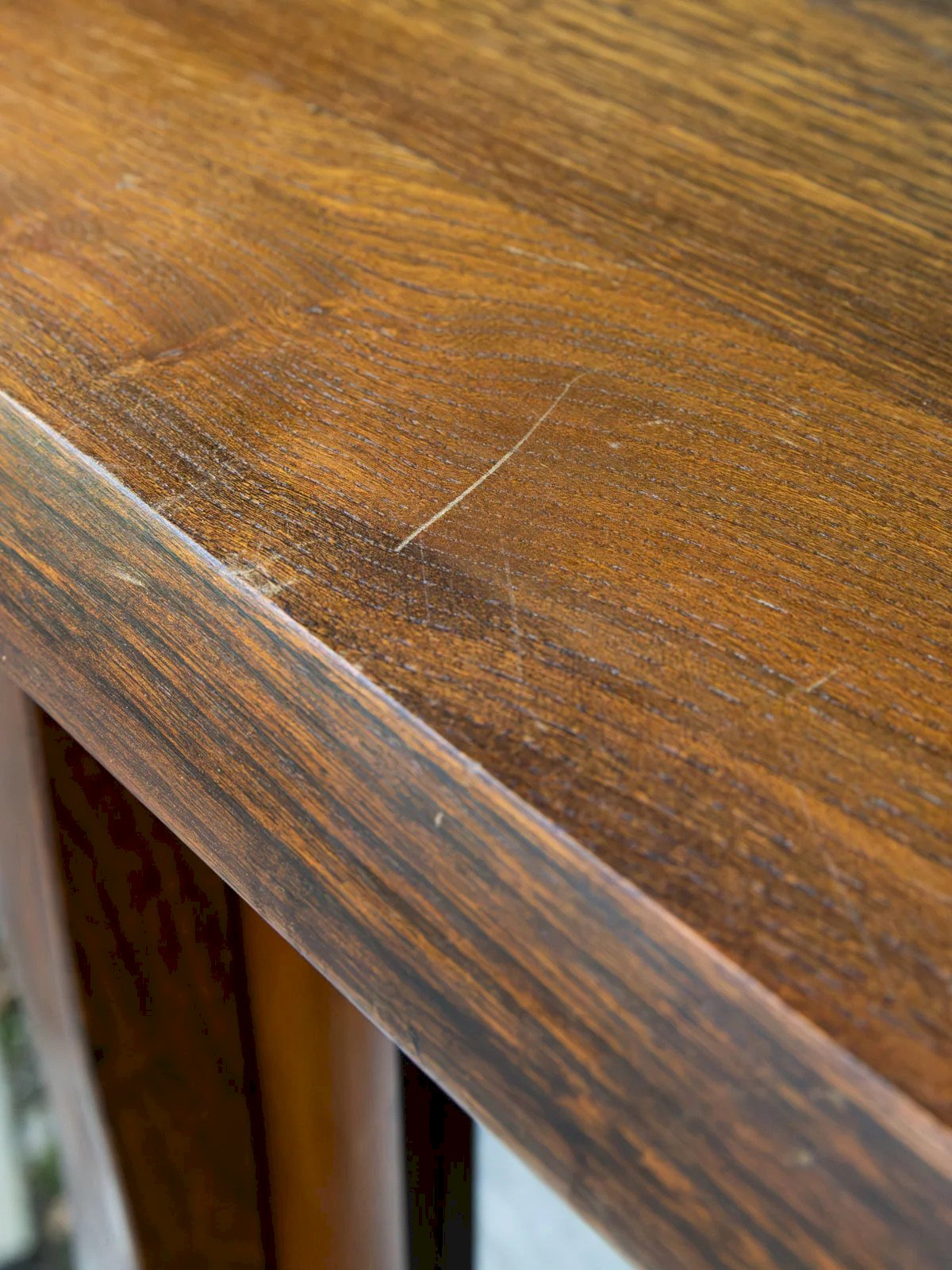
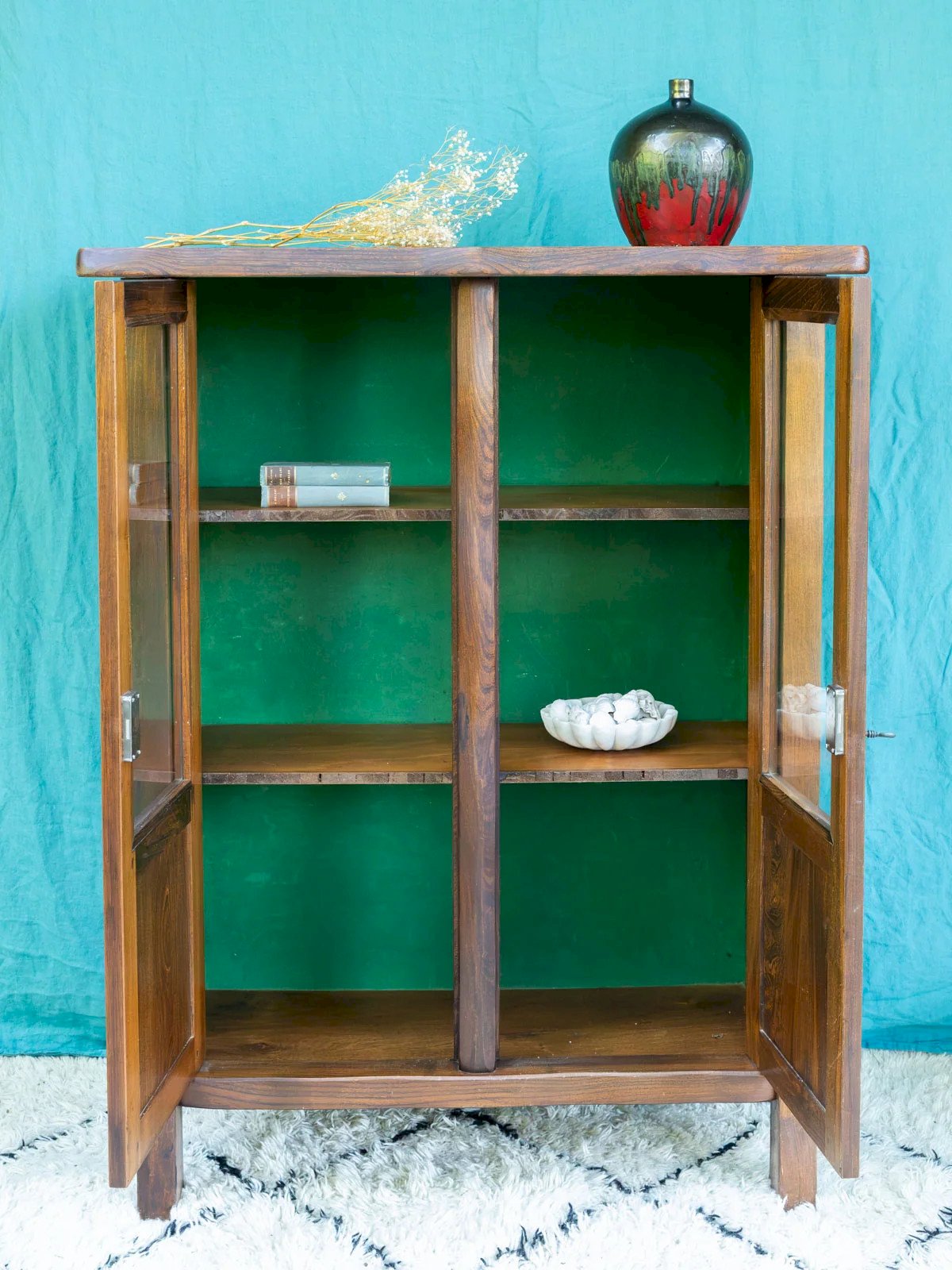
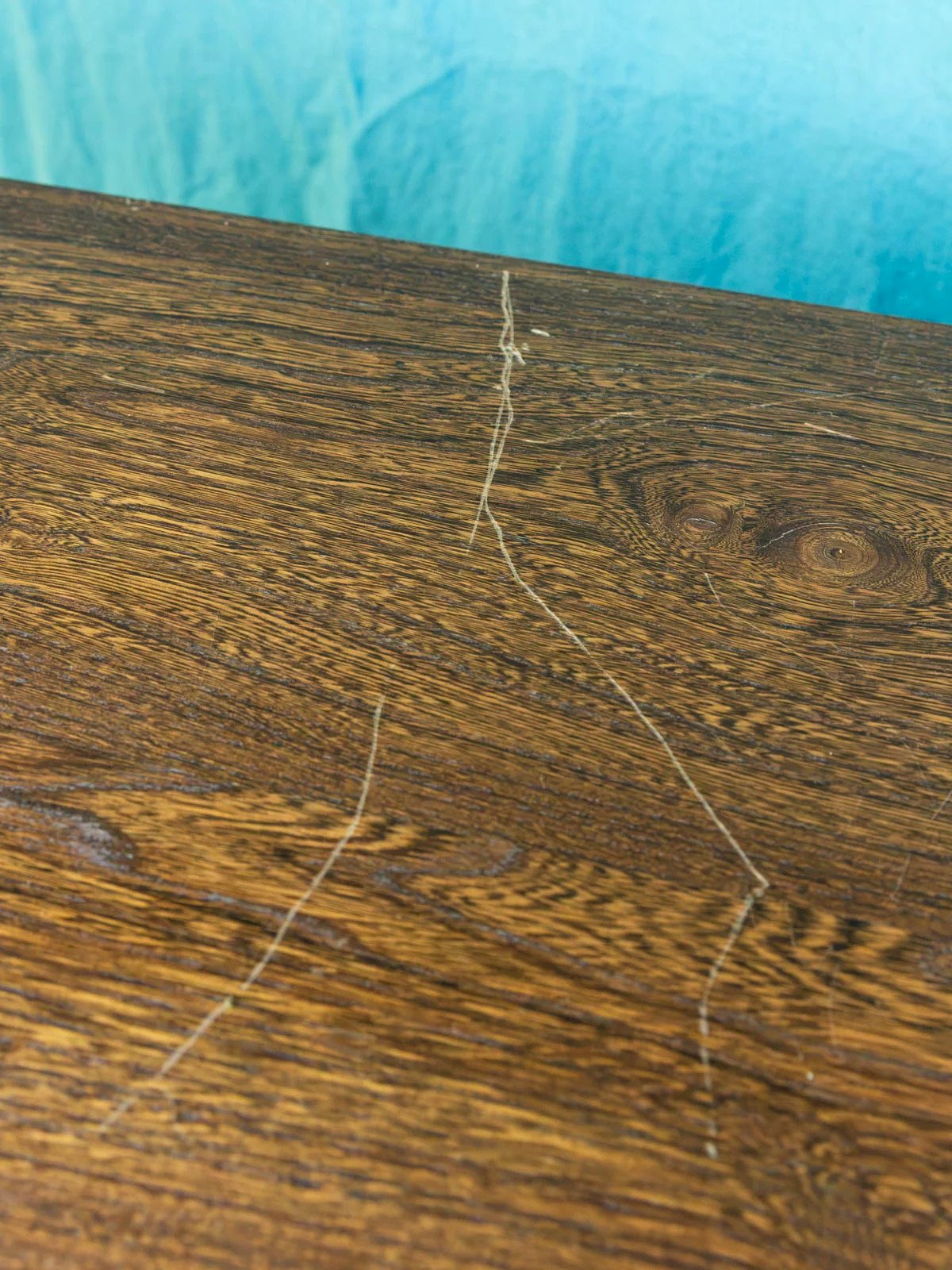
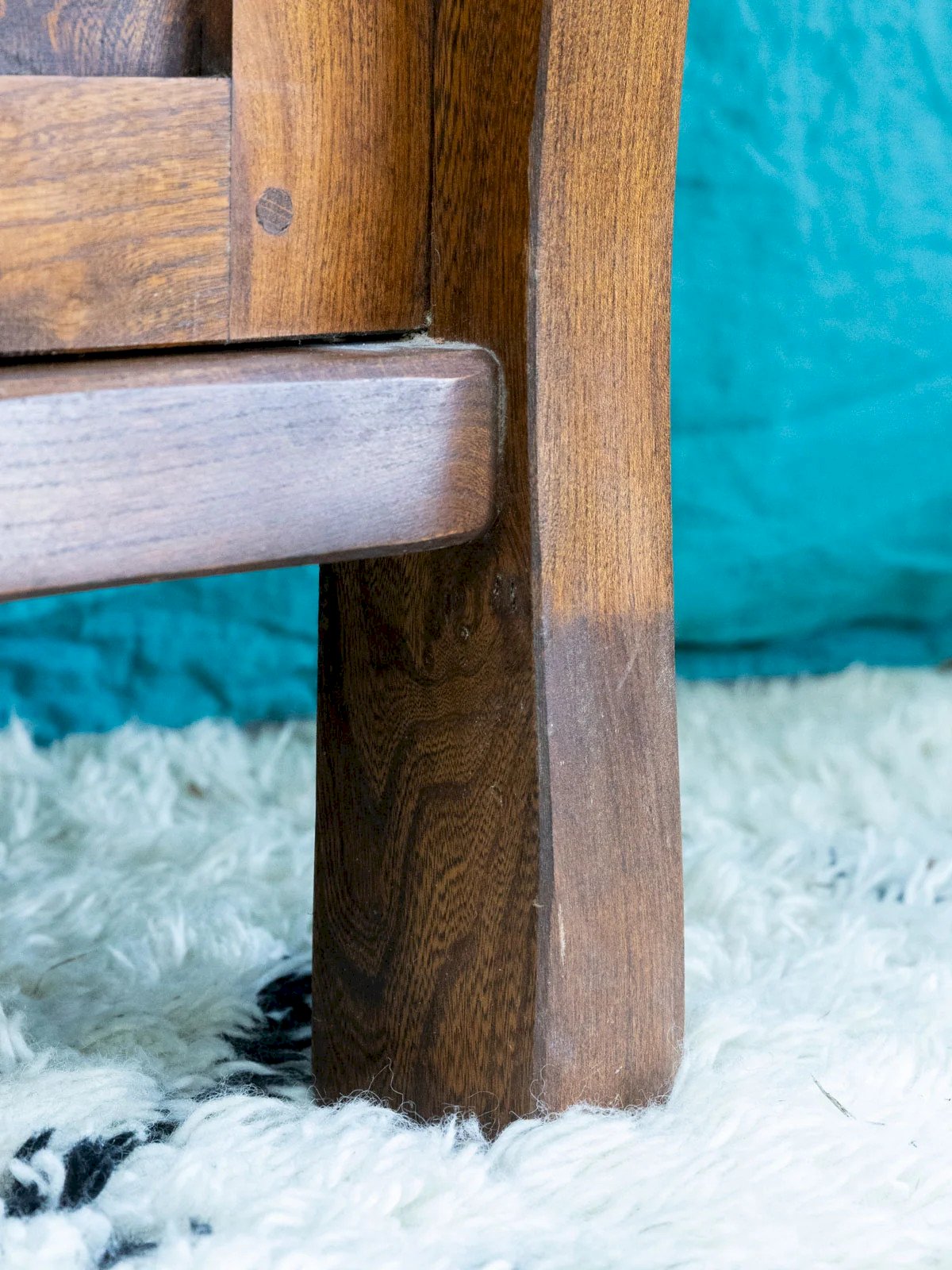
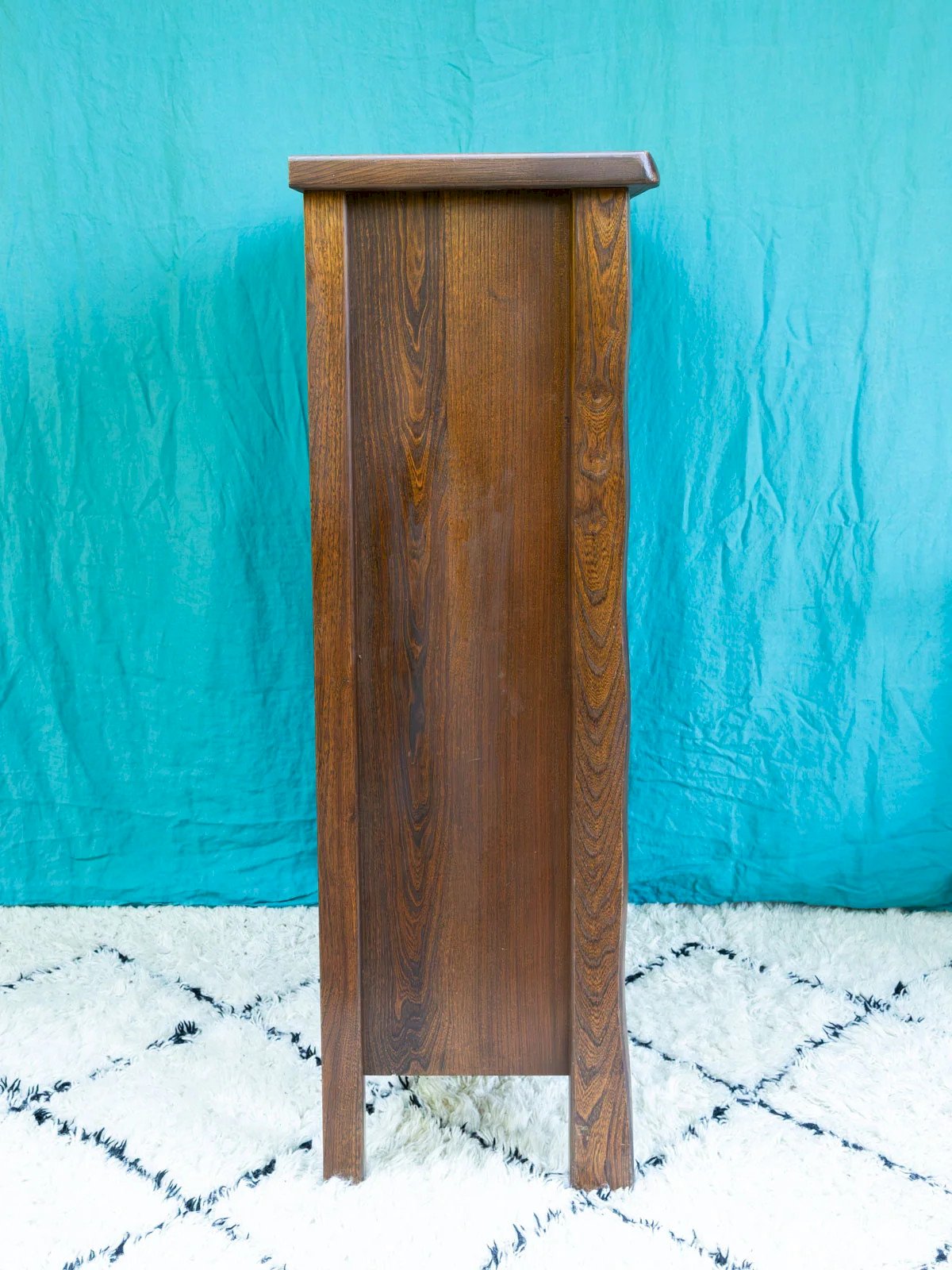
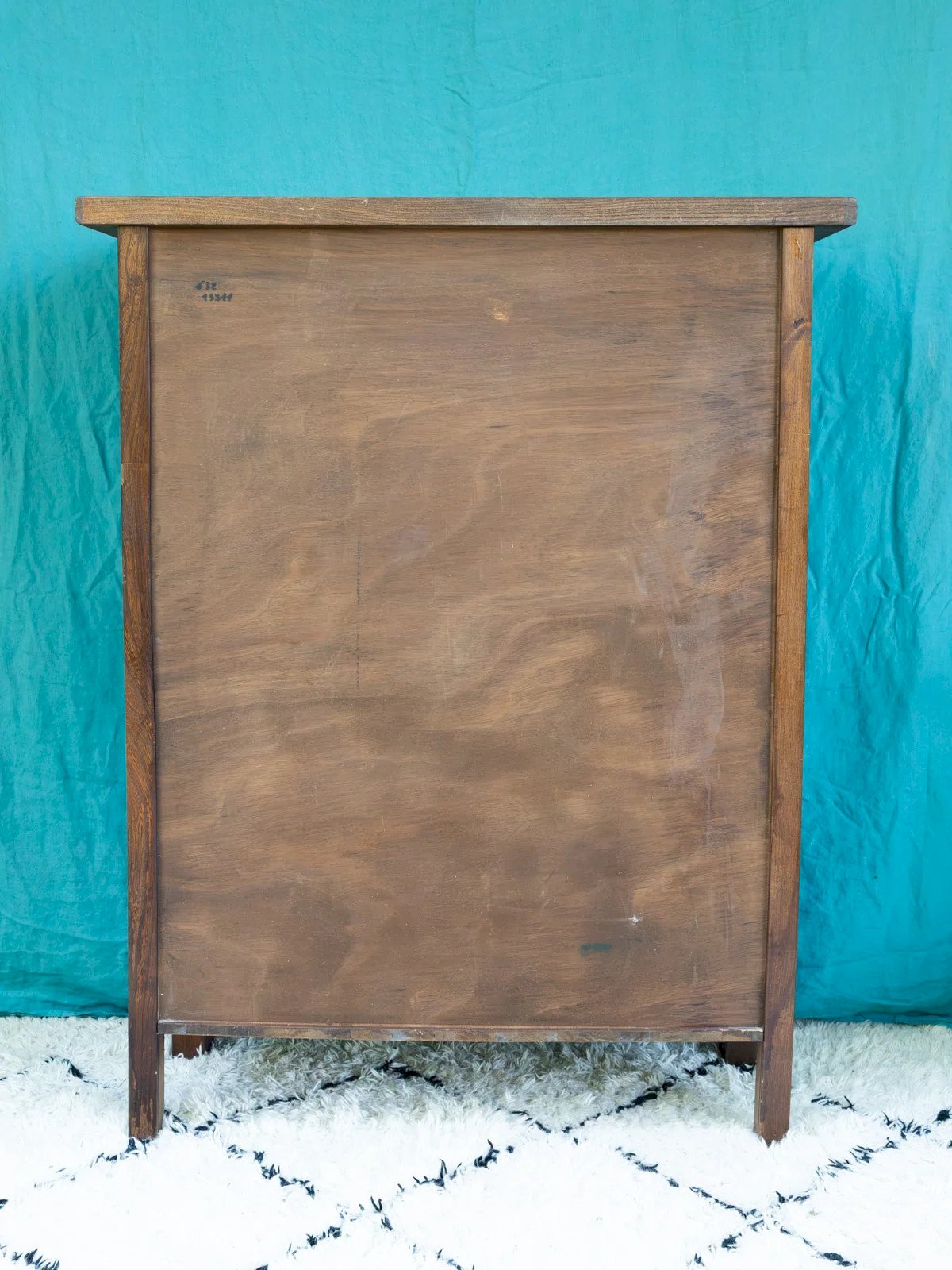
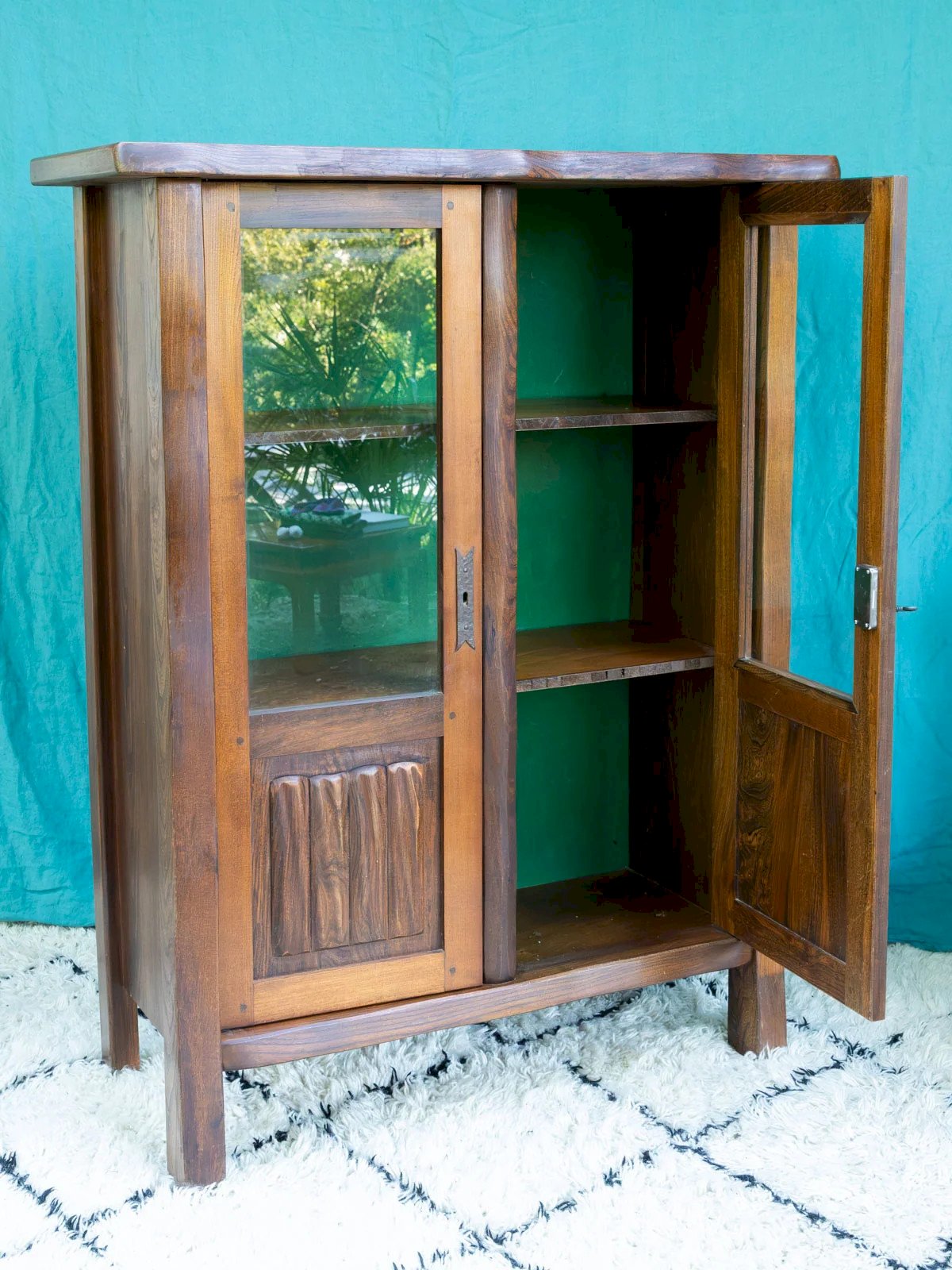
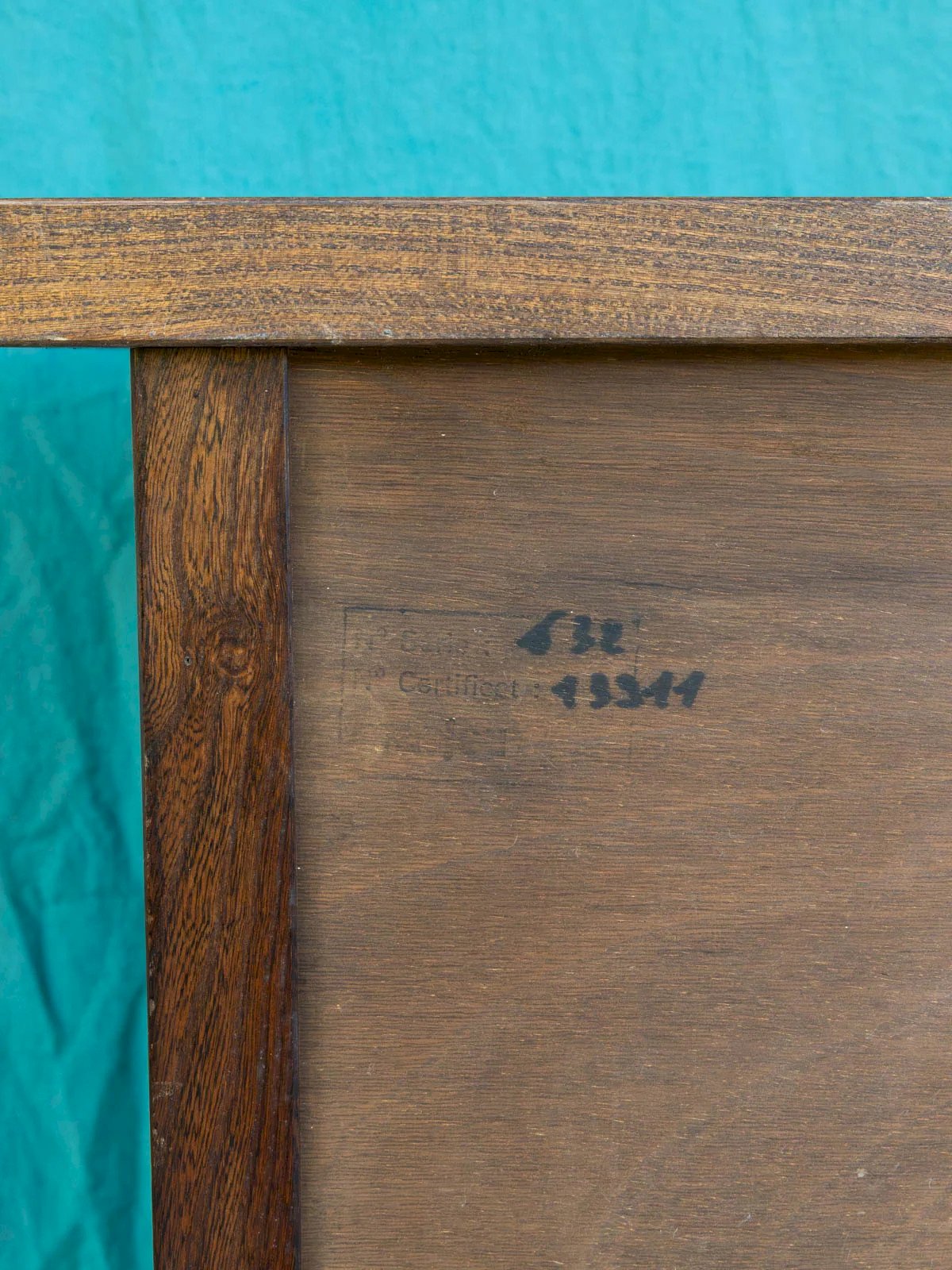
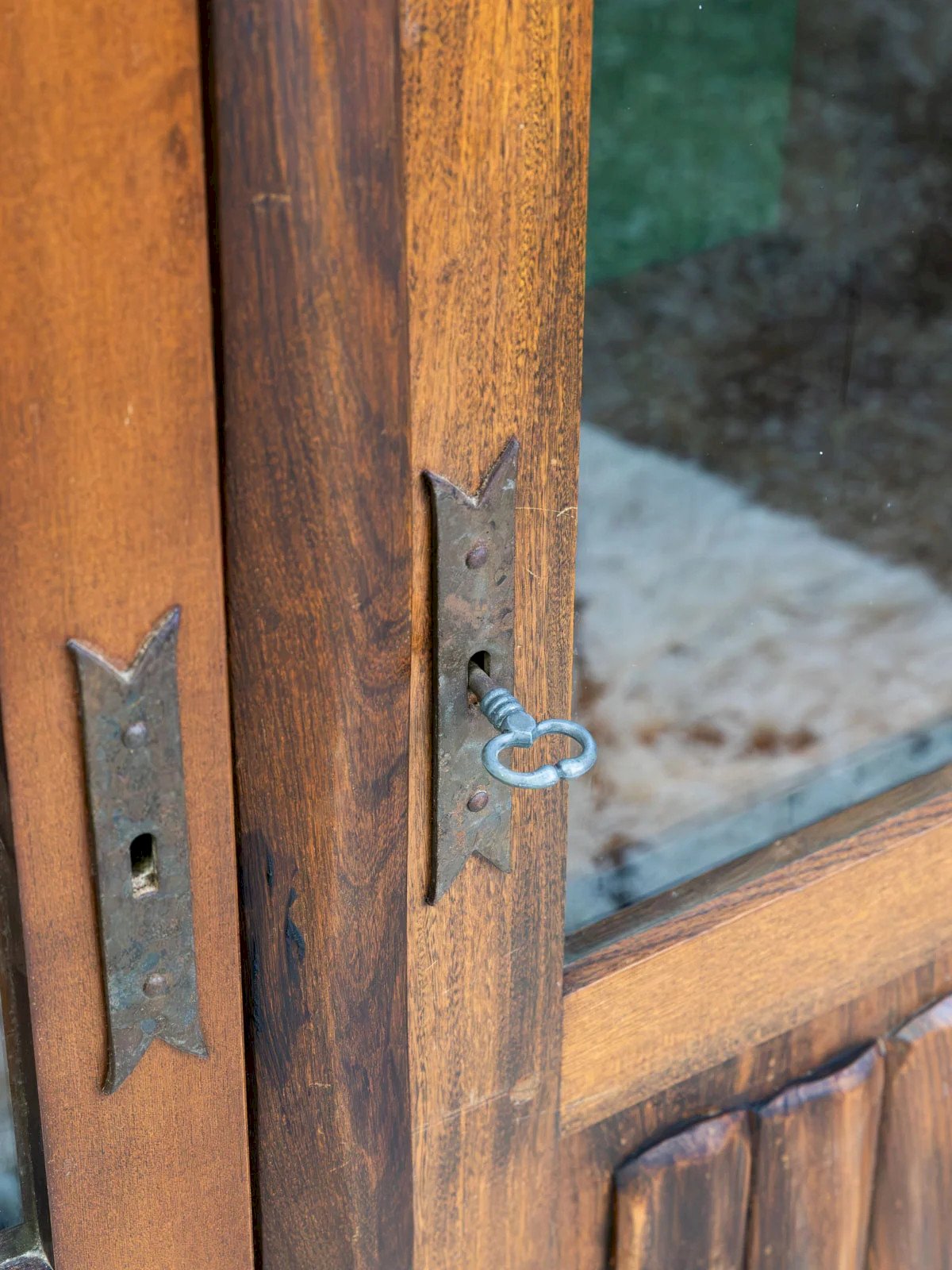
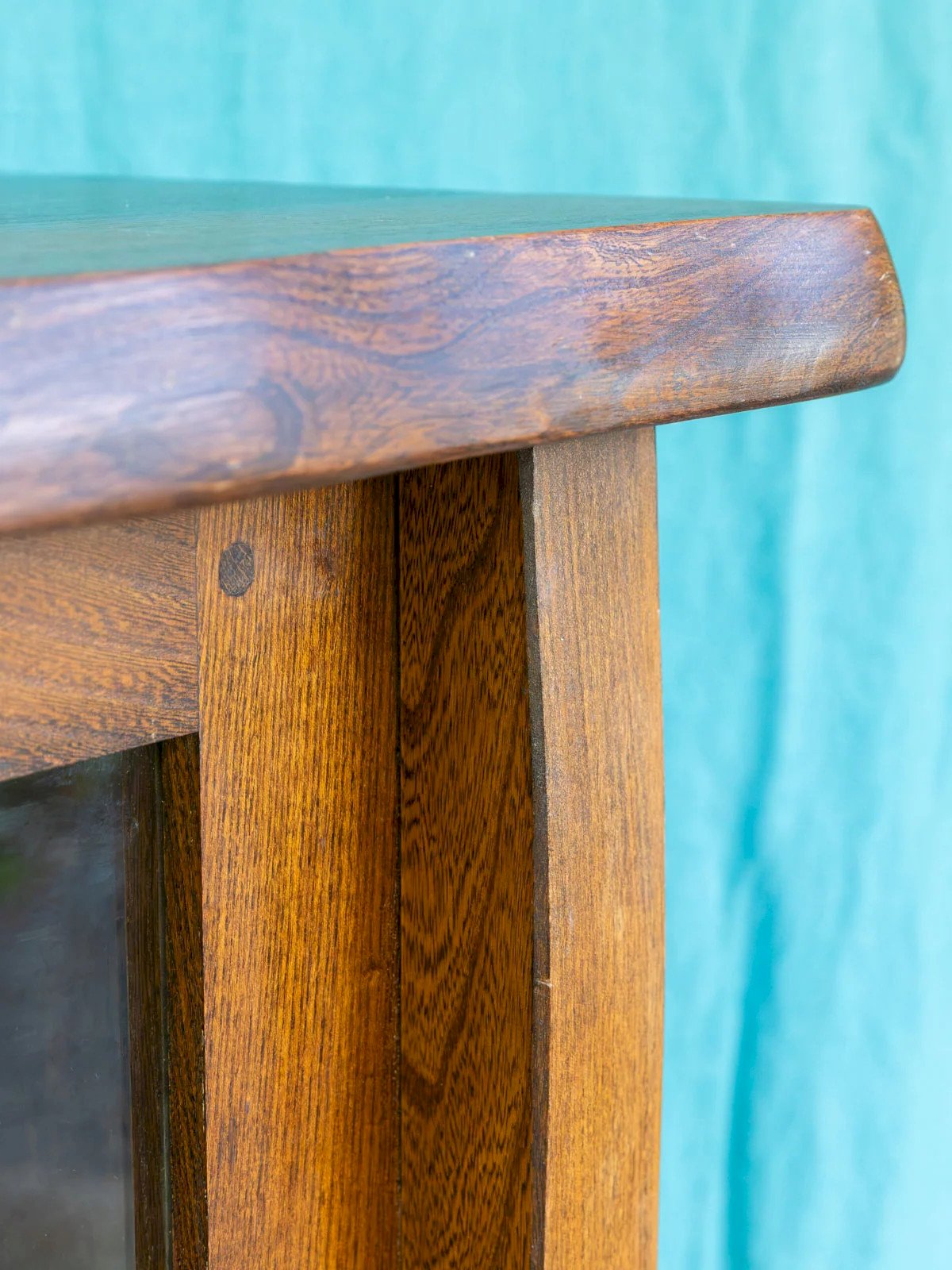
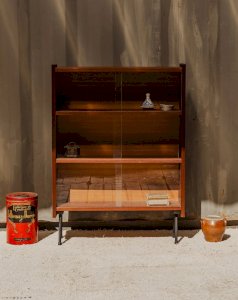
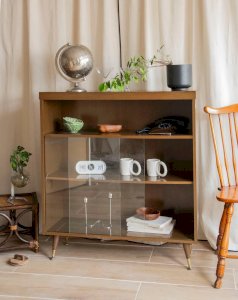
This brutalist showcase, produced in the 1960s by the Aranjou workshop, offers a sober presence, ideal for a contemporary living space. Sourced from an earlier time, it combines the warmth of elm with the transparency of glass doors to highlight dishes, books, or carefully chosen objects. Its shelves provide organized storage while allowing the displayed items to breathe behind the glass. The brutalist design emphasizes the material and easily interacts with a minimalist decor, wooden seating, or a few ceramic pieces. In a living room or dining area, it readily accommodates glasses, an antique service, and a bouquet of dried flowers. Height: 140 cm Length: 110 cm Width: 46 cm Shelves: 34 cm x 31 cm A Brief History of the Showcase Born in the 18th century, the showcase transformed the closed sideboard into a theater for precious objects, protected from dust yet open to view. Originally serving as a “display case” for goldsmiths, it used glass—then a luxury material—to signify a household's wealth before unveiling its contents. Its lightweight structure, complemented by transparent walls and often adjustable shelves, allows for showcasing collections without cluttering the visual space. Today, it remains the ideal furniture piece for bringing clarity to a room while turning your memories and curiosities into a personal and refined exhibition.
Réf :
#413977
Brand / From : Debongout
Related Products
Comments
Victoria, the brutalist showcase in solid wood No. 1355
639€
75002 Paris
Ce site contient des liens d’affiliation pour lesquels je peux recevoir une compensation.
Description
This brutalist showcase, produced in the 1960s by the Aranjou workshop, offers a sober presence, ideal for a contemporary living space. Sourced from an earlier time, it combines the warmth of elm with the transparency of glass doors to highlight dishes, books, or carefully chosen objects. Its shelves provide organized storage while allowing the displayed items to breathe behind the glass. The brutalist design emphasizes the material and easily interacts with a minimalist decor, wooden seating, or a few ceramic pieces. In a living room or dining area, it readily accommodates glasses, an antique service, and a bouquet of dried flowers. Height: 140 cm Length: 110 cm Width: 46 cm Shelves: 34 cm x 31 cm A Brief History of the Showcase Born in the 18th century, the showcase transformed the closed sideboard into a theater for precious objects, protected from dust yet open to view. Originally serving as a “display case” for goldsmiths, it used glass—then a luxury material—to signify a household's wealth before unveiling its contents. Its lightweight structure, complemented by transparent walls and often adjustable shelves, allows for showcasing collections without cluttering the visual space. Today, it remains the ideal furniture piece for bringing clarity to a room while turning your memories and curiosities into a personal and refined exhibition.
Réf :
#413977
Brand / From : Debongout