 English
 Français


Description
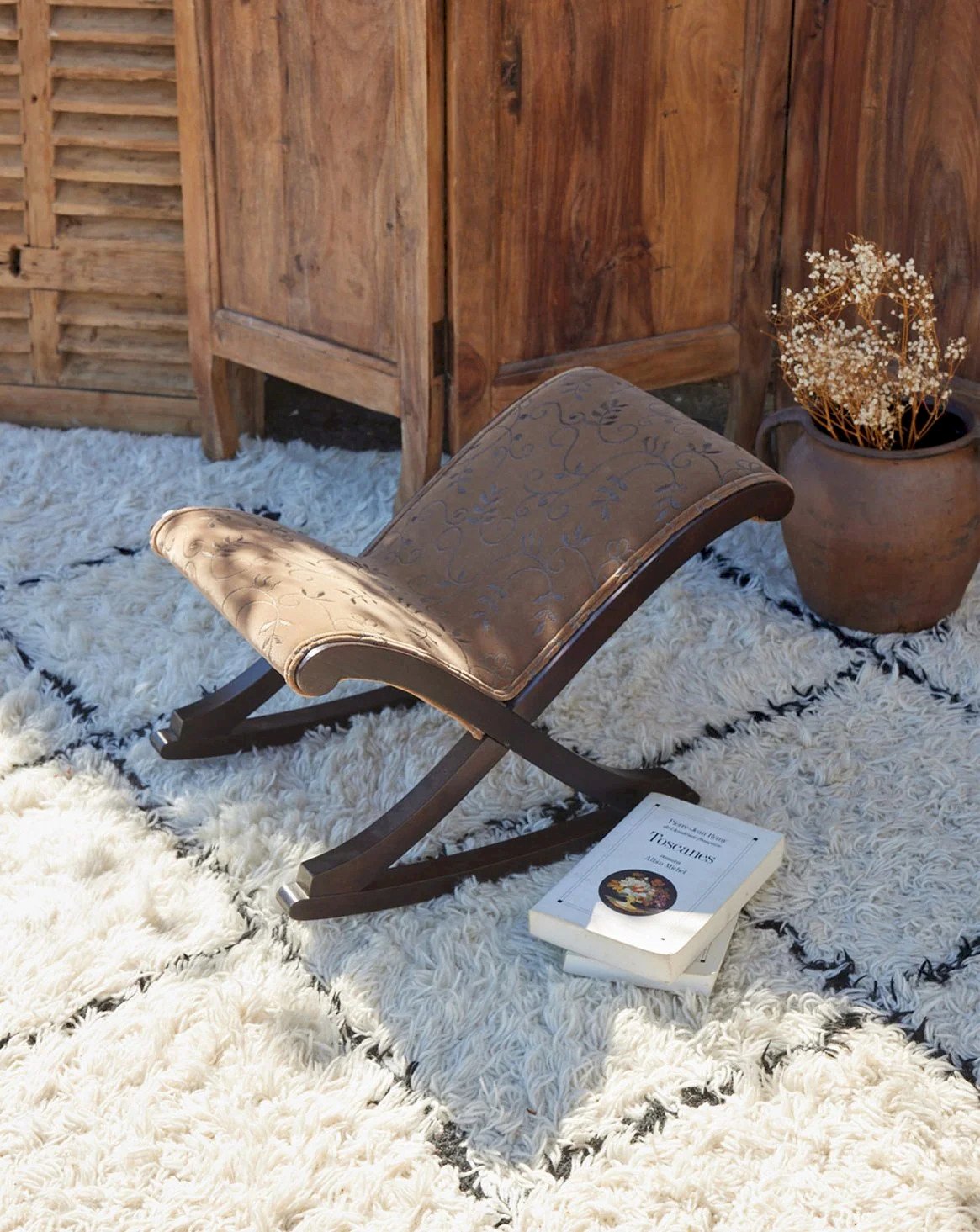
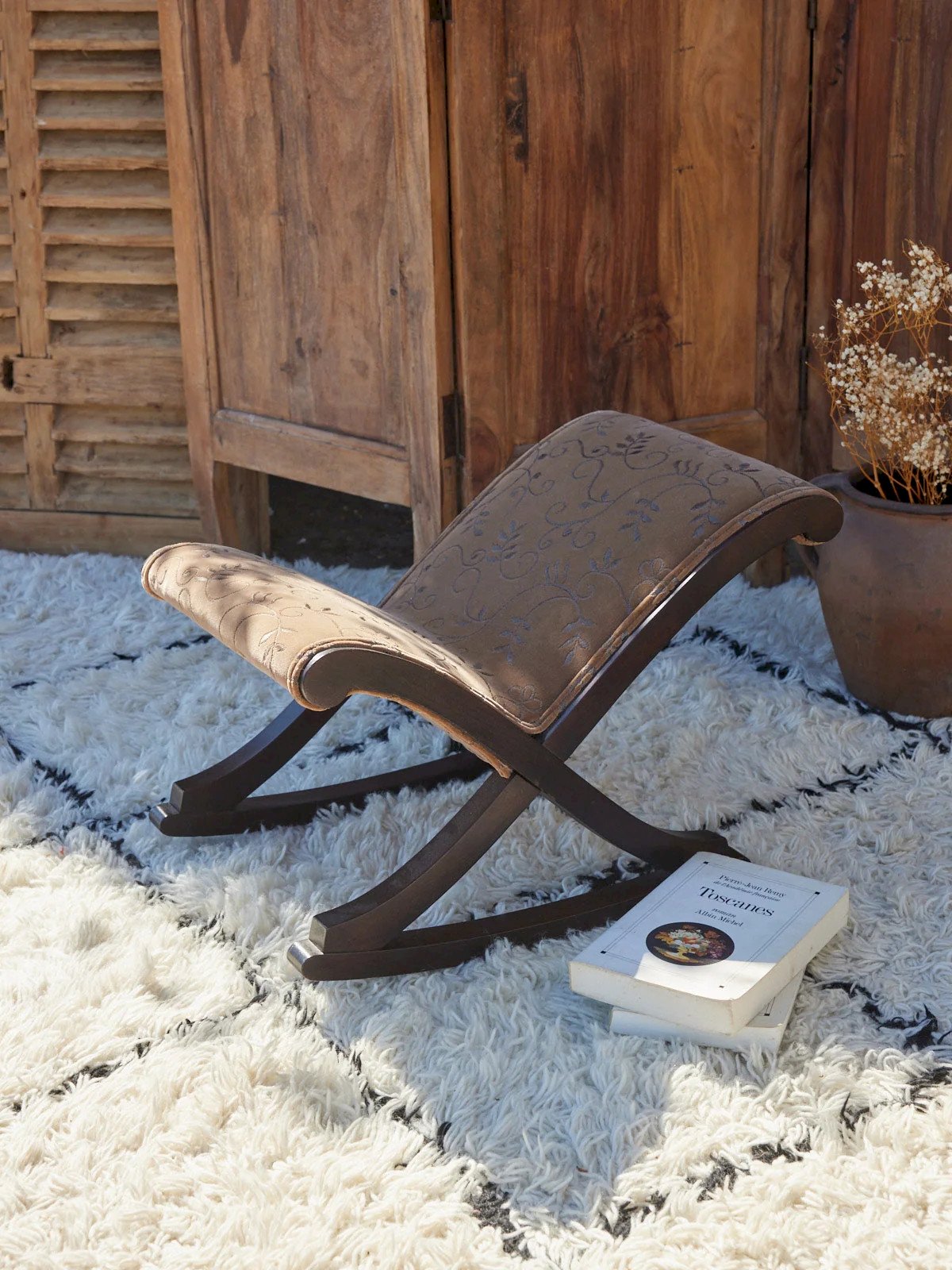
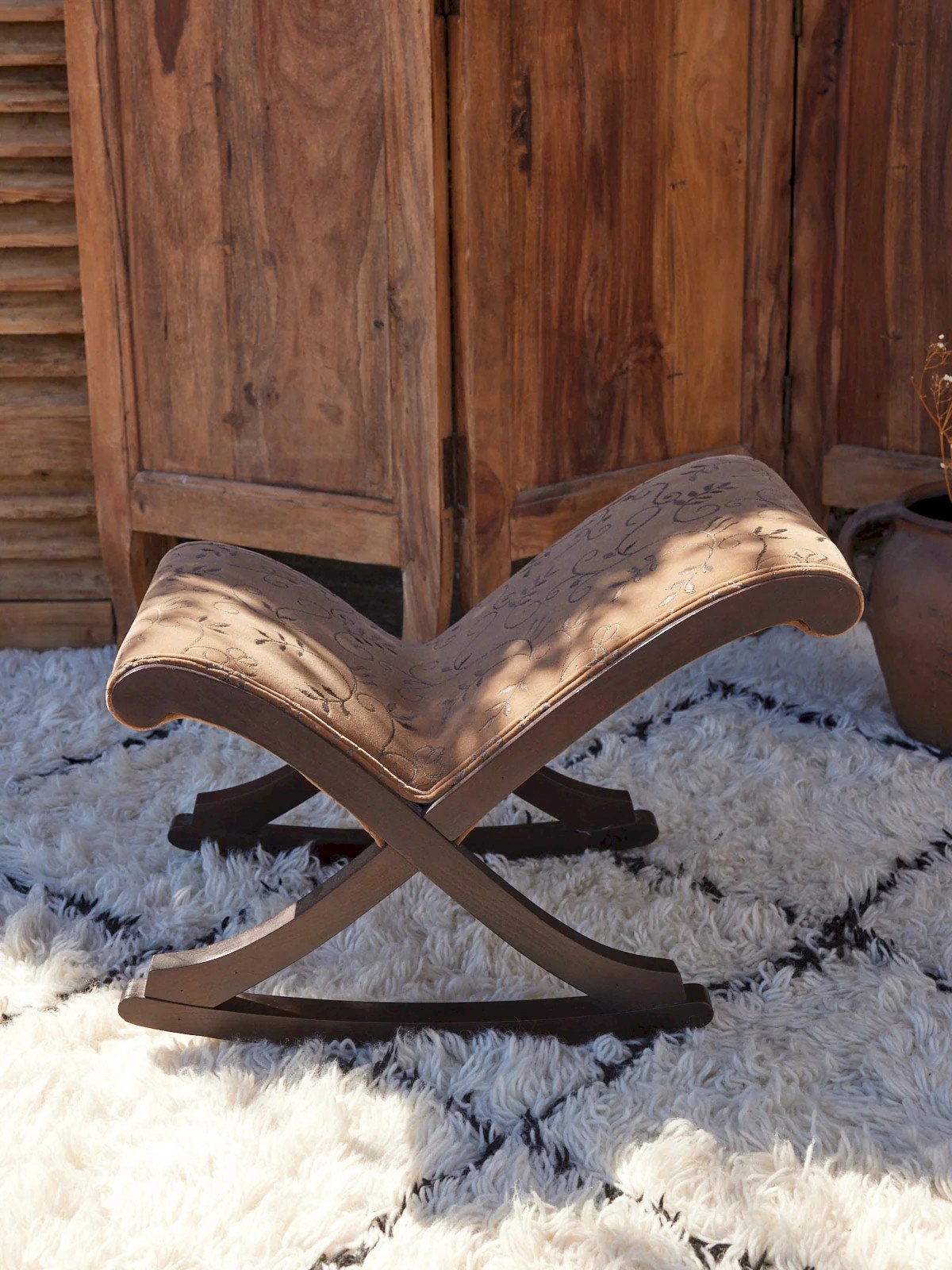
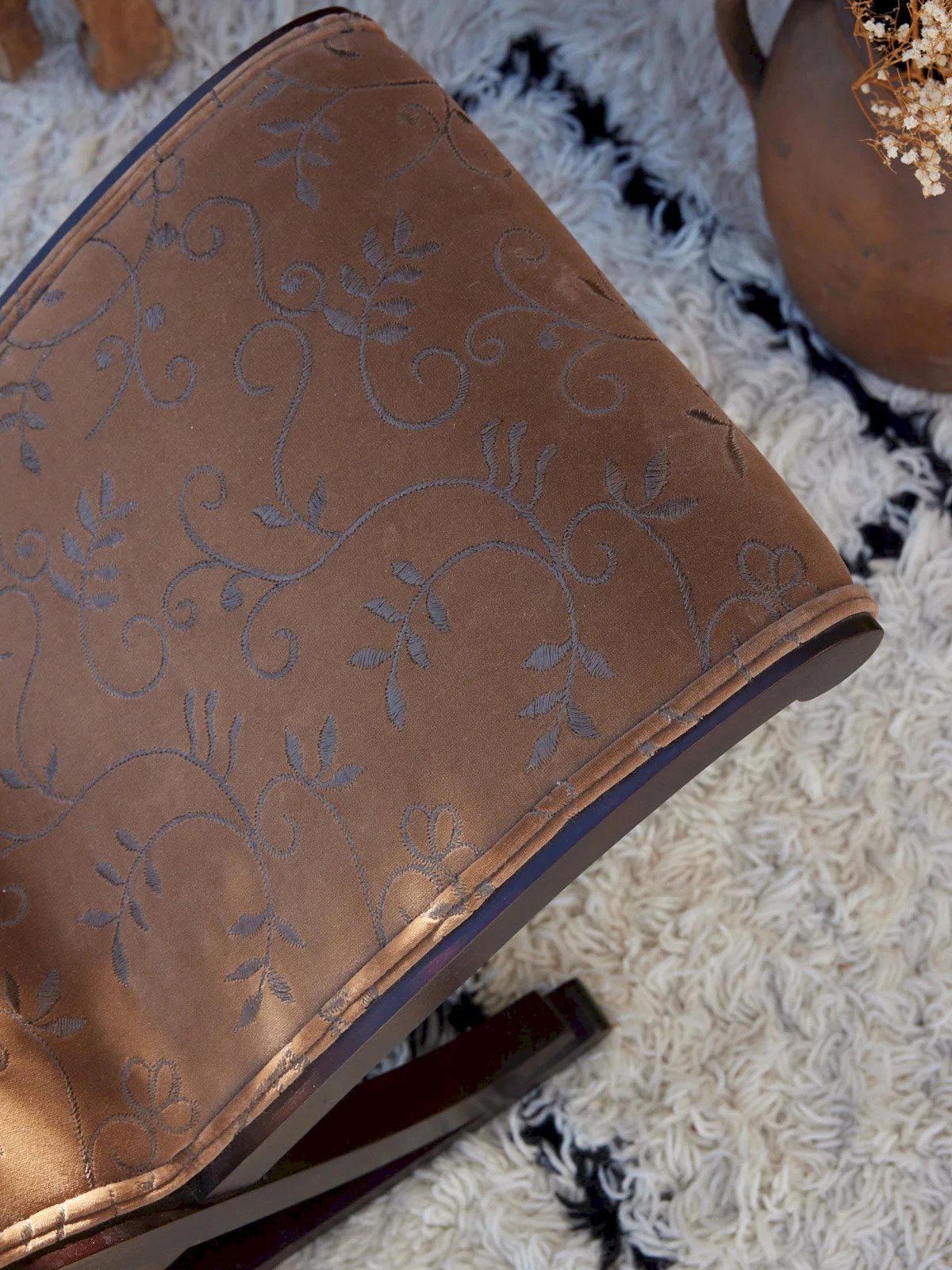
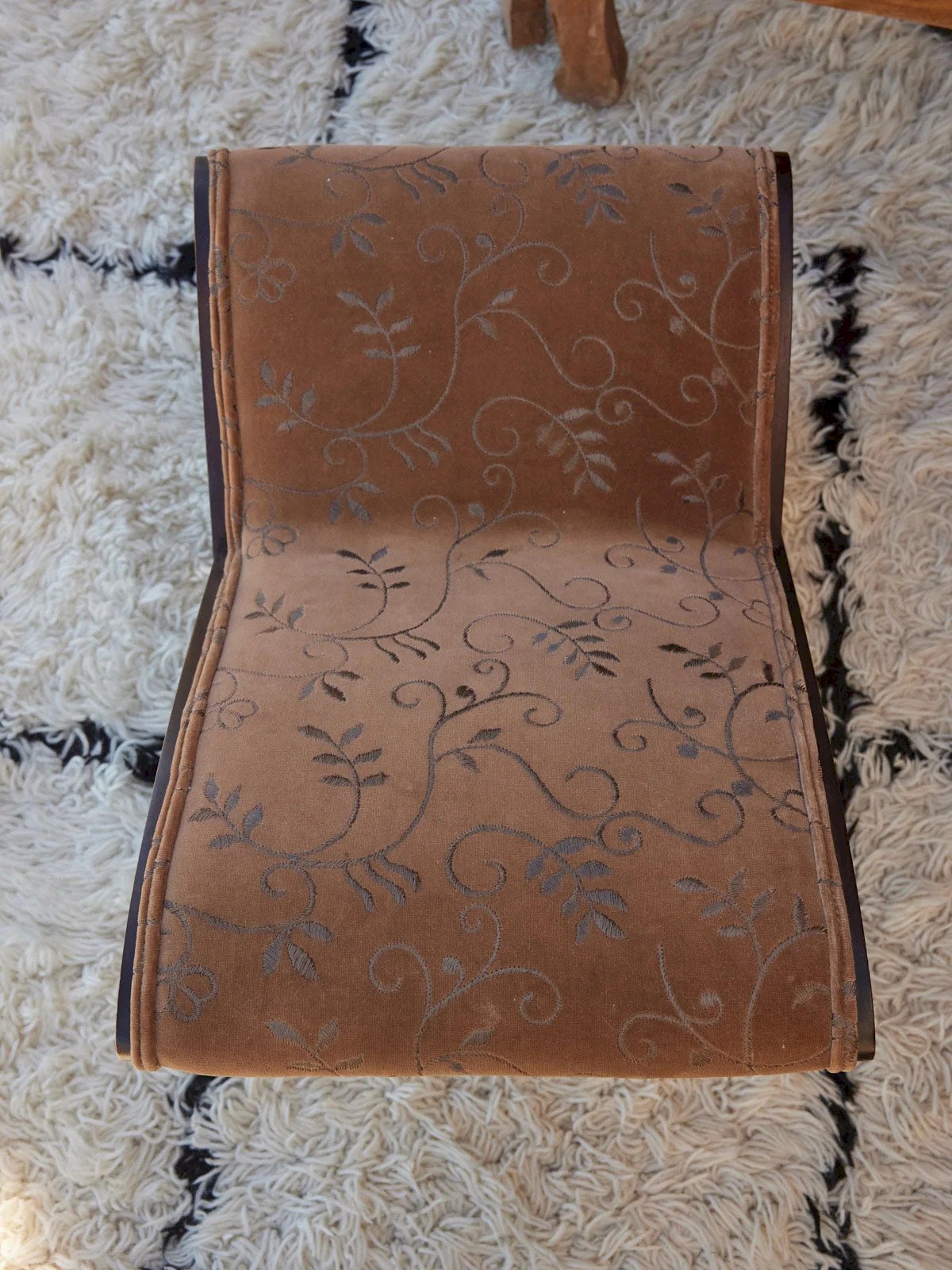
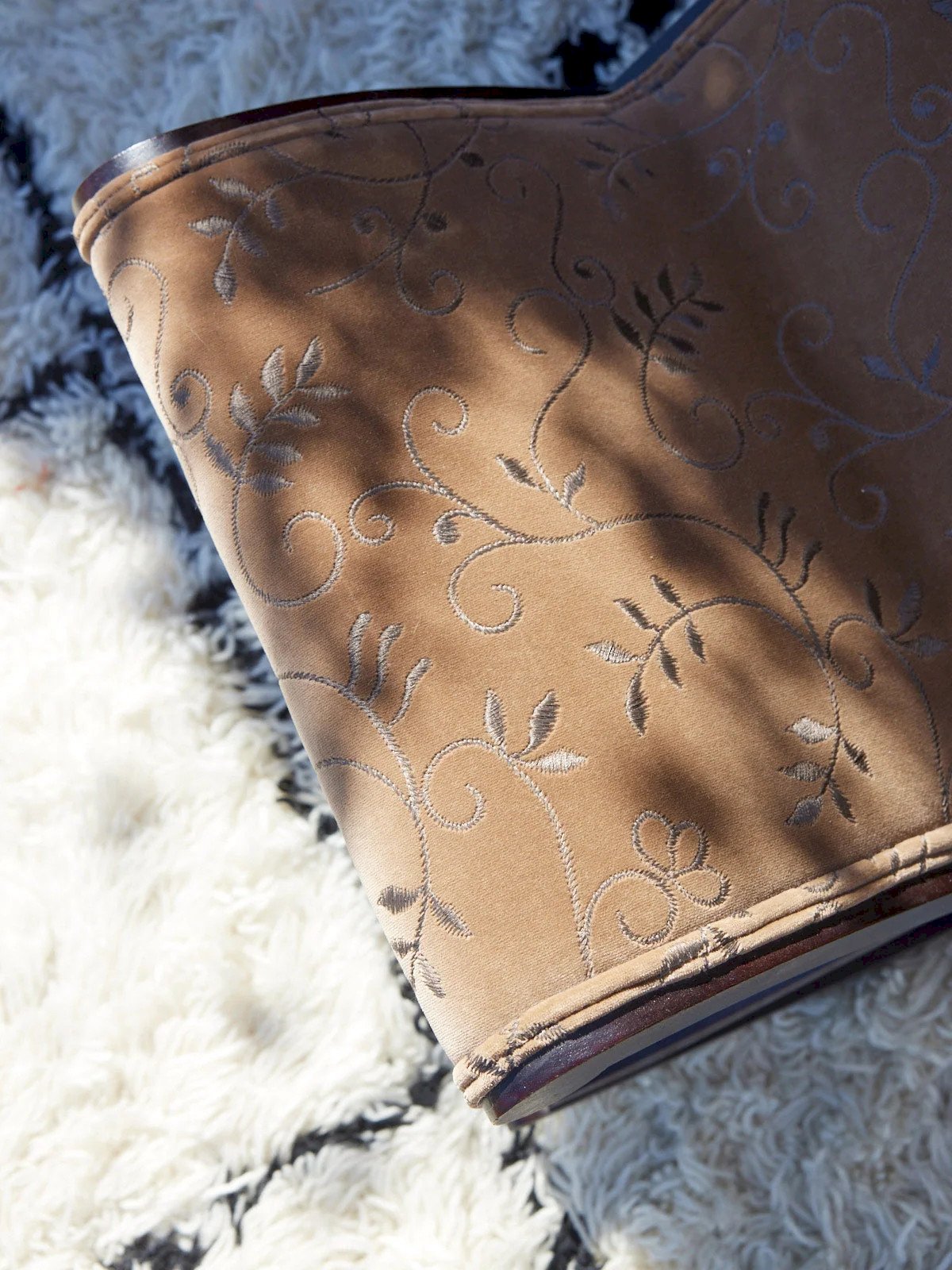
With its dark wood and stylized chocolate velvet combination, this rocking pouf adds a contemporary touch with softness. Its compact size makes it an easy footrest to place near an armchair, a sofa, or in a reading nook, perfectly complementing moments of relaxation. The contrast between the wooden structure and the velvety upholstery highlights a simple line, easy to incorporate into a modern interior as well as a more eclectic atmosphere. In a living room, it can complement a low seating area with a side table or slip under a seat to hold a tray, a book, or a blanket. Length: 55 cm Width: 36 cm Height: 37 cm A Brief History of the Pouf Emerging in the 18th century, the pouf was originally a fully padded supplementary seat, with its wooden structure entirely concealed beneath fabric and fringes. Its name, almost sonorous, evokes the softness of its padding, which allowed women to sit without wrinkling their voluminous gowns, unlike rigid-backed chairs. At its peak during the Second Empire, it was a symbol of unabashed bourgeois comfort, often adorned with luxurious trimmings that reached the floor.
Réf :
#413643
Brand / From : Debongout
Related Products
Comments
Jean-Philippe, the rocking pouf No. 103
189€
75002 Paris
Ce site contient des liens d’affiliation pour lesquels je peux recevoir une compensation.
Description
With its dark wood and stylized chocolate velvet combination, this rocking pouf adds a contemporary touch with softness. Its compact size makes it an easy footrest to place near an armchair, a sofa, or in a reading nook, perfectly complementing moments of relaxation. The contrast between the wooden structure and the velvety upholstery highlights a simple line, easy to incorporate into a modern interior as well as a more eclectic atmosphere. In a living room, it can complement a low seating area with a side table or slip under a seat to hold a tray, a book, or a blanket. Length: 55 cm Width: 36 cm Height: 37 cm A Brief History of the Pouf Emerging in the 18th century, the pouf was originally a fully padded supplementary seat, with its wooden structure entirely concealed beneath fabric and fringes. Its name, almost sonorous, evokes the softness of its padding, which allowed women to sit without wrinkling their voluminous gowns, unlike rigid-backed chairs. At its peak during the Second Empire, it was a symbol of unabashed bourgeois comfort, often adorned with luxurious trimmings that reached the floor.
Réf :
#413643
Brand / From : Debongout