 English
 Français


Description
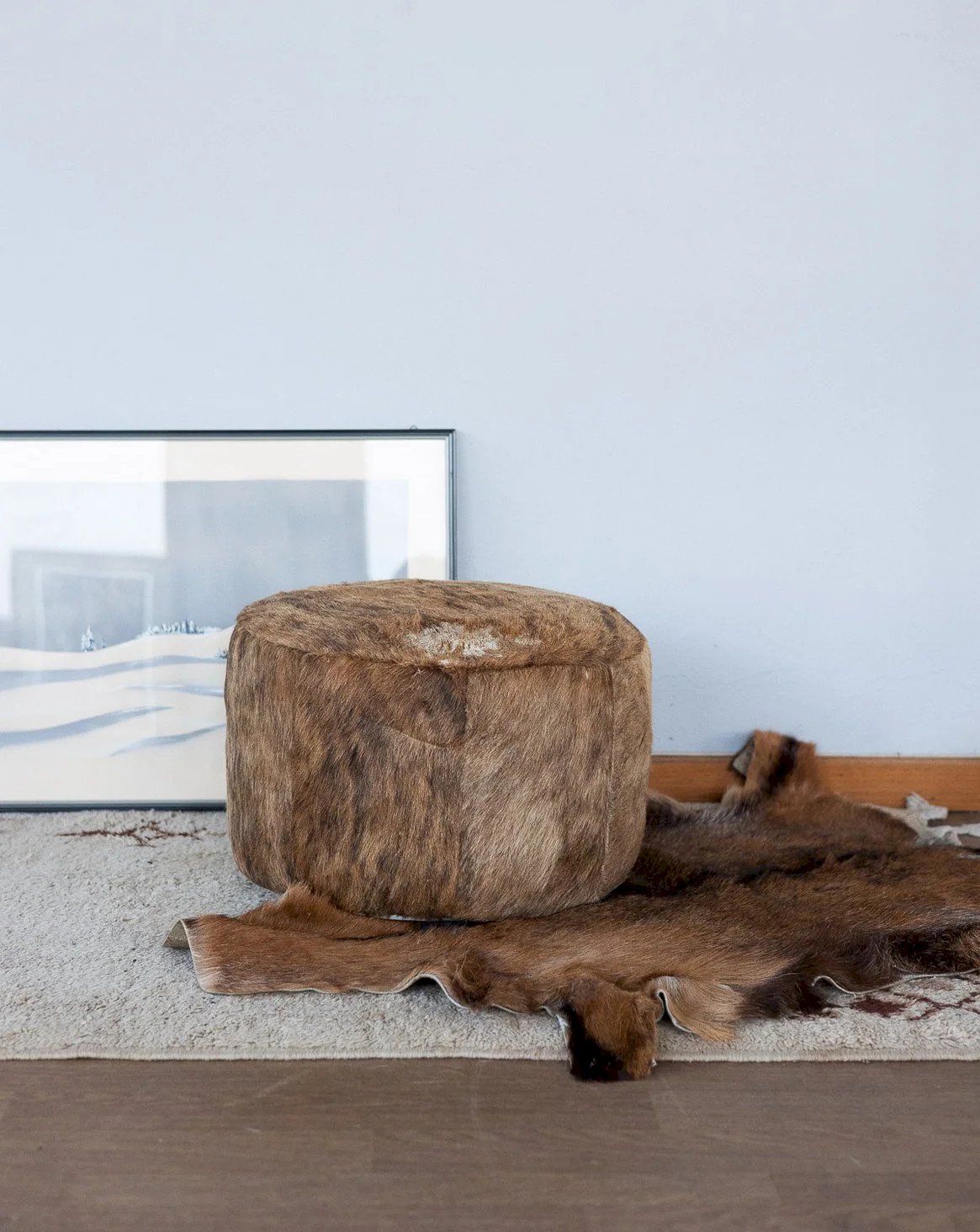
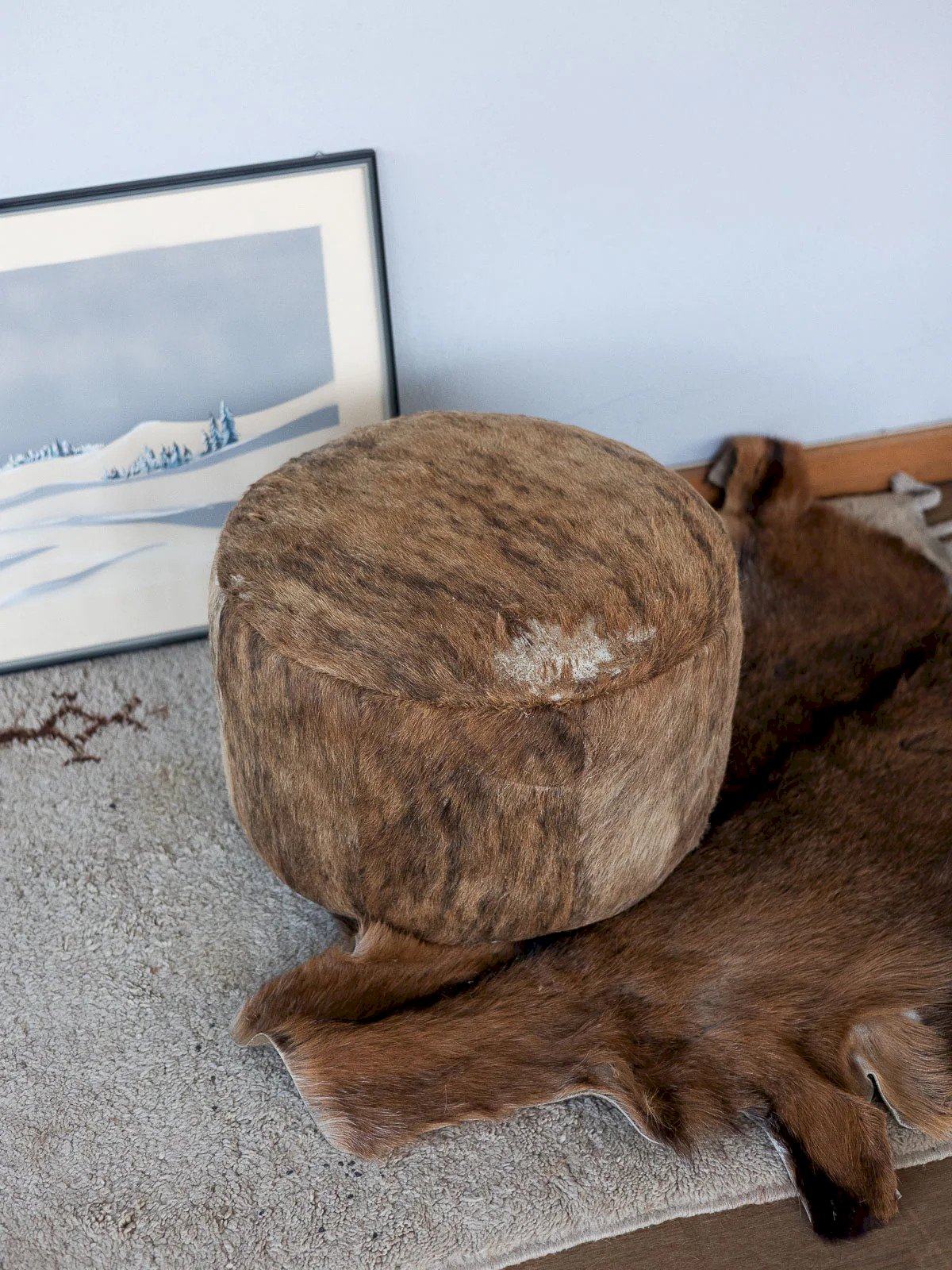
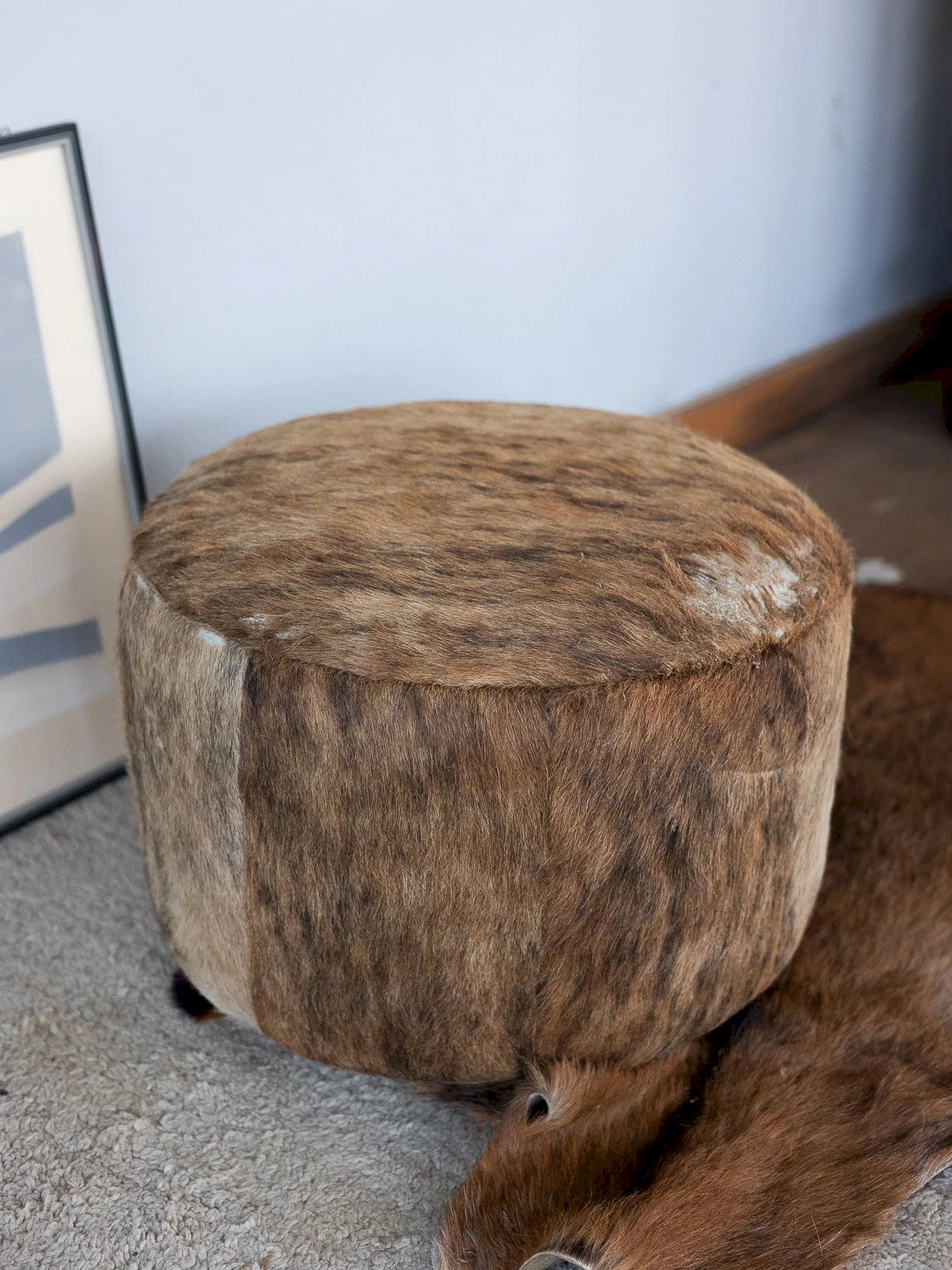
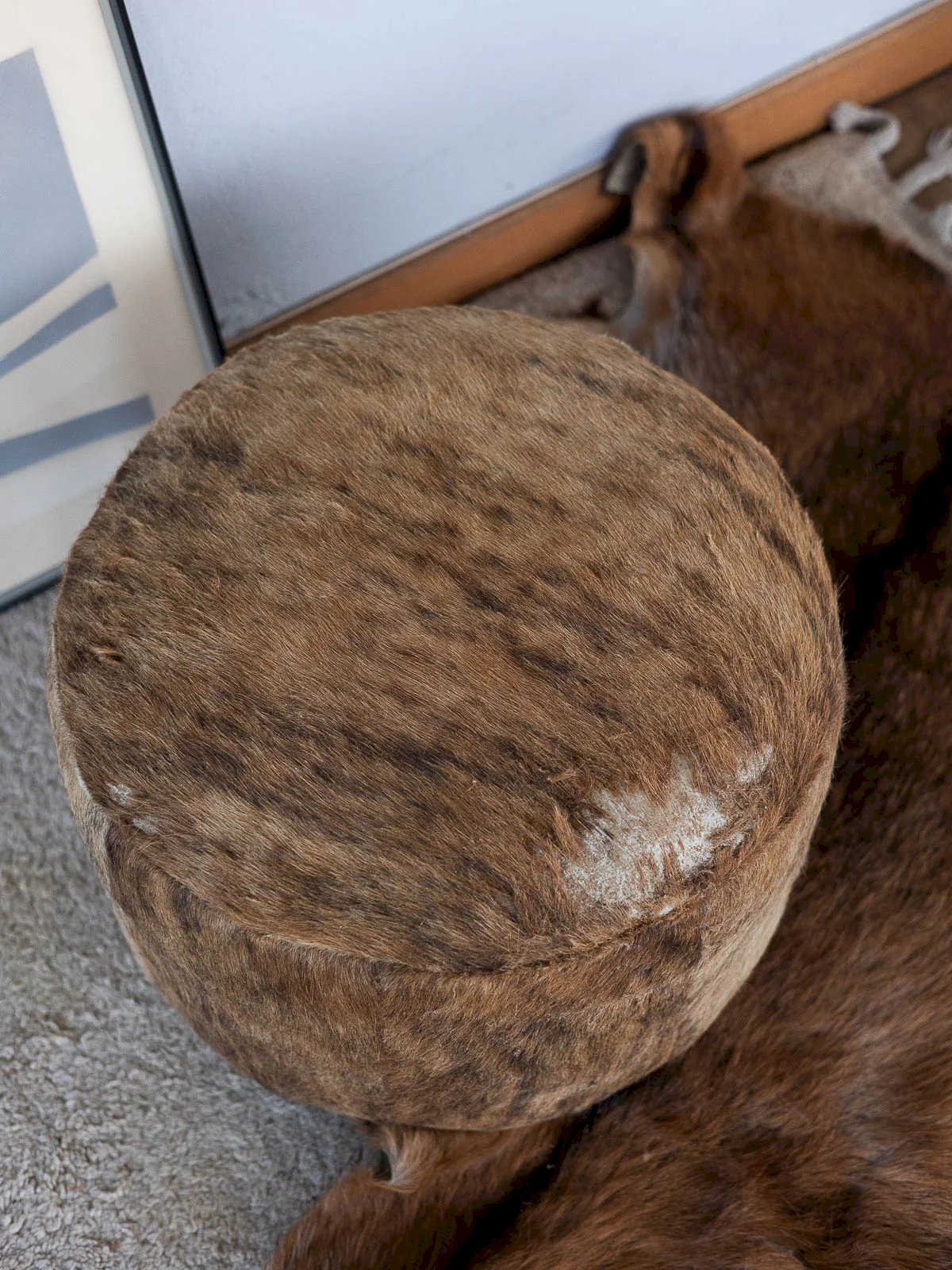
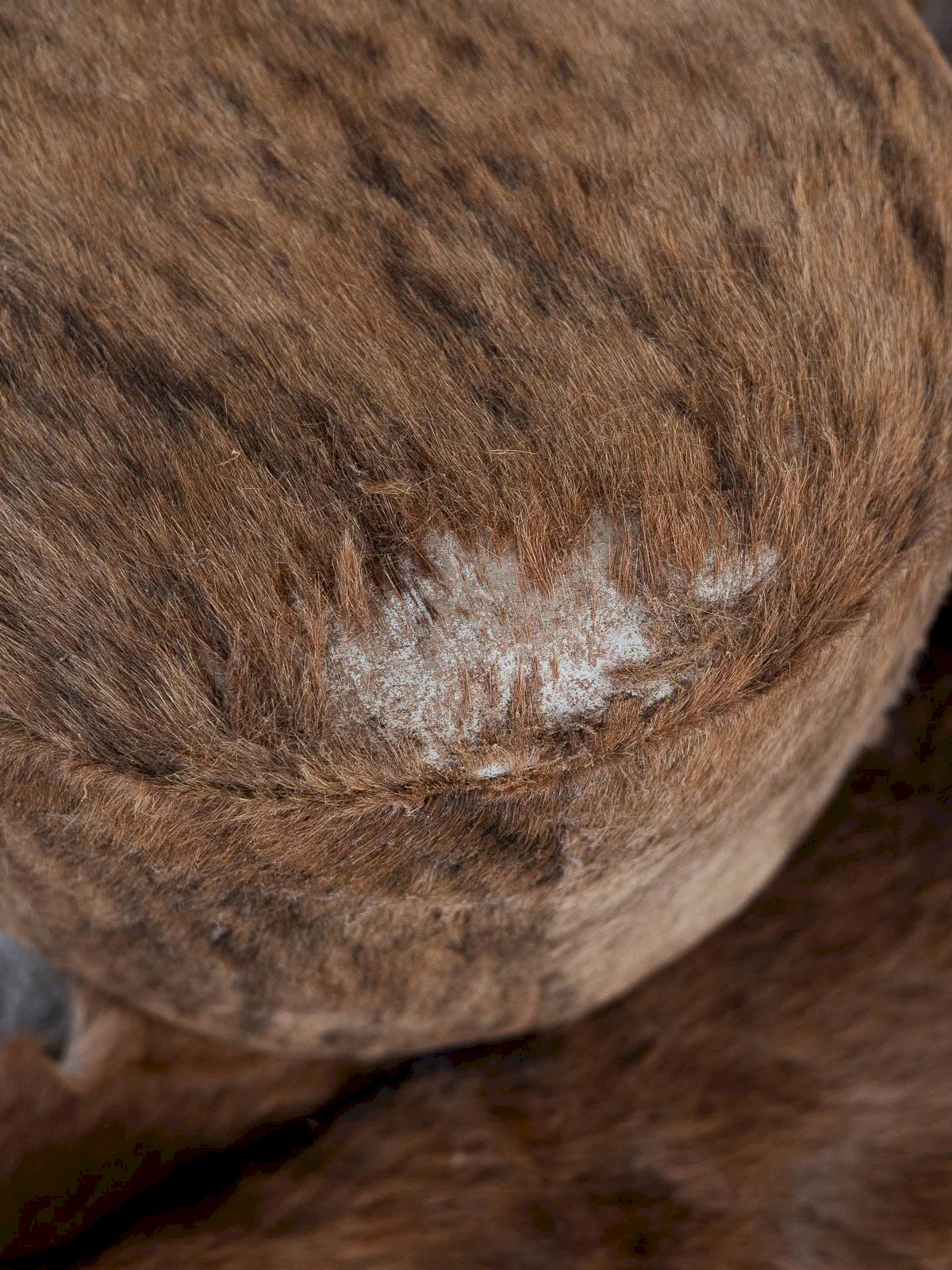
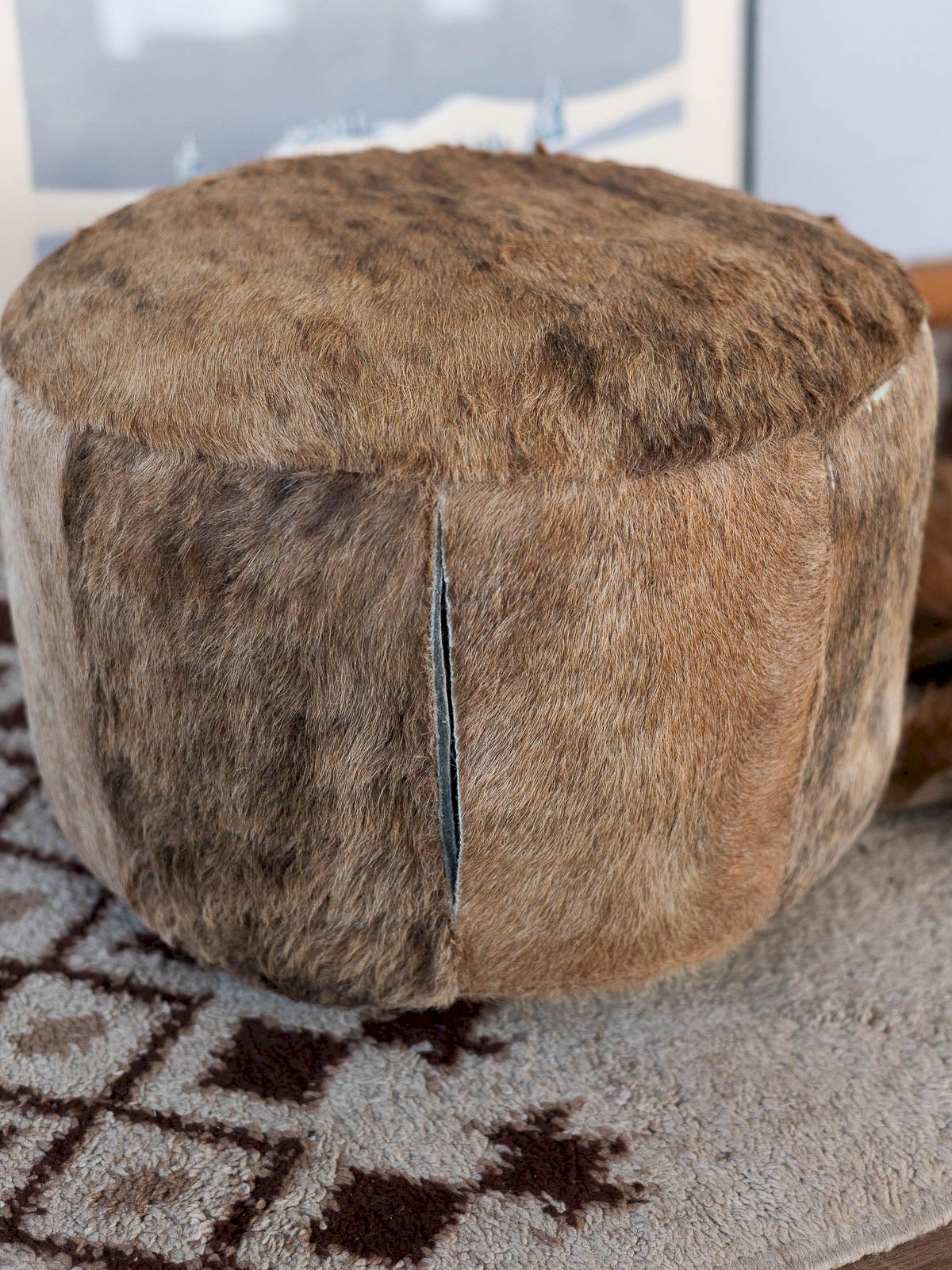
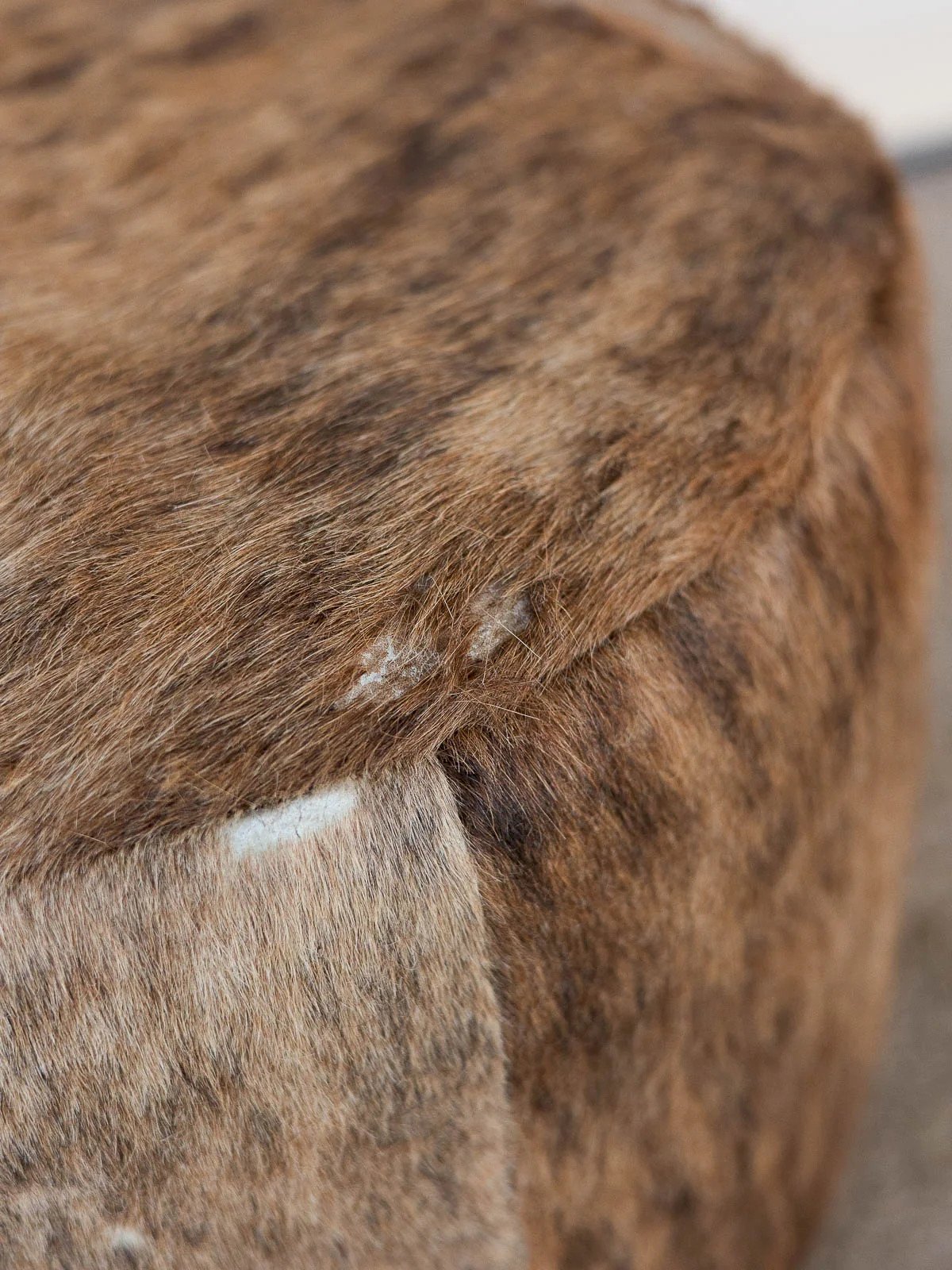
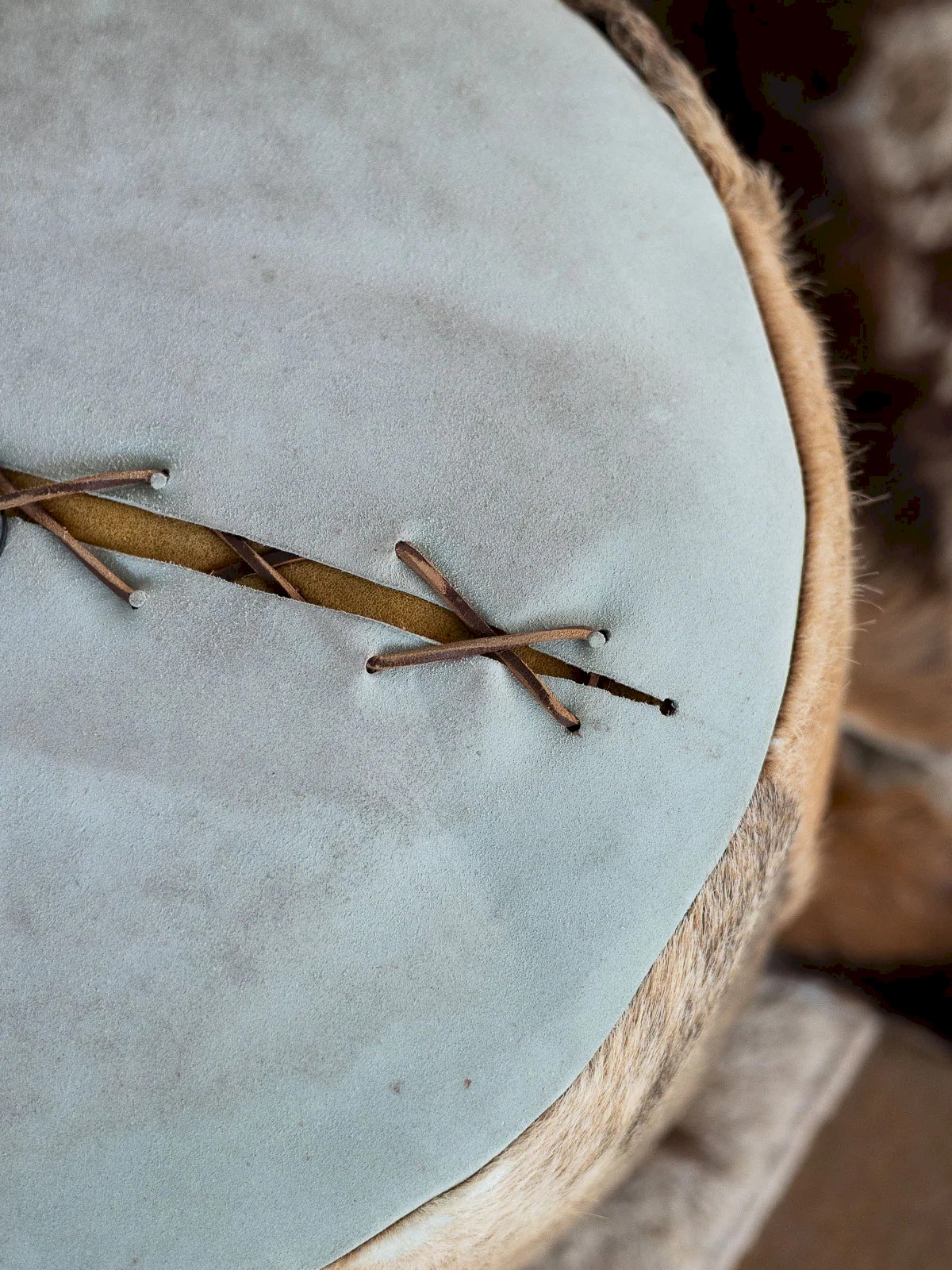
With its beige fur and contemporary look, this pouf adds a soft and warm touch to a living room or bedroom. Its low height makes it an easy-to-integrate additional seat next to an armchair, while remaining pleasant for placing a tray, a book, or a stack of magazines. The material, both soft and textured, naturally complements a linen sofa, a plain rug, or some light woods. Sourced second-hand, it can also be placed at the foot of a bed, accompanied by a lamp on a bedside table and a folded throw. Height: 31 cm Diameter: 46 cm A Brief History of the Pouf First appearing in the 18th century, the pouf was originally a fully upholstered supplementary seat, with its wooden structure completely hidden beneath fabric and fringes. Its almost sonorous name evokes the softness of its stuffing, which allowed ladies to sit without wrinkling their voluminous dresses, unlike rigid-backed chairs. At its peak during the Second Empire, it was a symbol of unashamed bourgeois comfort, often adorned with luxurious trimmings that touched the floor.
Réf :
#414588
Brand / From : Debongout
Color(s) : Multicolored
Material : Skin
Related Products
Comments
Jean-Philippe, the beige fur pouf N°117
339€
75002 Paris
Ce site contient des liens d’affiliation pour lesquels je peux recevoir une compensation.
Description
With its beige fur and contemporary look, this pouf adds a soft and warm touch to a living room or bedroom. Its low height makes it an easy-to-integrate additional seat next to an armchair, while remaining pleasant for placing a tray, a book, or a stack of magazines. The material, both soft and textured, naturally complements a linen sofa, a plain rug, or some light woods. Sourced second-hand, it can also be placed at the foot of a bed, accompanied by a lamp on a bedside table and a folded throw. Height: 31 cm Diameter: 46 cm A Brief History of the Pouf First appearing in the 18th century, the pouf was originally a fully upholstered supplementary seat, with its wooden structure completely hidden beneath fabric and fringes. Its almost sonorous name evokes the softness of its stuffing, which allowed ladies to sit without wrinkling their voluminous dresses, unlike rigid-backed chairs. At its peak during the Second Empire, it was a symbol of unashamed bourgeois comfort, often adorned with luxurious trimmings that touched the floor.
Réf :
#414588
Brand / From : Debongout
Color(s) : Multicolored
Material : Skin