 English
 Français


Description
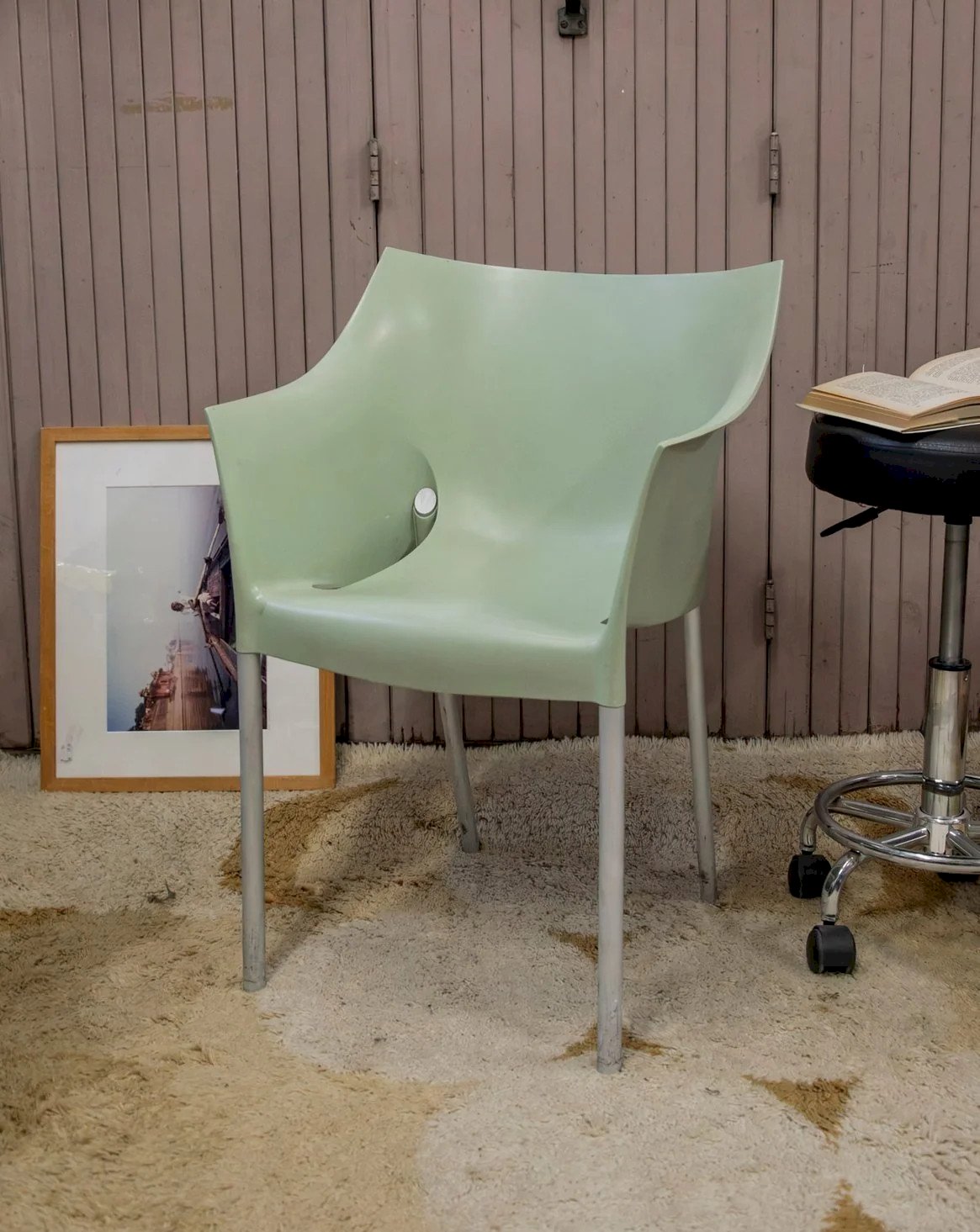
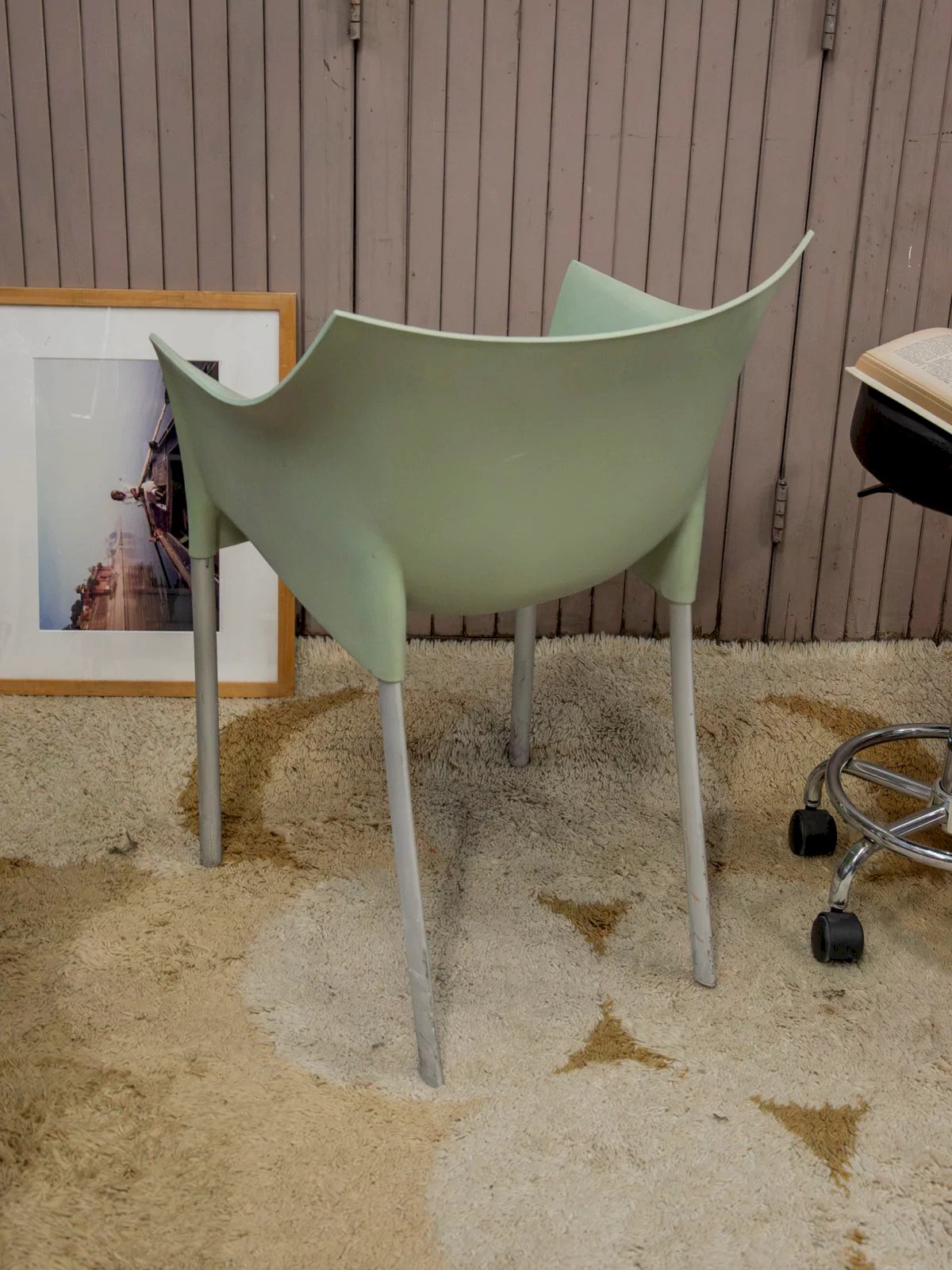
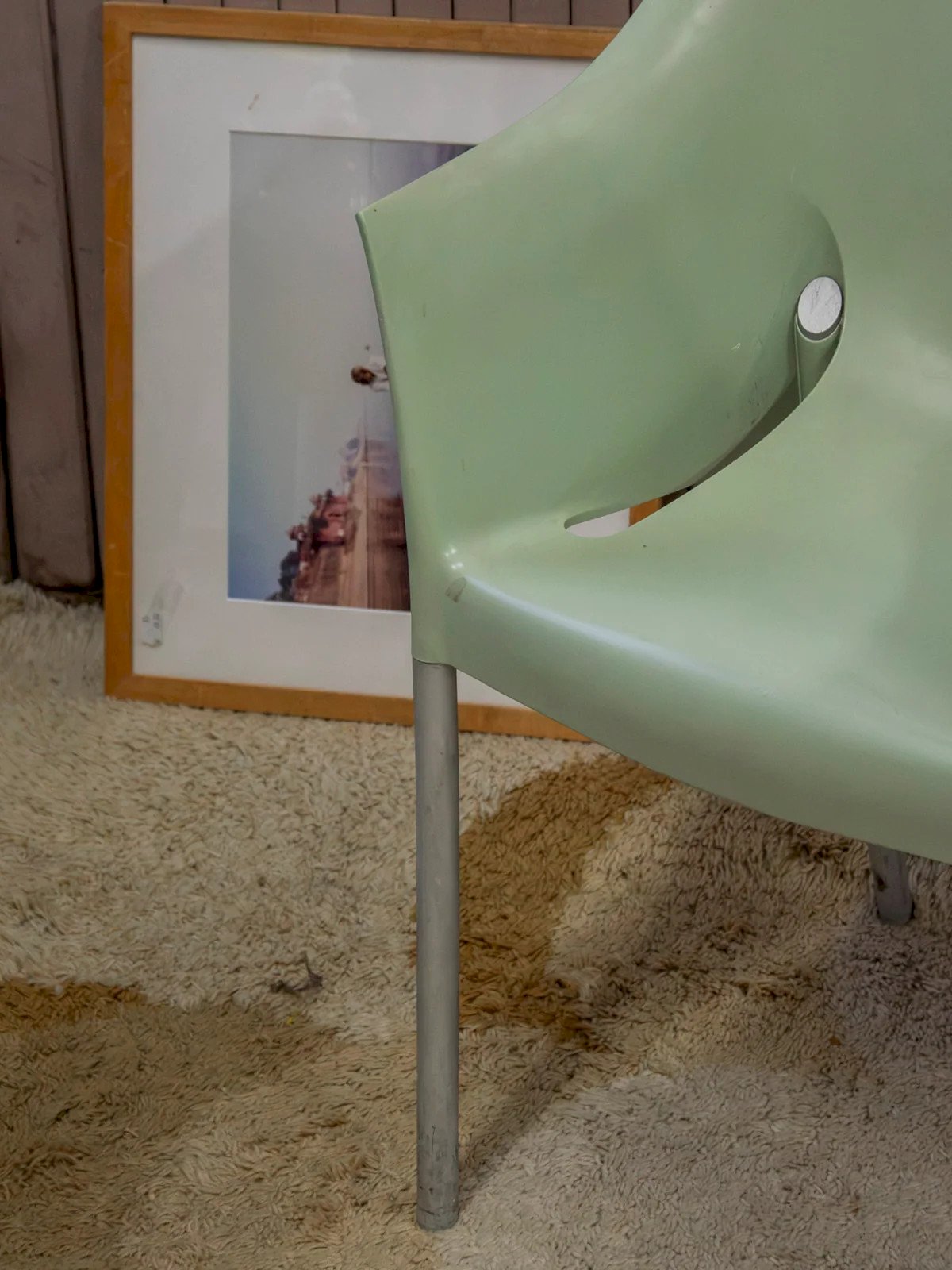
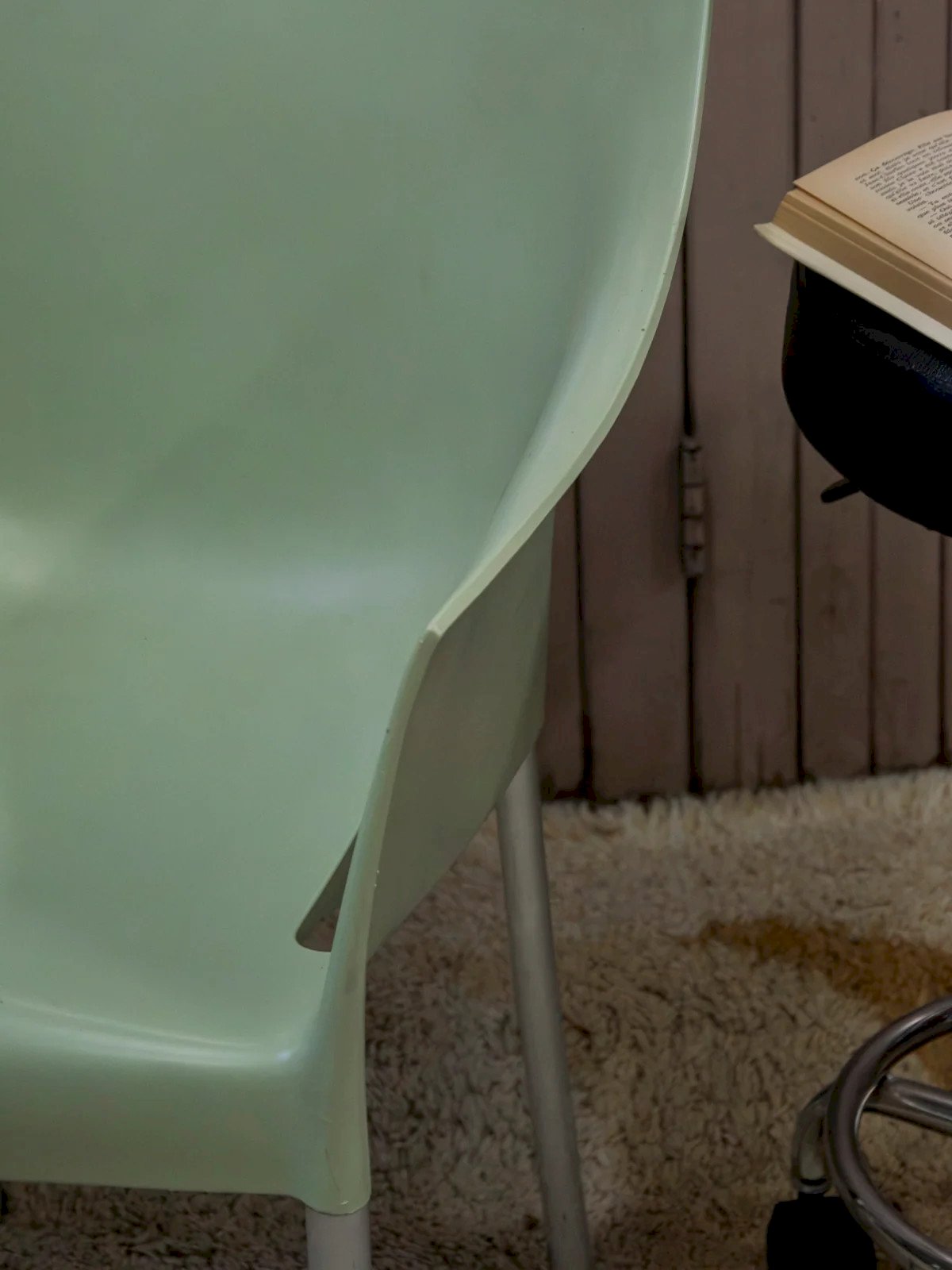
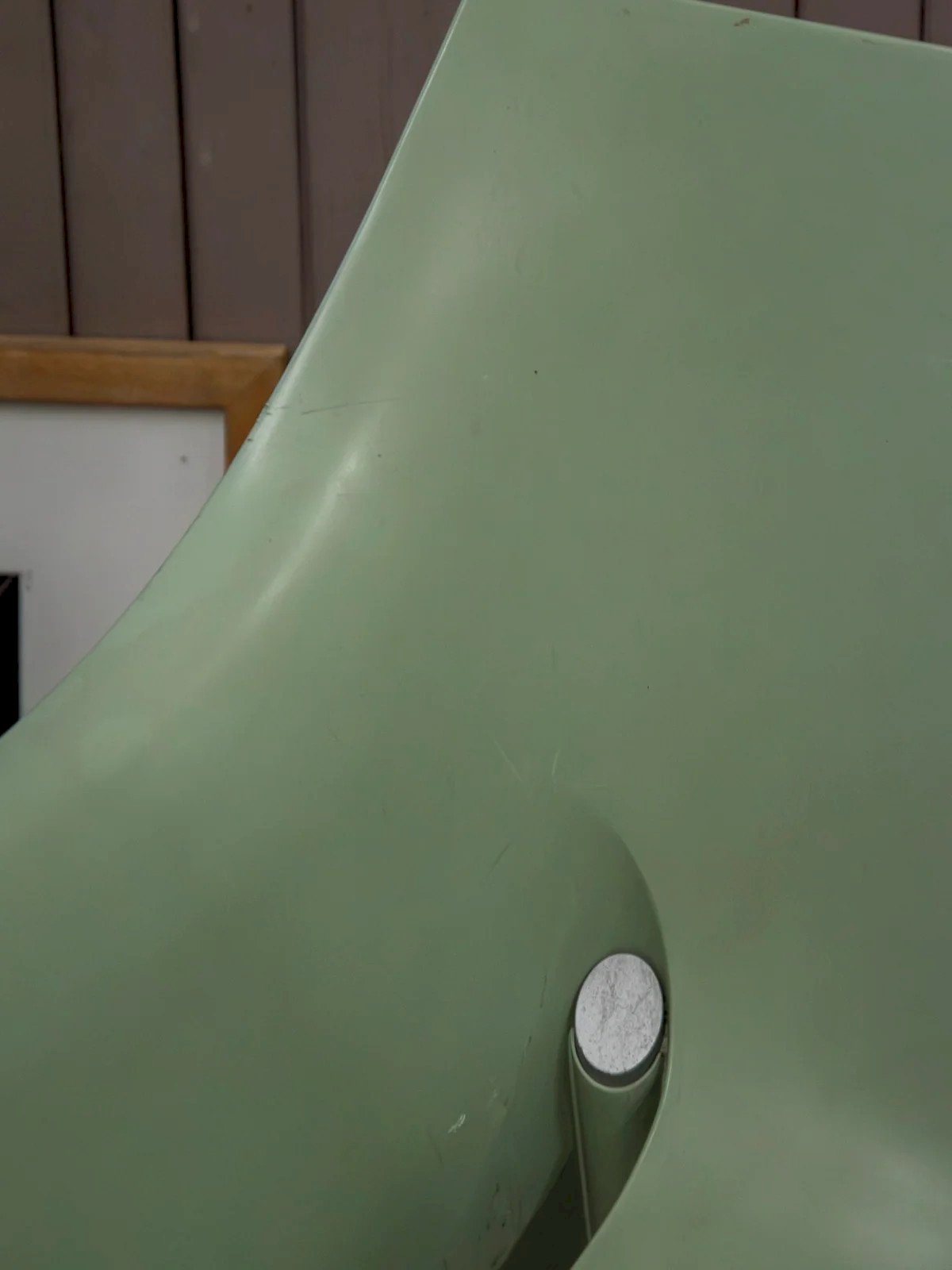
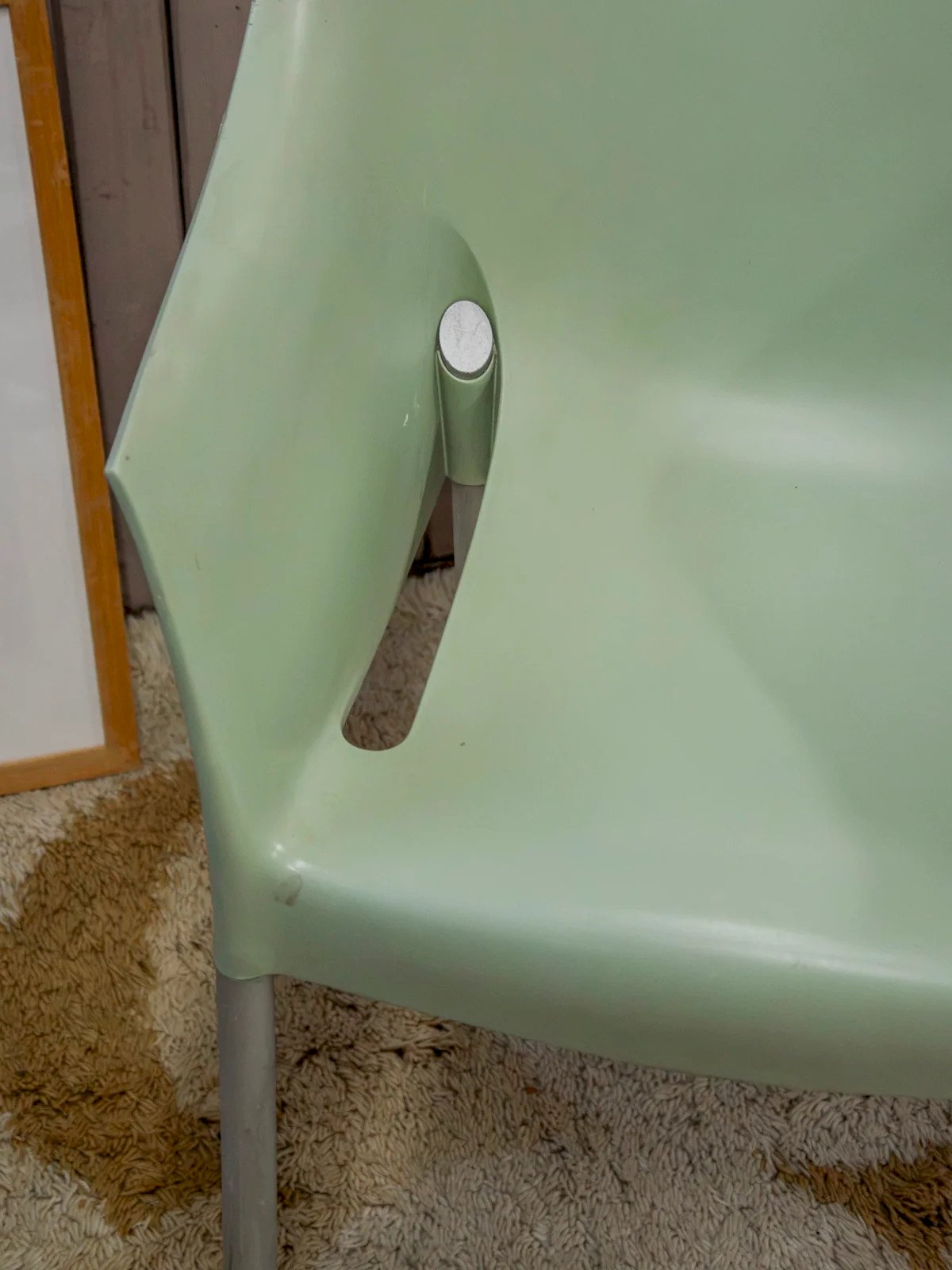
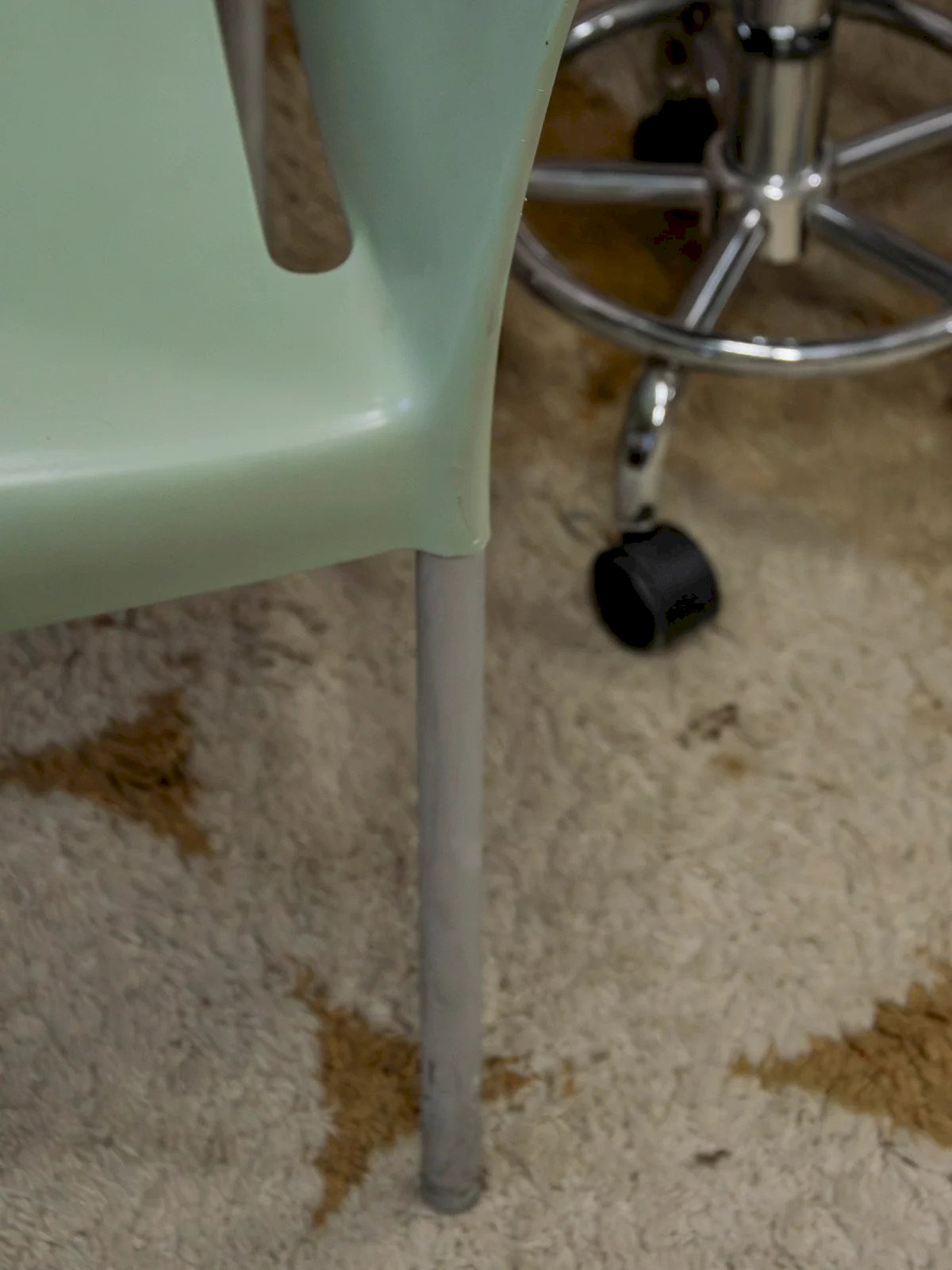
With its green hue and contemporary line, this second-hand plastic armchair adds a graphic touch to a living room. The seat, positioned at a good height, invites you to settle down to read, converse, or simply take a break, while the backrest supports the back perfectly. Its measured depth and well-proportioned seat provide a comfortable seating experience without obstructing passage. Its proportions allow it to fit well near a desk or around a lightweight table without overwhelming the space. The plastic, simple and sleek, pairs well with light wood, black metal, or a textile piece in muted tones. In an office, it complements a light wood desk and an articulated lamp, serving as a seat dedicated to work hours. Width: 54 cm Depth: 46 cm Height: 82 cm Seat height: 46 cm Seat width: 38 cm Seat depth: 37 cm A brief history of the armchair If the chair is made for work or meals, the armchair was born in the 17th century for one sole mission: rest. Its name derives from the old French "faudesteuil," a folding seat for dignitaries, but it gained independence under Louis XV to become a comfort piece equipped with armrests. Unlike the chair, it favors a wider seat and an inclined backrest, inviting conversation rather than a rigid posture. Whether it’s a "bergère" with plush cheeks to shield from drafts or a lighter "bridge" armchair, it embodies the evolution of the art of living.
Réf :
#414781
Brand / From : Debongout
Related Products


Comments
Jakob, the contemporary green armchair No. 1496
159€
75002 Paris
Ce site contient des liens d’affiliation pour lesquels je peux recevoir une compensation.
Description
With its green hue and contemporary line, this second-hand plastic armchair adds a graphic touch to a living room. The seat, positioned at a good height, invites you to settle down to read, converse, or simply take a break, while the backrest supports the back perfectly. Its measured depth and well-proportioned seat provide a comfortable seating experience without obstructing passage. Its proportions allow it to fit well near a desk or around a lightweight table without overwhelming the space. The plastic, simple and sleek, pairs well with light wood, black metal, or a textile piece in muted tones. In an office, it complements a light wood desk and an articulated lamp, serving as a seat dedicated to work hours. Width: 54 cm Depth: 46 cm Height: 82 cm Seat height: 46 cm Seat width: 38 cm Seat depth: 37 cm A brief history of the armchair If the chair is made for work or meals, the armchair was born in the 17th century for one sole mission: rest. Its name derives from the old French "faudesteuil," a folding seat for dignitaries, but it gained independence under Louis XV to become a comfort piece equipped with armrests. Unlike the chair, it favors a wider seat and an inclined backrest, inviting conversation rather than a rigid posture. Whether it’s a "bergère" with plush cheeks to shield from drafts or a lighter "bridge" armchair, it embodies the evolution of the art of living.
Réf :
#414781
Brand / From : Debongout