 English
 Français


Description
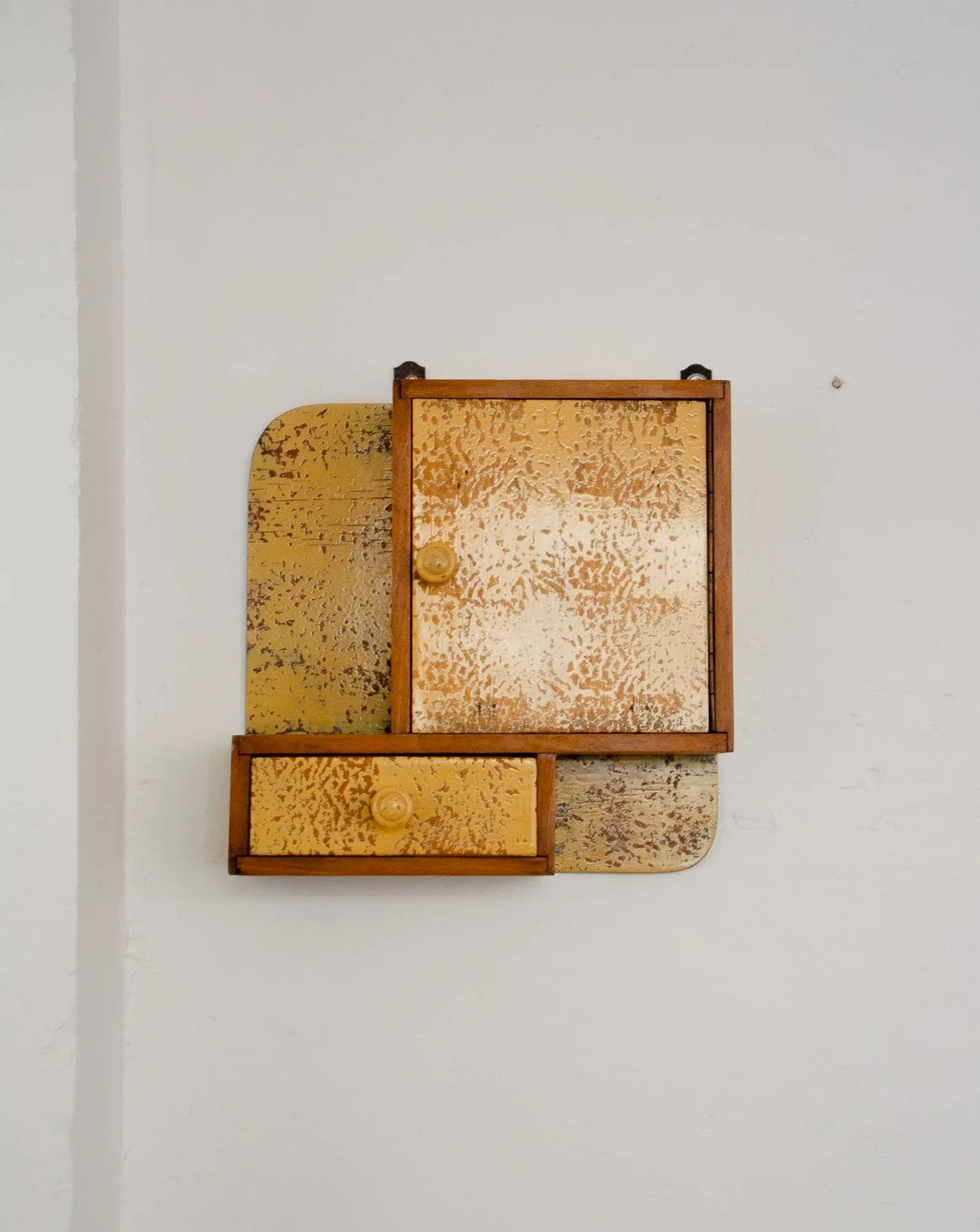
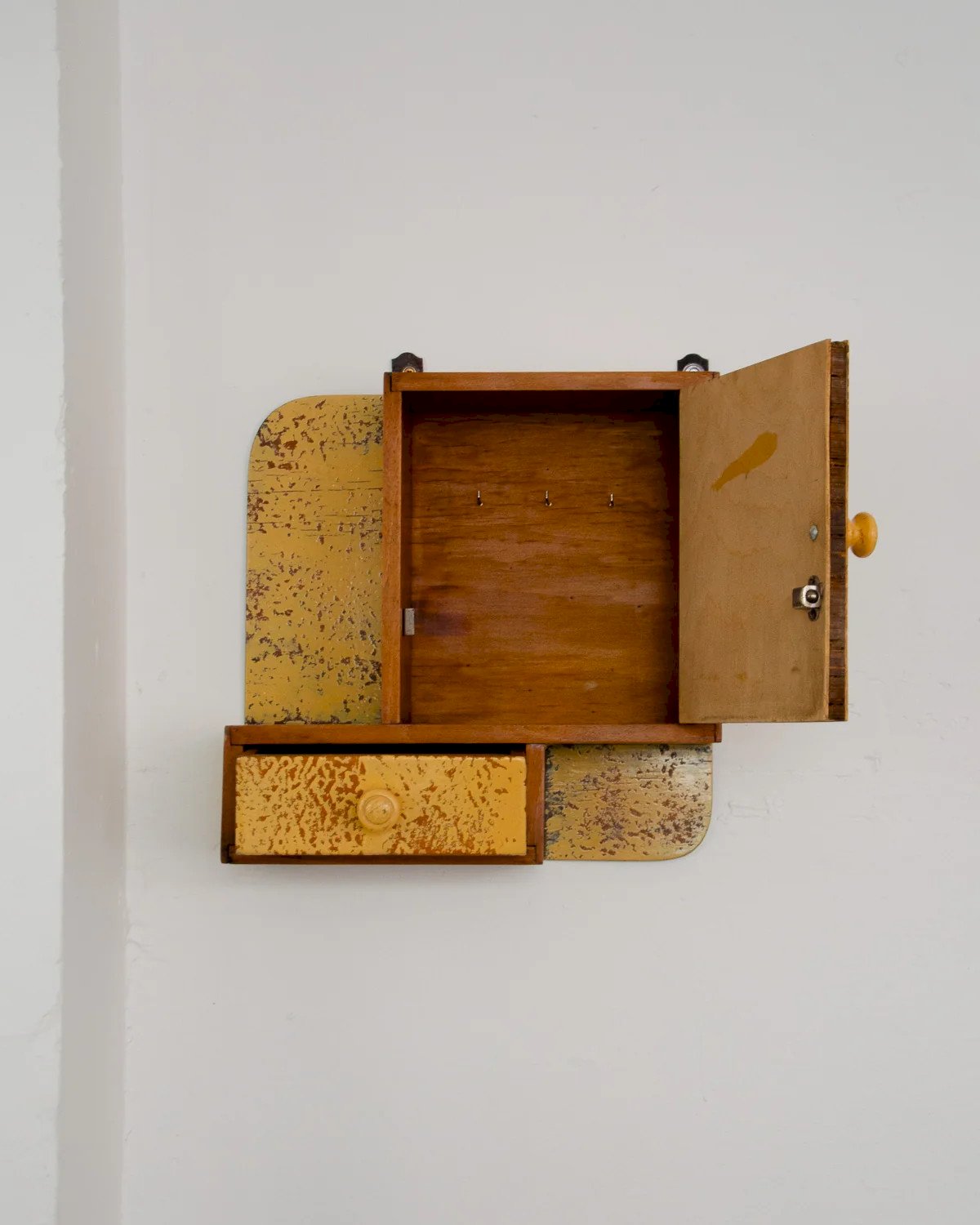
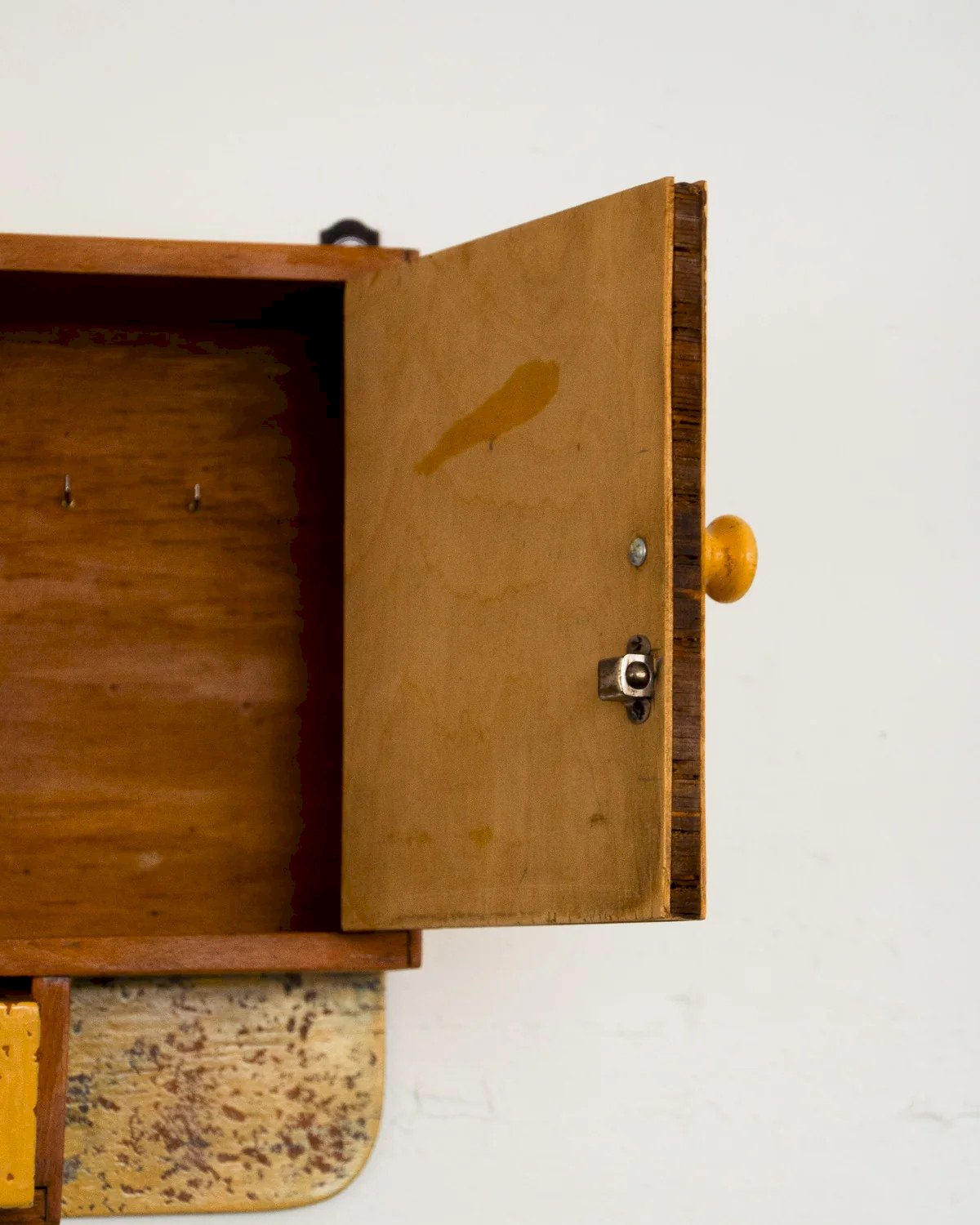
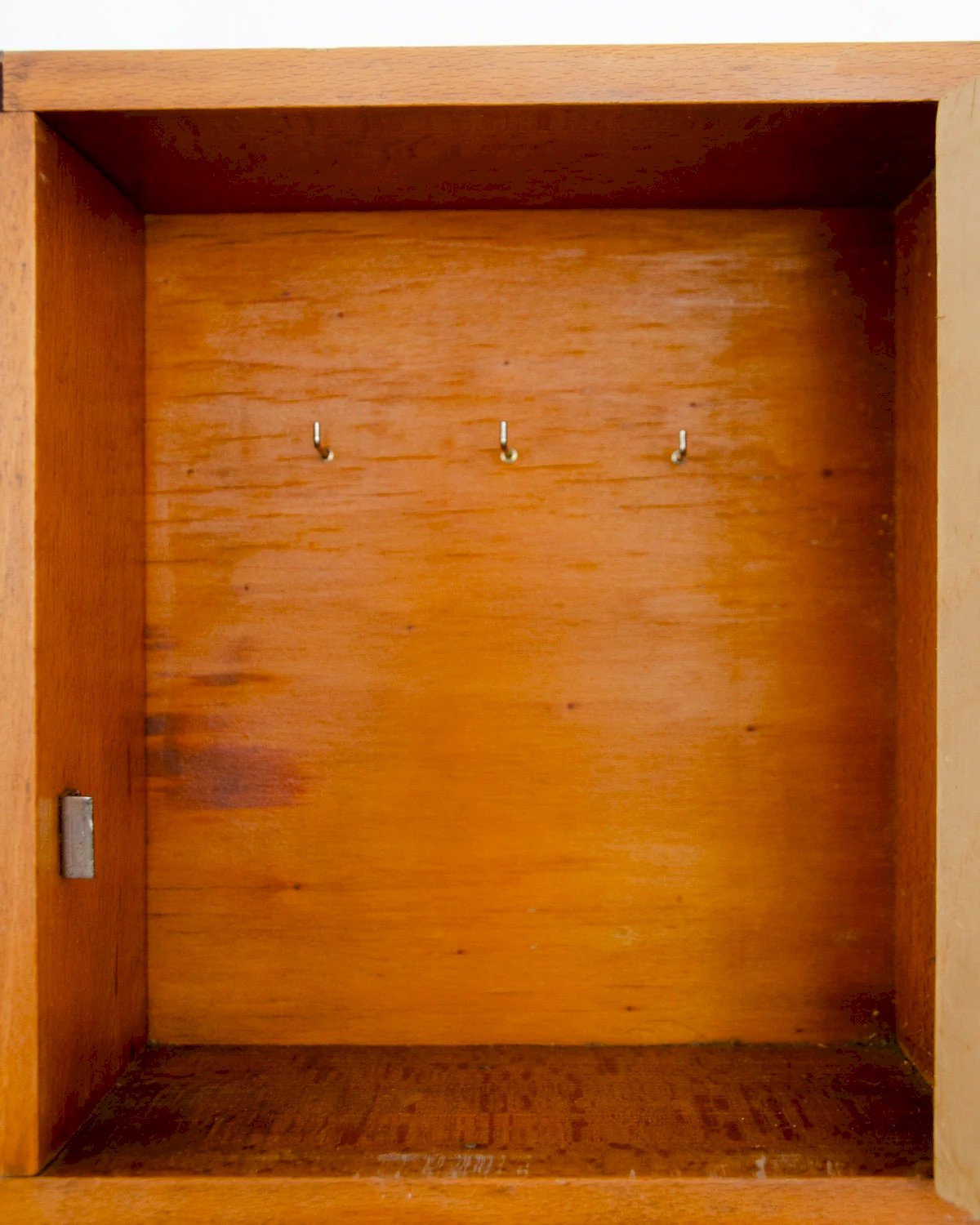
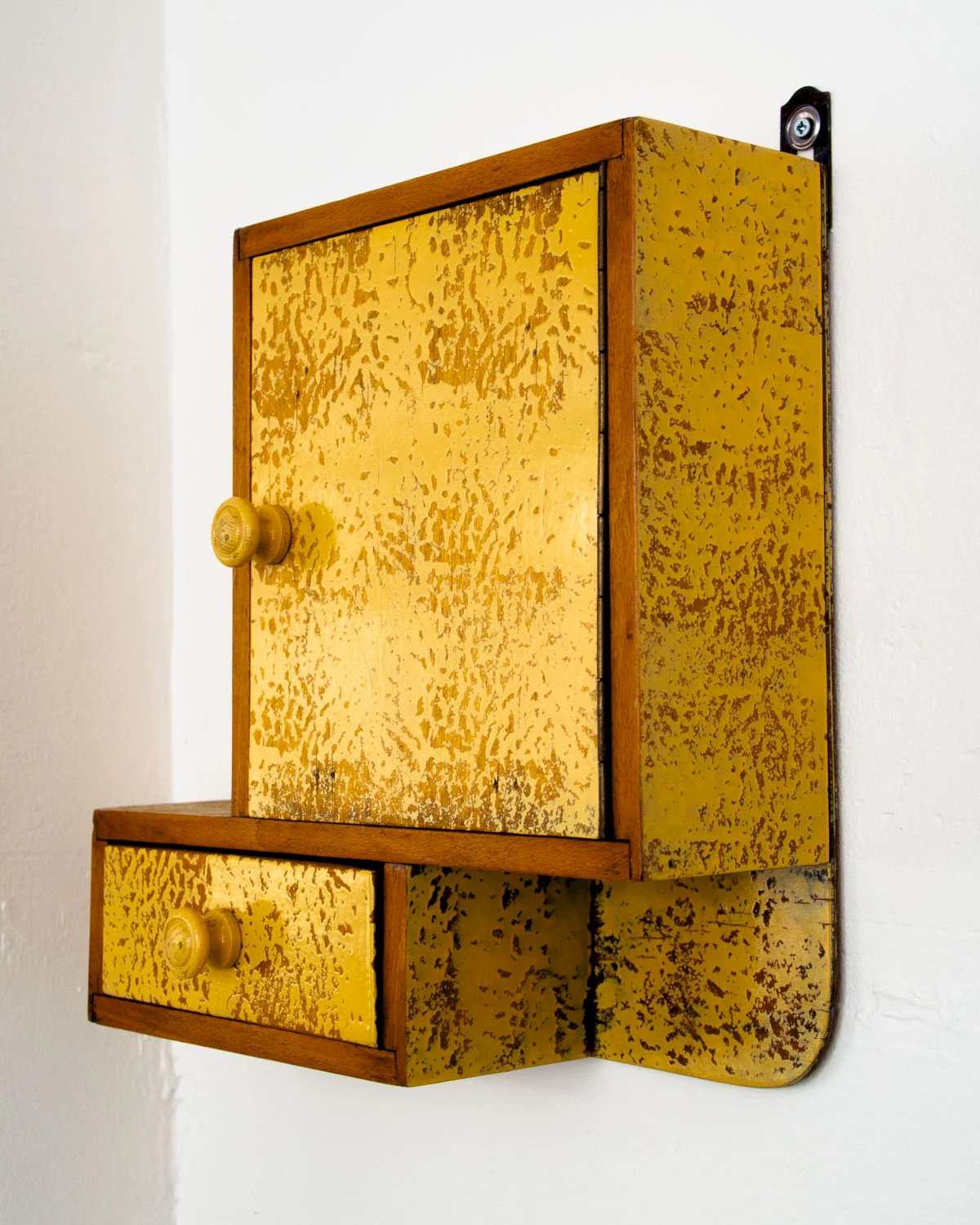
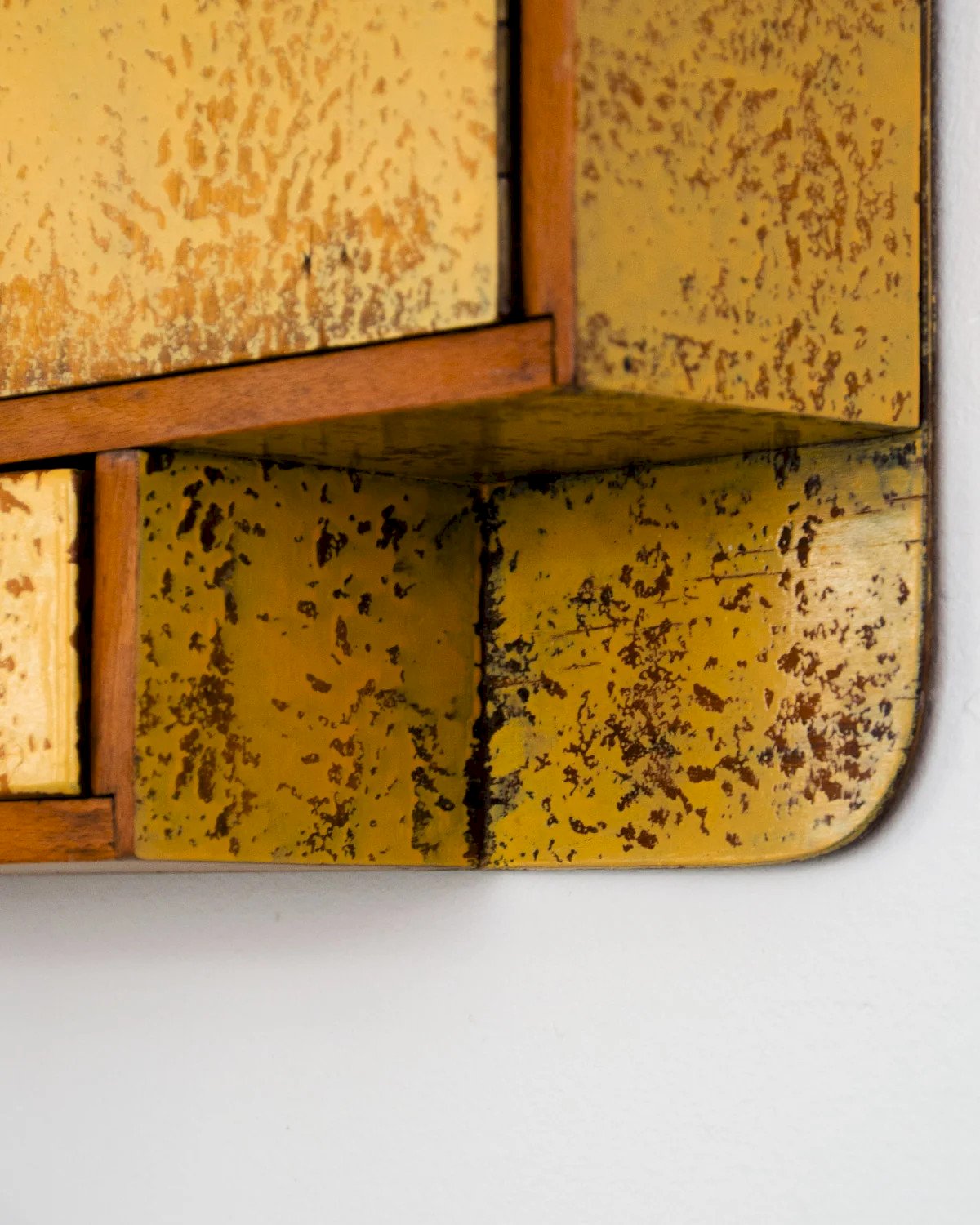
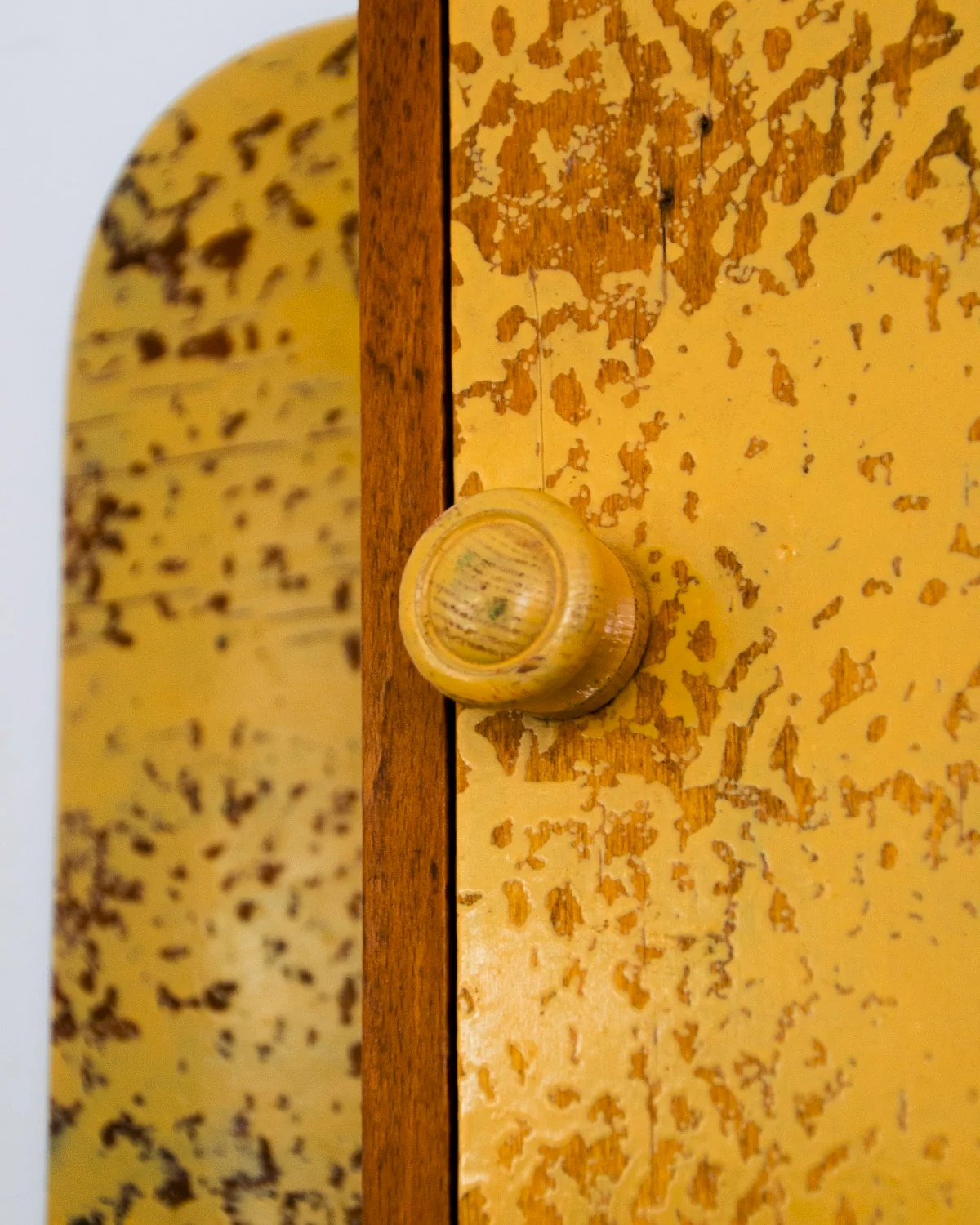
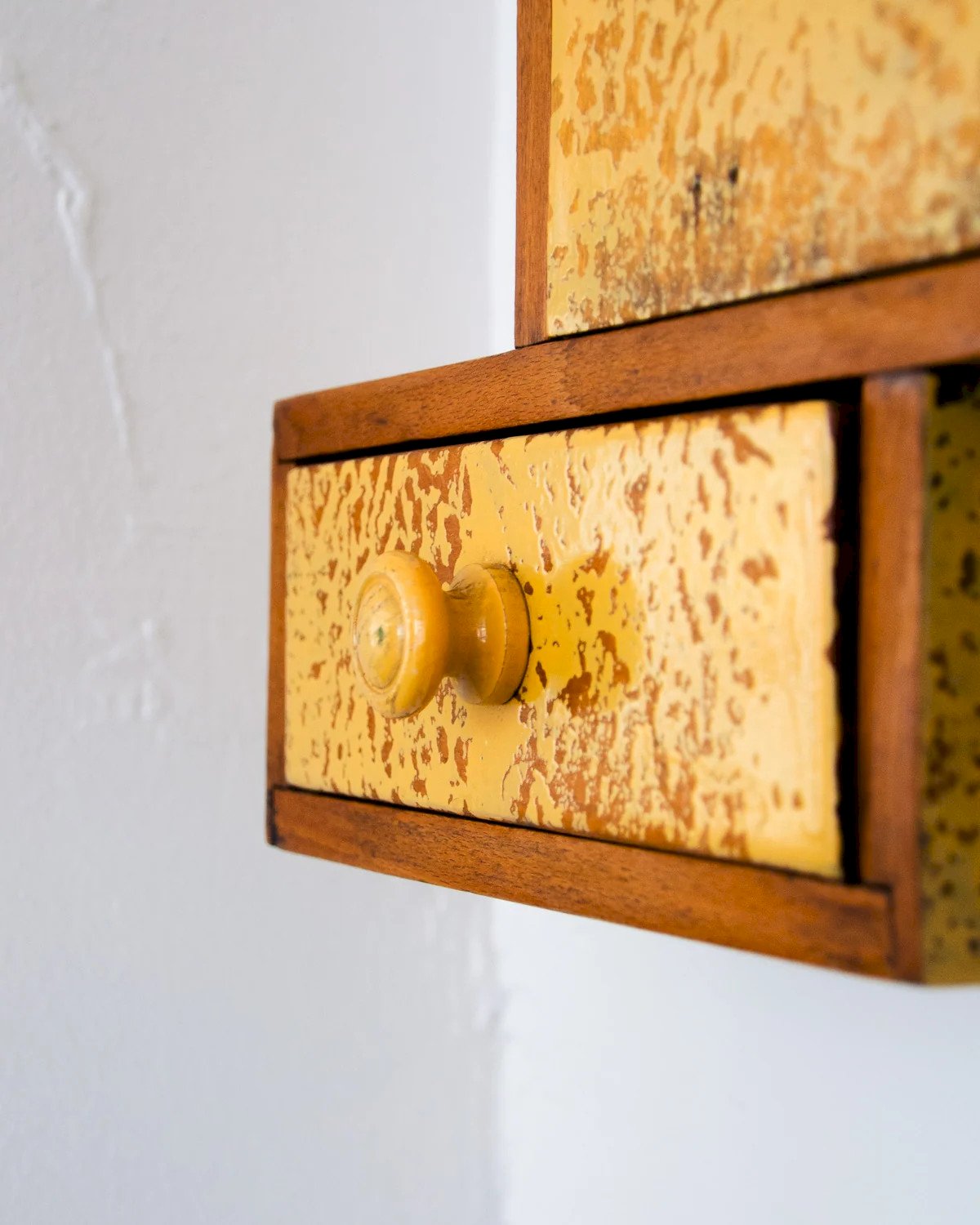
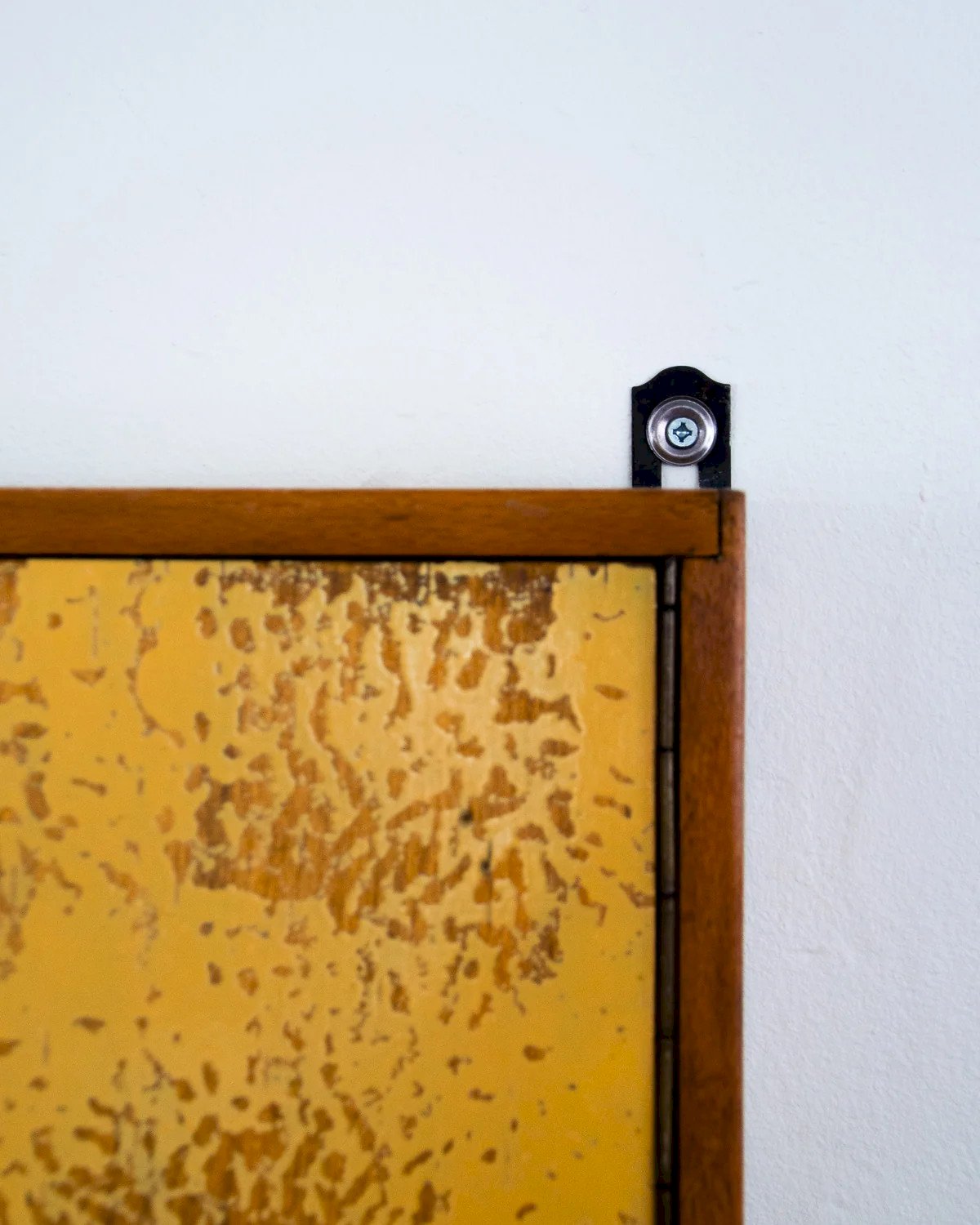
Discover this beige-stained wooden medicine cabinet, designed as an elegant and functional key box. Its compact size and six small drawers, complemented by a dedicated niche, organize keys, medications, and small everyday items with precision and discretion. The wood brings a natural warmth and a soft hue that blends into a sober and bright interior, creating a calming and orderly atmosphere. Length: 36 cm Depth: 10 cm Height: 37 cm Drawer height: 6 cm Niche height: 25 cm A brief history of the shelf Long before becoming the sleek piece of furniture we know, the shelf was merely a simple board of raw wood fixed in kitchens or workshops to keep tools within reach. It earned its stripes in the 18th century under the name "gradin," making its way into living rooms to display precious bindings or fine porcelain. Its structure without doors or side panels makes it the lightest piece of furniture in the house, a feat of minimalism that frees up floor space while dressing the walls. Today, it serves not only for storage but to stage our daily life, transforming a utilitarian surface into a true living tableau that breathes and allows light to circulate.
Réf :
#413144
Brand / From : Debongout
Related Products

Comments
Gaëlle, the key box shelf No. 878
289€
75002 Paris
Ce site contient des liens d’affiliation pour lesquels je peux recevoir une compensation.
Description
Discover this beige-stained wooden medicine cabinet, designed as an elegant and functional key box. Its compact size and six small drawers, complemented by a dedicated niche, organize keys, medications, and small everyday items with precision and discretion. The wood brings a natural warmth and a soft hue that blends into a sober and bright interior, creating a calming and orderly atmosphere. Length: 36 cm Depth: 10 cm Height: 37 cm Drawer height: 6 cm Niche height: 25 cm A brief history of the shelf Long before becoming the sleek piece of furniture we know, the shelf was merely a simple board of raw wood fixed in kitchens or workshops to keep tools within reach. It earned its stripes in the 18th century under the name "gradin," making its way into living rooms to display precious bindings or fine porcelain. Its structure without doors or side panels makes it the lightest piece of furniture in the house, a feat of minimalism that frees up floor space while dressing the walls. Today, it serves not only for storage but to stage our daily life, transforming a utilitarian surface into a true living tableau that breathes and allows light to circulate.
Réf :
#413144
Brand / From : Debongout