 English
 Français


Description
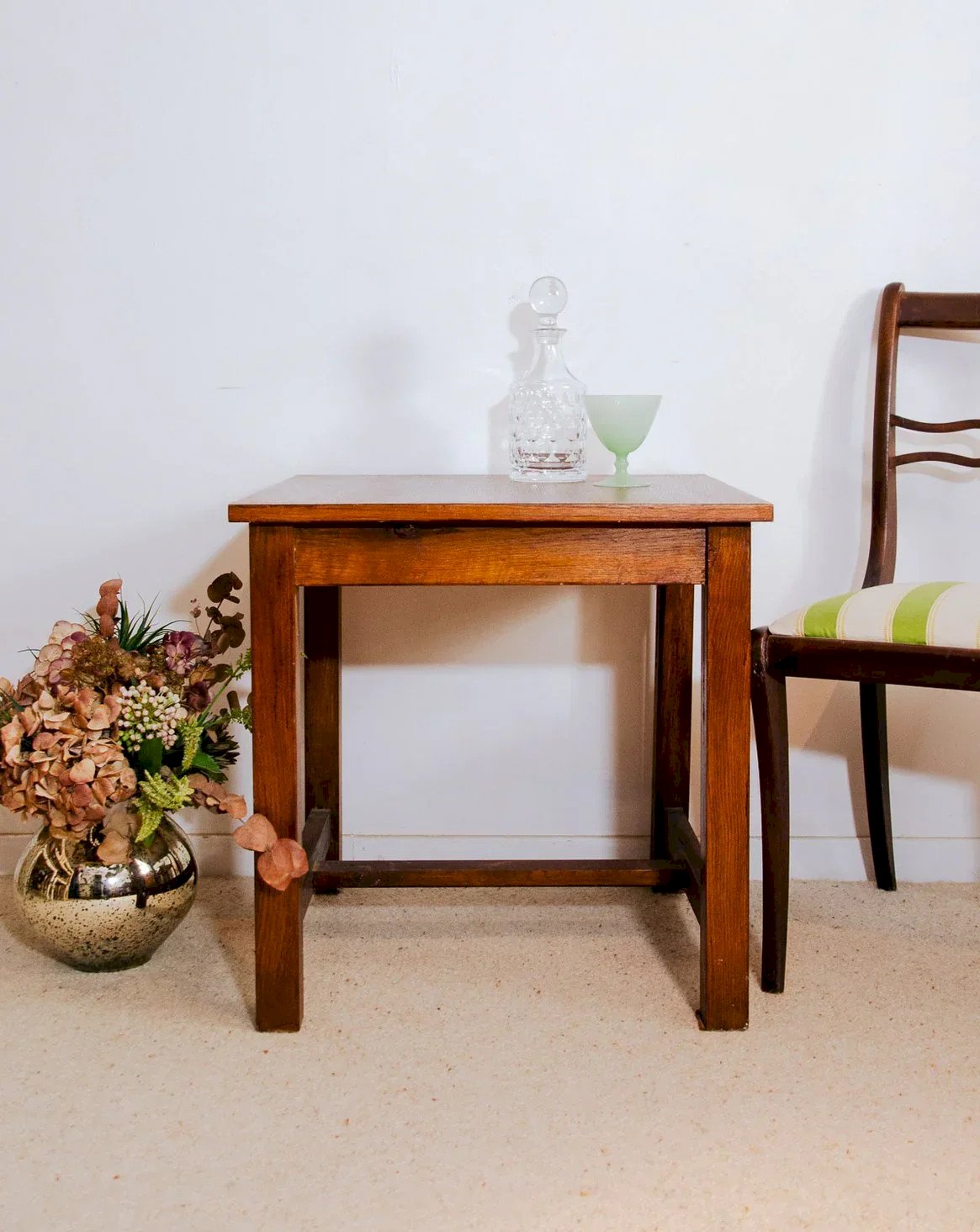
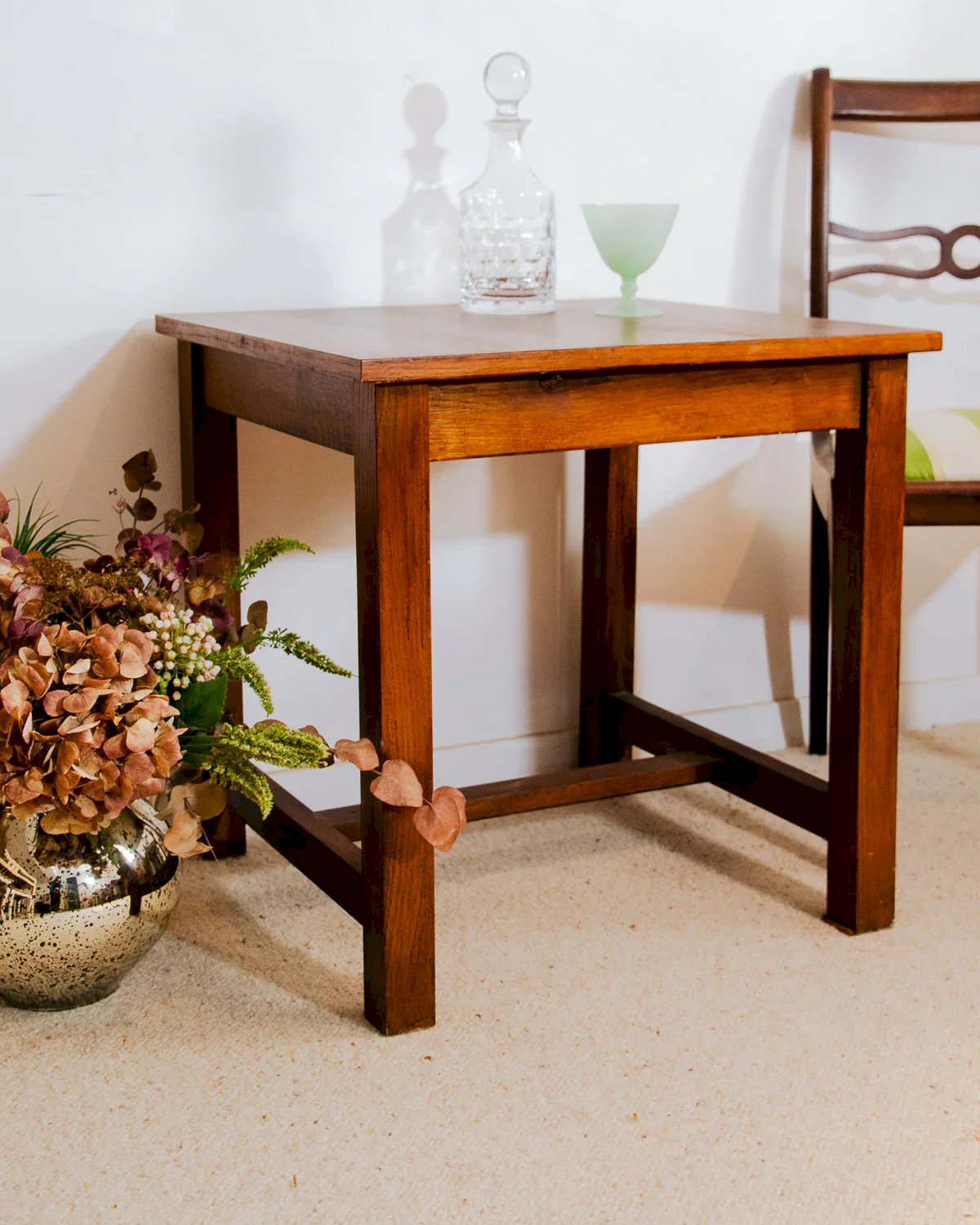
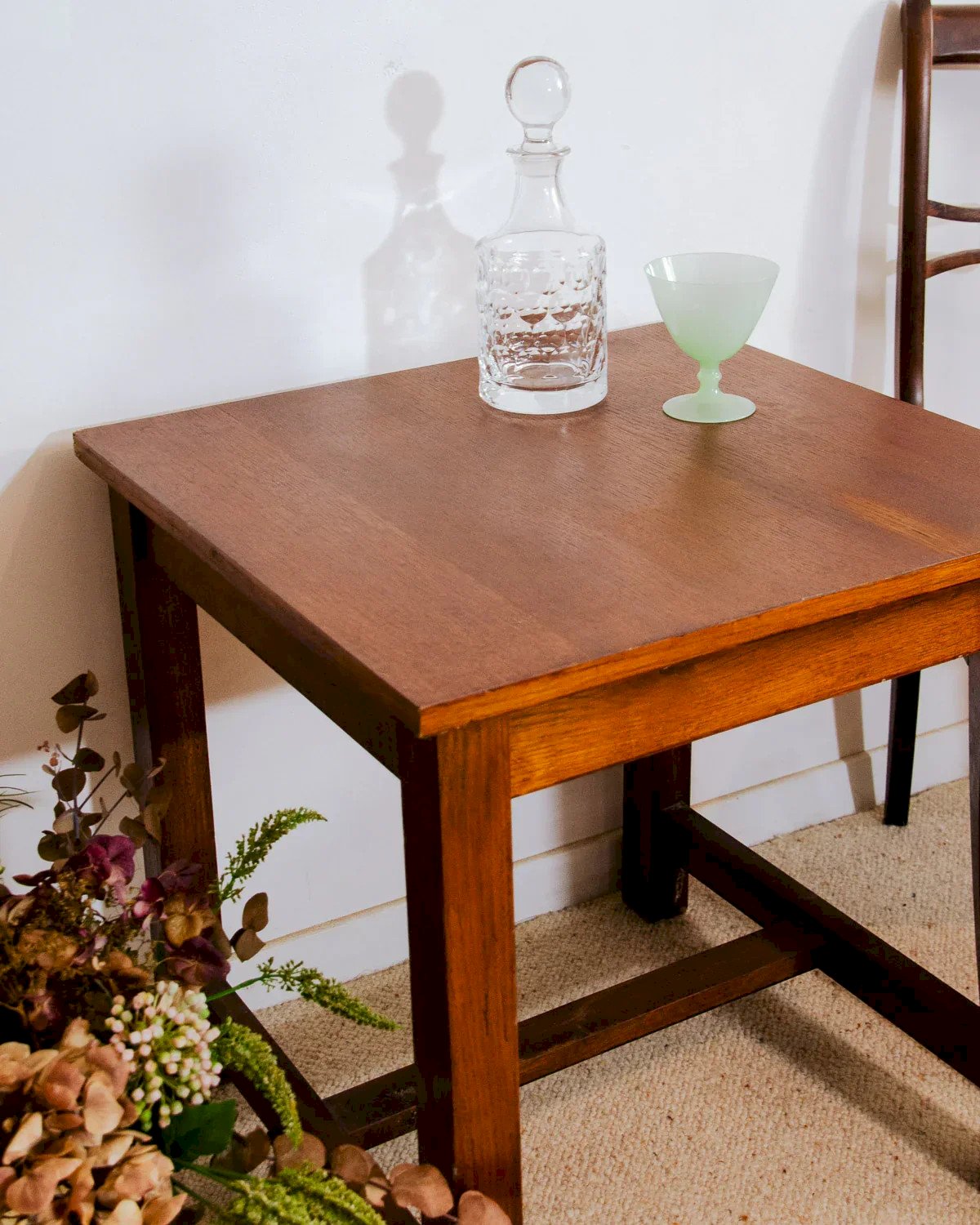
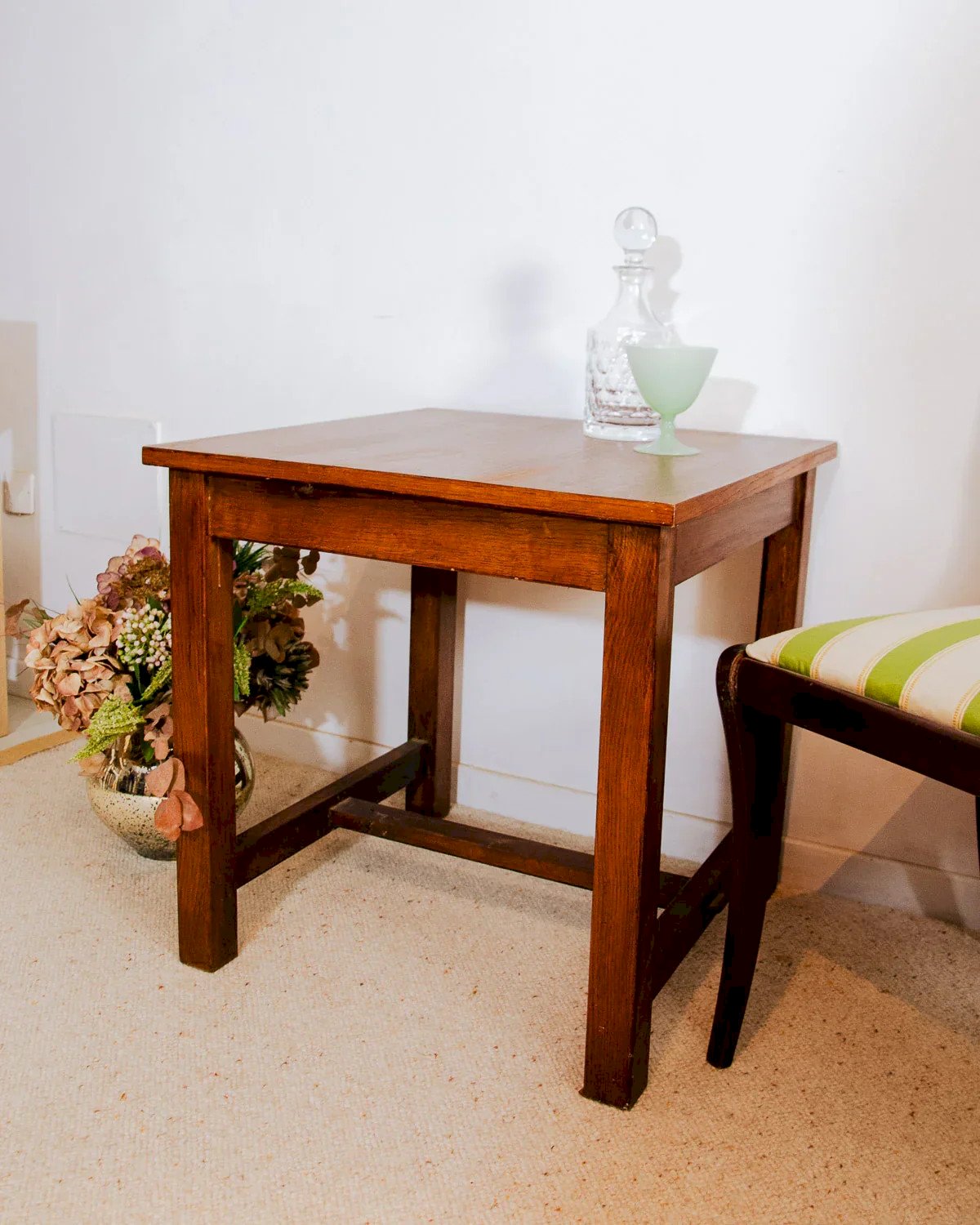
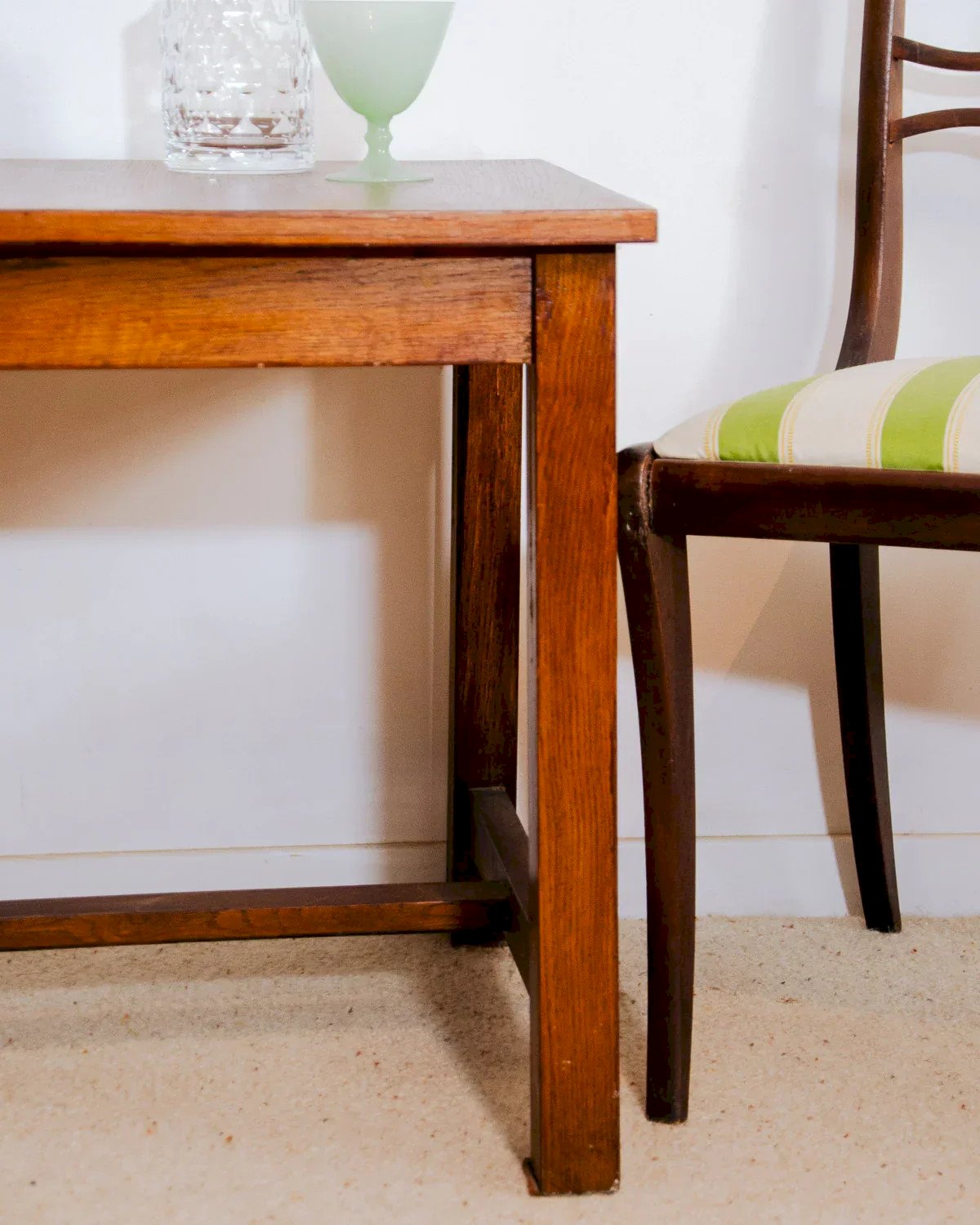
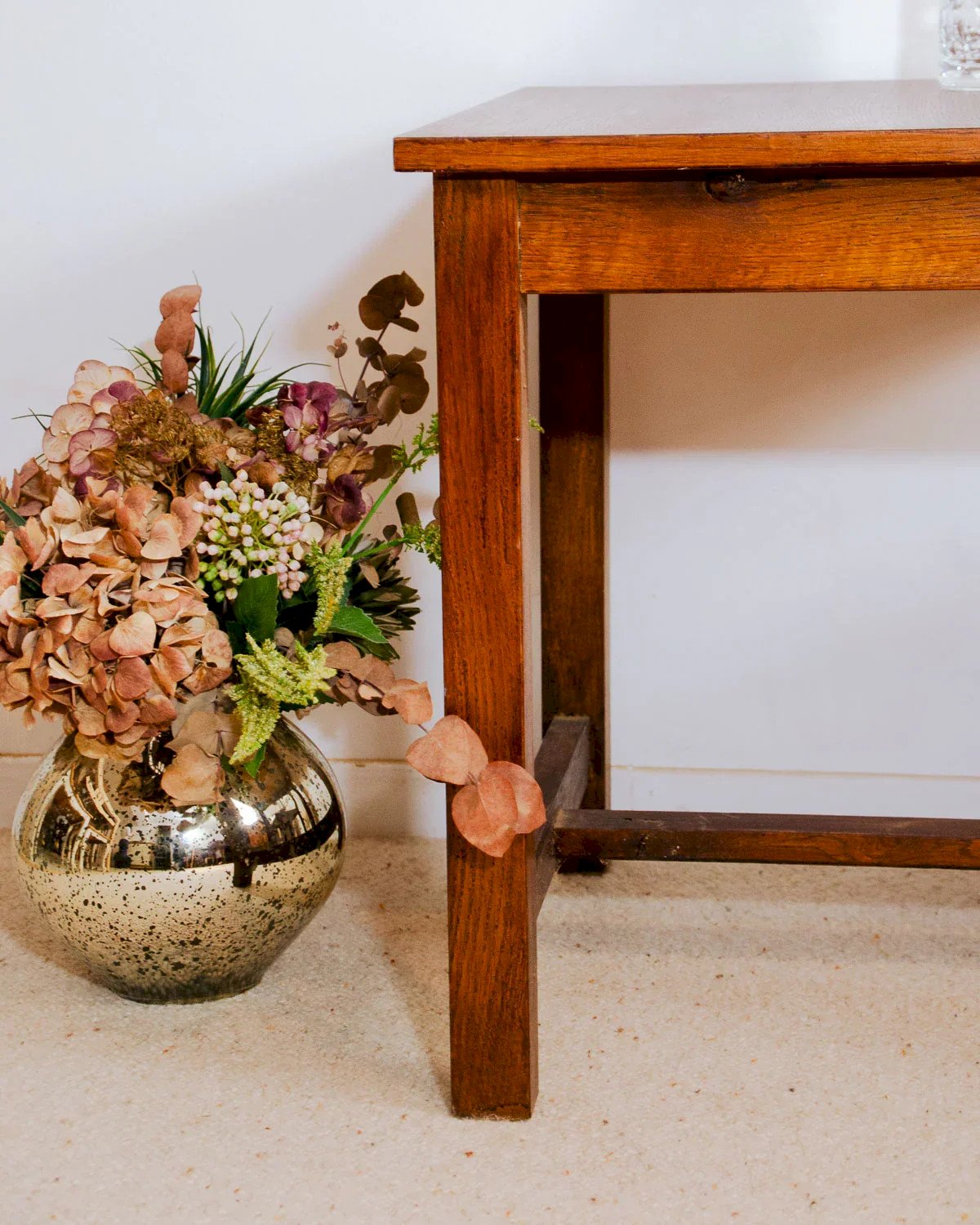
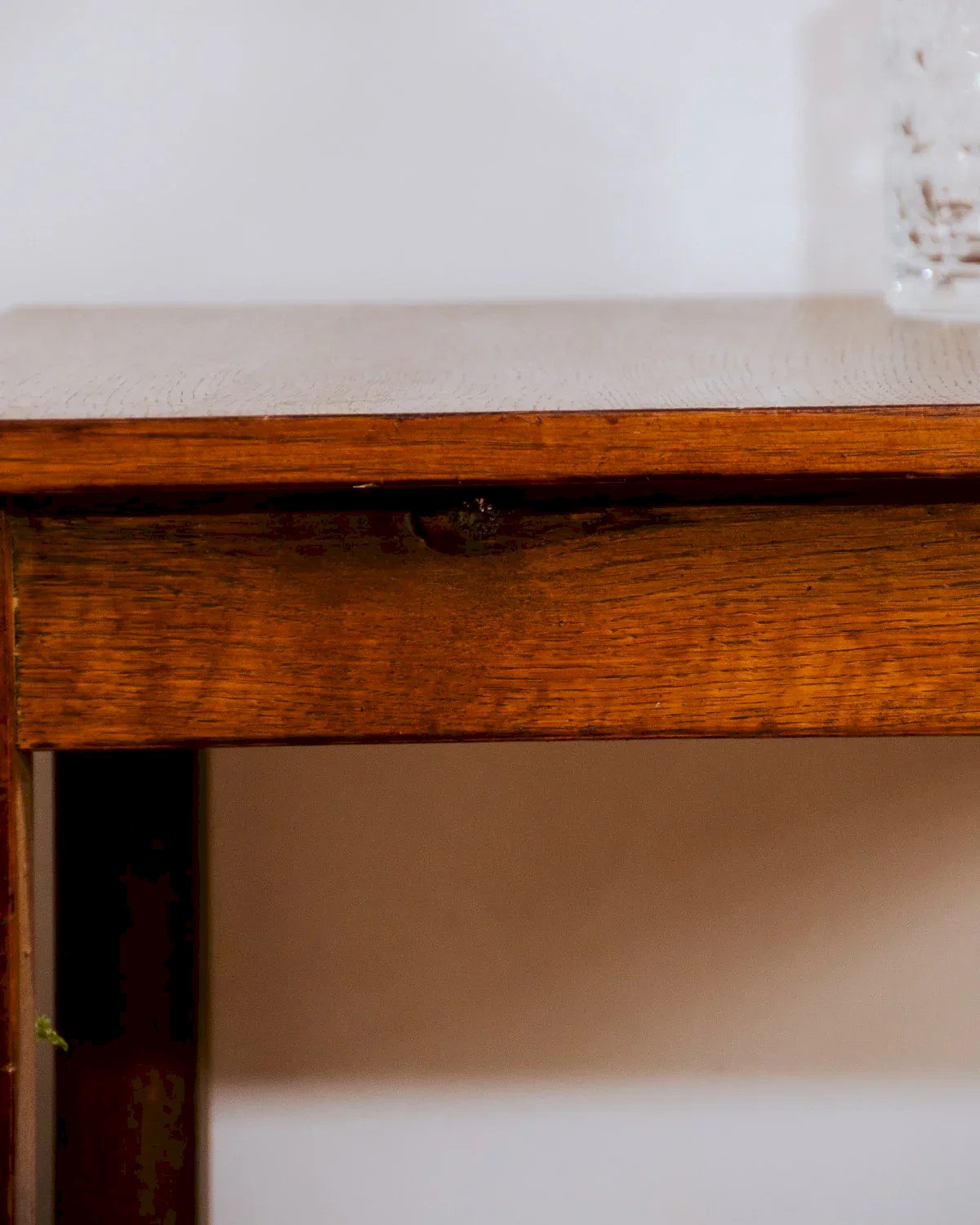
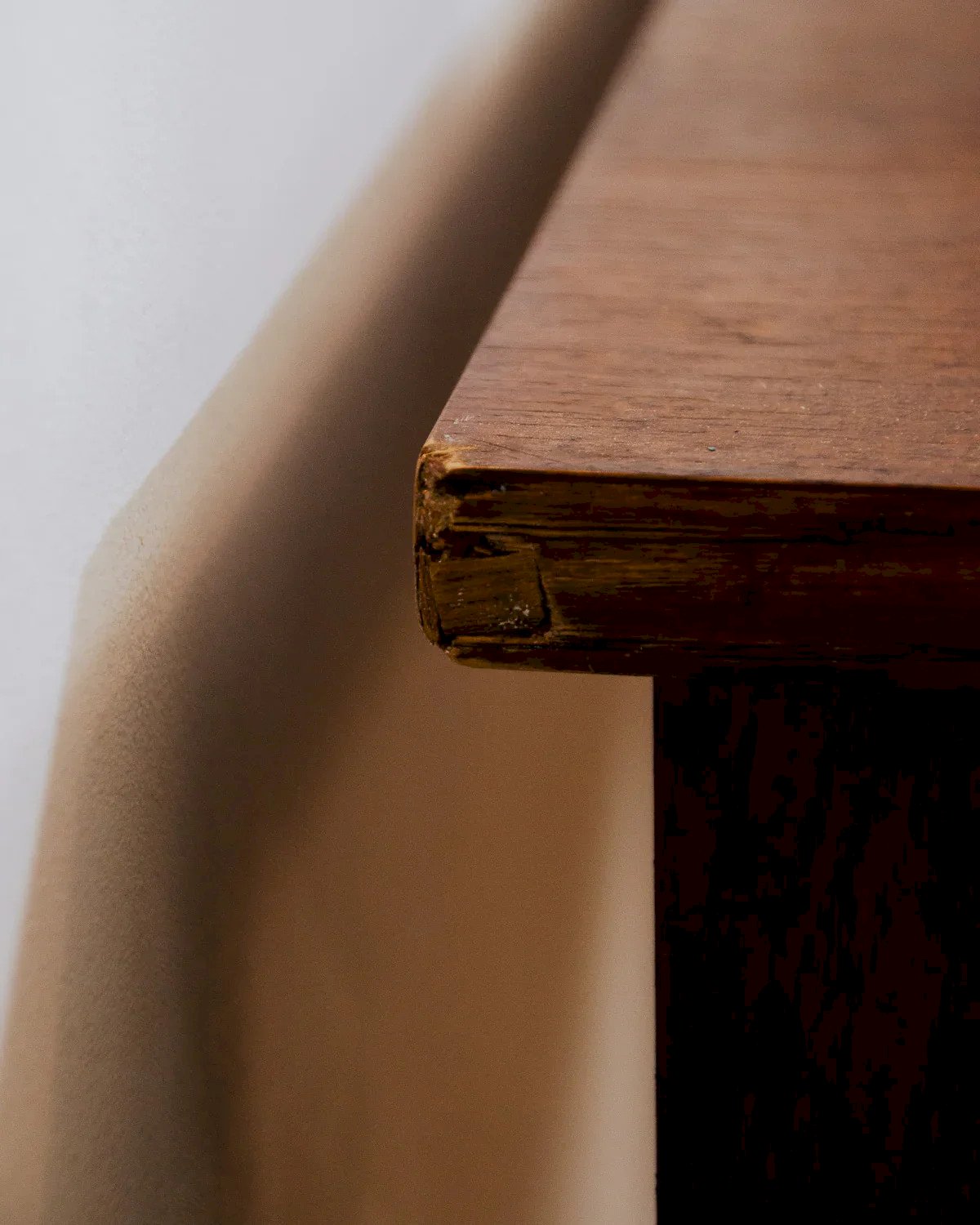
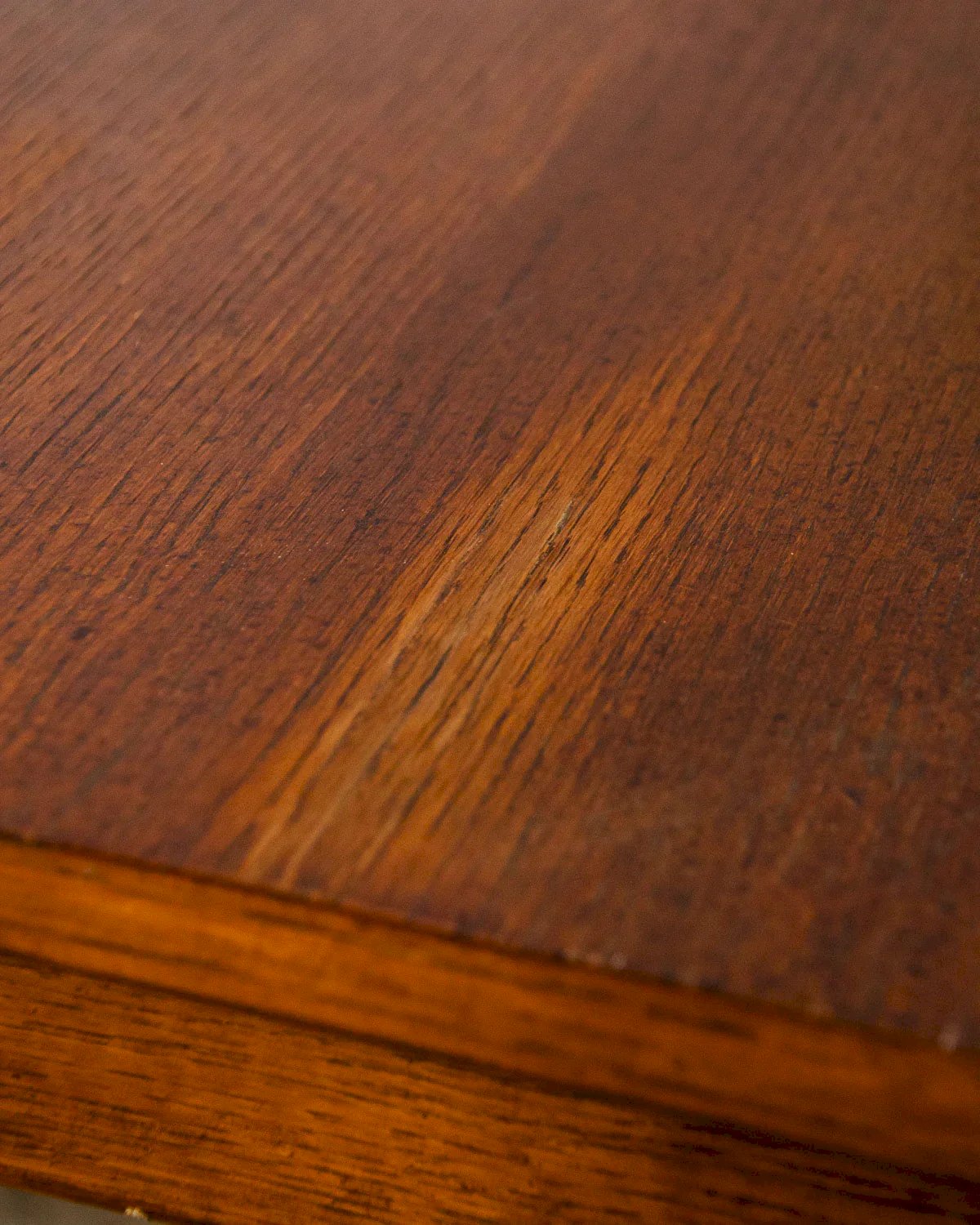
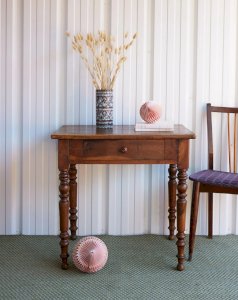
Discover this dark wood teak side table with a square top and compact proportions that will bring a warm and structured touch to your room. Its simple lines and contained size make it perfect as a side table or a support for plants and decorative objects, seamlessly fitting into both contemporary and more traditional interiors. Teak offers a deep patina and lasting durability, which will develop further over time. Length: 60 cm Width: 60 cm Height: 61 cm A brief history of the side table Born in the 17th century under the name "guéridon," the side table owes its origin to the Moorish slaves [called guéridons] depicted on the sculpted legs of the first models brought back from Italy. This nomadic piece of furniture revolutionized social life at court by allowing the rigidity of large buffets to be broken, creating conversation islands anywhere in the room. Its lightweight and compact structure was designed to be moved according to needs: to place a candlestick, a cup of tea, or a bedside book.
Réf :
#412001
Brand / From : Debongout
Related Products




Comments
Francine, the teak side table No. 889
179€
75002 Paris
Ce site contient des liens d’affiliation pour lesquels je peux recevoir une compensation.
Description
Discover this dark wood teak side table with a square top and compact proportions that will bring a warm and structured touch to your room. Its simple lines and contained size make it perfect as a side table or a support for plants and decorative objects, seamlessly fitting into both contemporary and more traditional interiors. Teak offers a deep patina and lasting durability, which will develop further over time. Length: 60 cm Width: 60 cm Height: 61 cm A brief history of the side table Born in the 17th century under the name "guéridon," the side table owes its origin to the Moorish slaves [called guéridons] depicted on the sculpted legs of the first models brought back from Italy. This nomadic piece of furniture revolutionized social life at court by allowing the rigidity of large buffets to be broken, creating conversation islands anywhere in the room. Its lightweight and compact structure was designed to be moved according to needs: to place a candlestick, a cup of tea, or a bedside book.
Réf :
#412001
Brand / From : Debongout