 English
 Français


Description
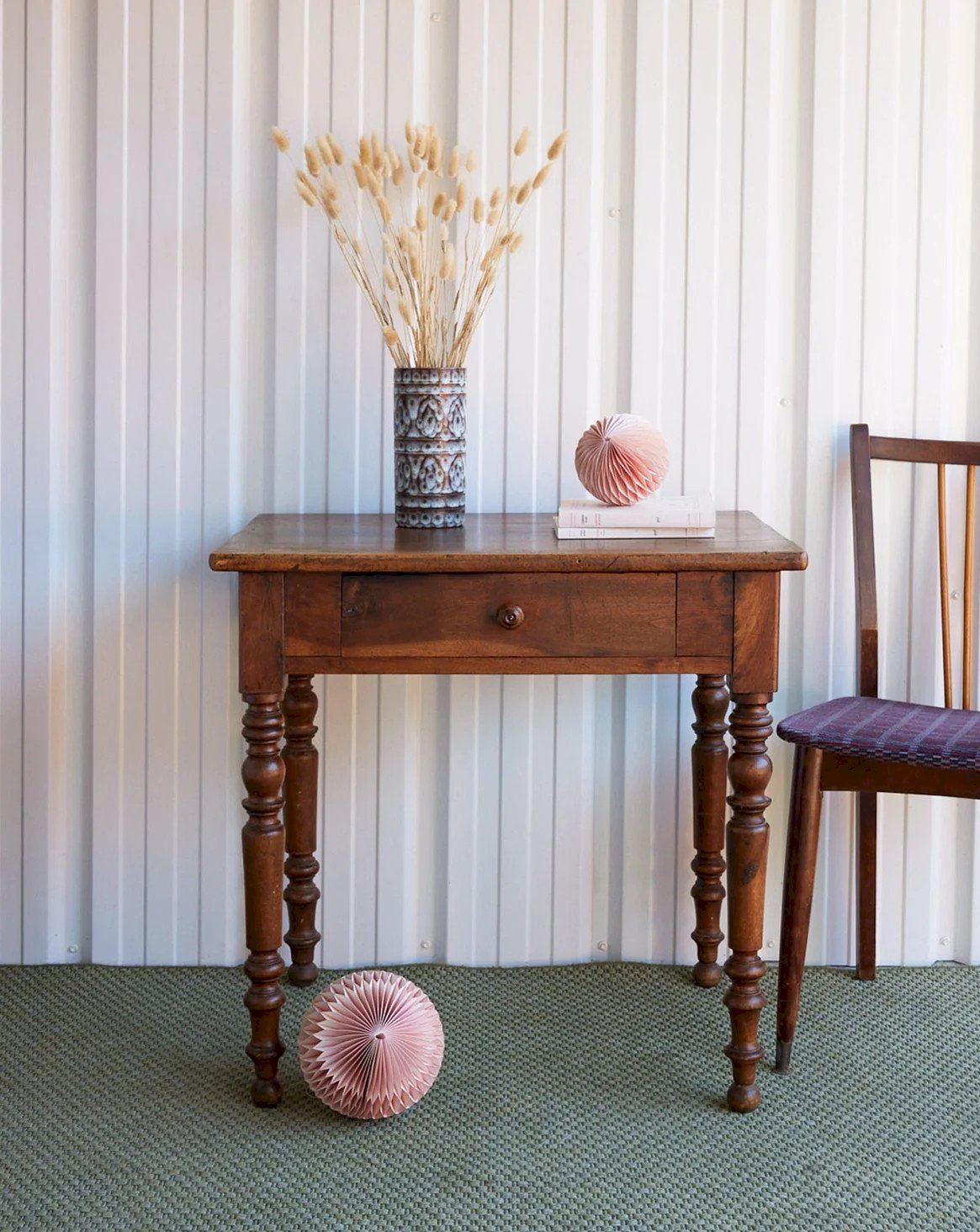
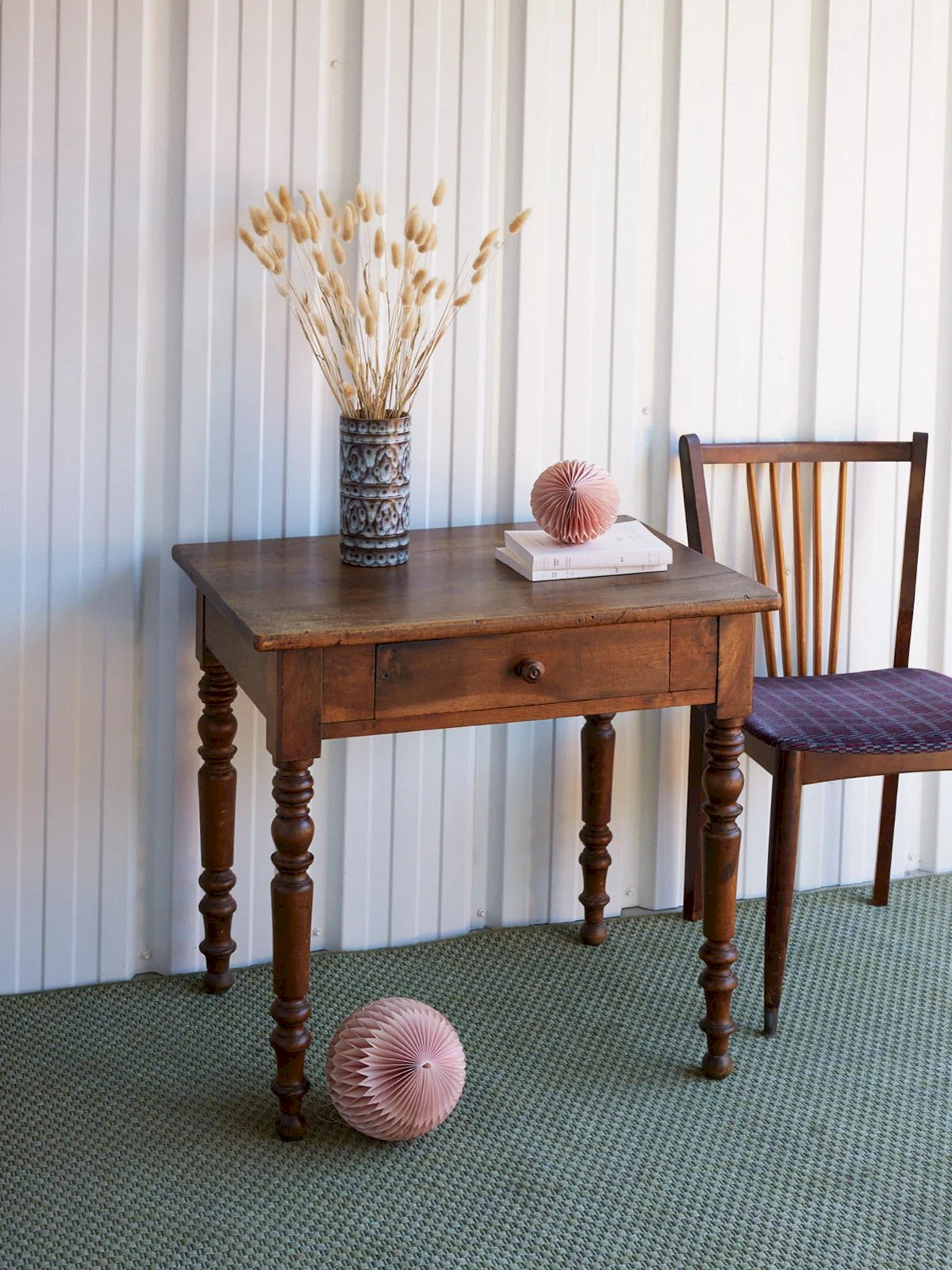
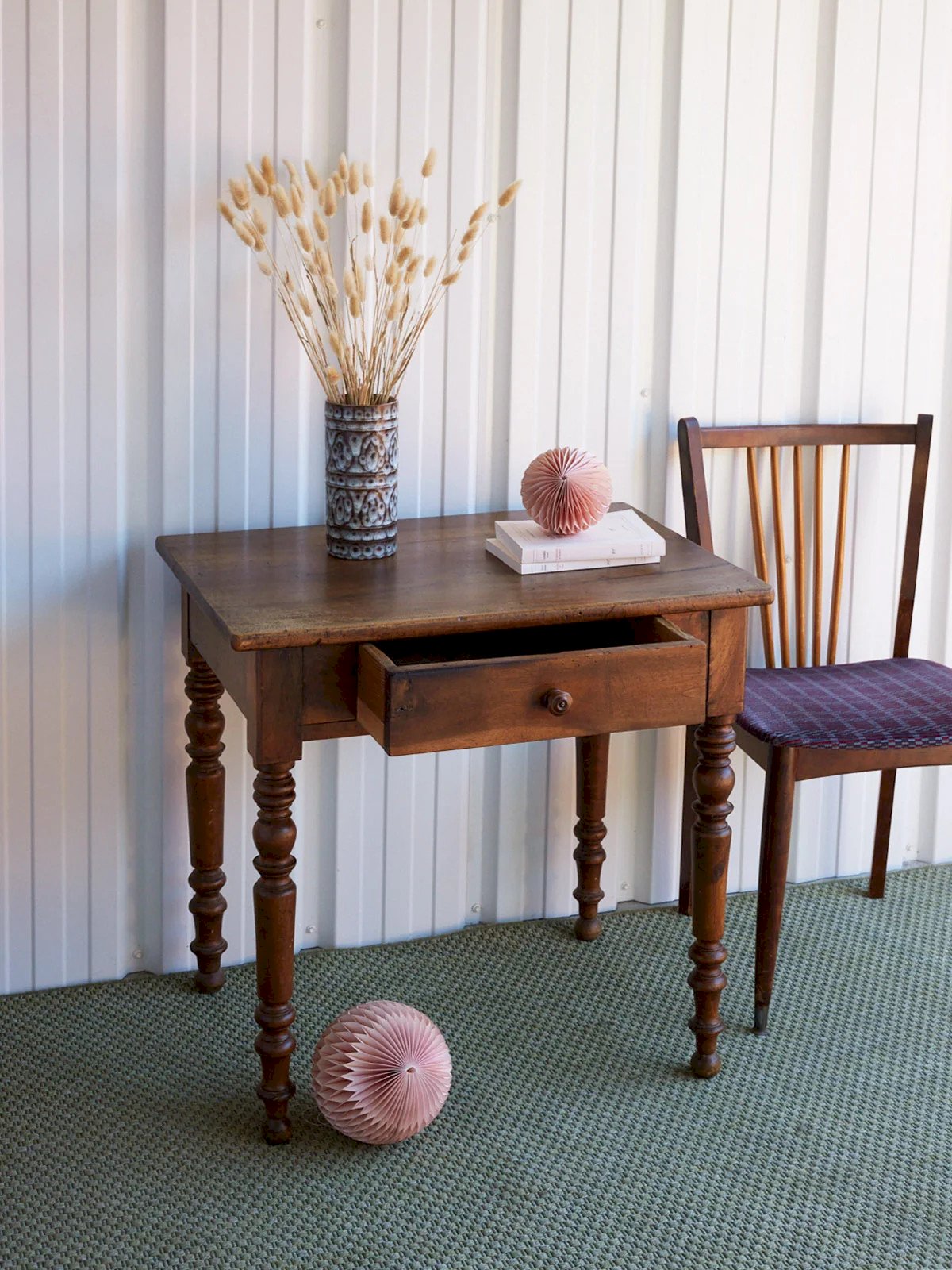
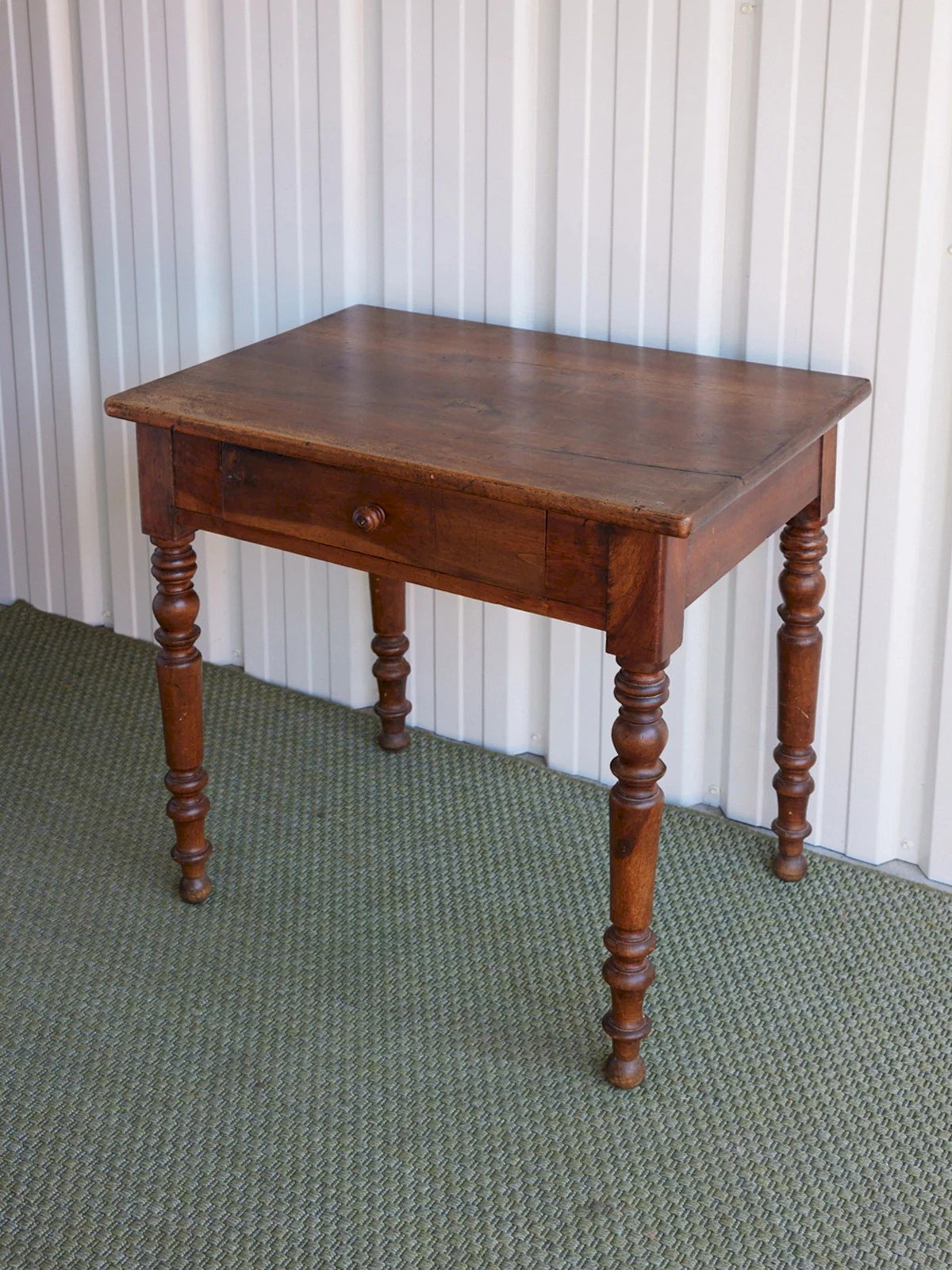
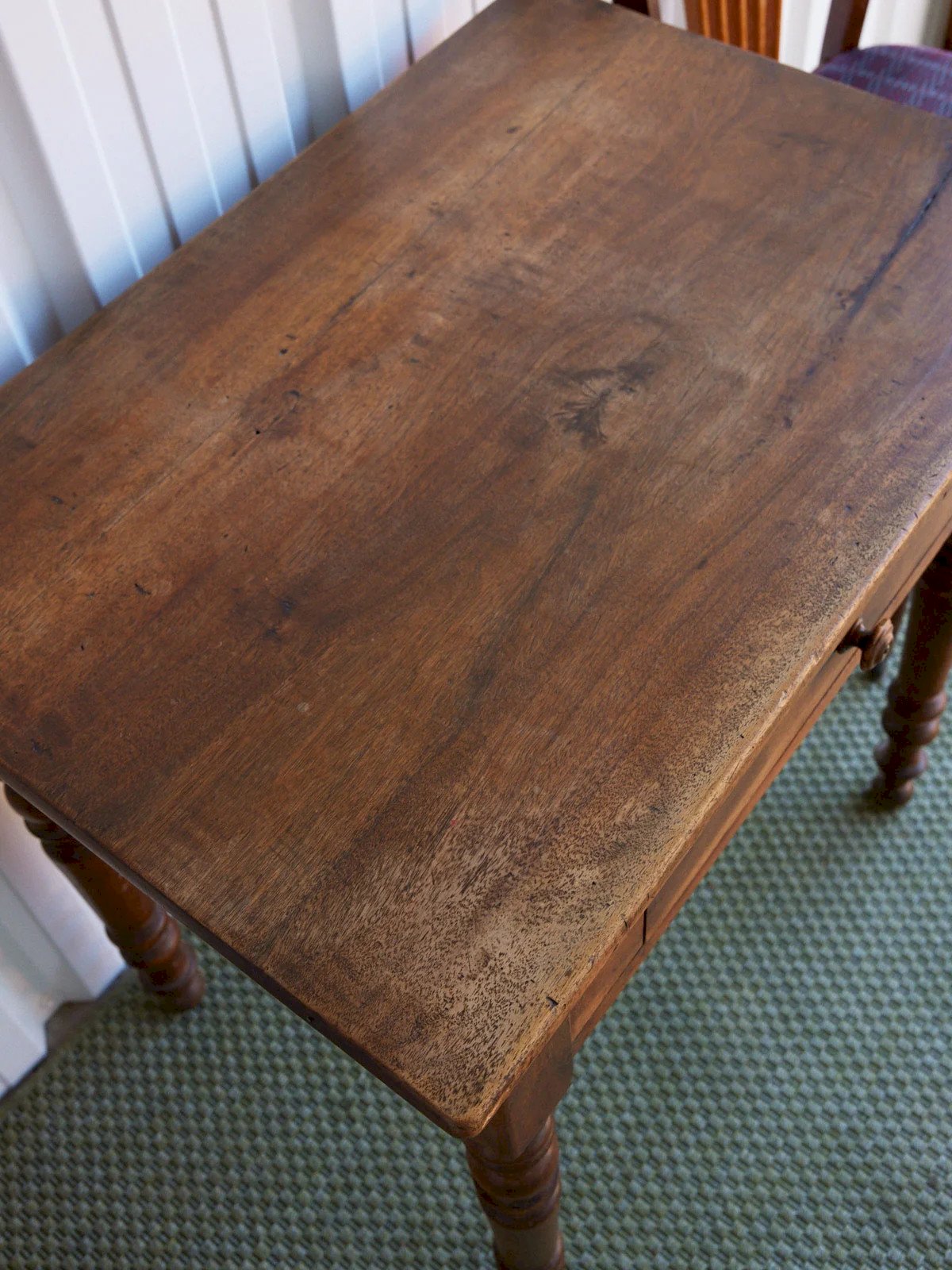
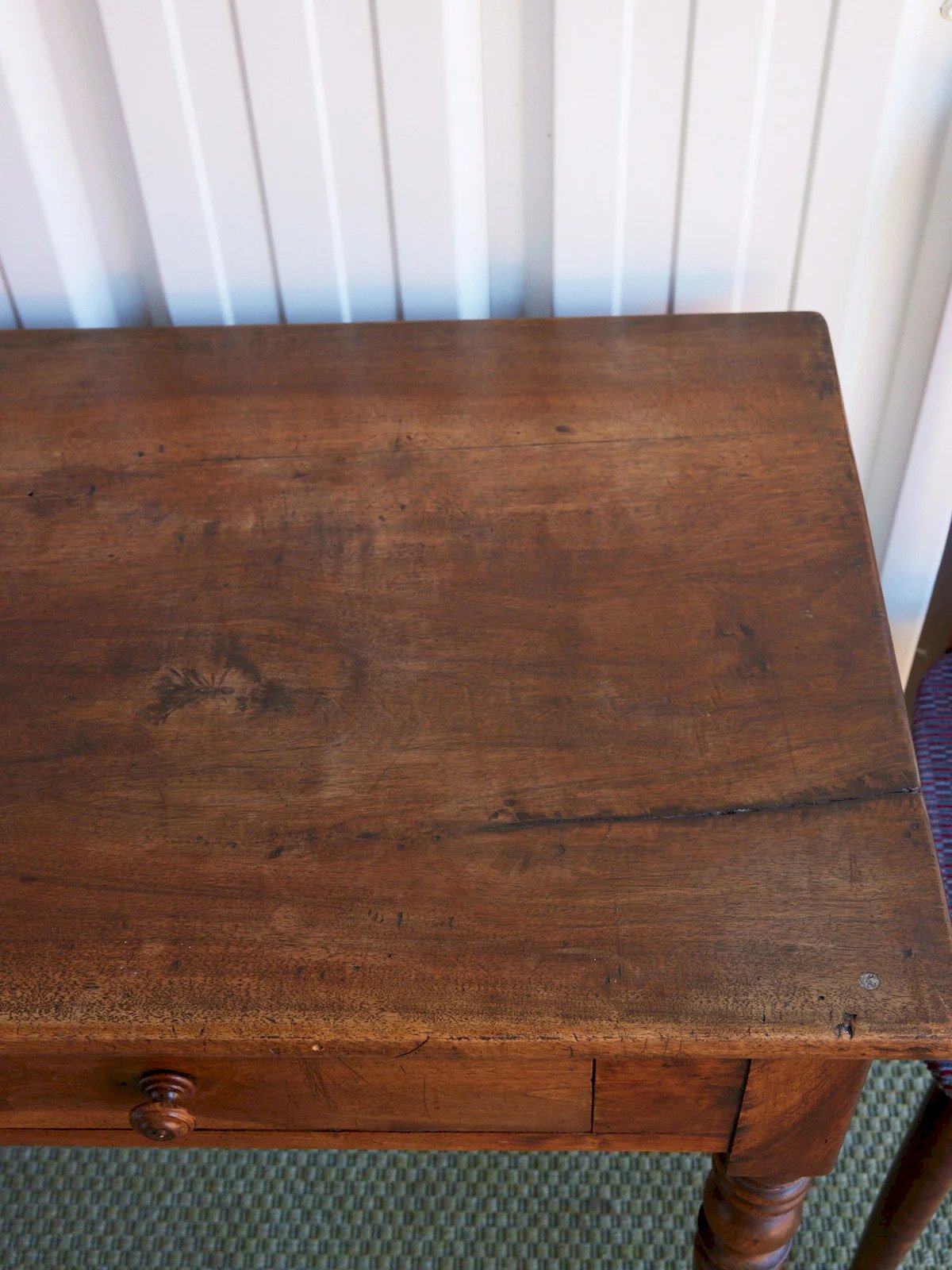
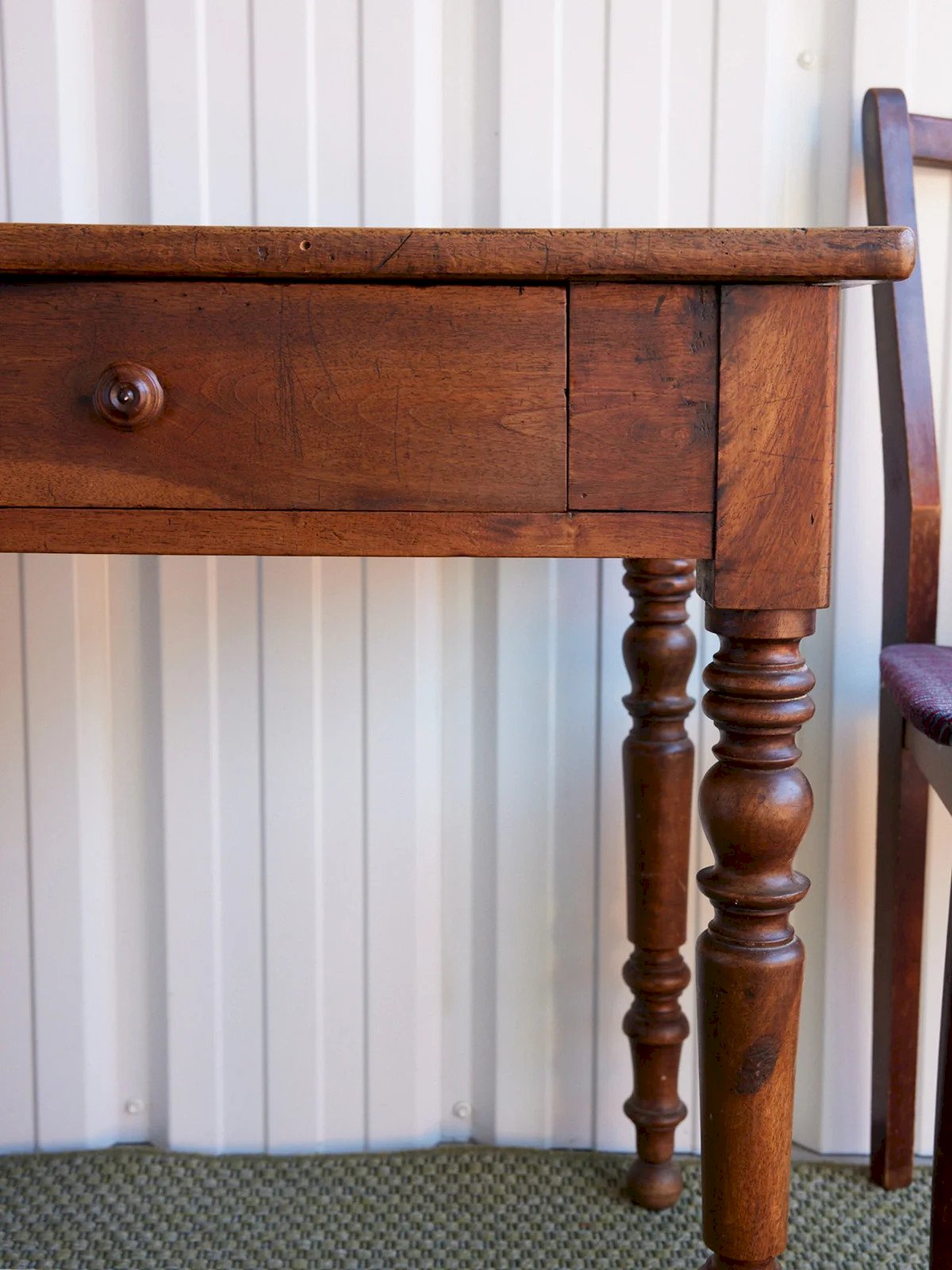
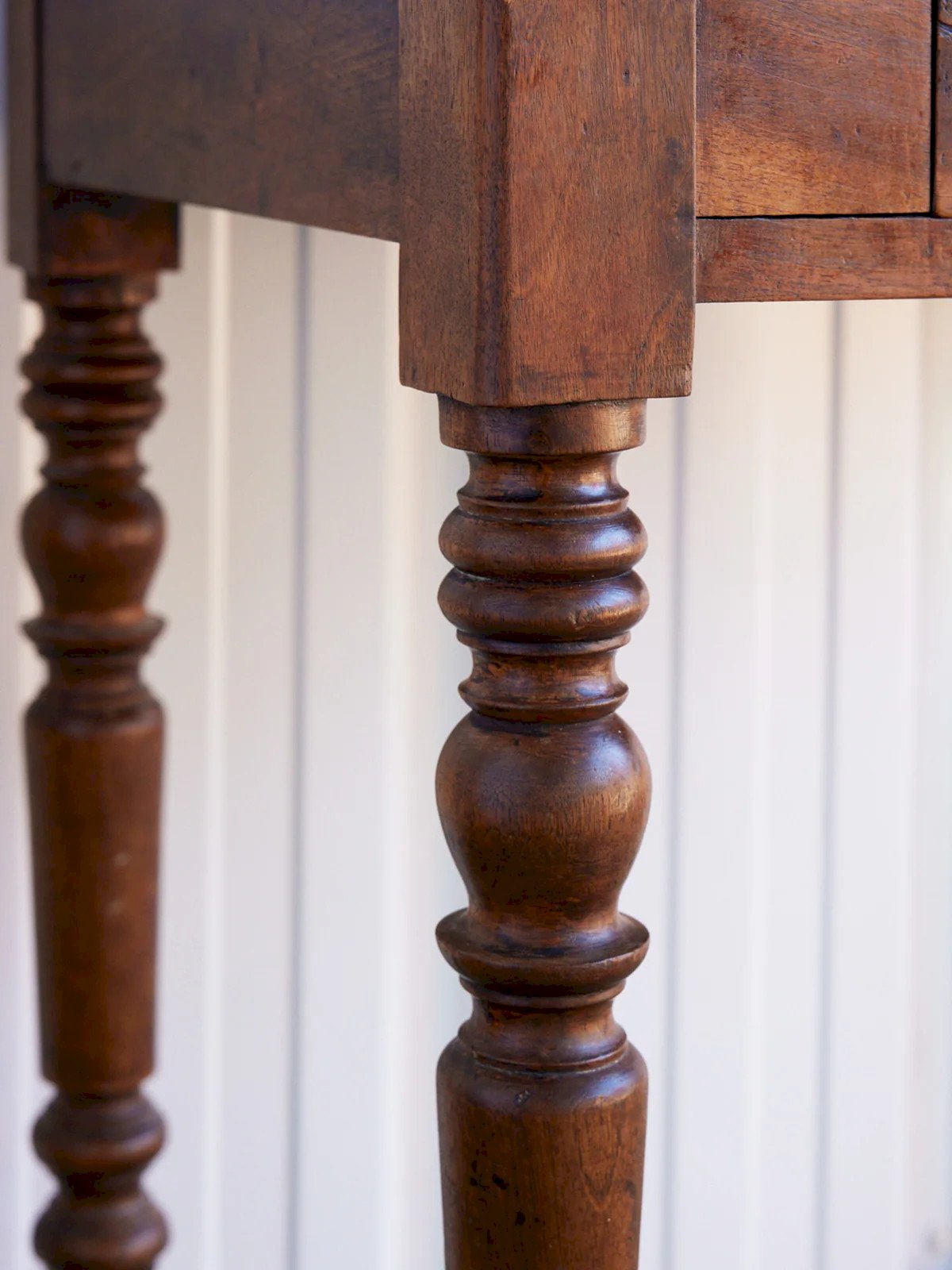
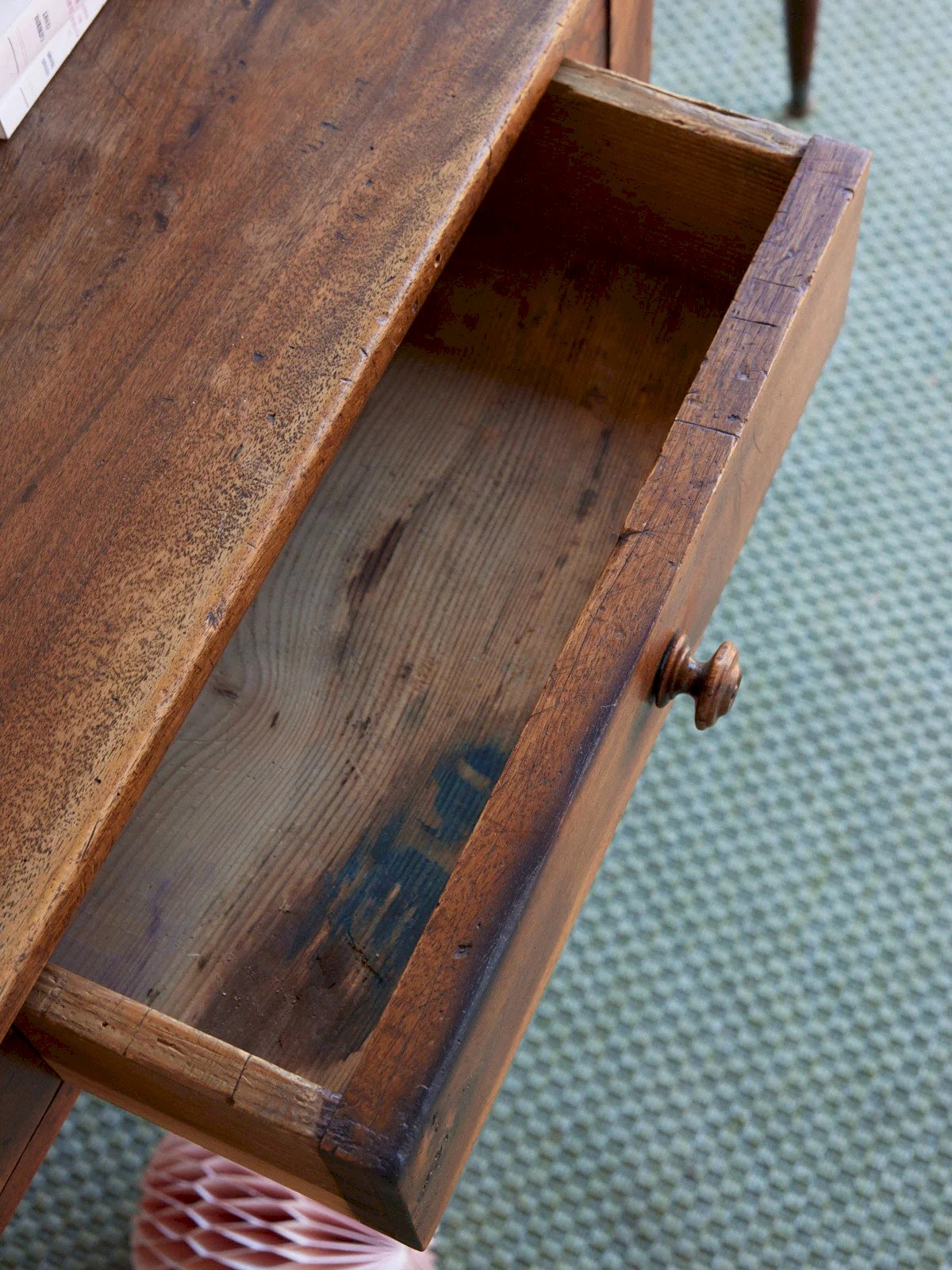
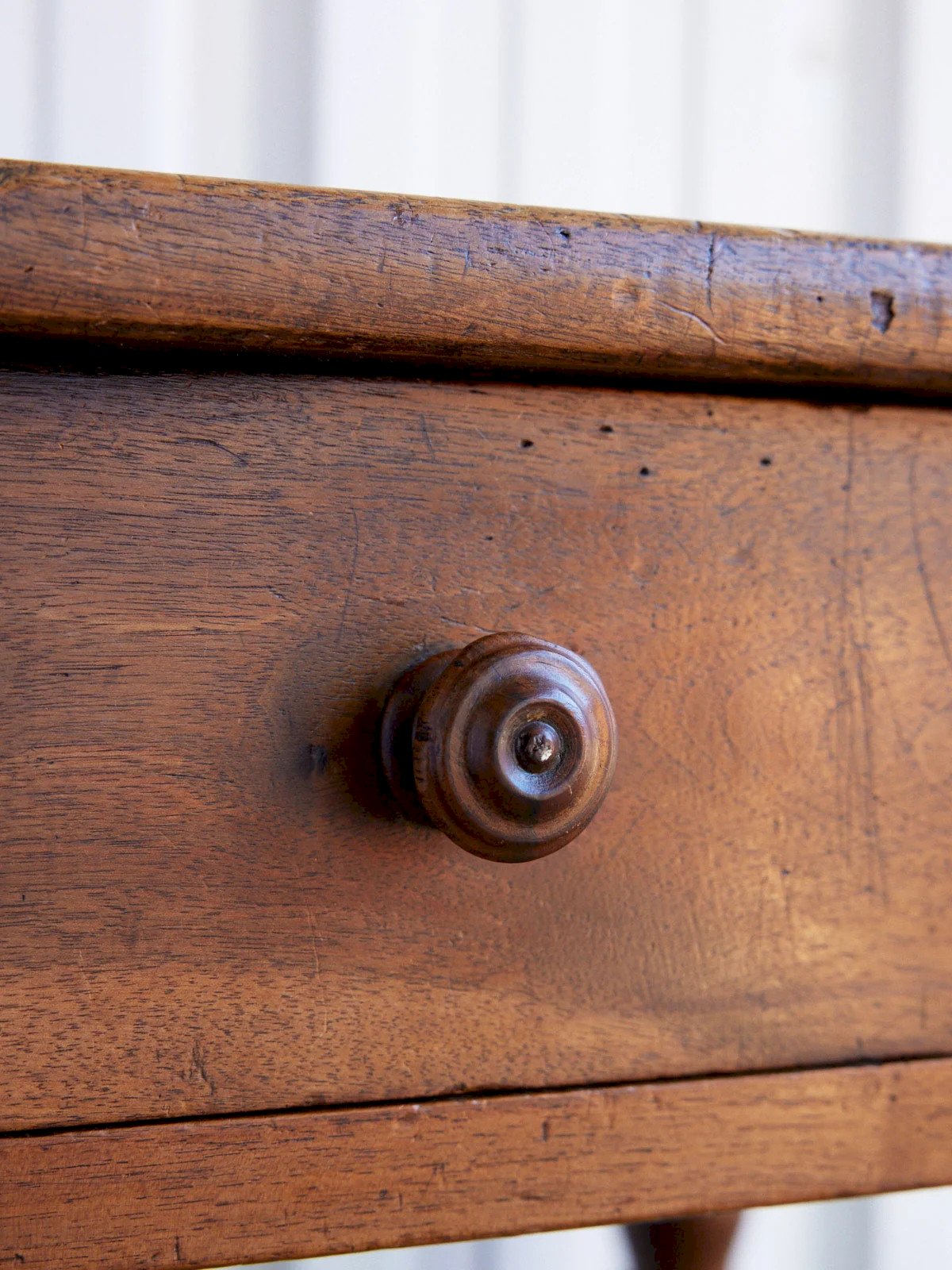
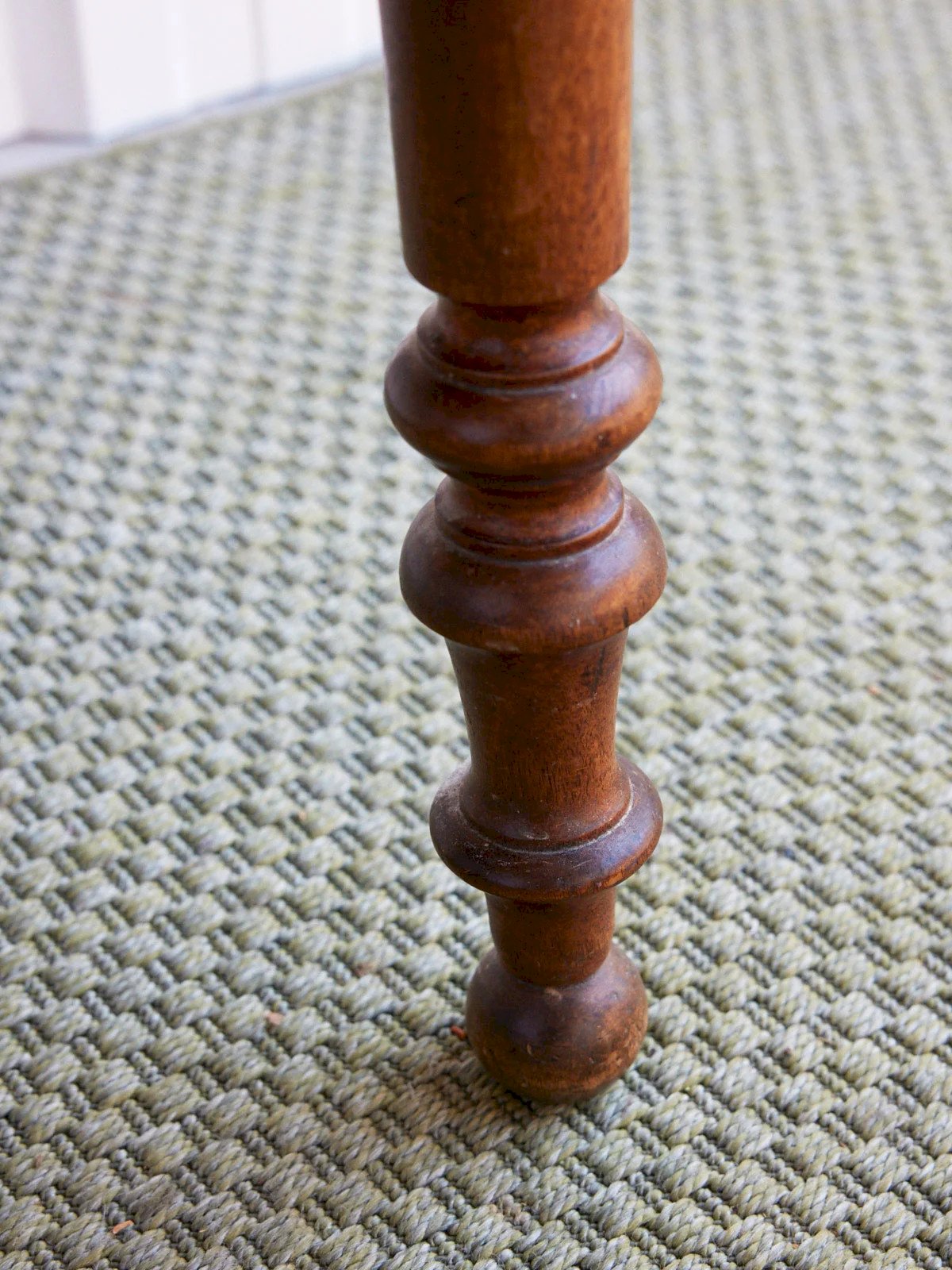
This dark wood side table, vintage and inspired by country style, adds a warm touch to a living room or bedroom. Its deep-hued wood gives it a measured presence, while its drawer provides useful storage for keeping glasses, a notebook, or small everyday accessories within reach. Positioned next to an armchair, it holds a lamp, a book, and a cup, while remaining easy to slide into a corner thanks to its compact size. Its height also allows it to serve as a support next to a sofa. On its top, a ceramic vase and a few books are enough to create a simple and refined scene. Length: 51 cm Width: 73 cm Height: 72 cm Drawer height: 9 cm A brief history of the side table Born in the 17th century under the name "guéridon," the side table owes its origin to the Moorish slaves [called guéridons] depicted on the carved feet of the first models brought back from Italy. This nomadic piece of furniture revolutionized social life at court by allowing the rigidity of large buffets to be broken, creating conversation islands anywhere in the room. Its light and compact structure was designed to be moved as needed: to place a candlestick, a cup of tea, or a bedside book.
Réf :
#413870
Brand / From : Debongout
Related Products



Comments
Francine, the wooden side table No. 1594
259€
75002 Paris
Ce site contient des liens d’affiliation pour lesquels je peux recevoir une compensation.
Description
This dark wood side table, vintage and inspired by country style, adds a warm touch to a living room or bedroom. Its deep-hued wood gives it a measured presence, while its drawer provides useful storage for keeping glasses, a notebook, or small everyday accessories within reach. Positioned next to an armchair, it holds a lamp, a book, and a cup, while remaining easy to slide into a corner thanks to its compact size. Its height also allows it to serve as a support next to a sofa. On its top, a ceramic vase and a few books are enough to create a simple and refined scene. Length: 51 cm Width: 73 cm Height: 72 cm Drawer height: 9 cm A brief history of the side table Born in the 17th century under the name "guéridon," the side table owes its origin to the Moorish slaves [called guéridons] depicted on the carved feet of the first models brought back from Italy. This nomadic piece of furniture revolutionized social life at court by allowing the rigidity of large buffets to be broken, creating conversation islands anywhere in the room. Its light and compact structure was designed to be moved as needed: to place a candlestick, a cup of tea, or a bedside book.
Réf :
#413870
Brand / From : Debongout