 English
 Français


Description
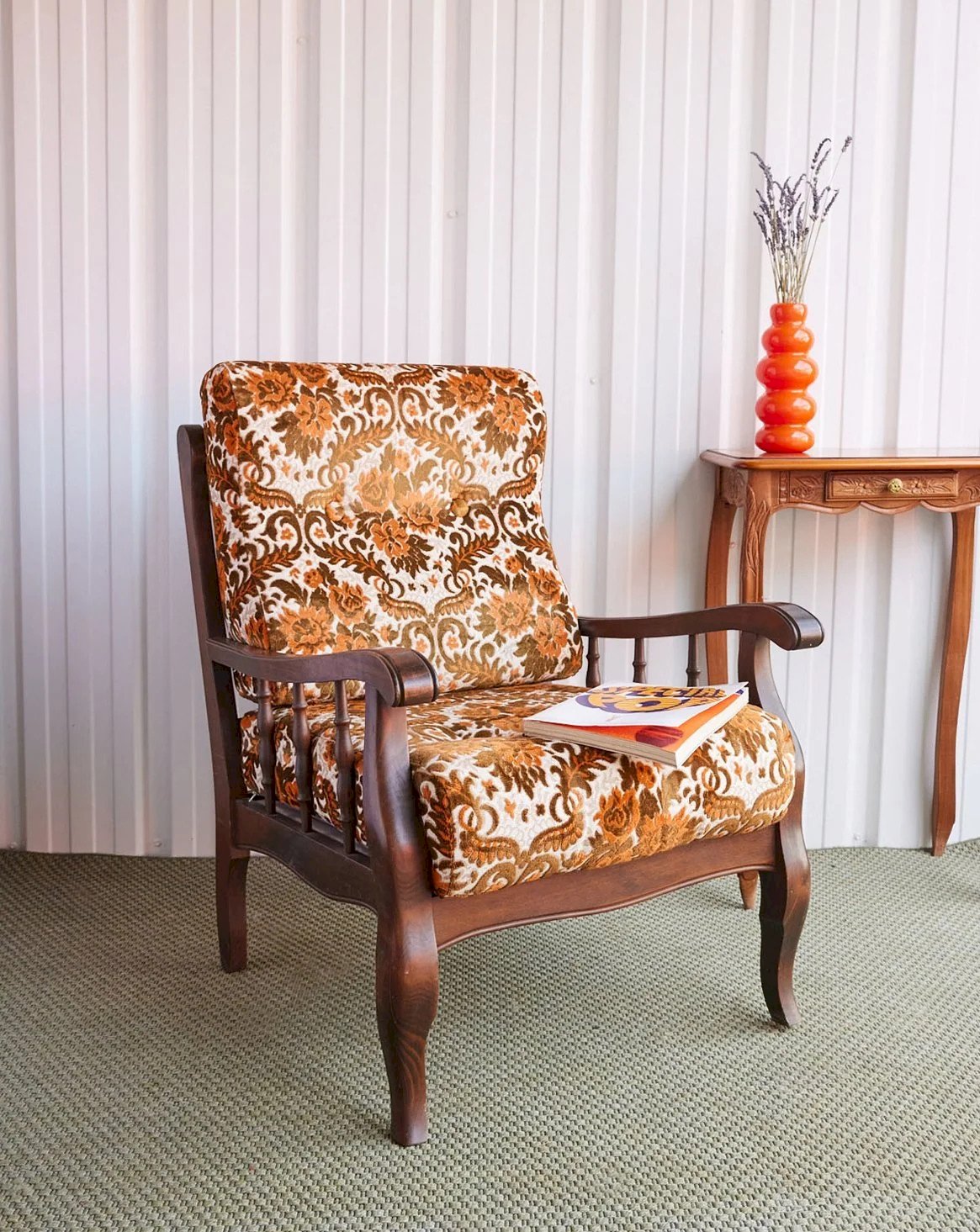
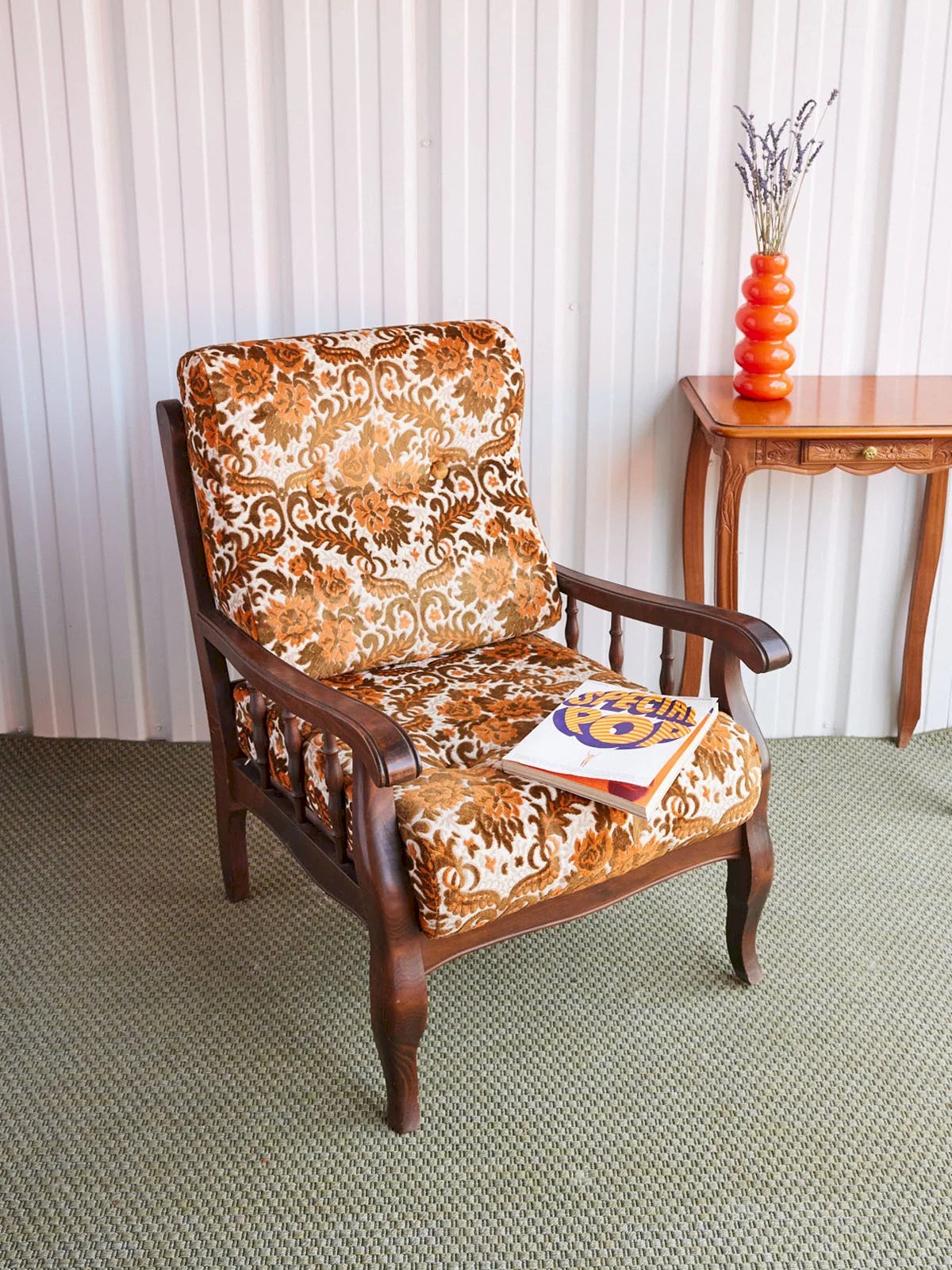
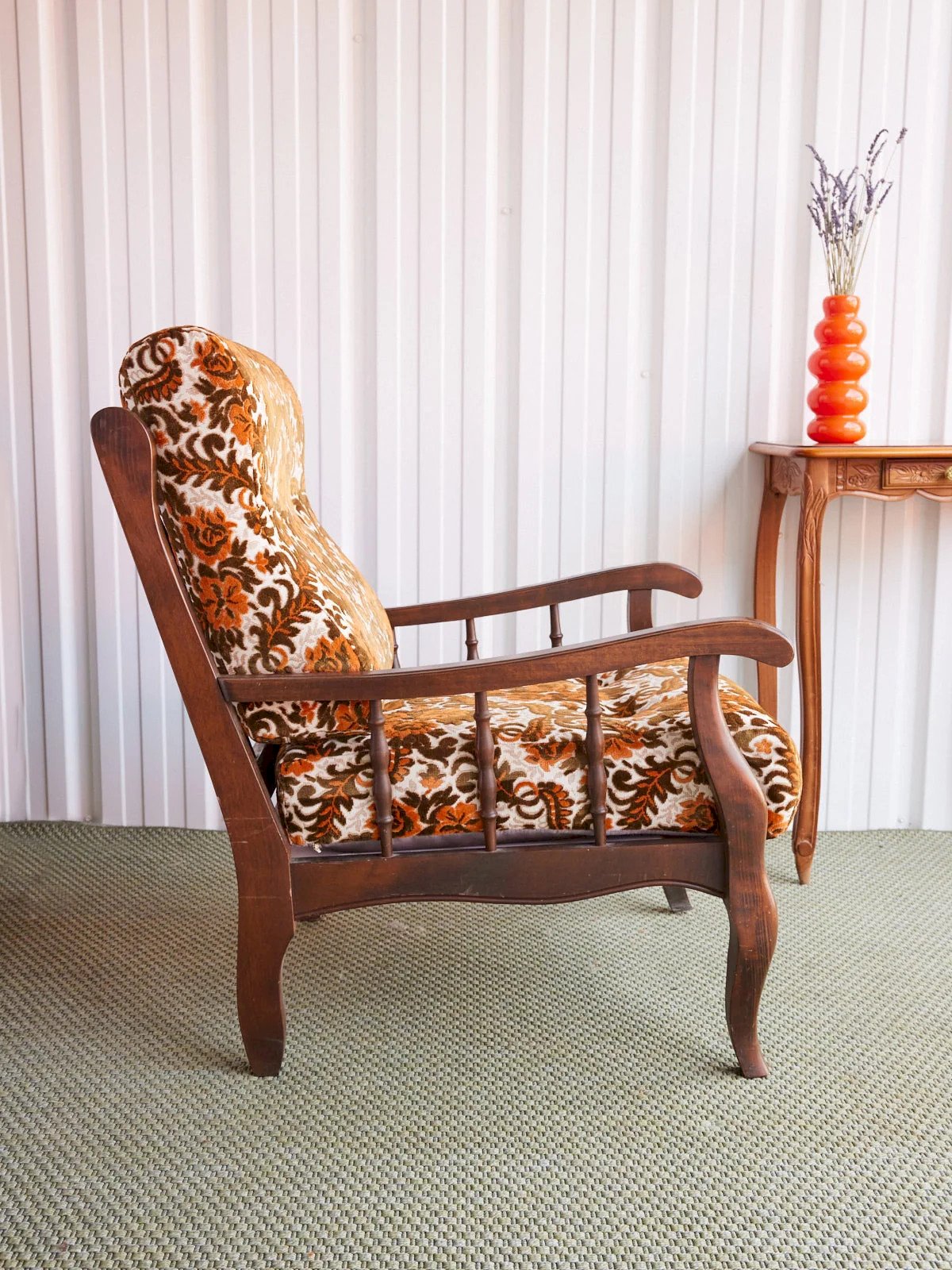
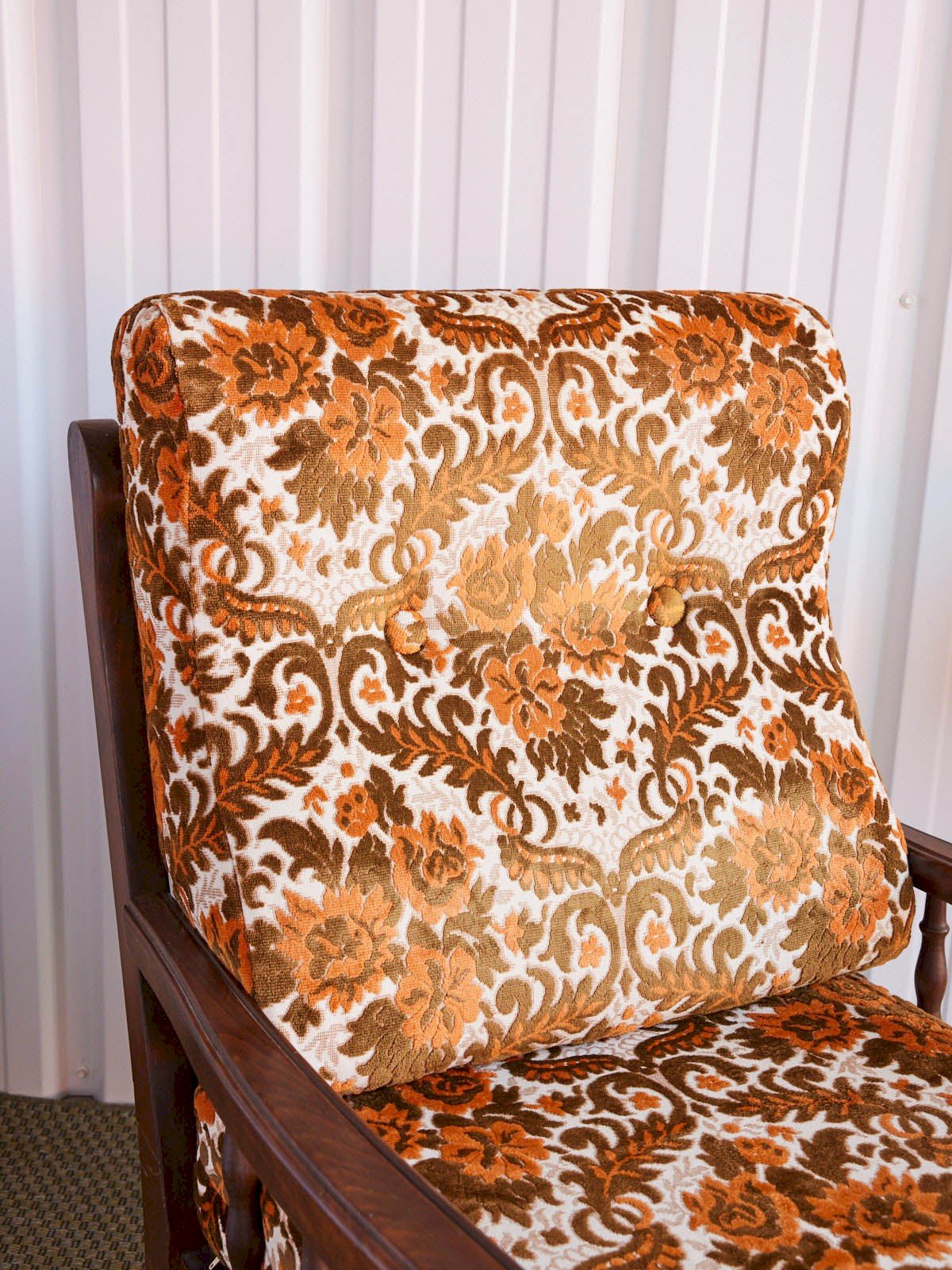
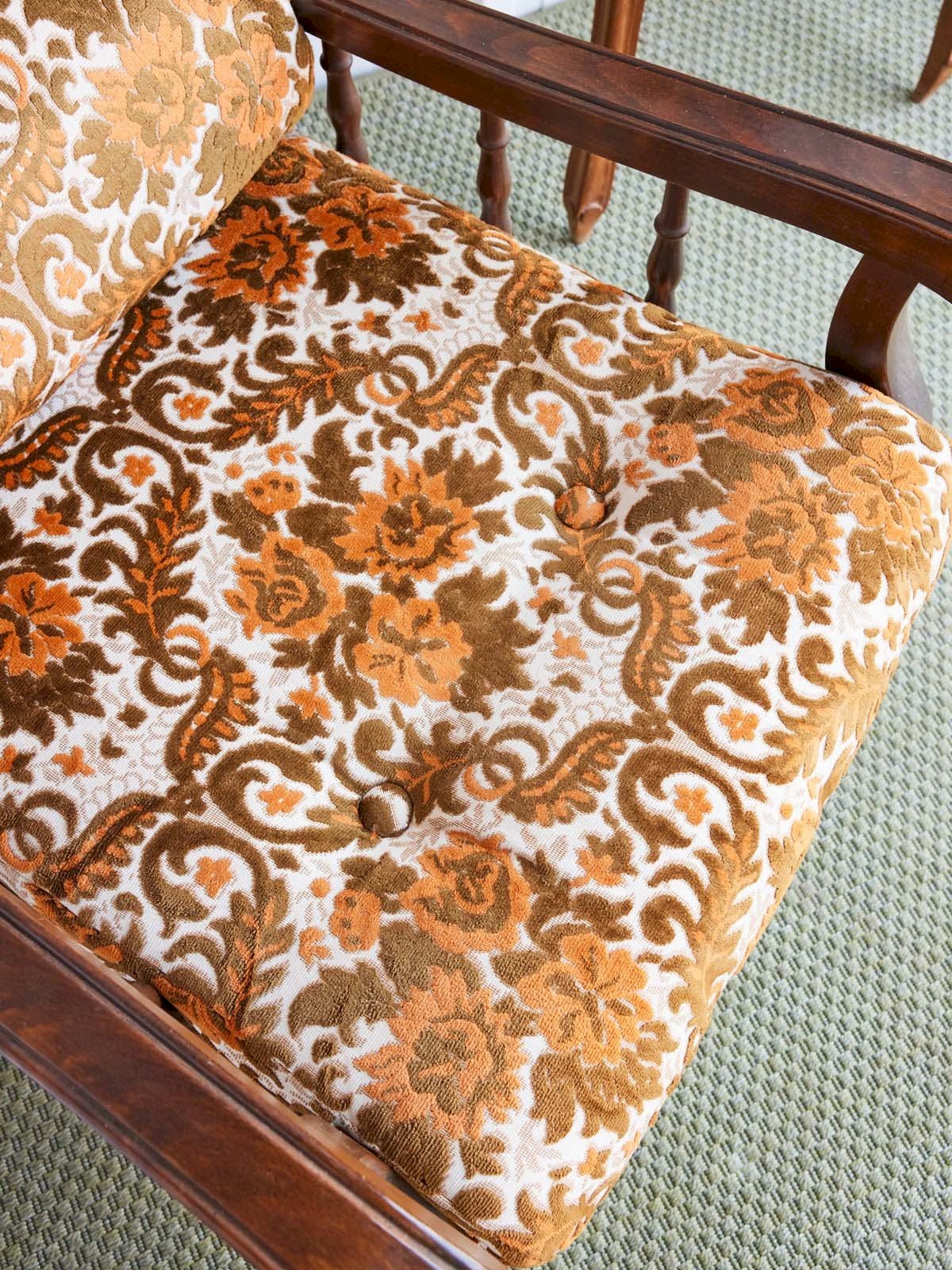
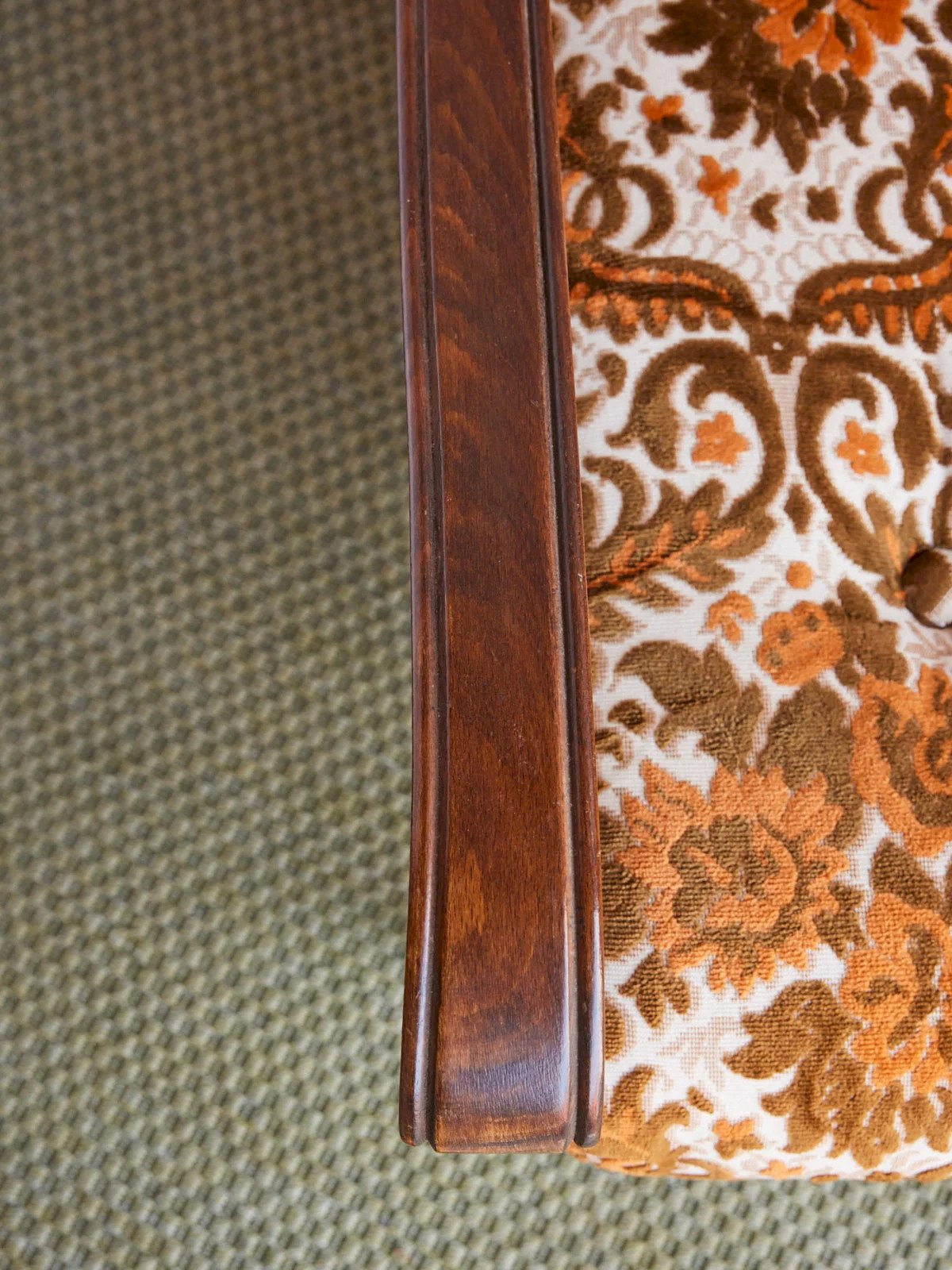
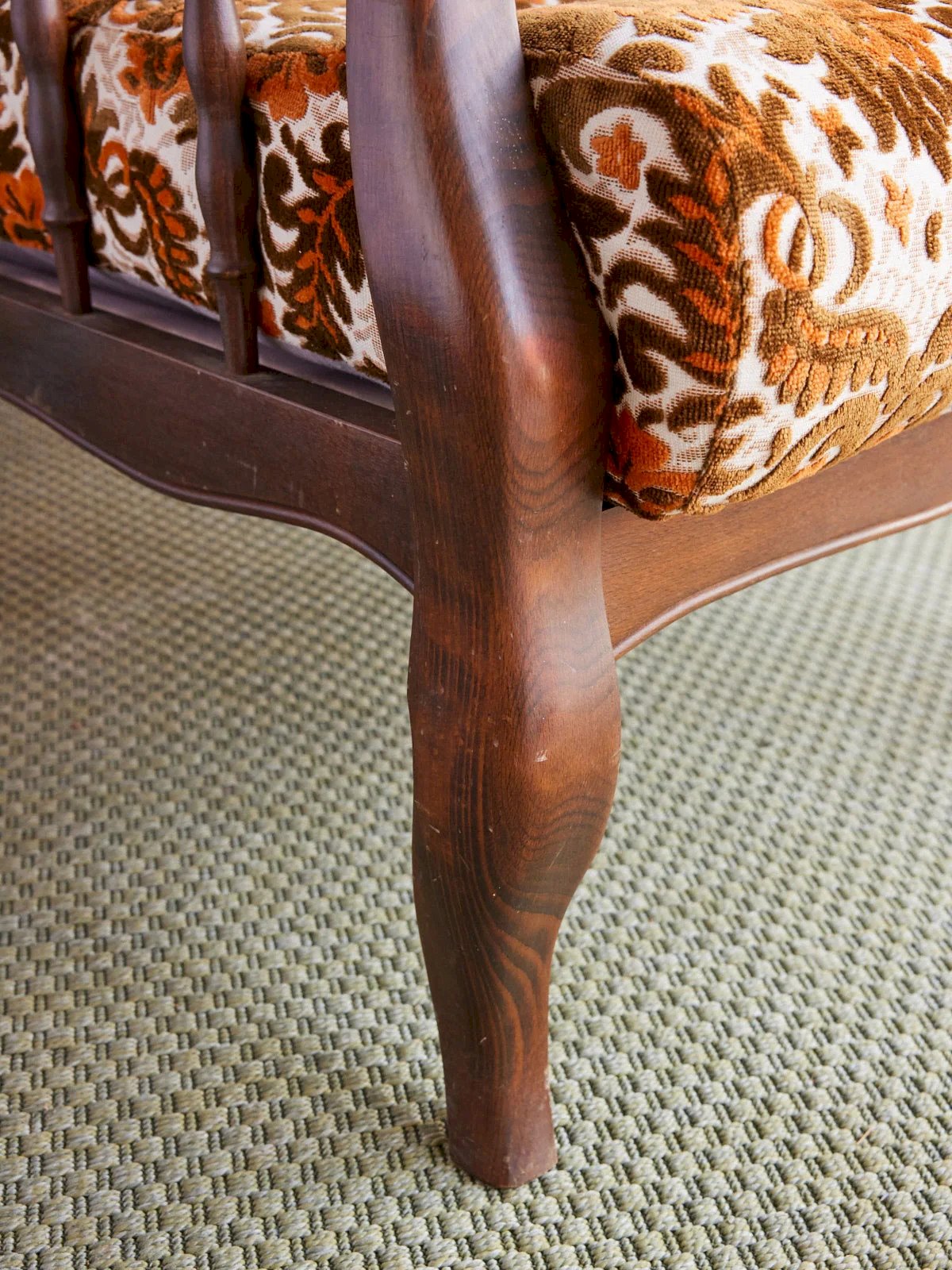
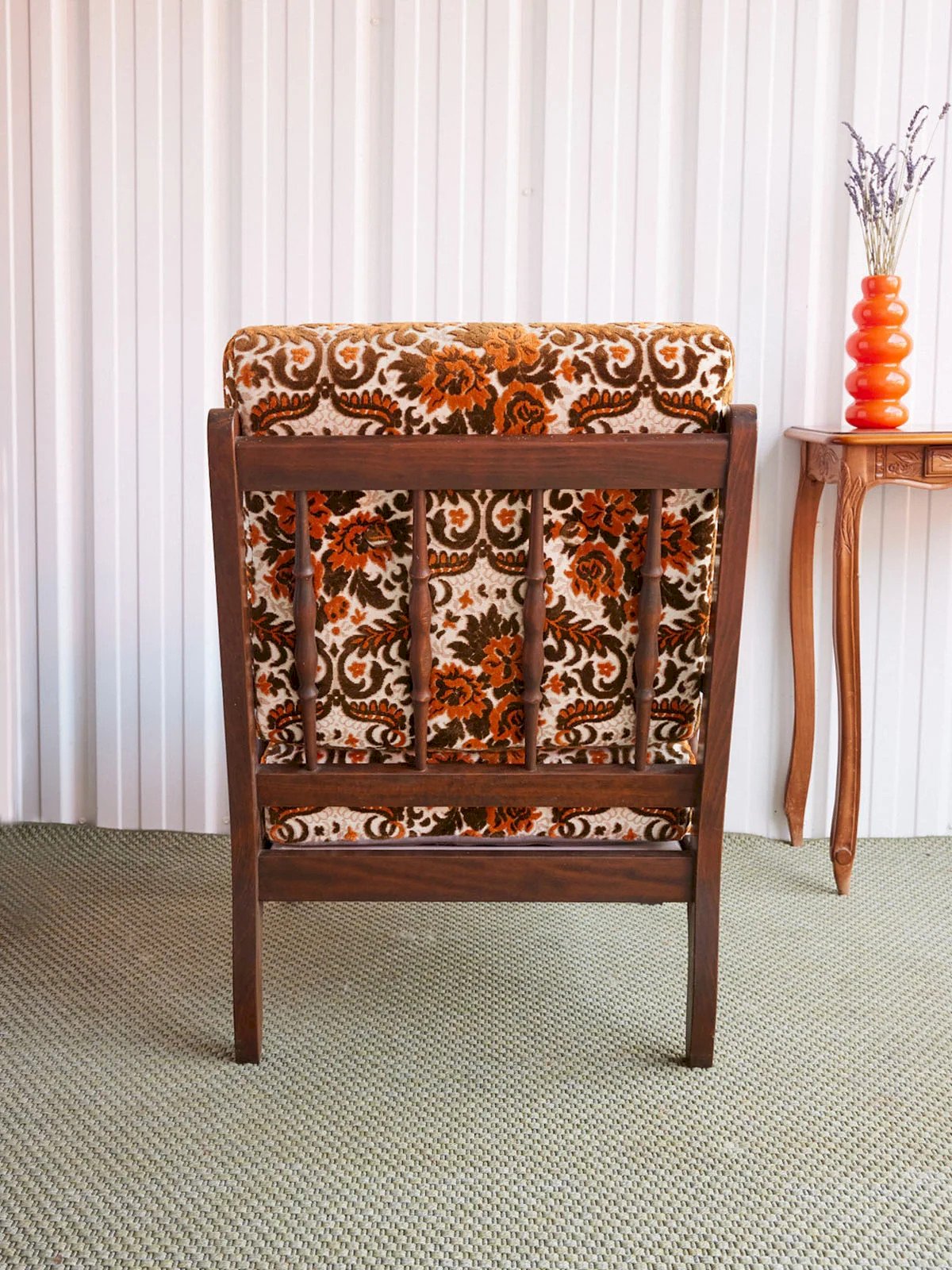
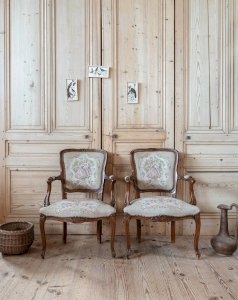
Invite the charm of the countryside into your home with these authentically styled armchairs. Their wooden structure, both robust and elegant, is complemented by cushions adorned with beautiful vintage floral patterns in warm shades of orange and brown that bring a touch of color. Although the supporting fabric under the seat has a slight tear on one of the armchairs, it does not detract from the comfort or aesthetics of these chairs. A perfect accessory to create a warm and welcoming atmosphere in your living room. 2 armchairs available. Width: 60 cm Depth: 85 cm Height: 90 cm Seat height: 44 cm Seat width: 51 cm Seat depth: 51 cm A brief history of the armchair If the chair is designed for work or dining, the armchair was born in the 17th century for one sole purpose: rest. Its name derives from the Old French "faudesteuil," a folding seat of dignity, but it emancipated itself under Louis XV to become this piece of comfort with armrests. Unlike the chair, it favors a wider seat and a reclining back, inviting conversation rather than rigid posture. Whether it's a "bergère" with full cheeks to shelter from drafts or a lighter "bridge" armchair, it embodies the evolution of the art of living.
Réf :
#412907
Brand / From : Debongout
Related Products

Comments
Ernest, the vintage wooden armchair with floral patterns No. 1491
229€
75002 Paris
Ce site contient des liens d’affiliation pour lesquels je peux recevoir une compensation.
Description
Invite the charm of the countryside into your home with these authentically styled armchairs. Their wooden structure, both robust and elegant, is complemented by cushions adorned with beautiful vintage floral patterns in warm shades of orange and brown that bring a touch of color. Although the supporting fabric under the seat has a slight tear on one of the armchairs, it does not detract from the comfort or aesthetics of these chairs. A perfect accessory to create a warm and welcoming atmosphere in your living room. 2 armchairs available. Width: 60 cm Depth: 85 cm Height: 90 cm Seat height: 44 cm Seat width: 51 cm Seat depth: 51 cm A brief history of the armchair If the chair is designed for work or dining, the armchair was born in the 17th century for one sole purpose: rest. Its name derives from the Old French "faudesteuil," a folding seat of dignity, but it emancipated itself under Louis XV to become this piece of comfort with armrests. Unlike the chair, it favors a wider seat and a reclining back, inviting conversation rather than rigid posture. Whether it's a "bergère" with full cheeks to shelter from drafts or a lighter "bridge" armchair, it embodies the evolution of the art of living.
Réf :
#412907
Brand / From : Debongout