 English
 Français


Description
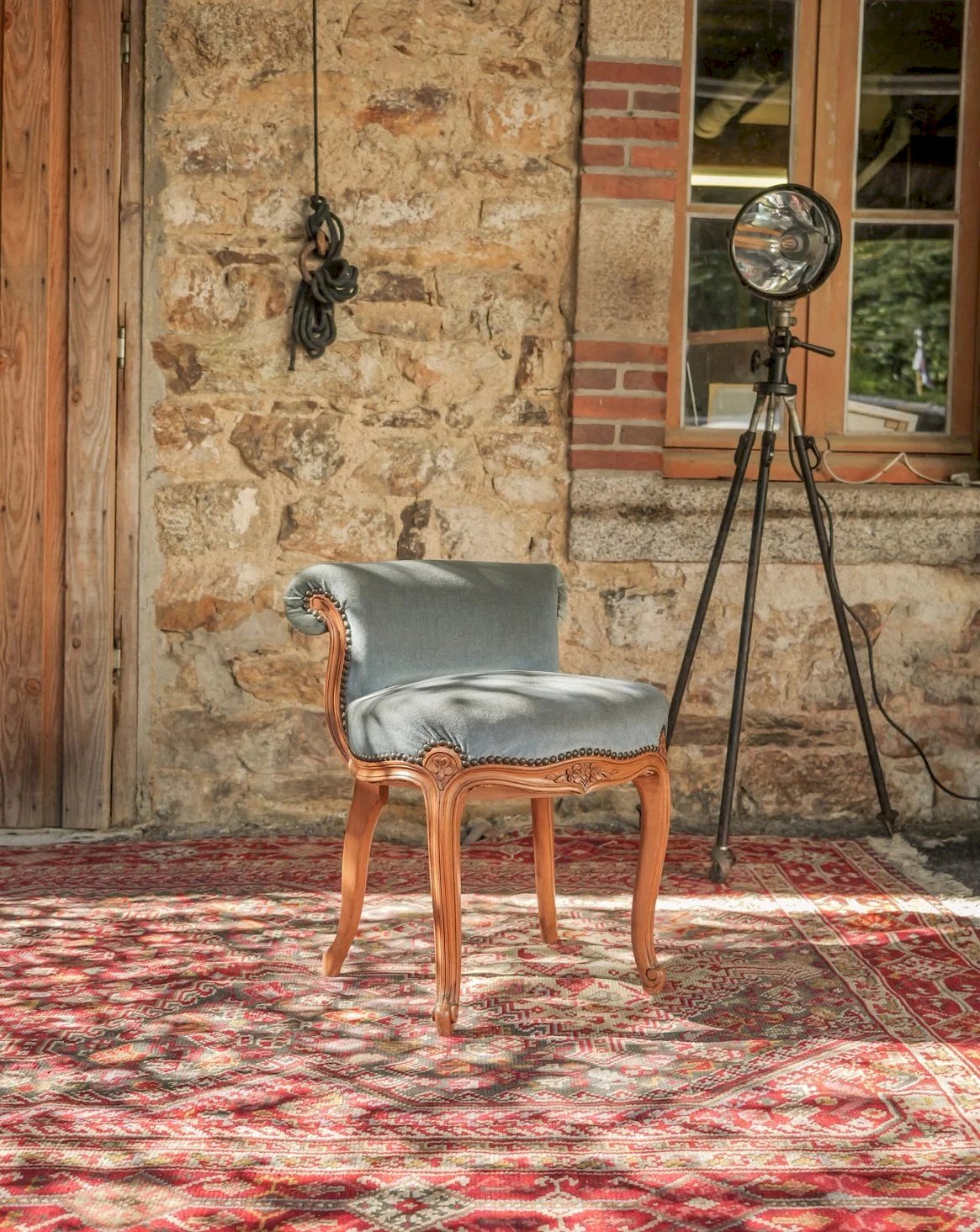
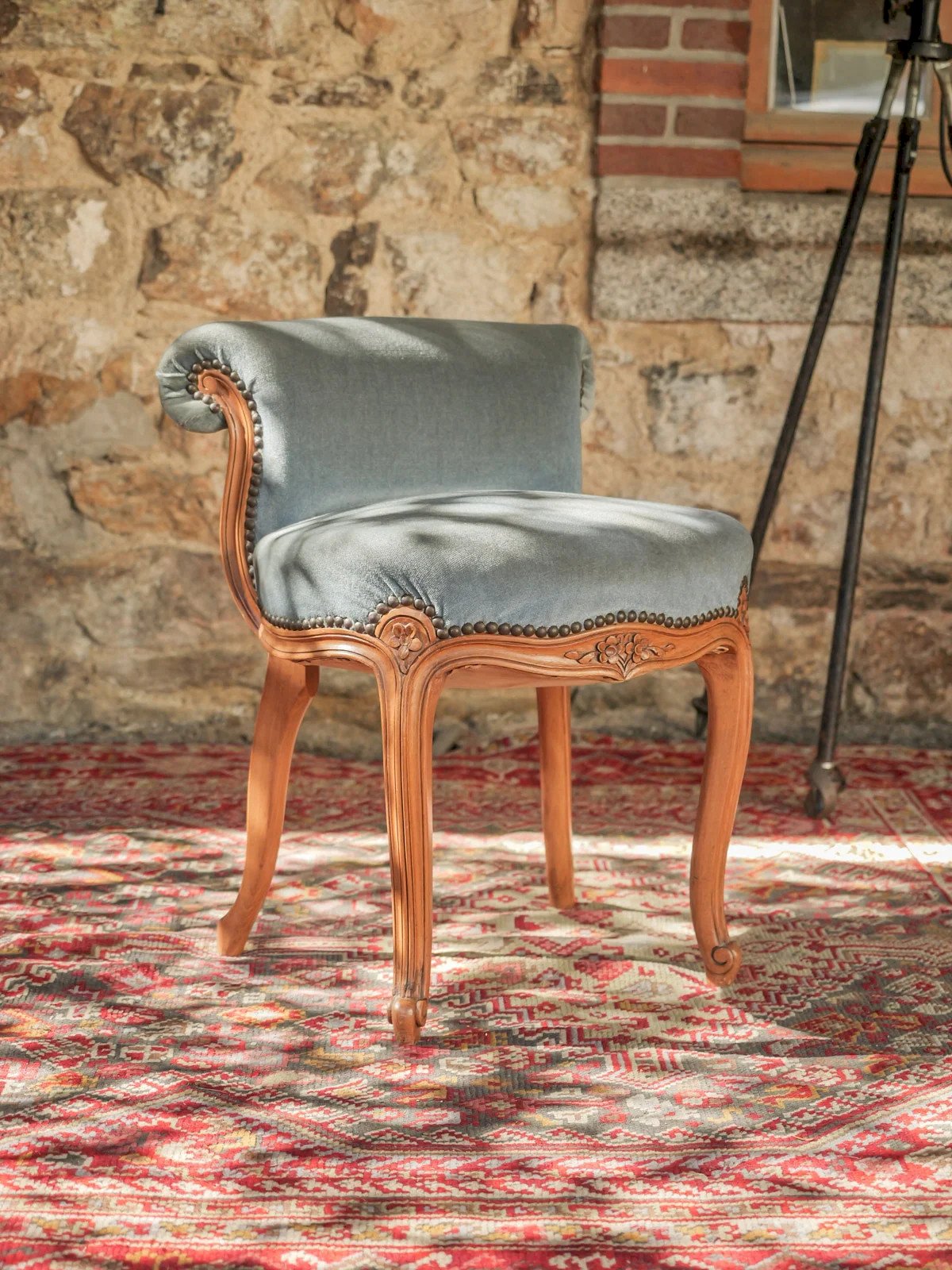
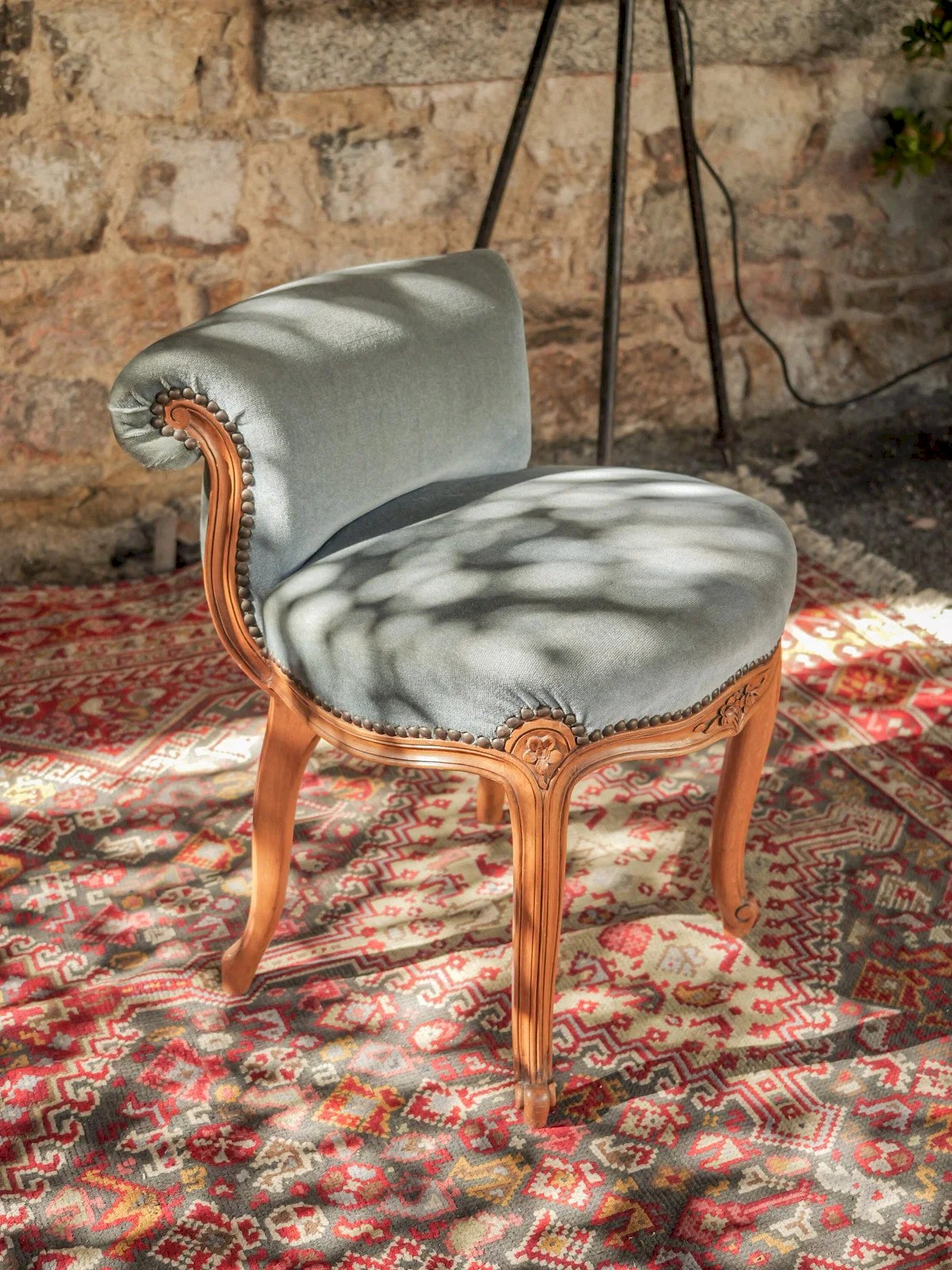
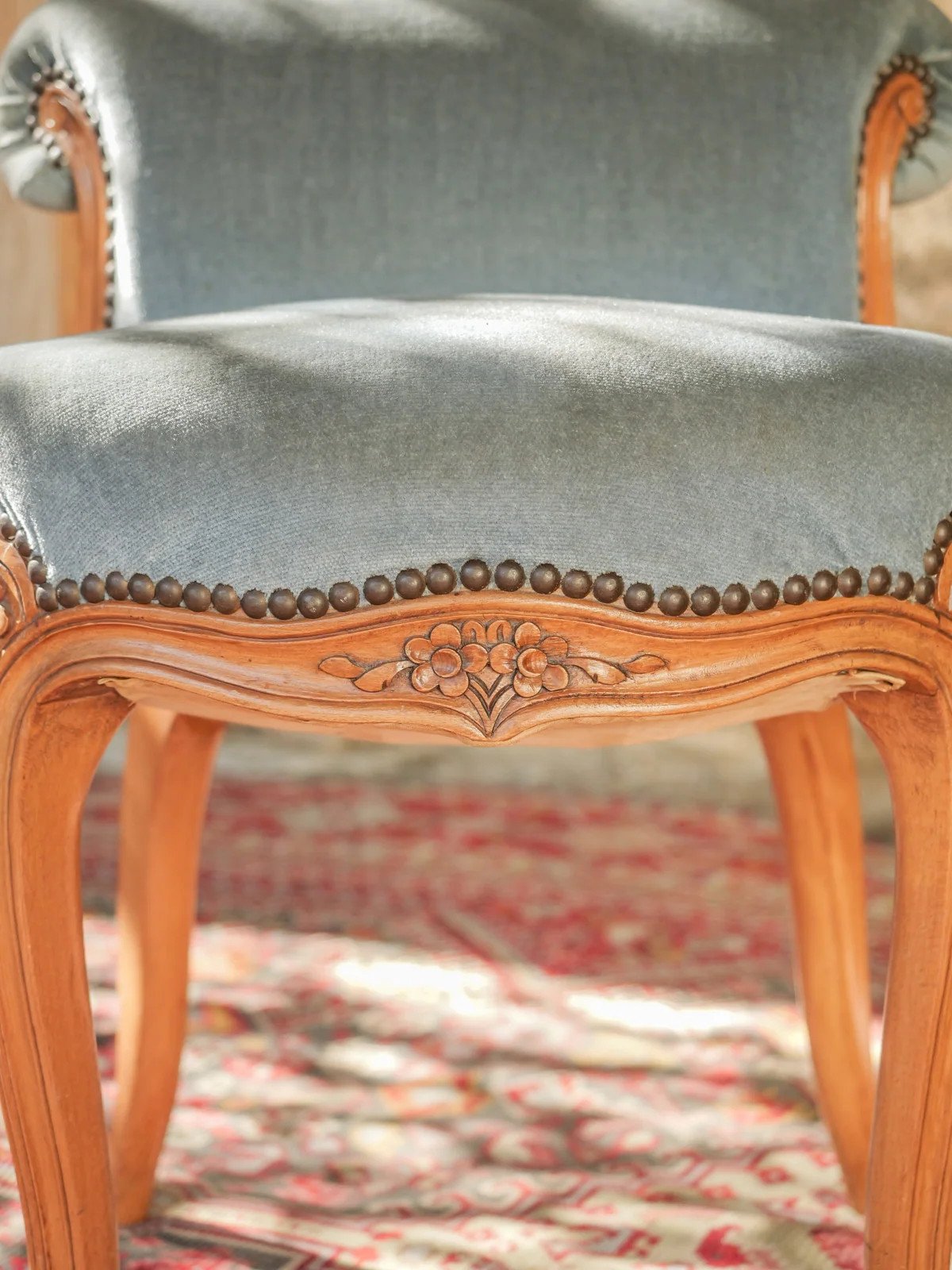
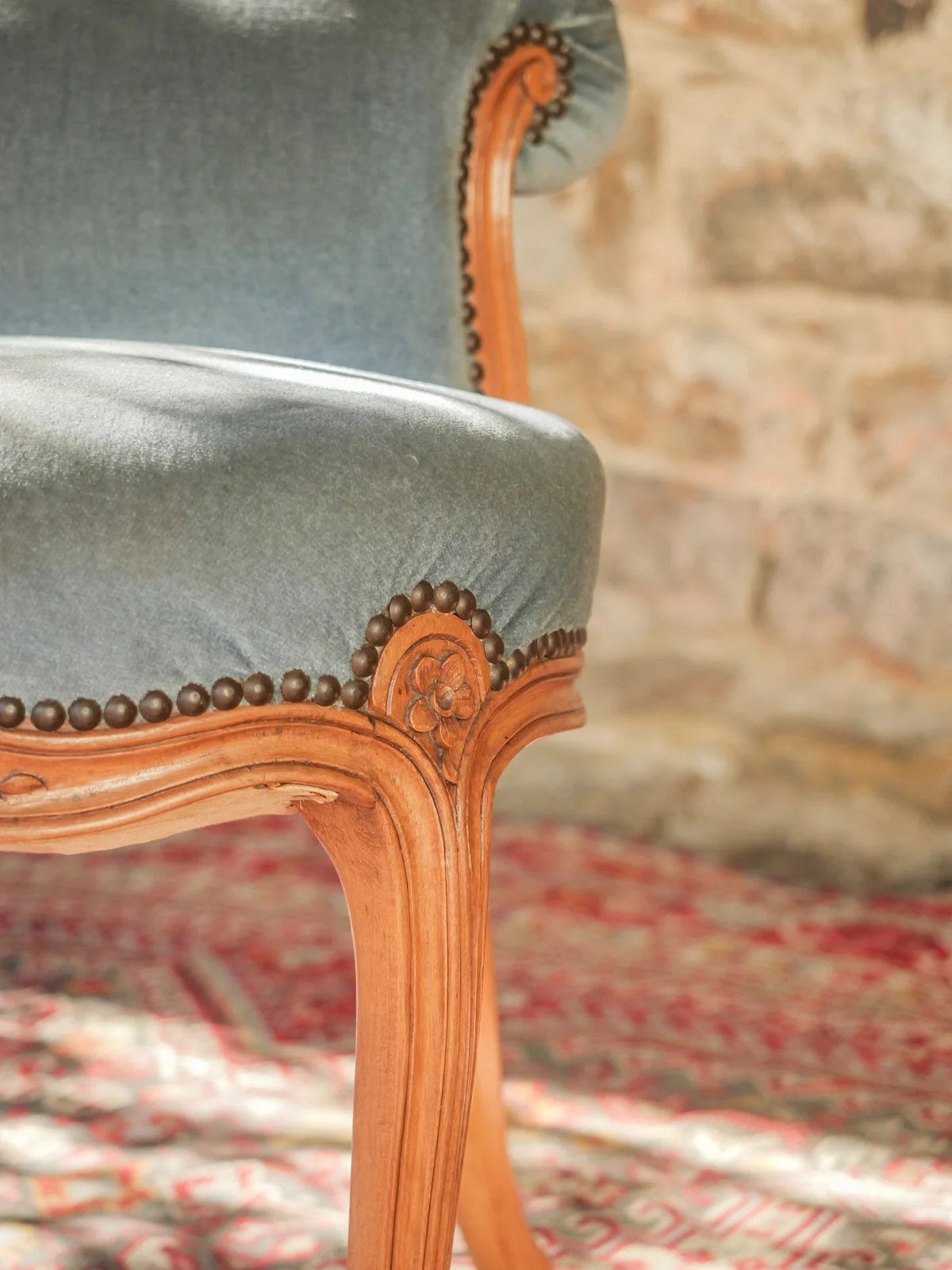
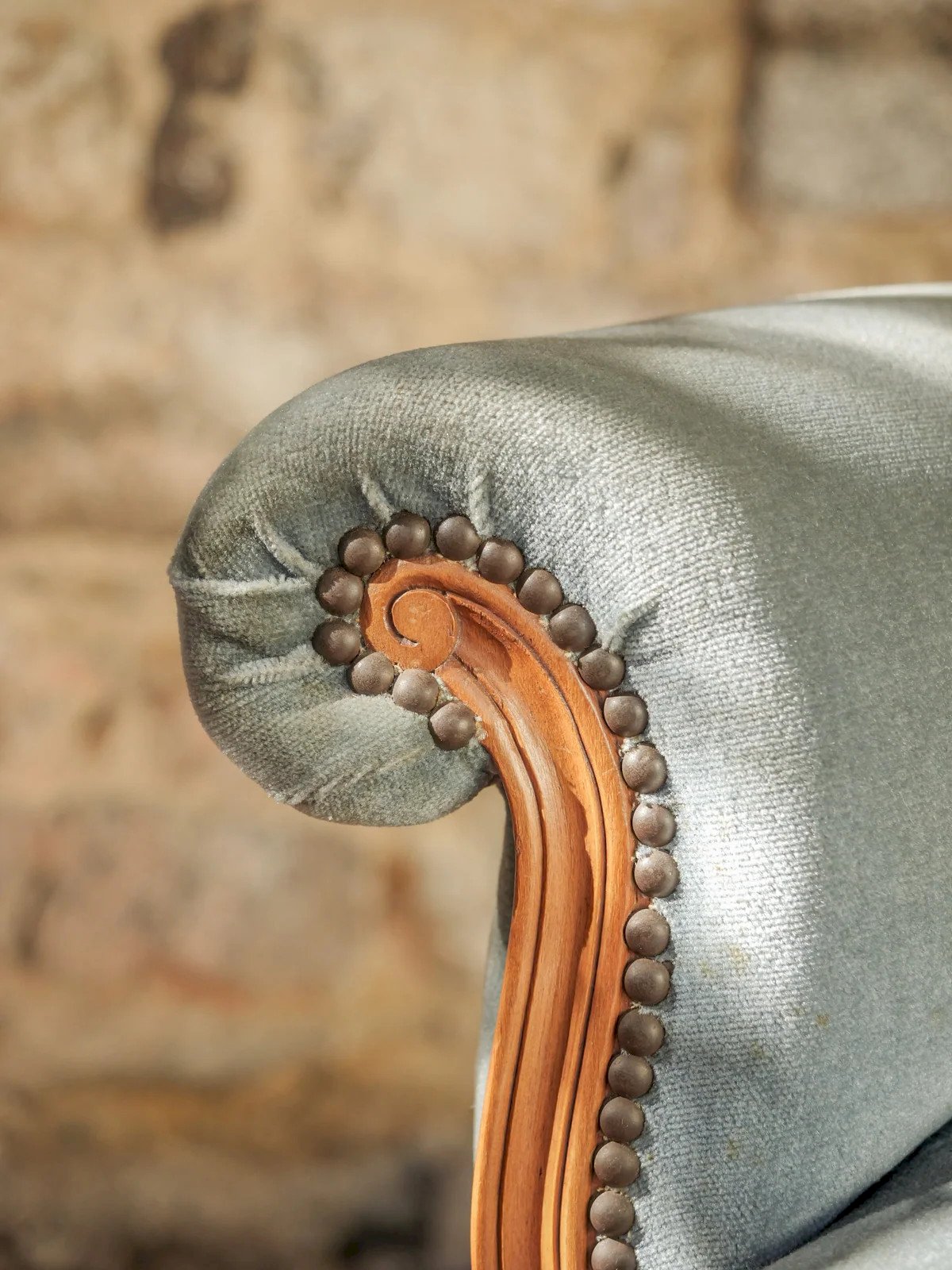
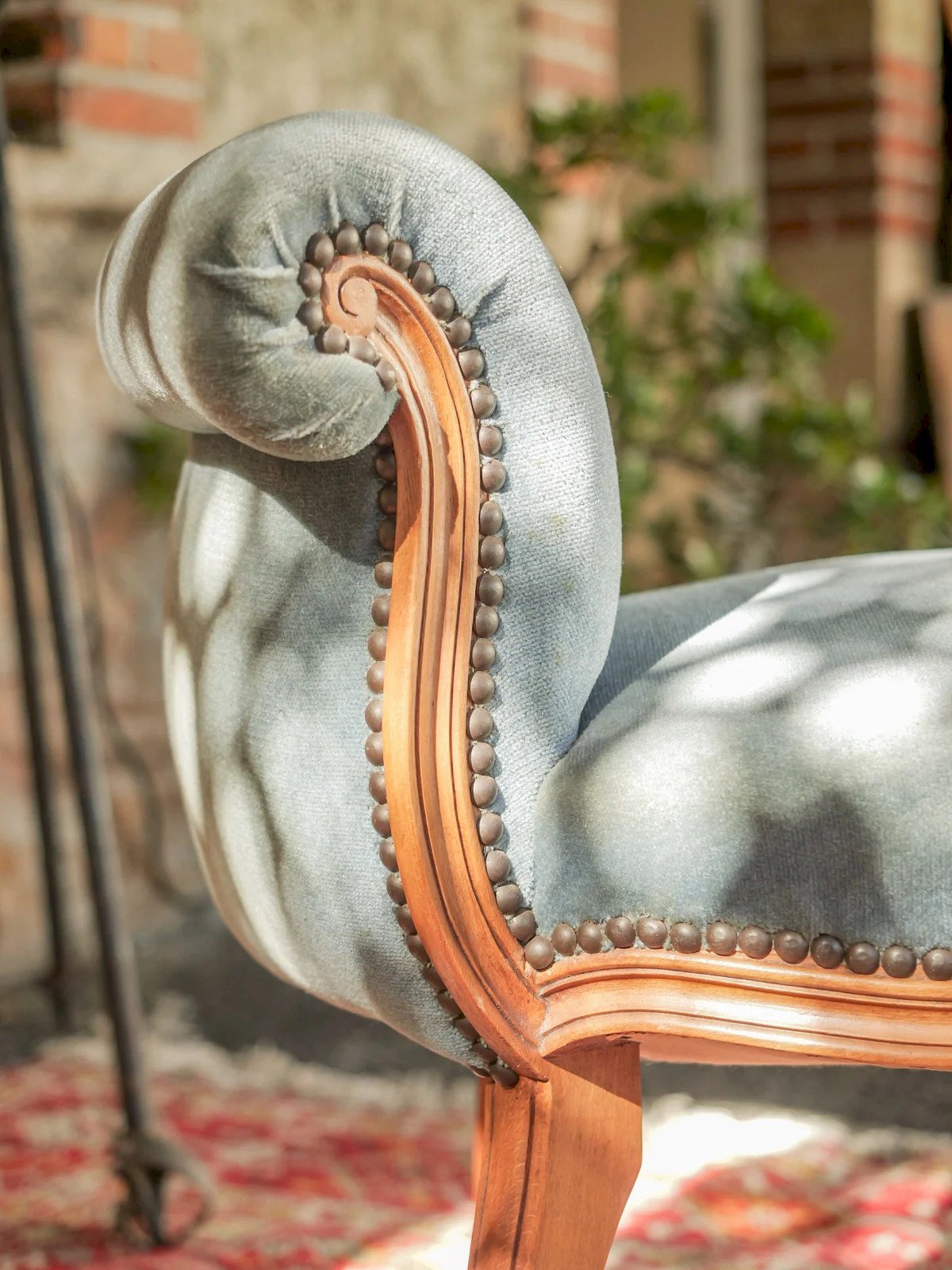
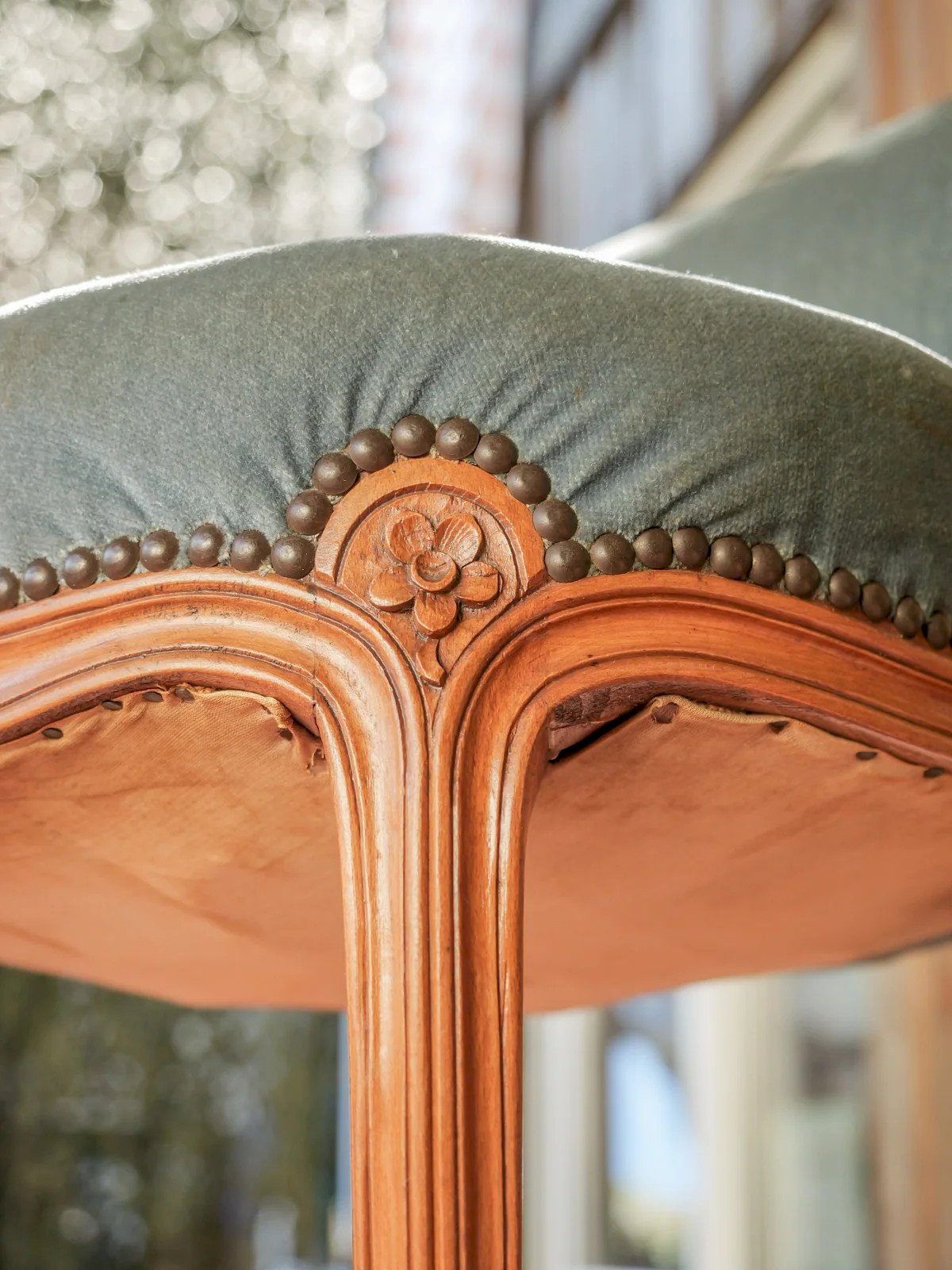
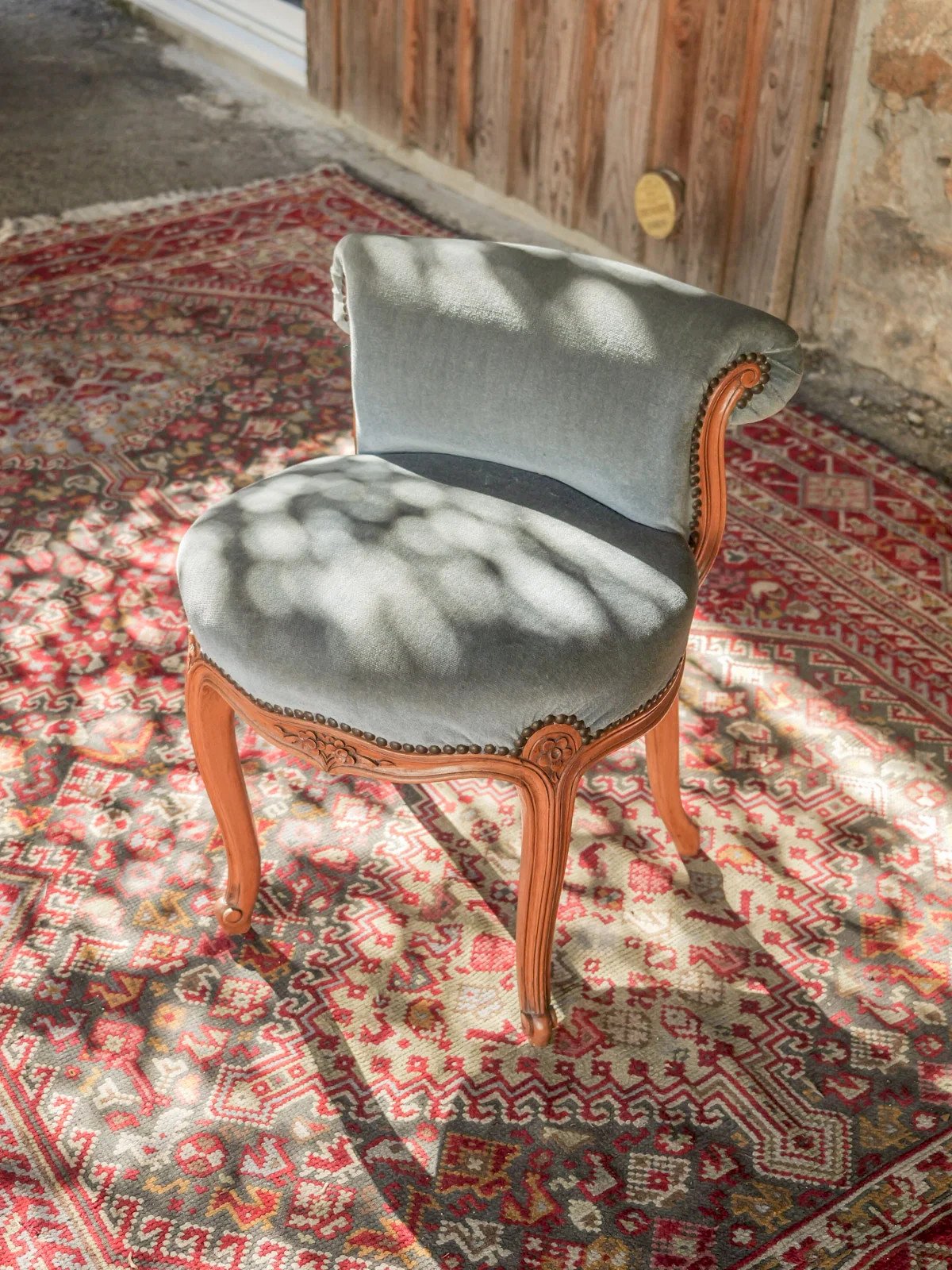
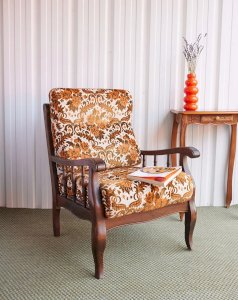
In a country spirit, this vintage boudoir chair captivates with its blue-grey velvet and wooden structure, highlighted by upholstery nail finishes along the backrest. The Louis XV model offers a low seat, pleasant for creating a reading nook in a living room or complementing a bedroom with refined decor. Its measured size allows it to be tucked beside a side table, with a lamp and a few books, without weighing down the whole setup. On an antique rug, it willingly hosts a wool blanket and a stack of magazines, creating a soft and tidy scene. Length: 47 cm Width: 35 cm Depth: 36 cm Height: 63 cm Seat height: 18 cm Seat width: 35 cm Seat depth: 36 cm A brief history of the armchair If the chair is designed for work or meals, the armchair was born in the 17th century for a single mission: rest. Its name derives from the old French "faudesteuil," a folding seat for dignitaries, but it emancipated itself under Louis XV to become this comfort piece with armrests. Unlike the chair, it prefers a wider seat and an inclined backrest, inviting conversation rather than a rigid posture. Whether it is a "bergère" with full cheeks to ward off drafts or a lighter "bridge" armchair, it embodies the evolution of the art of living.
Réf :
#413832
Brand / From : Debongout
Color(s) : Multicolored
Related Products
Comments
Ernest, the boudoir armchair No. 1616
259€
75002 Paris
Ce site contient des liens d’affiliation pour lesquels je peux recevoir une compensation.
Description
In a country spirit, this vintage boudoir chair captivates with its blue-grey velvet and wooden structure, highlighted by upholstery nail finishes along the backrest. The Louis XV model offers a low seat, pleasant for creating a reading nook in a living room or complementing a bedroom with refined decor. Its measured size allows it to be tucked beside a side table, with a lamp and a few books, without weighing down the whole setup. On an antique rug, it willingly hosts a wool blanket and a stack of magazines, creating a soft and tidy scene. Length: 47 cm Width: 35 cm Depth: 36 cm Height: 63 cm Seat height: 18 cm Seat width: 35 cm Seat depth: 36 cm A brief history of the armchair If the chair is designed for work or meals, the armchair was born in the 17th century for a single mission: rest. Its name derives from the old French "faudesteuil," a folding seat for dignitaries, but it emancipated itself under Louis XV to become this comfort piece with armrests. Unlike the chair, it prefers a wider seat and an inclined backrest, inviting conversation rather than a rigid posture. Whether it is a "bergère" with full cheeks to ward off drafts or a lighter "bridge" armchair, it embodies the evolution of the art of living.
Réf :
#413832
Brand / From : Debongout
Color(s) : Multicolored