 English
 Français


Description
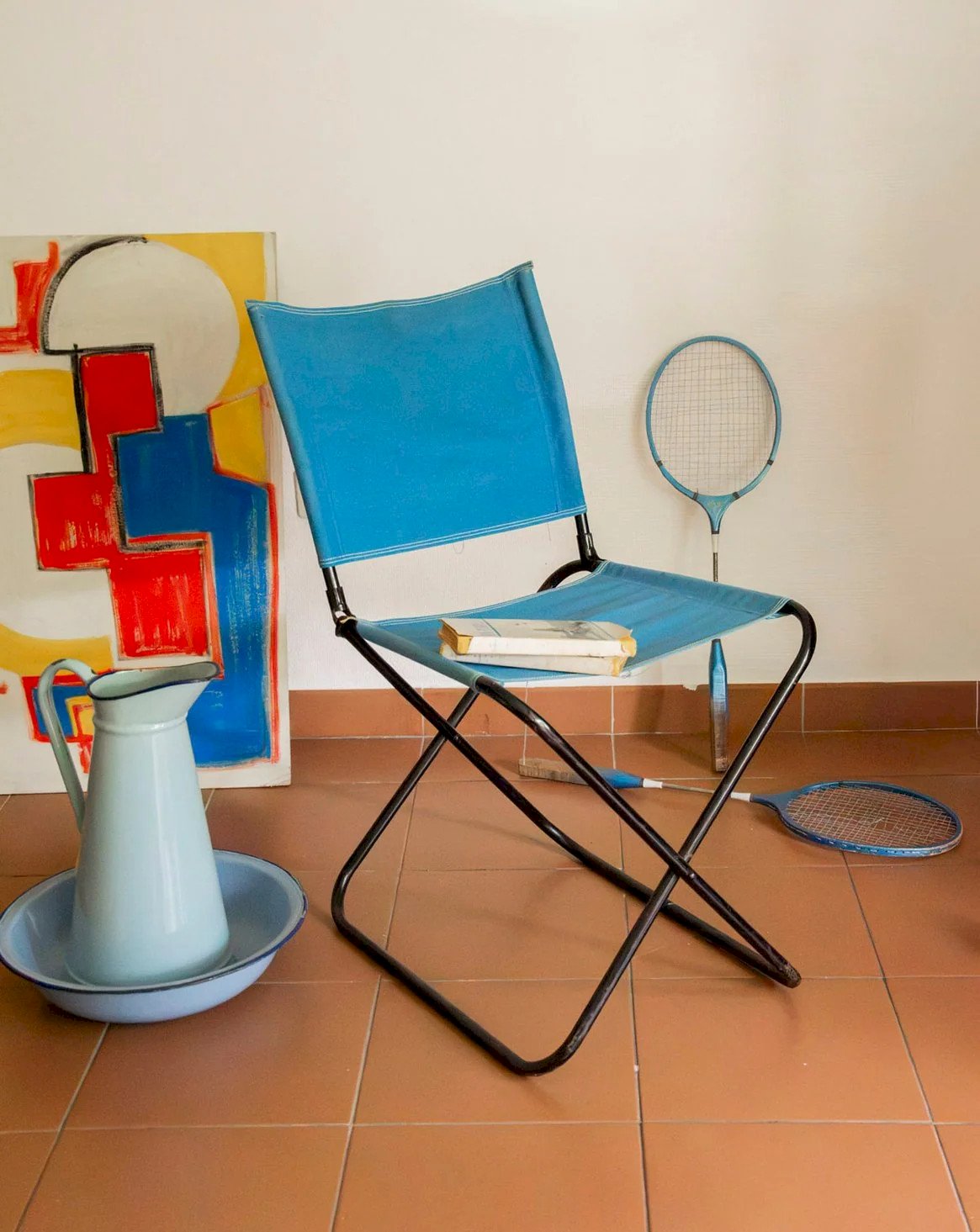
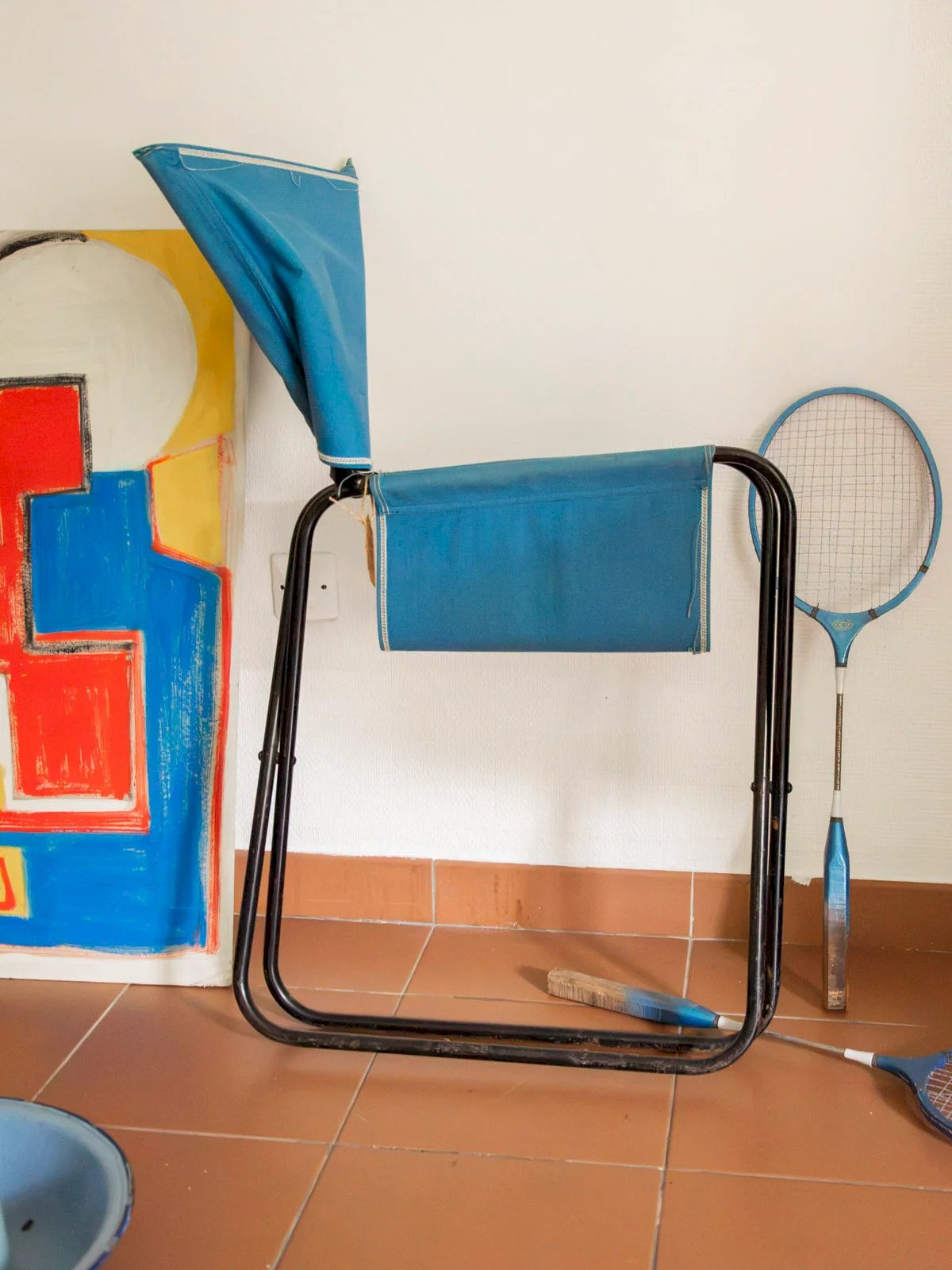
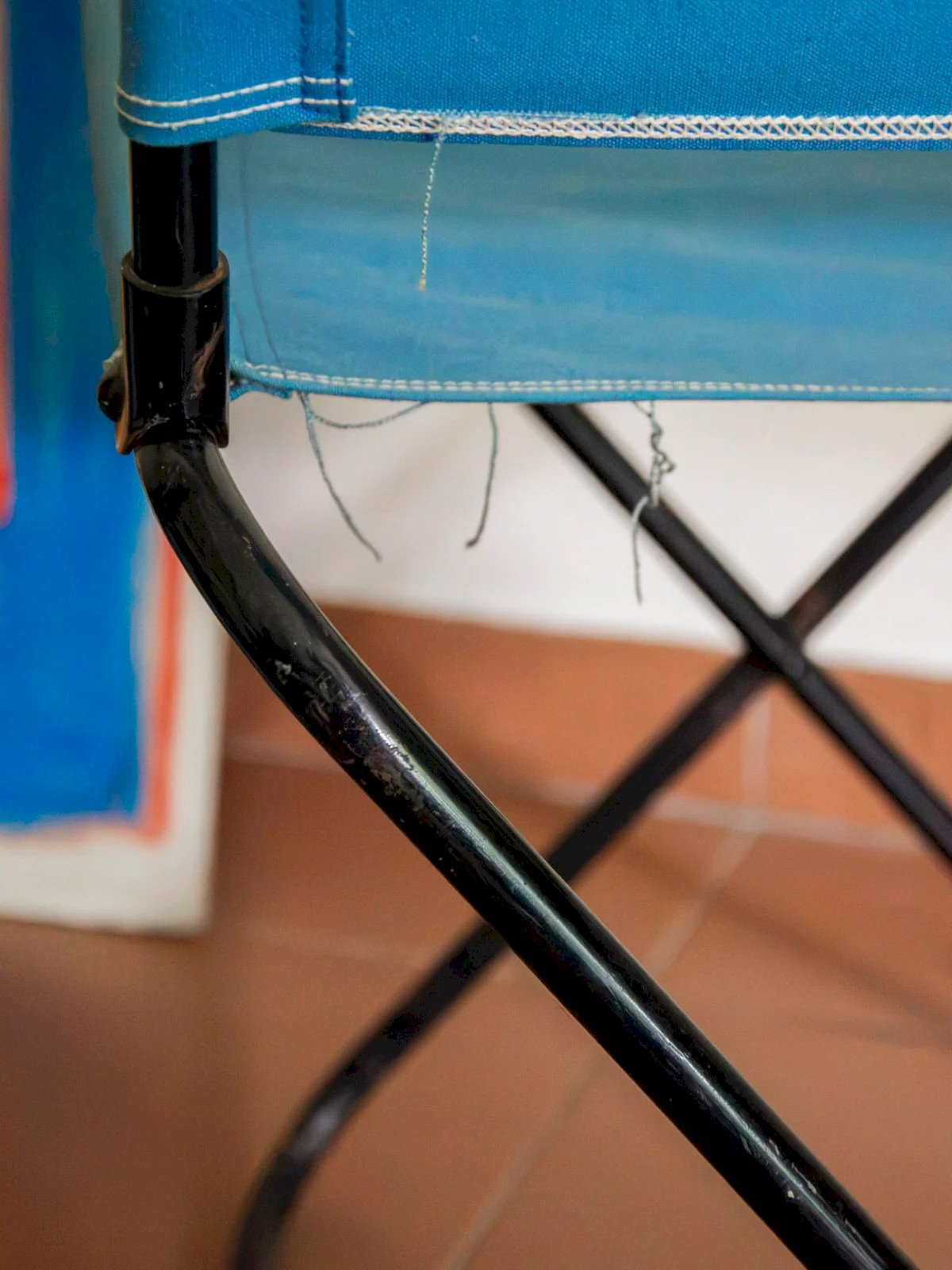
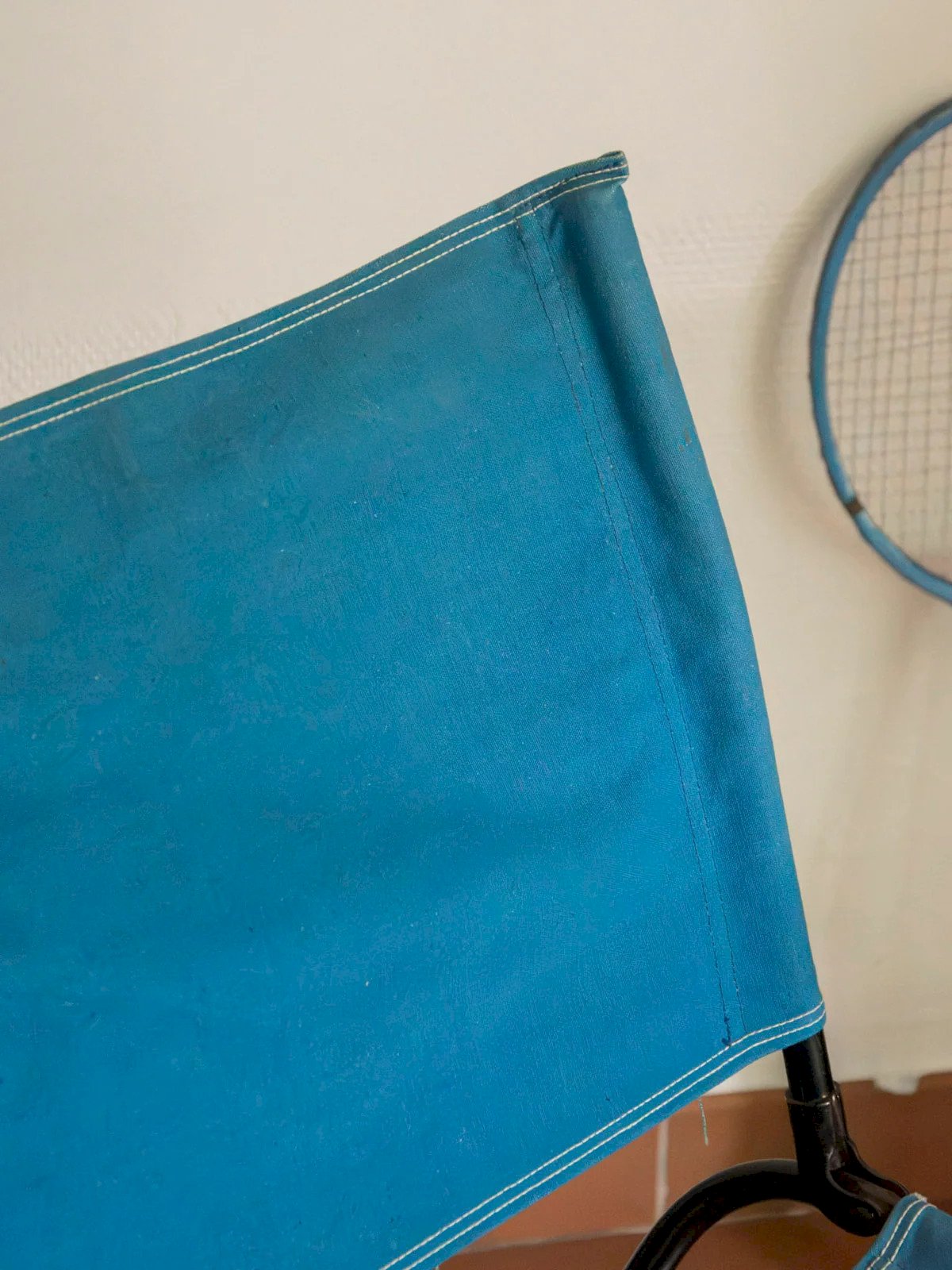
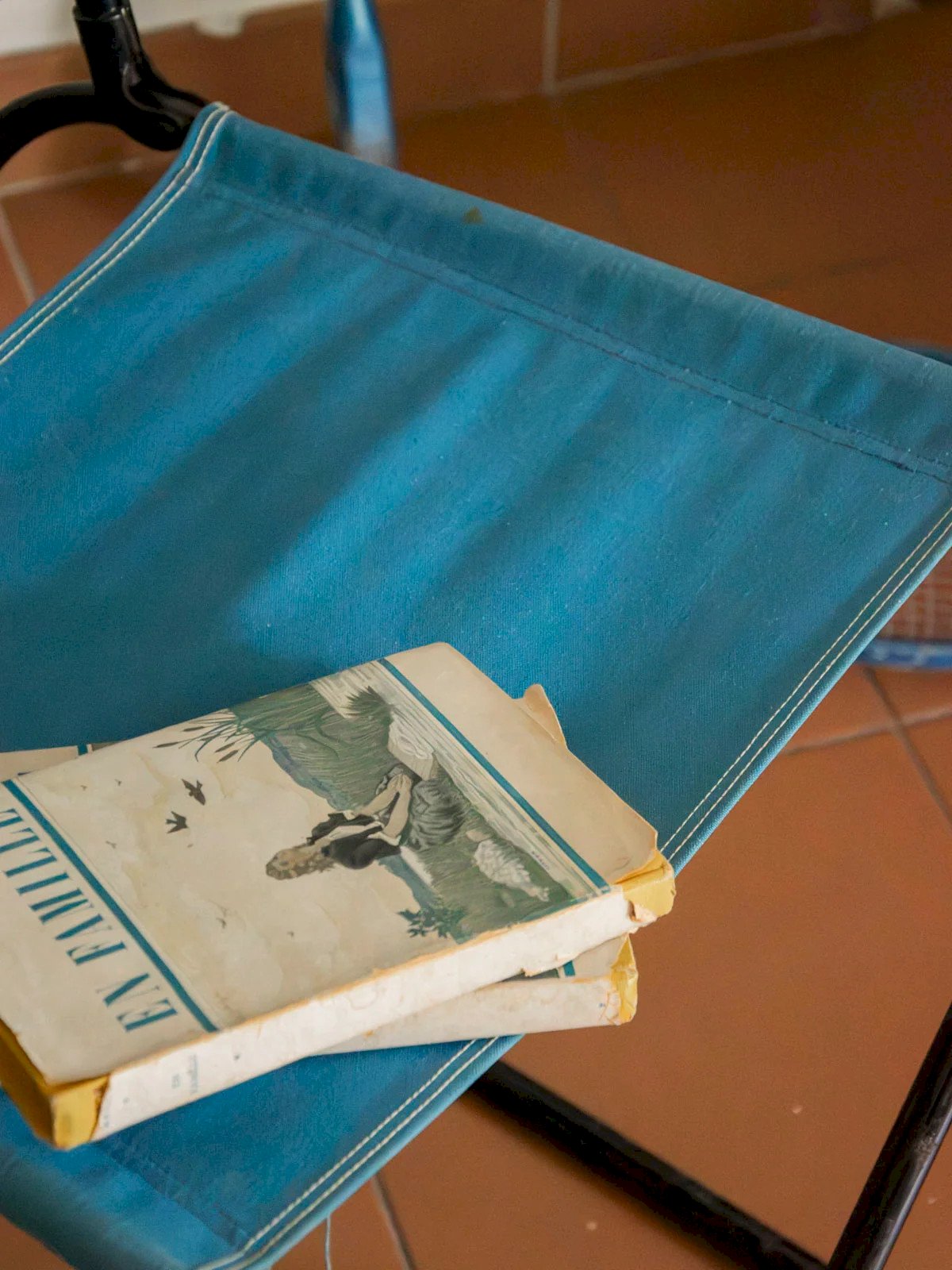
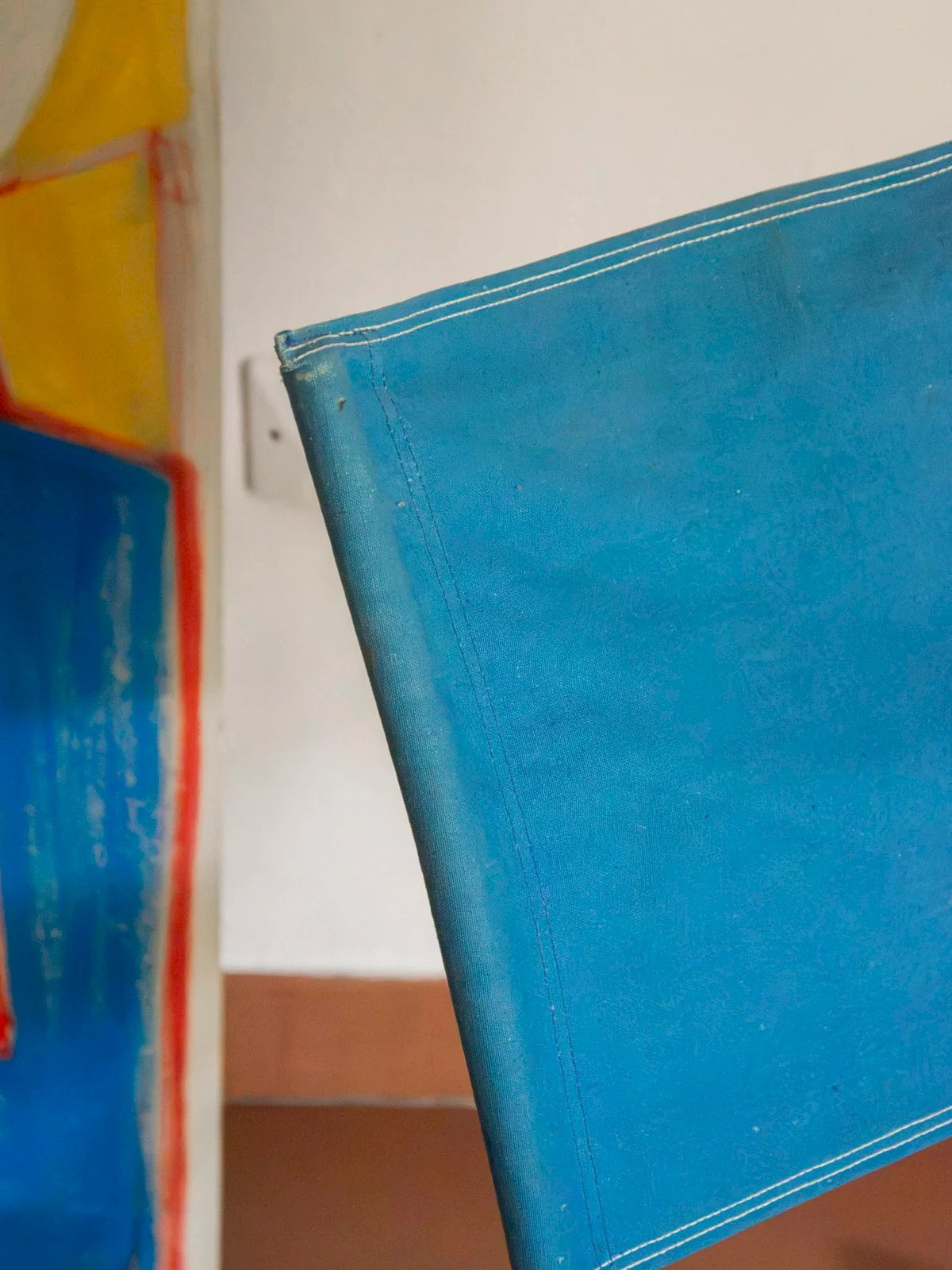
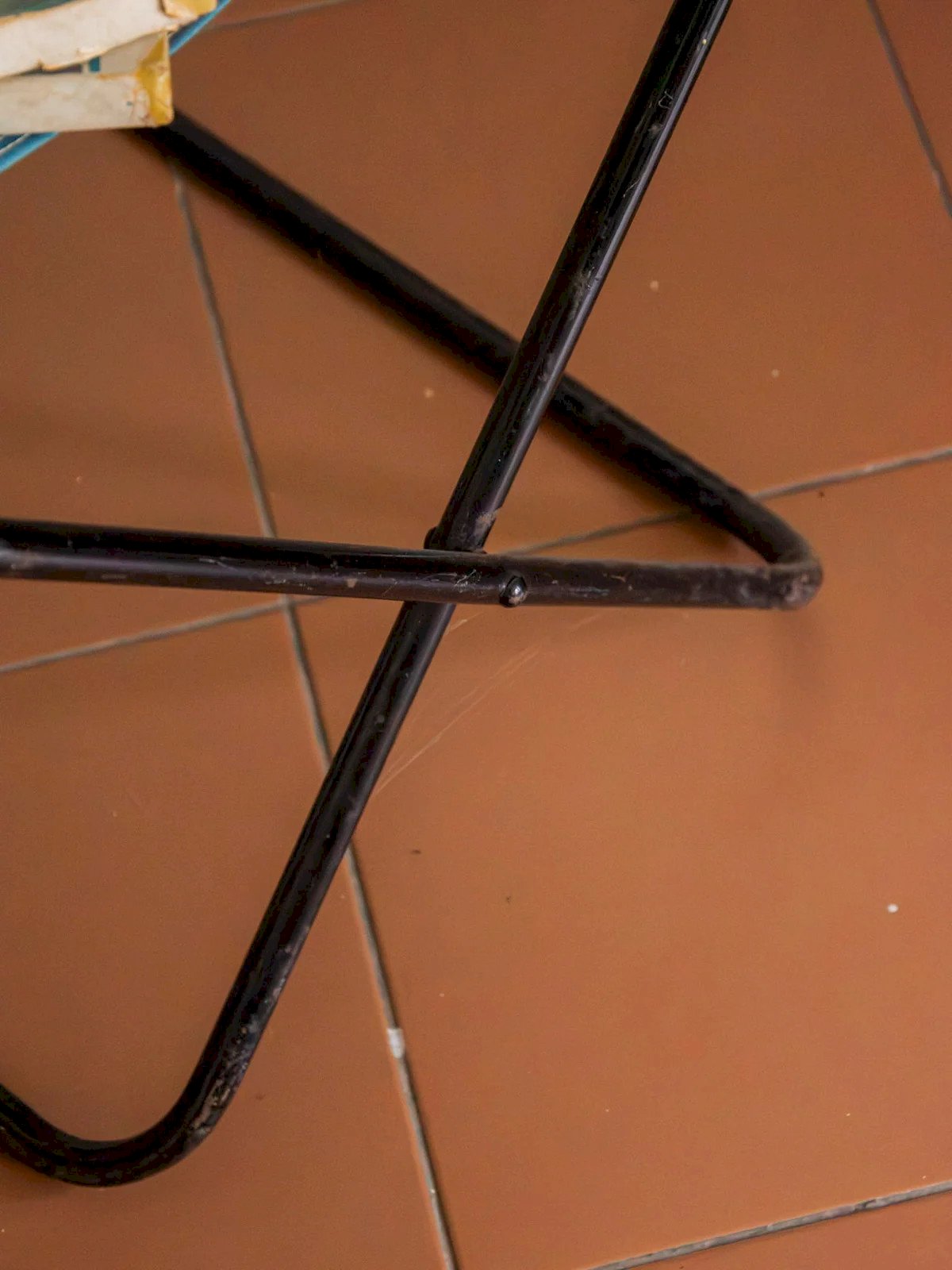
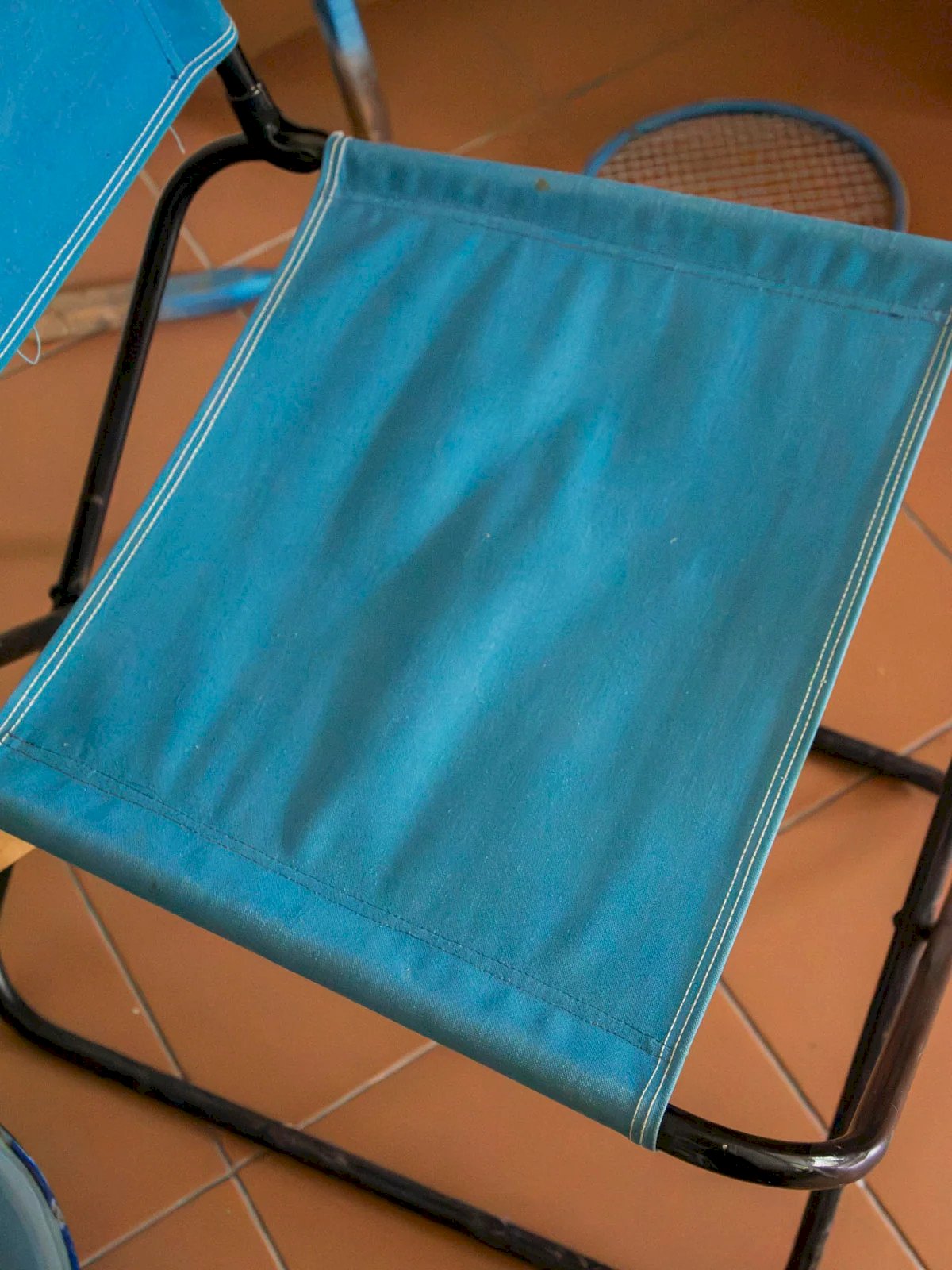
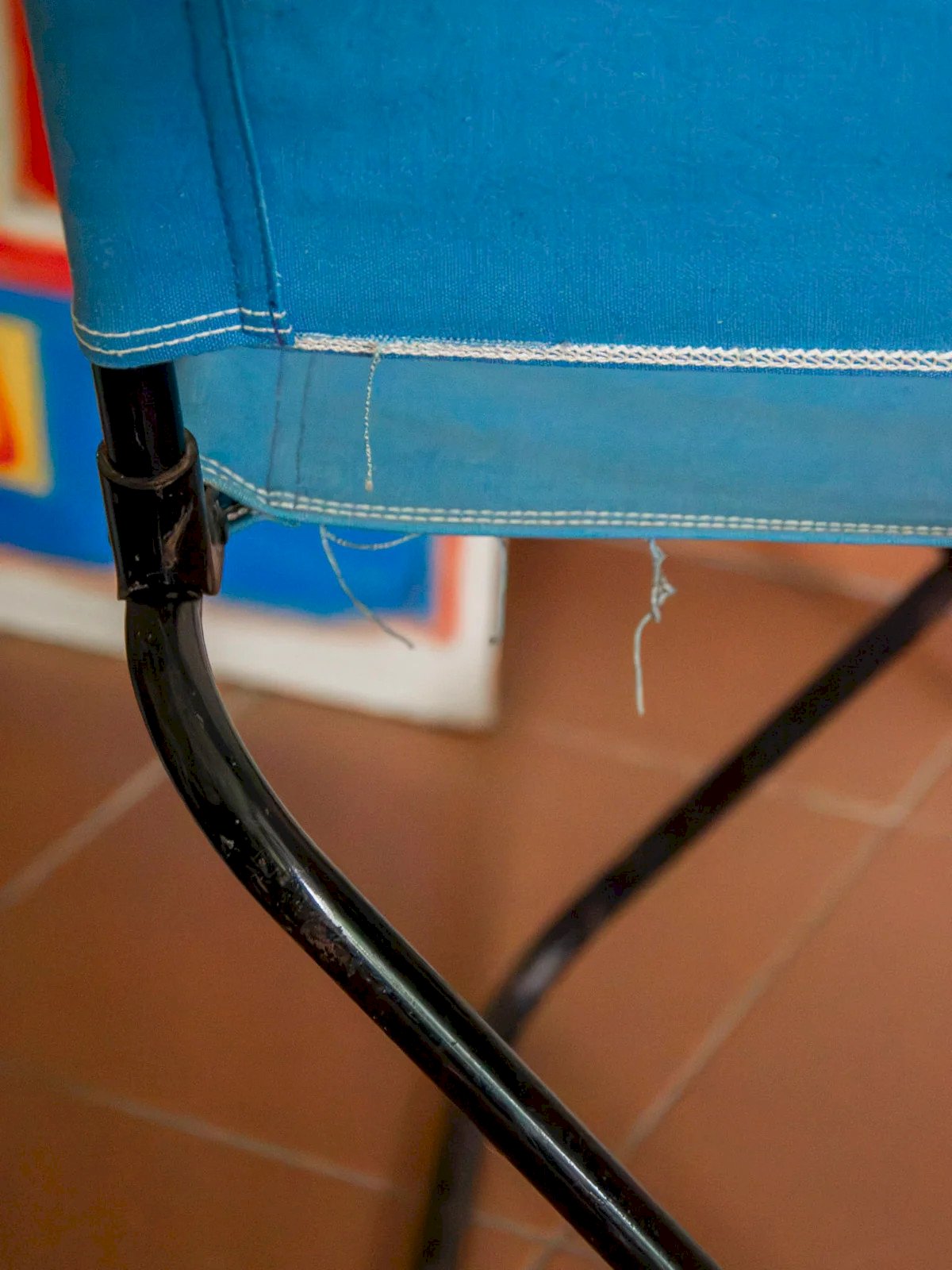
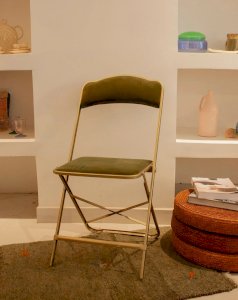
With its electric blue fabric and black metal structure, this second-hand chair adds a contemporary touch to clean, simple lines. Its measured height seat offers pleasant comfort around a table, in a kitchen, or a workspace, while its folding design allows for easy storage when you want to free up space. The combination of metal and fabric gives it a look that is both functional and refined, making it easy to match with dark wood, neutral tones, or a glass table. Opened up next to a side table, it elegantly holds an open book and a cup of coffee. Width: 40 cm Depth: 46 cm Height: 77 cm Seat height: 43 cm A brief history of the chair In the Middle Ages, sitting on a backrest chair was a rare privilege, reserved for the one leading the assembly: the "president" [from the Latin praesidere, to sit before]. For a long time a symbol of prestige compared to the benches and stools of the common people, the chair only became mainstream in the 18th century, turning into an everyday object. It is distinguished from an armchair by the absence of armrests, a structure designed to offer complete freedom of movement around a table or desk. The result of a constant quest between lightness and sturdiness, it has evolved from carved solid wood to more modern lines, making each seat a witness to the history of comfort.
Réf :
#414501
Brand / From : Debongout
Related Products
Comments
Alma, the folding chair with sky blue fabric No. 2040
119€
75002 Paris
Ce site contient des liens d’affiliation pour lesquels je peux recevoir une compensation.
Description
With its electric blue fabric and black metal structure, this second-hand chair adds a contemporary touch to clean, simple lines. Its measured height seat offers pleasant comfort around a table, in a kitchen, or a workspace, while its folding design allows for easy storage when you want to free up space. The combination of metal and fabric gives it a look that is both functional and refined, making it easy to match with dark wood, neutral tones, or a glass table. Opened up next to a side table, it elegantly holds an open book and a cup of coffee. Width: 40 cm Depth: 46 cm Height: 77 cm Seat height: 43 cm A brief history of the chair In the Middle Ages, sitting on a backrest chair was a rare privilege, reserved for the one leading the assembly: the "president" [from the Latin praesidere, to sit before]. For a long time a symbol of prestige compared to the benches and stools of the common people, the chair only became mainstream in the 18th century, turning into an everyday object. It is distinguished from an armchair by the absence of armrests, a structure designed to offer complete freedom of movement around a table or desk. The result of a constant quest between lightness and sturdiness, it has evolved from carved solid wood to more modern lines, making each seat a witness to the history of comfort.
Réf :
#414501
Brand / From : Debongout