 English
 Français


Description
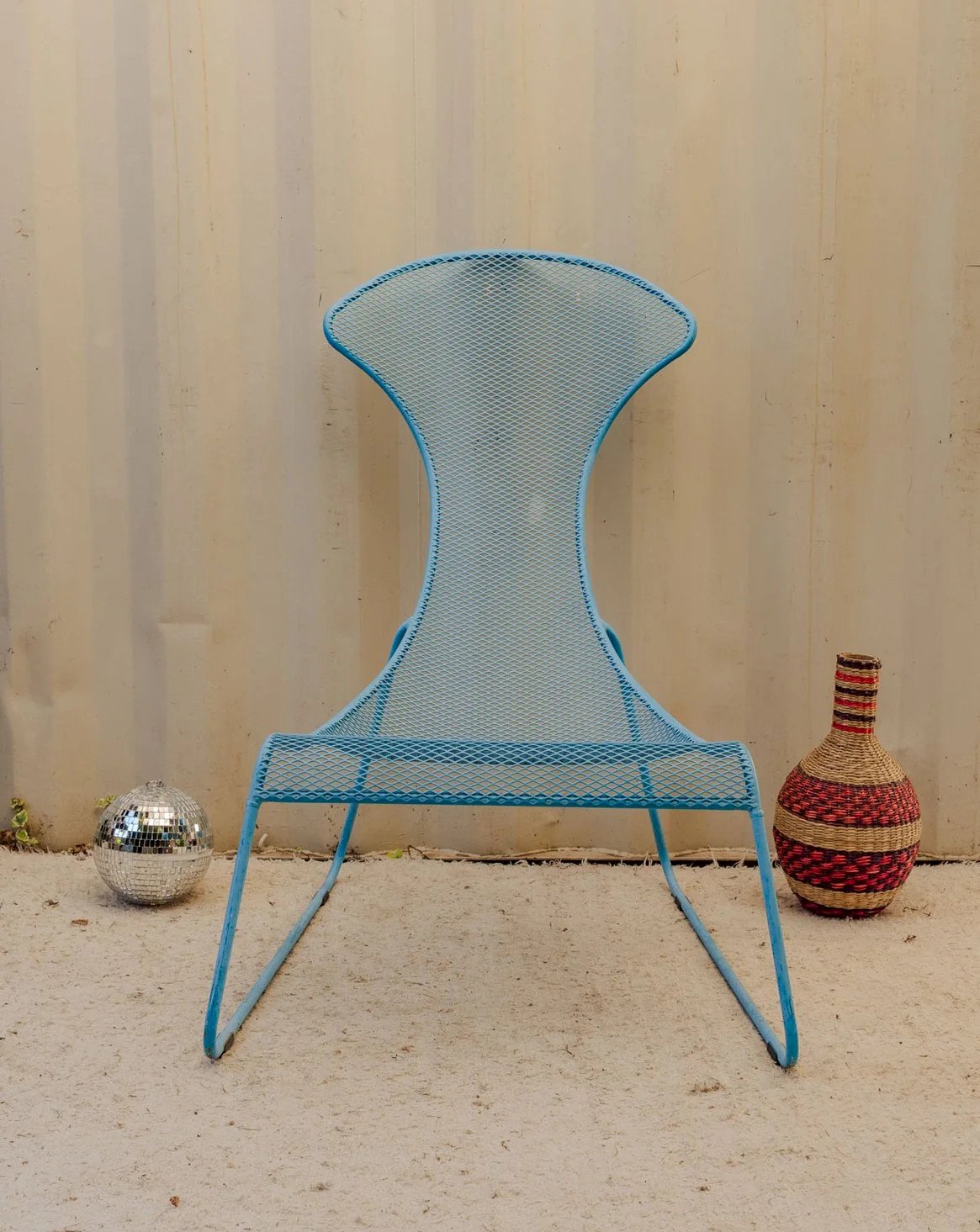
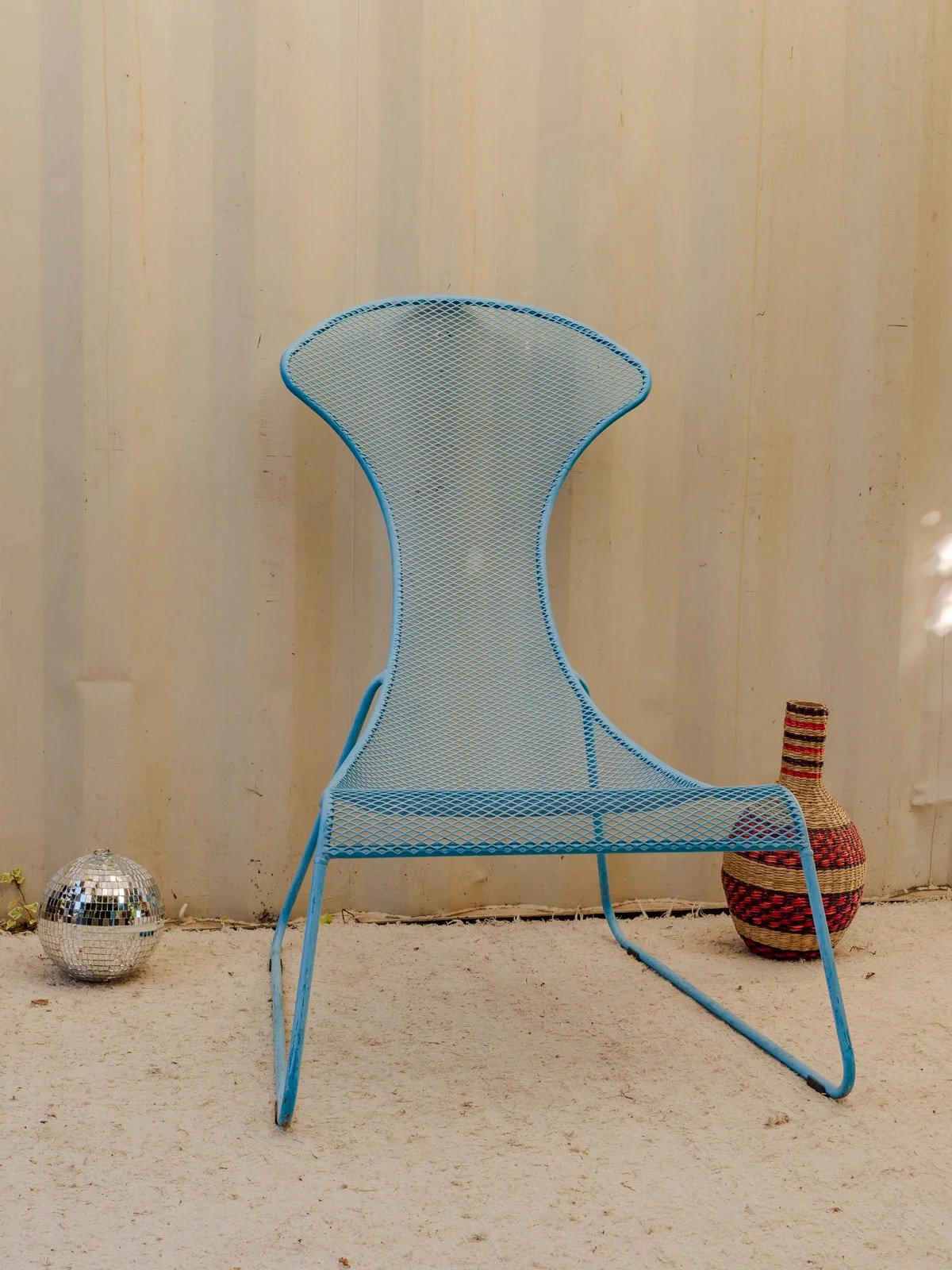
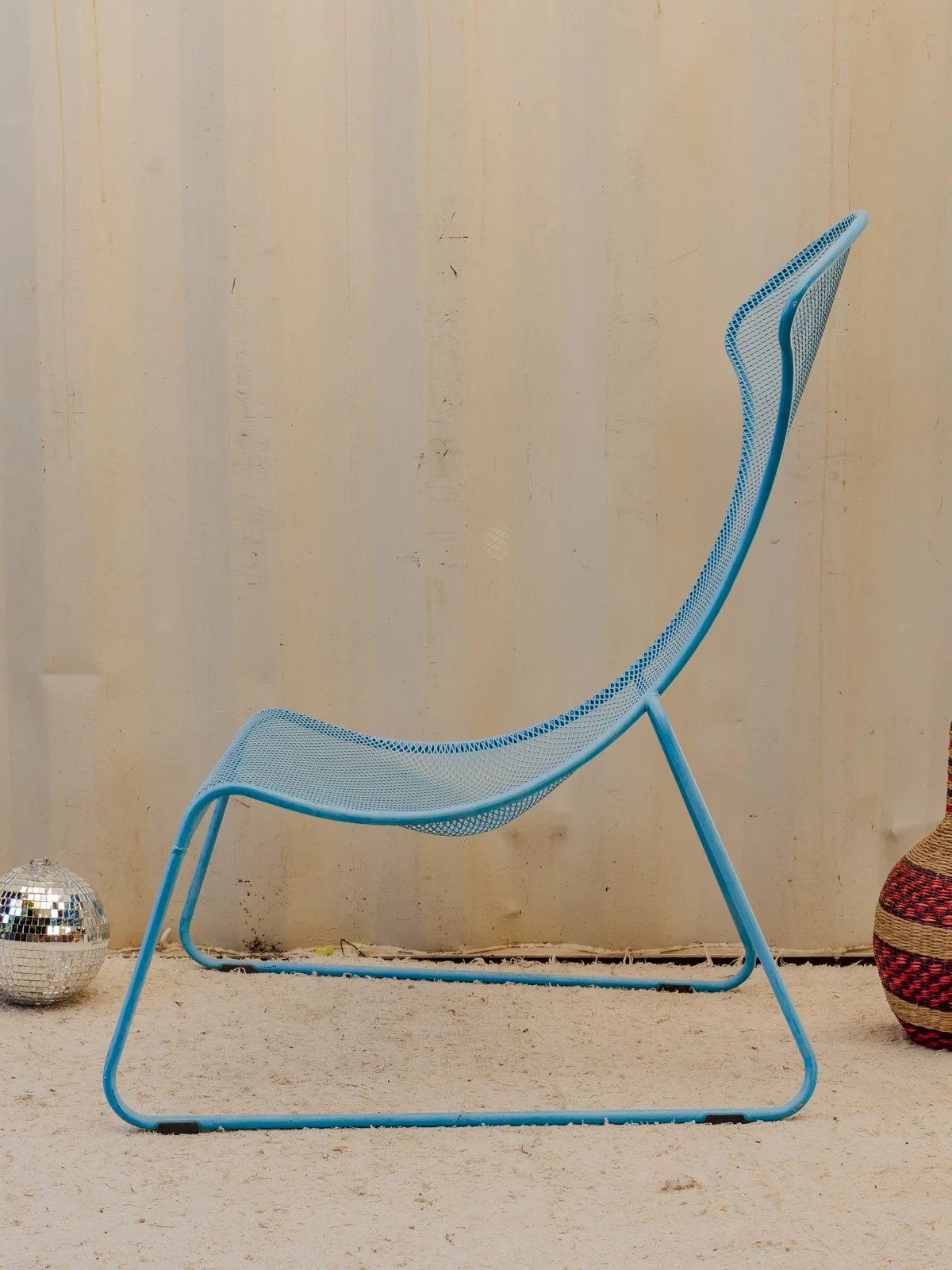
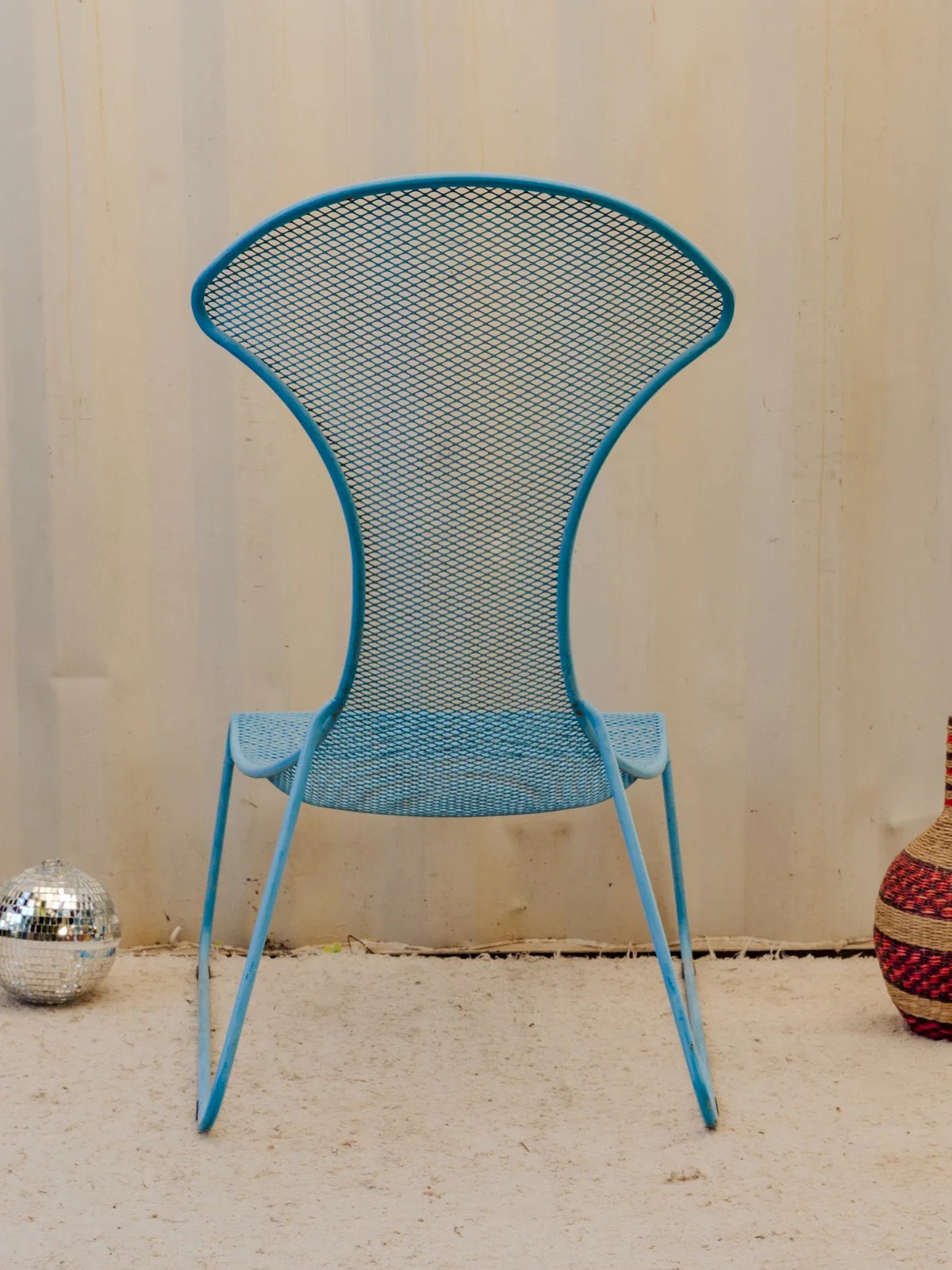
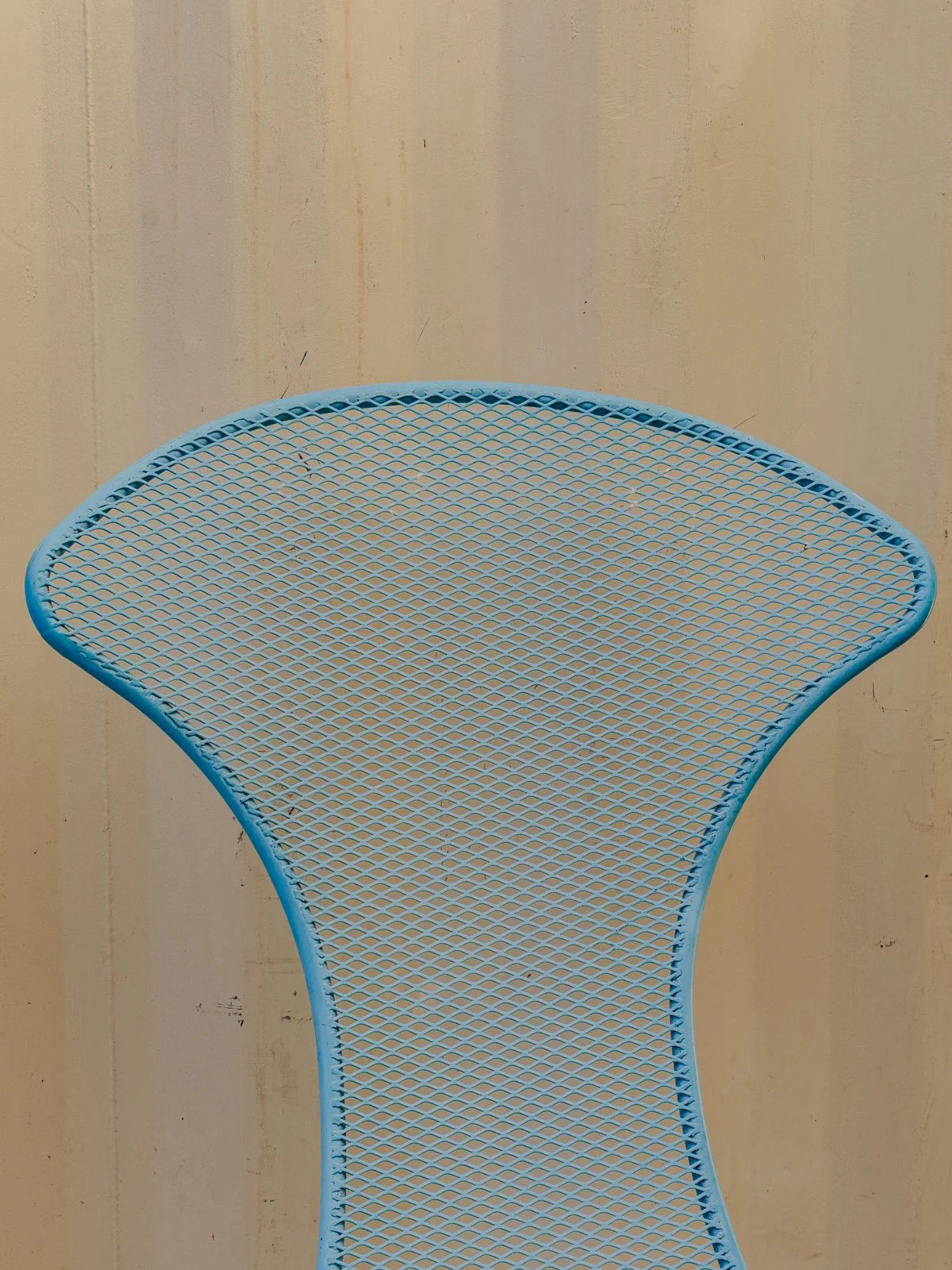
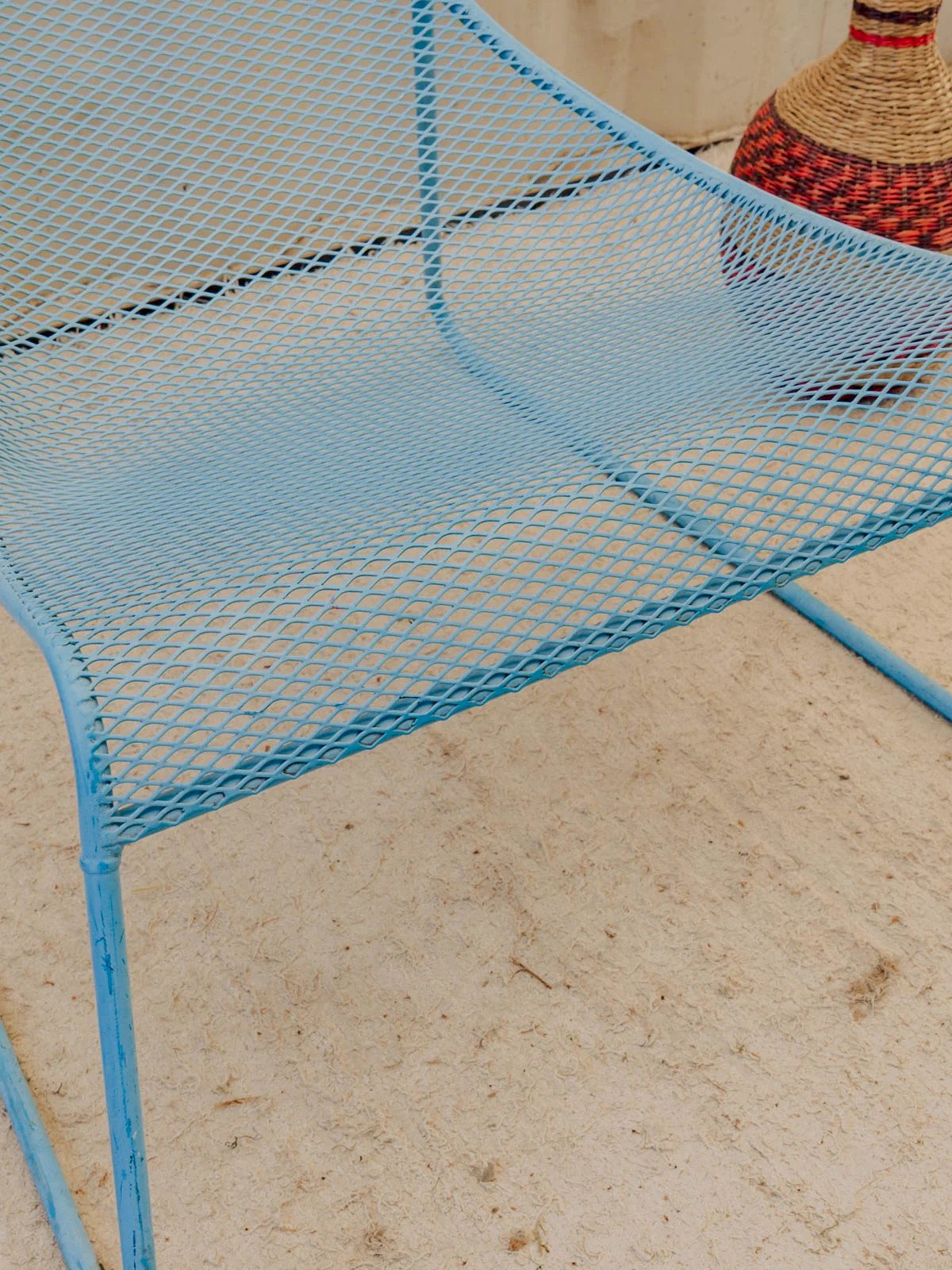
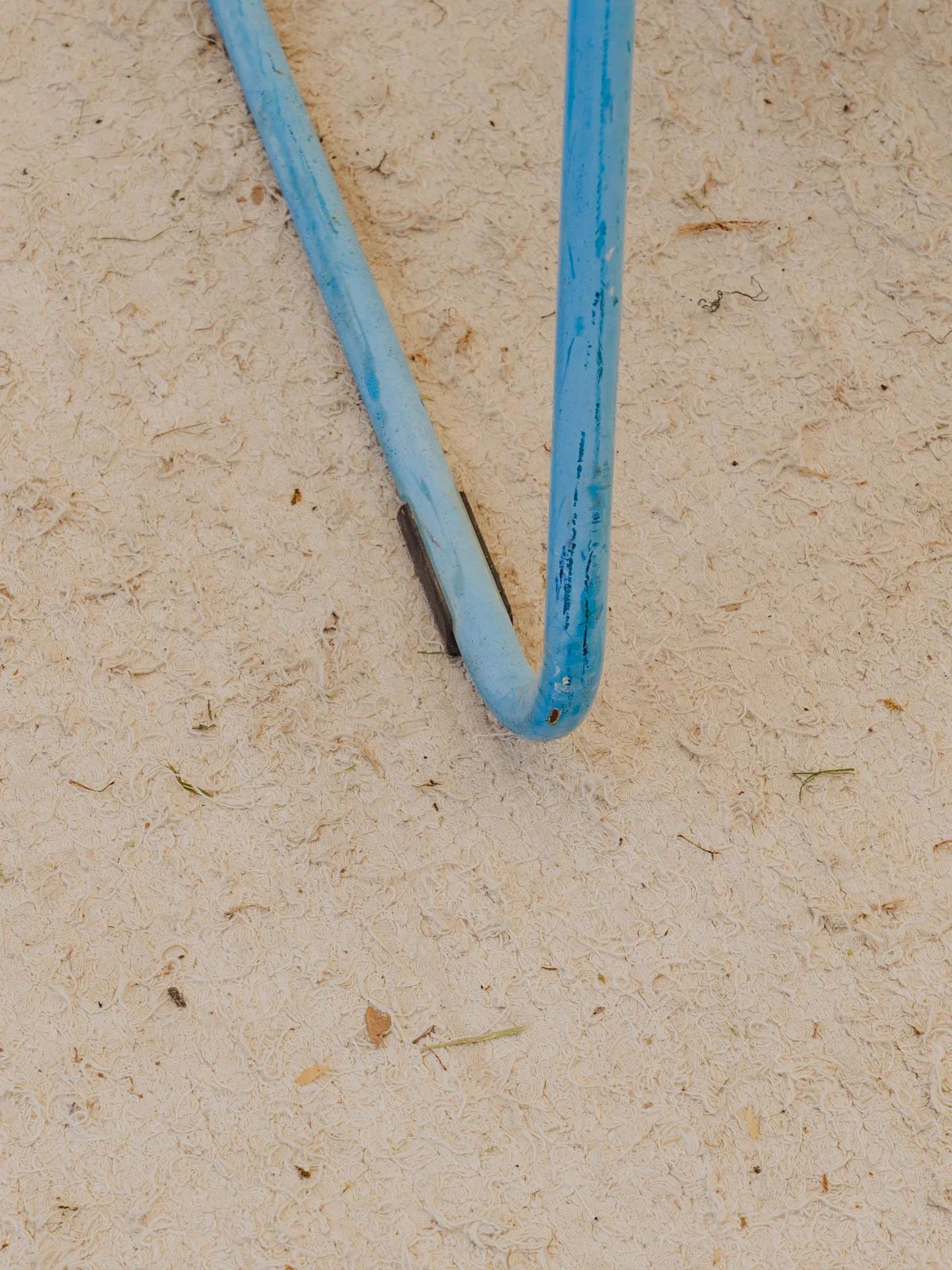
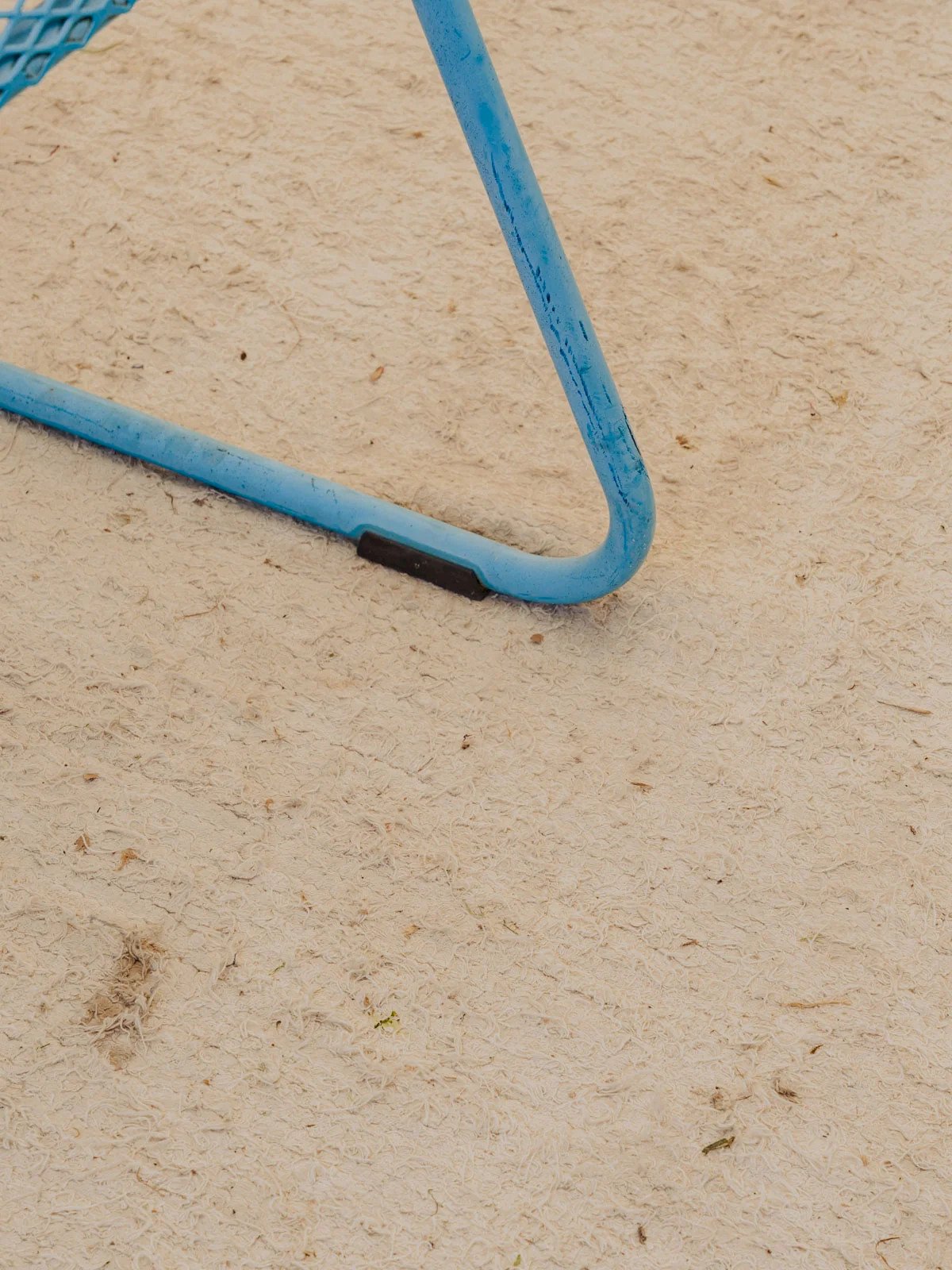
Invite originality into your outdoor space with this large blue metal grid chair. Its bold silhouette and geometric lines bring a contemporary touch while providing comfortable seating for your outdoor relaxation moments. Its vibrant color brightens your garden or terrace, creating a friendly and warm atmosphere. Some traces of time highlight its authentic character and give it a story to tell. Width: 70 cm Depth: 75 cm Height: 111 cm Seat height: 40 cm Seat width: 62 cm Seat depth: 40 cm A brief history of the chair In the Middle Ages, sitting on a seat with a backrest was a rare privilege, reserved for the one leading the assembly: the "president" [from the Latin praesidere, to sit before]. Long a symbol of prestige compared to the benches and stools of the common people, the chair only became democratized in the 18th century, transforming into an everyday object. It differs from an armchair by the absence of armrests, a structure designed to offer complete freedom of movement around a table or desk. The result of a constant quest between lightness and solidity, it has evolved from carved solid wood to more modern lines, making each seat a witness to the history of comfort.
Réf :
#413282
Brand / From : Debongout
Related Products


Comments
Alma, the large blue metal chair No. 1851
489€
75002 Paris
Ce site contient des liens d’affiliation pour lesquels je peux recevoir une compensation.
Description
Invite originality into your outdoor space with this large blue metal grid chair. Its bold silhouette and geometric lines bring a contemporary touch while providing comfortable seating for your outdoor relaxation moments. Its vibrant color brightens your garden or terrace, creating a friendly and warm atmosphere. Some traces of time highlight its authentic character and give it a story to tell. Width: 70 cm Depth: 75 cm Height: 111 cm Seat height: 40 cm Seat width: 62 cm Seat depth: 40 cm A brief history of the chair In the Middle Ages, sitting on a seat with a backrest was a rare privilege, reserved for the one leading the assembly: the "president" [from the Latin praesidere, to sit before]. Long a symbol of prestige compared to the benches and stools of the common people, the chair only became democratized in the 18th century, transforming into an everyday object. It differs from an armchair by the absence of armrests, a structure designed to offer complete freedom of movement around a table or desk. The result of a constant quest between lightness and solidity, it has evolved from carved solid wood to more modern lines, making each seat a witness to the history of comfort.
Réf :
#413282
Brand / From : Debongout