 English
 Français




Description
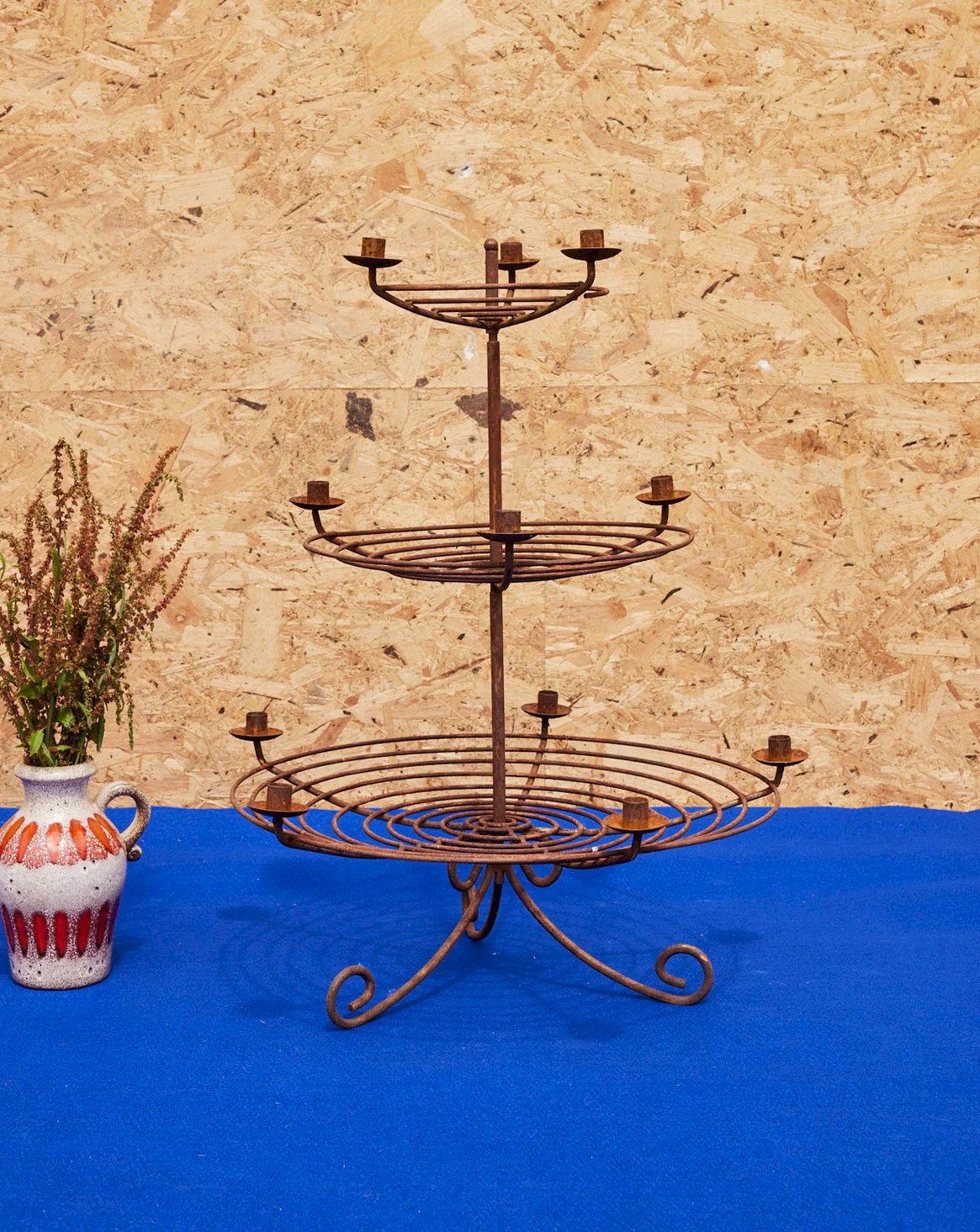
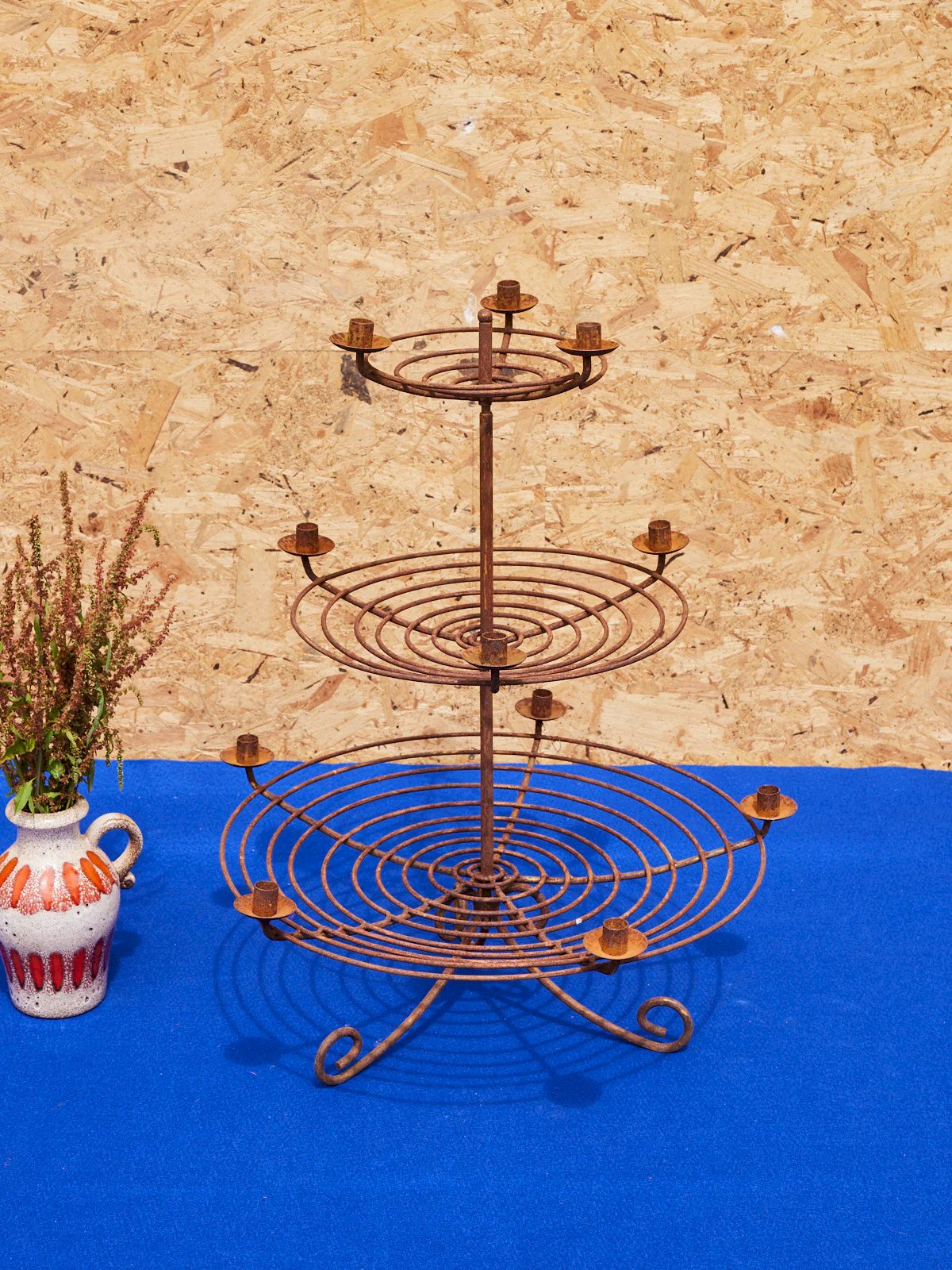
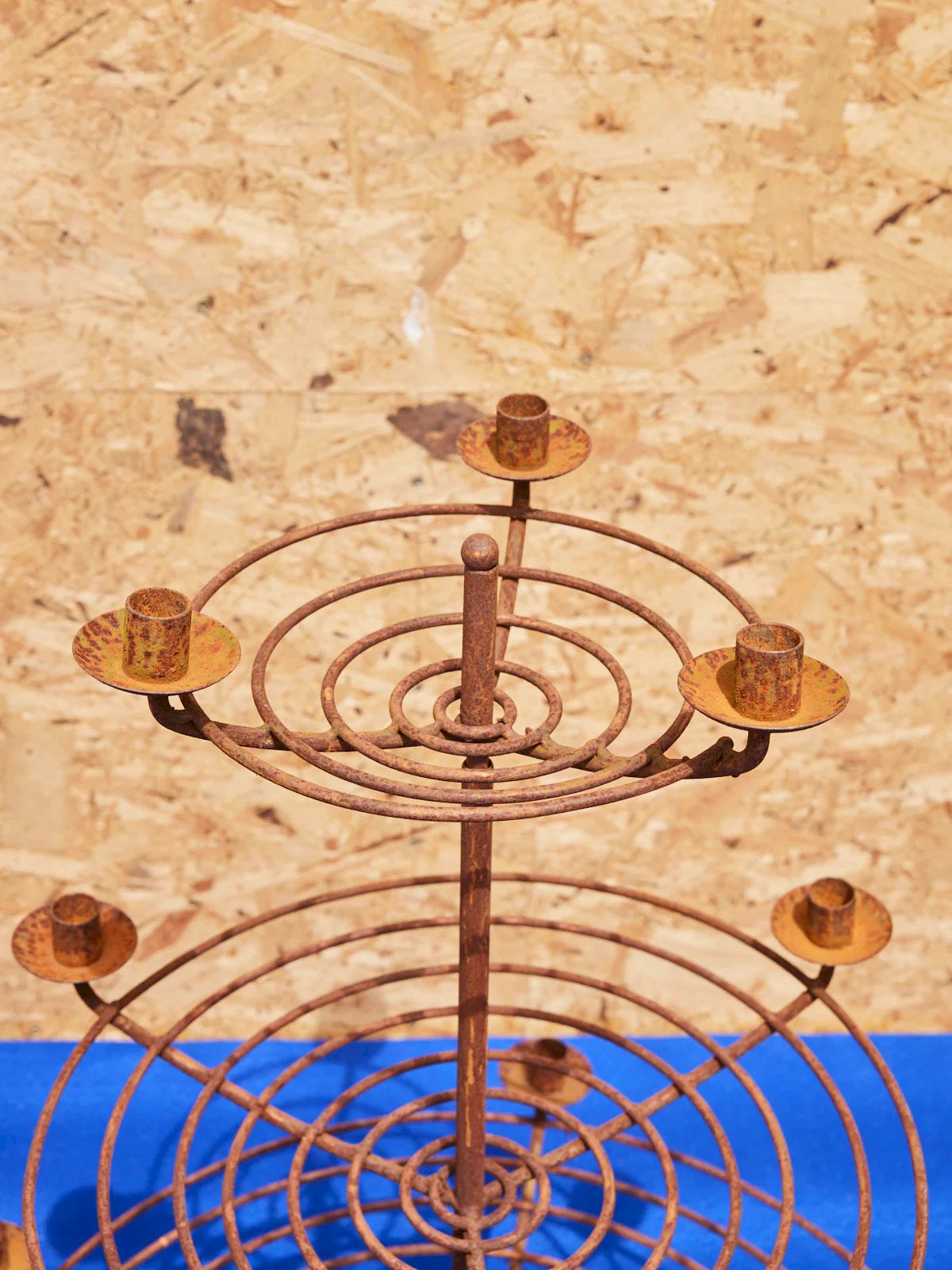
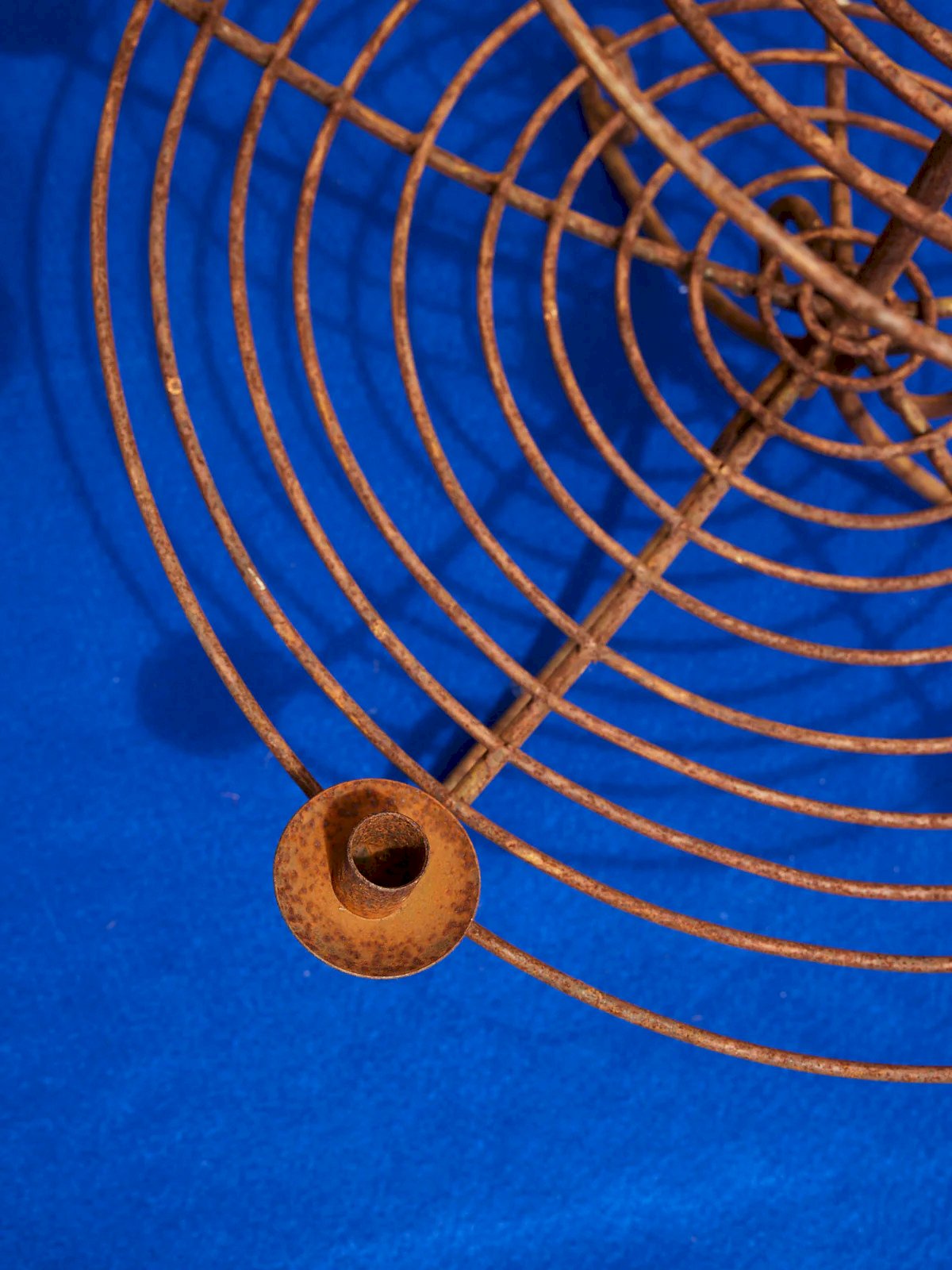
Invite warmth and elegance into your garden with this large wrought iron candlestick with a rusty charm. Its robustness and sculptural design make it an essential element for illuminating your outdoor evenings, creating an atmosphere that is both cozy and refined. Ideal for accompanying an al fresco dinner or enhancing a relaxation corner, this candlestick blends harmoniously with nature while adding a vintage touch to your space. Some marks of time are present, witnesses to its history. Height: 90 cm Diameter: 60 cm A brief history of the candlestick The candlestick emerged in the Middle Ages as the essential nomadic tool to transport one’s flame without burning oneself. Under Louis XIV, it became a radical class marker: the nobility burned refined beeswax, while the common people endured the foul smell of tallow candles. Wax was such a precious commodity that the servants of royal palaces systematically collected the drippings in the cup to resell them, turning every residue into profit. In the 18th century, it gained finesse with the invention of the removable candle holder to facilitate maintenance, establishing itself as the indispensable companion of the bedtime ritual long before the arrival of electricity.
Réf :
#412323
Brand / From : Debongout
Related Products


Comments
Ulysses, the large outdoor candlestick No. 102
389€
75002 Paris
Ce site contient des liens d’affiliation pour lesquels je peux recevoir une compensation.
Description
Invite warmth and elegance into your garden with this large wrought iron candlestick with a rusty charm. Its robustness and sculptural design make it an essential element for illuminating your outdoor evenings, creating an atmosphere that is both cozy and refined. Ideal for accompanying an al fresco dinner or enhancing a relaxation corner, this candlestick blends harmoniously with nature while adding a vintage touch to your space. Some marks of time are present, witnesses to its history. Height: 90 cm Diameter: 60 cm A brief history of the candlestick The candlestick emerged in the Middle Ages as the essential nomadic tool to transport one’s flame without burning oneself. Under Louis XIV, it became a radical class marker: the nobility burned refined beeswax, while the common people endured the foul smell of tallow candles. Wax was such a precious commodity that the servants of royal palaces systematically collected the drippings in the cup to resell them, turning every residue into profit. In the 18th century, it gained finesse with the invention of the removable candle holder to facilitate maintenance, establishing itself as the indispensable companion of the bedtime ritual long before the arrival of electricity.
Réf :
#412323
Brand / From : Debongout