 English
 Français


Description
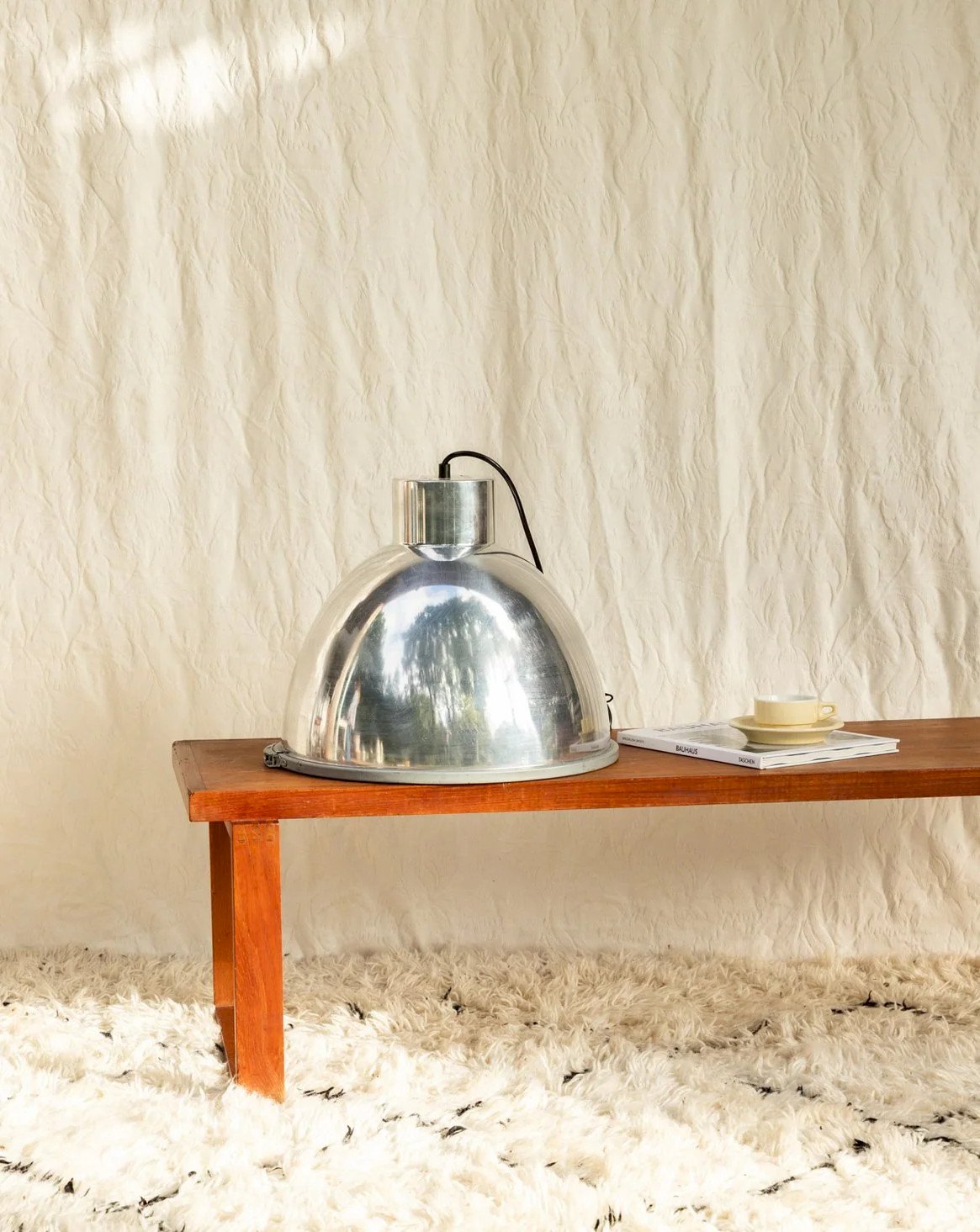
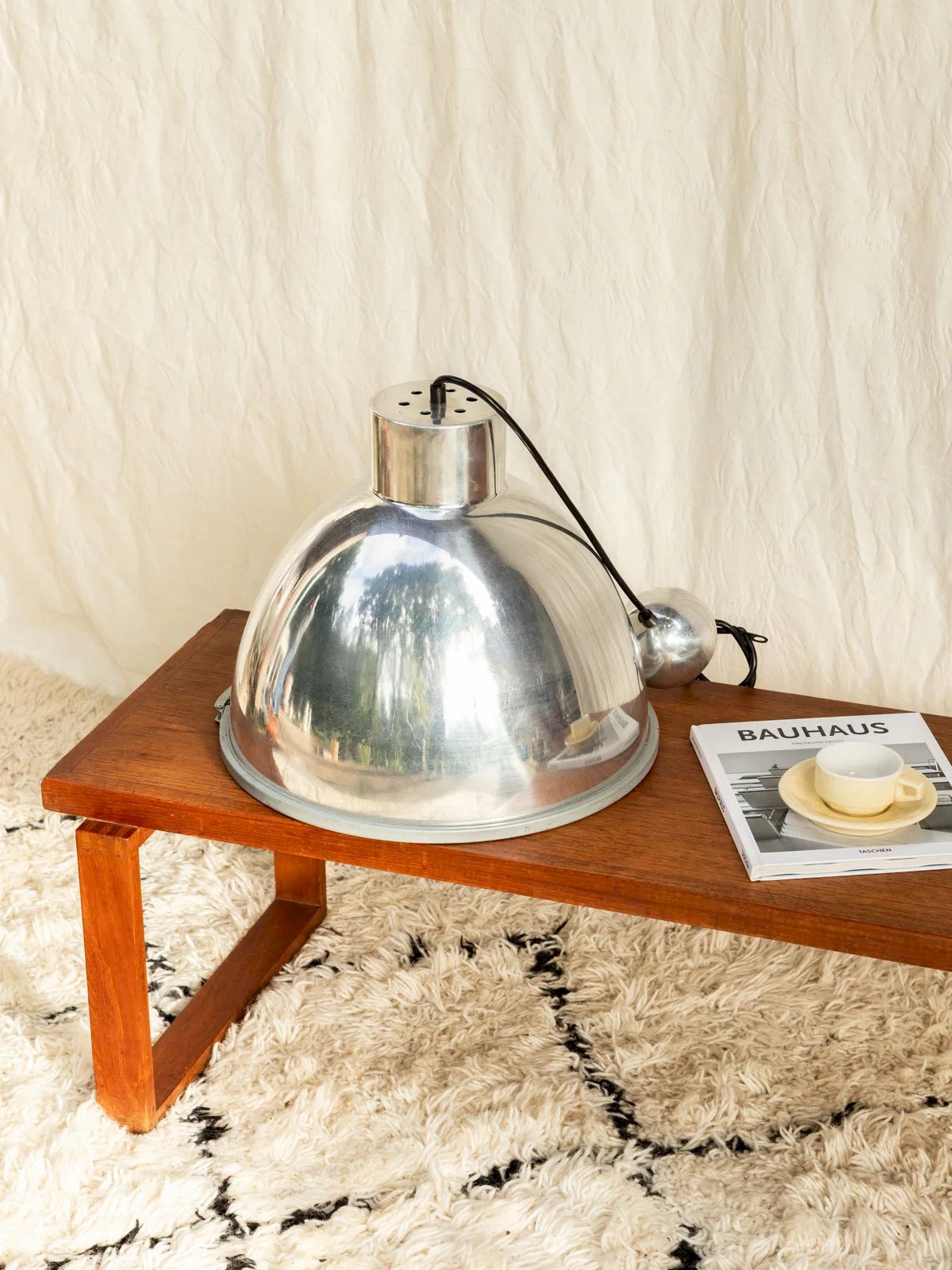
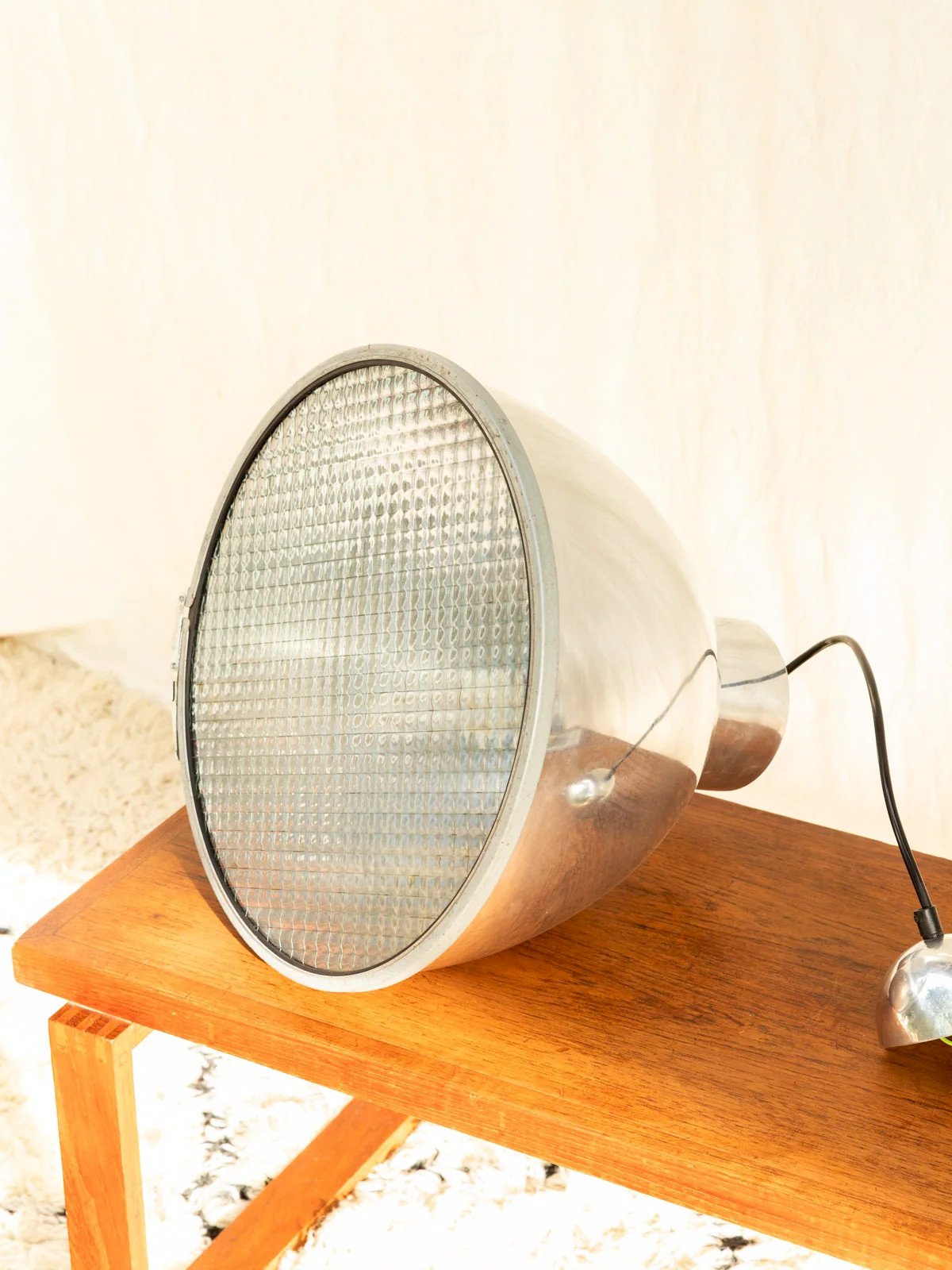
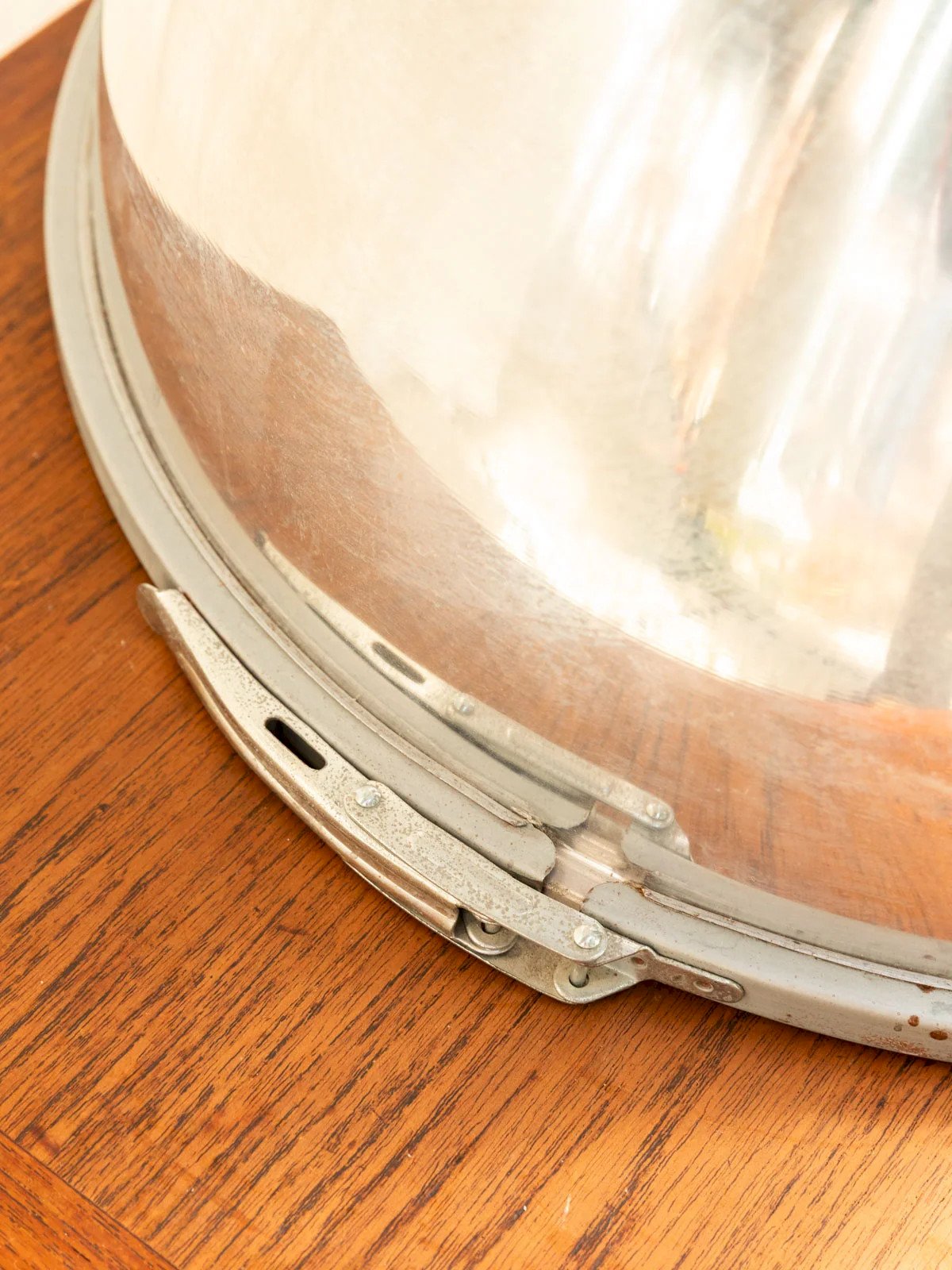
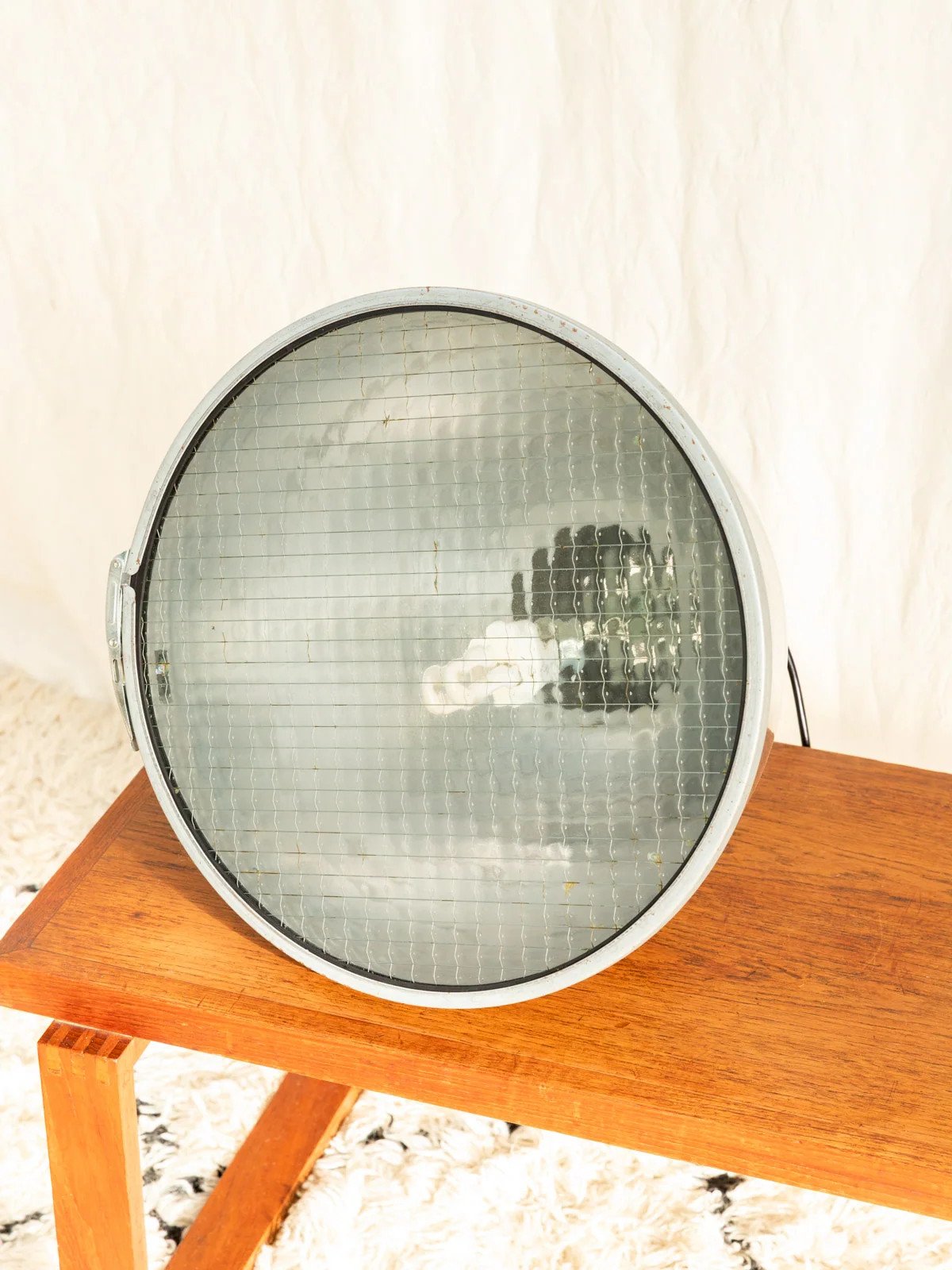
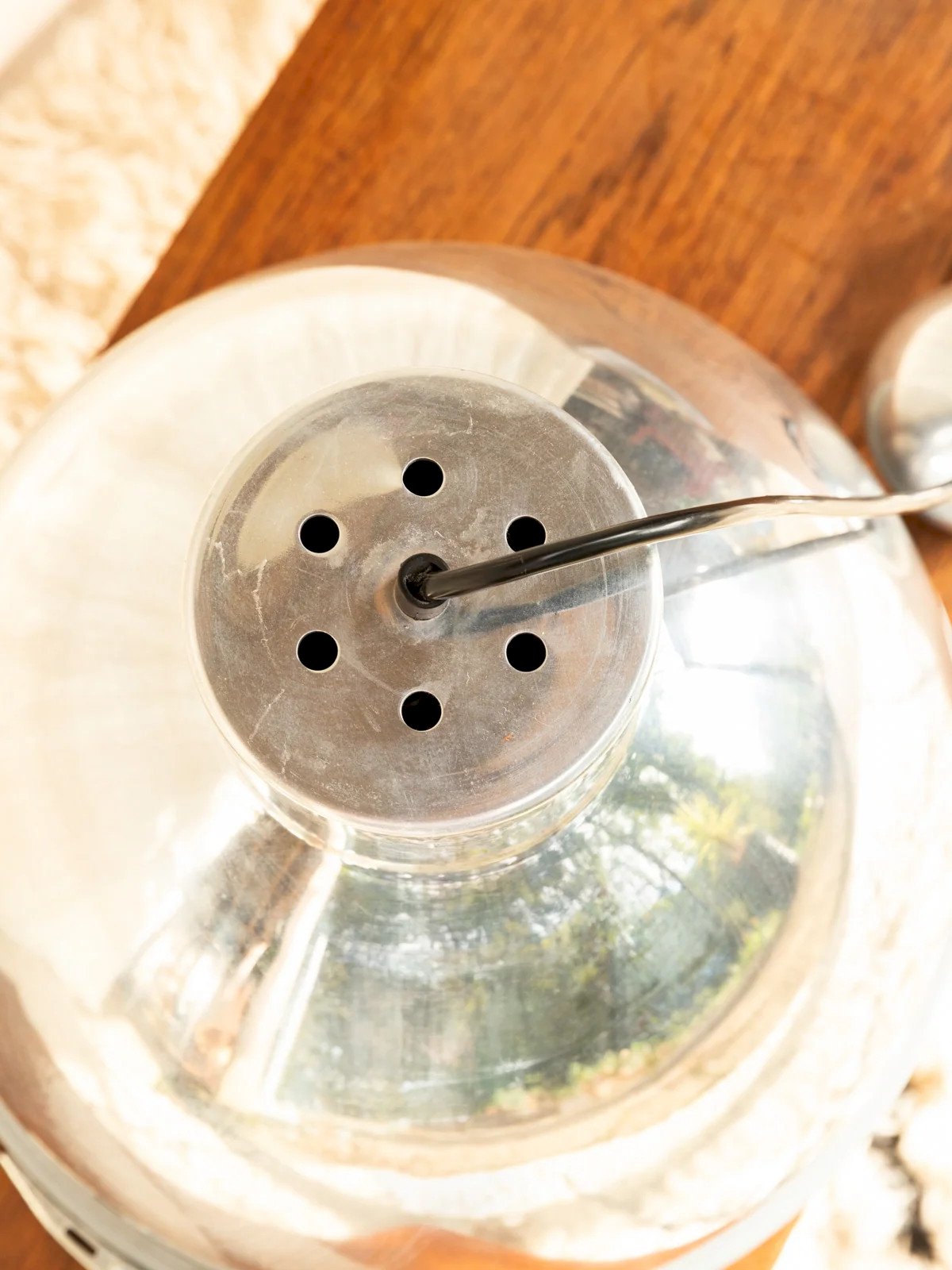
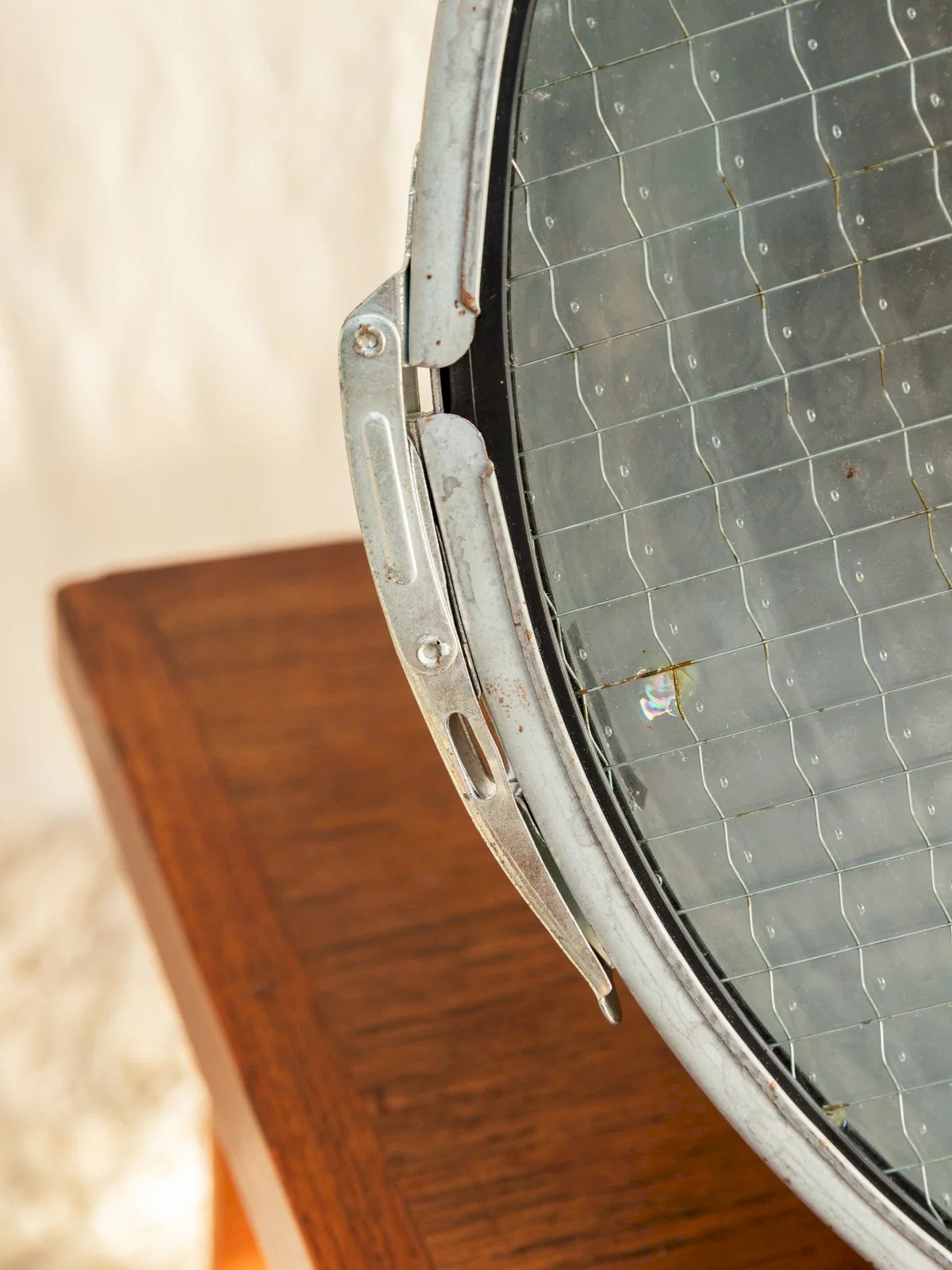
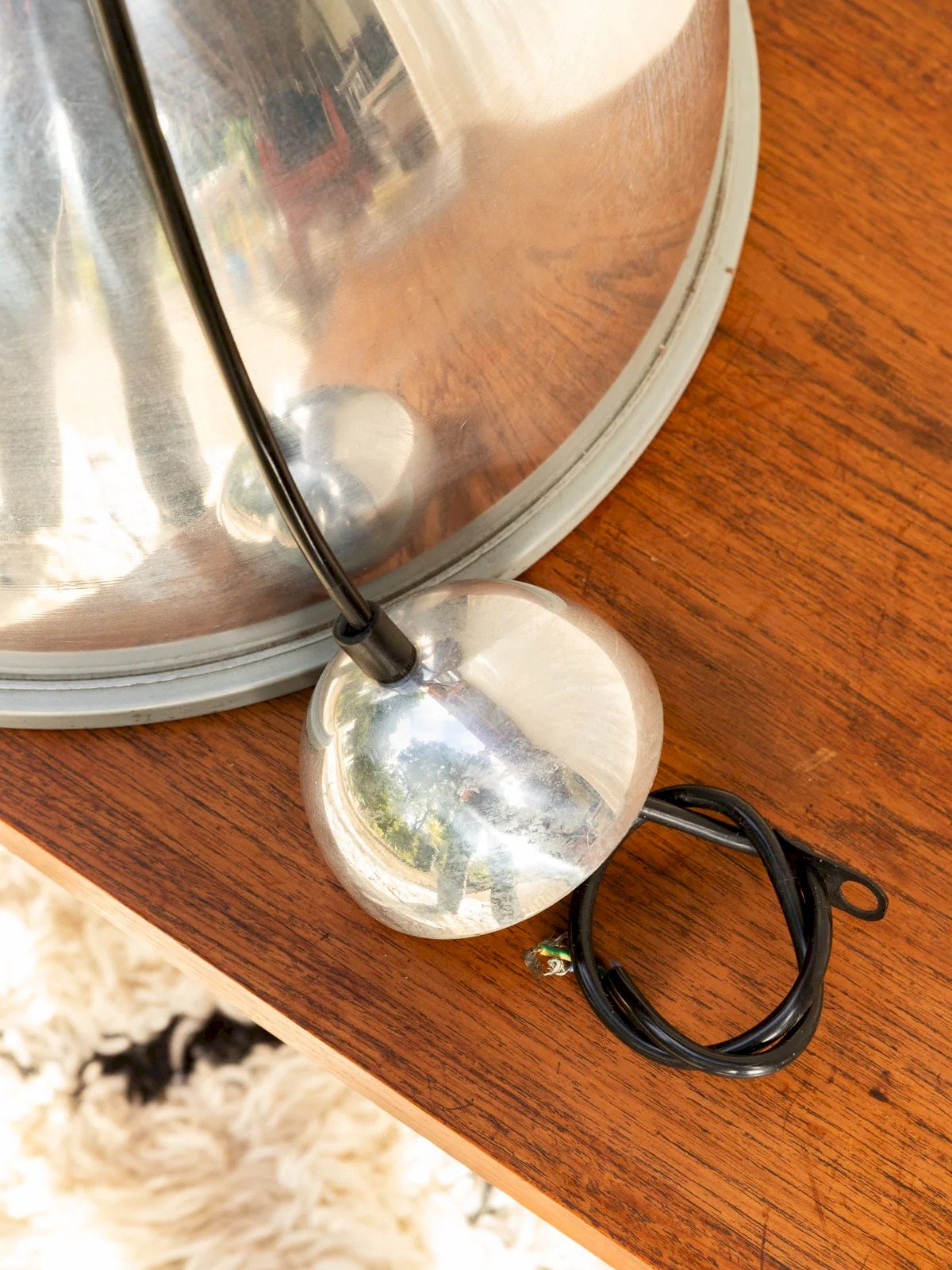
With its brushed aluminum and silver reflections, this 1990s metal pendant adds a contemporary touch to the ceiling. Its simple design is well-suited to a vintage interior while maintaining a clean and modern look. In a dining room, it naturally complements a dining table, under which its presence remains measured. This second-hand light fixture harmonizes well with light wood, glass, and stoneware tableware in a minimalist decor. Suspended above a wooden table, it creates a neat scene with a few transparent glasses and a linen table runner. Height: 34 cm Diameter: 37 cm A brief history of the chandelier The chandelier descends from the heavy "light crowns" of medieval wrought iron, suspended in naves to illuminate assemblies. Its true revolution occurred in the 17th century with the advent of crystal: the cut facets allowed for the multiplication of candlelight through refraction, transforming a precarious glow into a sparkling blaze. In Versailles, this object became a politically codified instrument of power, with the number of its crystals directly indicating the social rank and wealth of the owner in relation to the King. Having become the nerve center of reception salons, it has traversed the ages as the ultimate symbol of opulence, evolving from solid bronze to the airy architectures of Murano.
Réf :
#414680
Brand / From : Debongout
Related Products


Comments
Sonia, the vintage brushed aluminum pendant N°1213
209€
75002 Paris
Ce site contient des liens d’affiliation pour lesquels je peux recevoir une compensation.
Description
With its brushed aluminum and silver reflections, this 1990s metal pendant adds a contemporary touch to the ceiling. Its simple design is well-suited to a vintage interior while maintaining a clean and modern look. In a dining room, it naturally complements a dining table, under which its presence remains measured. This second-hand light fixture harmonizes well with light wood, glass, and stoneware tableware in a minimalist decor. Suspended above a wooden table, it creates a neat scene with a few transparent glasses and a linen table runner. Height: 34 cm Diameter: 37 cm A brief history of the chandelier The chandelier descends from the heavy "light crowns" of medieval wrought iron, suspended in naves to illuminate assemblies. Its true revolution occurred in the 17th century with the advent of crystal: the cut facets allowed for the multiplication of candlelight through refraction, transforming a precarious glow into a sparkling blaze. In Versailles, this object became a politically codified instrument of power, with the number of its crystals directly indicating the social rank and wealth of the owner in relation to the King. Having become the nerve center of reception salons, it has traversed the ages as the ultimate symbol of opulence, evolving from solid bronze to the airy architectures of Murano.
Réf :
#414680
Brand / From : Debongout