 English
 Français


Description
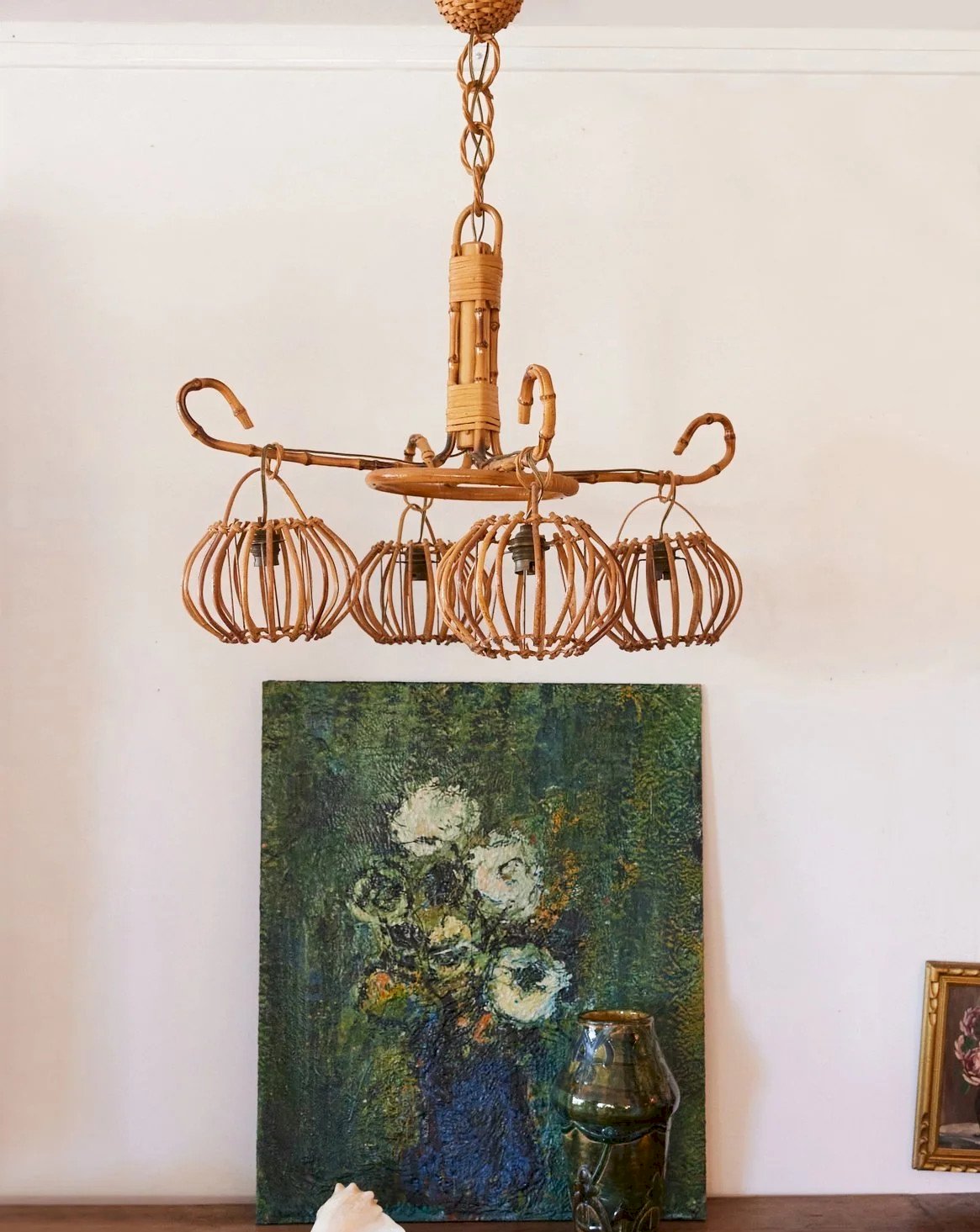
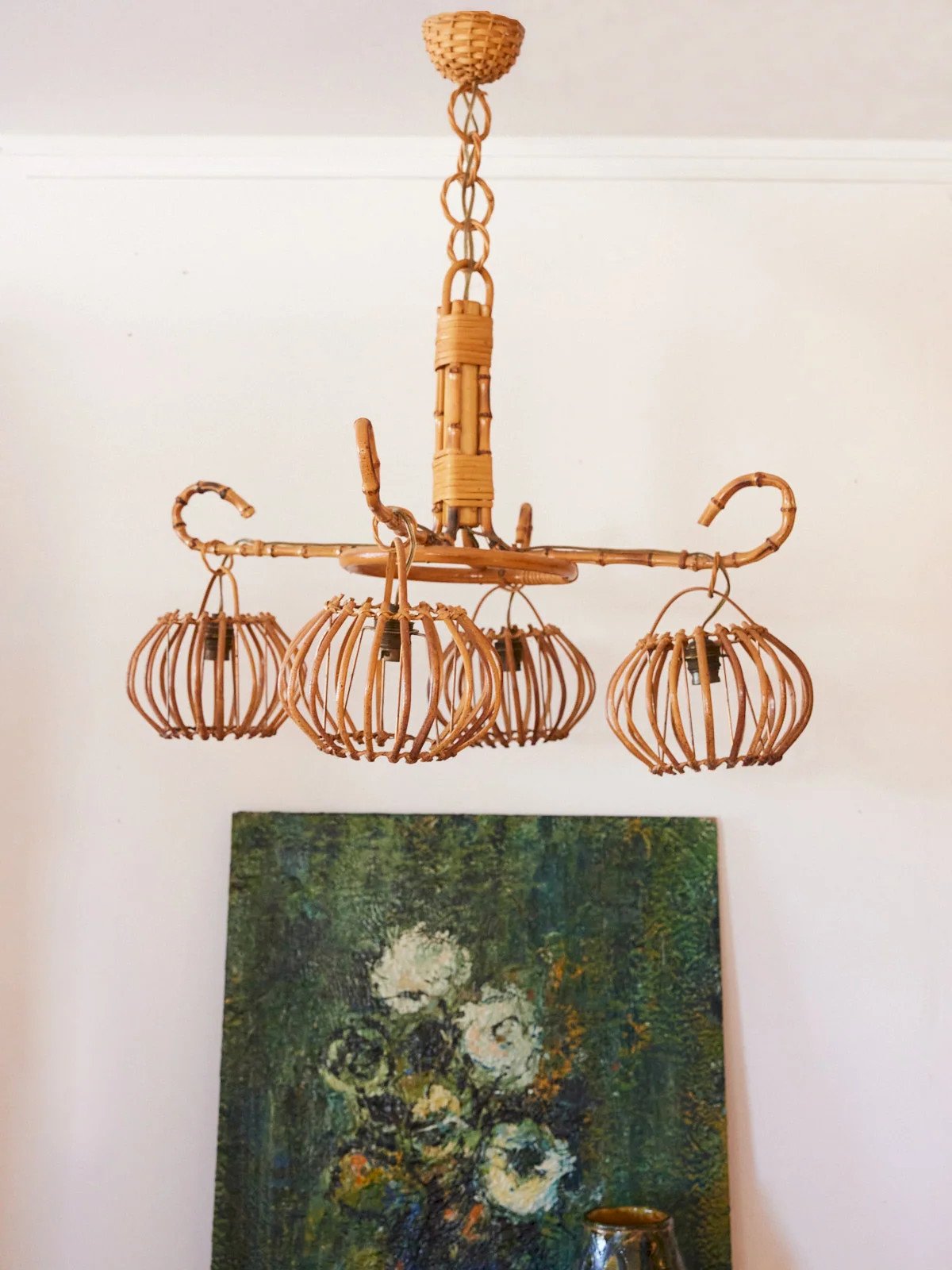
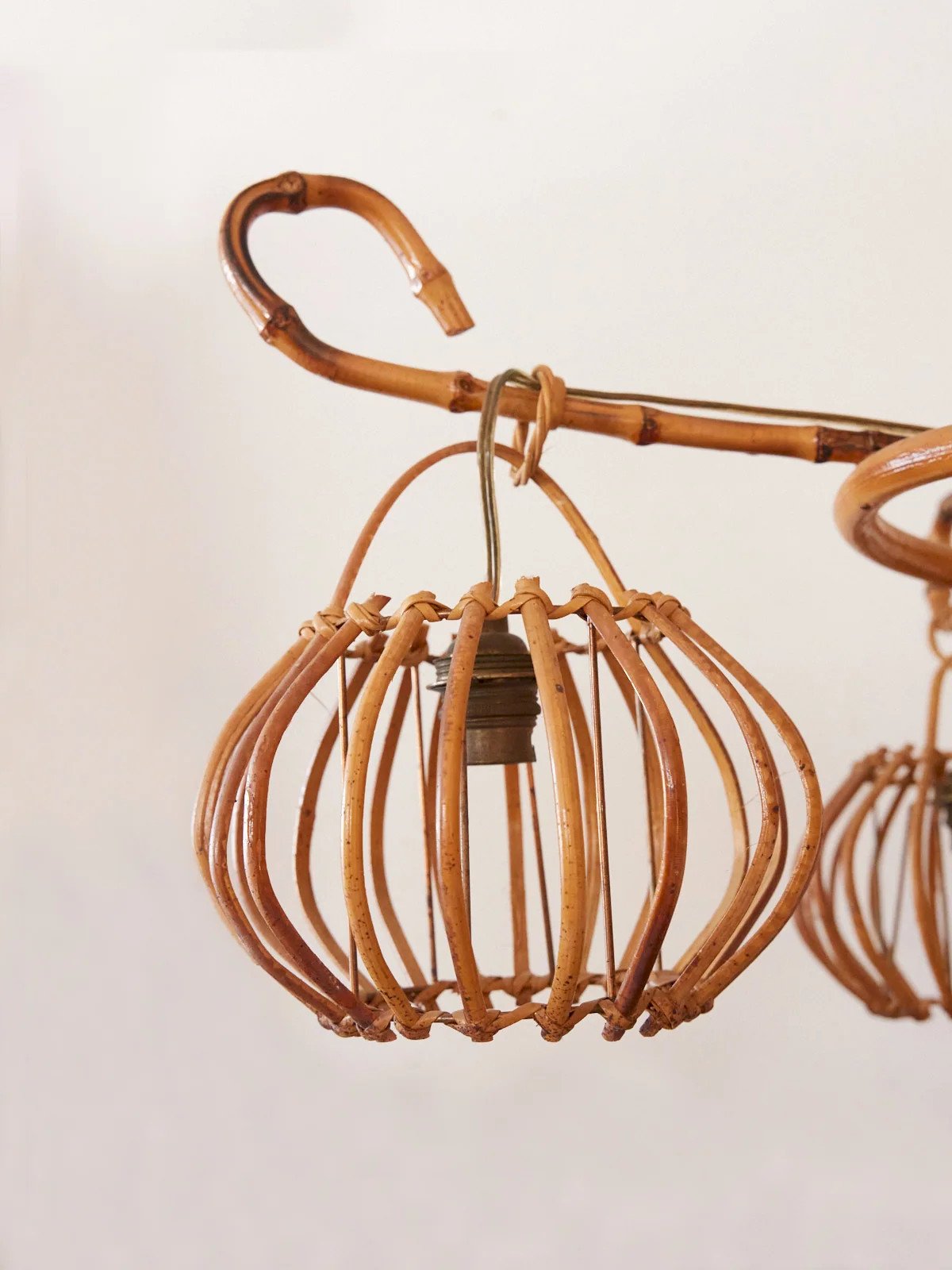
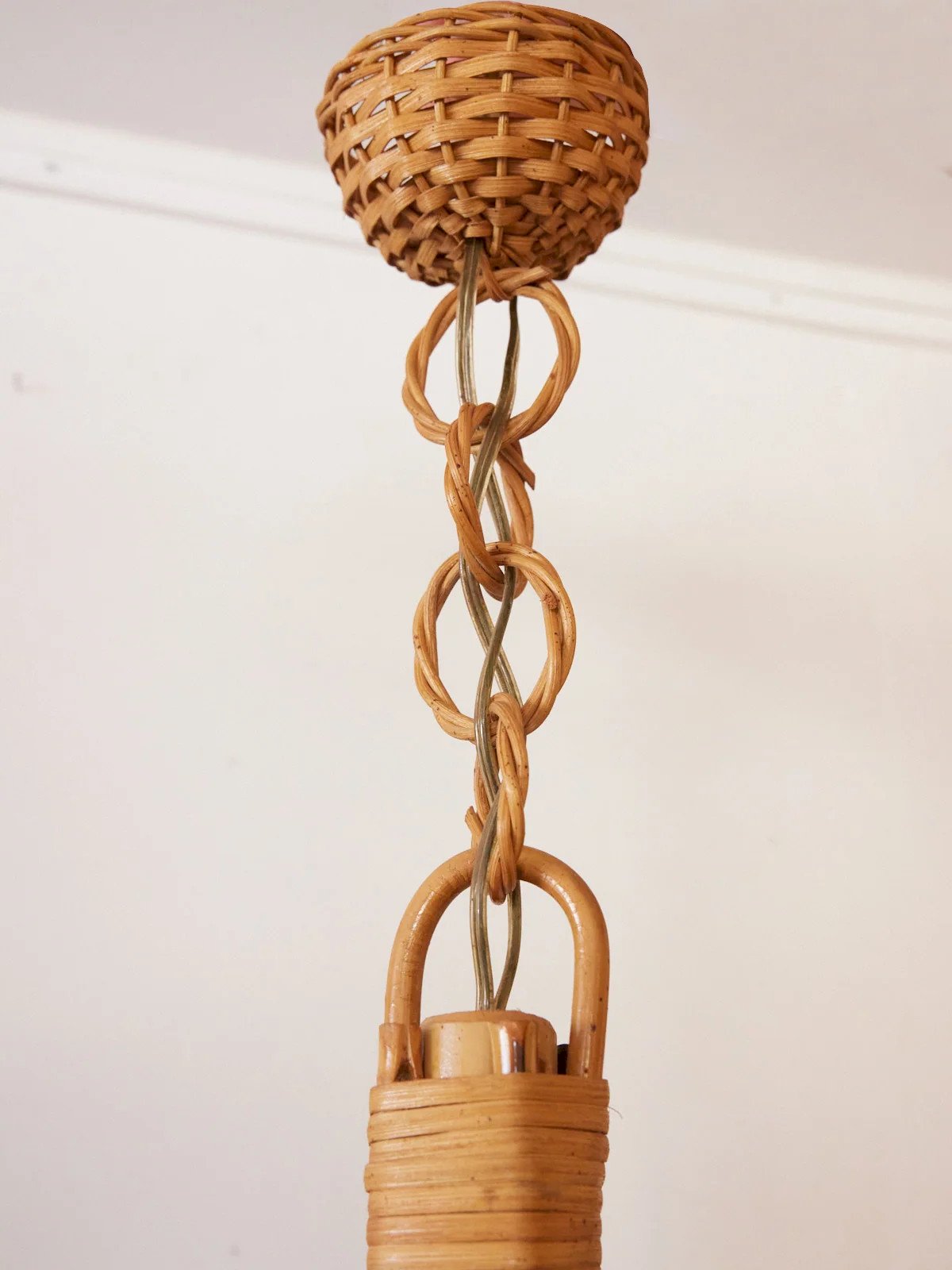
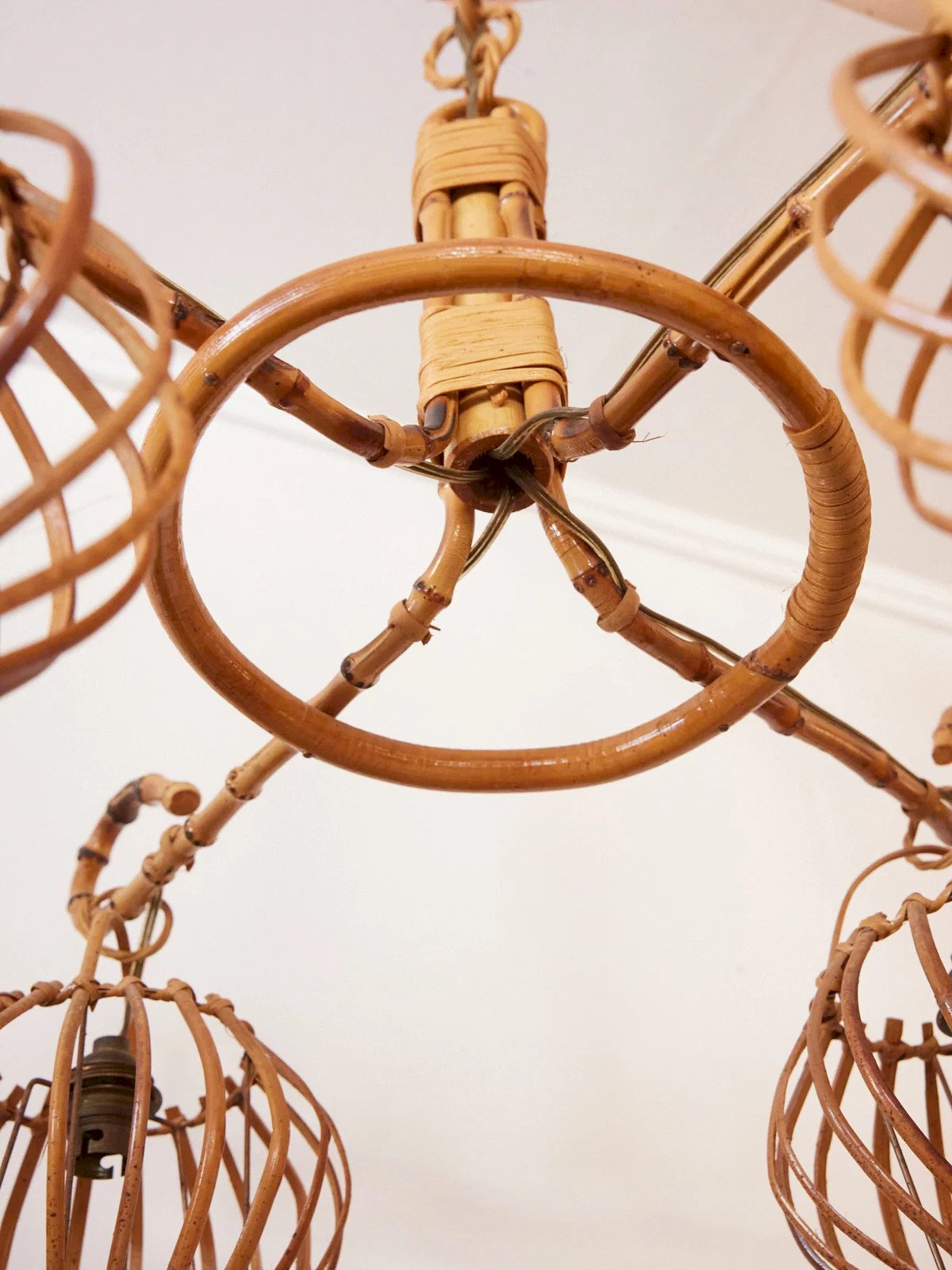
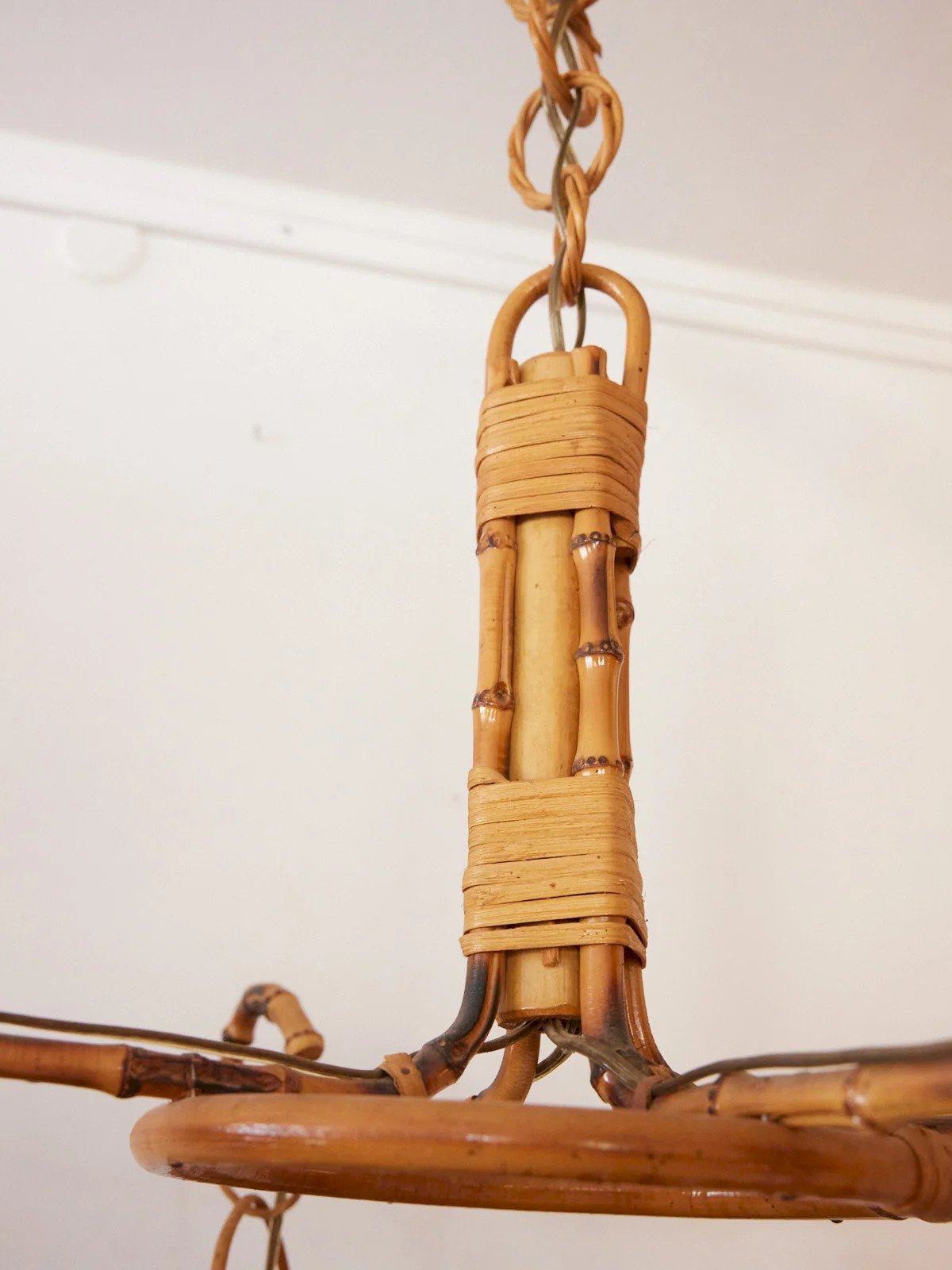
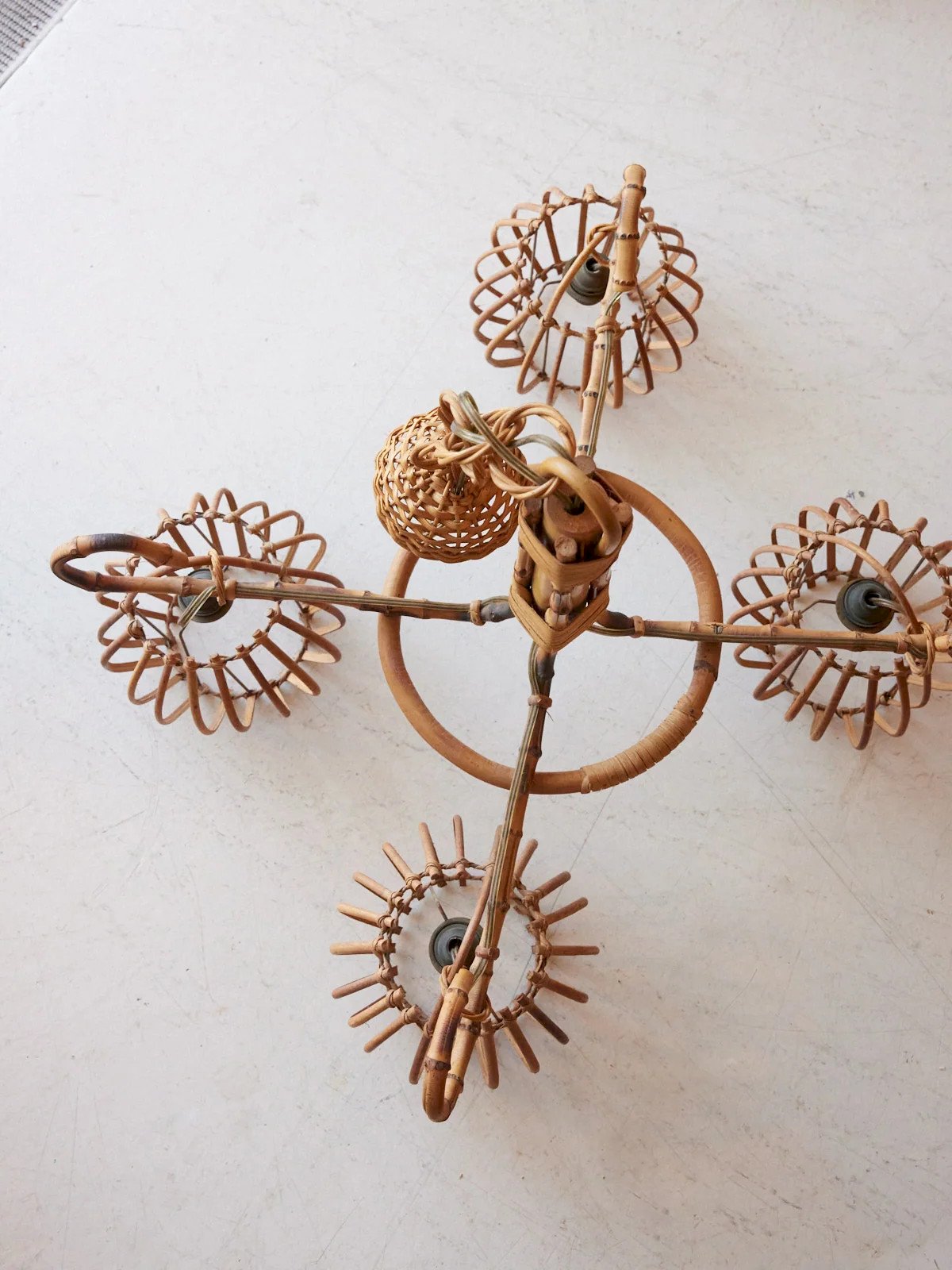
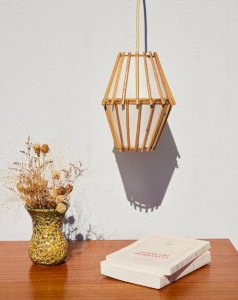
This natural rattan chandelier by Louis Soniot brings a contemporary touch while retaining the elegance of the 1950s. Its woven material creates a light and graphic presence, ideal for softening a dining room, living room, or entrance hall. The four rattan spheres rhythmically balance the suspension with sobriety, while the whole piece diffuses a warm and measured atmosphere. A vintage find, it easily matches with light wood, linen, and clean lines. Above a round table, it pairs well with caned chairs and raw ceramic tableware. Height: 68 cm Diameter: 60 cm A brief history of the chandelier The chandelier descends from the heavy "crowns of light" made of wrought iron, suspended in naves to illuminate gatherings. Its true revolution occurred in the 17th century with the introduction of crystal: the cut facets allowed the brilliance of candles to be multiplied through refraction, transforming a precarious glow into a sparkling blaze. In Versailles, this object became an instrument of political power so codified that the number of its crystals directly indicated the social rank and wealth of its owner in the presence of the King. Having become the nerve center of reception salons, it has traversed eras as the ultimate symbol of opulence, evolving from solid bronze to the airy architectures of Murano.
Réf :
#413772
Brand / From : Debongout
Related Products


Comments
Sonia, the 1950s rattan suspension N°318
459€
75002 Paris
Ce site contient des liens d’affiliation pour lesquels je peux recevoir une compensation.
Description
This natural rattan chandelier by Louis Soniot brings a contemporary touch while retaining the elegance of the 1950s. Its woven material creates a light and graphic presence, ideal for softening a dining room, living room, or entrance hall. The four rattan spheres rhythmically balance the suspension with sobriety, while the whole piece diffuses a warm and measured atmosphere. A vintage find, it easily matches with light wood, linen, and clean lines. Above a round table, it pairs well with caned chairs and raw ceramic tableware. Height: 68 cm Diameter: 60 cm A brief history of the chandelier The chandelier descends from the heavy "crowns of light" made of wrought iron, suspended in naves to illuminate gatherings. Its true revolution occurred in the 17th century with the introduction of crystal: the cut facets allowed the brilliance of candles to be multiplied through refraction, transforming a precarious glow into a sparkling blaze. In Versailles, this object became an instrument of political power so codified that the number of its crystals directly indicated the social rank and wealth of its owner in the presence of the King. Having become the nerve center of reception salons, it has traversed eras as the ultimate symbol of opulence, evolving from solid bronze to the airy architectures of Murano.
Réf :
#413772
Brand / From : Debongout