 English
 Français


Description
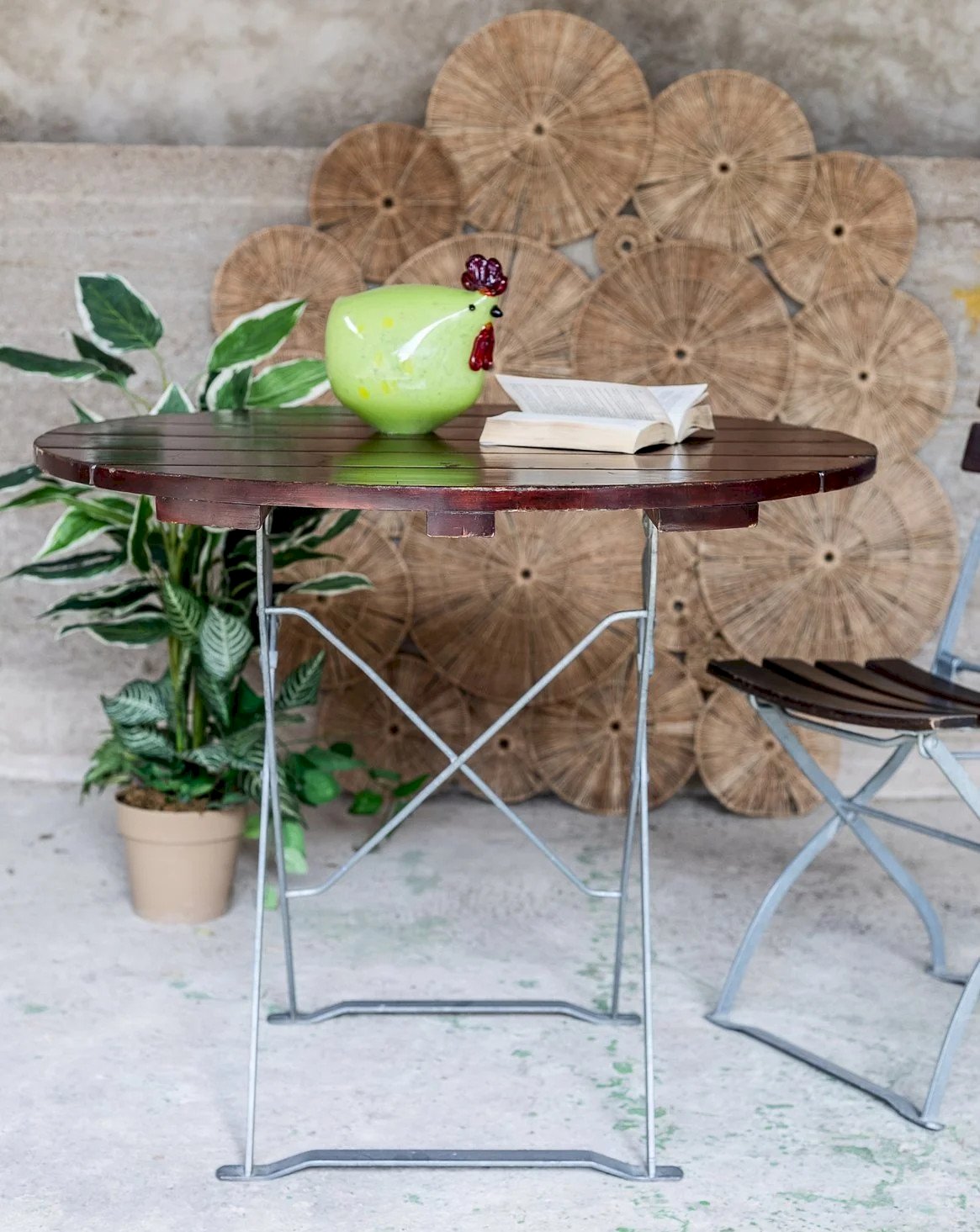
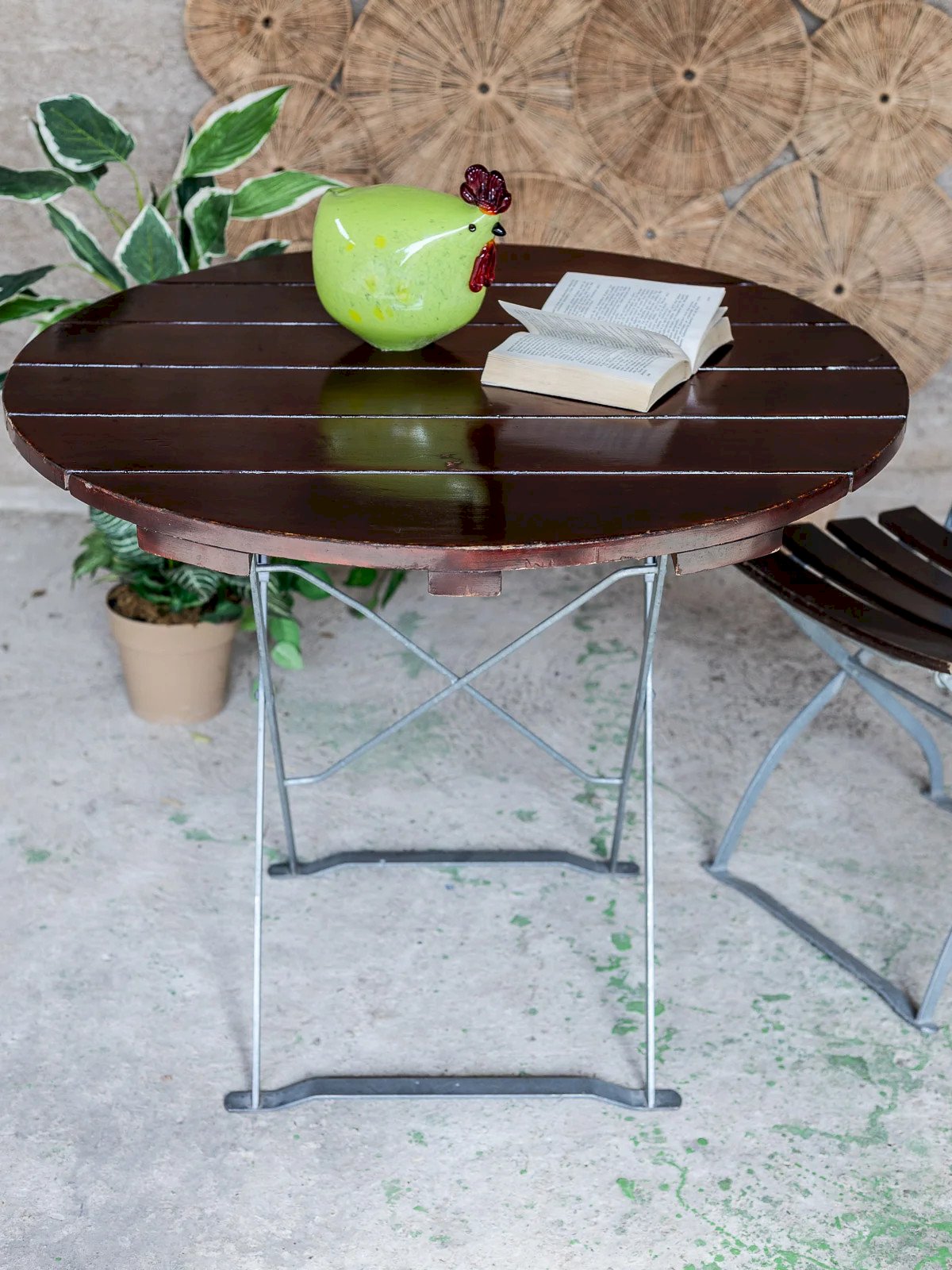
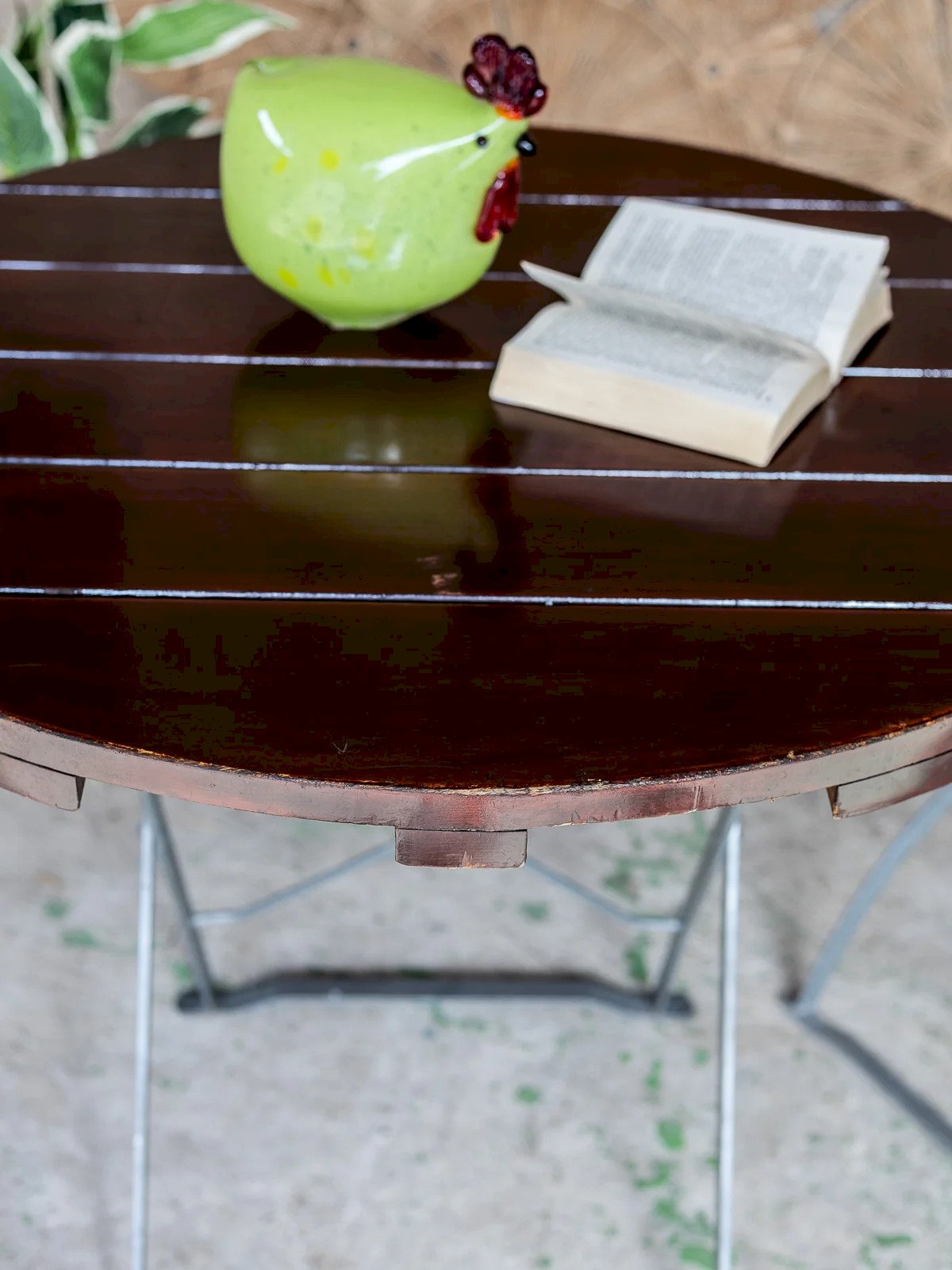
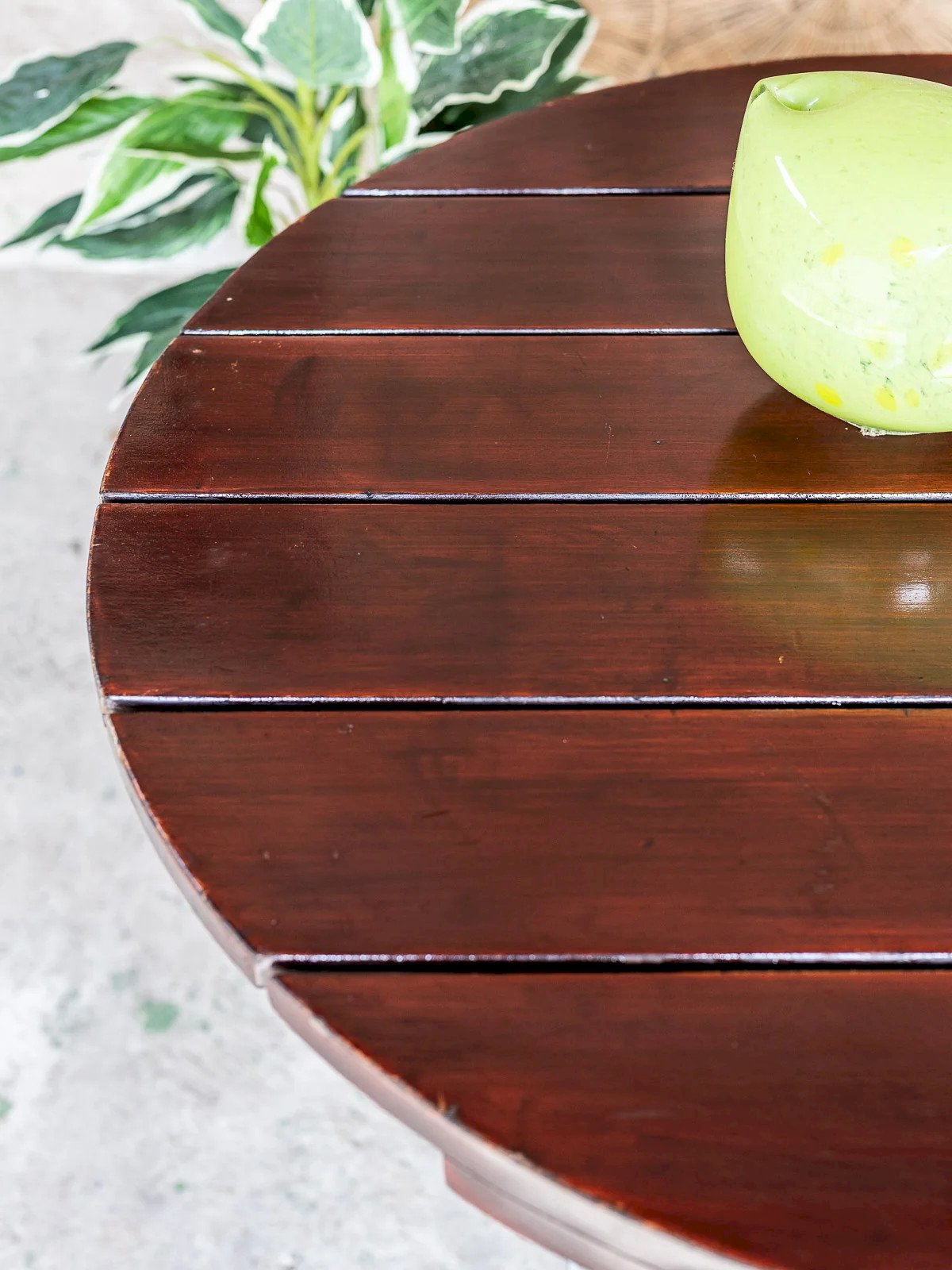
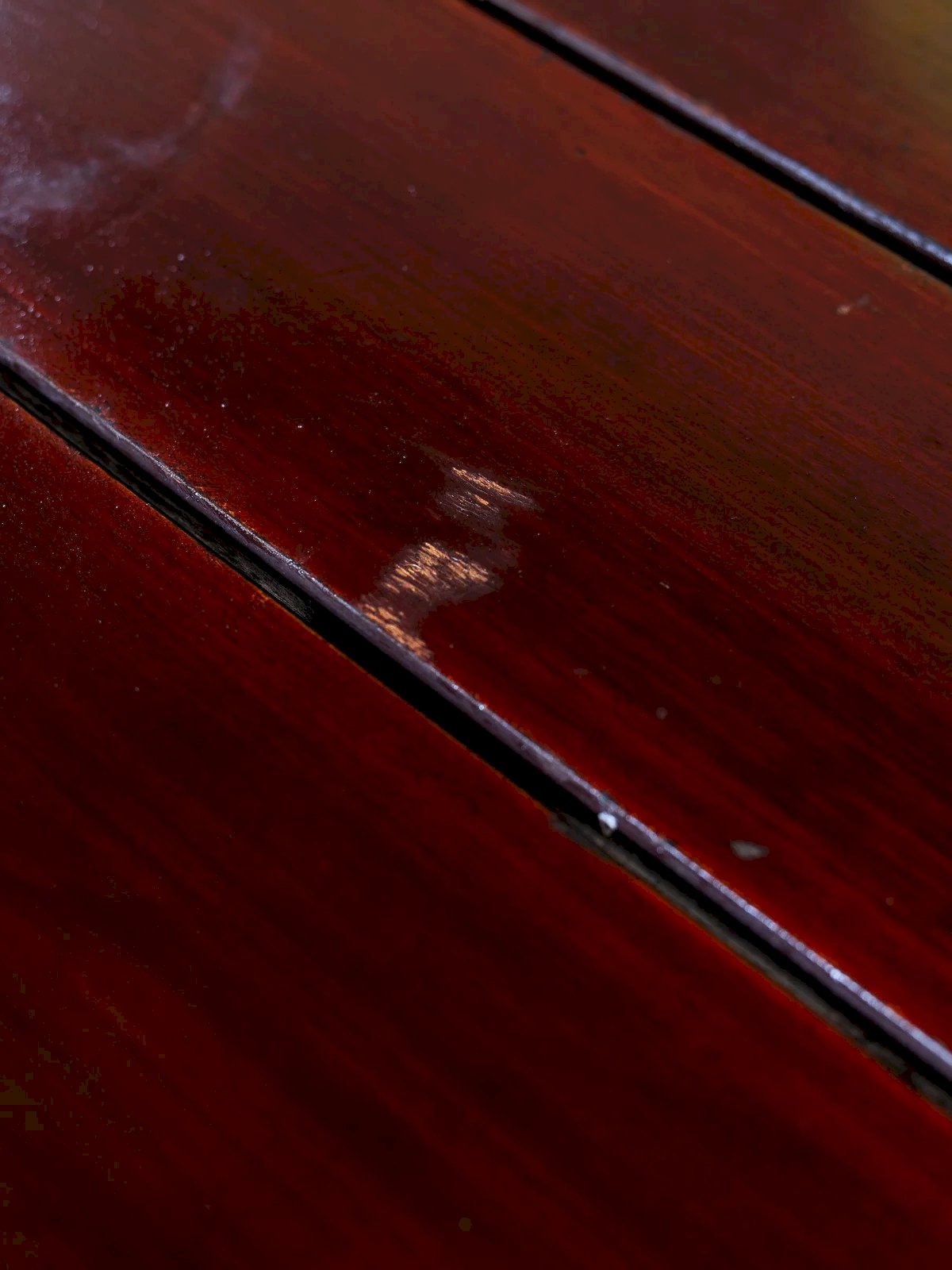
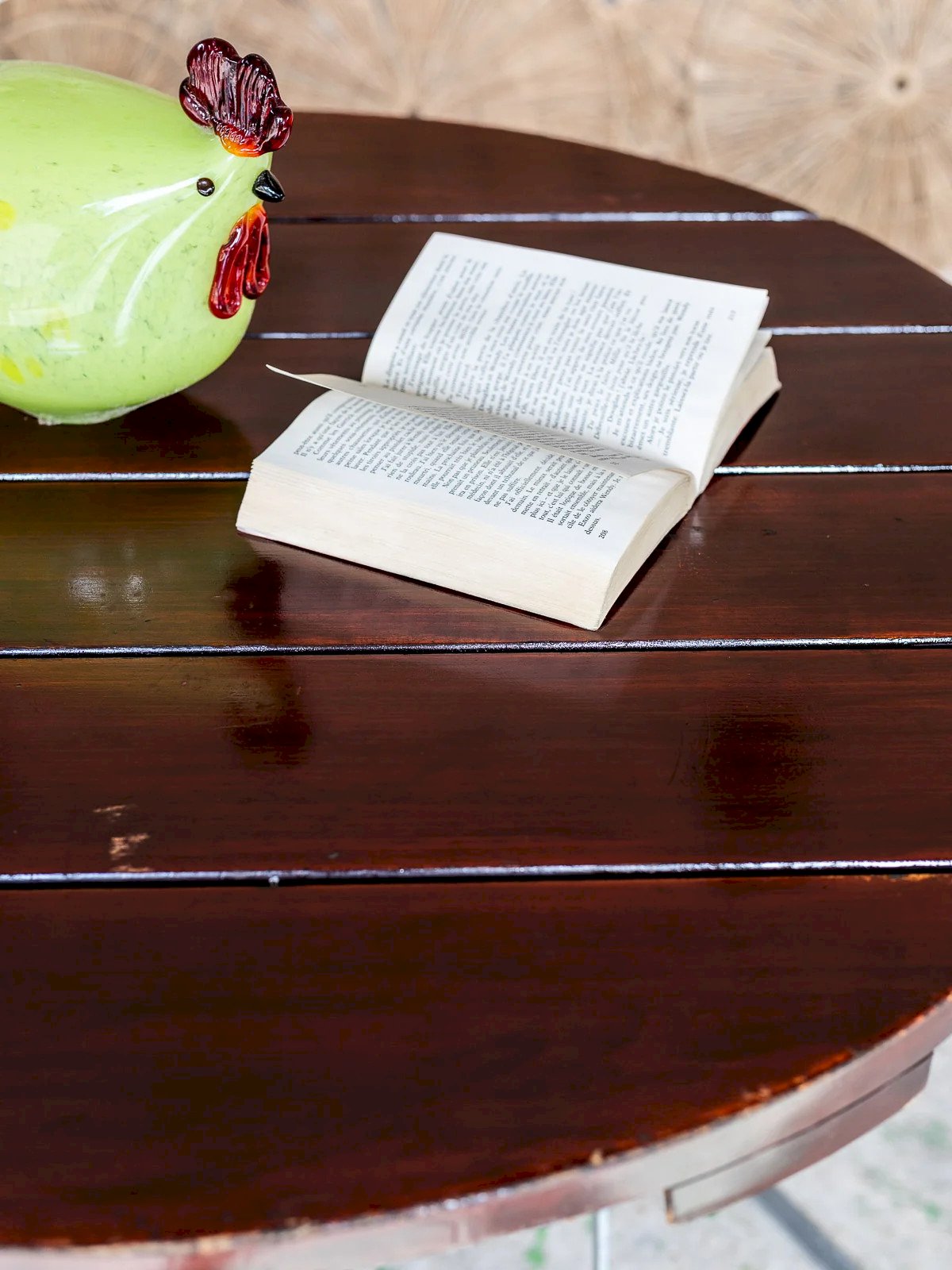
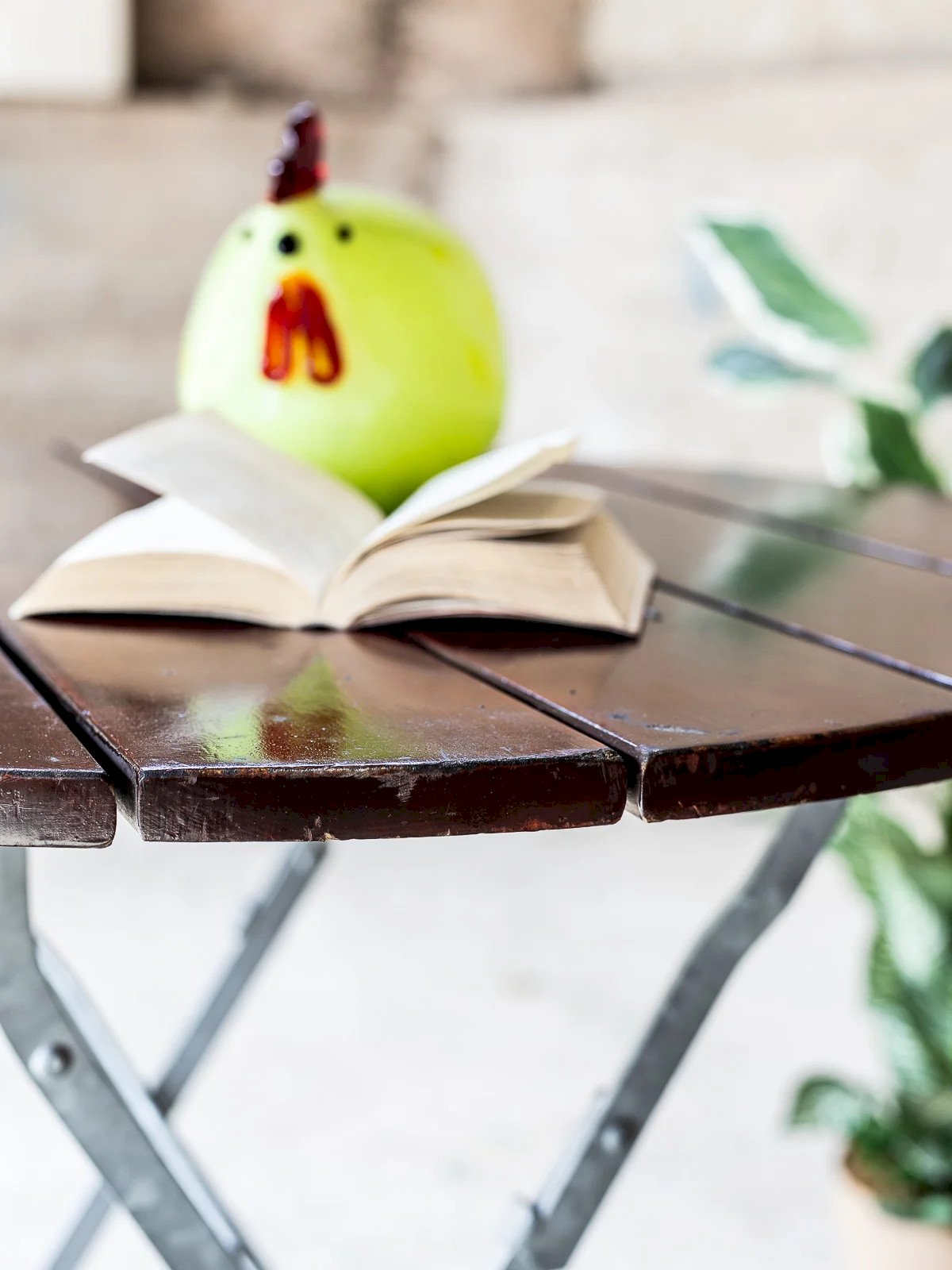
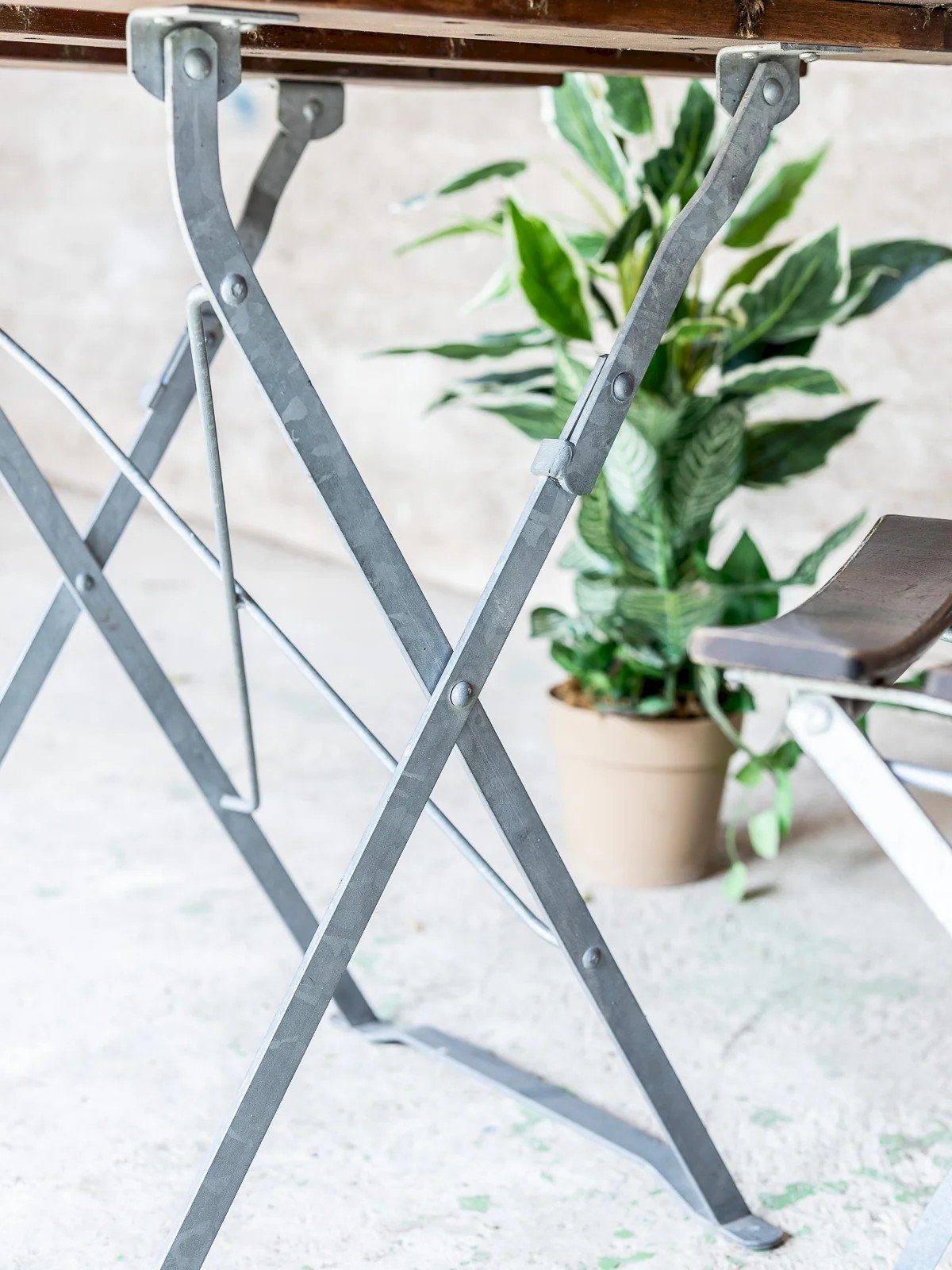
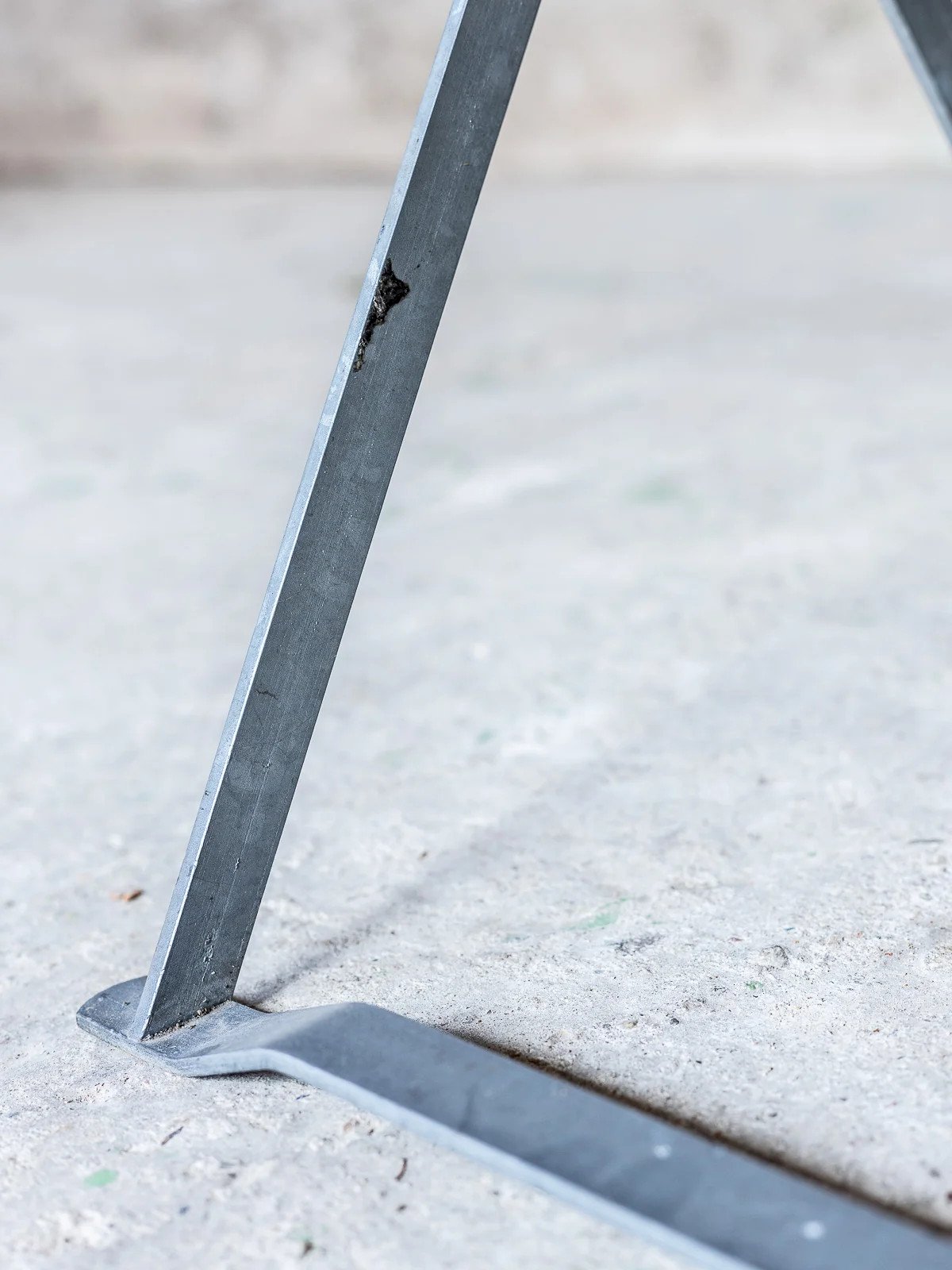
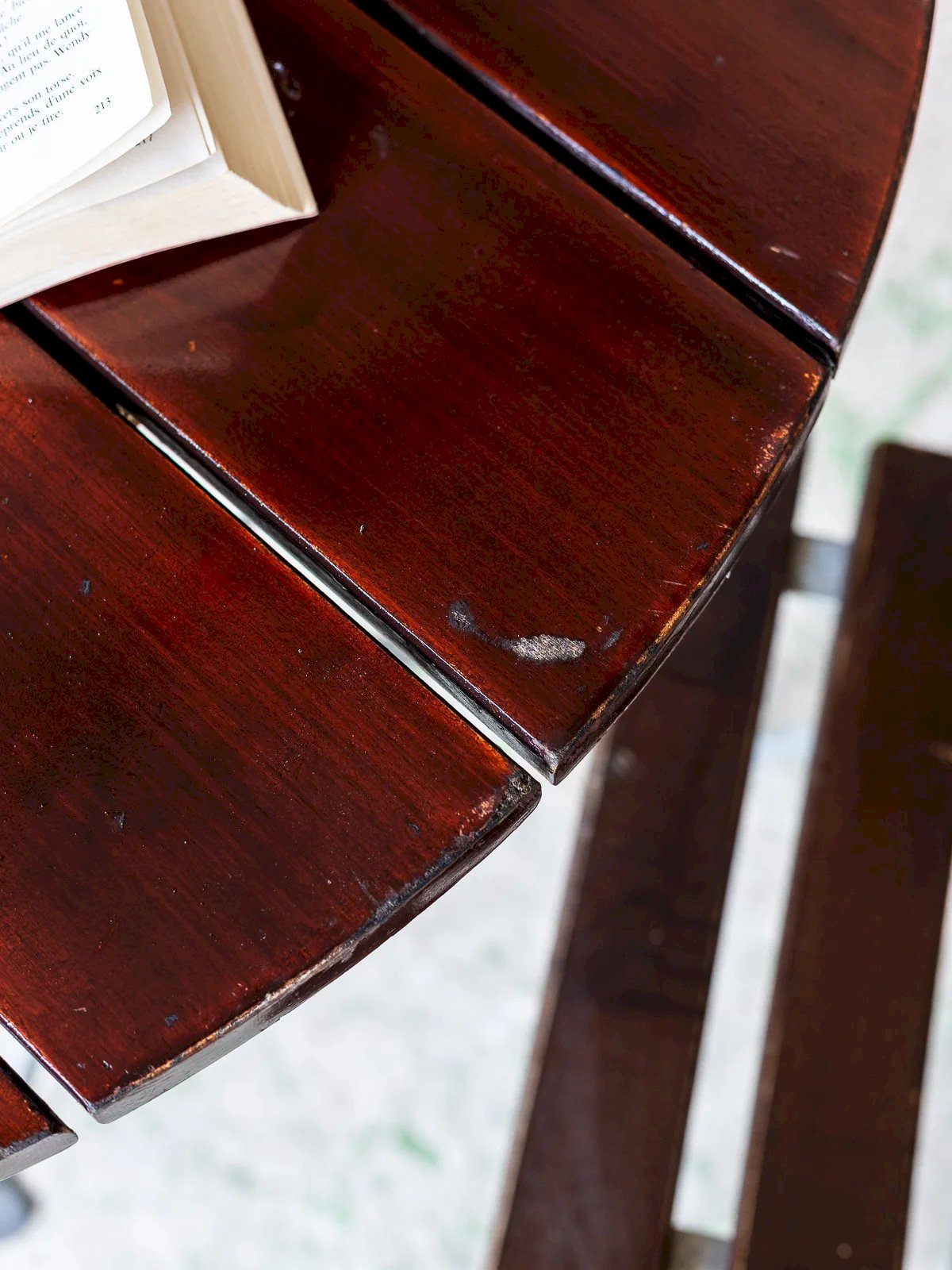
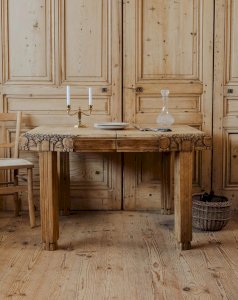
With its round wooden top and silver metal base, this round garden table in dark wood and metal embodies a very authentic country spirit. Sourced second-hand, it combines warm material with a more graphic structure, ideal for creating a dining area in the garden or on a sheltered terrace. Its comfortable height under the top allows chairs to move easily and enables relaxed dining around a lunch or extended coffee break. Around it, a few stoneware plates, a fruit basket, and a wildflower bouquet are enough to create a friendly and tidy scene. Maximum of 4 guests. Sold individually, 12 pieces available. Height: 77 cm Diameter: 90 cm Height under the top: 75.5 cm A little history of the farmhouse table A centerpiece of rural life in the 19th century, the farmhouse table is designed to last for generations and accommodate large peasant gatherings. It is recognized by its thick solid wood top, often marked by the passage of time, and its robust base connected or not by a "foot bar" or stretcher. Referred to as a "refectory table" or "kitchen table," it was designed to support daily tasks as well as family banquets.
Réf :
#413822
Brand / From : Debongout
Related Products

Comments
Romy, the outdoor folding dining table No. 1558
309€
75002 Paris
Ce site contient des liens d’affiliation pour lesquels je peux recevoir une compensation.
Description
With its round wooden top and silver metal base, this round garden table in dark wood and metal embodies a very authentic country spirit. Sourced second-hand, it combines warm material with a more graphic structure, ideal for creating a dining area in the garden or on a sheltered terrace. Its comfortable height under the top allows chairs to move easily and enables relaxed dining around a lunch or extended coffee break. Around it, a few stoneware plates, a fruit basket, and a wildflower bouquet are enough to create a friendly and tidy scene. Maximum of 4 guests. Sold individually, 12 pieces available. Height: 77 cm Diameter: 90 cm Height under the top: 75.5 cm A little history of the farmhouse table A centerpiece of rural life in the 19th century, the farmhouse table is designed to last for generations and accommodate large peasant gatherings. It is recognized by its thick solid wood top, often marked by the passage of time, and its robust base connected or not by a "foot bar" or stretcher. Referred to as a "refectory table" or "kitchen table," it was designed to support daily tasks as well as family banquets.
Réf :
#413822
Brand / From : Debongout