 English
 Français


Description
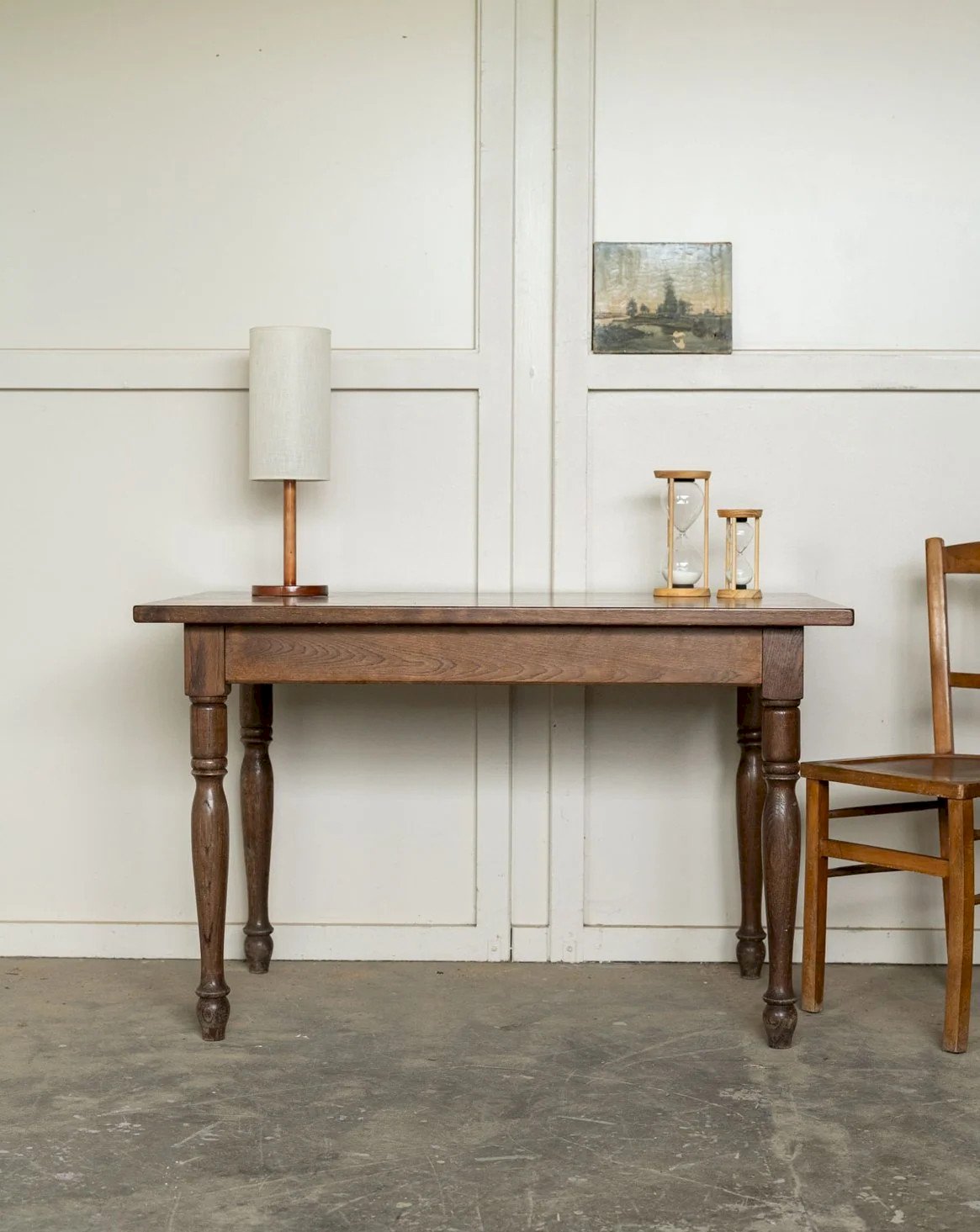
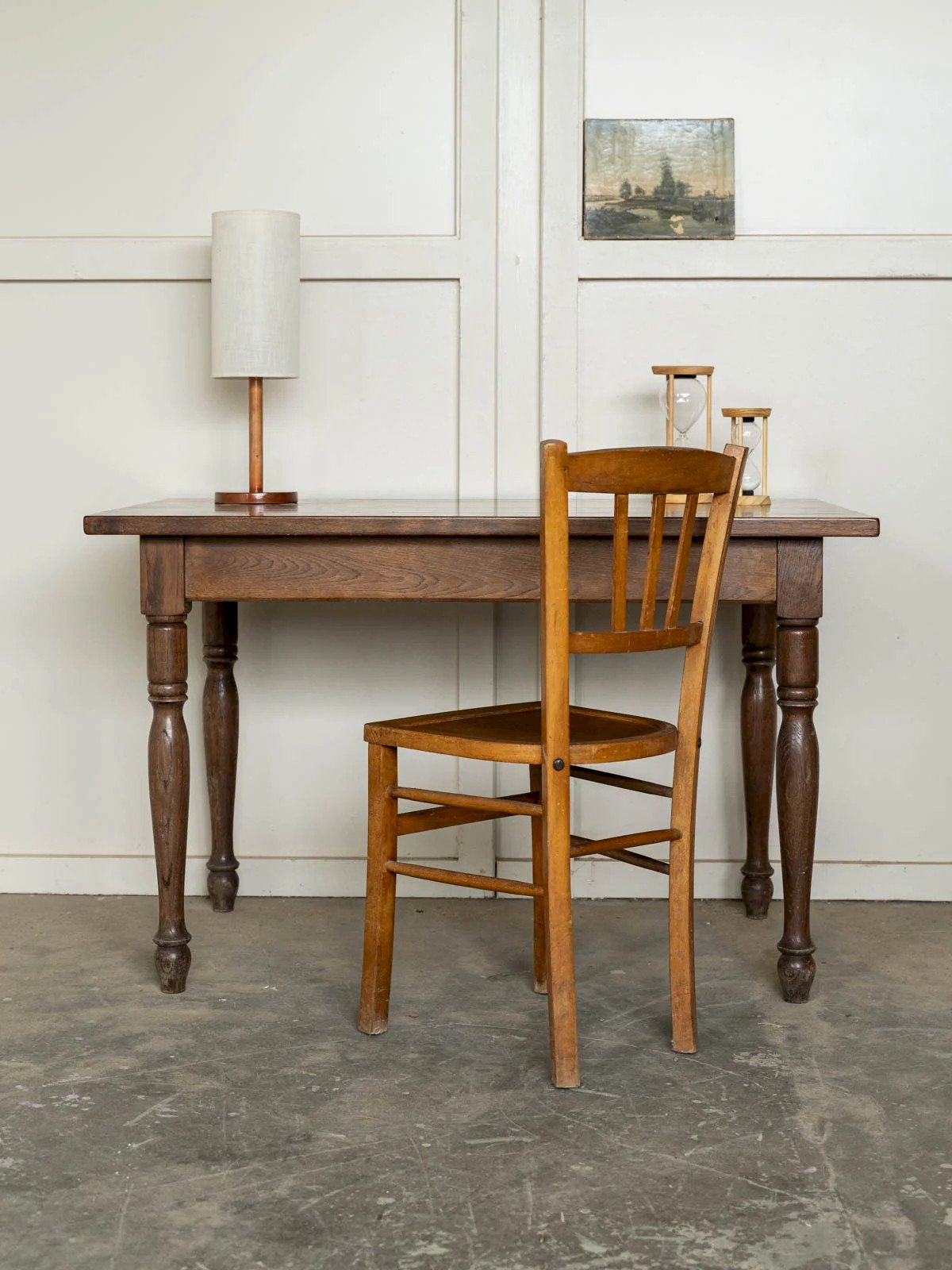
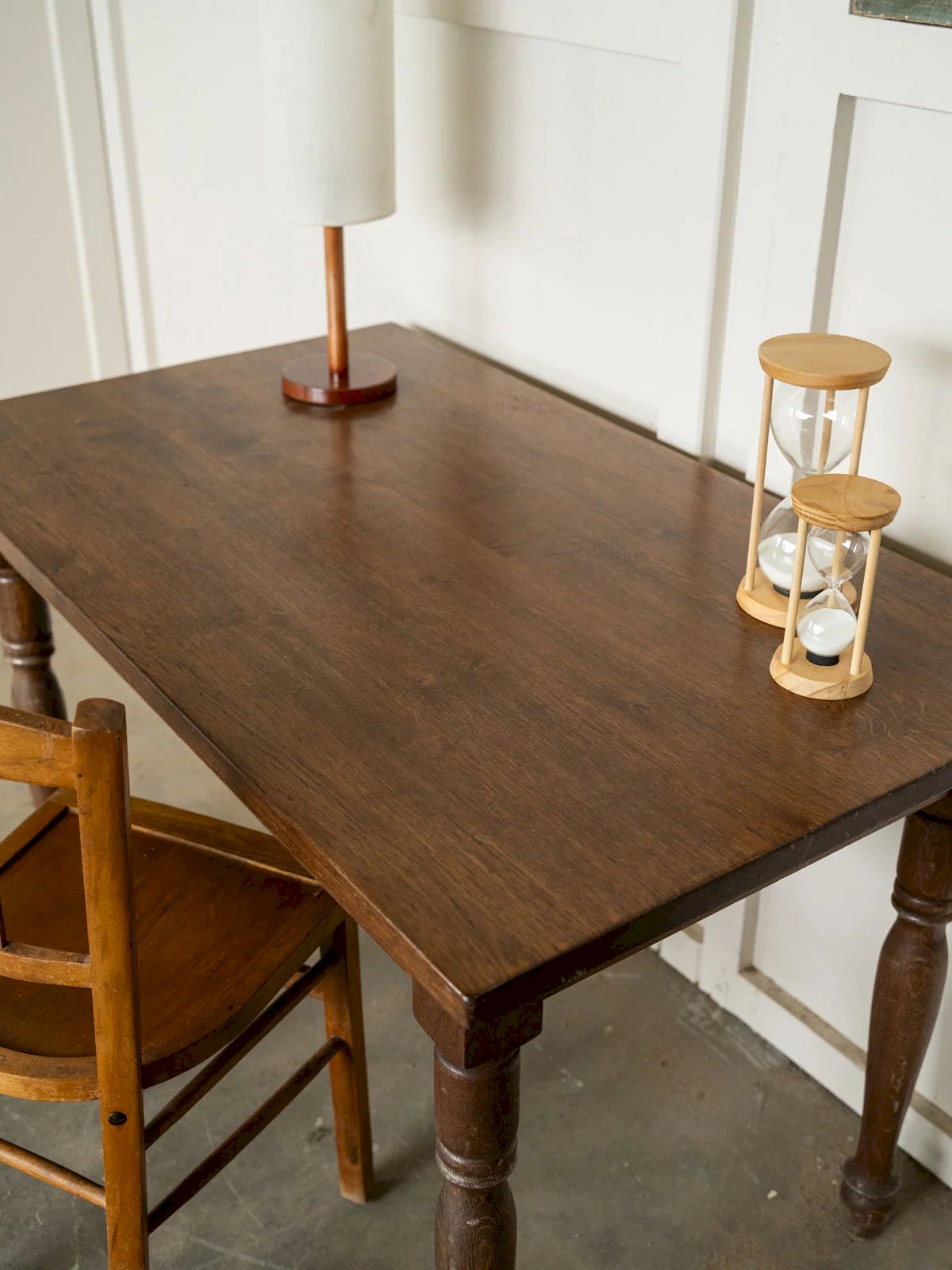
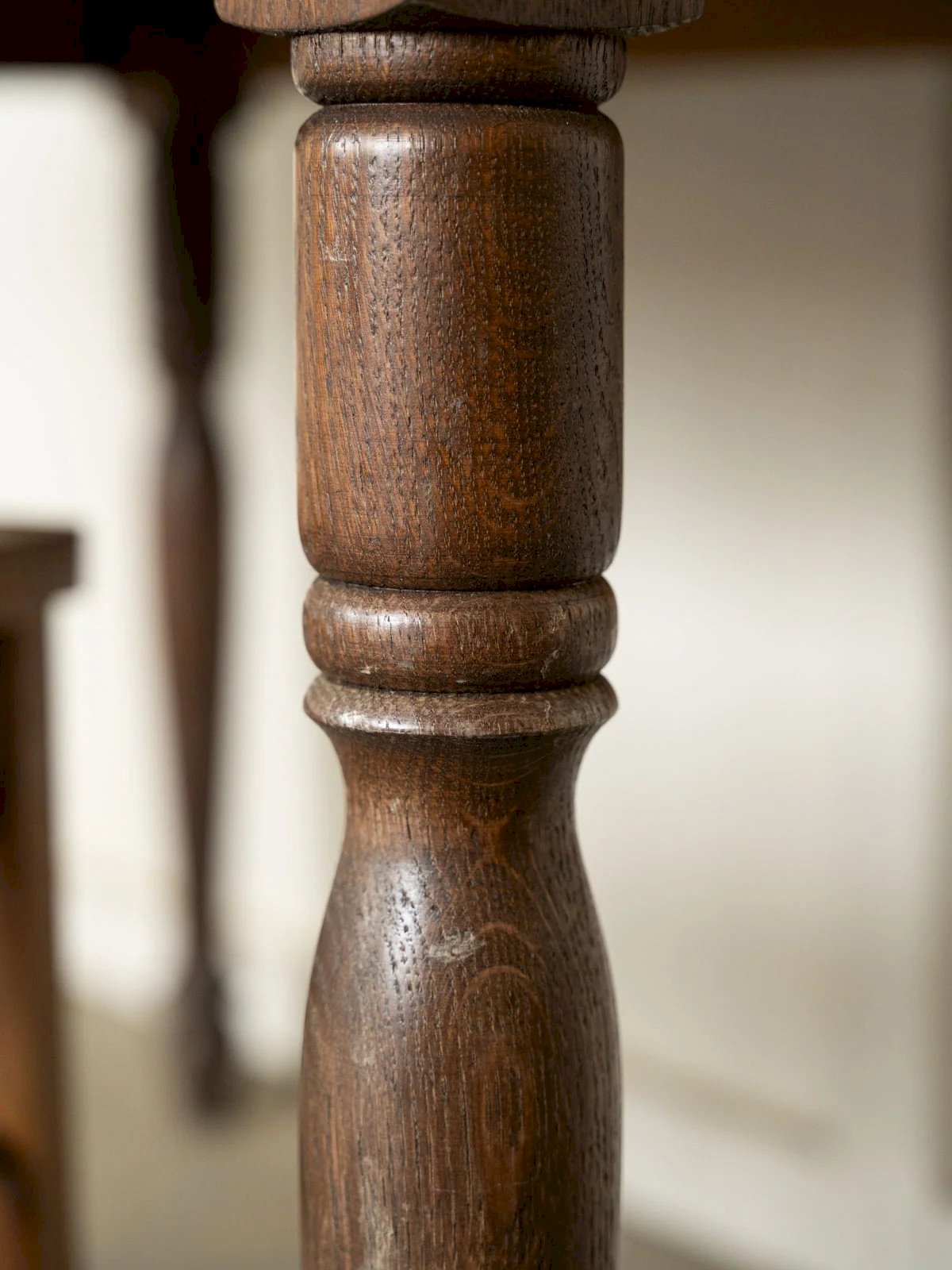
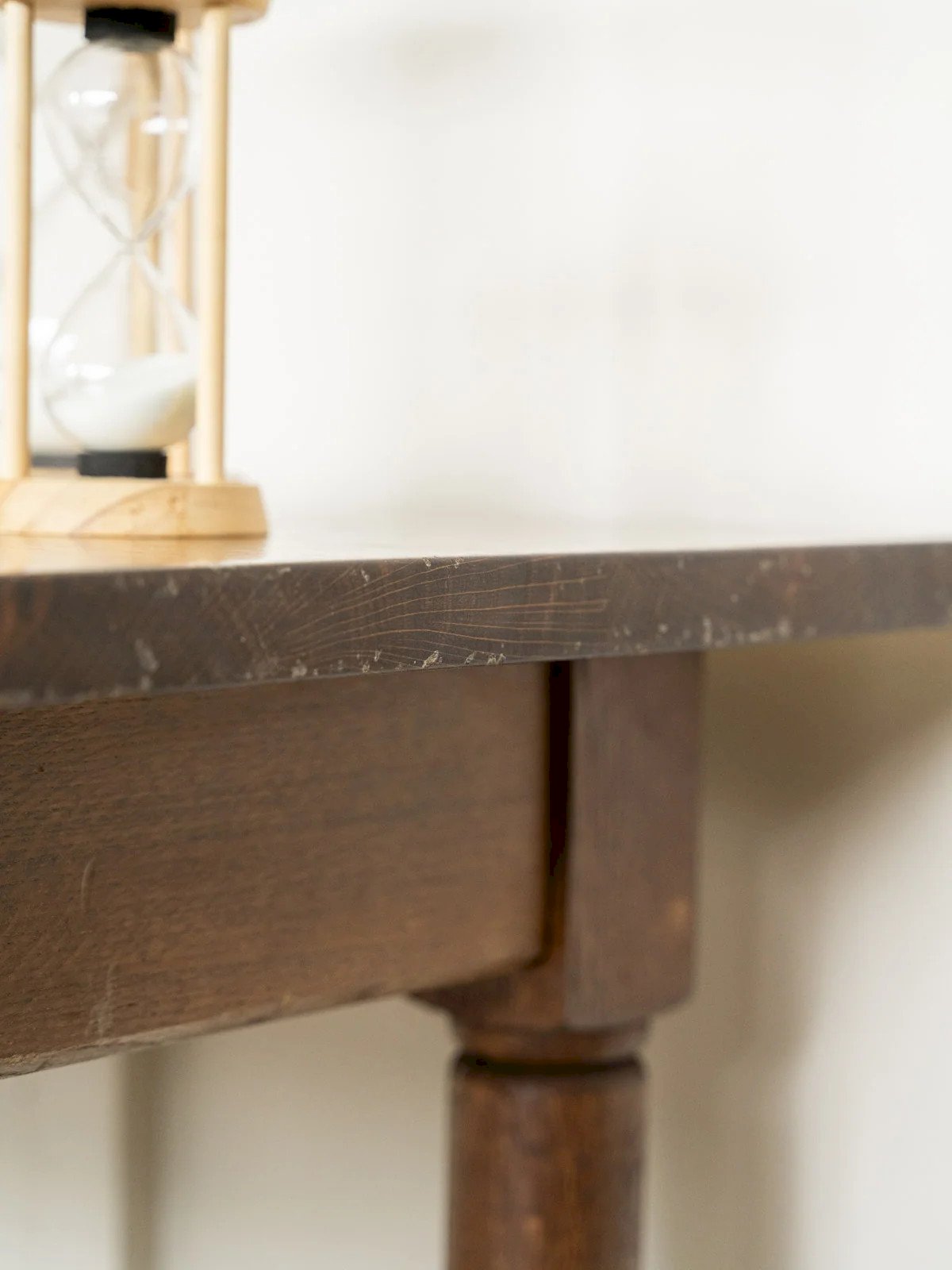
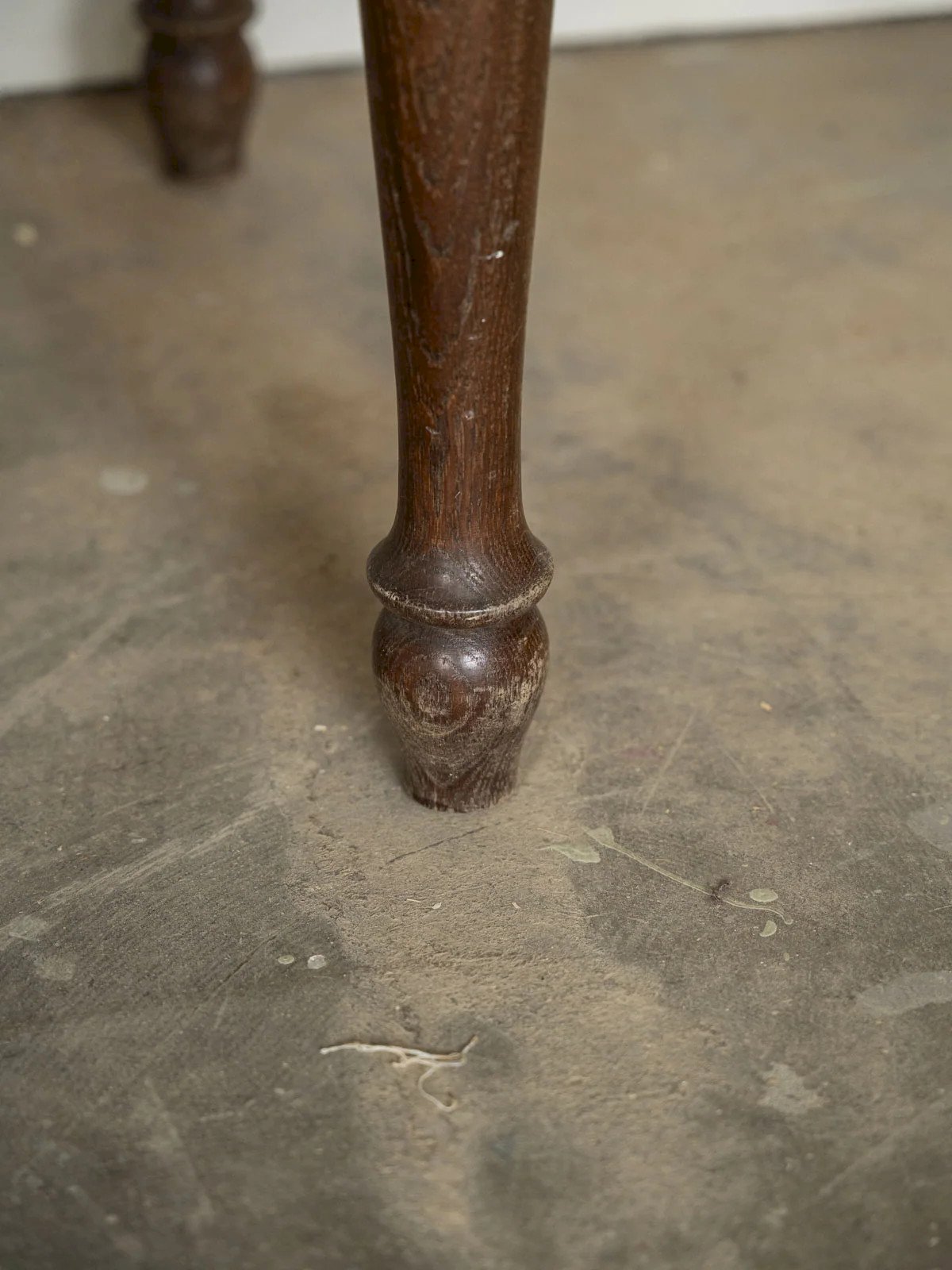
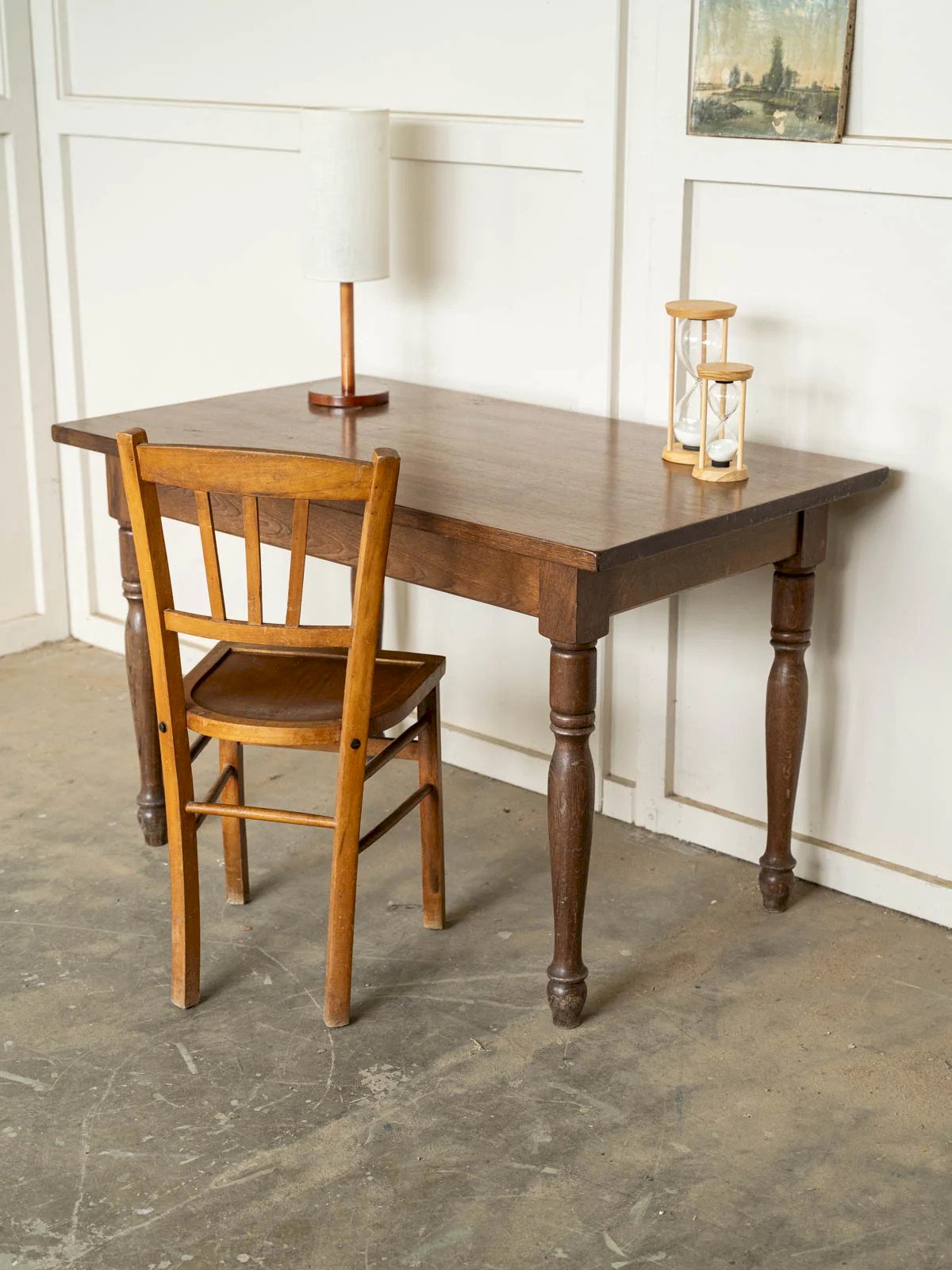
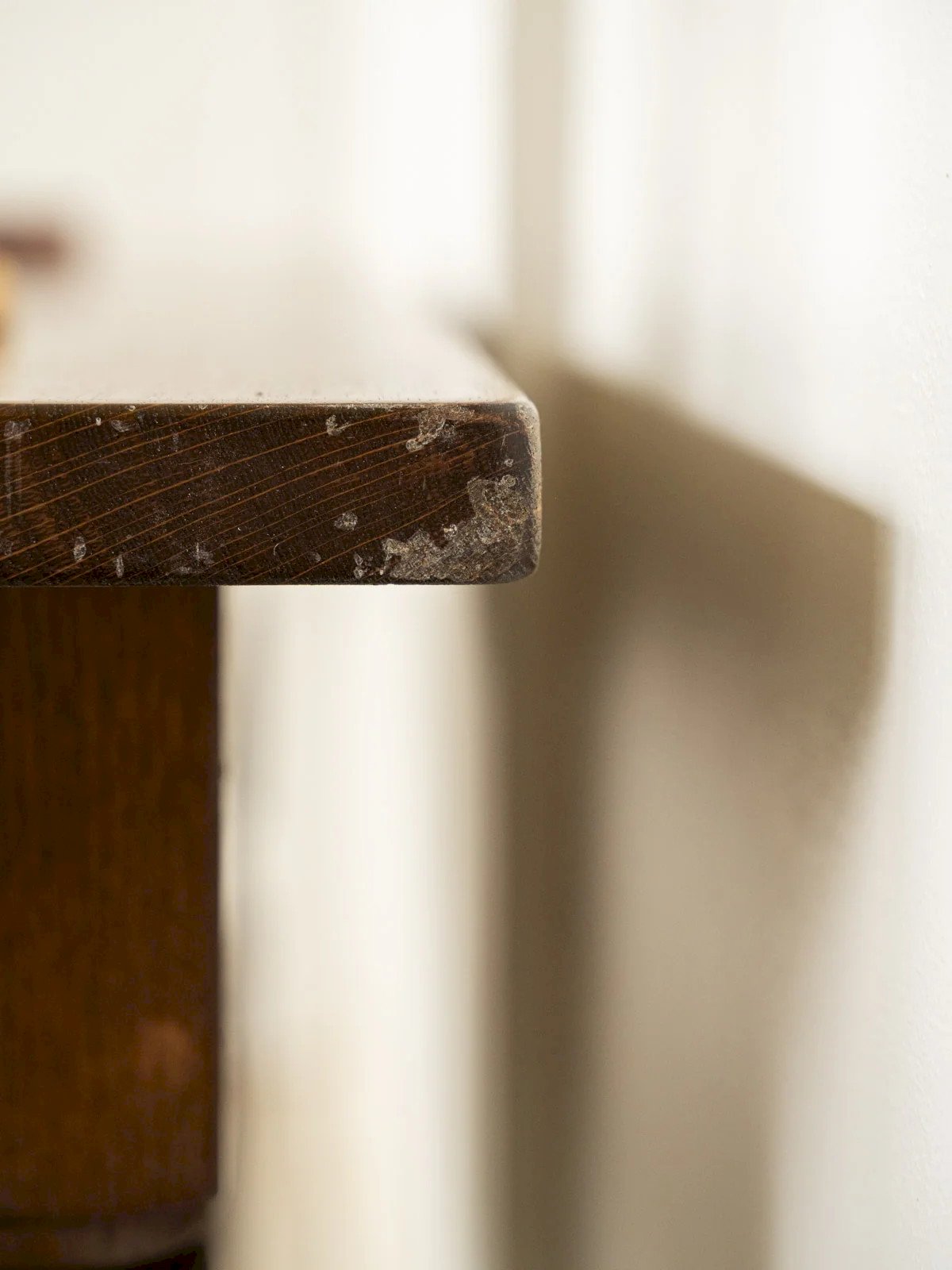
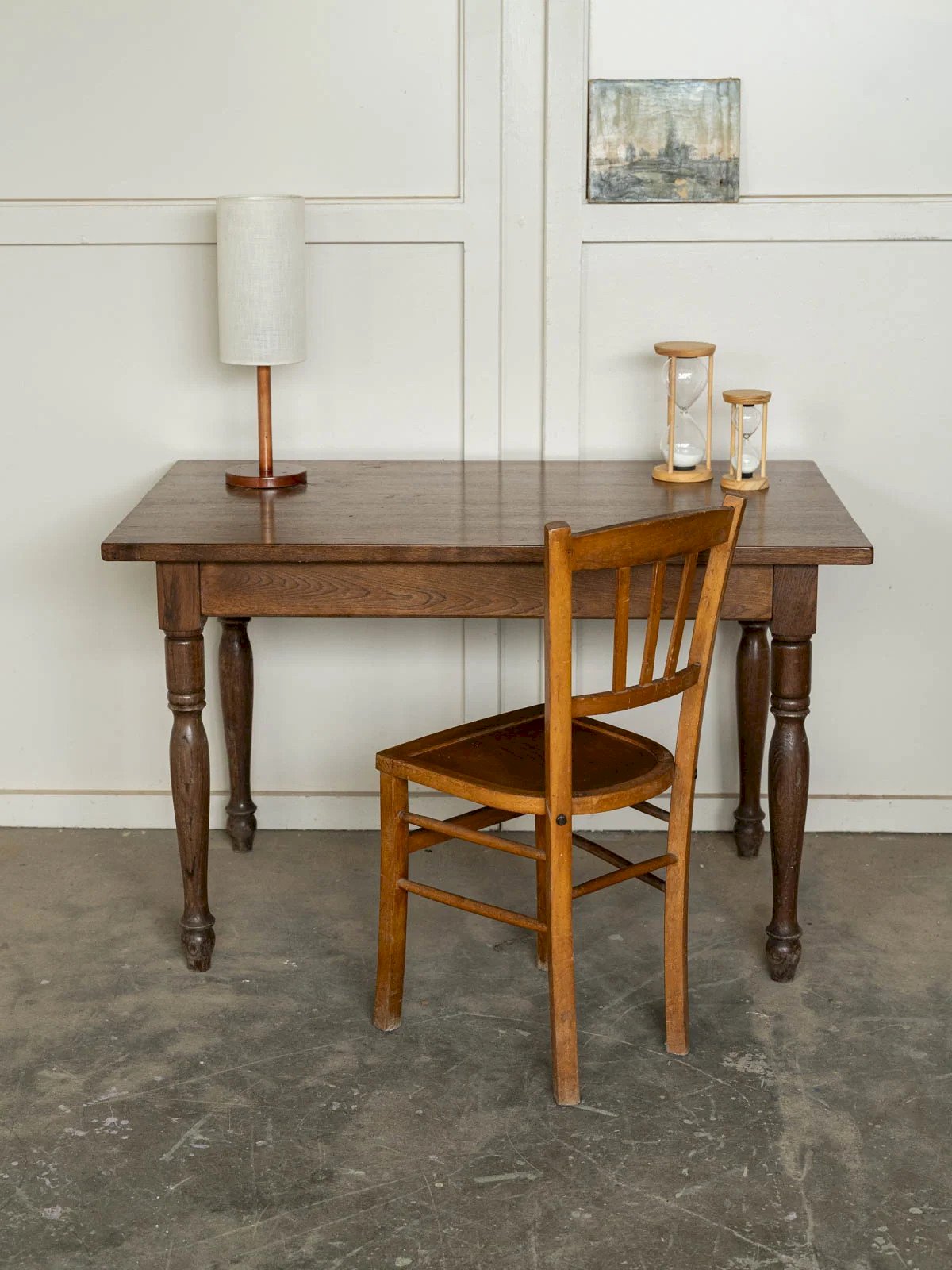
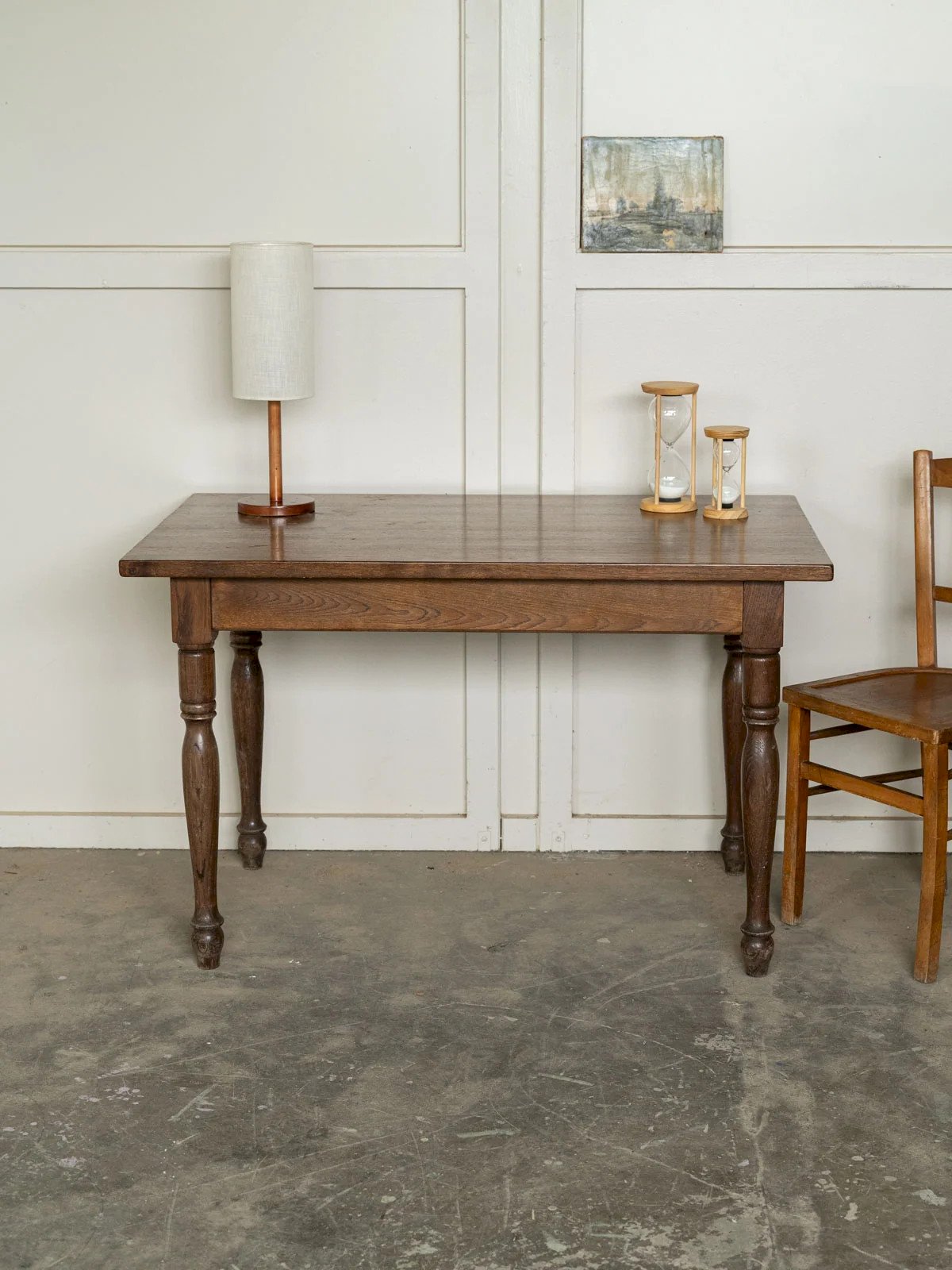
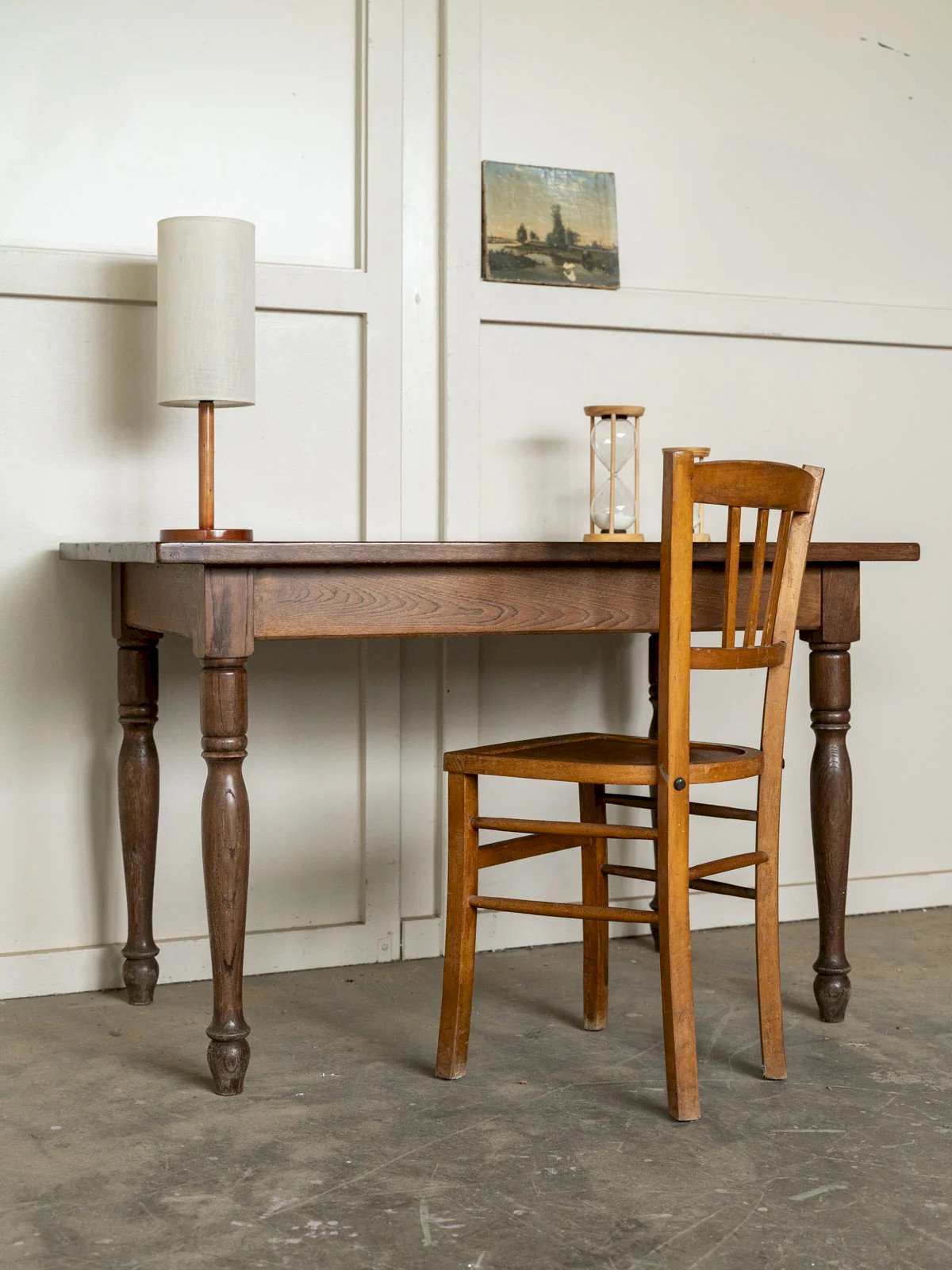
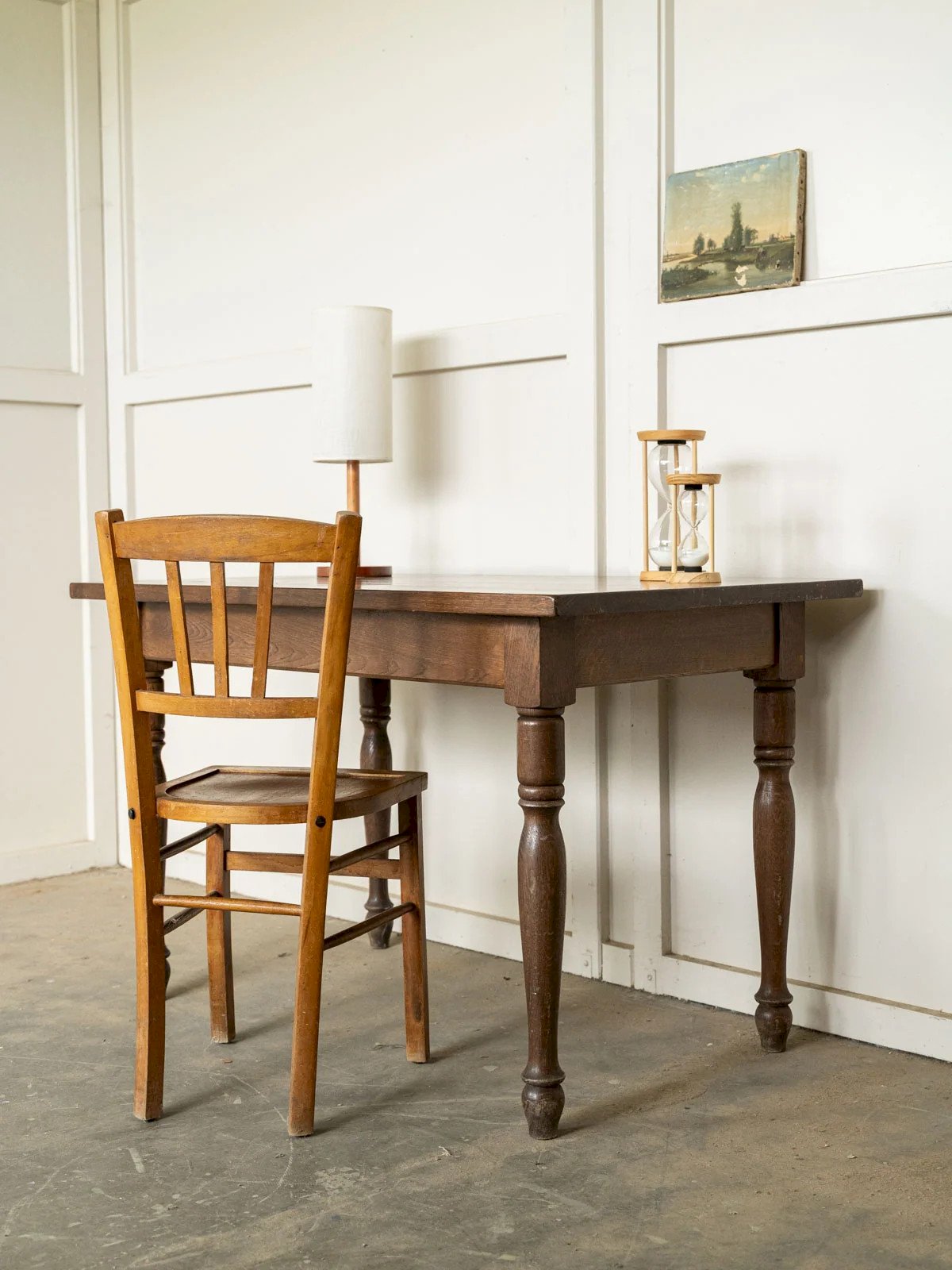
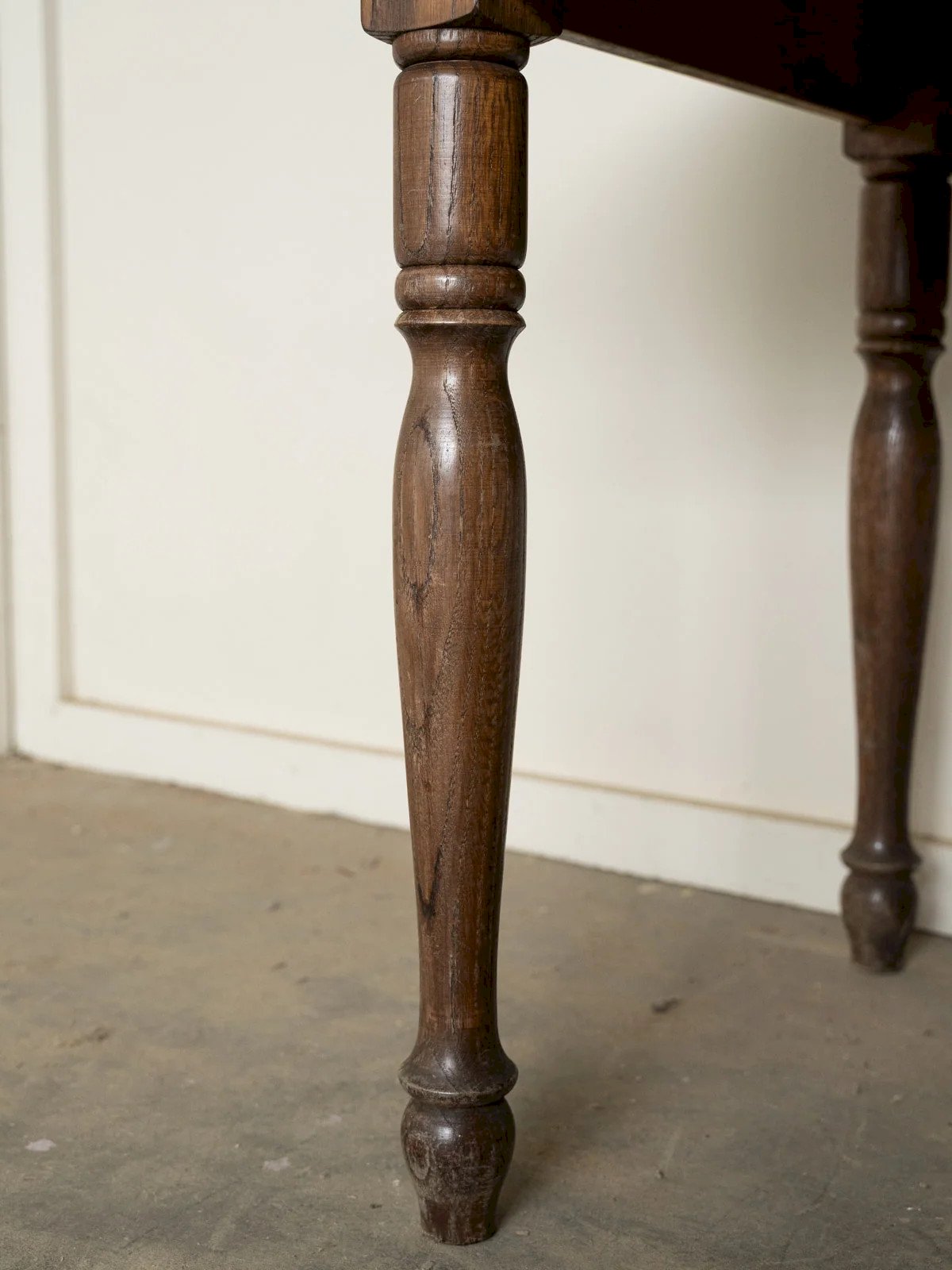
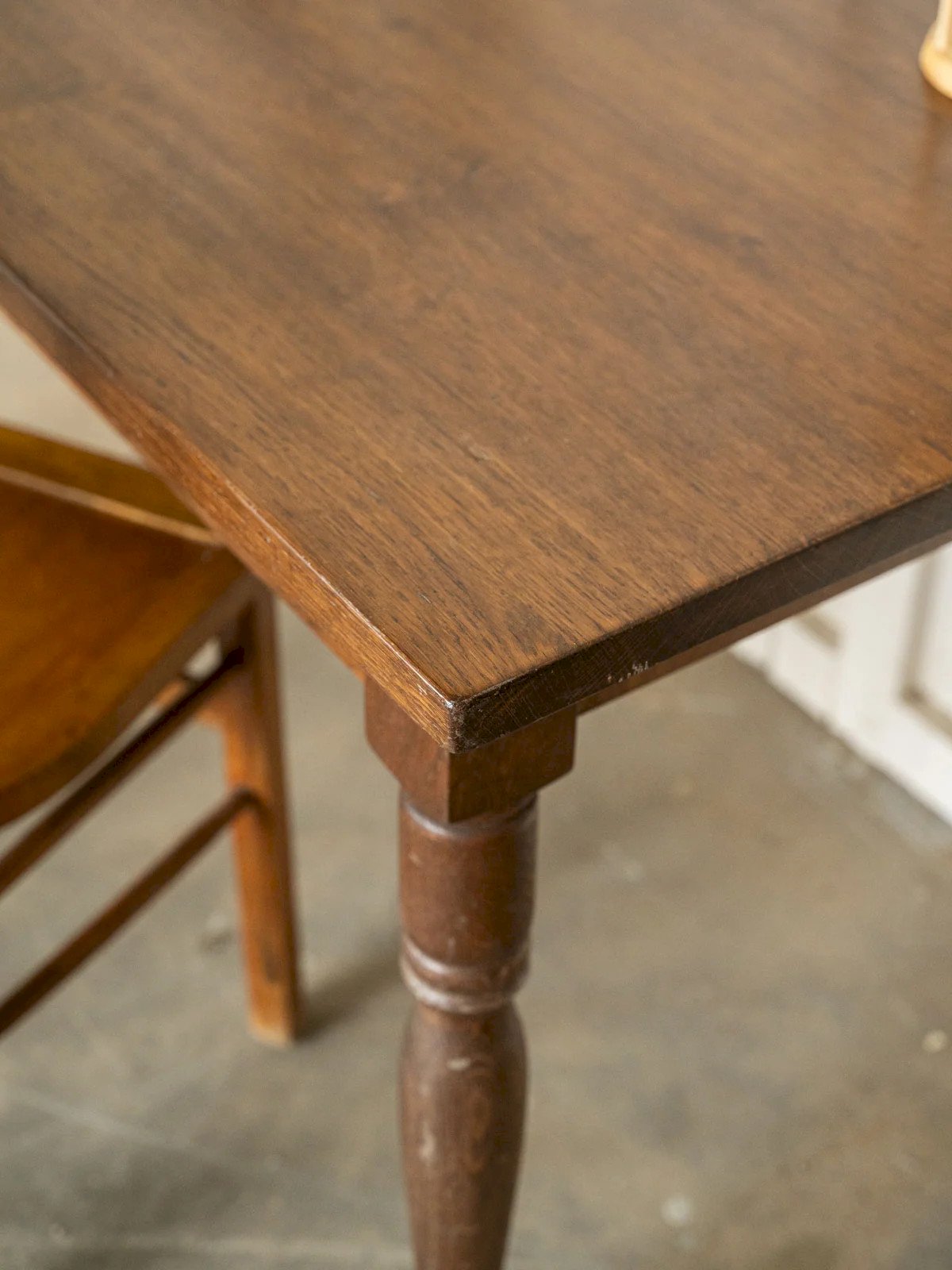
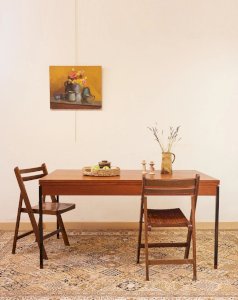
With its dark wood-stained oak, this second-hand dining table evokes a country spirit in a simple and neat version. Its fairly thick varnish on the top gives it a clean look, while its good heights ensure comfortable use every day. It accommodates two to four guests and can also serve as a desk, whether in a dining room or a workspace. Its countertop height is suitable for a warm composition, with some stoneware plates and a vase of fresh flowers. As a second-hand piece, it bears the marks of its history: small scratches due to the passage of time. Width: 119 cm Depth: 70 cm Height: 75 cm Height under the table: 62 cm A little history of the farmhouse table The centerpiece of rural life in the 19th century, the farmhouse table is crafted to last for generations and to host large peasant gatherings. It is recognized by its thick solid wood top, often marked by the passage of time, and its sturdy legs connected or not by a "foot bar" or stretcher. Called a "refectory table" or "kitchen table," it was designed to withstand daily tasks as well as family banquets.
Réf :
#414628
Brand / From : Debongout
Related Products
Comments
Romy, the oak dining table No. 1555
489€
75002 Paris
Ce site contient des liens d’affiliation pour lesquels je peux recevoir une compensation.
Description
With its dark wood-stained oak, this second-hand dining table evokes a country spirit in a simple and neat version. Its fairly thick varnish on the top gives it a clean look, while its good heights ensure comfortable use every day. It accommodates two to four guests and can also serve as a desk, whether in a dining room or a workspace. Its countertop height is suitable for a warm composition, with some stoneware plates and a vase of fresh flowers. As a second-hand piece, it bears the marks of its history: small scratches due to the passage of time. Width: 119 cm Depth: 70 cm Height: 75 cm Height under the table: 62 cm A little history of the farmhouse table The centerpiece of rural life in the 19th century, the farmhouse table is crafted to last for generations and to host large peasant gatherings. It is recognized by its thick solid wood top, often marked by the passage of time, and its sturdy legs connected or not by a "foot bar" or stretcher. Called a "refectory table" or "kitchen table," it was designed to withstand daily tasks as well as family banquets.
Réf :
#414628
Brand / From : Debongout