 English
 Français


Description
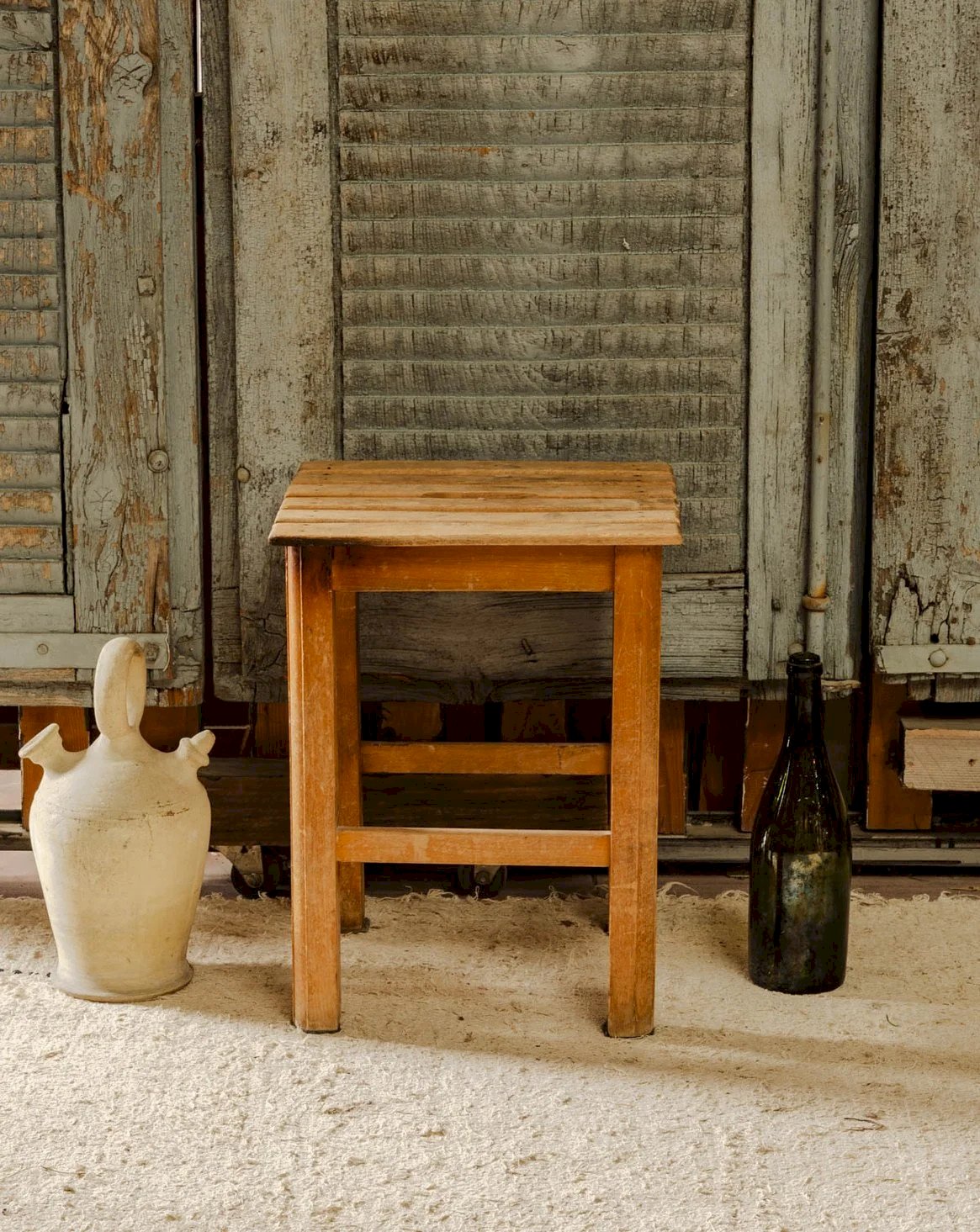
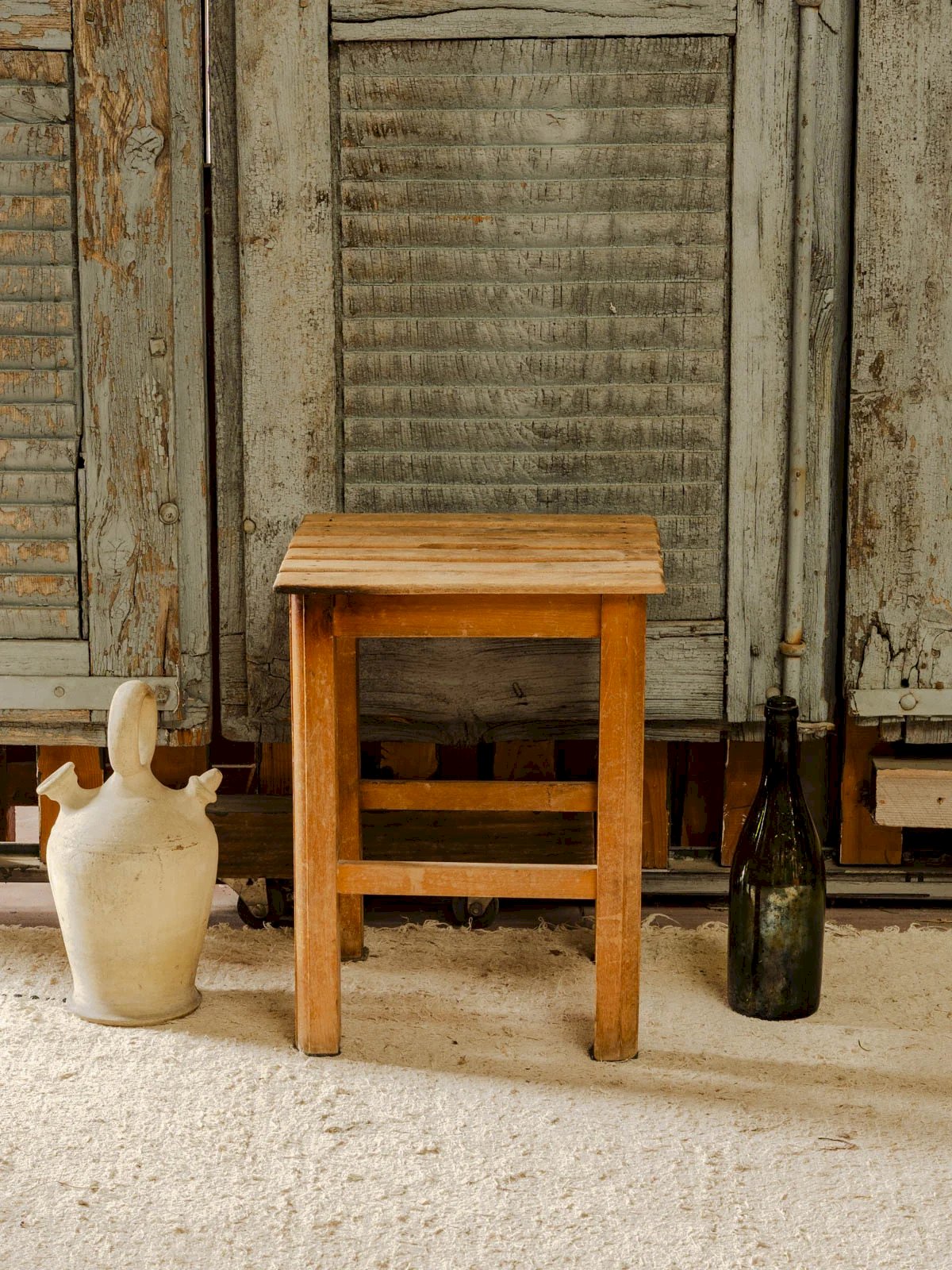
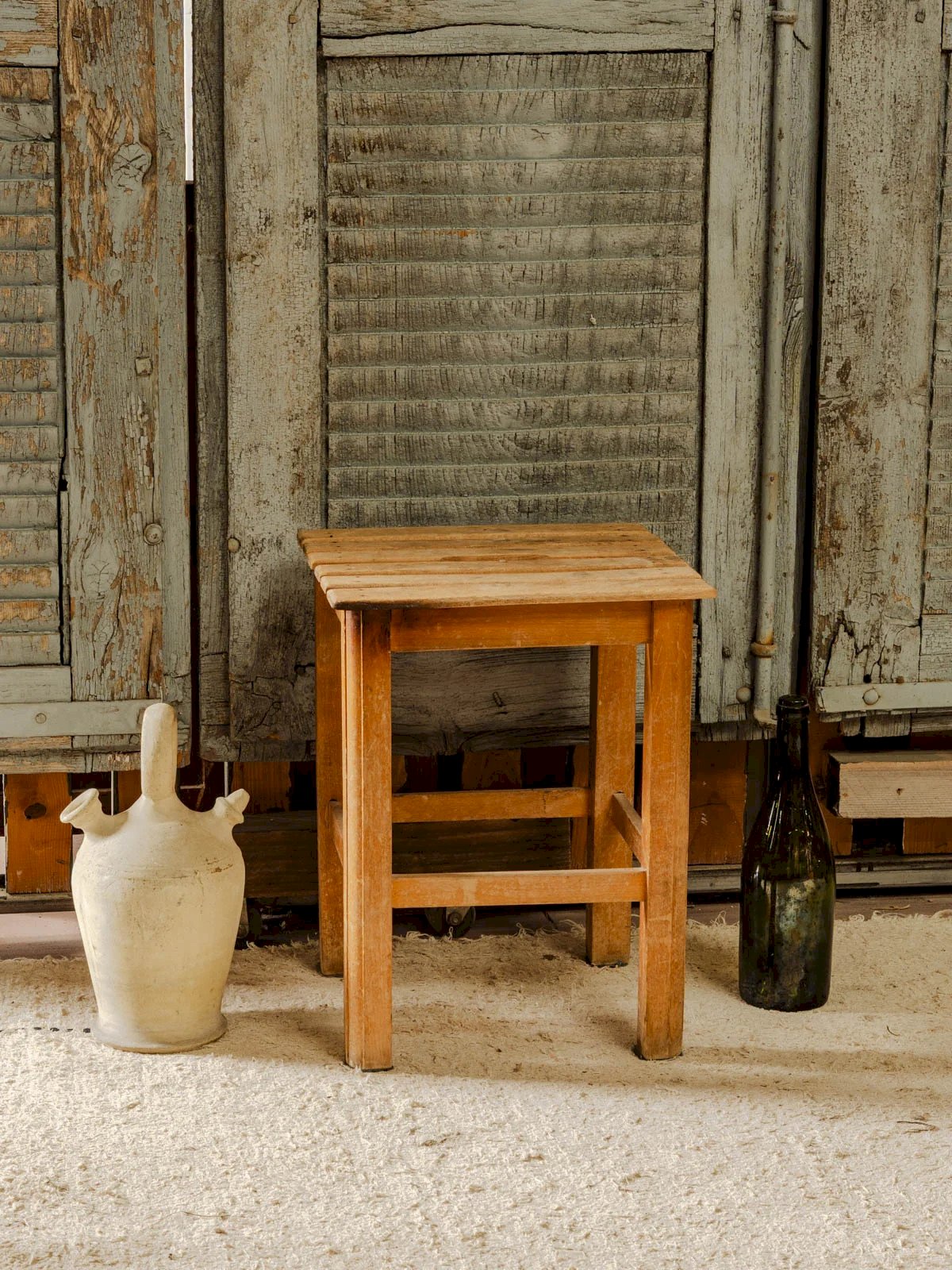
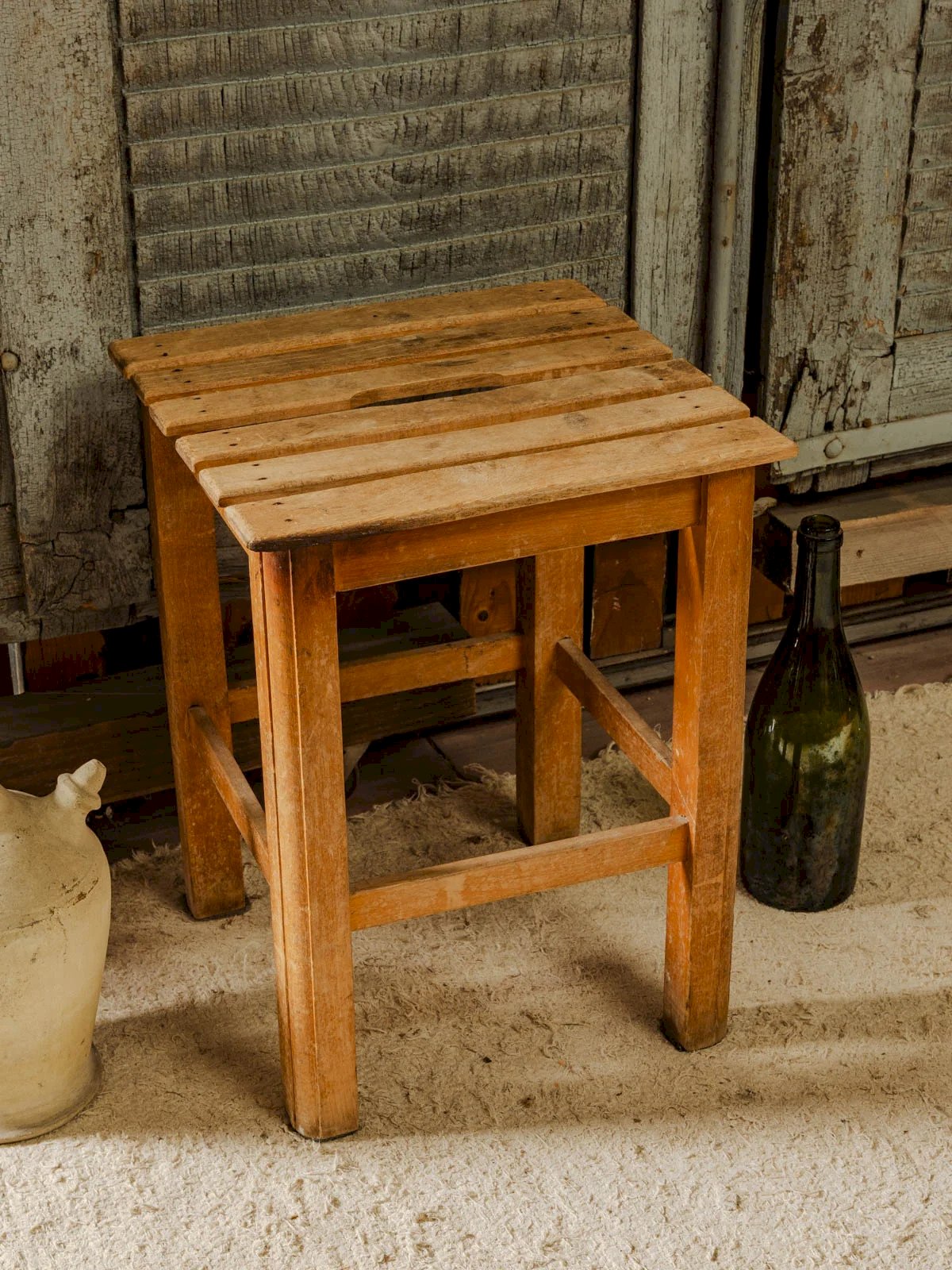
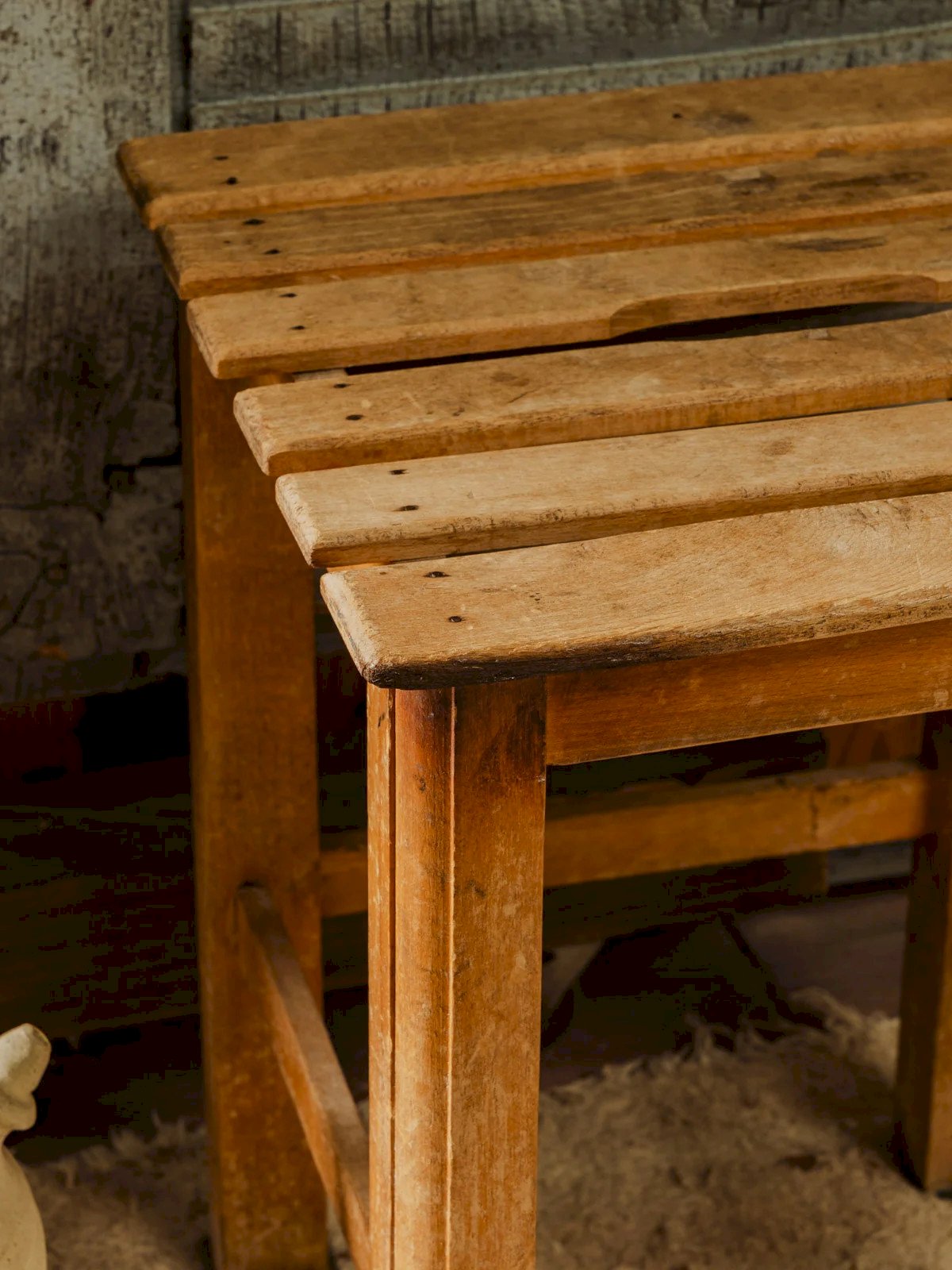
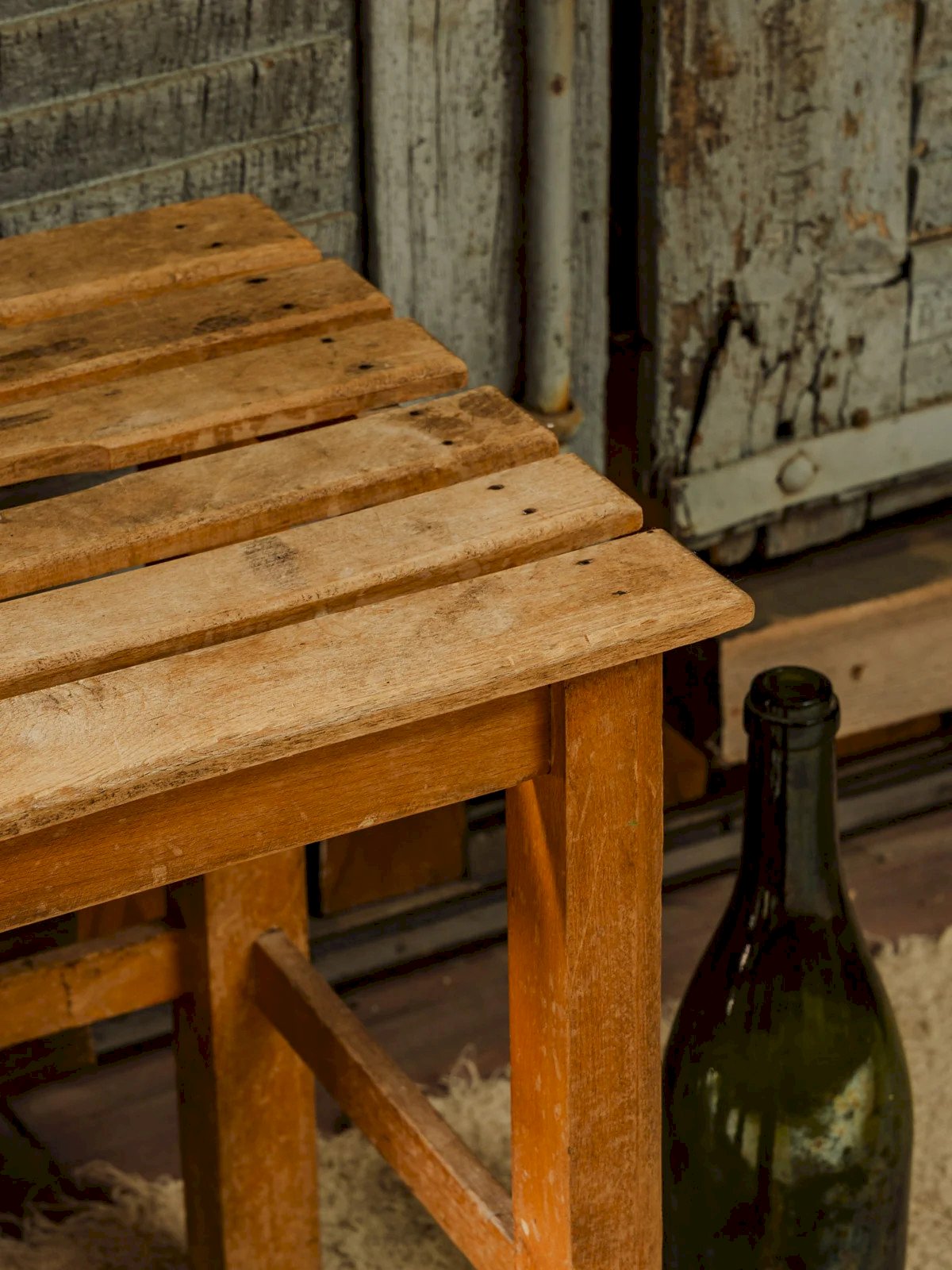
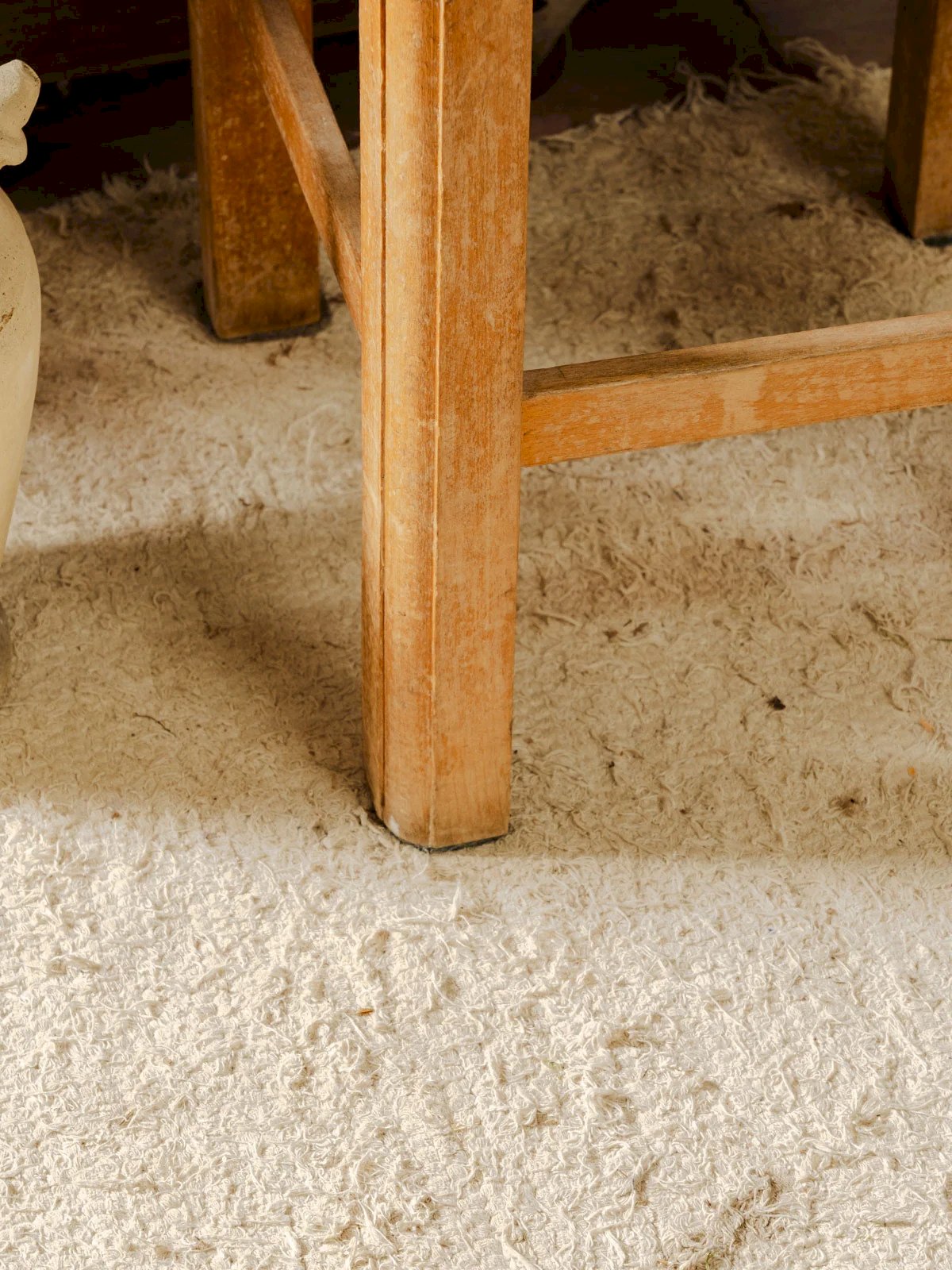
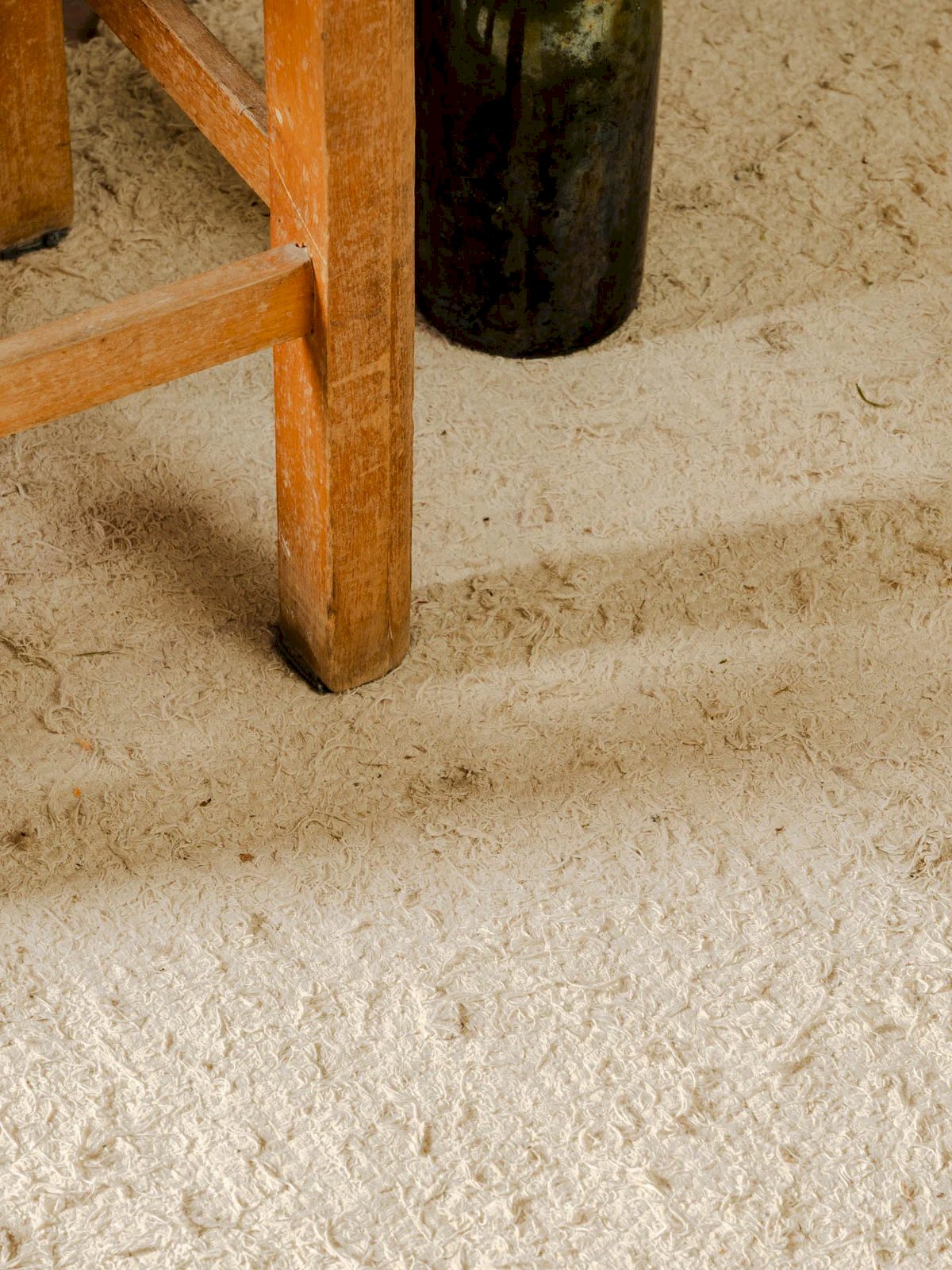
Add a touch of simplicity and elegance to your interior with this wooden stool. Its streamlined silhouette and harmonious proportions make it a versatile piece, ideal for completing a reading nook or serving as extra seating in your kitchen. The bright wood tone brings a warm ambiance, while its sturdy construction ensures durability and comfort. Some traces of time present testify to its history and add to its authentic charm. Available in two pieces. Length: 35 cm Width: 35 cm Height: 45 cm A brief history of the stool The oldest seat in history, the stool is the direct ancestor of the chair, distinguished by the absence of a backrest and armrests. In the Middle Ages, it was the universal seat of the people, while among the nobility, the "right to the stool" became a highly codified court privilege, allowing ladies to sit in the presence of the king. Its structure, resting on three or four legs, is a feat of stability and lightness, designed to be slid under a table or moved with a gesture. Whether rustic in raw wood or in an industrial style, it today embodies the perfect space-saving furniture, providing extra seating that never clutters the view.
Réf :
#413390
Brand / From : Debongout
Color(s) : Multicolored
Material : Wood
Related Products




Comments
Regis, the wooden stool No. 1528
119€
75002 Paris
Ce site contient des liens d’affiliation pour lesquels je peux recevoir une compensation.
Description
Add a touch of simplicity and elegance to your interior with this wooden stool. Its streamlined silhouette and harmonious proportions make it a versatile piece, ideal for completing a reading nook or serving as extra seating in your kitchen. The bright wood tone brings a warm ambiance, while its sturdy construction ensures durability and comfort. Some traces of time present testify to its history and add to its authentic charm. Available in two pieces. Length: 35 cm Width: 35 cm Height: 45 cm A brief history of the stool The oldest seat in history, the stool is the direct ancestor of the chair, distinguished by the absence of a backrest and armrests. In the Middle Ages, it was the universal seat of the people, while among the nobility, the "right to the stool" became a highly codified court privilege, allowing ladies to sit in the presence of the king. Its structure, resting on three or four legs, is a feat of stability and lightness, designed to be slid under a table or moved with a gesture. Whether rustic in raw wood or in an industrial style, it today embodies the perfect space-saving furniture, providing extra seating that never clutters the view.
Réf :
#413390
Brand / From : Debongout
Color(s) : Multicolored
Material : Wood