 English
 Français


Description
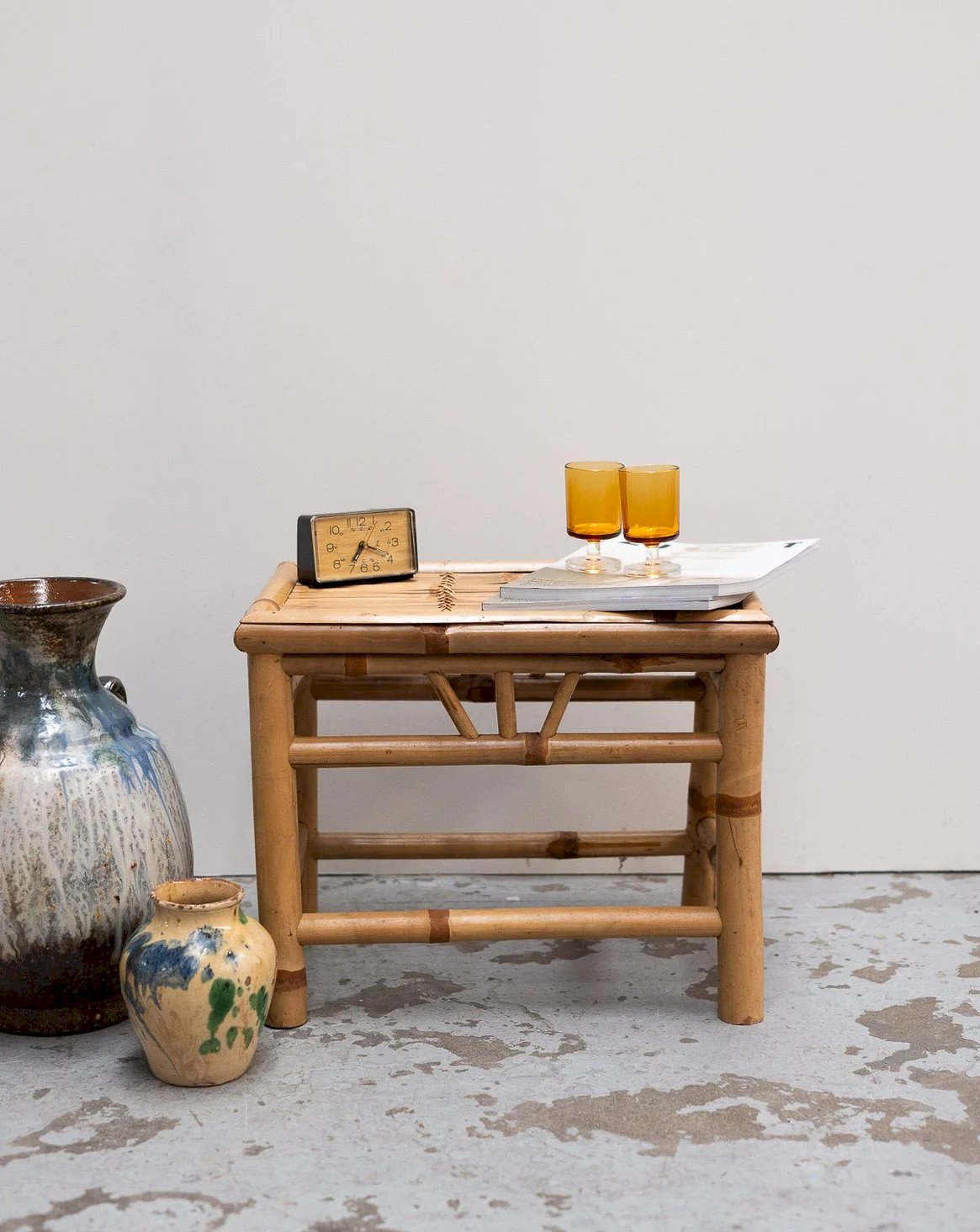
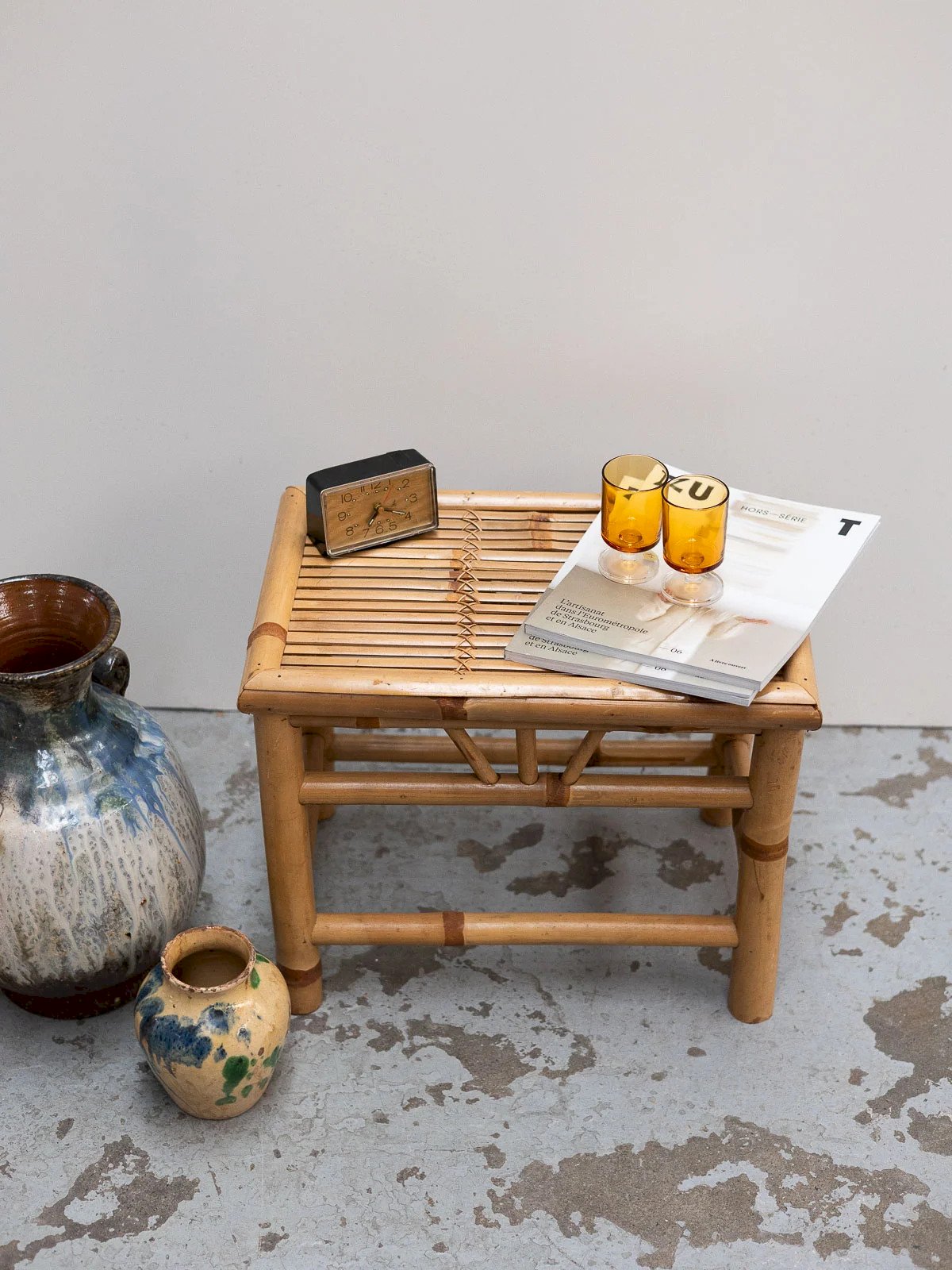
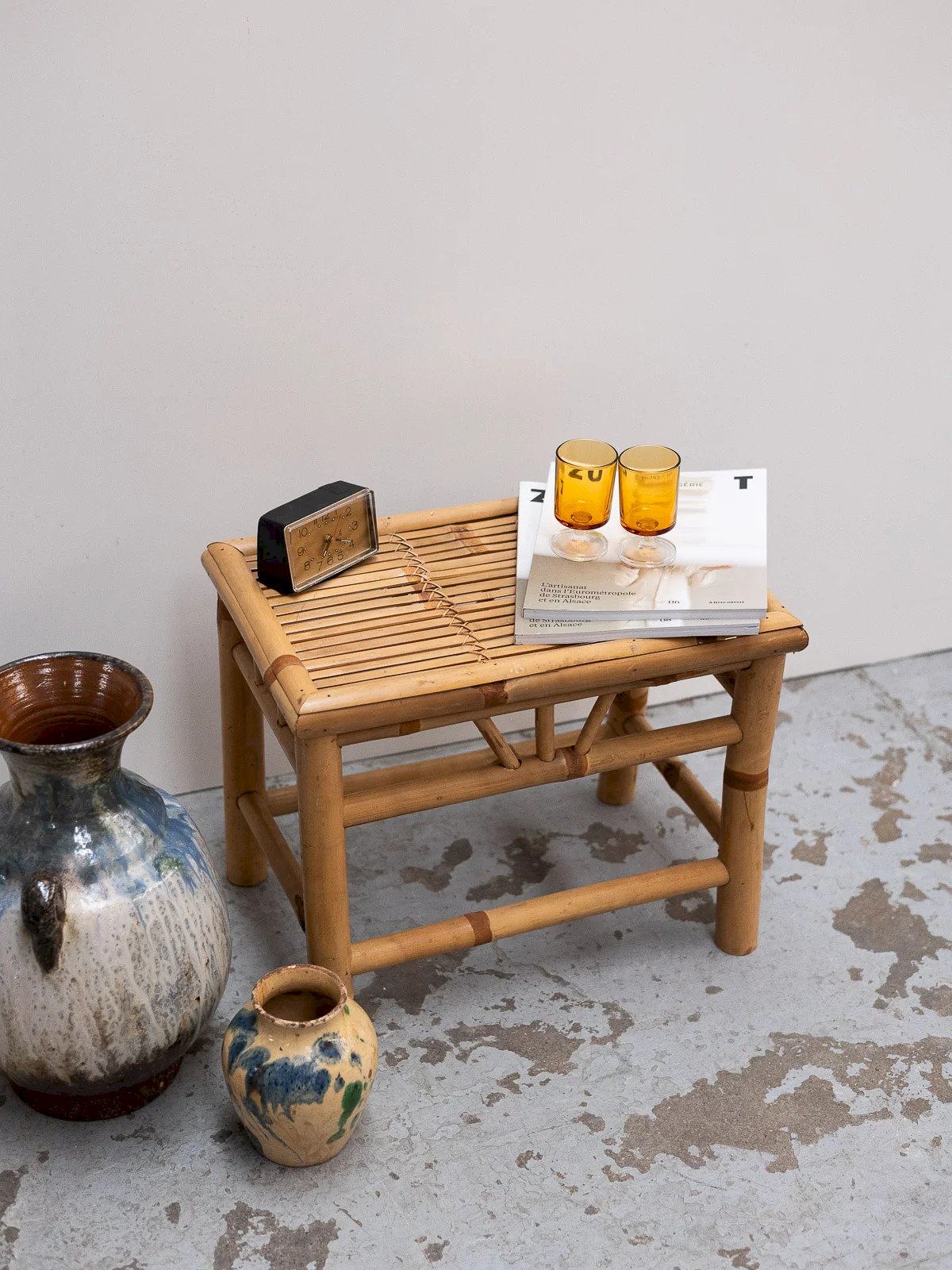
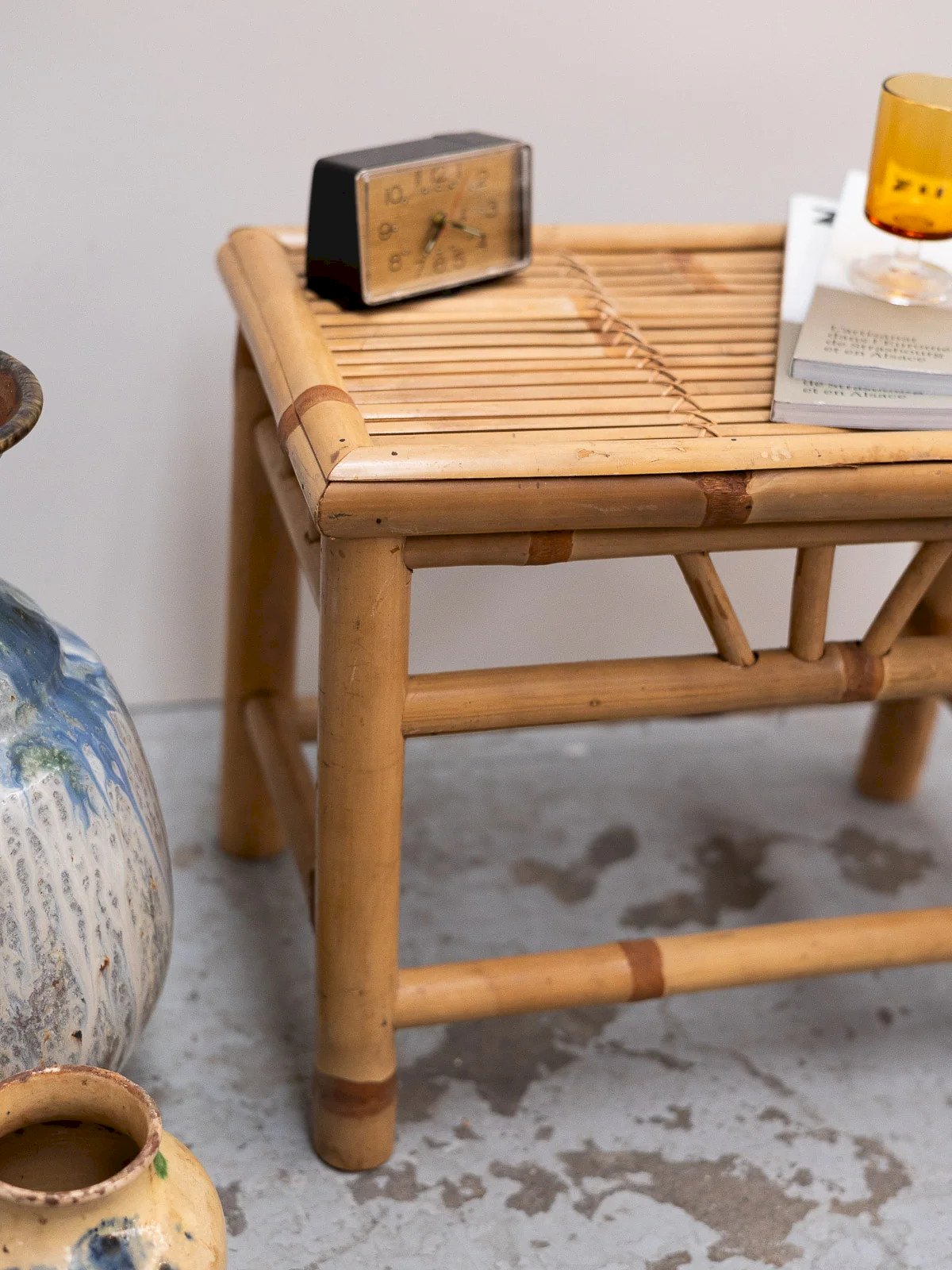
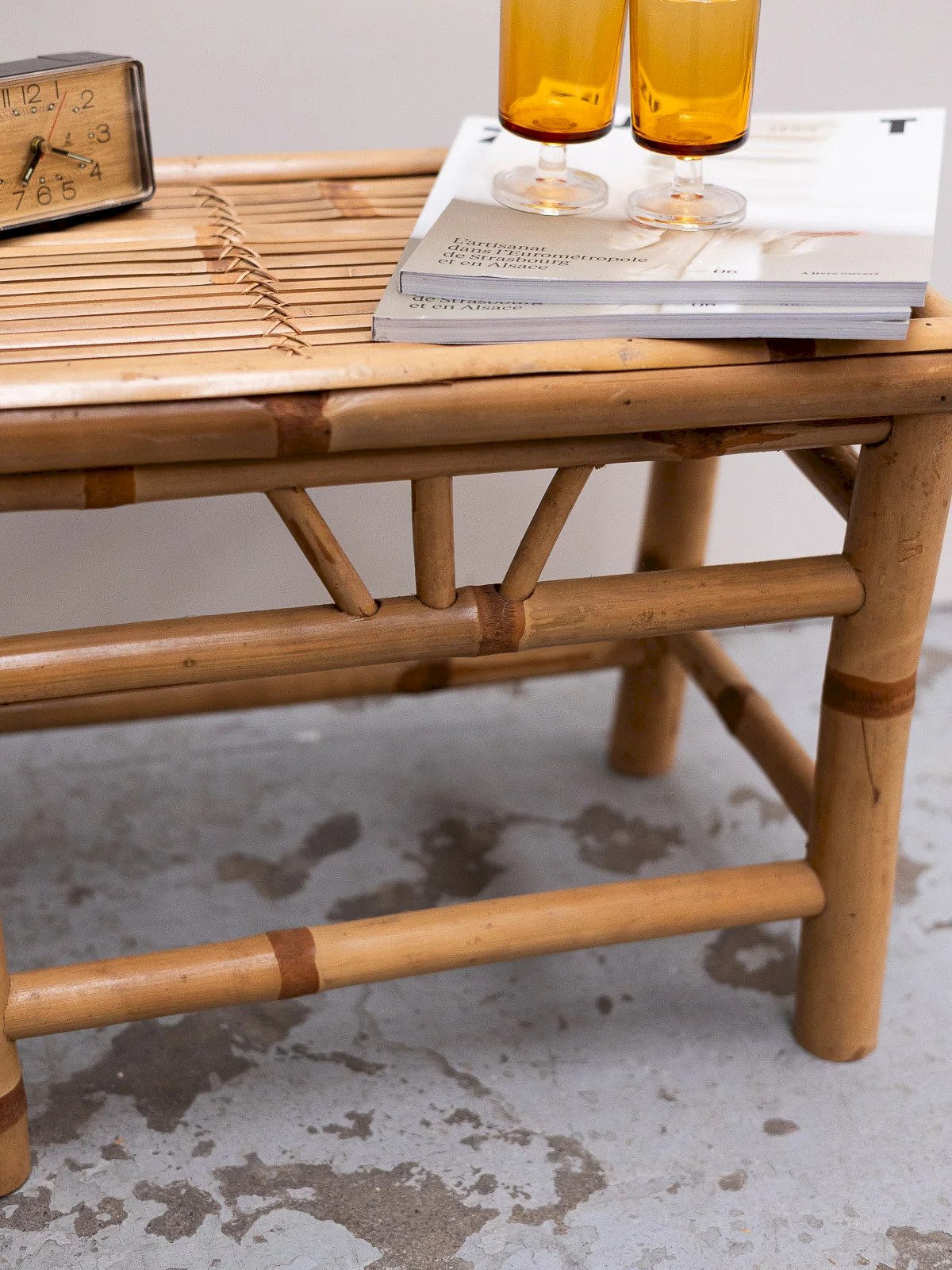
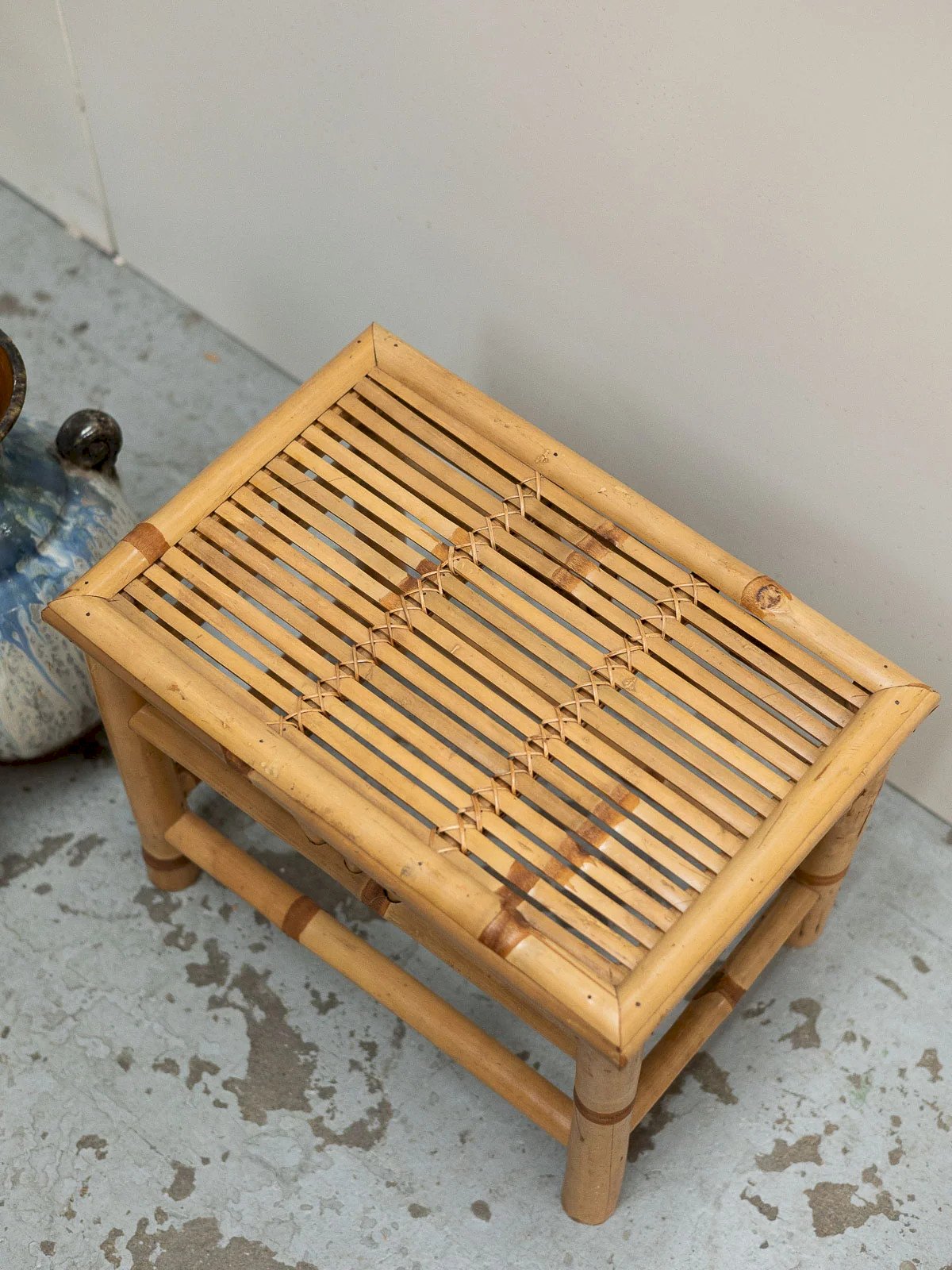
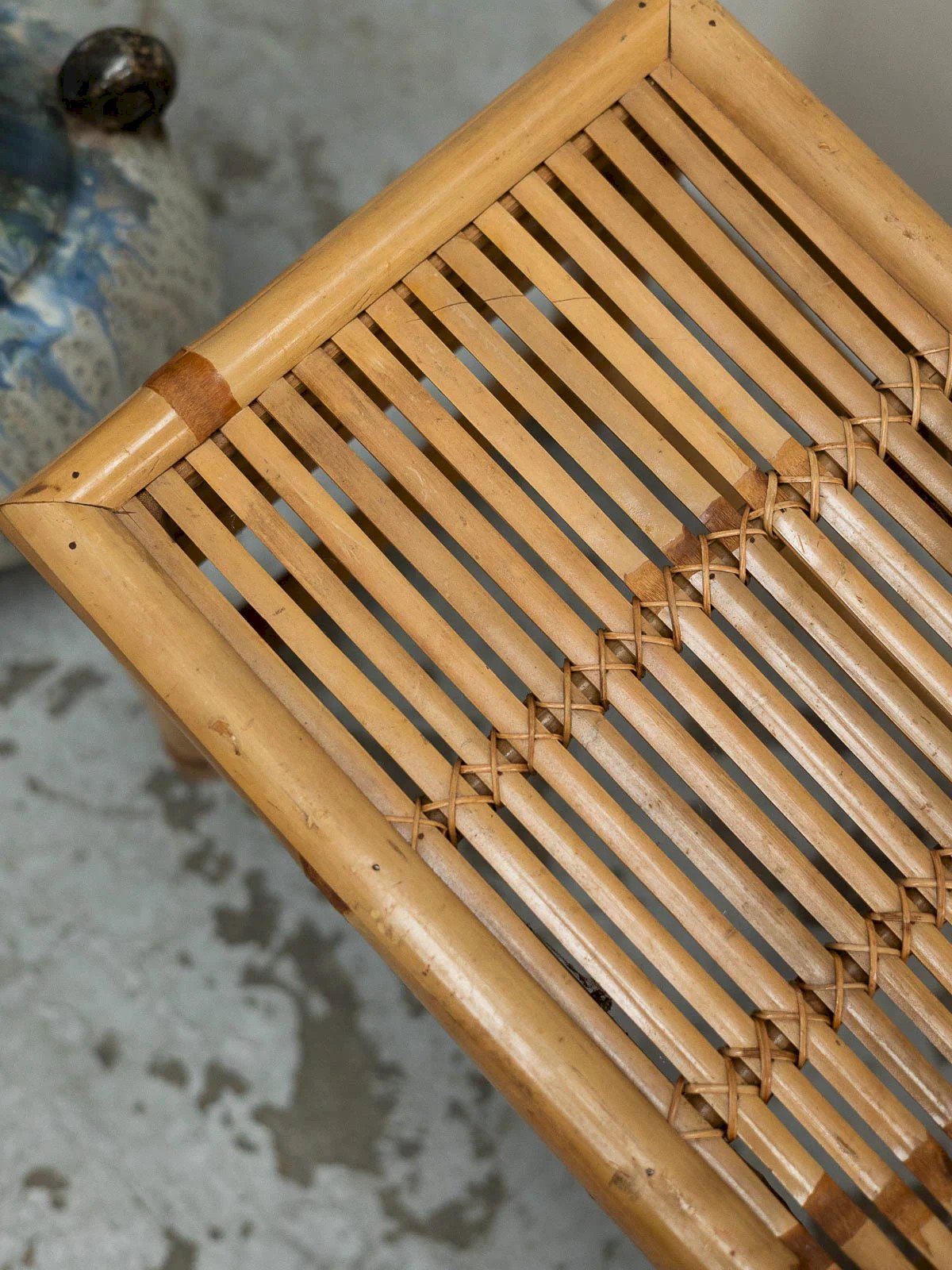
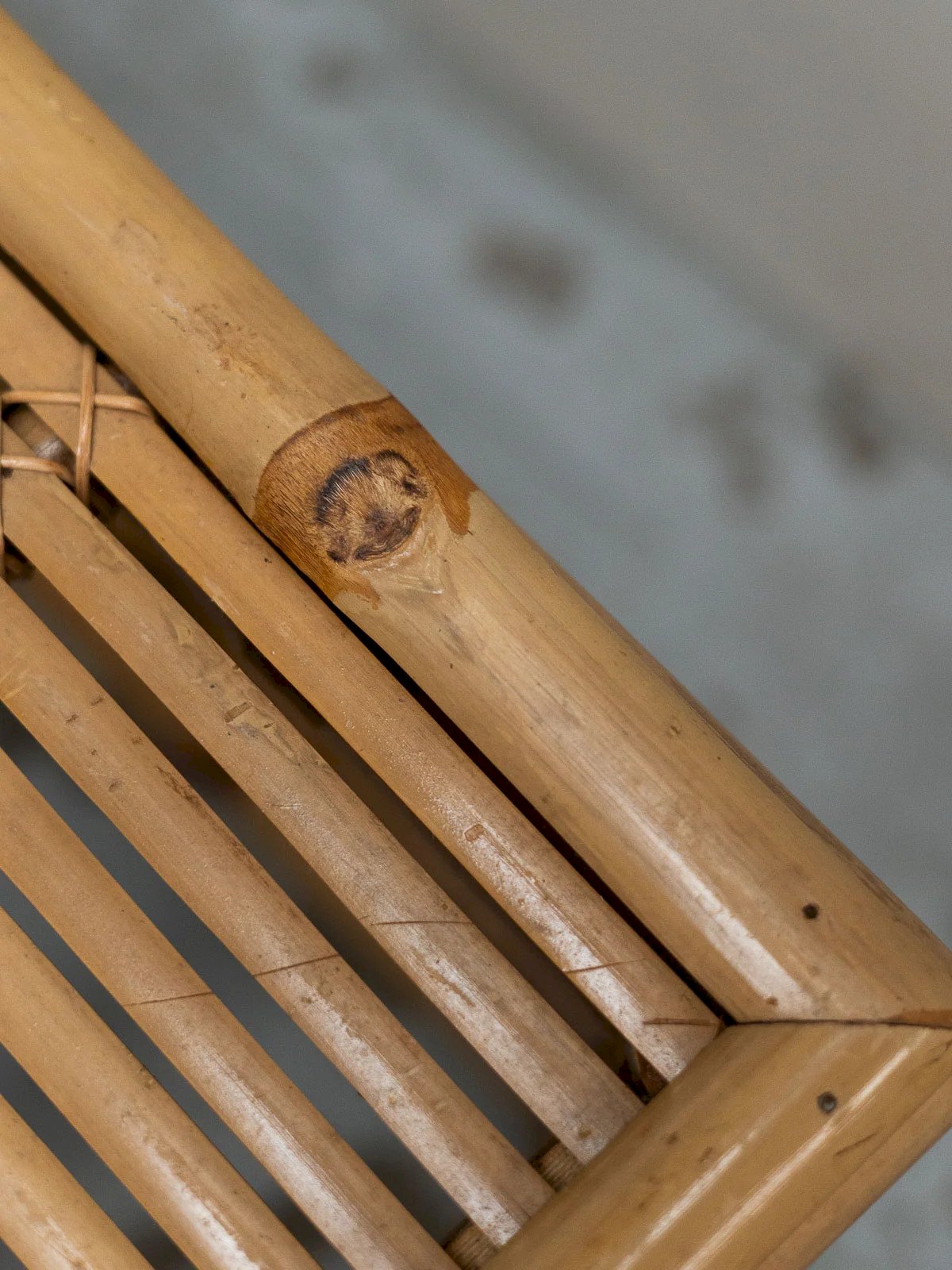
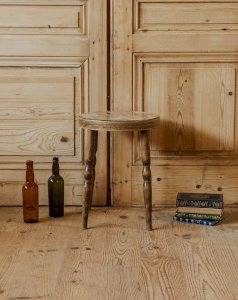
With its rustic appearance, this beige speckled bamboo stool adds a natural and understated touch to the home. Its raw material gives it a soft presence, while its light shade easily pairs with a wooden table, an antique bench, or a tiled floor. In an entryway, at the foot of a bed, or near a console, it provides extra seating that is both decorative and functional. It can be imagined alongside a natural fiber basket or a ceramic table lamp to create a warm and measured decor. Placed in a bedroom, it simply holds a book and a folded blanket. Length: 44 cm Width: 29 cm Height: 35 cm A brief history of the stool The oldest seating in history, the stool is the direct ancestor of the chair, distinguished by the absence of a backrest and armrests. In the Middle Ages, it was the universal seat of the common people, while in nobility, the "right to the stool" became a highly codified court privilege, allowing ladies to sit in the presence of the king. Its structure, resting on three or four legs, is a feat of stability and lightness, designed to be slid under a table or moved with a single gesture. Whether it's made of raw wood or has an industrial style, it embodies the ultimate space-saving furniture today, providing extra seating that never clutters the view.
Réf :
#414522
Brand / From : Debongout
Color(s) : Multicolored
Material : Bamboo




Comments
Regis, the natural material stool N°1626
119€
75002 Paris
Ce site contient des liens d’affiliation pour lesquels je peux recevoir une compensation.
Description
With its rustic appearance, this beige speckled bamboo stool adds a natural and understated touch to the home. Its raw material gives it a soft presence, while its light shade easily pairs with a wooden table, an antique bench, or a tiled floor. In an entryway, at the foot of a bed, or near a console, it provides extra seating that is both decorative and functional. It can be imagined alongside a natural fiber basket or a ceramic table lamp to create a warm and measured decor. Placed in a bedroom, it simply holds a book and a folded blanket. Length: 44 cm Width: 29 cm Height: 35 cm A brief history of the stool The oldest seating in history, the stool is the direct ancestor of the chair, distinguished by the absence of a backrest and armrests. In the Middle Ages, it was the universal seat of the common people, while in nobility, the "right to the stool" became a highly codified court privilege, allowing ladies to sit in the presence of the king. Its structure, resting on three or four legs, is a feat of stability and lightness, designed to be slid under a table or moved with a single gesture. Whether it's made of raw wood or has an industrial style, it embodies the ultimate space-saving furniture today, providing extra seating that never clutters the view.
Réf :
#414522
Brand / From : Debongout
Color(s) : Multicolored
Material : Bamboo