 English
 Français


Description
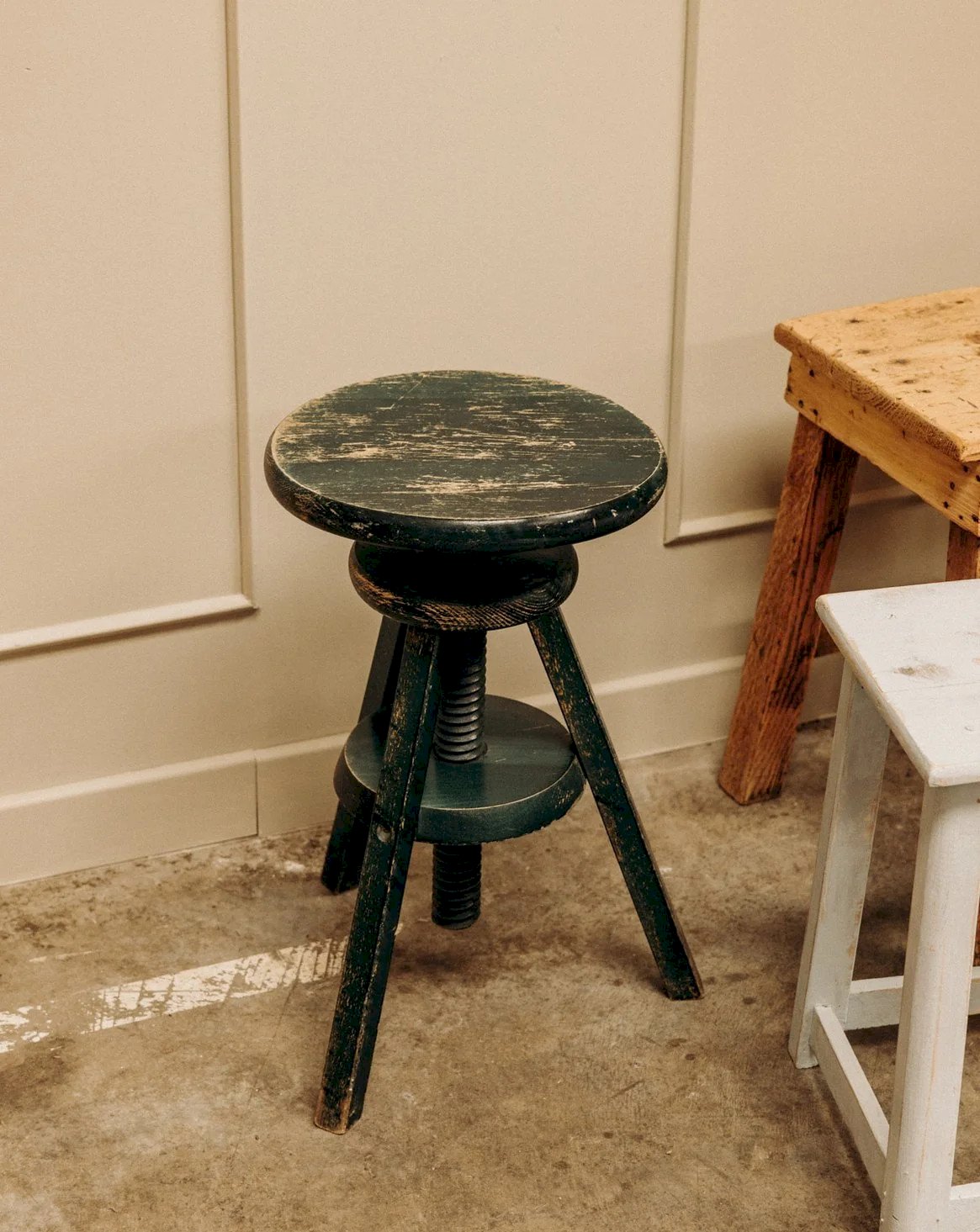
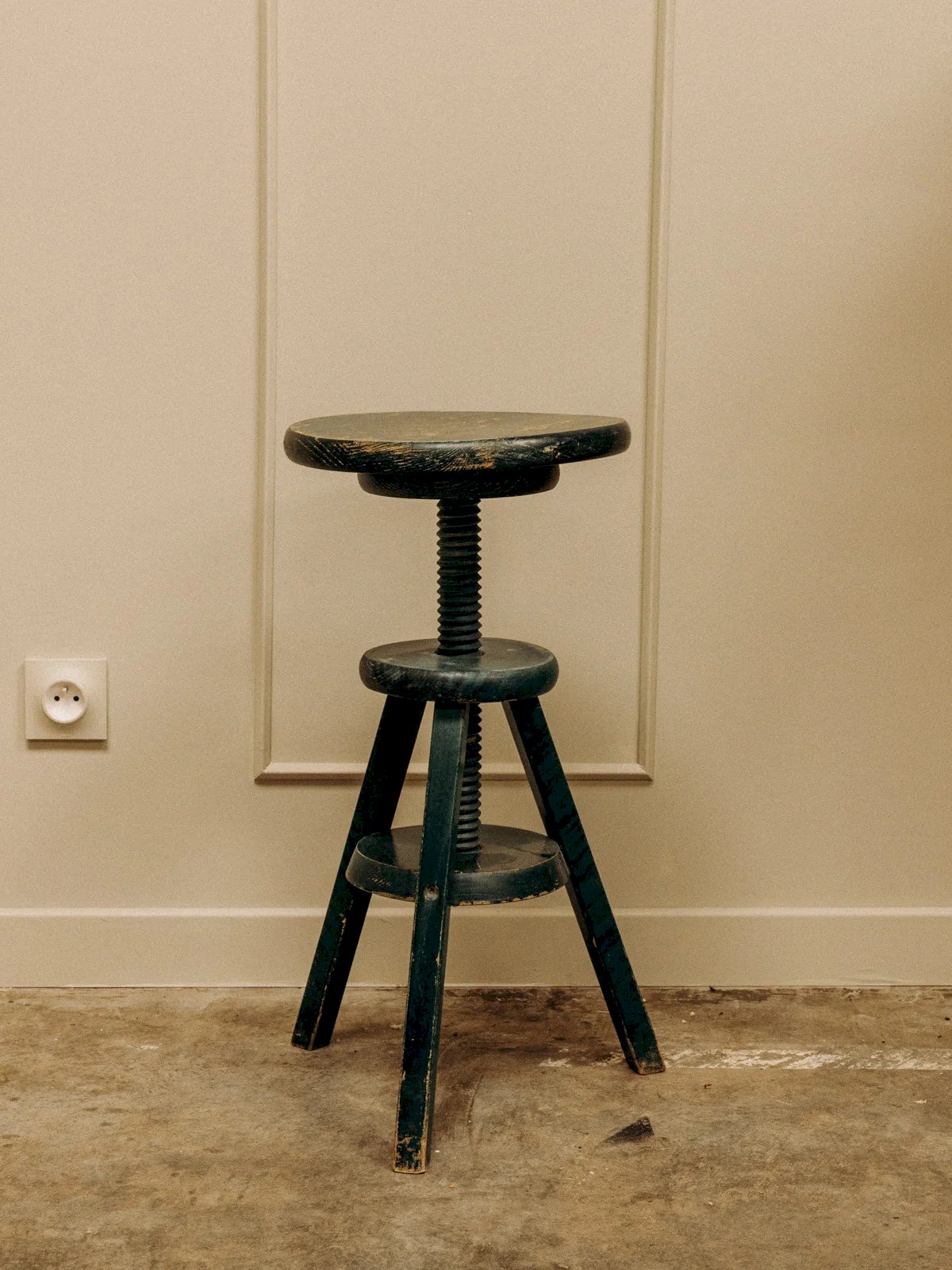
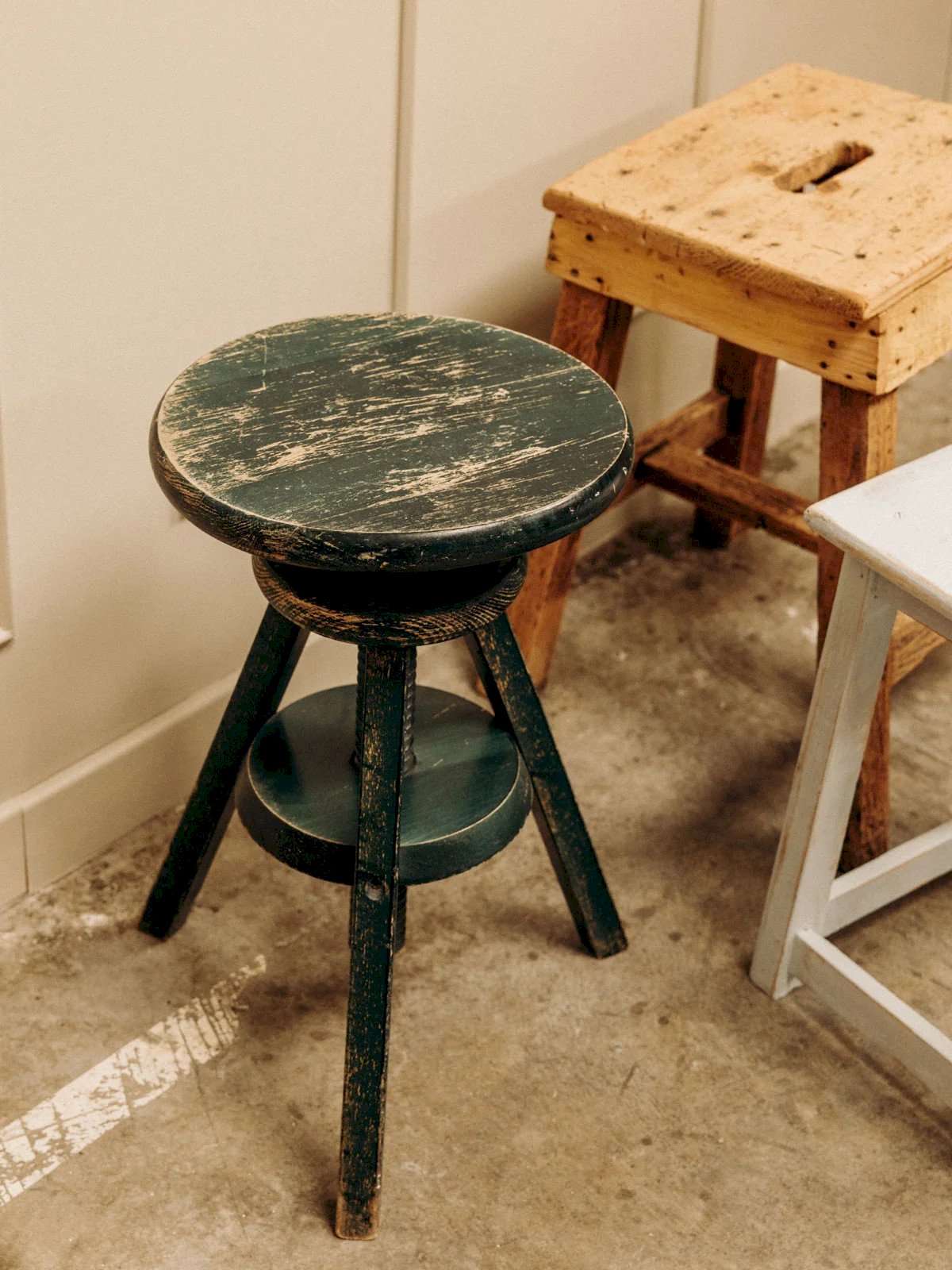
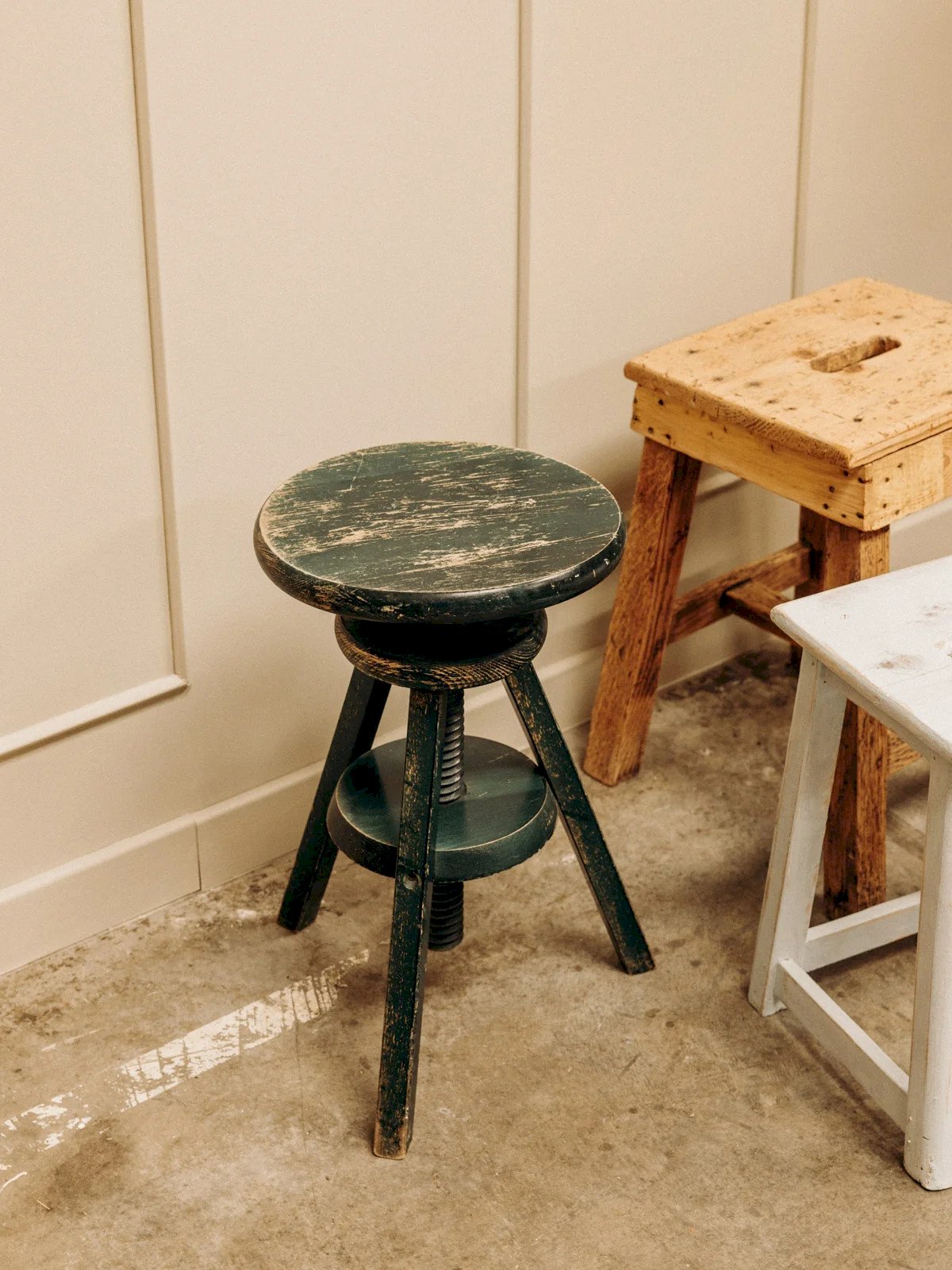
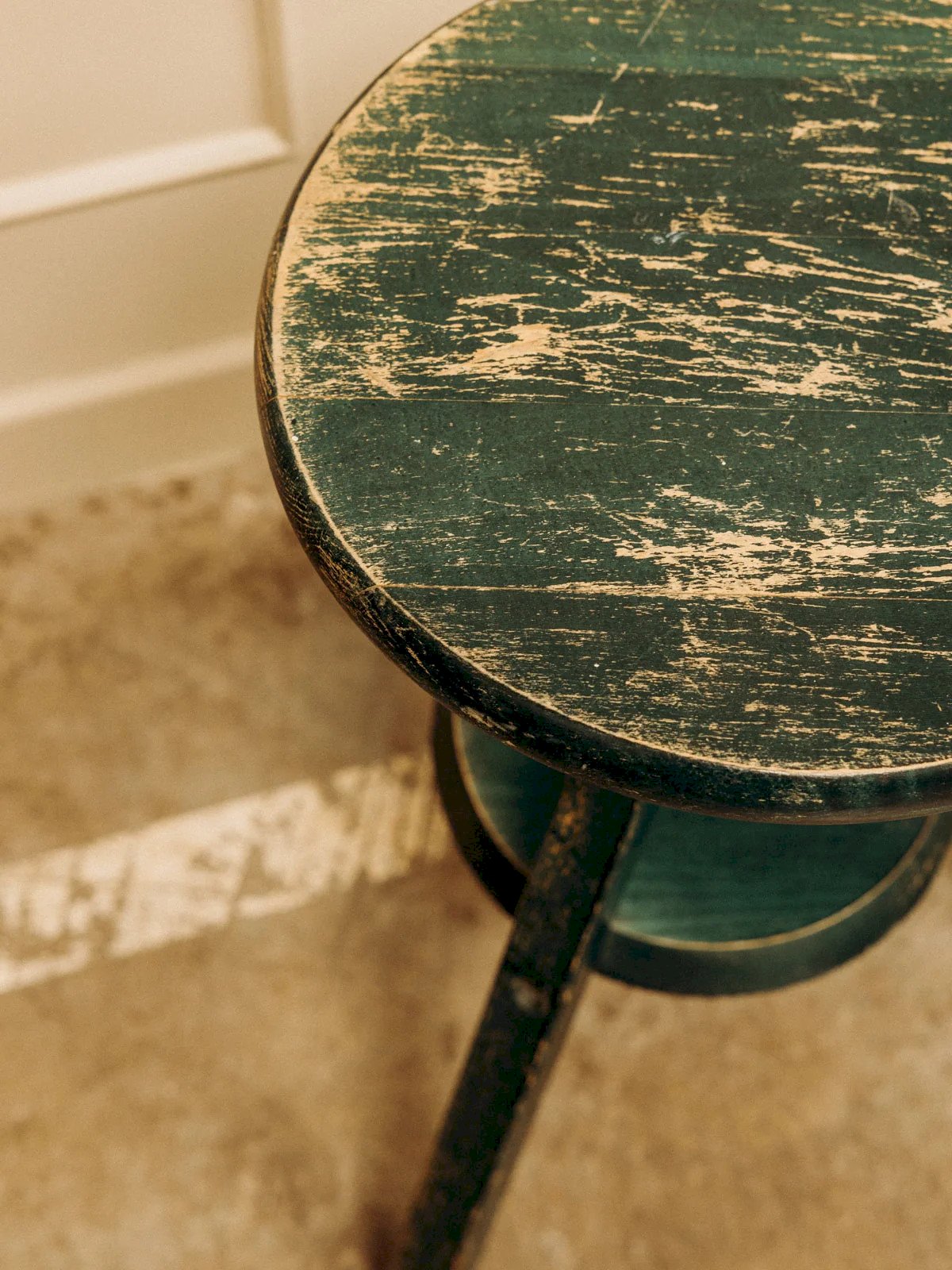
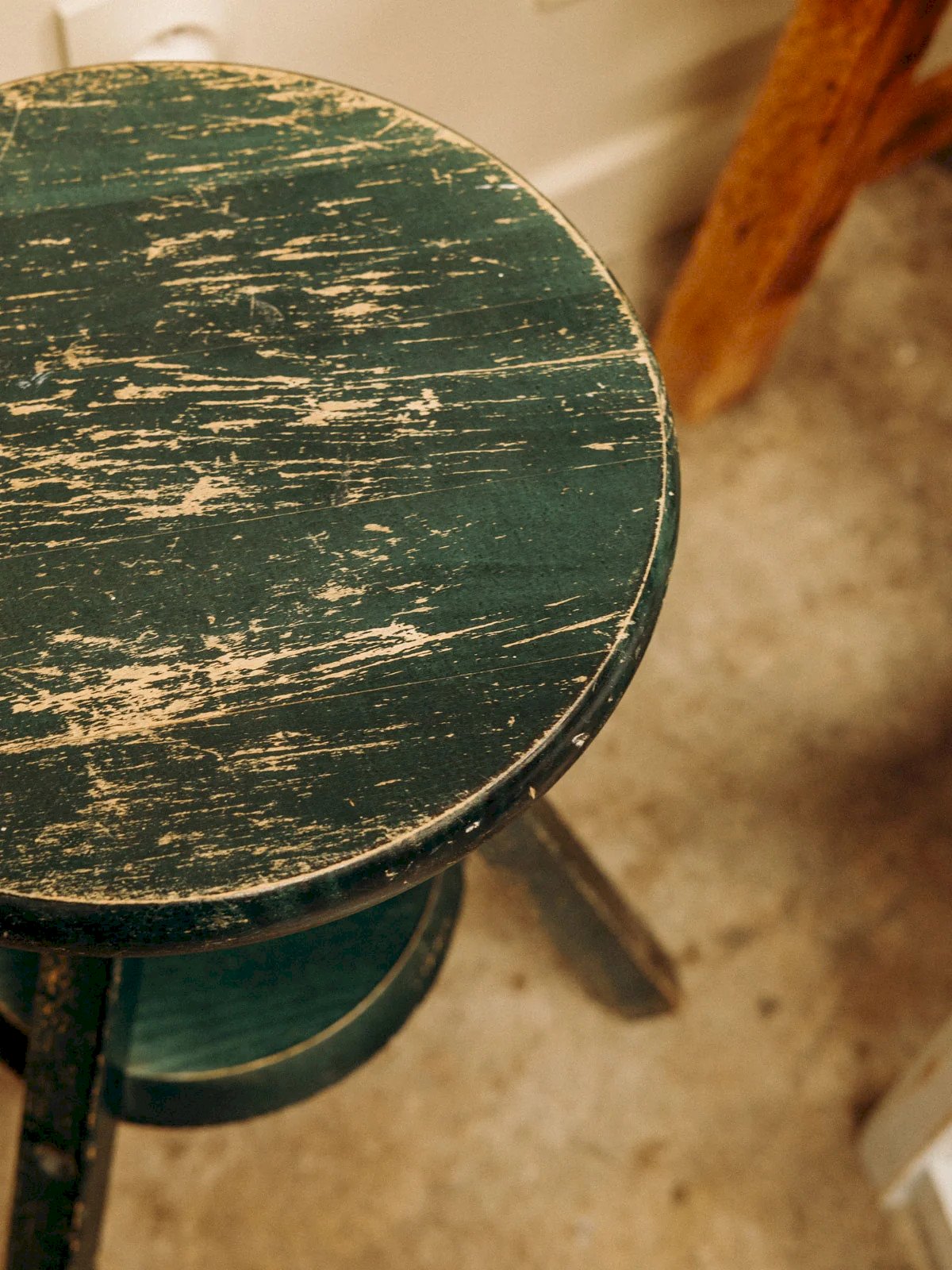
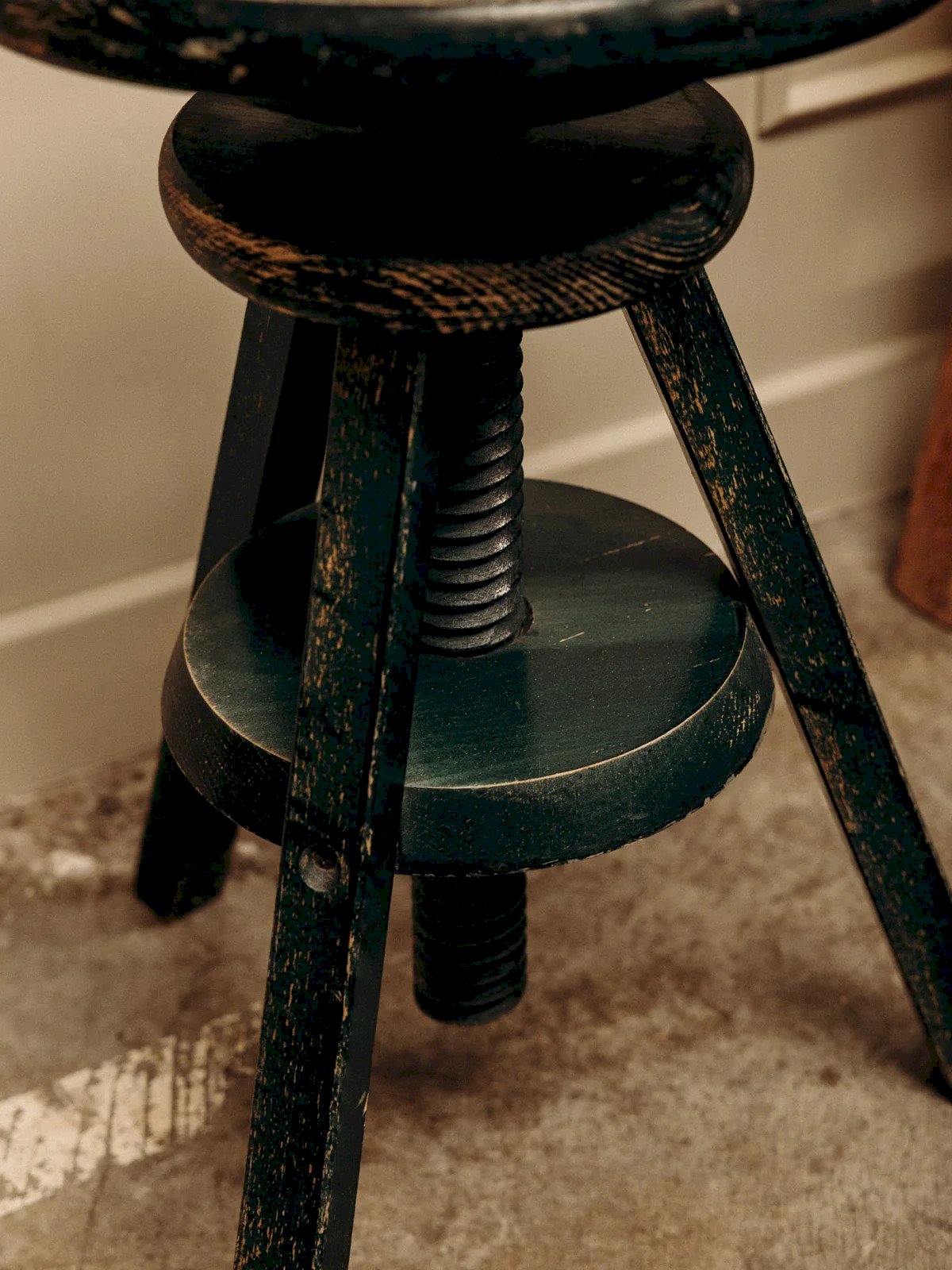
Invite elegance into your interior with this piano stool in a soothing forest green. Adjustable with a screw mechanism, it adapts to your needs, providing optimal comfort during your musical sessions or as extra seating in your living room. Its delicate patina evokes vintage charm, while the wood gives it remarkable sturdiness. Perfect for adding a touch of sophistication to your decor, it expertly combines aesthetics and functionality. Some signs of use enhance its authenticity. Height: 48 cm Diameter: 30 cm A brief history of the stool: The oldest form of seating in history, the stool is the direct ancestor of the chair, distinguished by the absence of a backrest and armrests. In the Middle Ages, it was the universal seat of the common people, while among the nobility, the "right to the stool" became a highly codified court privilege that allowed ladies to sit in the presence of the king. Its structure, resting on three or four legs, is a feat of stability and lightness, designed to be slid under a table or moved with a single gesture. Whether made of raw wood in a farmhouse style or in an industrial design, it embodies the ultimate space-saving furniture today, offering extra seating that never clutters the view.
Réf :
#412564
Brand / From : Debongout
Color(s) : Multicolored
Material : Wood



Comments
Regis, the adjustable forest green stool No. 1460
169€
75002 Paris
Ce site contient des liens d’affiliation pour lesquels je peux recevoir une compensation.
Description
Invite elegance into your interior with this piano stool in a soothing forest green. Adjustable with a screw mechanism, it adapts to your needs, providing optimal comfort during your musical sessions or as extra seating in your living room. Its delicate patina evokes vintage charm, while the wood gives it remarkable sturdiness. Perfect for adding a touch of sophistication to your decor, it expertly combines aesthetics and functionality. Some signs of use enhance its authenticity. Height: 48 cm Diameter: 30 cm A brief history of the stool: The oldest form of seating in history, the stool is the direct ancestor of the chair, distinguished by the absence of a backrest and armrests. In the Middle Ages, it was the universal seat of the common people, while among the nobility, the "right to the stool" became a highly codified court privilege that allowed ladies to sit in the presence of the king. Its structure, resting on three or four legs, is a feat of stability and lightness, designed to be slid under a table or moved with a single gesture. Whether made of raw wood in a farmhouse style or in an industrial design, it embodies the ultimate space-saving furniture today, offering extra seating that never clutters the view.
Réf :
#412564
Brand / From : Debongout
Color(s) : Multicolored
Material : Wood