 English
 Français


Description
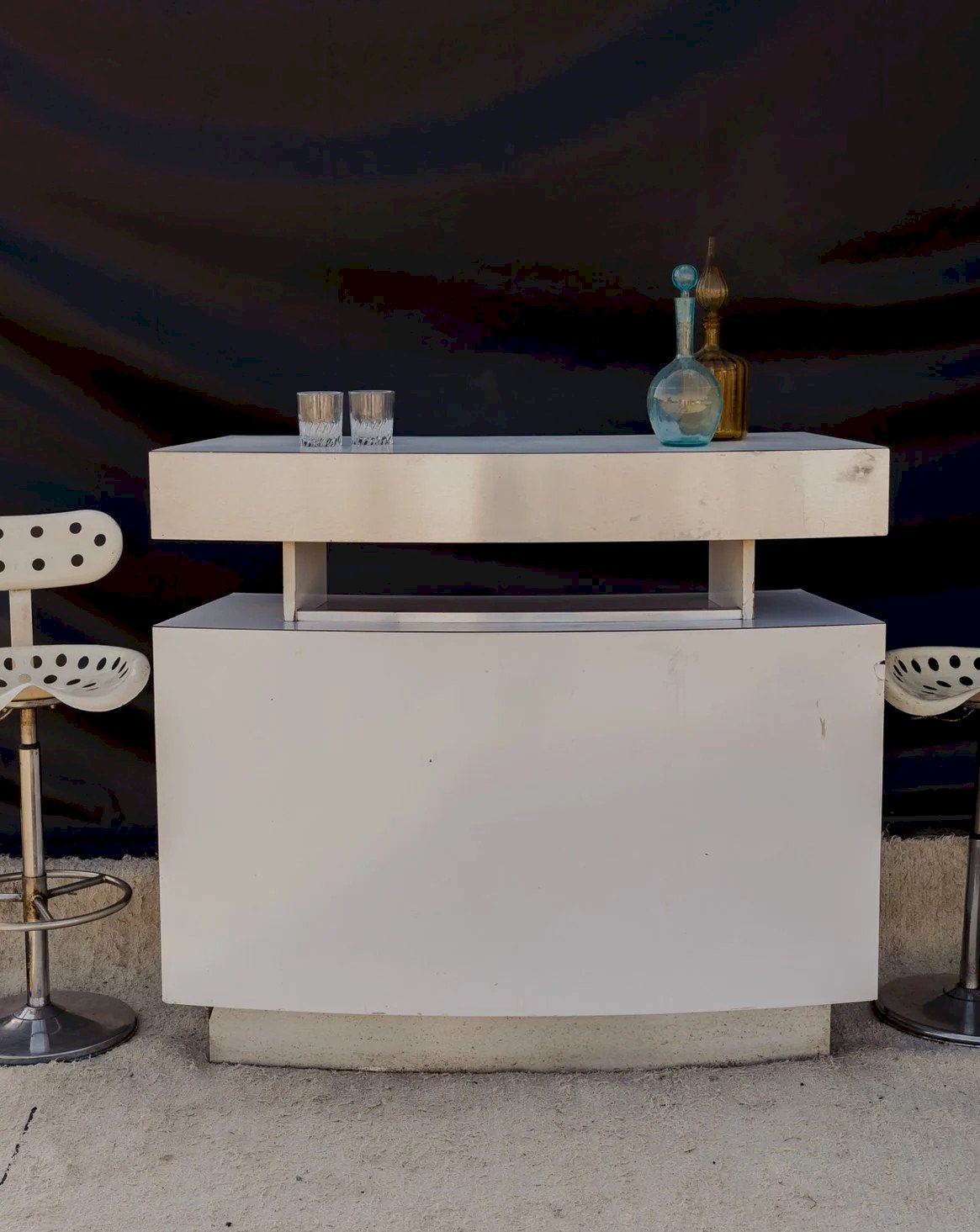
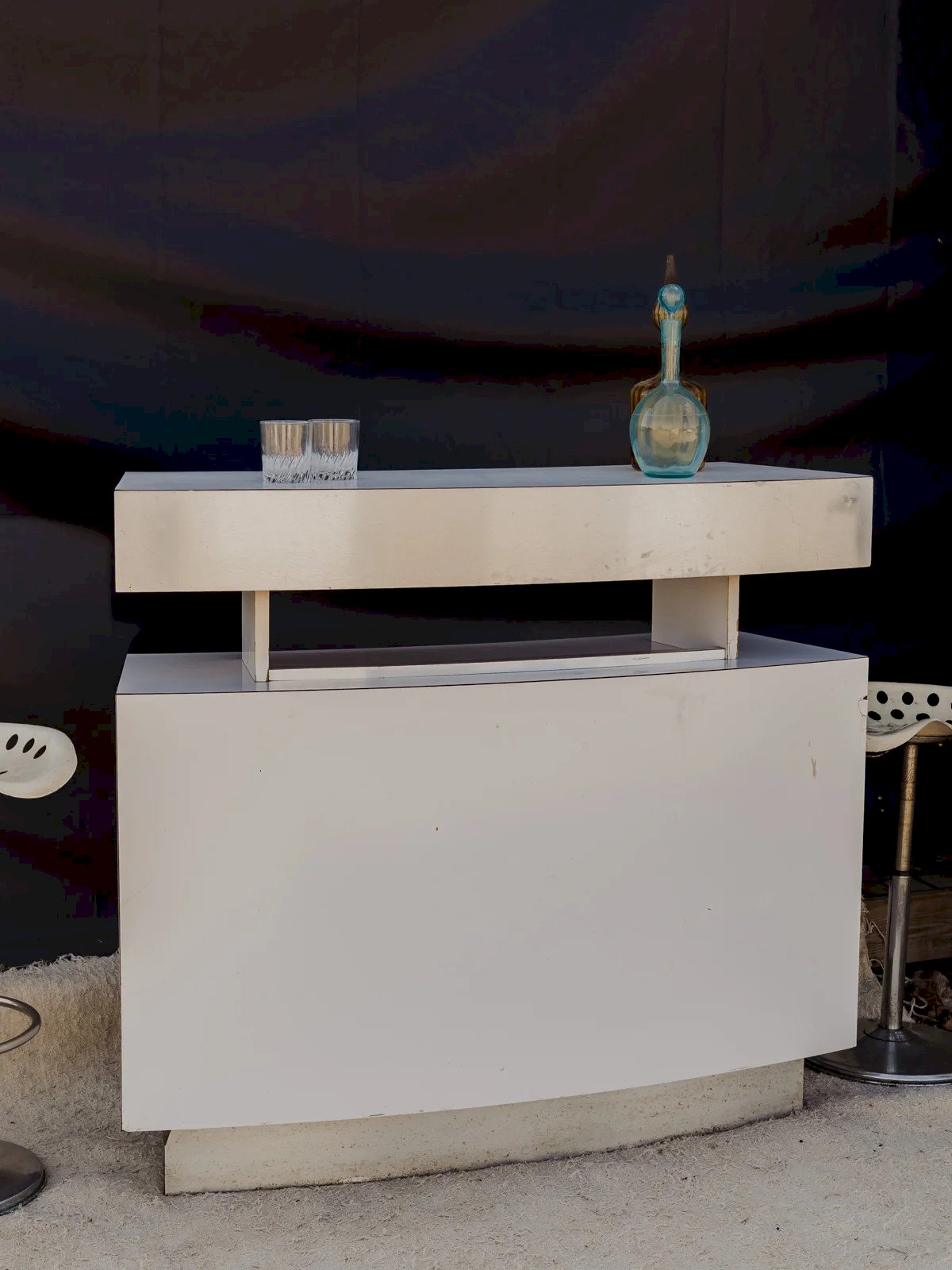
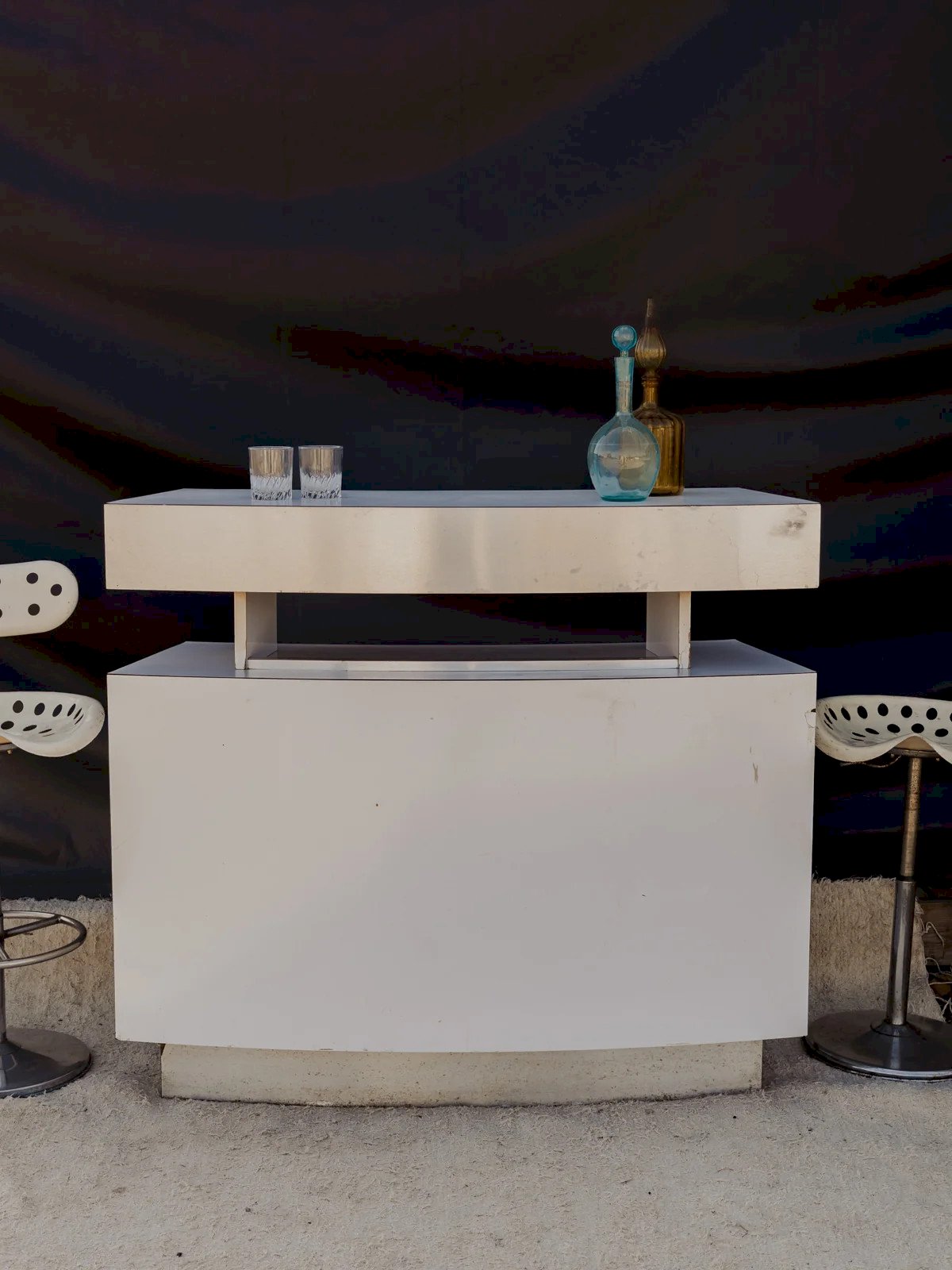
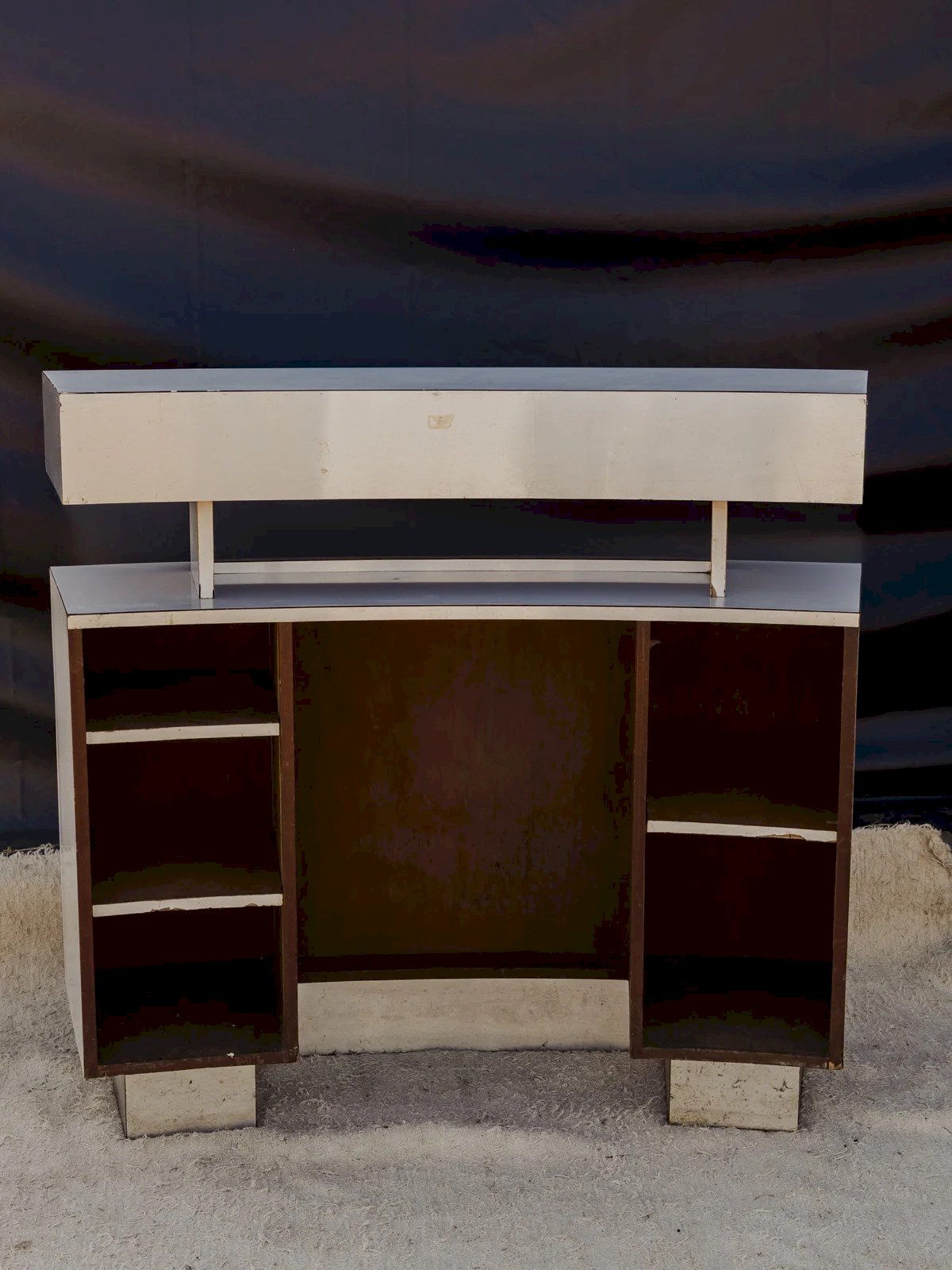
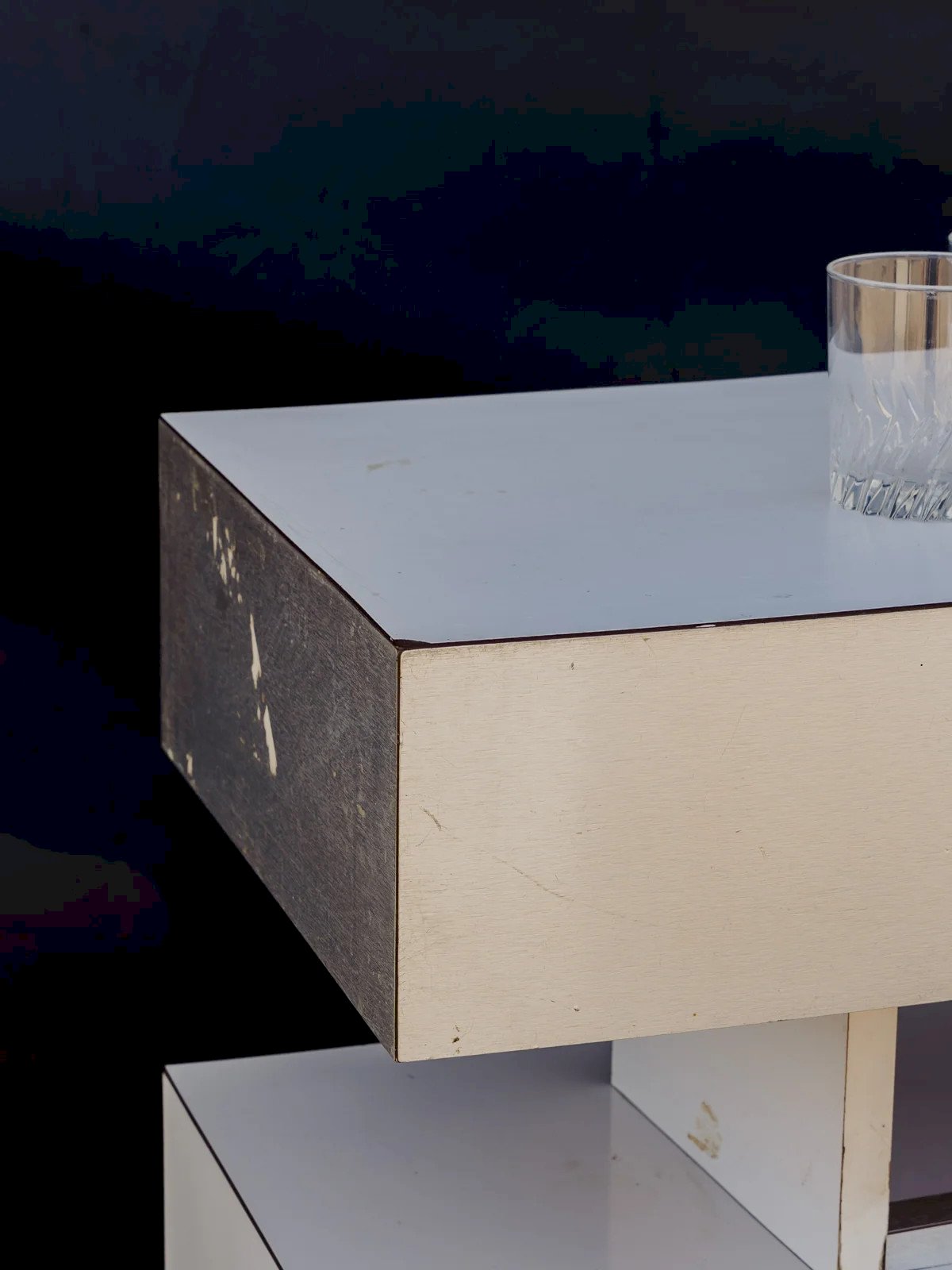
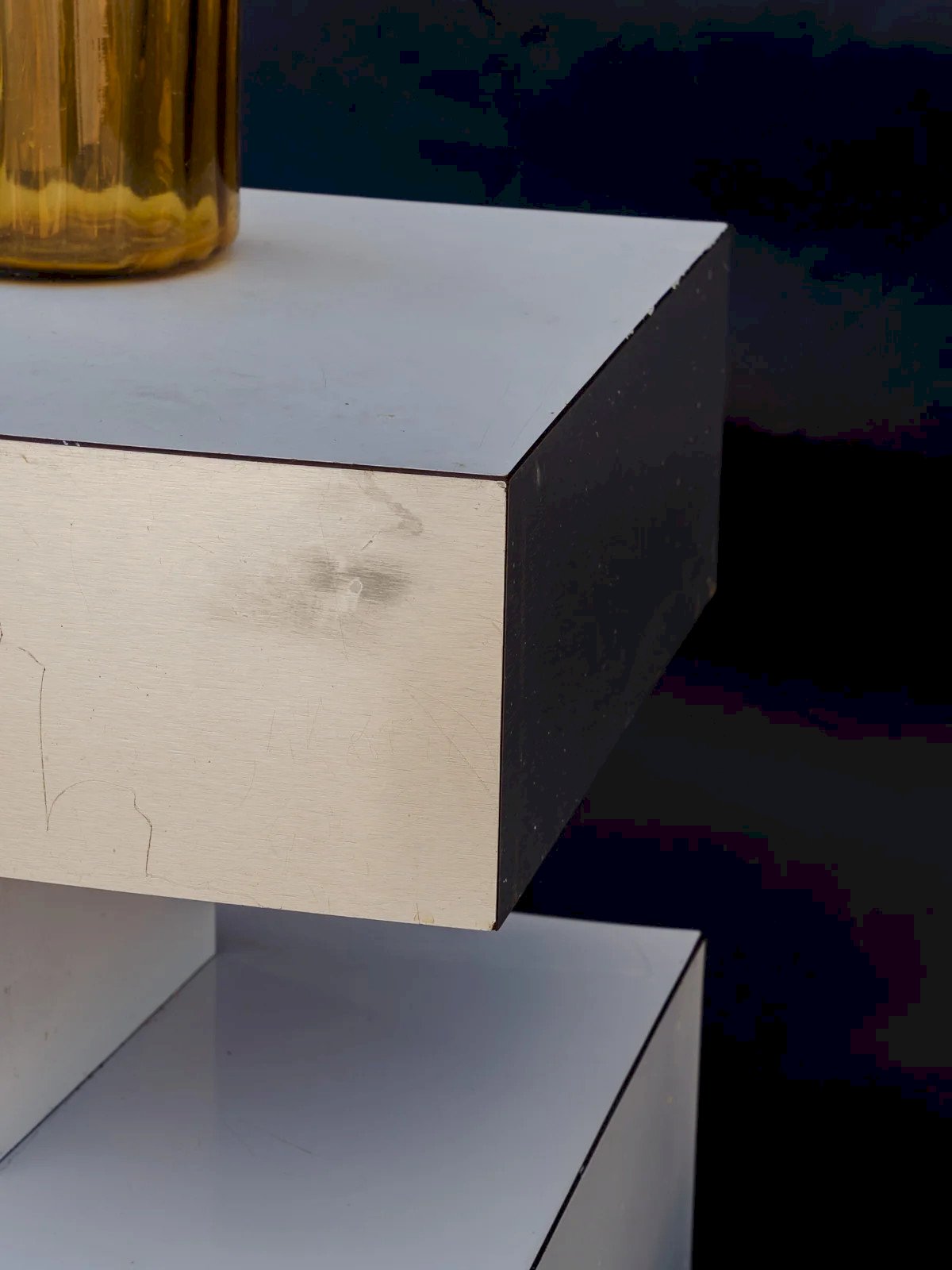
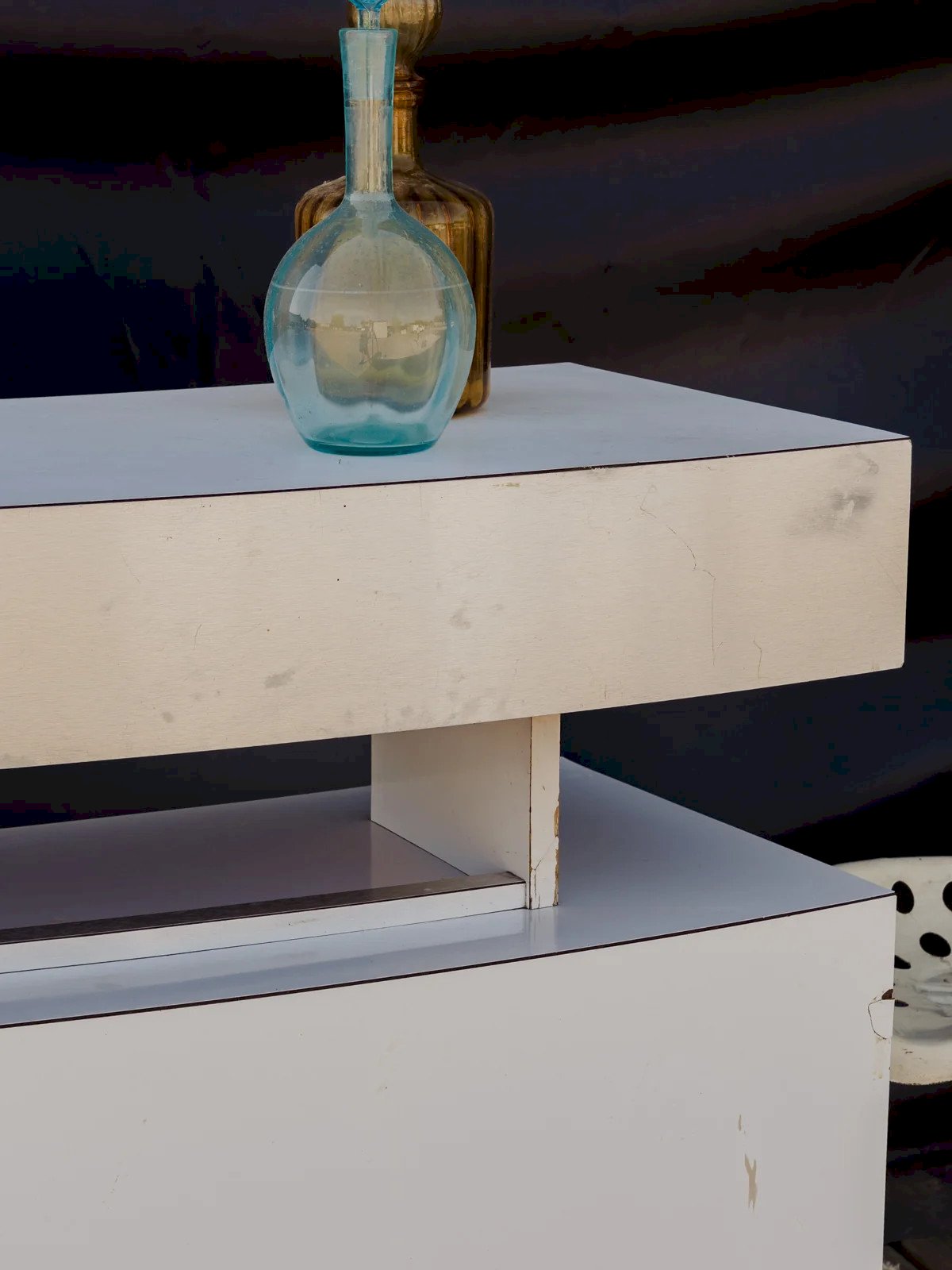
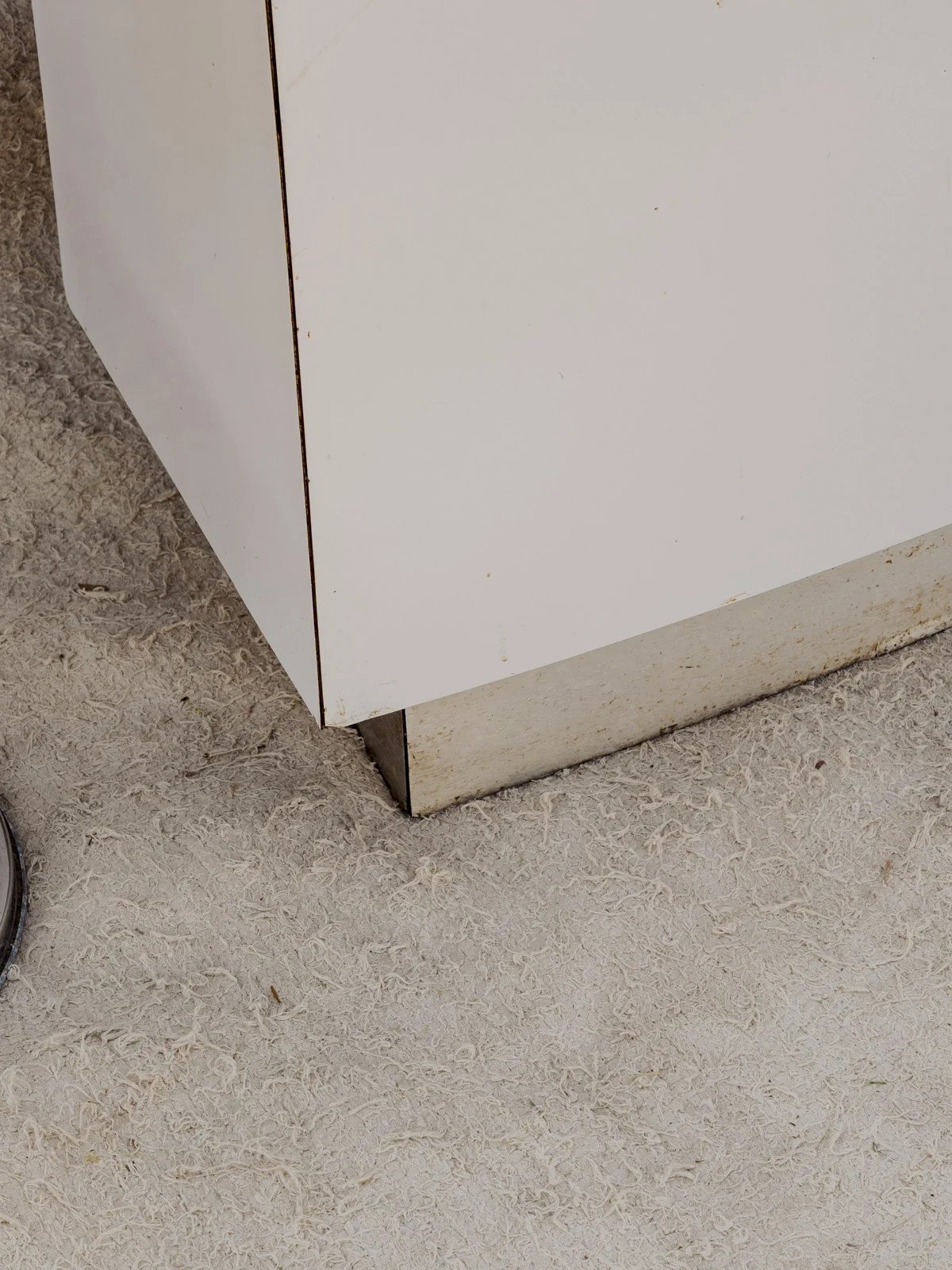
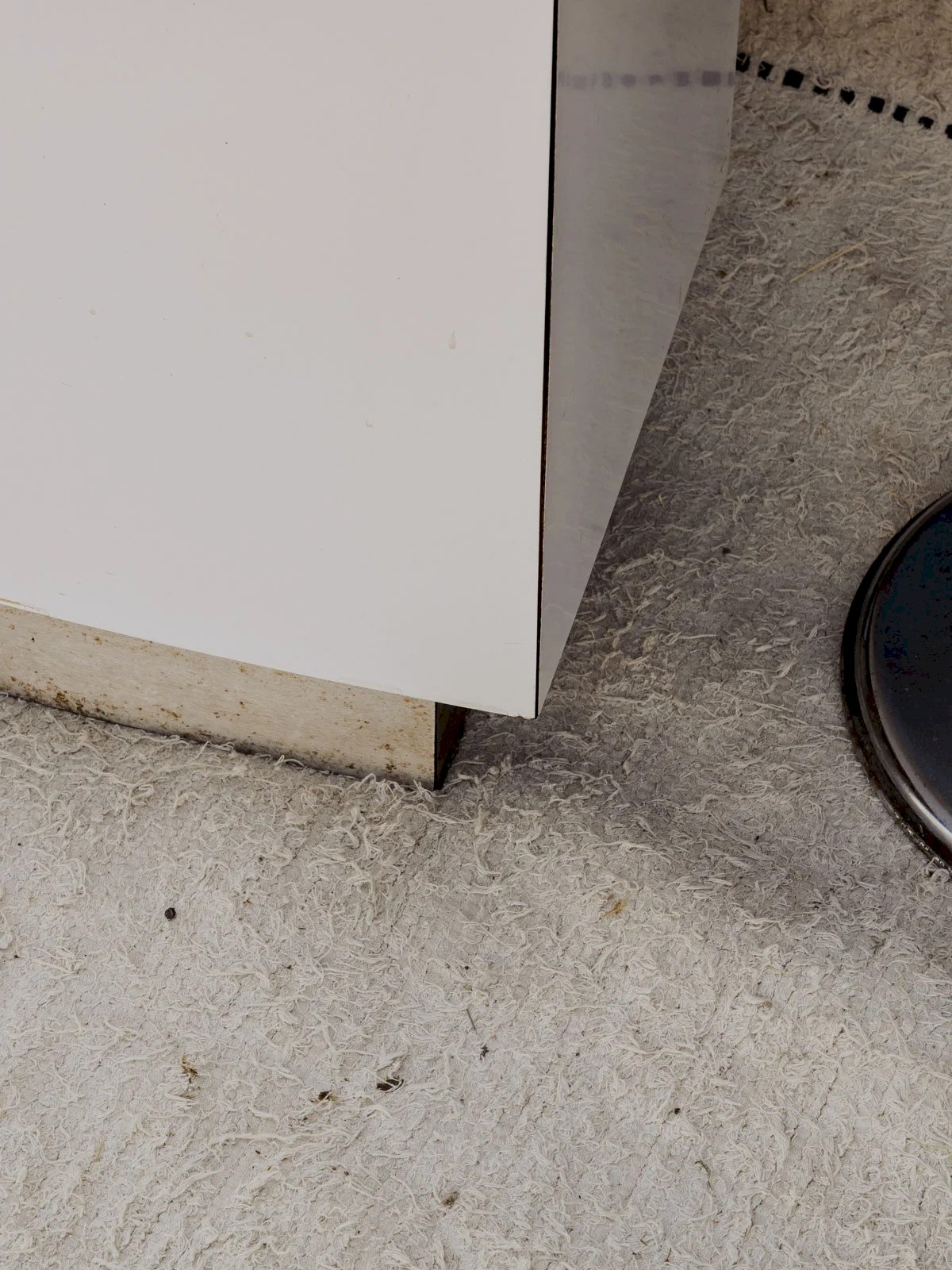
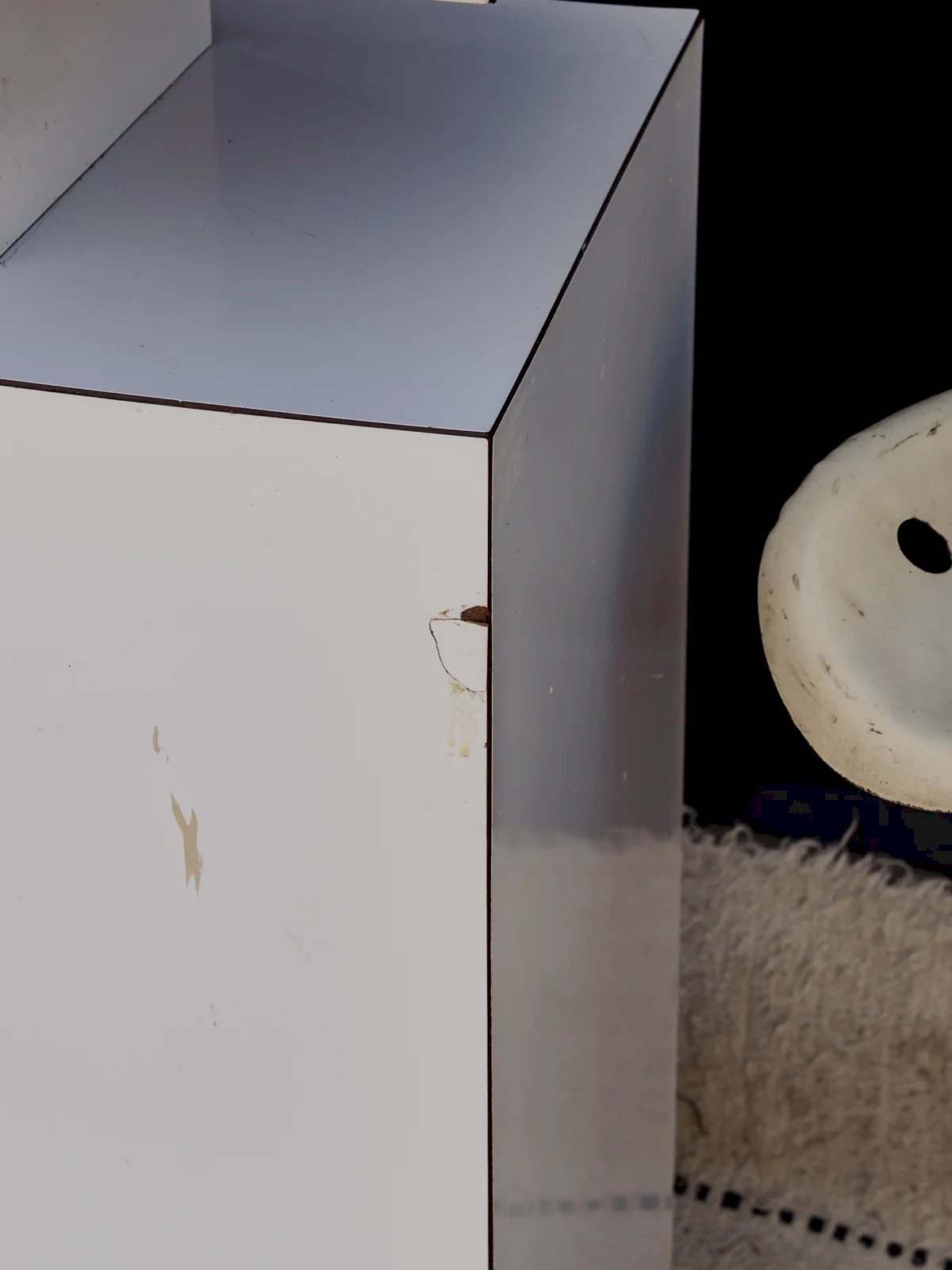
Invite elegance into your home with this wooden bar featuring a white and silver veneer, blending sophistication and functionality. At the back, its two shelves on the left and one on the right provide an ideal storage space for your bottles and accessories, while bringing a modern and bright touch to your decor. The warmth of the white wood harmoniously pairs with the silver top, creating a cozy and refined atmosphere. Some traces of time present add to the character of this unique piece of furniture. Length: 117 cm Width: 39.5 cm Height: 110.5 cm Total height of the niche behind the bar: 63.5 cm A Brief History of the Bar As an heir to the "liquor cabinet" of the 19th century, the bar took its current form during Prohibition in the United States, initially hiding in double-bottomed bookshelves. It was not until the rise of cocktails in the 1930s that it emerged from the shadows to become a decorative piece of furniture, symbolizing chicness and the art of entertaining at home. Its structure is characterized by a raised top and an optimized interior space for glassware, often featuring a brass footrest to relieve standing posture. Whether fixed or mobile in the form of a serving cart, it is designed to be the strategic rallying point of the living room, turning every tasting into a true ritual of conviviality.
Réf :
#413189
Brand / From : Debongout
Comments
Quentin, the white and silver wooden bar No. 79
429€
75002 Paris
Ce site contient des liens d’affiliation pour lesquels je peux recevoir une compensation.
Description
Invite elegance into your home with this wooden bar featuring a white and silver veneer, blending sophistication and functionality. At the back, its two shelves on the left and one on the right provide an ideal storage space for your bottles and accessories, while bringing a modern and bright touch to your decor. The warmth of the white wood harmoniously pairs with the silver top, creating a cozy and refined atmosphere. Some traces of time present add to the character of this unique piece of furniture. Length: 117 cm Width: 39.5 cm Height: 110.5 cm Total height of the niche behind the bar: 63.5 cm A Brief History of the Bar As an heir to the "liquor cabinet" of the 19th century, the bar took its current form during Prohibition in the United States, initially hiding in double-bottomed bookshelves. It was not until the rise of cocktails in the 1930s that it emerged from the shadows to become a decorative piece of furniture, symbolizing chicness and the art of entertaining at home. Its structure is characterized by a raised top and an optimized interior space for glassware, often featuring a brass footrest to relieve standing posture. Whether fixed or mobile in the form of a serving cart, it is designed to be the strategic rallying point of the living room, turning every tasting into a true ritual of conviviality.
Réf :
#413189
Brand / From : Debongout