 English
 Français


Description
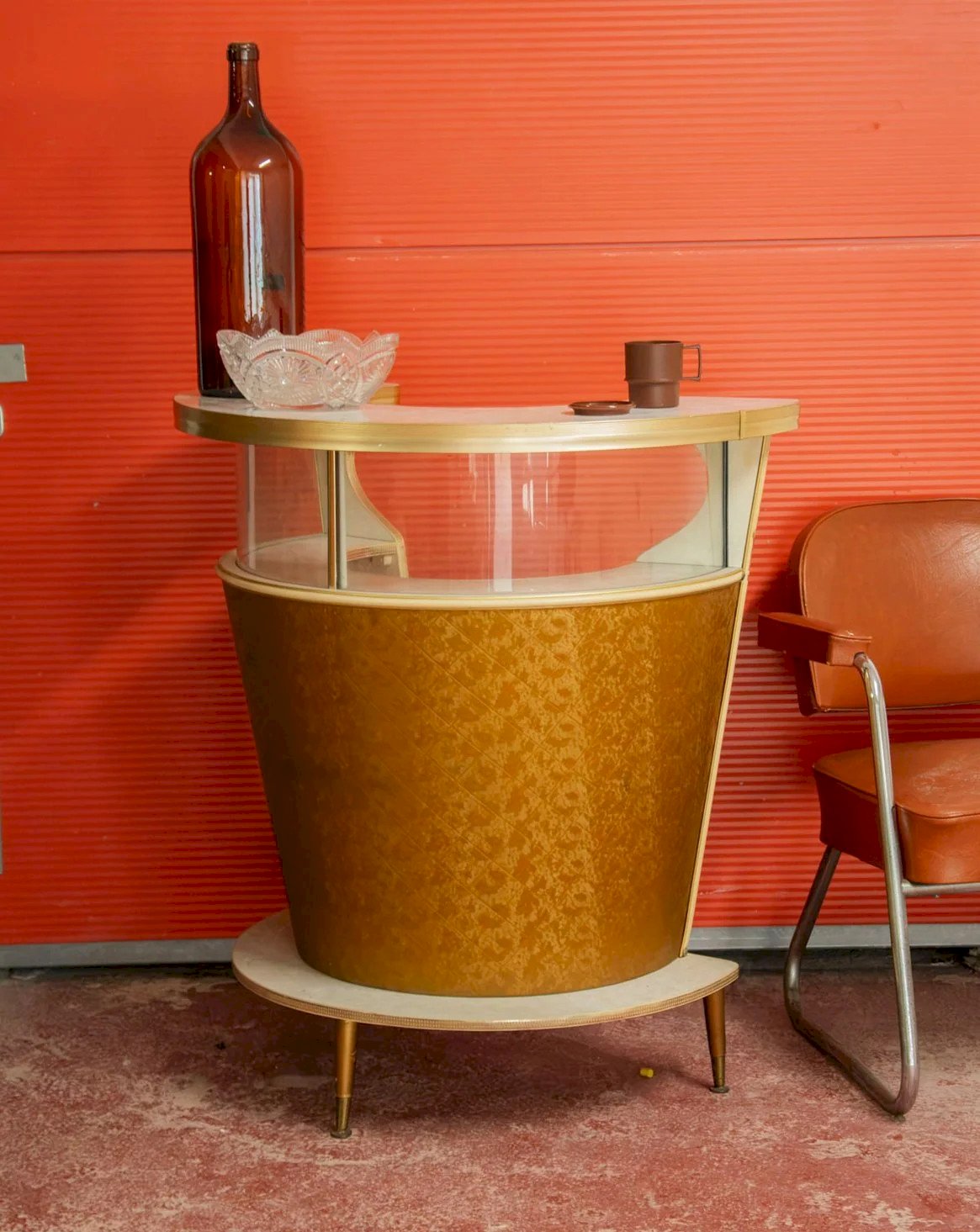
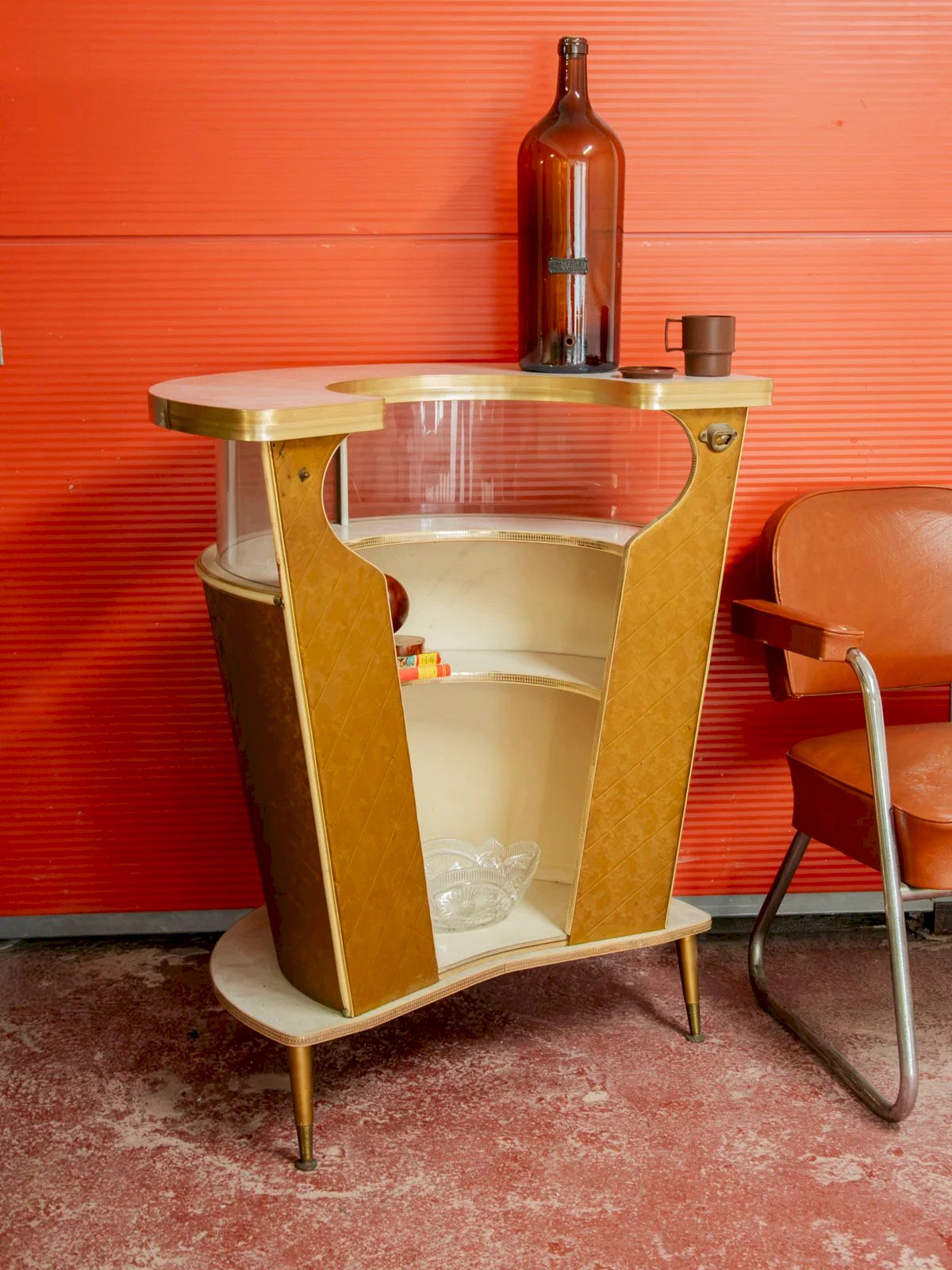
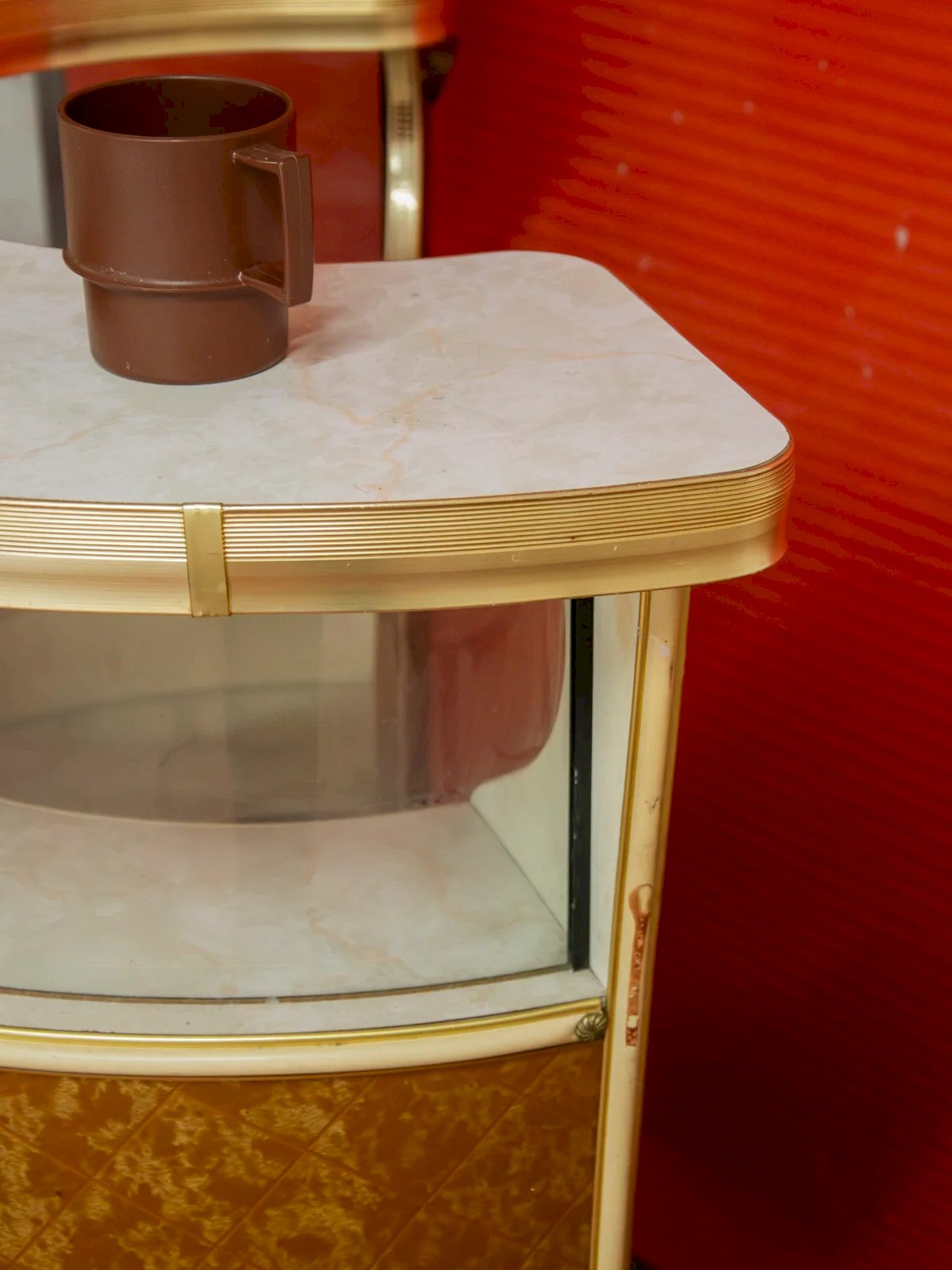
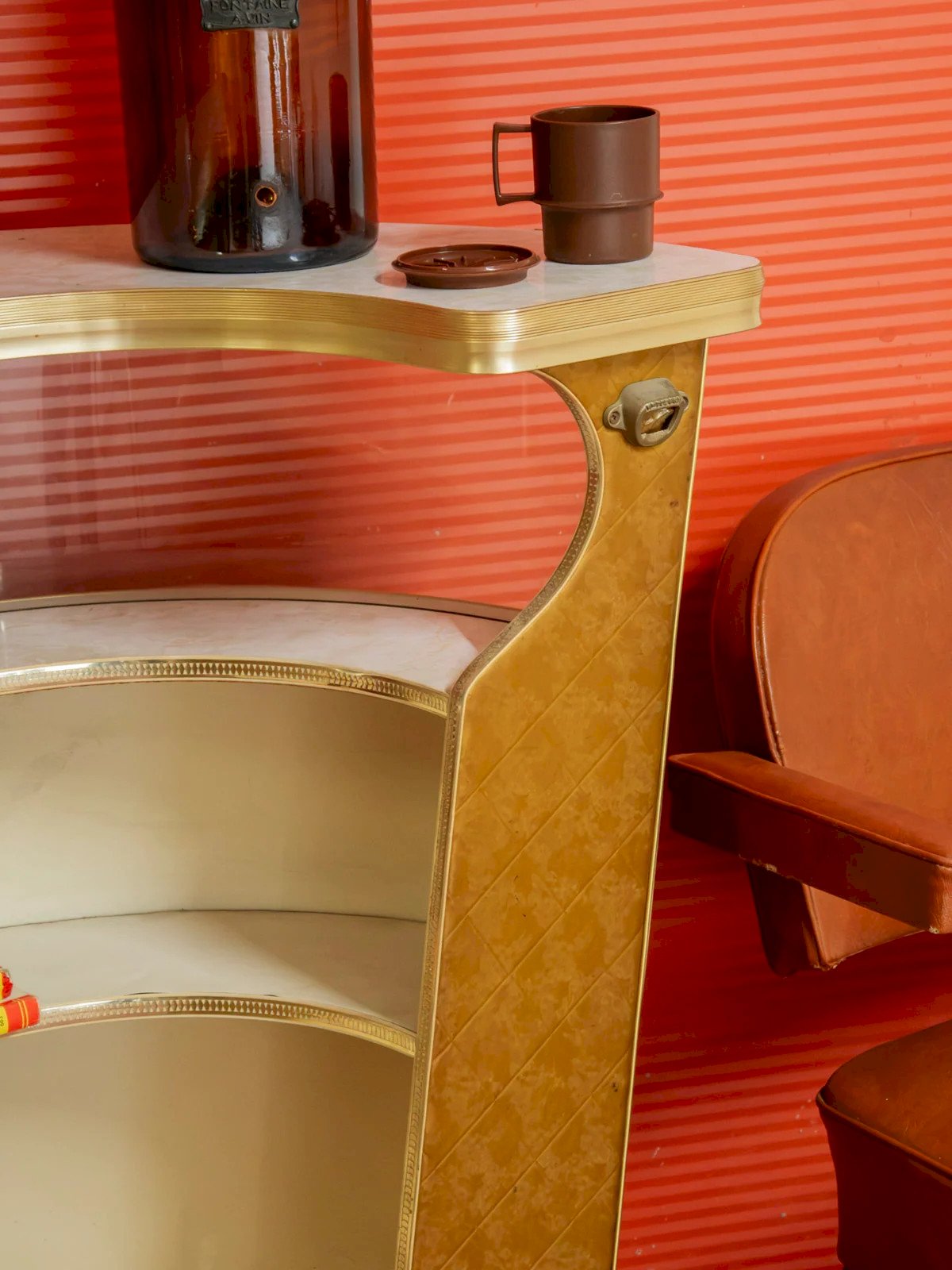
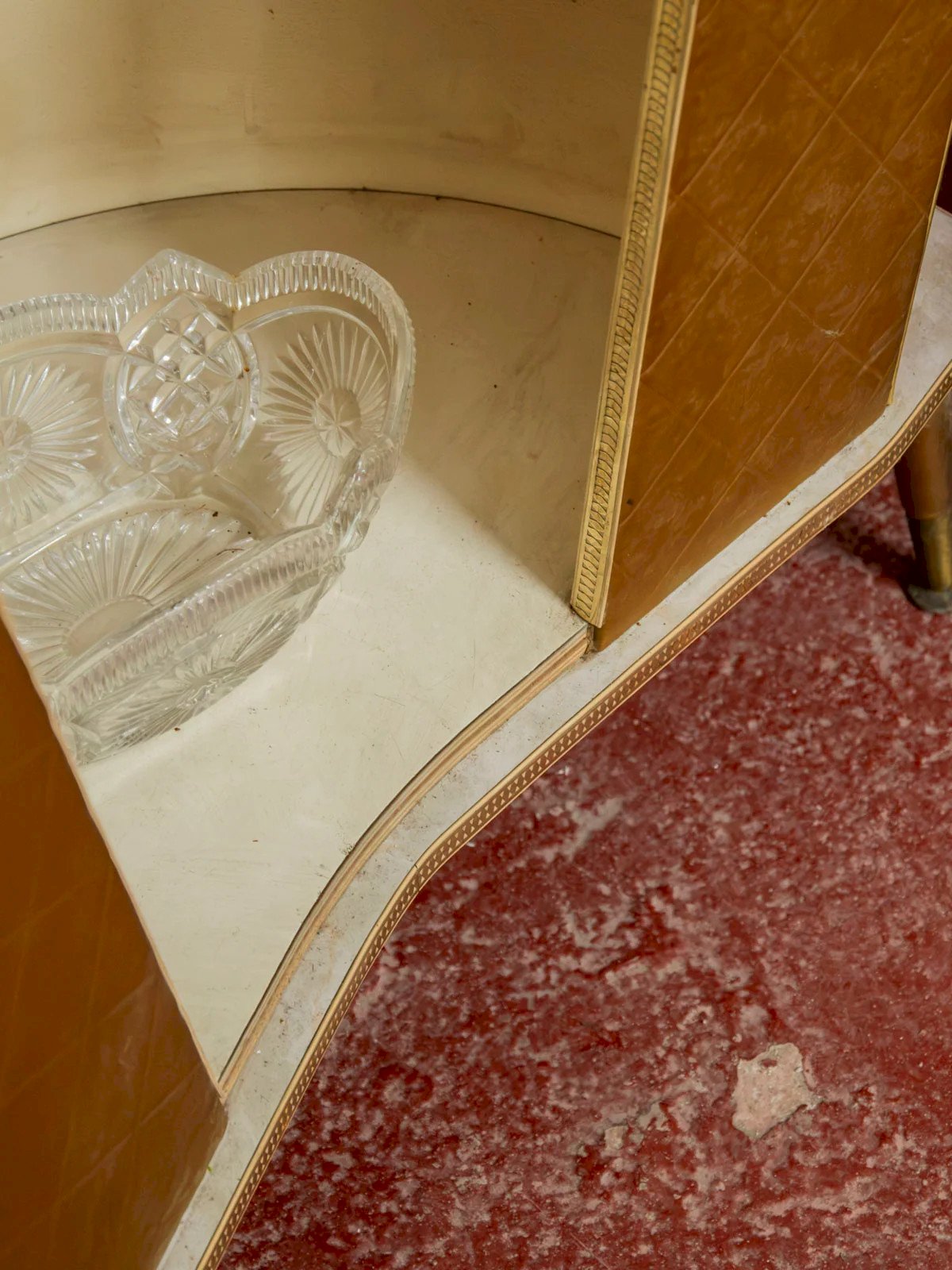
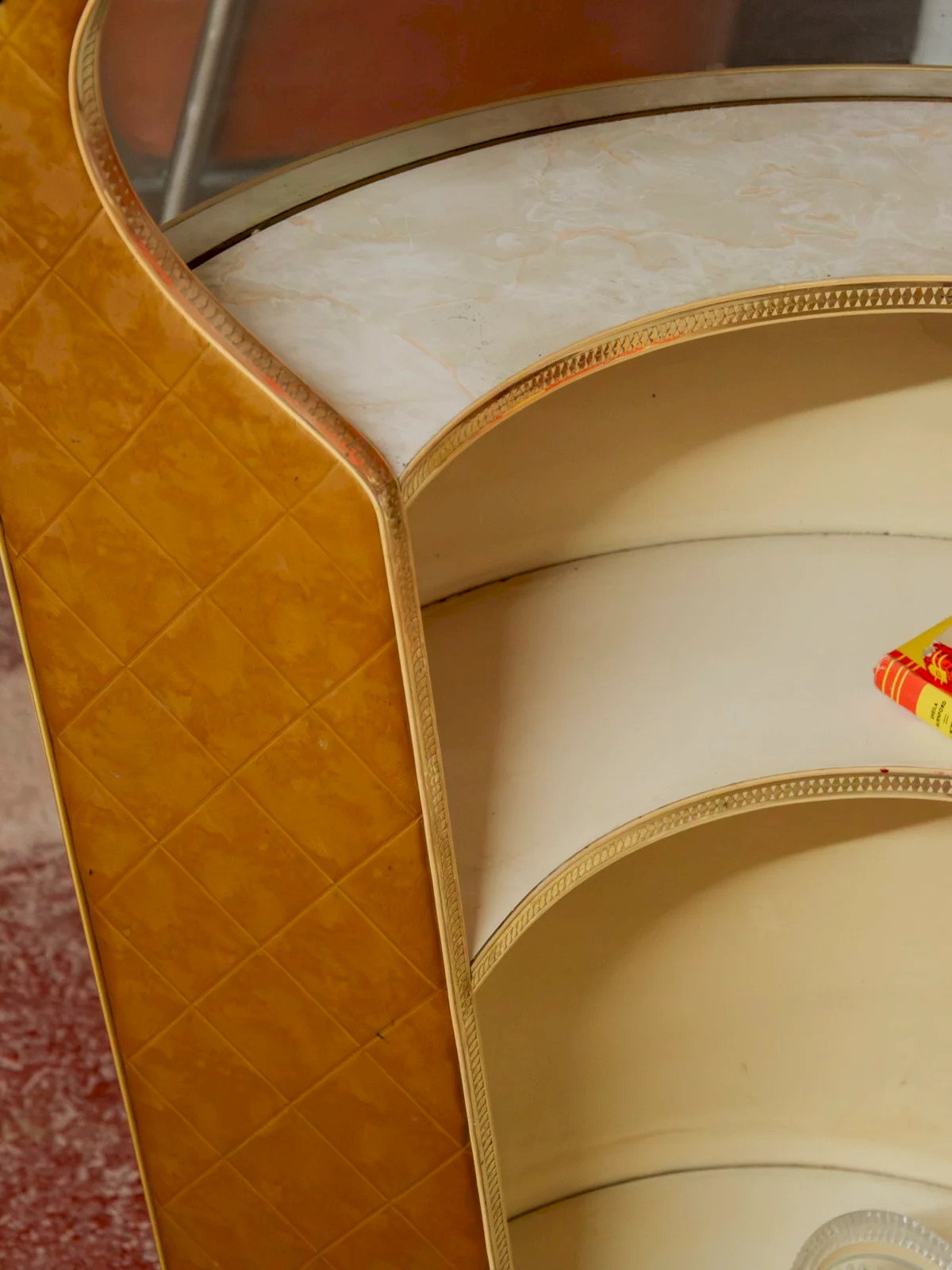
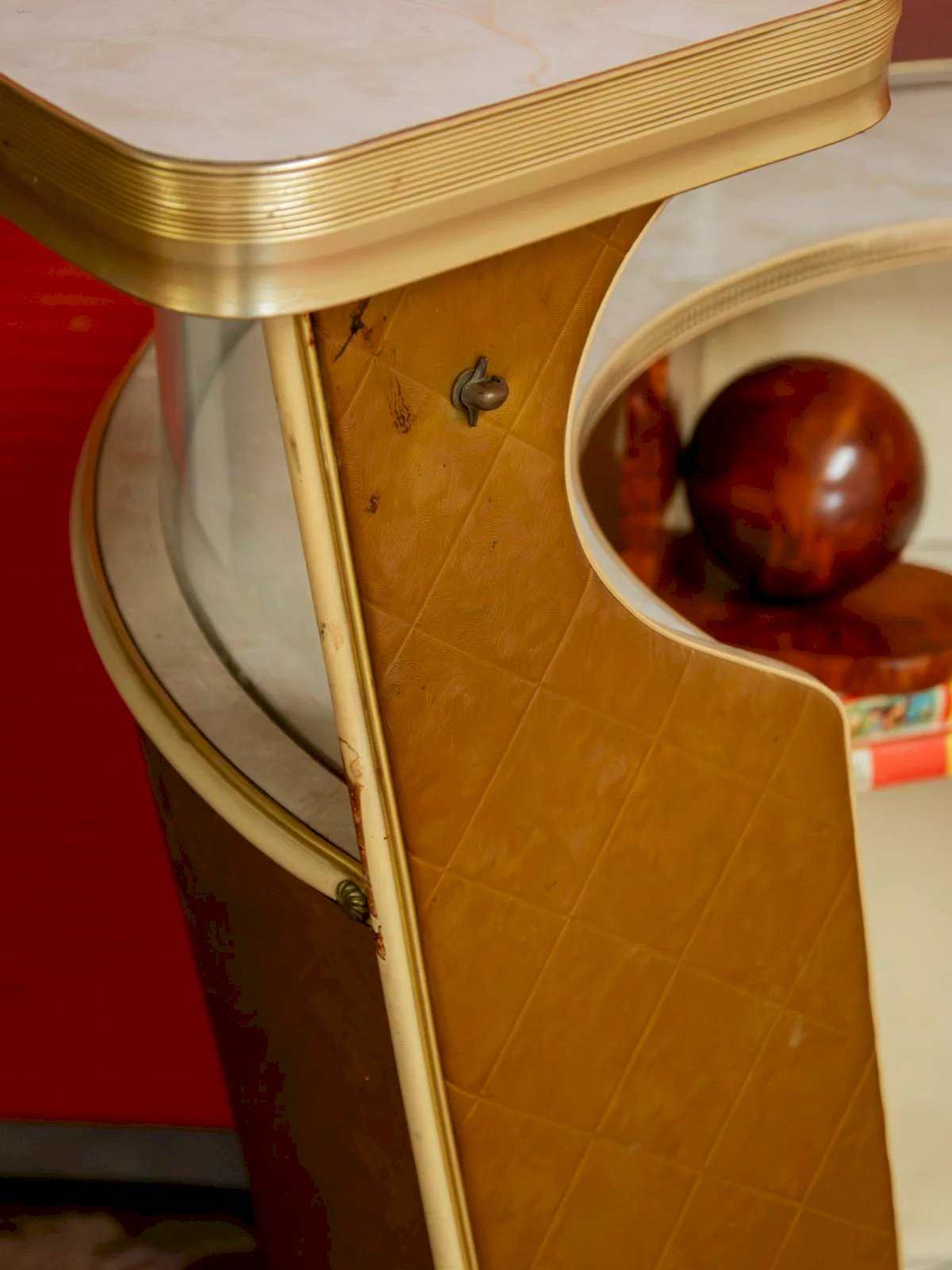
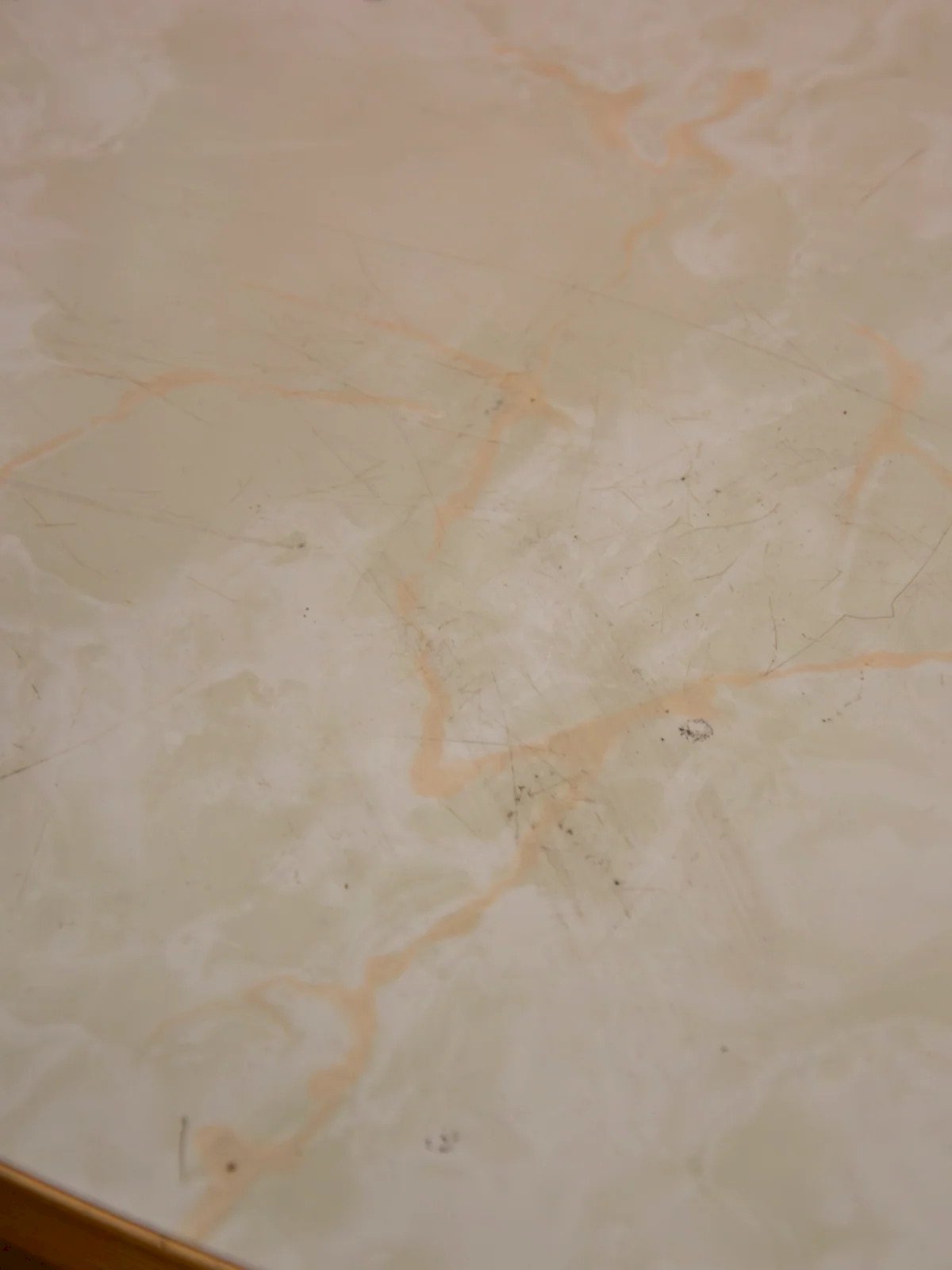
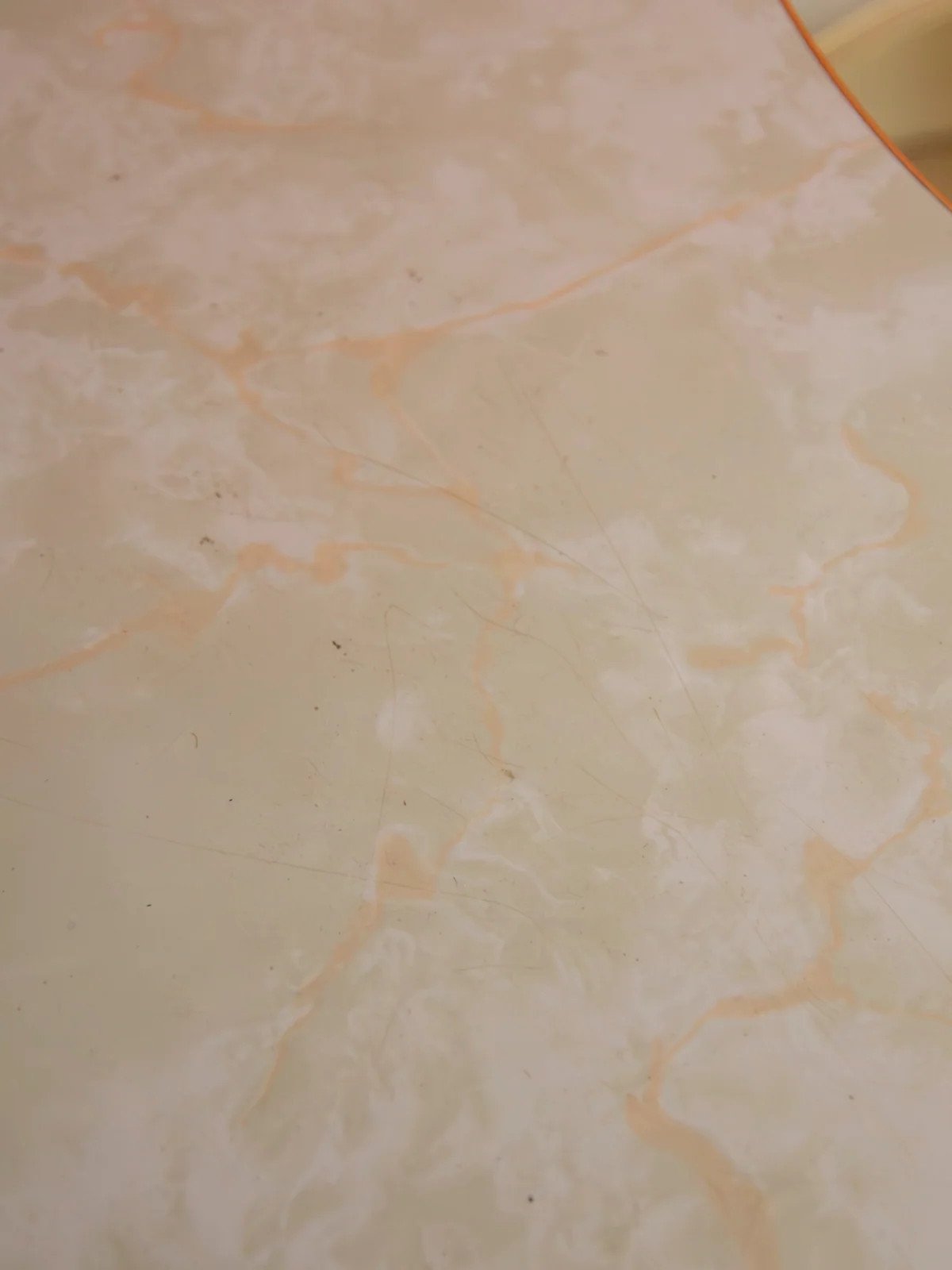
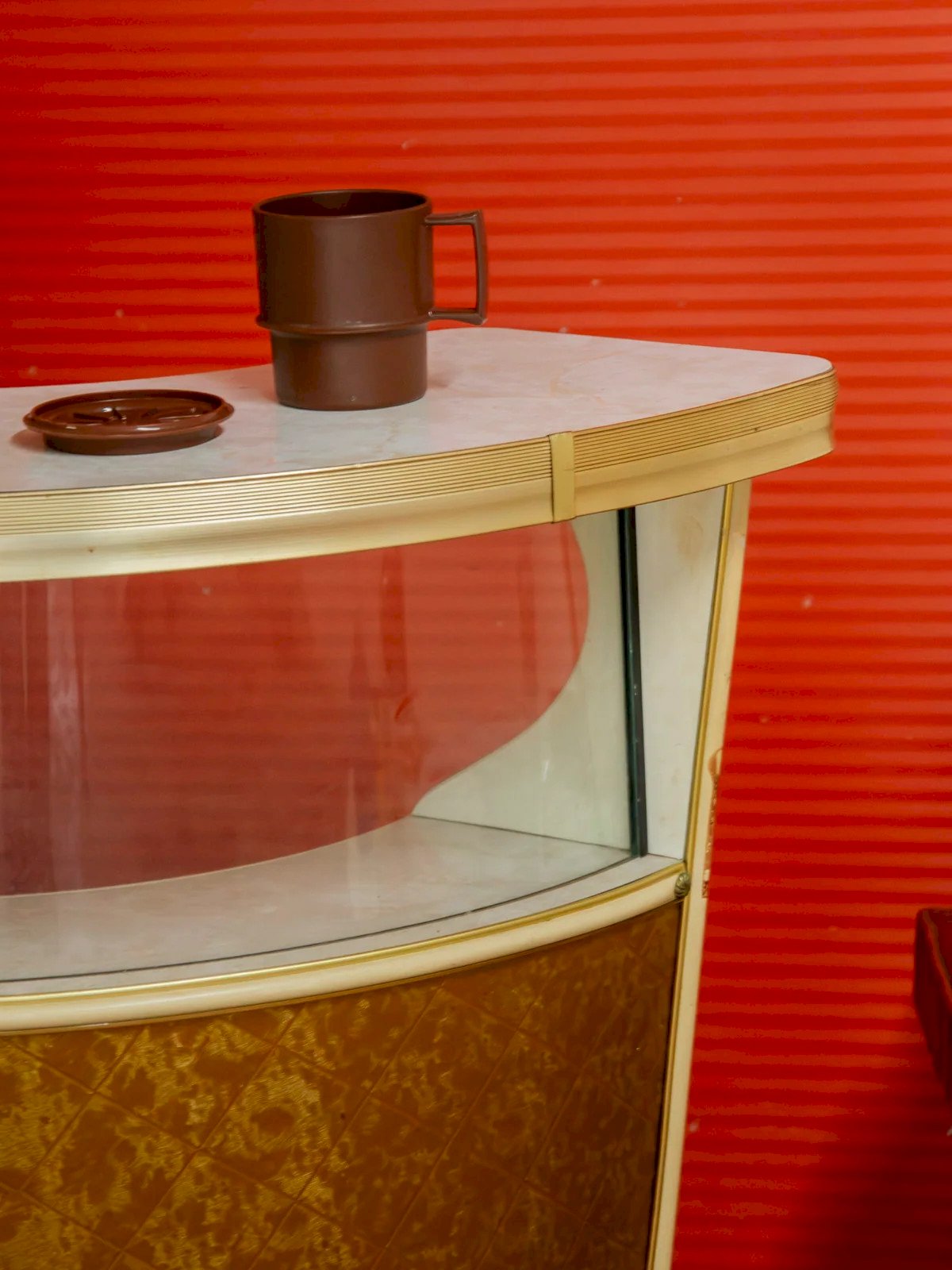
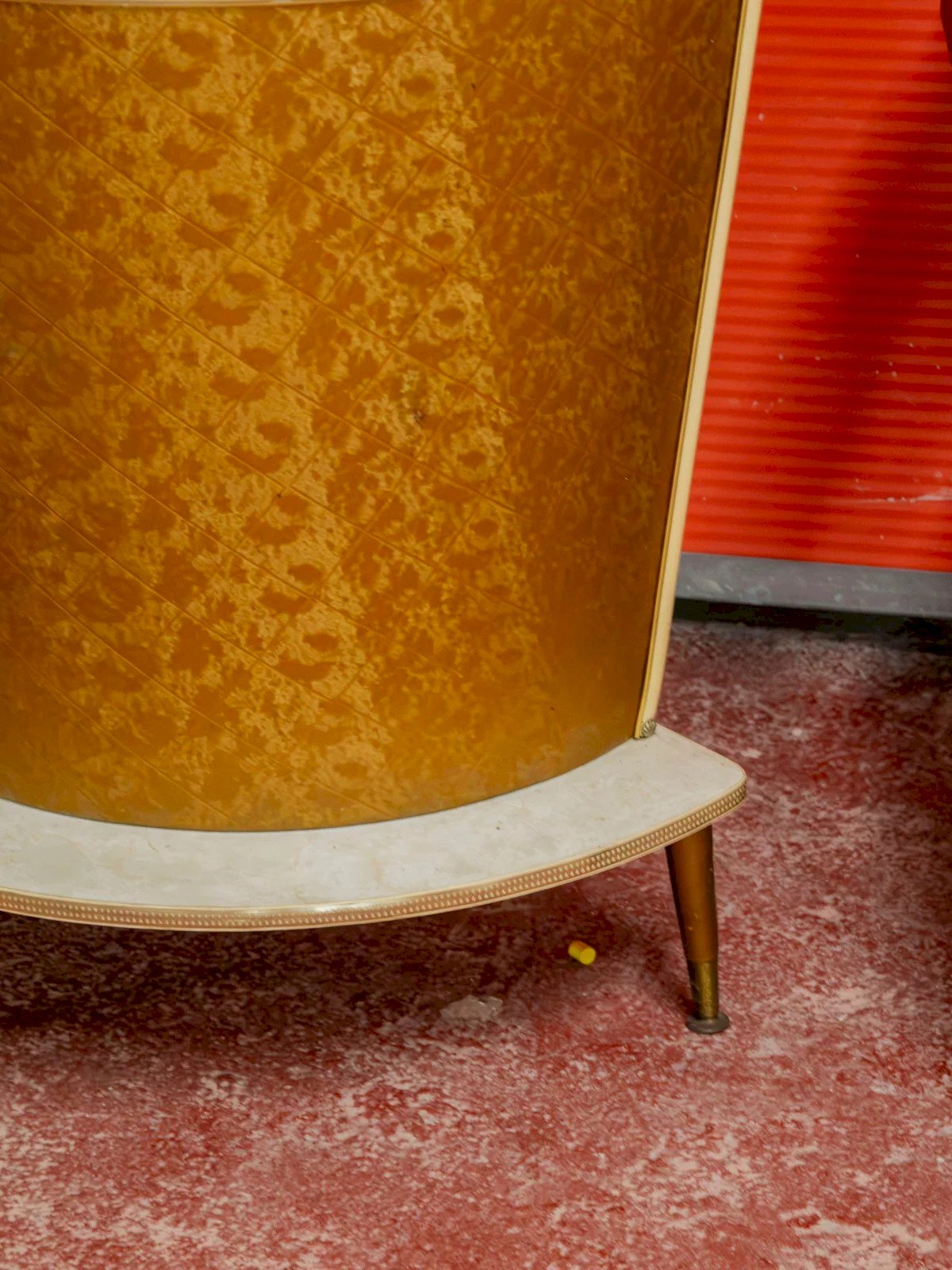
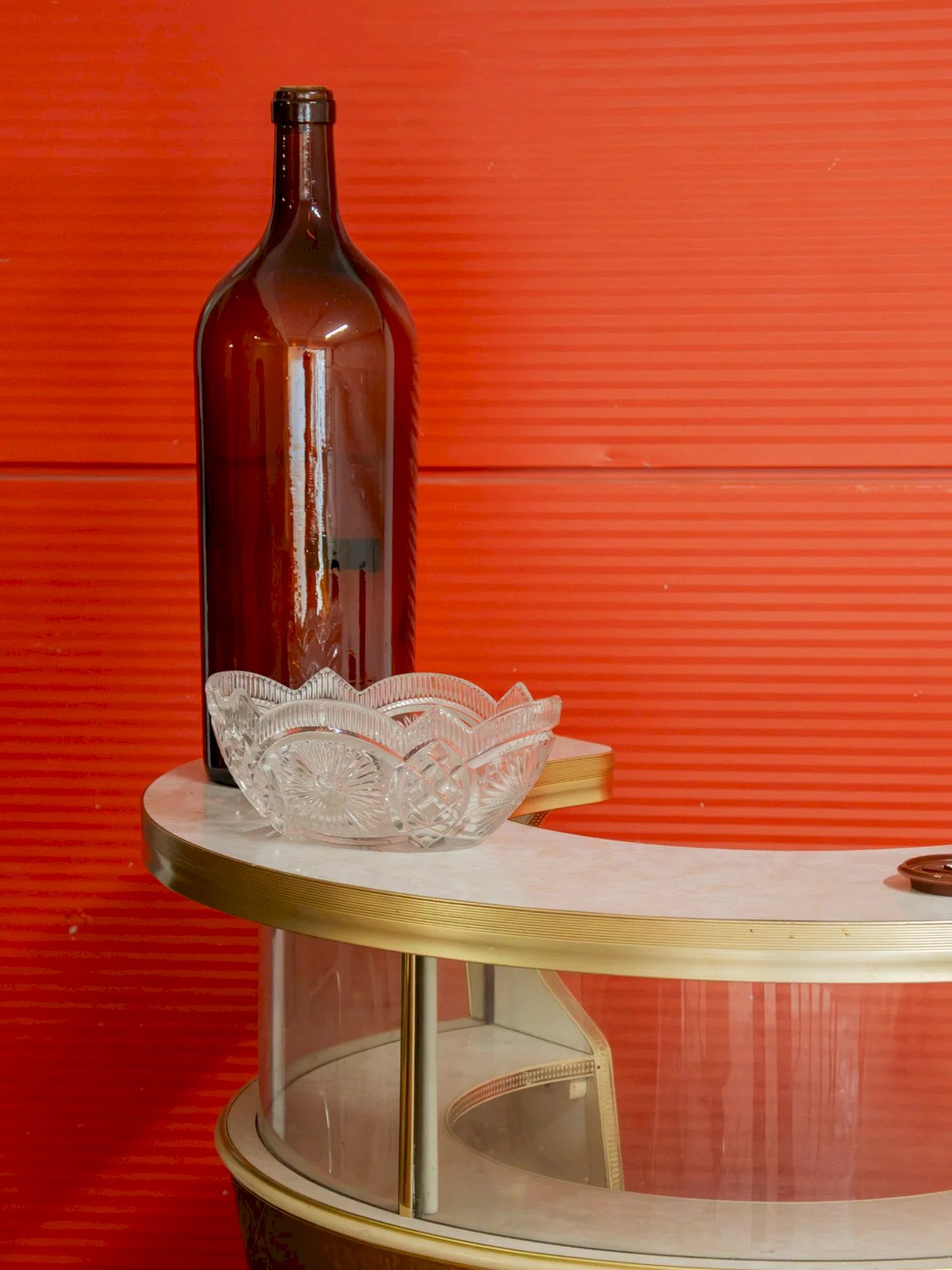
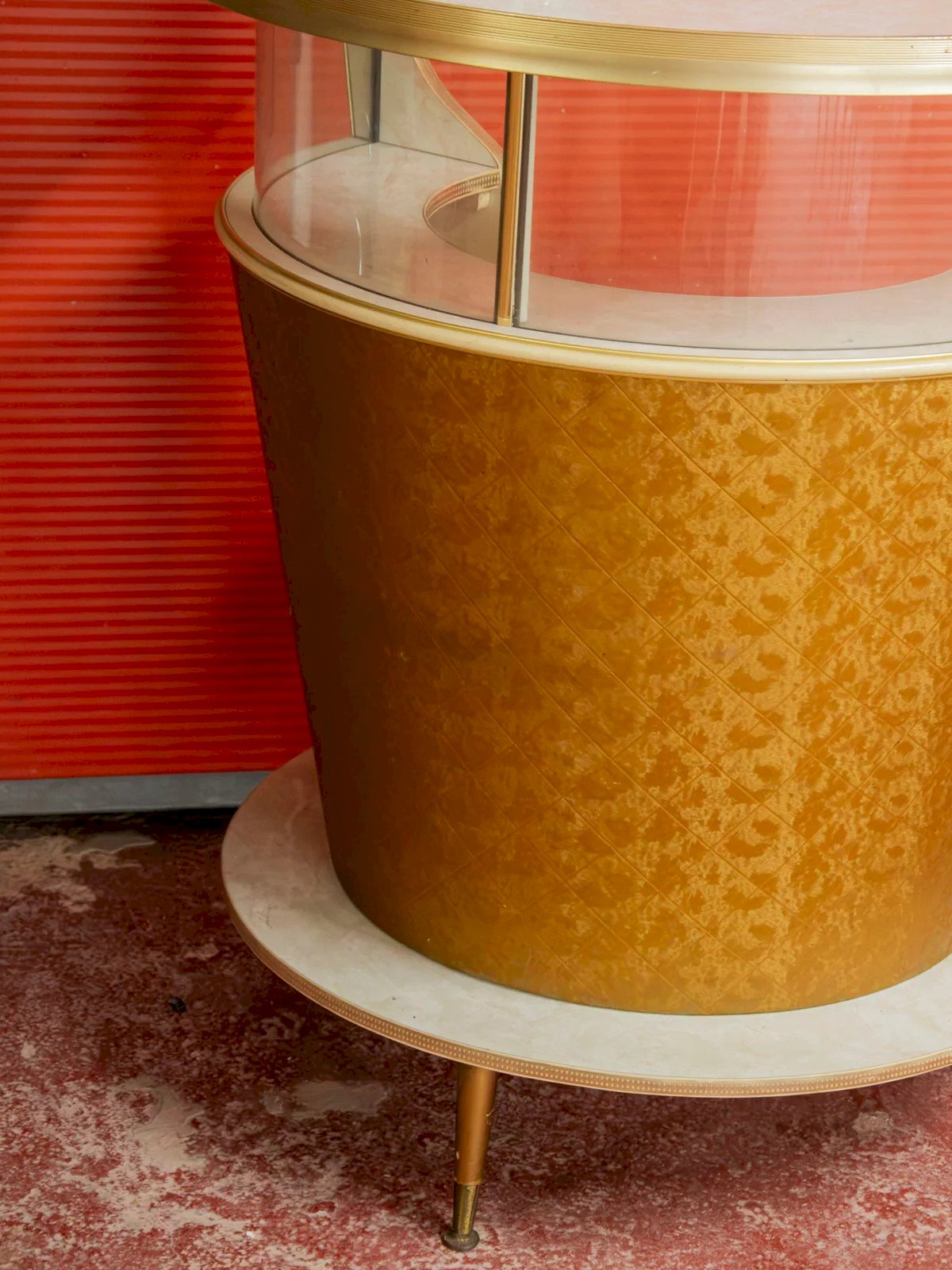
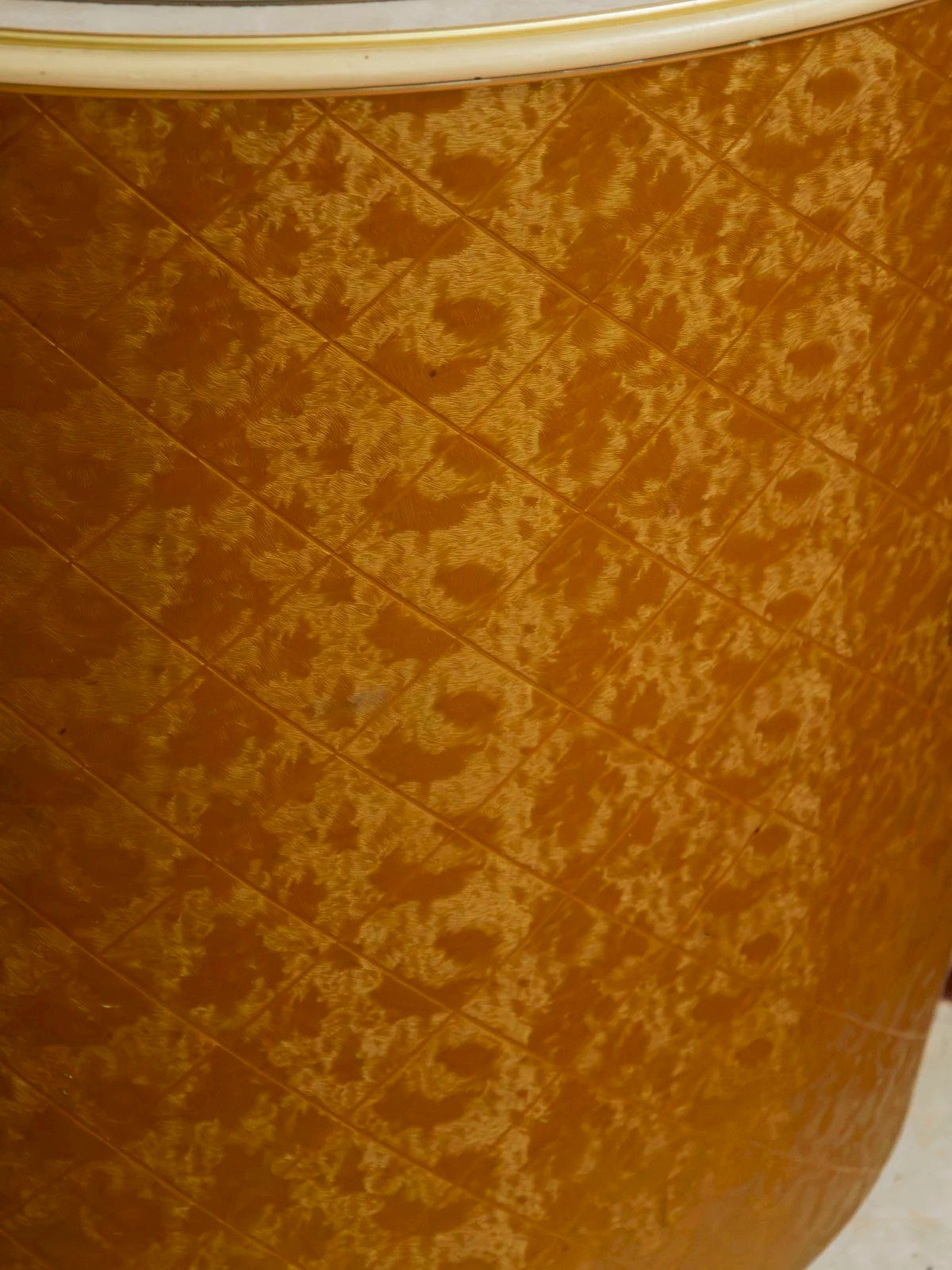
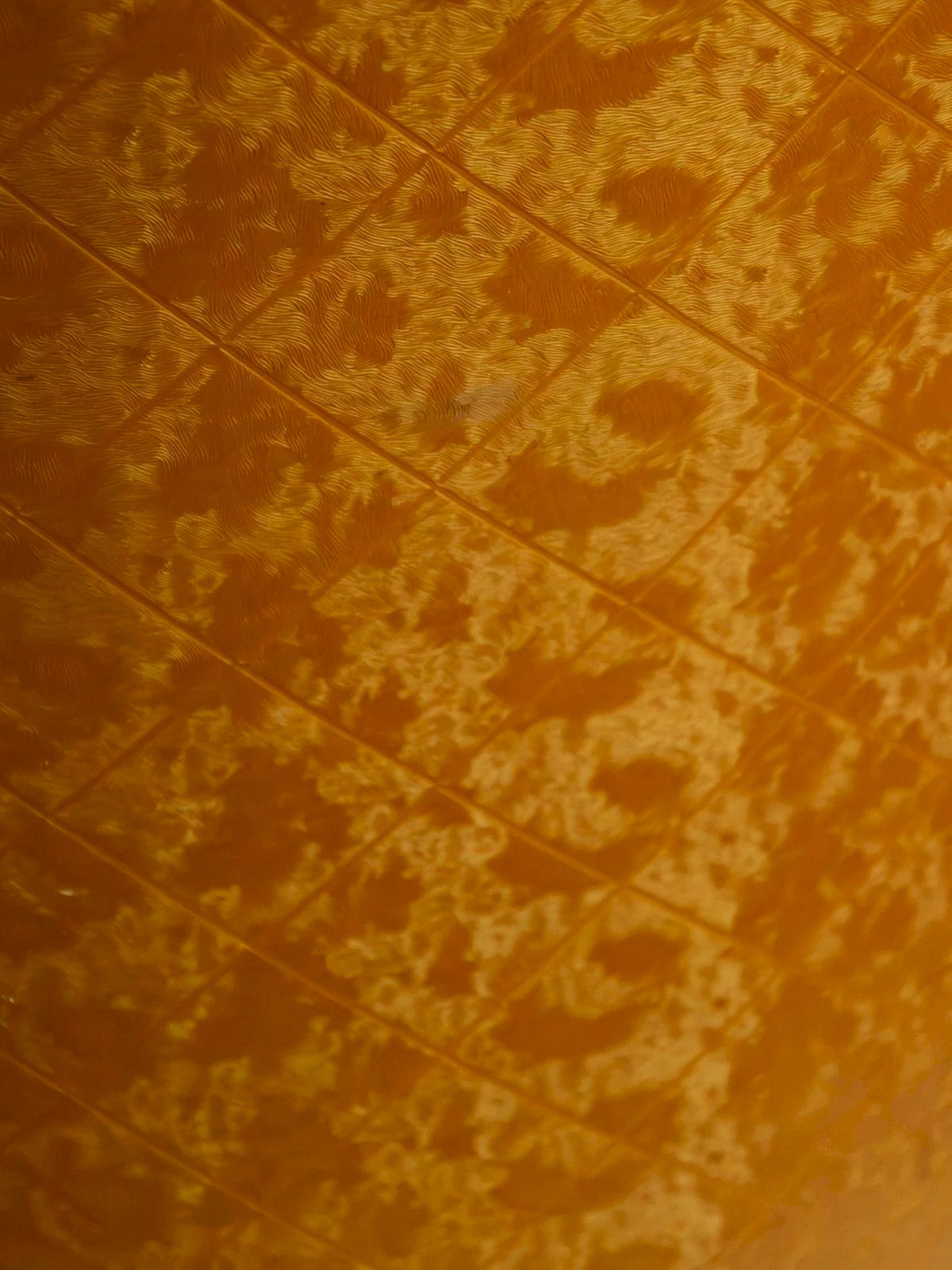
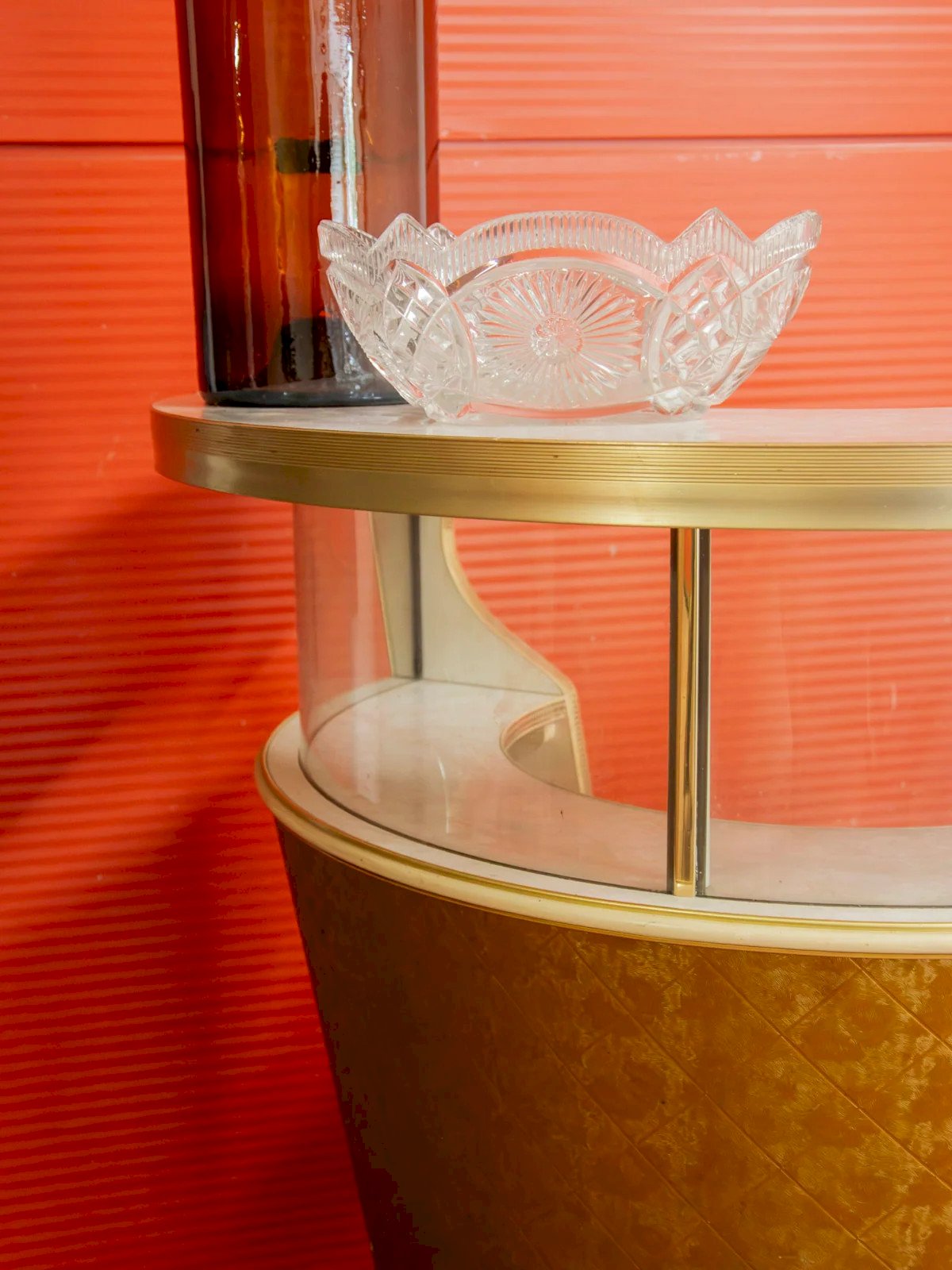
This second-hand beige Formica bar charms with its glazing and contemporary look, which lightens its presence while hinting at the interior storage. Its top accommodates service glasses, while the appreciable storage space is suitable for bottles or dishes. The integrated bottle opener and bent steel finishes highlight a friendly use, designed for aperitifs. In a dining room, it willingly pairs with a wooden table and some metal seating. When hosting, a decanter, flutes, and a serving tray elegantly take their place. Length: 90 cm Depth: 50 cm Height: 100 cm Niche height: 33 cm Small story of the bar Heir to the "liquor cabinet" of the 19th century, the bar takes its current form during Prohibition in the United States, where it first hides in double-bottomed bookcases. It is only with the rise of cocktails in the 1930s that it steps out of the shadows to become a showcase piece of furniture, symbolizing chic style and the art of entertaining at home. Its structure is distinguished by a raised top and optimized interior space for glassware, often featuring a brass footrest to ease standing posture. Whether fixed or mobile in the form of a serving cart, it is designed to be the strategic gathering point of the living room, turning each tasting into a true ritual of conviviality.
Réf :
#414754
Brand / From : Debongout
Comments
Quentin, the vintage formica bar No. 93
949€
75002 Paris
Ce site contient des liens d’affiliation pour lesquels je peux recevoir une compensation.
Description
This second-hand beige Formica bar charms with its glazing and contemporary look, which lightens its presence while hinting at the interior storage. Its top accommodates service glasses, while the appreciable storage space is suitable for bottles or dishes. The integrated bottle opener and bent steel finishes highlight a friendly use, designed for aperitifs. In a dining room, it willingly pairs with a wooden table and some metal seating. When hosting, a decanter, flutes, and a serving tray elegantly take their place. Length: 90 cm Depth: 50 cm Height: 100 cm Niche height: 33 cm Small story of the bar Heir to the "liquor cabinet" of the 19th century, the bar takes its current form during Prohibition in the United States, where it first hides in double-bottomed bookcases. It is only with the rise of cocktails in the 1930s that it steps out of the shadows to become a showcase piece of furniture, symbolizing chic style and the art of entertaining at home. Its structure is distinguished by a raised top and optimized interior space for glassware, often featuring a brass footrest to ease standing posture. Whether fixed or mobile in the form of a serving cart, it is designed to be the strategic gathering point of the living room, turning each tasting into a true ritual of conviviality.
Réf :
#414754
Brand / From : Debongout