 English
 Français


Description
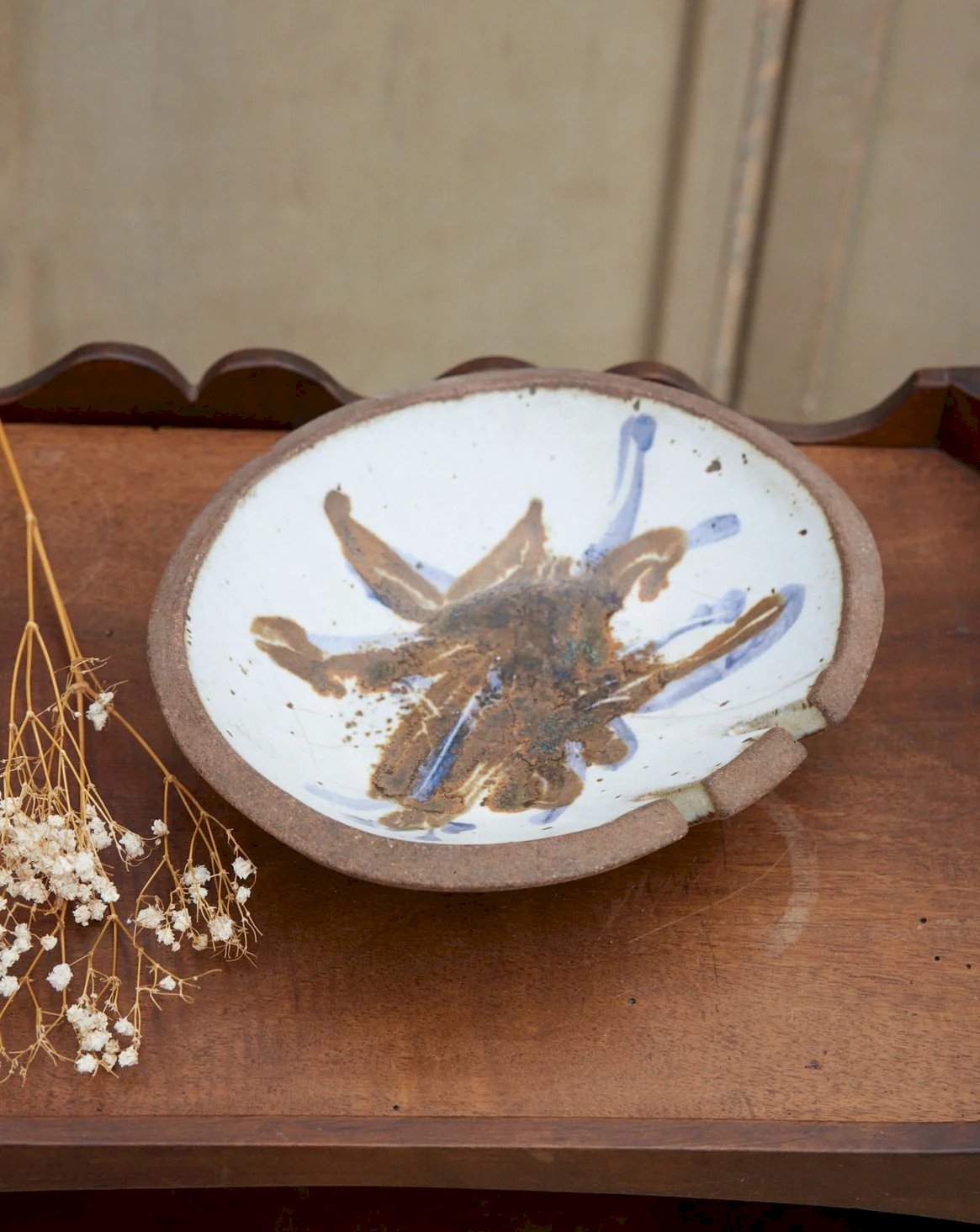
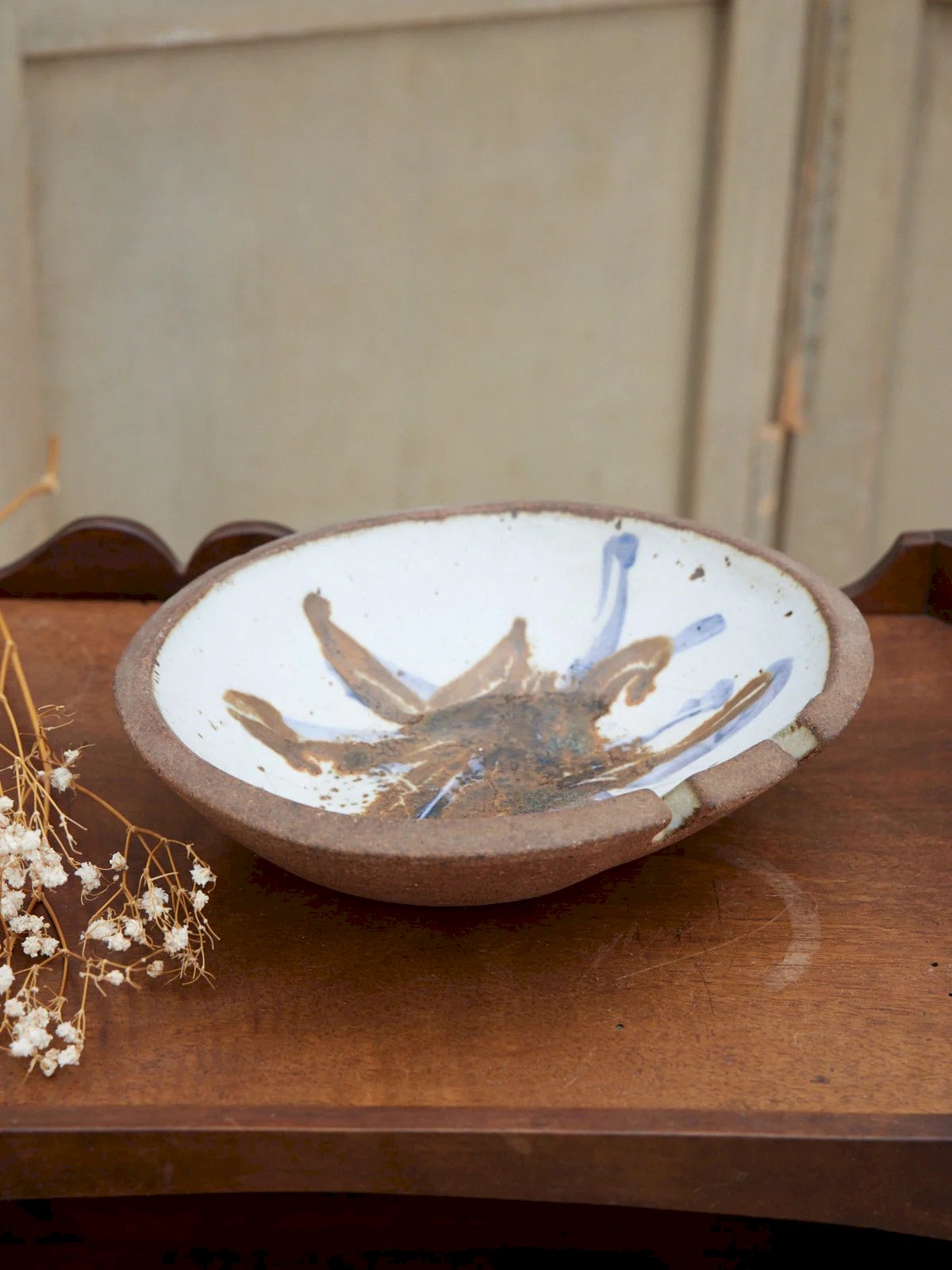
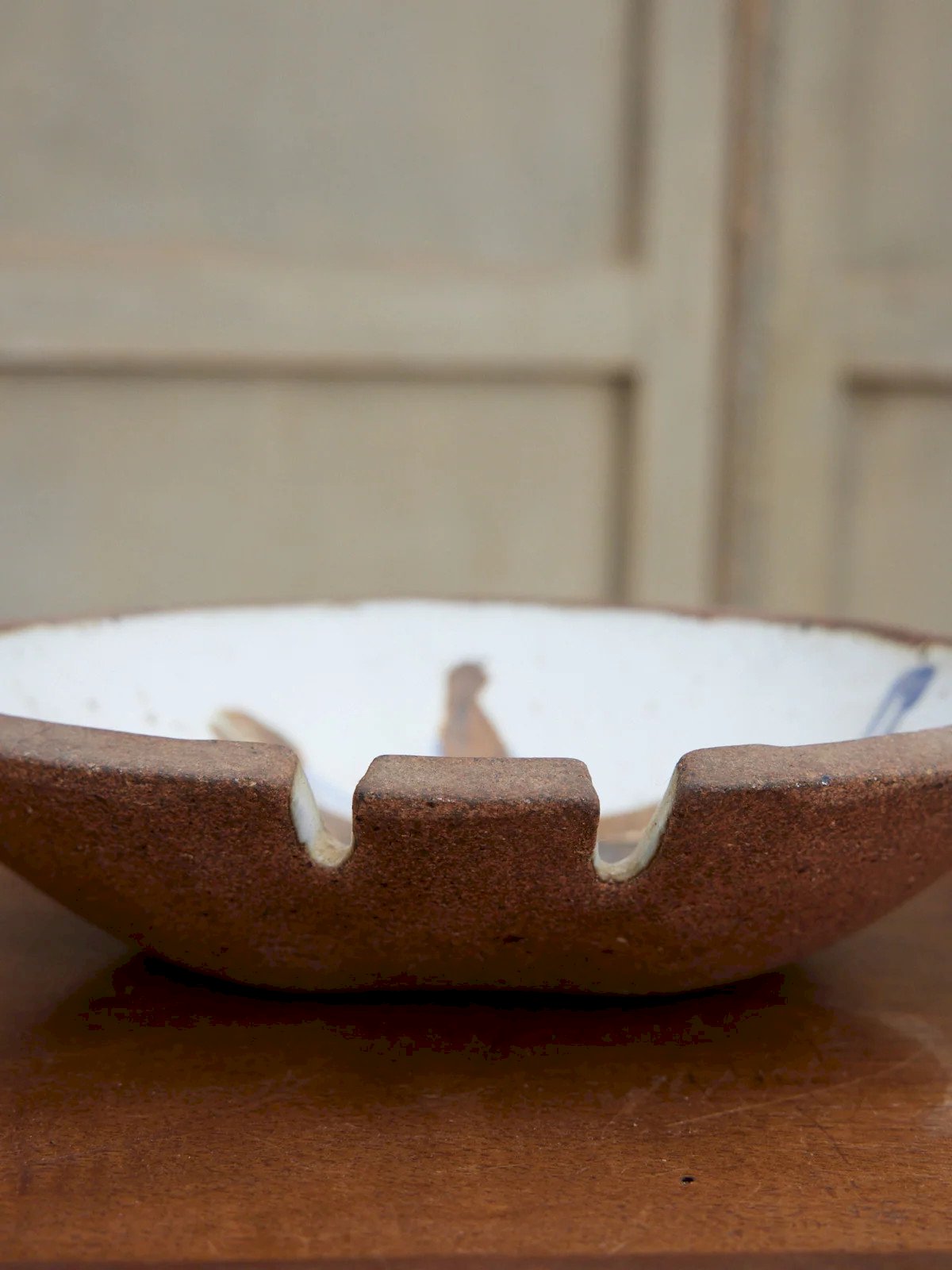
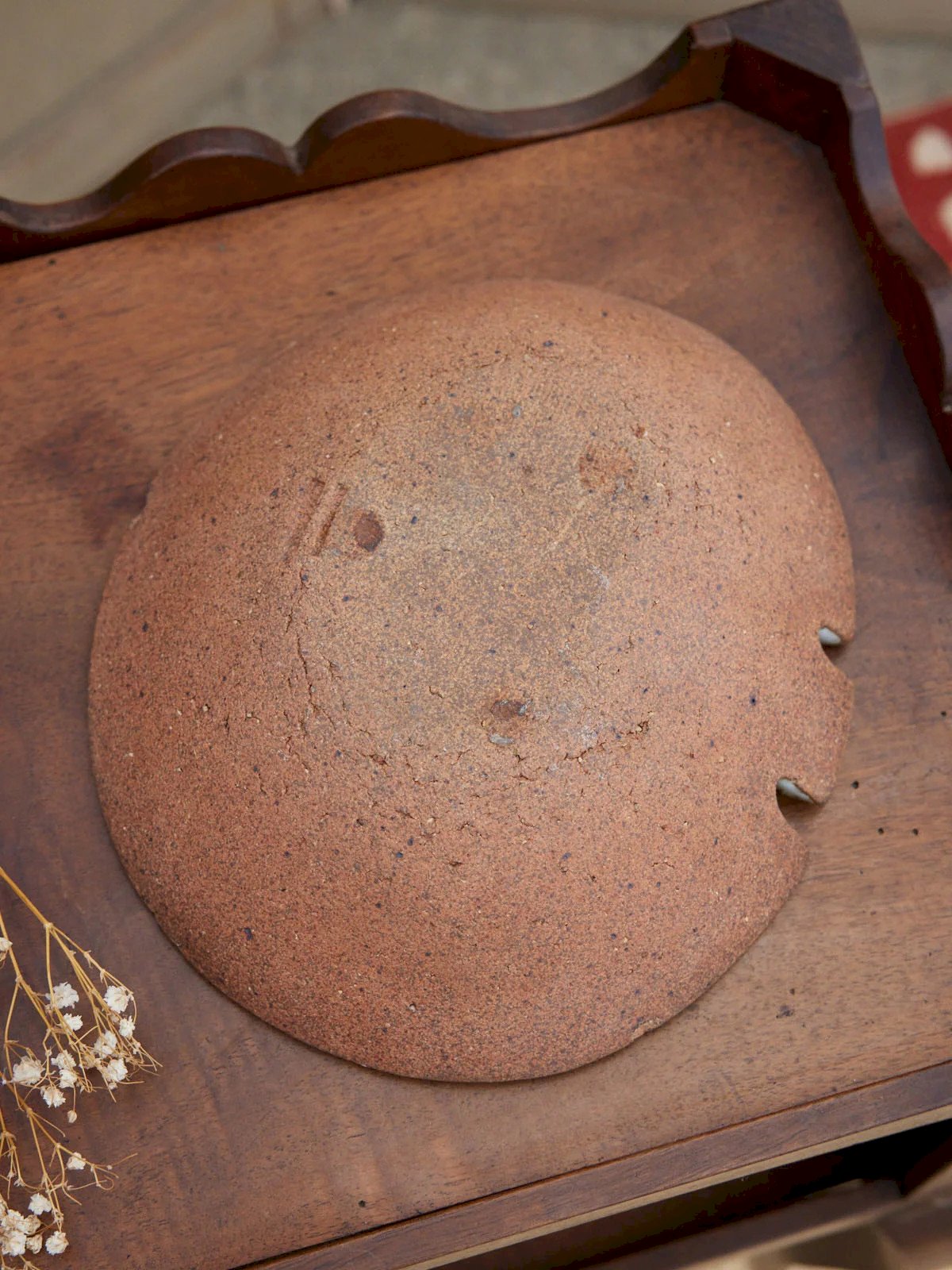
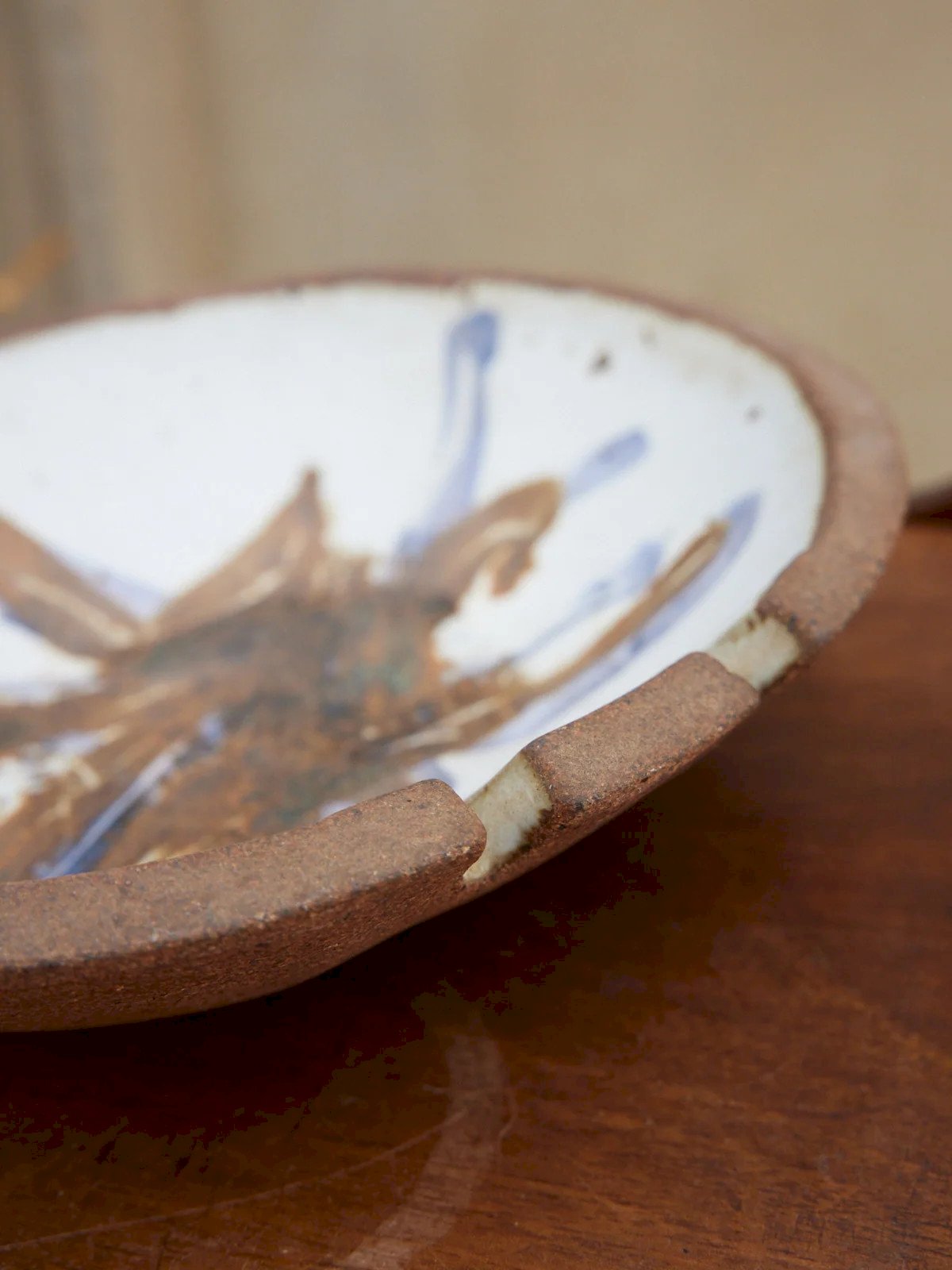
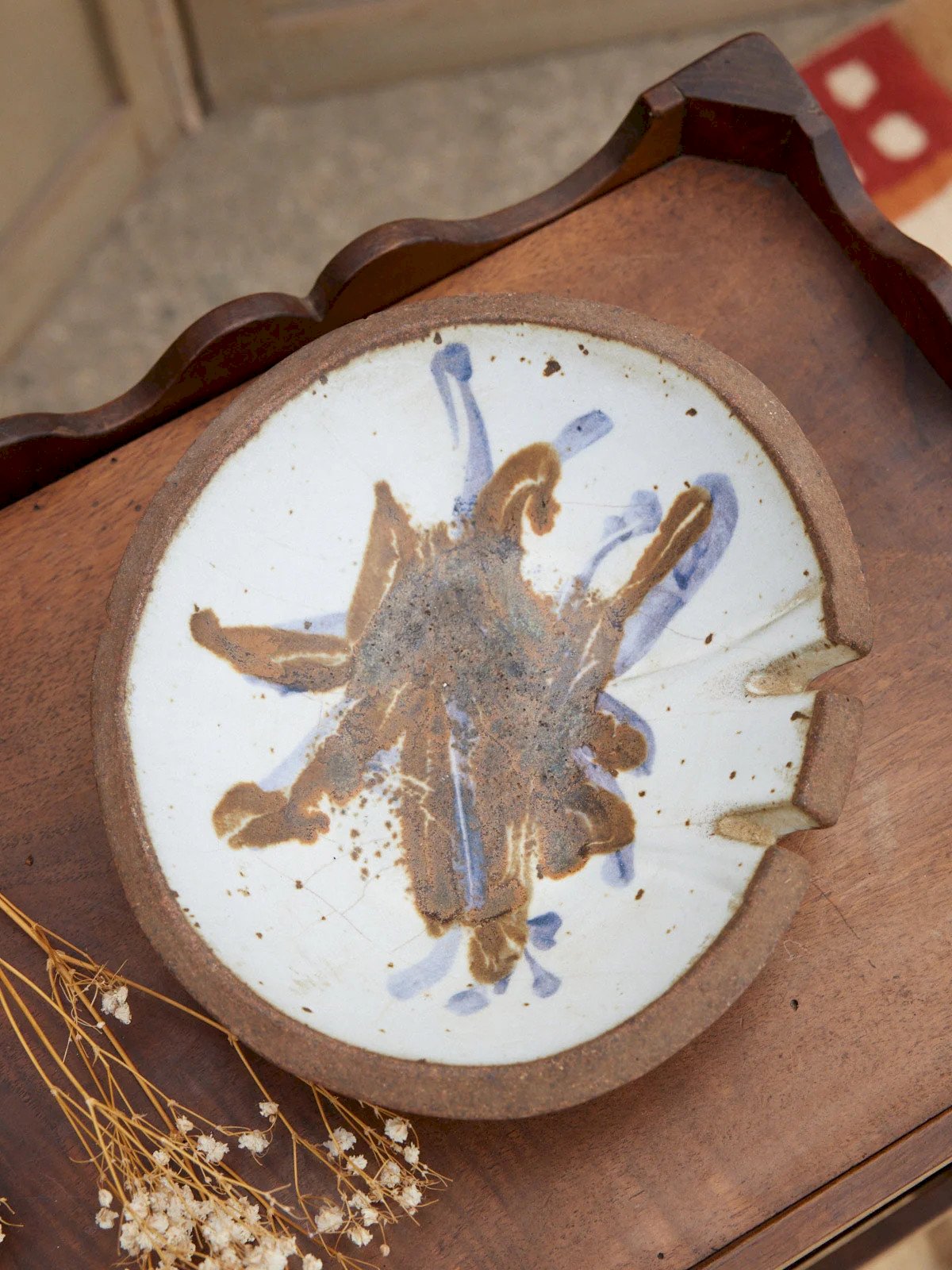
With its beige, blue, and brown tones, this painted terracotta ashtray adds a graphic and contemporary touch to a coffee table or shelf. Its material gives it a soft presence, while its bowl shape makes it a beautiful object to display, even when not in use. Found in vintage shops, it blends naturally into a living room with subdued accents, alongside an art book, a candle, or a ceramic catchall. Its painted surface easily interacts with wood, linen, or more mineral materials. On a console, it holds a few matches and complements a bouquet of dried flowers. Length: 23 cm Width: 20 cm Height: 5 cm A brief history of the ashtray Although tobacco arrived in Europe as early as the 16th century, the ashtray as we know it did not appear until the 19th century with the invention of the cigarette, as pipes and cigars did not require one. For a long time, it was a symbol of high social distinction, often made of Baccarat crystal or silver, before becoming an essential advertising support in the bistros of the 1950s.
Réf :
#414186
Brand / From : Debongout
Related Products


Comments
Patrice, the terracotta ashtray bird No. 78
69€
75002 Paris
Ce site contient des liens d’affiliation pour lesquels je peux recevoir une compensation.
Description
With its beige, blue, and brown tones, this painted terracotta ashtray adds a graphic and contemporary touch to a coffee table or shelf. Its material gives it a soft presence, while its bowl shape makes it a beautiful object to display, even when not in use. Found in vintage shops, it blends naturally into a living room with subdued accents, alongside an art book, a candle, or a ceramic catchall. Its painted surface easily interacts with wood, linen, or more mineral materials. On a console, it holds a few matches and complements a bouquet of dried flowers. Length: 23 cm Width: 20 cm Height: 5 cm A brief history of the ashtray Although tobacco arrived in Europe as early as the 16th century, the ashtray as we know it did not appear until the 19th century with the invention of the cigarette, as pipes and cigars did not require one. For a long time, it was a symbol of high social distinction, often made of Baccarat crystal or silver, before becoming an essential advertising support in the bistros of the 1950s.
Réf :
#414186
Brand / From : Debongout