English
  Français

Description
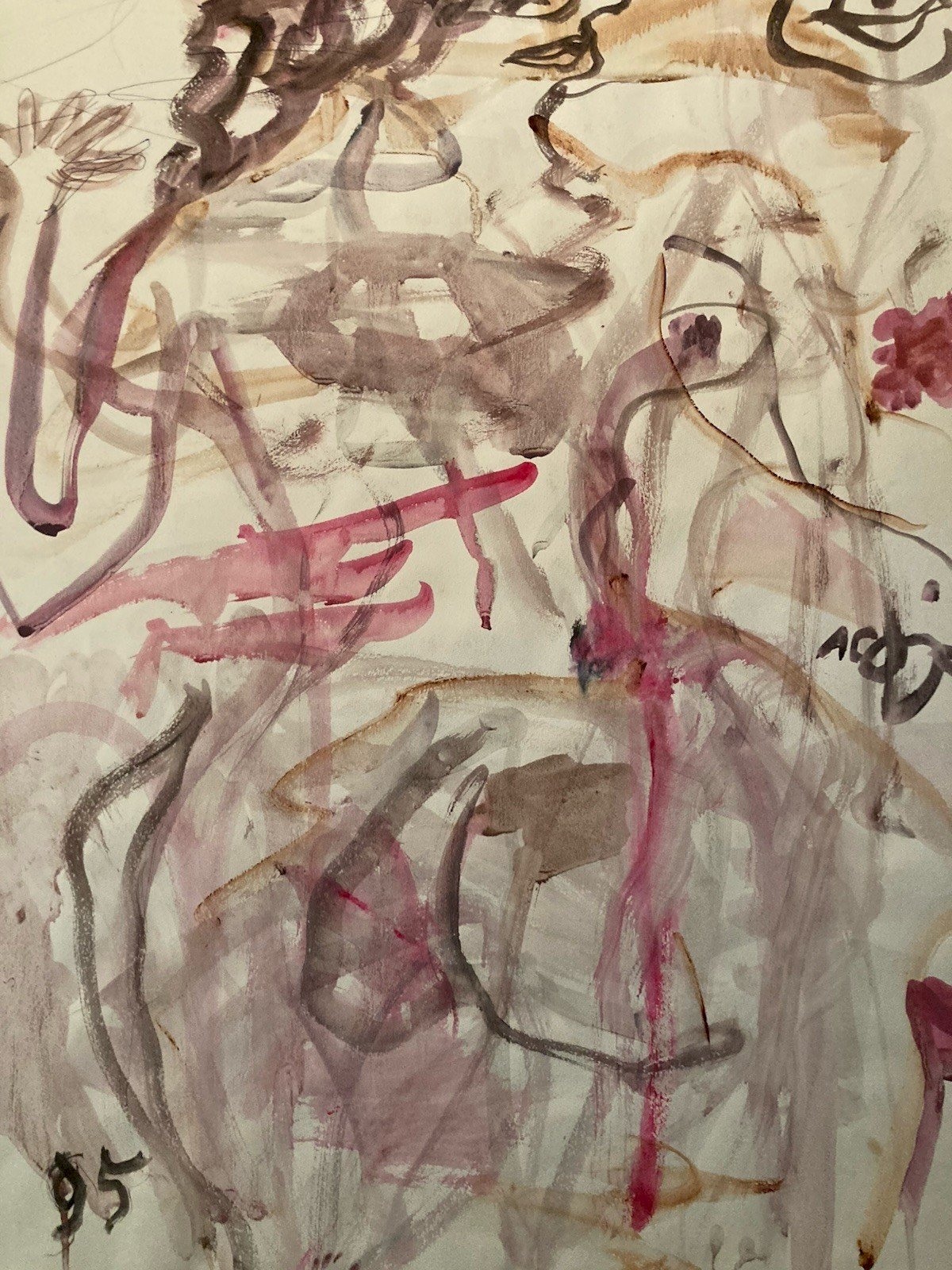
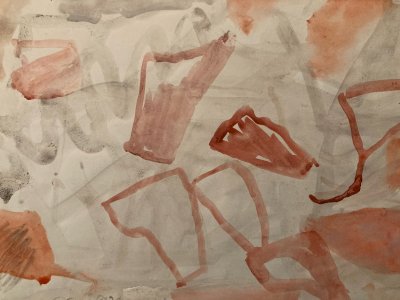
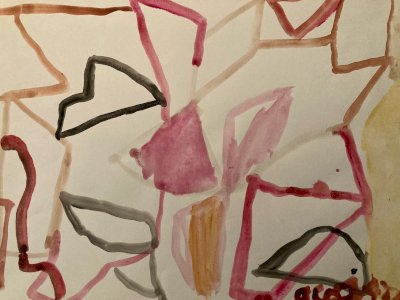
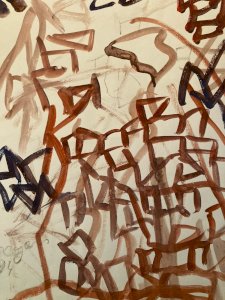
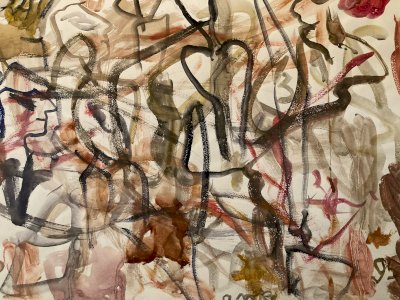
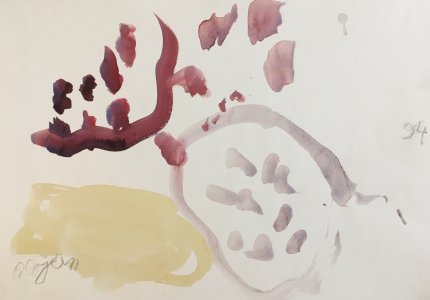
The painter Aurel Cojan was born in 1914 in Beceni, Romania. He passed away in November 2004 in Paris. His early works around 1933 show an expressionism with a social character, similar to that of Georg Grosz or Pascin. He discovered Western painting through books. The war in 1939, followed by communism, profoundly marked him. In 1967, Aurel Cojan participated in the São Paulo Biennial with a series of drawings. Aurel Cojan moved to Paris in 1969 after requesting political asylum. His first exhibition in Paris took place in 1978 at the Chevalier gallery, followed by other exhibitions at the Ralph Gallery and Jacques Barbier Gallery. His career is quite atypical. While he regularly exhibits in various galleries, several Parisian institutions own his works, and his country acknowledges his significance, notably with a retrospective at the Romanian Cultural Center in Paris in 1999, Aurel Cojan remains fiercely independent. He knows how to preserve, with great insolence and at a cost, a total freedom in life and painting. This freedom is the great virtue of his work. Coming from a figurative tradition that straddles expressionism and abstraction, shaken by the discovery of great American painting and its examples of formal radicalism, his painting, as it developed in Paris, presents itself in the guise of a colored "writing" where figurative signs explode and transform almost entirely into abstract configurations. This writing oscillates between an unprecedented virulence, a sort of pictorial "savagery" of impressive power, and the sometimes ecstatic, sometimes melancholic softness of works on paper, where the color is veiled. But regardless of its register, a work by Aurel Cojan is recognized by the fact that the painting seems to be a living thing. Several public collections own his works: National Museum of Bucharest, Museum of Modern Art of the City of Paris, National Fund for Contemporary Art.
Réf :
#391122
Related Products


Comments
Painting Gouache Drawing Aurel Cojan Abstract Expressionism 1990 Art
385€
31500 Toulouse
Ce site contient des liens d’affiliation pour lesquels je peux recevoir une compensation.
Description
The painter Aurel Cojan was born in 1914 in Beceni, Romania. He passed away in November 2004 in Paris. His early works around 1933 show an expressionism with a social character, similar to that of Georg Grosz or Pascin. He discovered Western painting through books. The war in 1939, followed by communism, profoundly marked him. In 1967, Aurel Cojan participated in the São Paulo Biennial with a series of drawings. Aurel Cojan moved to Paris in 1969 after requesting political asylum. His first exhibition in Paris took place in 1978 at the Chevalier gallery, followed by other exhibitions at the Ralph Gallery and Jacques Barbier Gallery. His career is quite atypical. While he regularly exhibits in various galleries, several Parisian institutions own his works, and his country acknowledges his significance, notably with a retrospective at the Romanian Cultural Center in Paris in 1999, Aurel Cojan remains fiercely independent. He knows how to preserve, with great insolence and at a cost, a total freedom in life and painting. This freedom is the great virtue of his work. Coming from a figurative tradition that straddles expressionism and abstraction, shaken by the discovery of great American painting and its examples of formal radicalism, his painting, as it developed in Paris, presents itself in the guise of a colored "writing" where figurative signs explode and transform almost entirely into abstract configurations. This writing oscillates between an unprecedented virulence, a sort of pictorial "savagery" of impressive power, and the sometimes ecstatic, sometimes melancholic softness of works on paper, where the color is veiled. But regardless of its register, a work by Aurel Cojan is recognized by the fact that the painting seems to be a living thing. Several public collections own his works: National Museum of Bucharest, Museum of Modern Art of the City of Paris, National Fund for Contemporary Art.
Réf :
#391122