English
  Français

Description
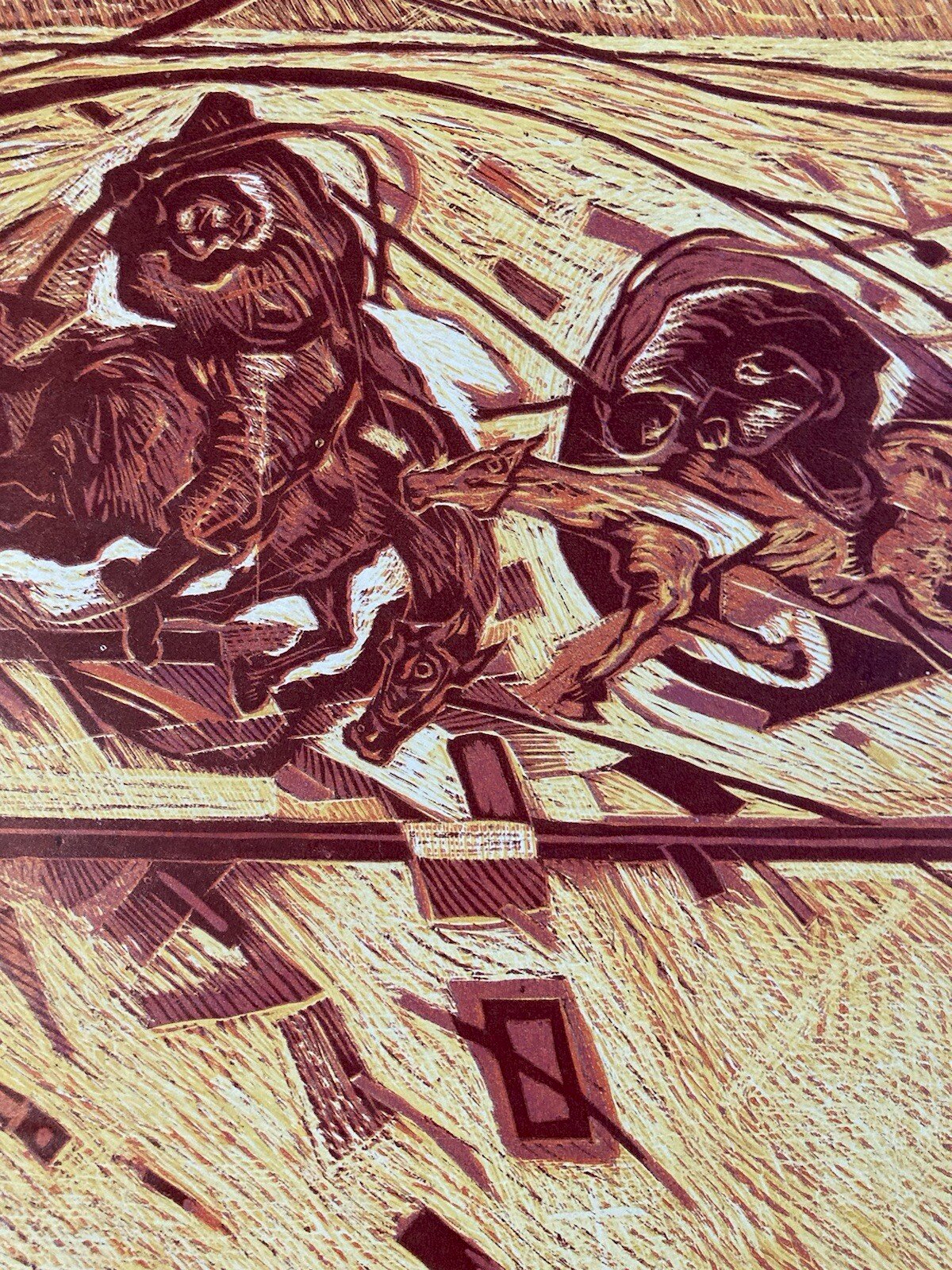
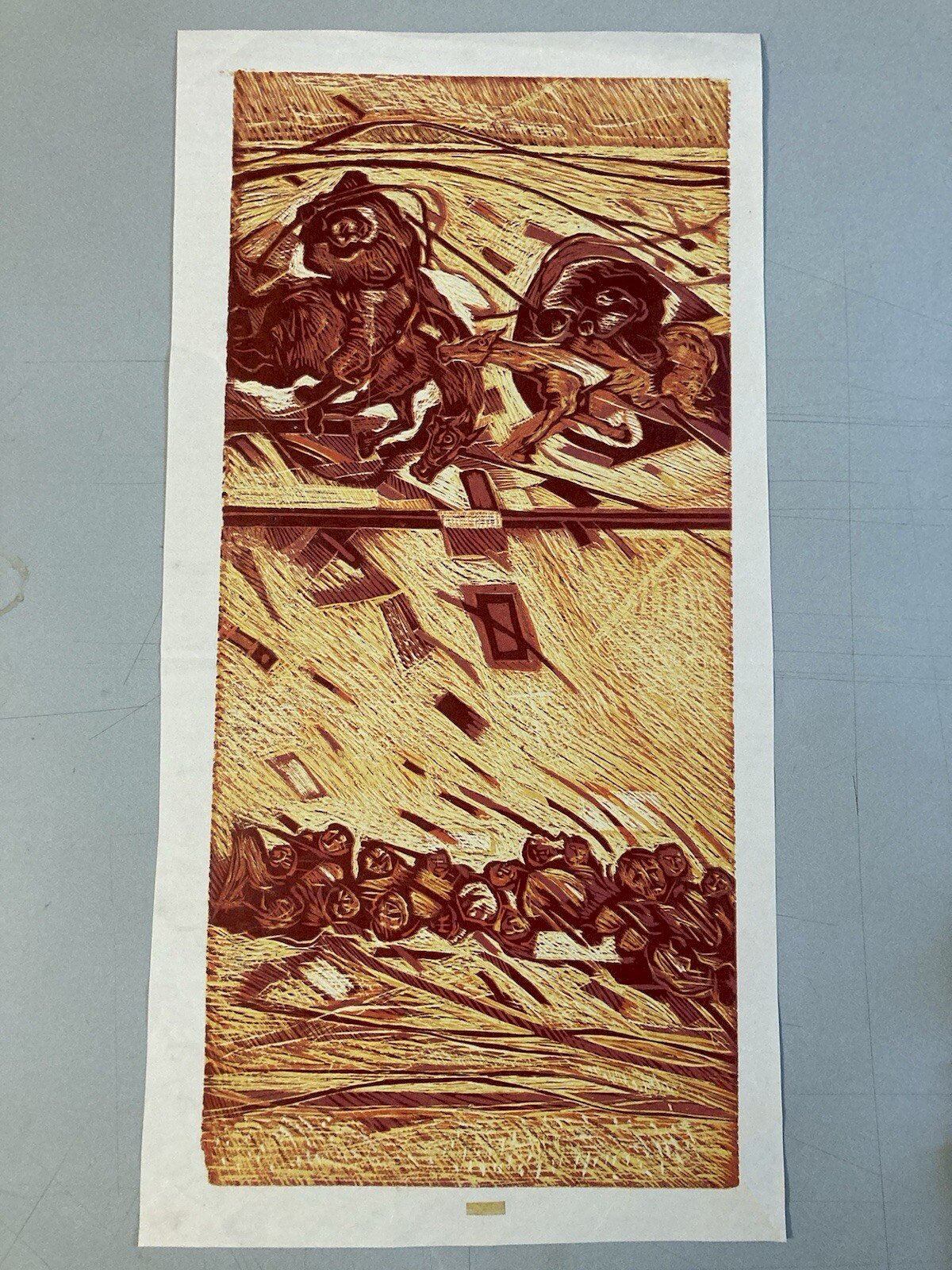
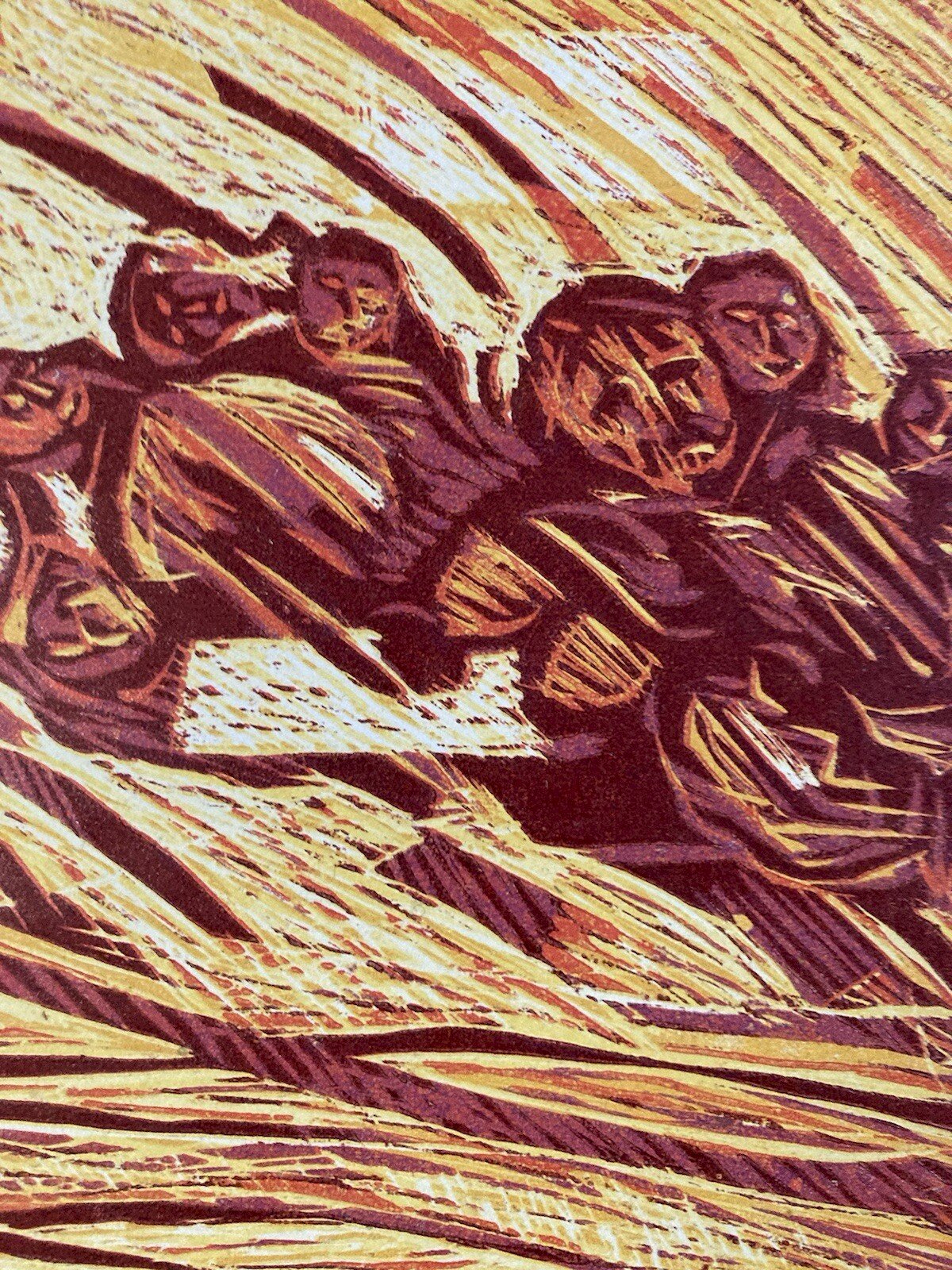
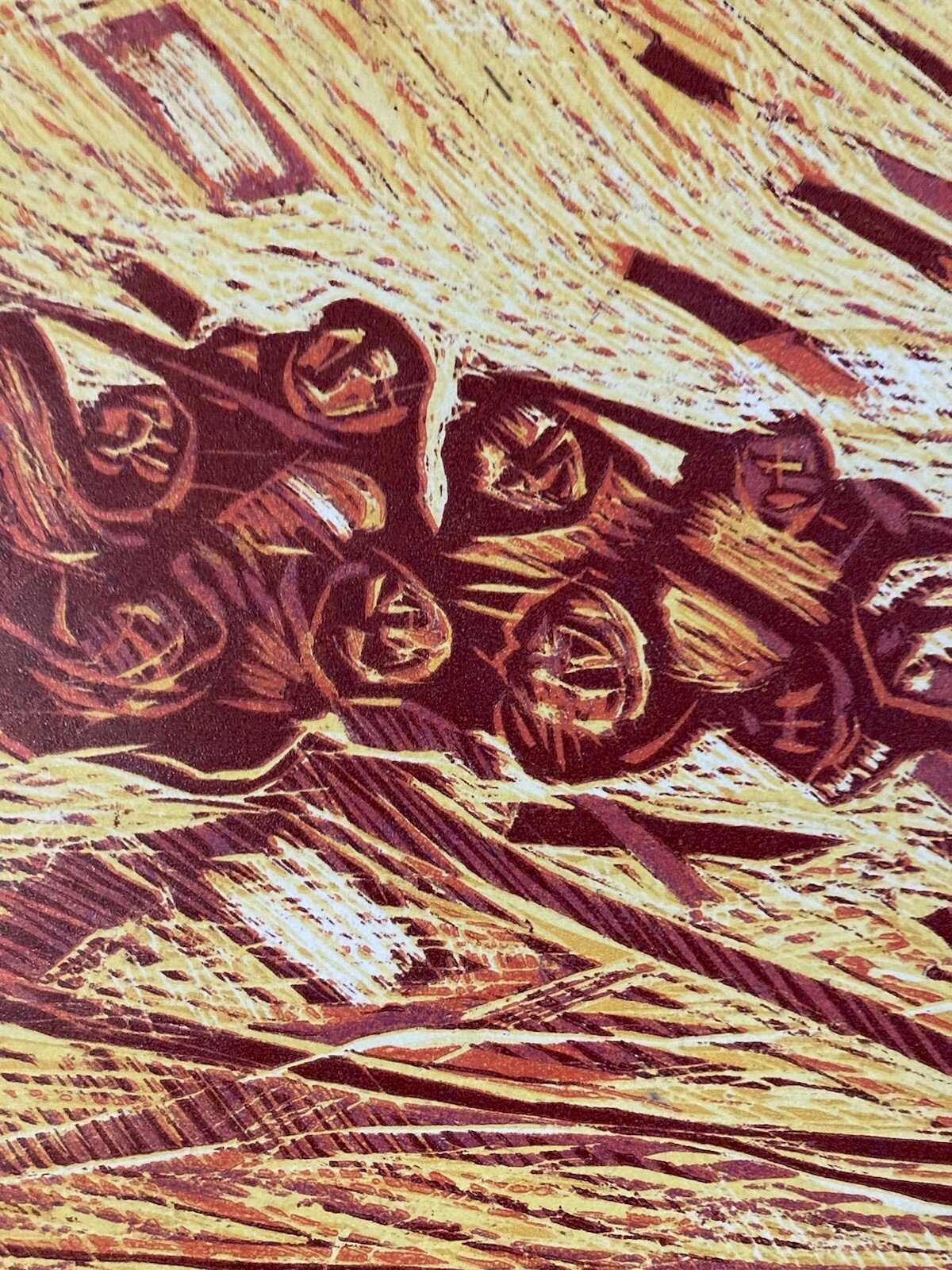
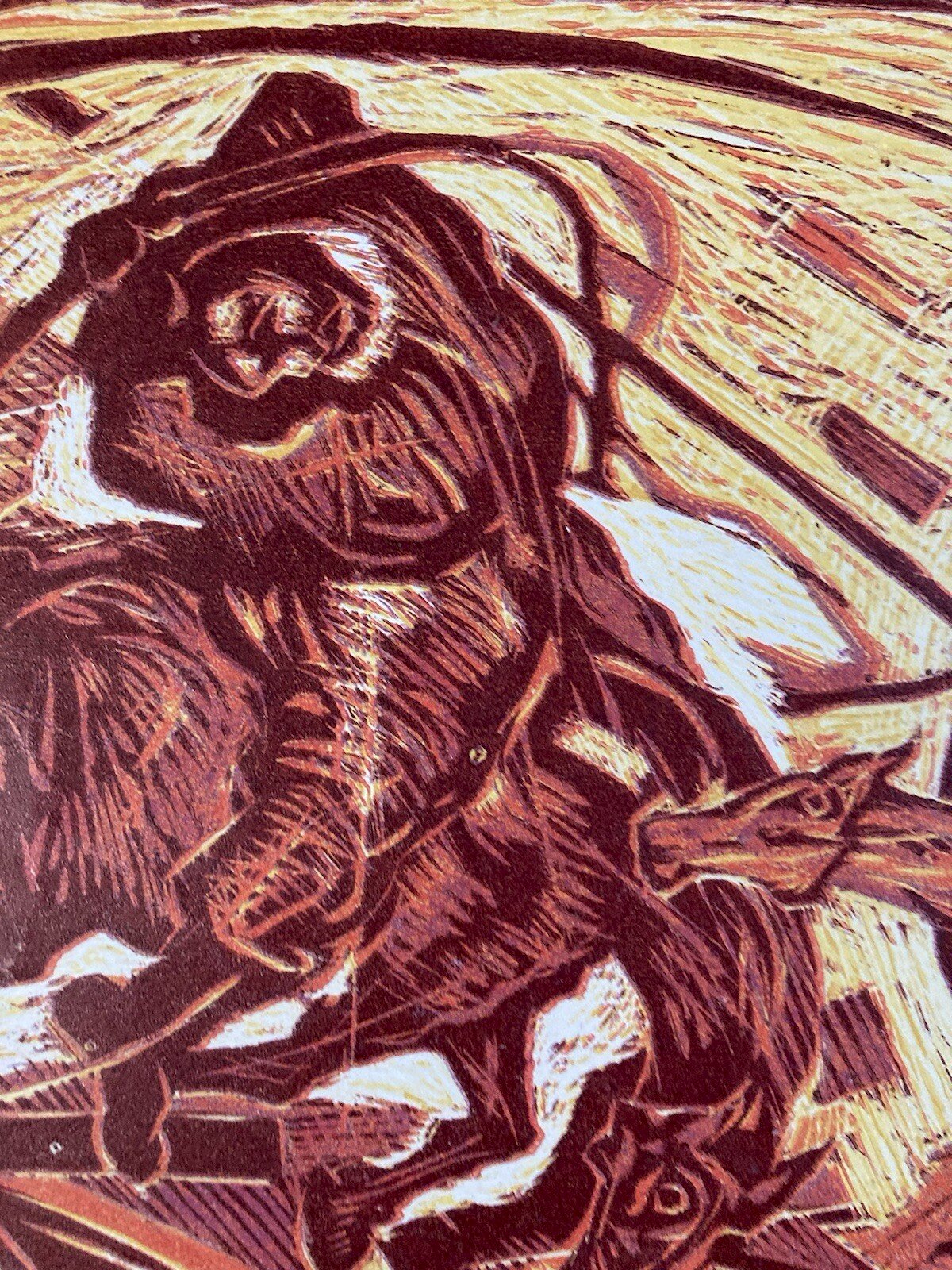
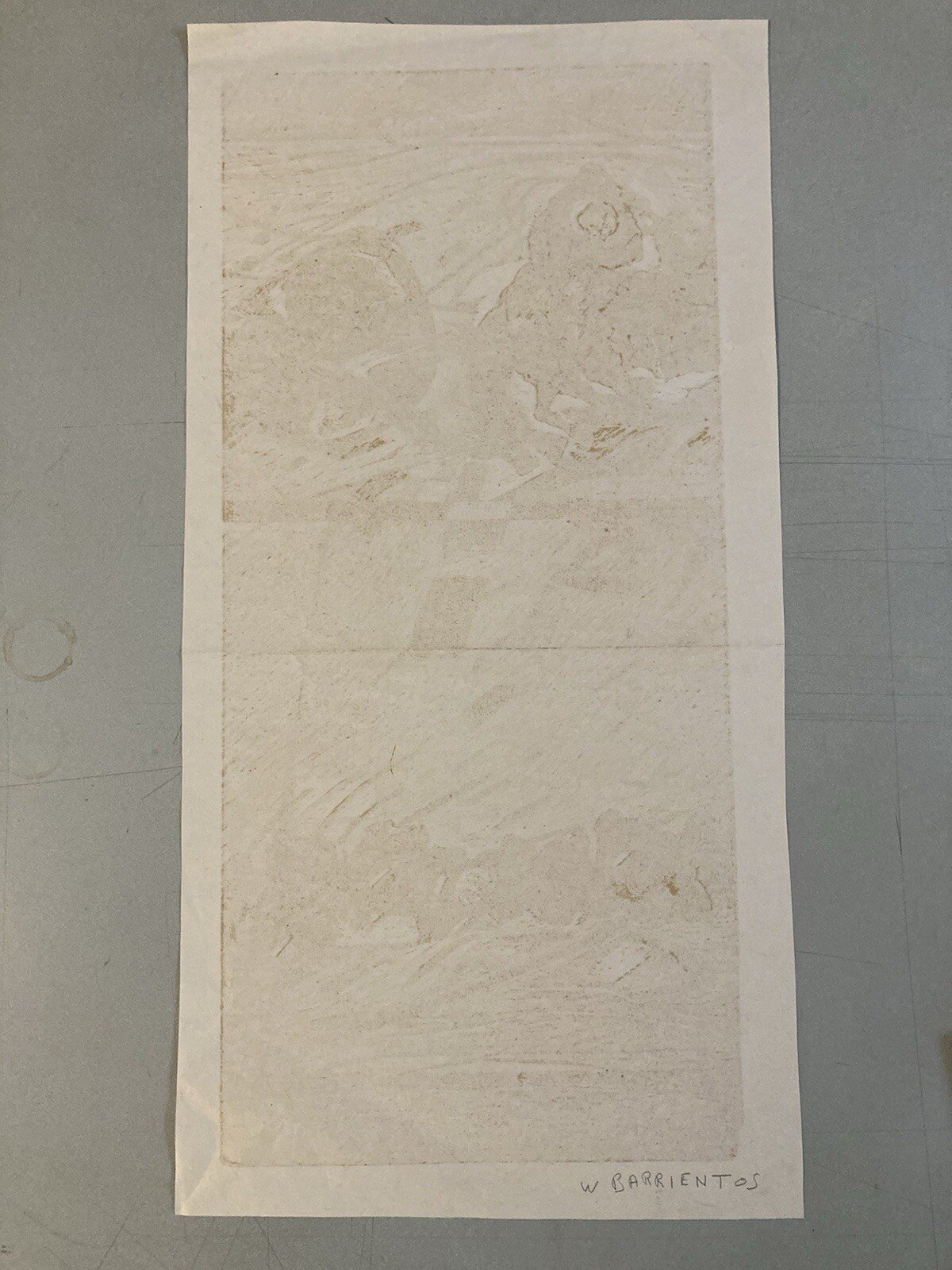
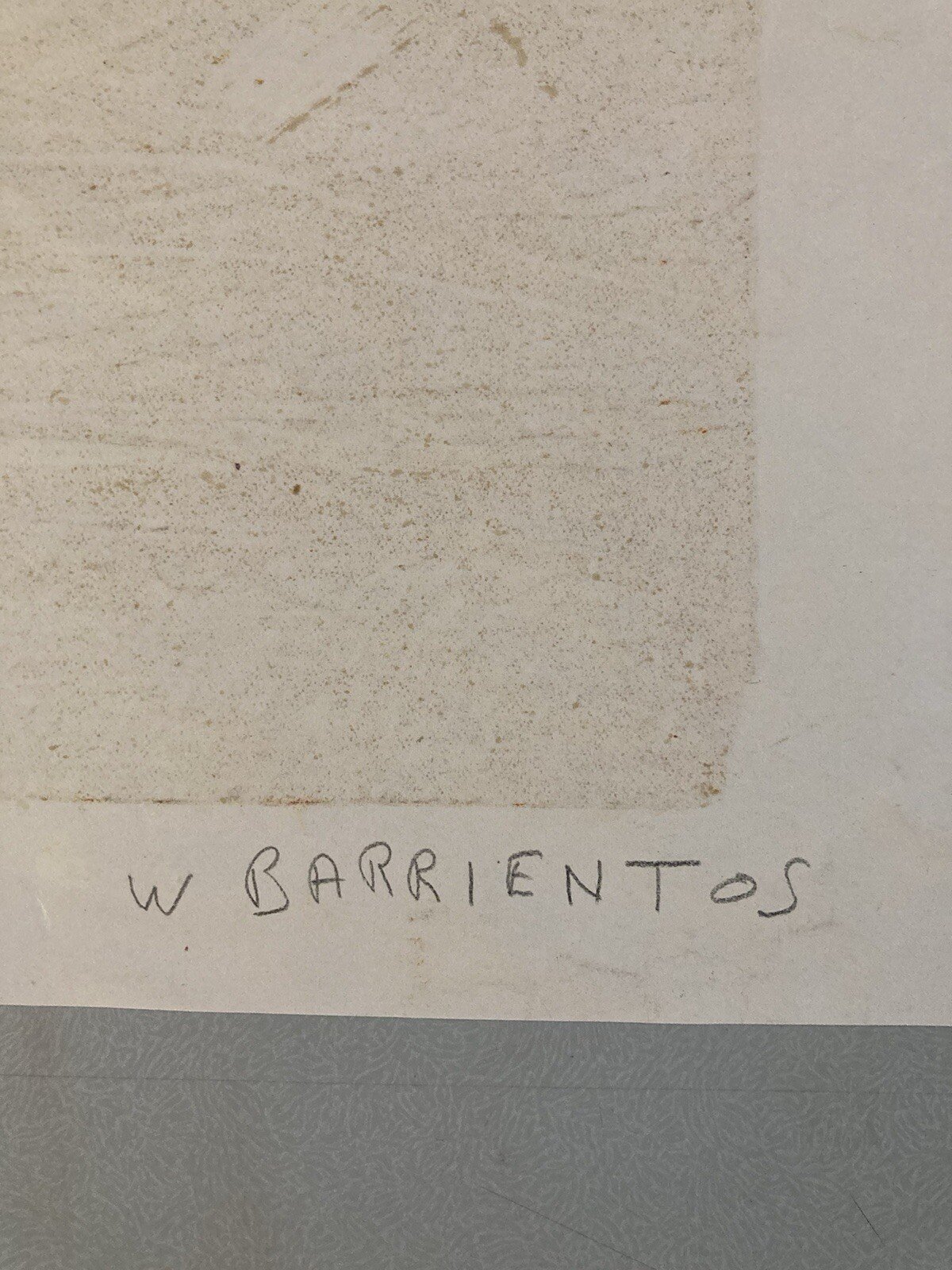
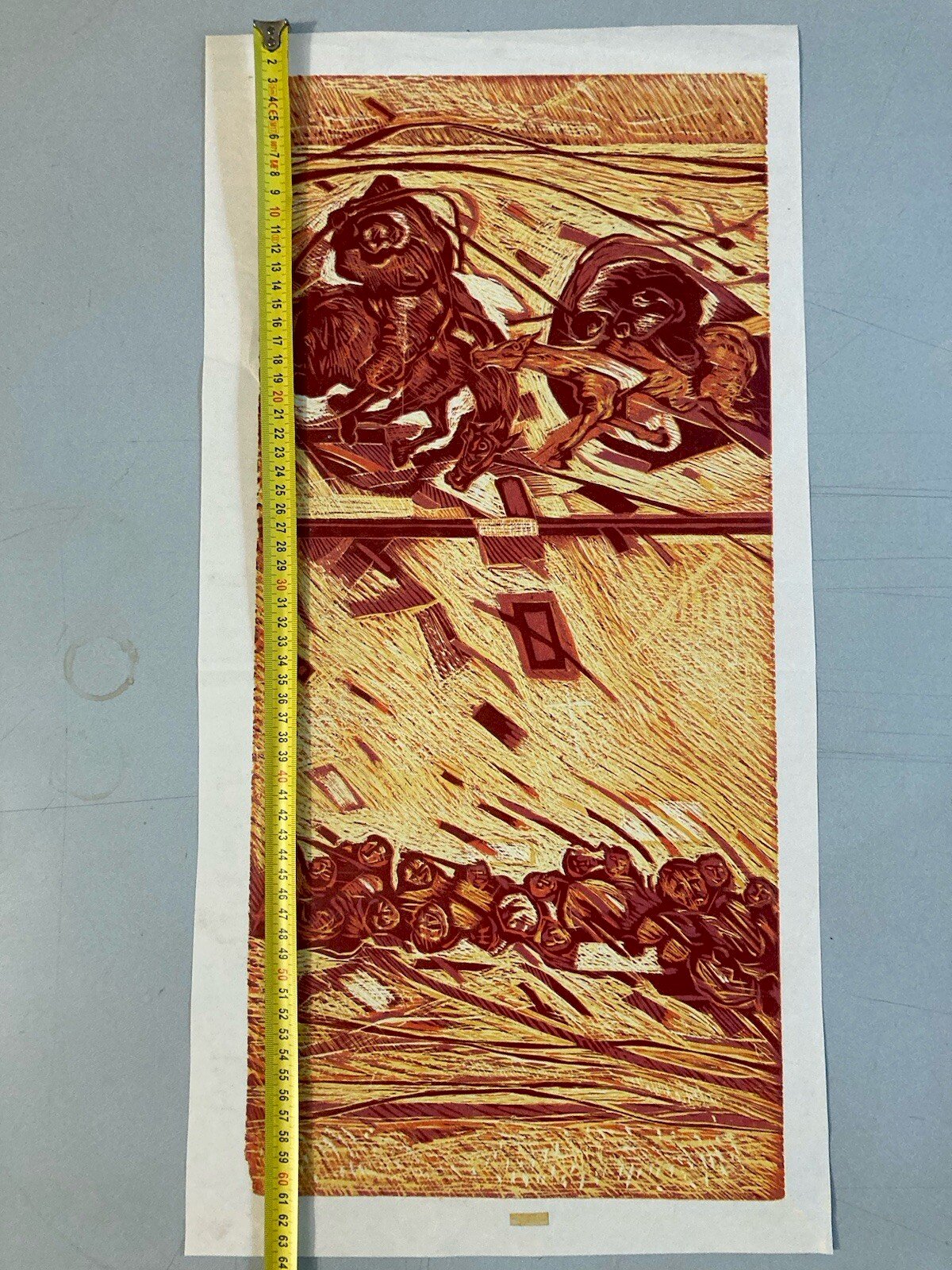
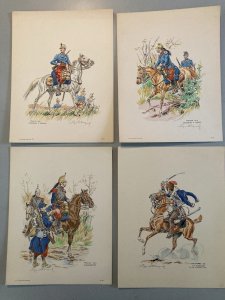
Send colissimo Generally in good condition, despite some creases and marks. See photo. Barrientos' painting is figurative and narrative: he creates dreamlike and chaotic universes, populated by human and animal figures where personal history irretrievably intersects with that of the Andean world. This work, which began in the 1980s, can be associated with the neo-expressionist movement of the same period, notably developing in Italy with Transavantgarde (Chia, Cucchi, Paladino…) and in Germany with the new German painting (Polke, Kiefer, Baselitz, Lüpertz). This movement, which is rooted in the direct legacy of Van Gogh and Picasso, was then interpreted as a reaction against conceptual art. Nothing is less certain; what defines it above all is a revaluation of the individual territory of the artist and a reappropriation of collective myths through the medium of painting. Besides his certain affinities with these European artists, Barrientos' references are above all "continental"; he enjoys citing Huaman Poma de Ayala, the first Peruvian chronicler of the 16th century, who through illustrations and narratives recounts the Spanish conquest and the fall of the Inca empire, as well as the ex-votos of Mexican Frida Kahlo.
Réf :
#400393
Related Products



Comments
Lithograph Engraving Horse Walter Barrientos Modern Art Litho Expressionism
135€
31500 Toulouse
Ce site contient des liens d’affiliation pour lesquels je peux recevoir une compensation.
Description
Send colissimo Generally in good condition, despite some creases and marks. See photo. Barrientos' painting is figurative and narrative: he creates dreamlike and chaotic universes, populated by human and animal figures where personal history irretrievably intersects with that of the Andean world. This work, which began in the 1980s, can be associated with the neo-expressionist movement of the same period, notably developing in Italy with Transavantgarde (Chia, Cucchi, Paladino…) and in Germany with the new German painting (Polke, Kiefer, Baselitz, Lüpertz). This movement, which is rooted in the direct legacy of Van Gogh and Picasso, was then interpreted as a reaction against conceptual art. Nothing is less certain; what defines it above all is a revaluation of the individual territory of the artist and a reappropriation of collective myths through the medium of painting. Besides his certain affinities with these European artists, Barrientos' references are above all "continental"; he enjoys citing Huaman Poma de Ayala, the first Peruvian chronicler of the 16th century, who through illustrations and narratives recounts the Spanish conquest and the fall of the Inca empire, as well as the ex-votos of Mexican Frida Kahlo.
Réf :
#400393