 English
 Français


Description
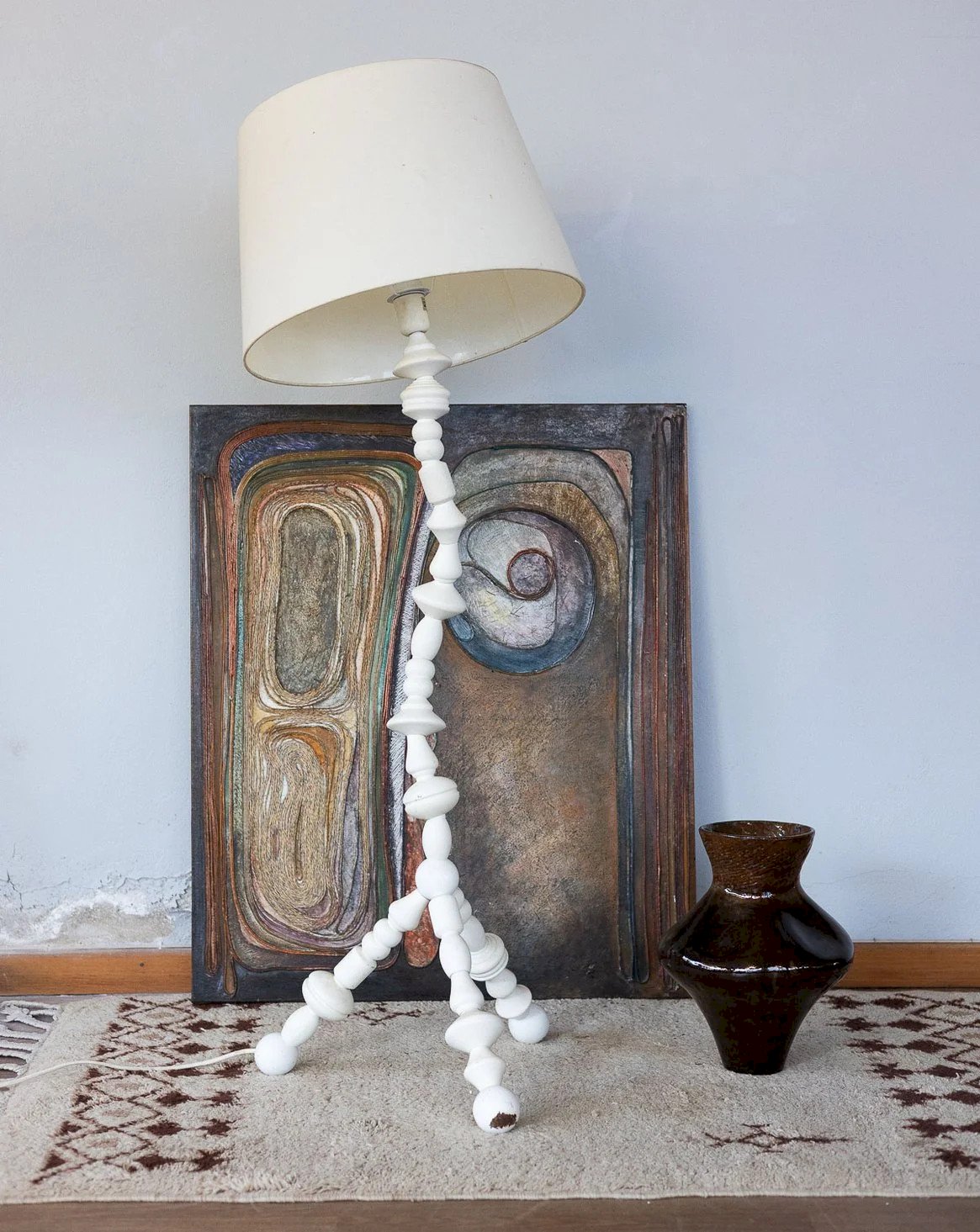
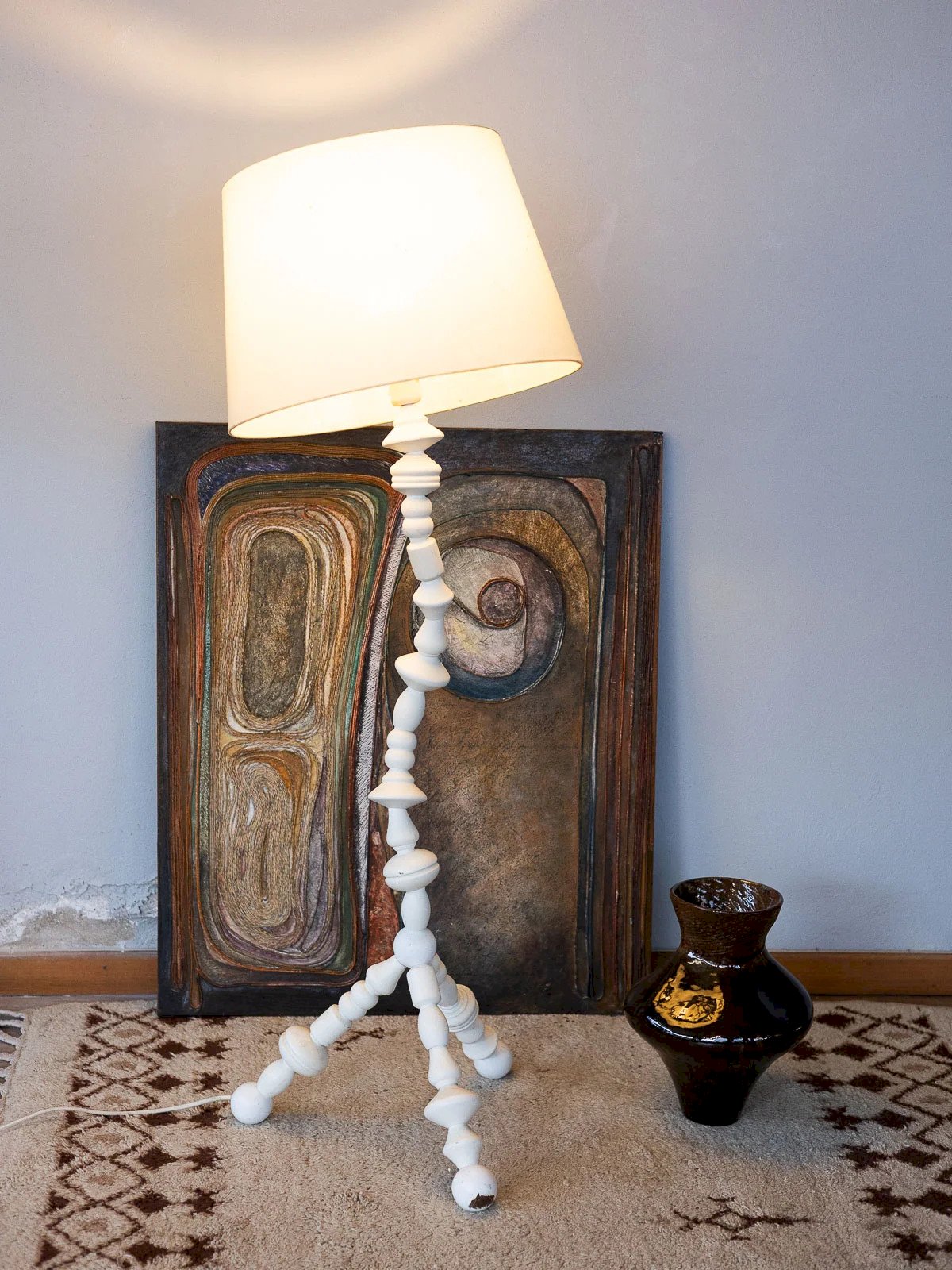
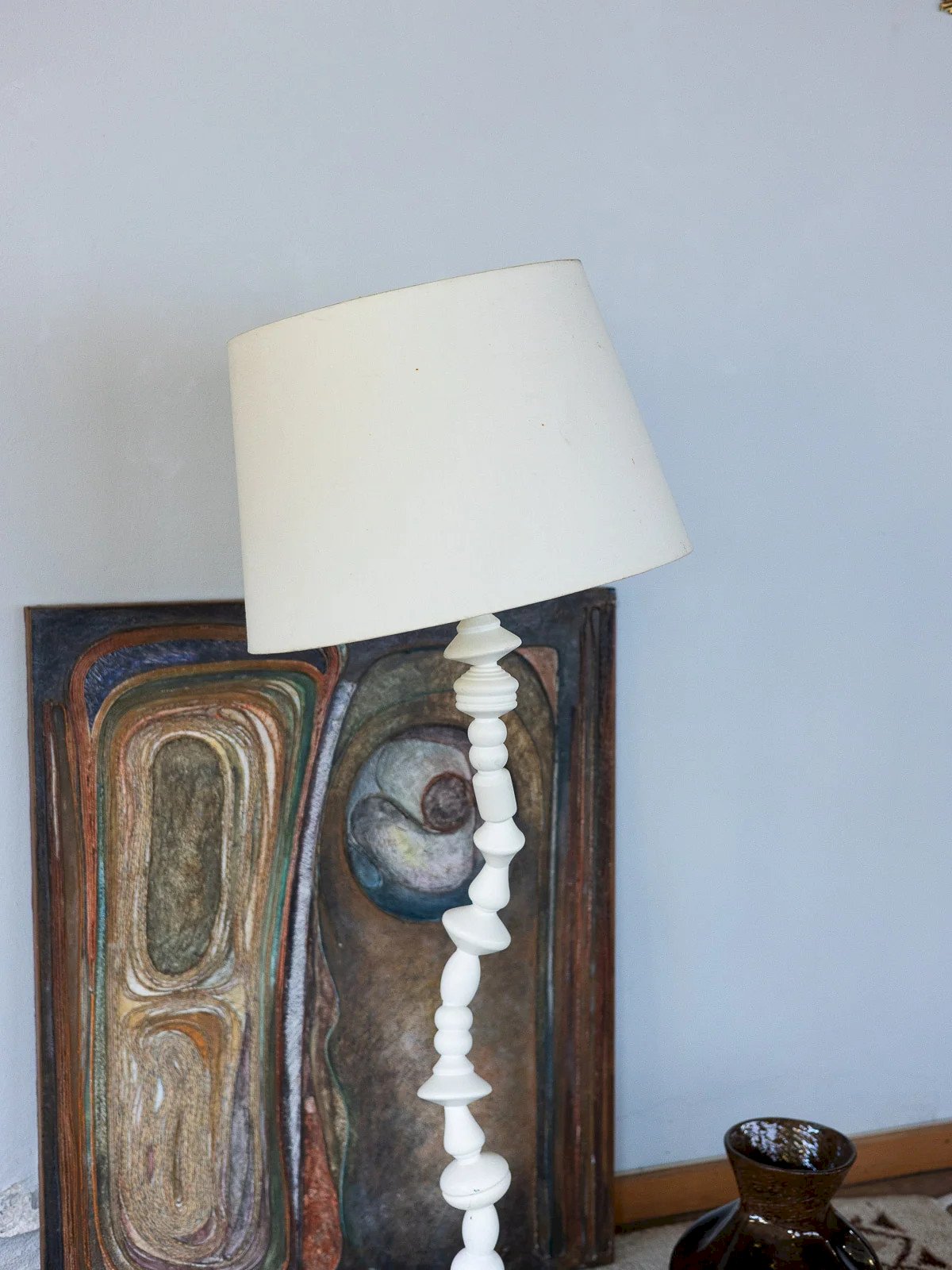
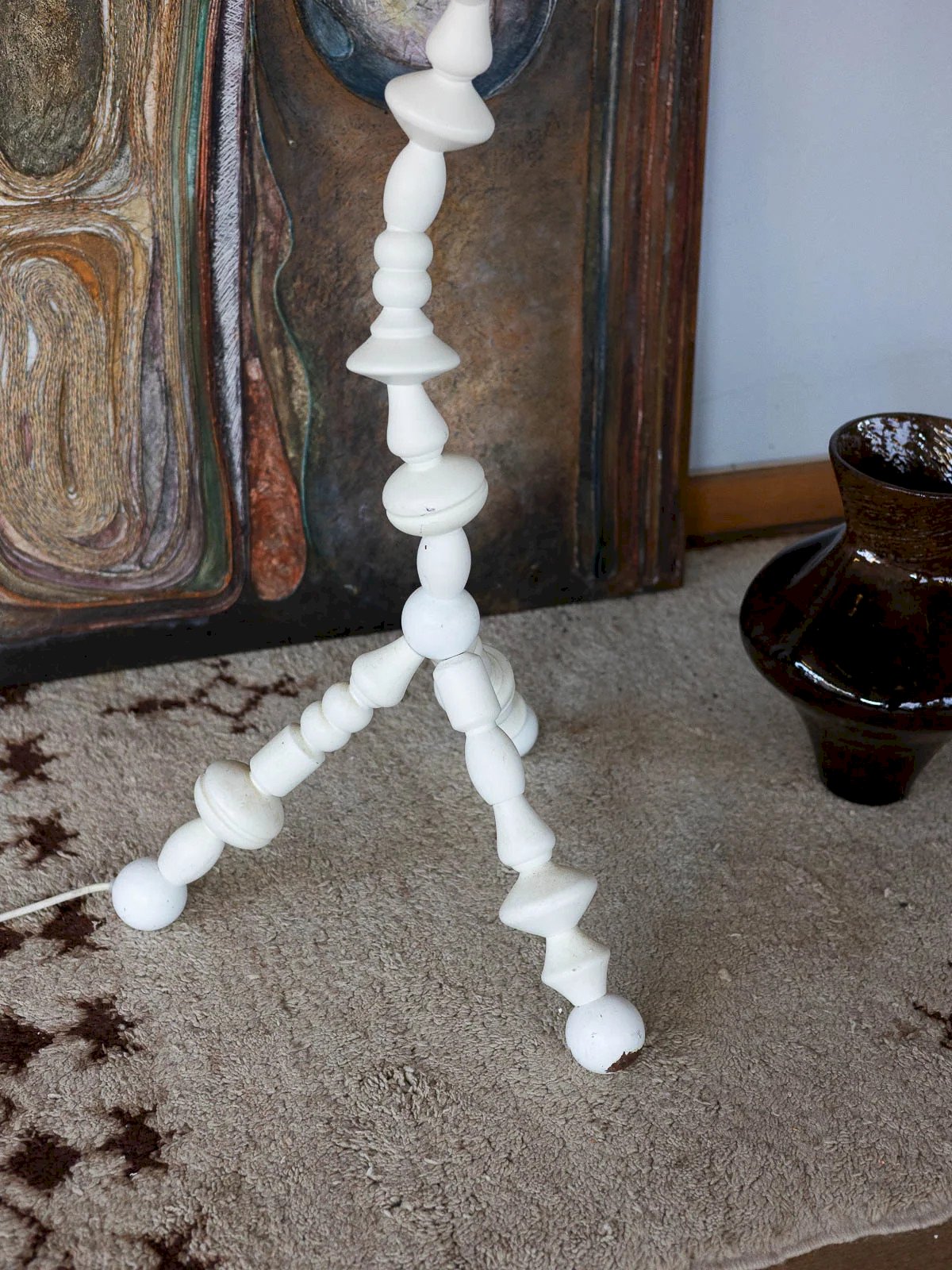
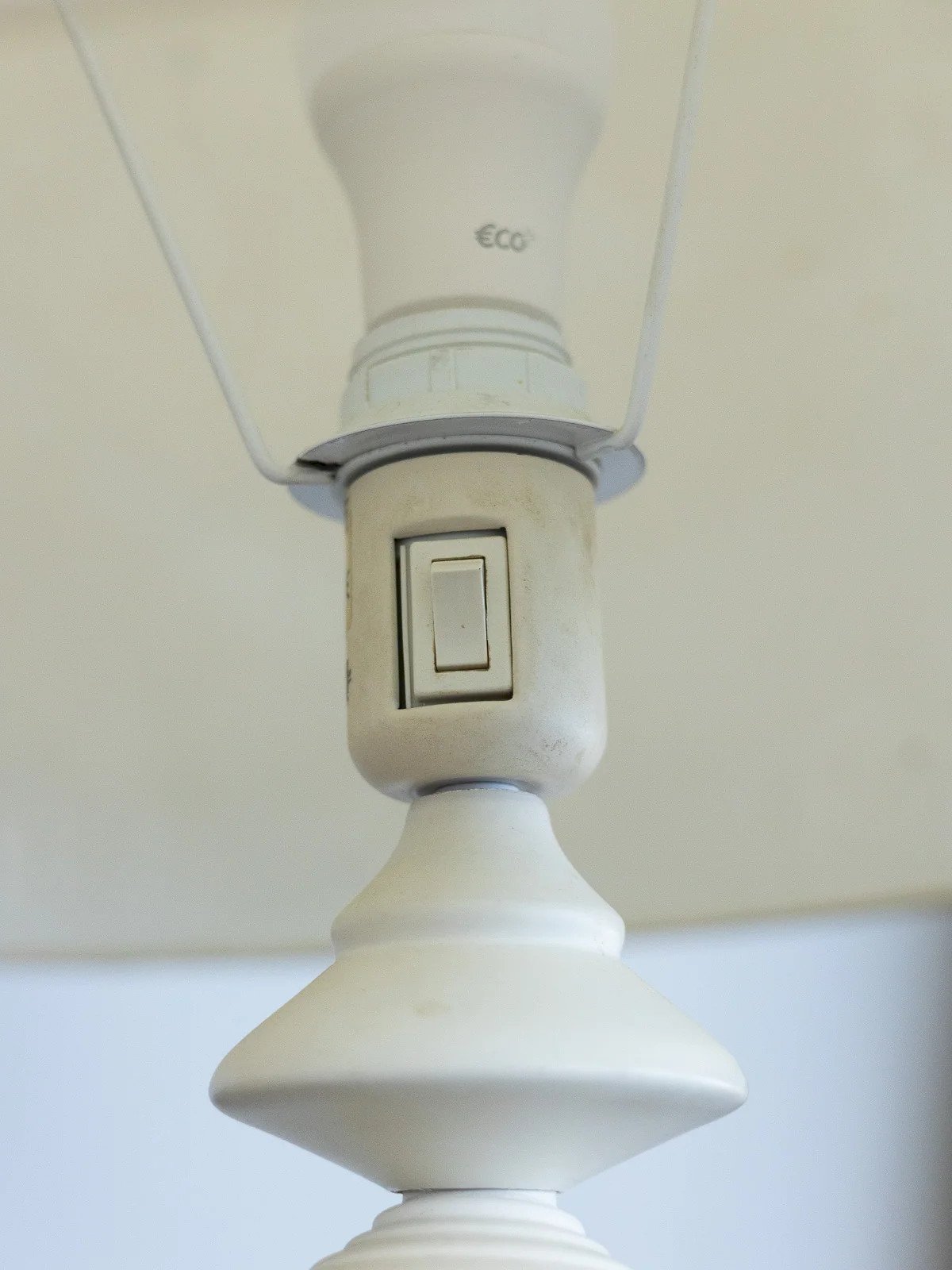
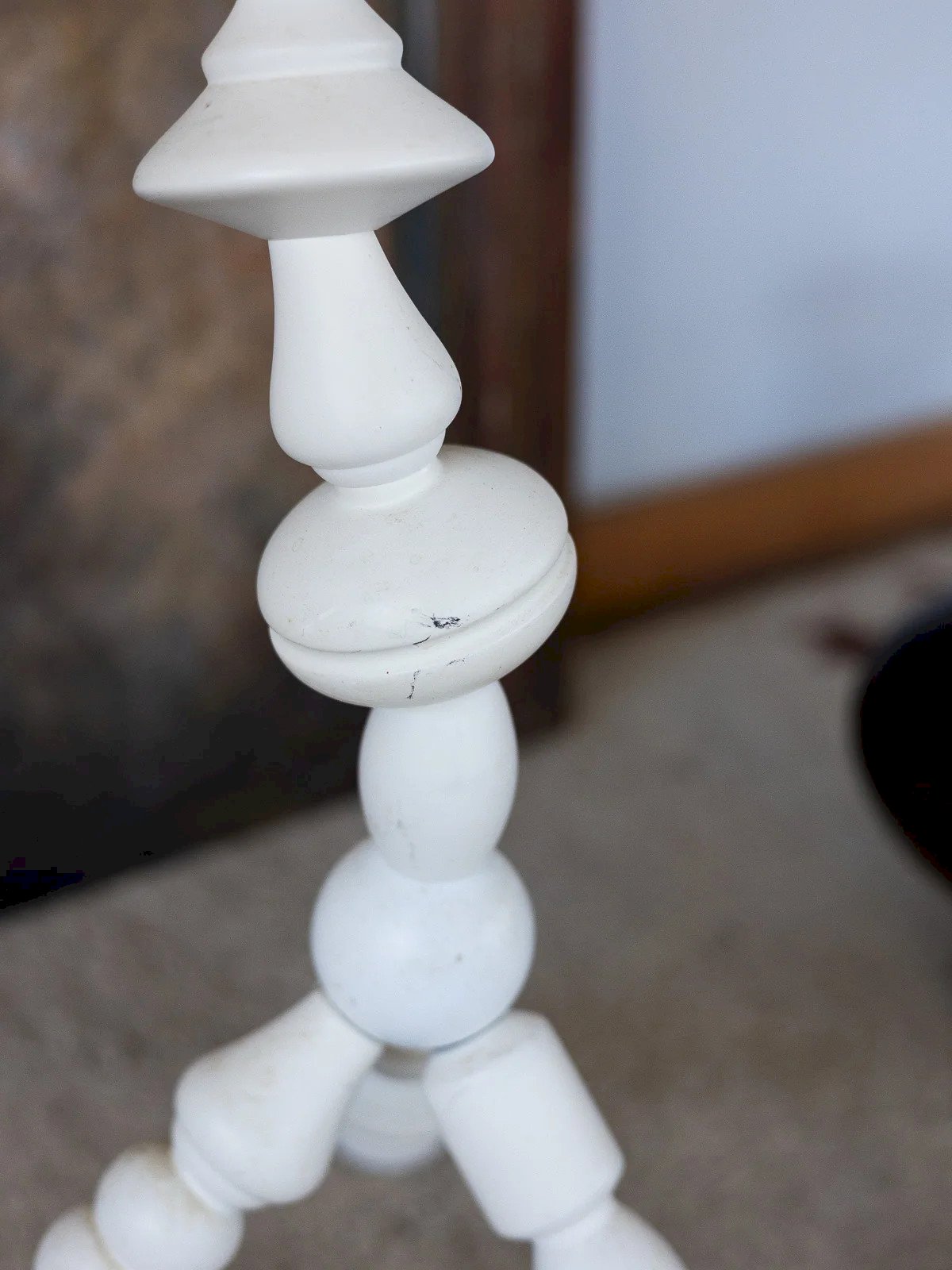
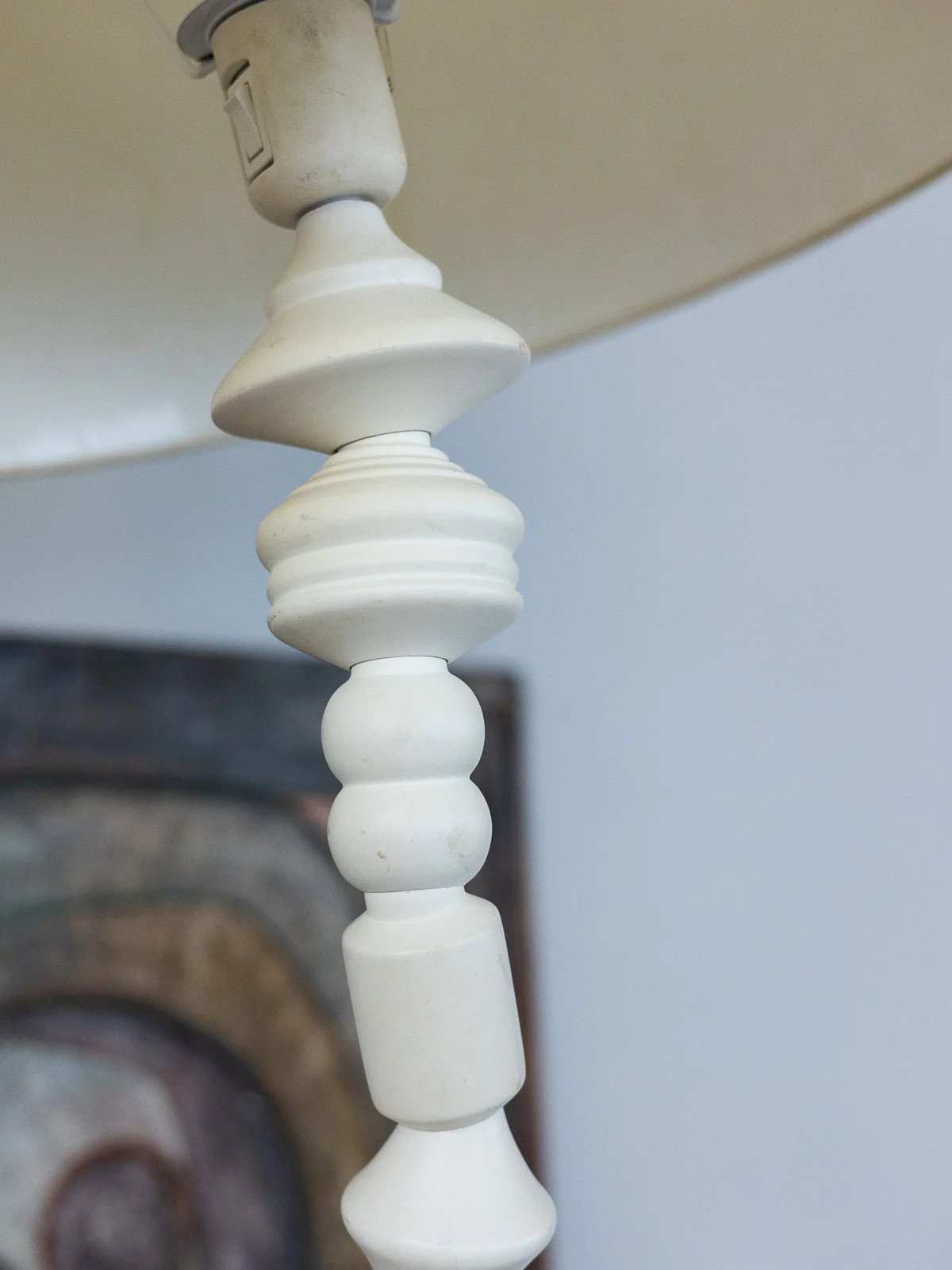
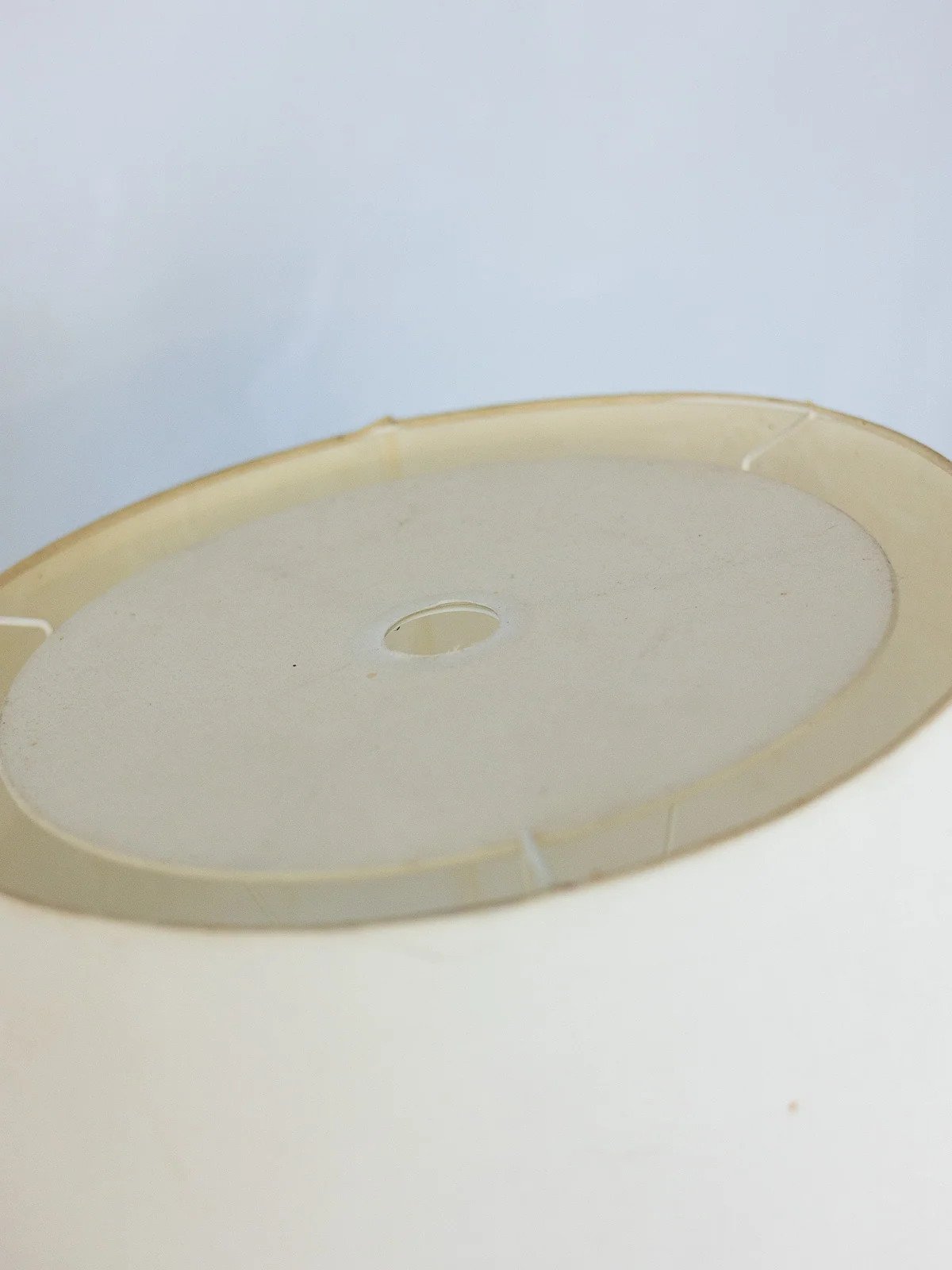
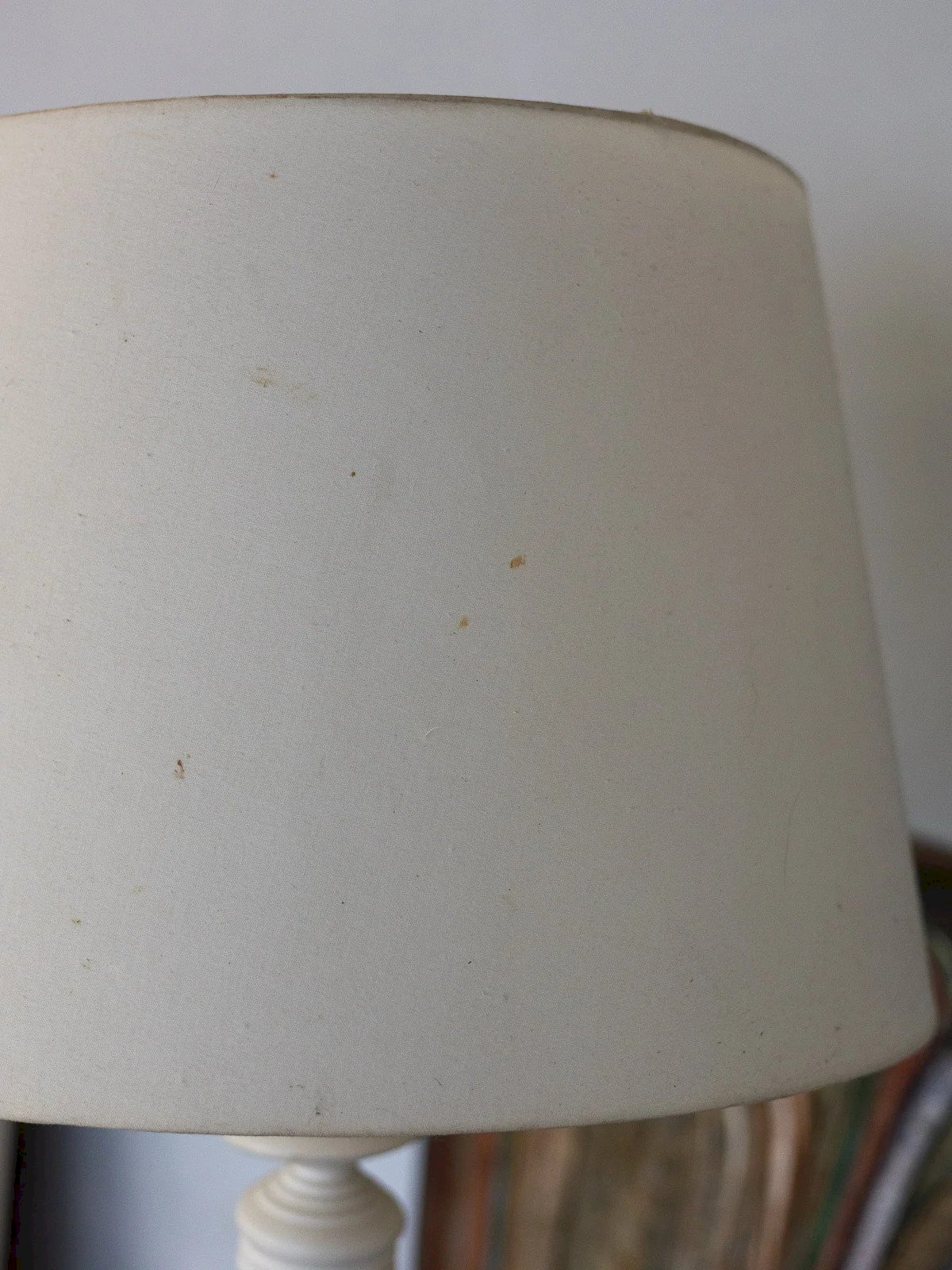
This second-hand wooden floor lamp, in a white shade, adds a contemporary and graphic touch without weighing down the overall design. Its tripod base, crafted from geometric wooden pieces, gives it a clean and structured appearance. Tall and elegant, it easily complements a living room and provides light suitable for a reading nook or the end of a sofa. Its light wood pairs well with a linen sofa, a black metal coffee table, or a textured rug. Next to a stack of books and a ceramic table lamp, it creates a simple and polished ensemble. Height: 144 cm Diameter: 47 cm A brief history of the floor lamp As a descendant of the "torch-bearing guéridons" of the 17th century, the floor lamp revolutionized lighting by moving light away from the walls, making it mobile. Its height was historically calibrated to project light precisely above a reader's shoulder, thereby avoiding casting shadows long before the invention of electricity. By the late 18th century, the advent of draft oil lamps allowed it to shine independently and steadily, becoming the central pivot in reading salons.
Réf :
#414635
Brand / From : Debongout
Related Products




Comments
Julien, the streetlamp with articulated pearls No. 446
639€
75002 Paris
Ce site contient des liens d’affiliation pour lesquels je peux recevoir une compensation.
Description
This second-hand wooden floor lamp, in a white shade, adds a contemporary and graphic touch without weighing down the overall design. Its tripod base, crafted from geometric wooden pieces, gives it a clean and structured appearance. Tall and elegant, it easily complements a living room and provides light suitable for a reading nook or the end of a sofa. Its light wood pairs well with a linen sofa, a black metal coffee table, or a textured rug. Next to a stack of books and a ceramic table lamp, it creates a simple and polished ensemble. Height: 144 cm Diameter: 47 cm A brief history of the floor lamp As a descendant of the "torch-bearing guéridons" of the 17th century, the floor lamp revolutionized lighting by moving light away from the walls, making it mobile. Its height was historically calibrated to project light precisely above a reader's shoulder, thereby avoiding casting shadows long before the invention of electricity. By the late 18th century, the advent of draft oil lamps allowed it to shine independently and steadily, becoming the central pivot in reading salons.
Réf :
#414635
Brand / From : Debongout