 English
 Français


Description
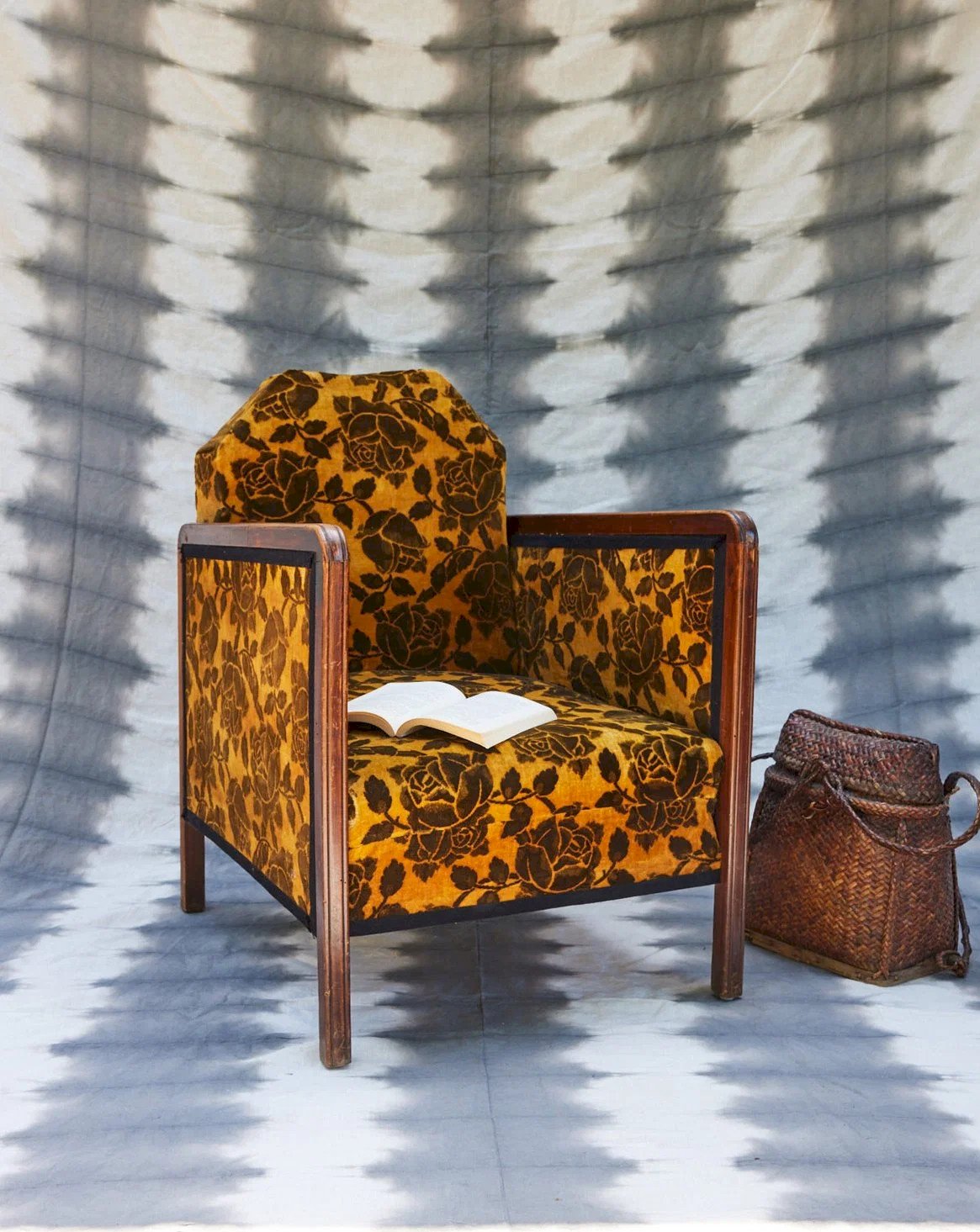
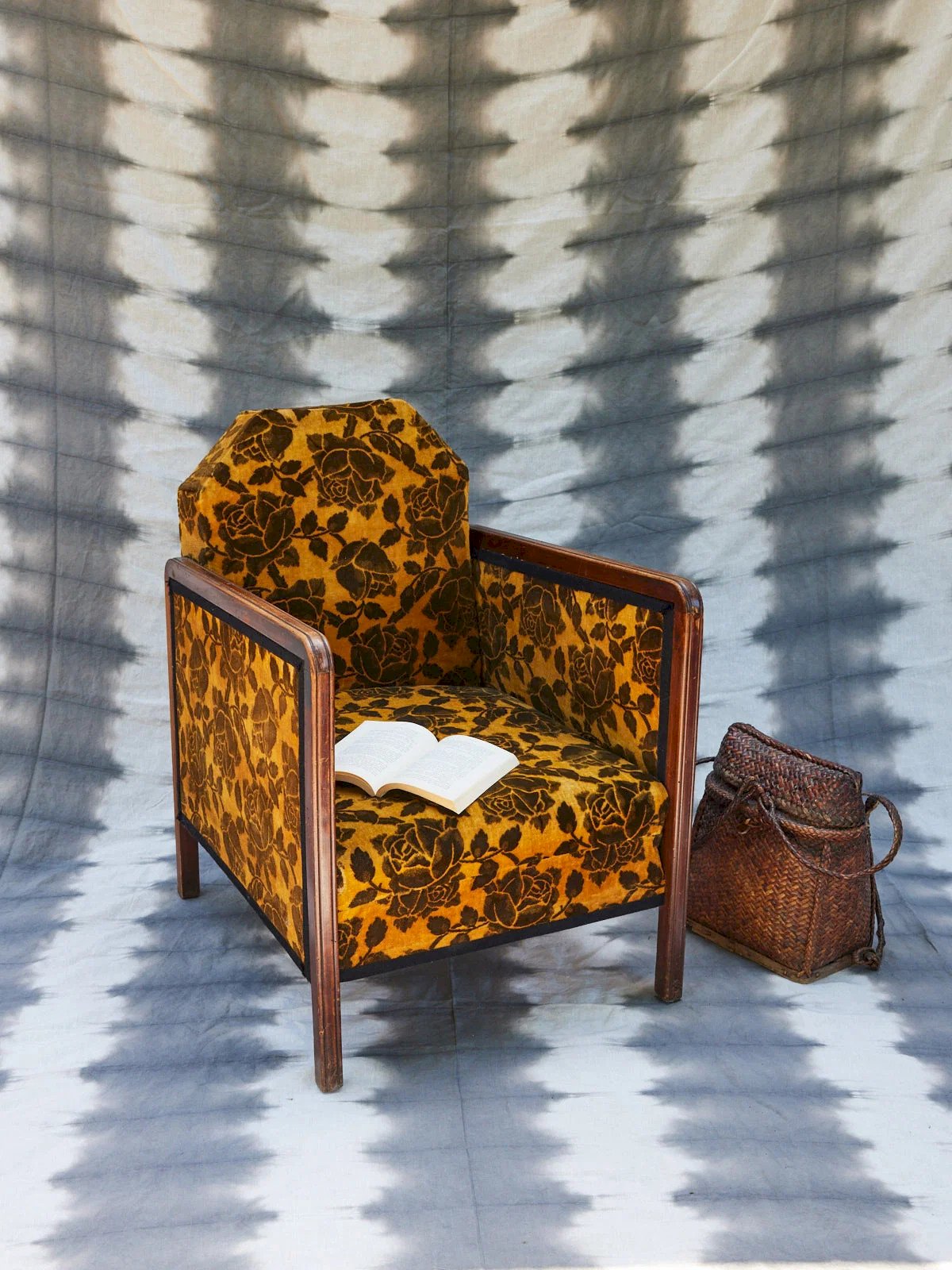
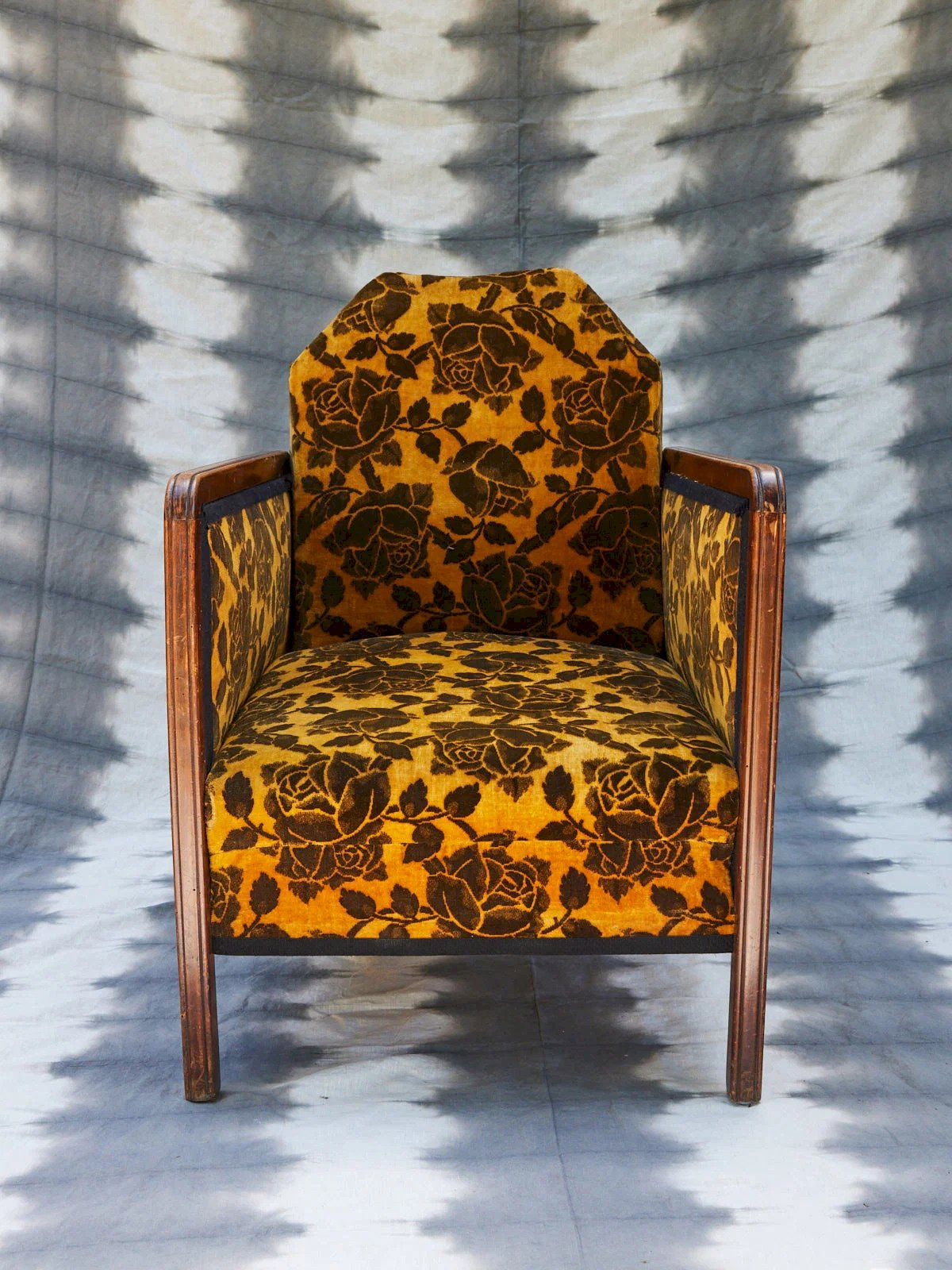
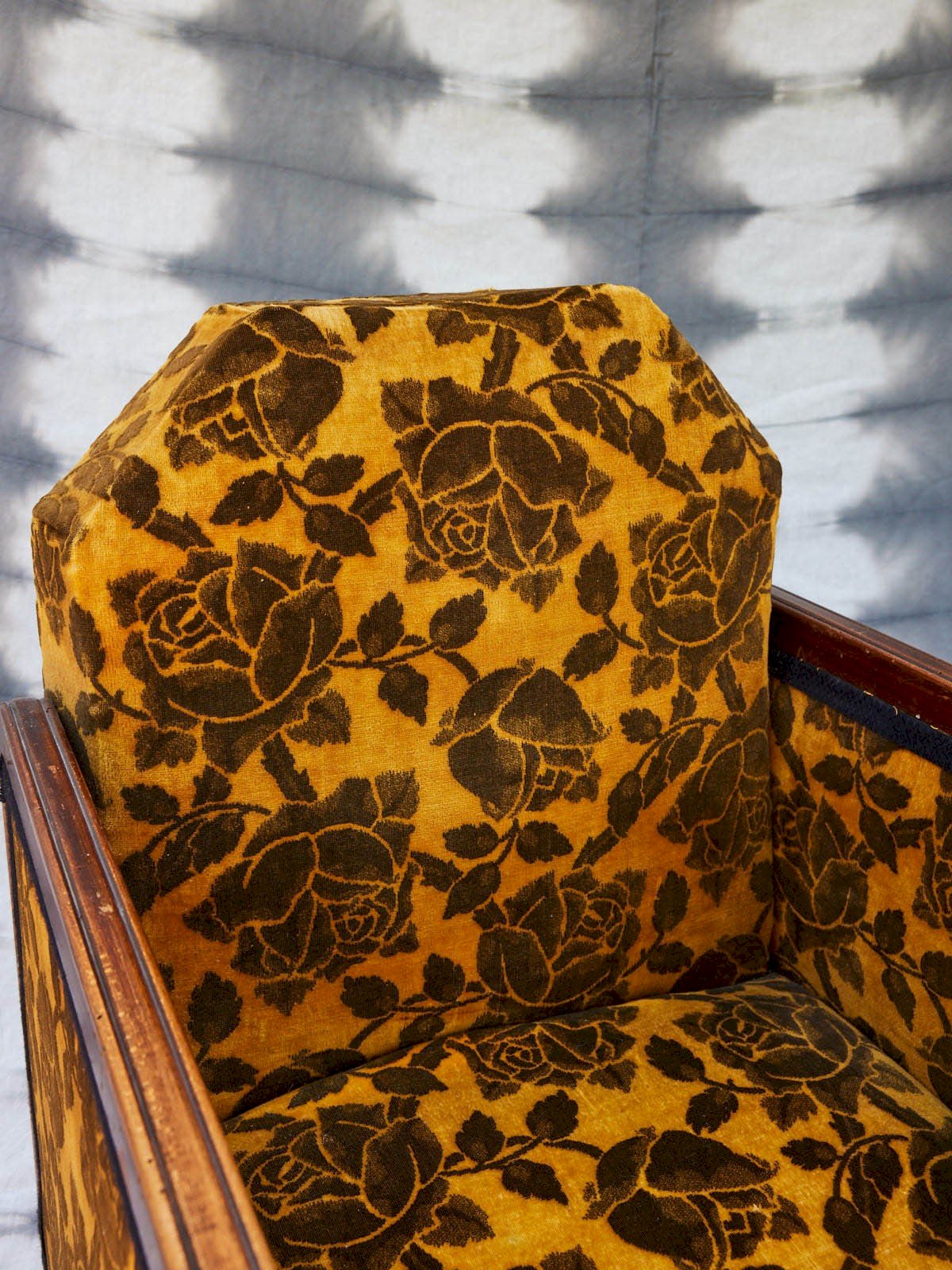
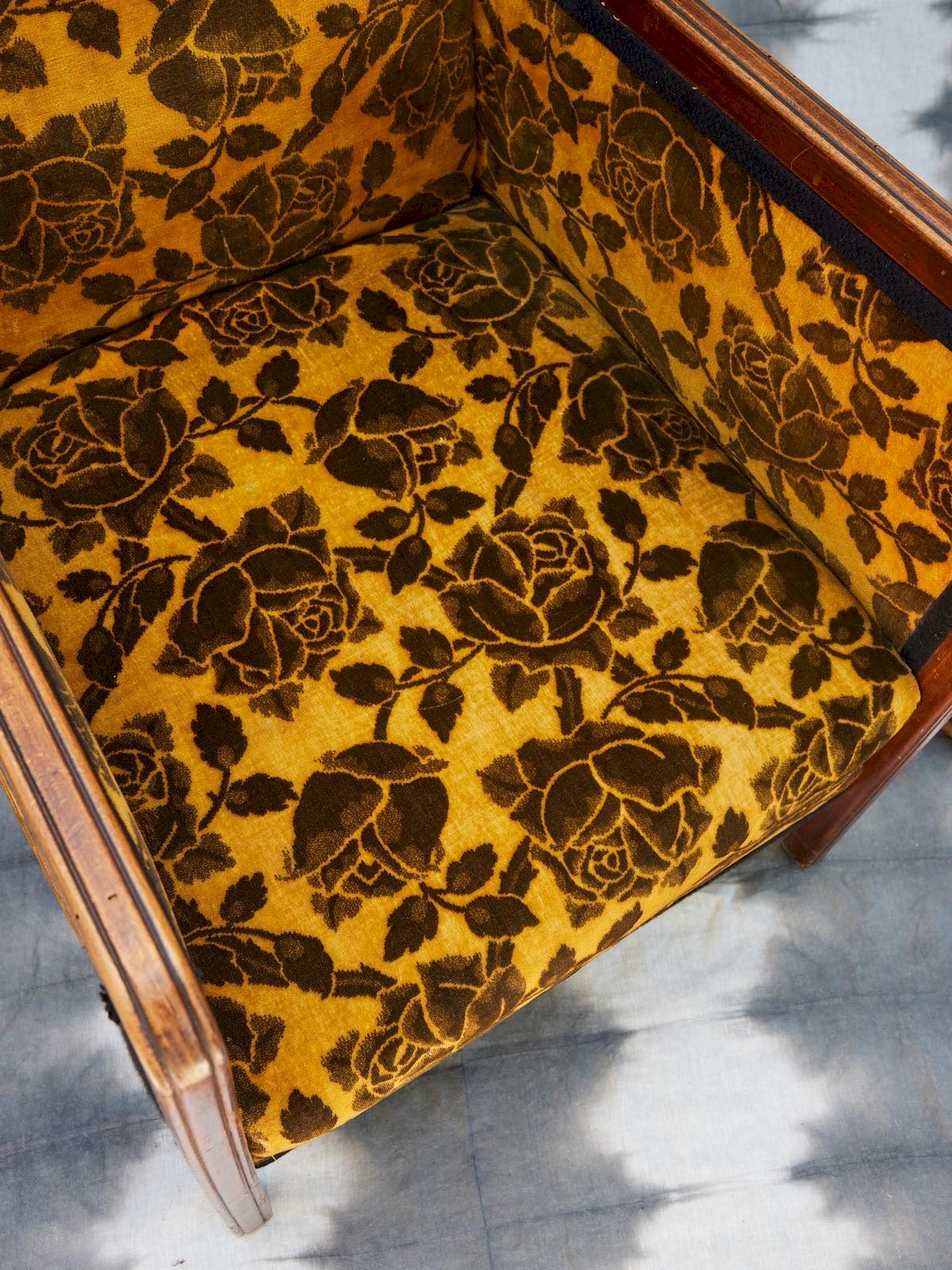
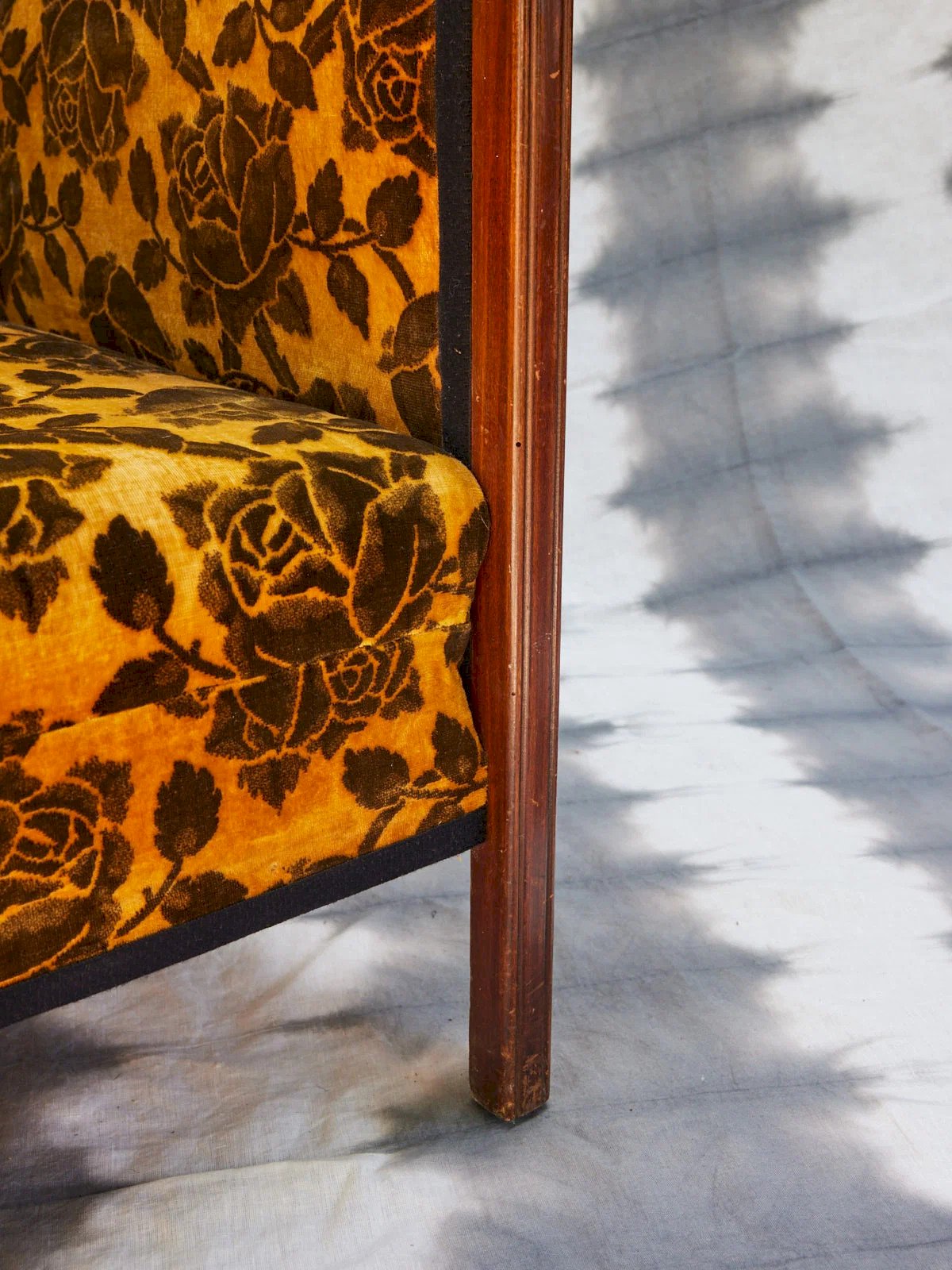
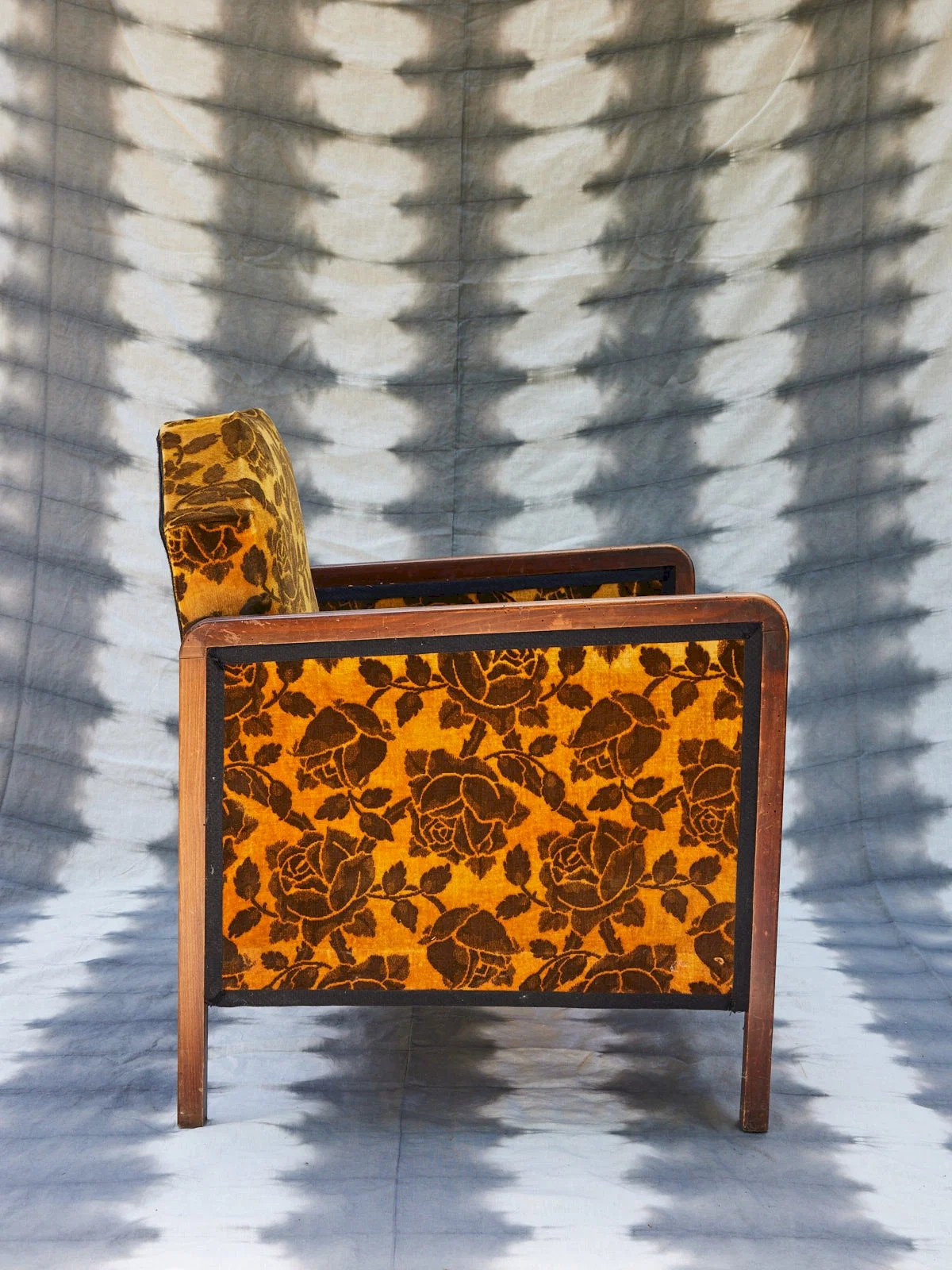
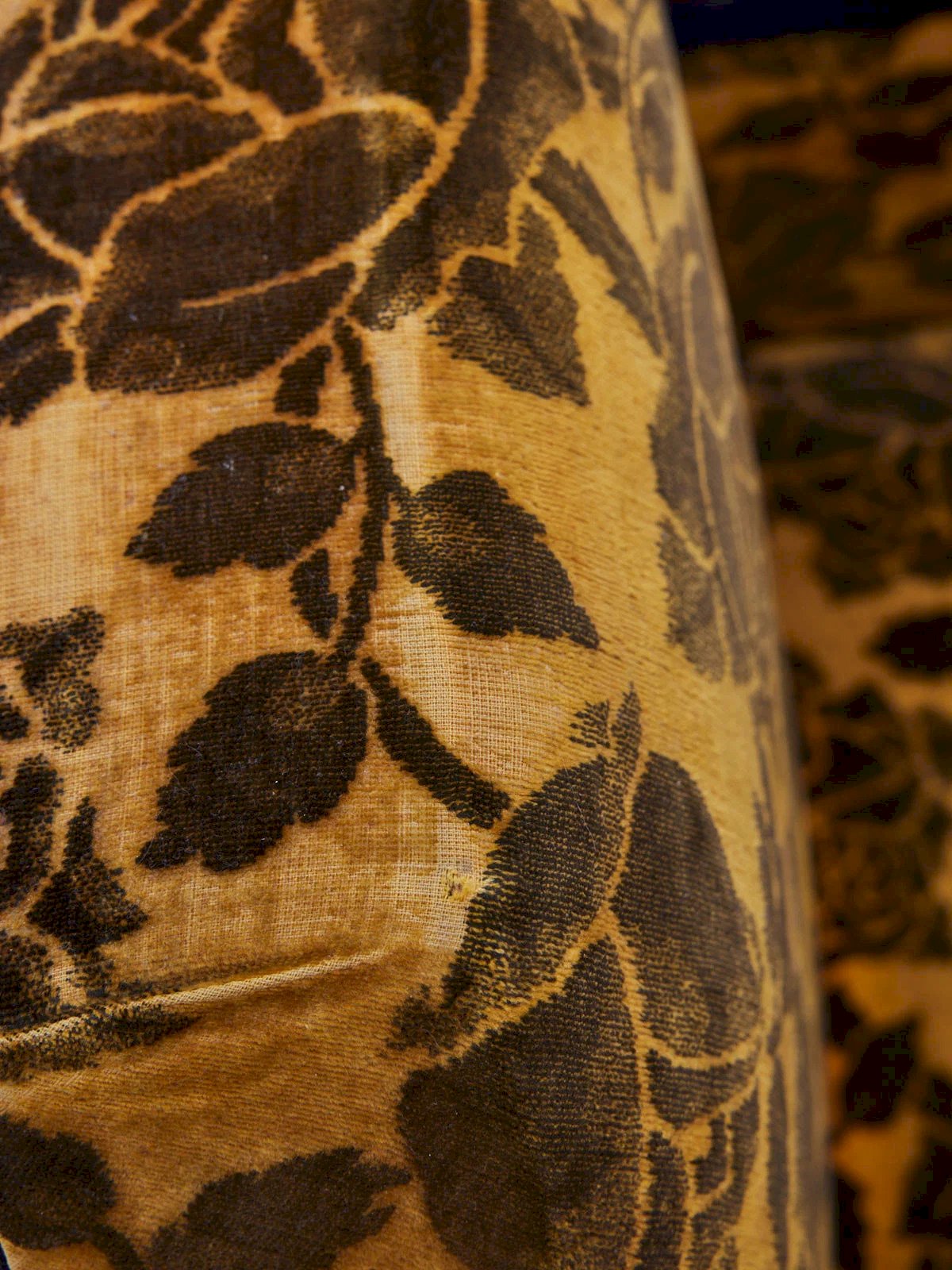
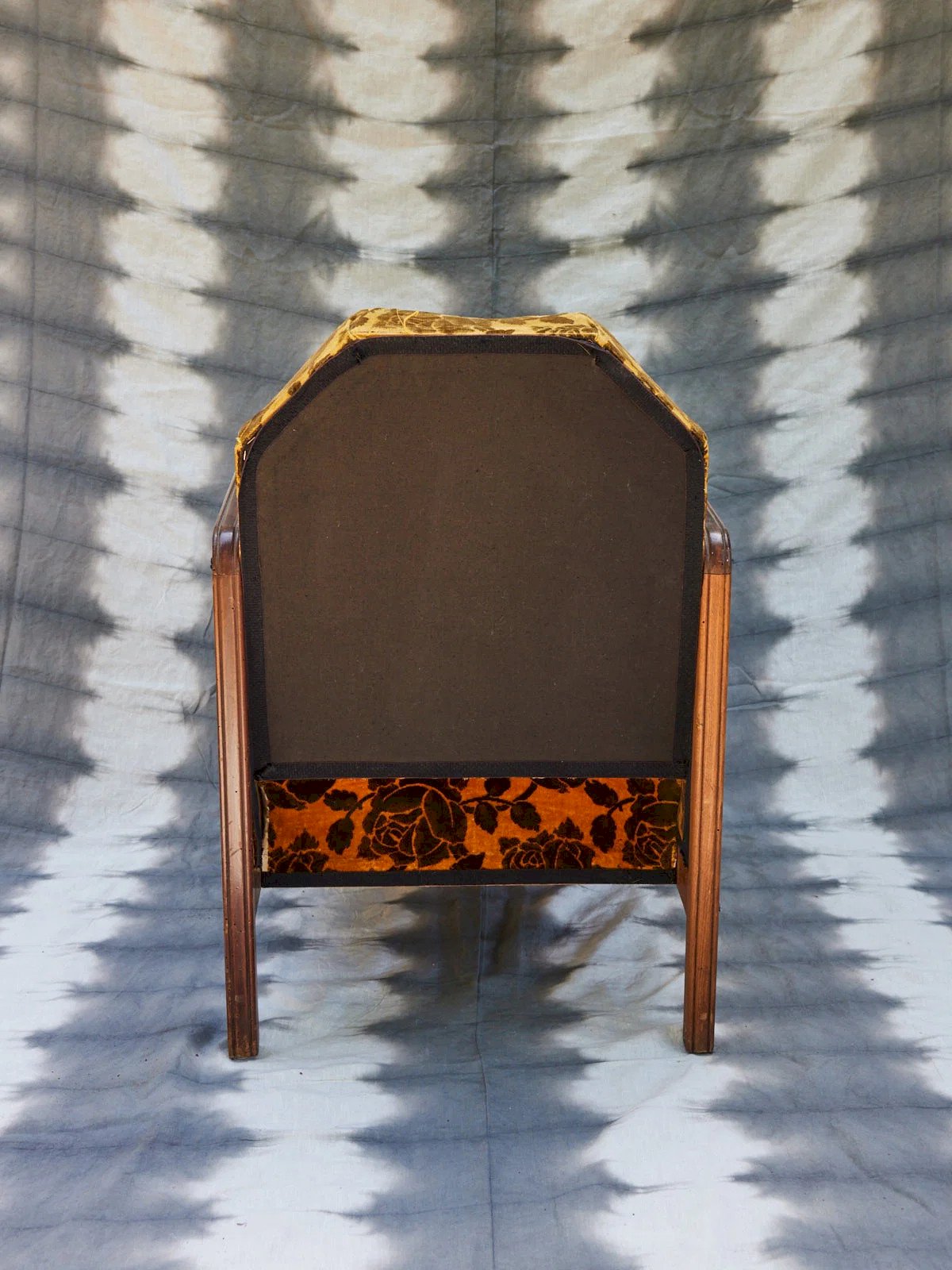
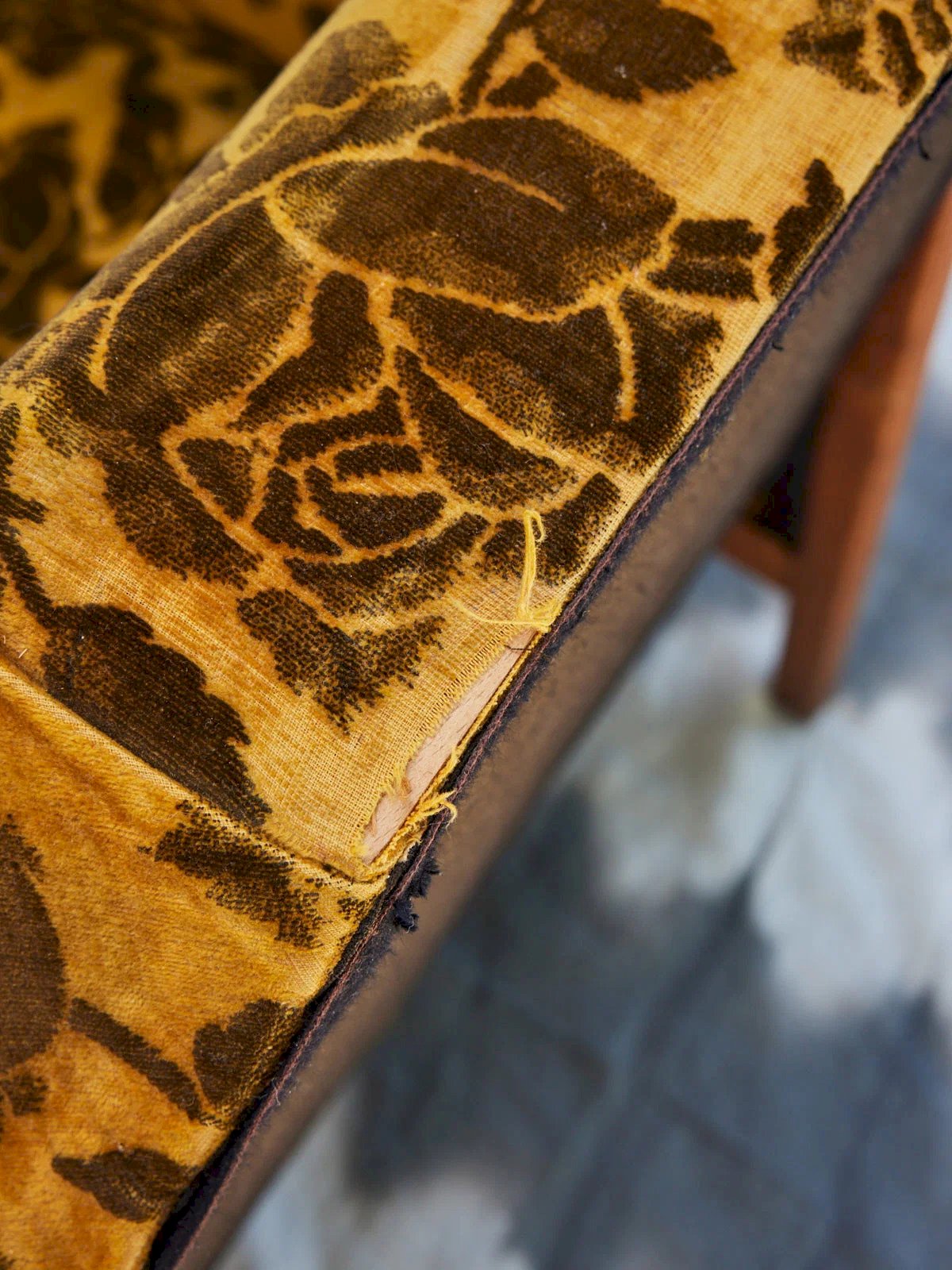
Add a touch of elegance and history to your interior with this set of two Art Deco armchairs from the 1930s. Their original fabric in ochre and chocolate velvet, featuring an iconic and delicate floral pattern, reflects the refinement of this era and brings a vintage atmosphere to your living room. These unique pieces can be kept in their original condition or refurbished to suit your style. Some signs of aging add to their charm, revealing a story with each seat. Length: 57 cm Width: 50 cm Height: 84 cm Seat height: 36 cm Seat width: 57 cm Seat depth: 50 cm A brief history of the armchair If the chair is made for work or dining, the armchair was born in the 17th century with a singular mission: rest. Its name derives from the Old French "faudesteuil," a folding seat for dignitaries, but it emancipated itself under Louis XV to become this comfortable piece of furniture equipped with armrests. Unlike the chair, it favors a wider seat and a reclined backrest, inviting conversation rather than a stiff posture. Whether it is a "bergère" with full cheeks to shield against drafts or a lighter "bridge" chair, it embodies the evolution of the art of living.
Réf :
#412609
Brand / From : Debongout
Related Products




Comments
Jakob, the original Art Deco armchair pair No. 1295
1 689€
75002 Paris
Ce site contient des liens d’affiliation pour lesquels je peux recevoir une compensation.
Description
Add a touch of elegance and history to your interior with this set of two Art Deco armchairs from the 1930s. Their original fabric in ochre and chocolate velvet, featuring an iconic and delicate floral pattern, reflects the refinement of this era and brings a vintage atmosphere to your living room. These unique pieces can be kept in their original condition or refurbished to suit your style. Some signs of aging add to their charm, revealing a story with each seat. Length: 57 cm Width: 50 cm Height: 84 cm Seat height: 36 cm Seat width: 57 cm Seat depth: 50 cm A brief history of the armchair If the chair is made for work or dining, the armchair was born in the 17th century with a singular mission: rest. Its name derives from the Old French "faudesteuil," a folding seat for dignitaries, but it emancipated itself under Louis XV to become this comfortable piece of furniture equipped with armrests. Unlike the chair, it favors a wider seat and a reclined backrest, inviting conversation rather than a stiff posture. Whether it is a "bergère" with full cheeks to shield against drafts or a lighter "bridge" chair, it embodies the evolution of the art of living.
Réf :
#412609
Brand / From : Debongout