 English
 Français


Description
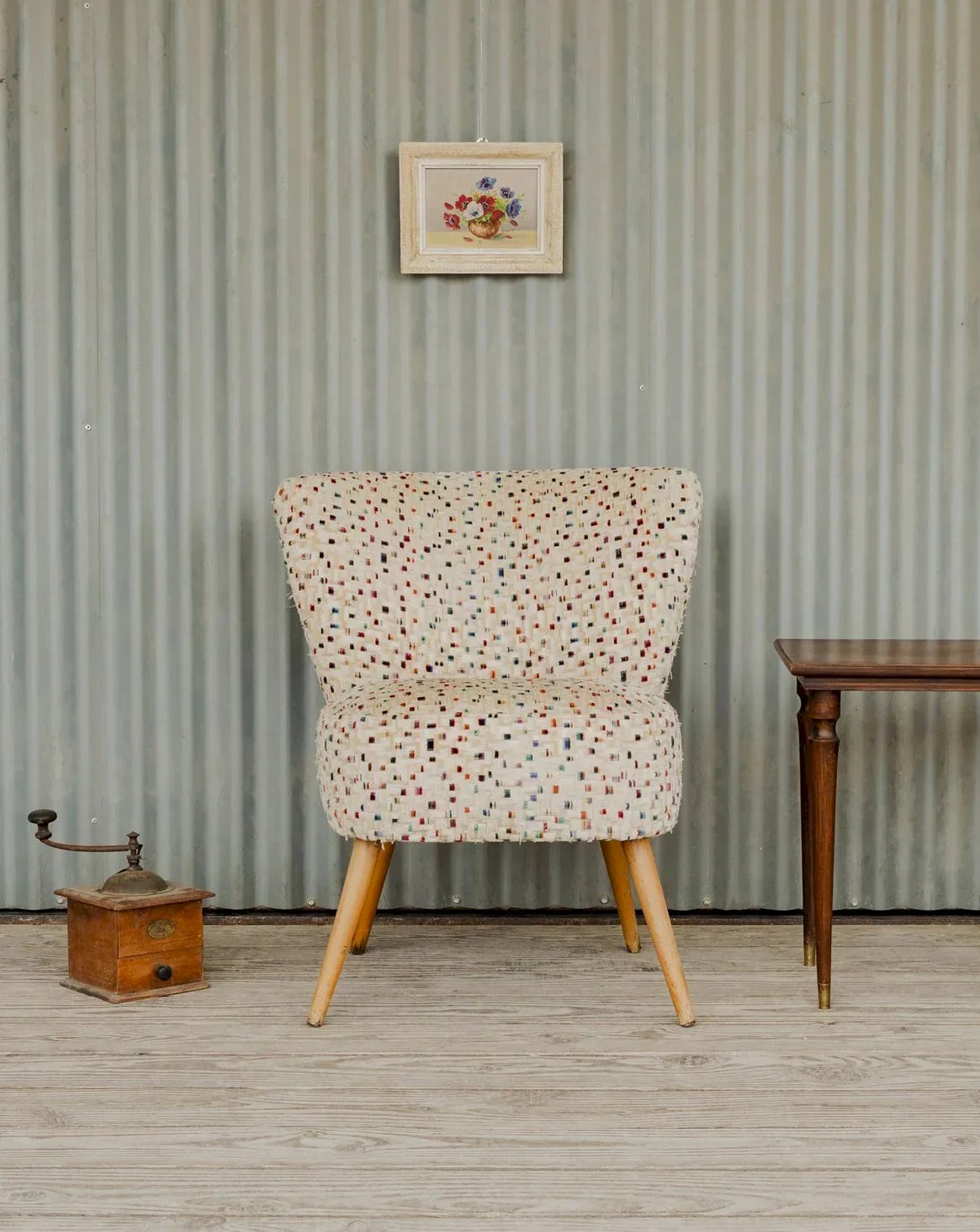
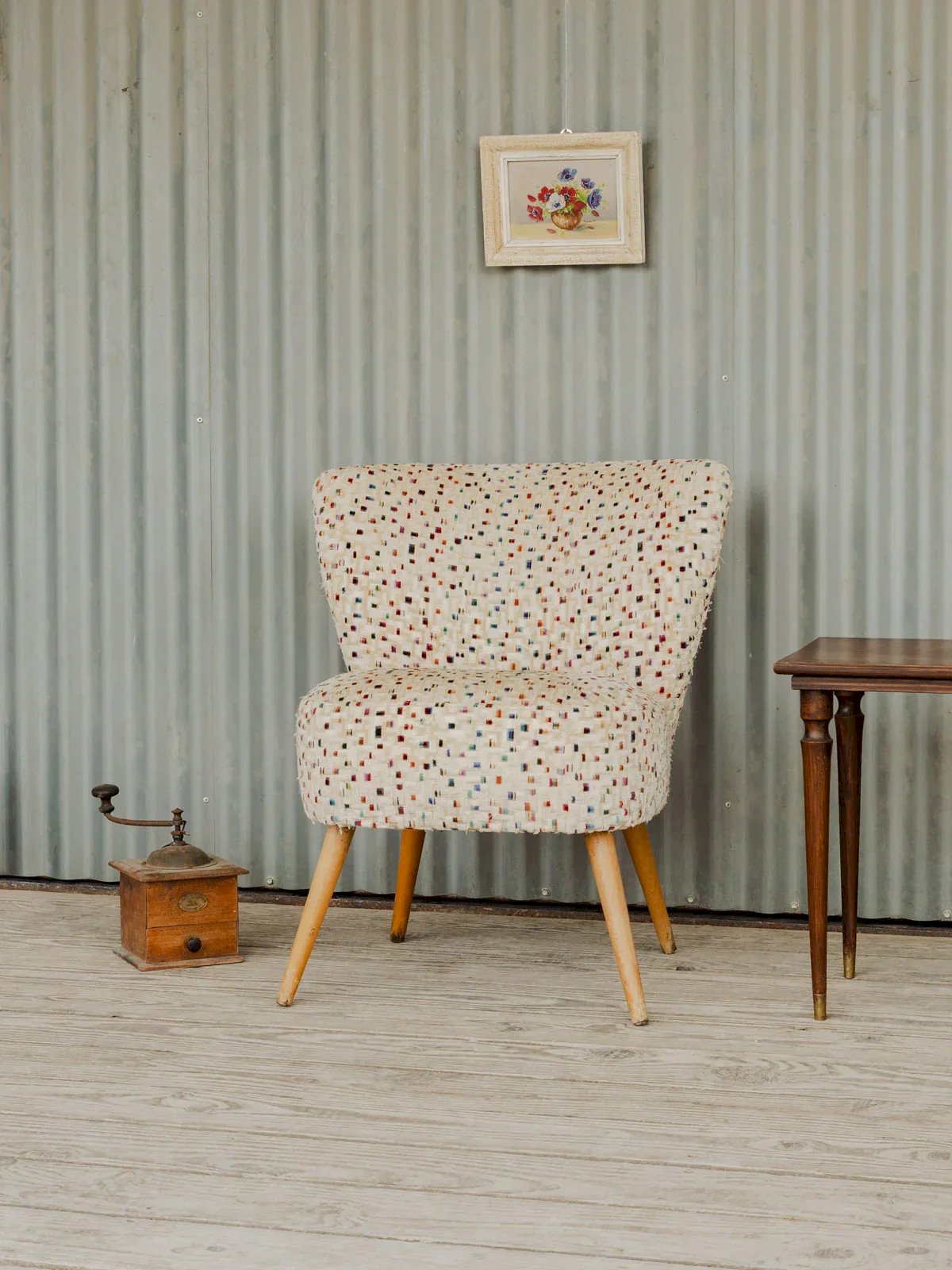
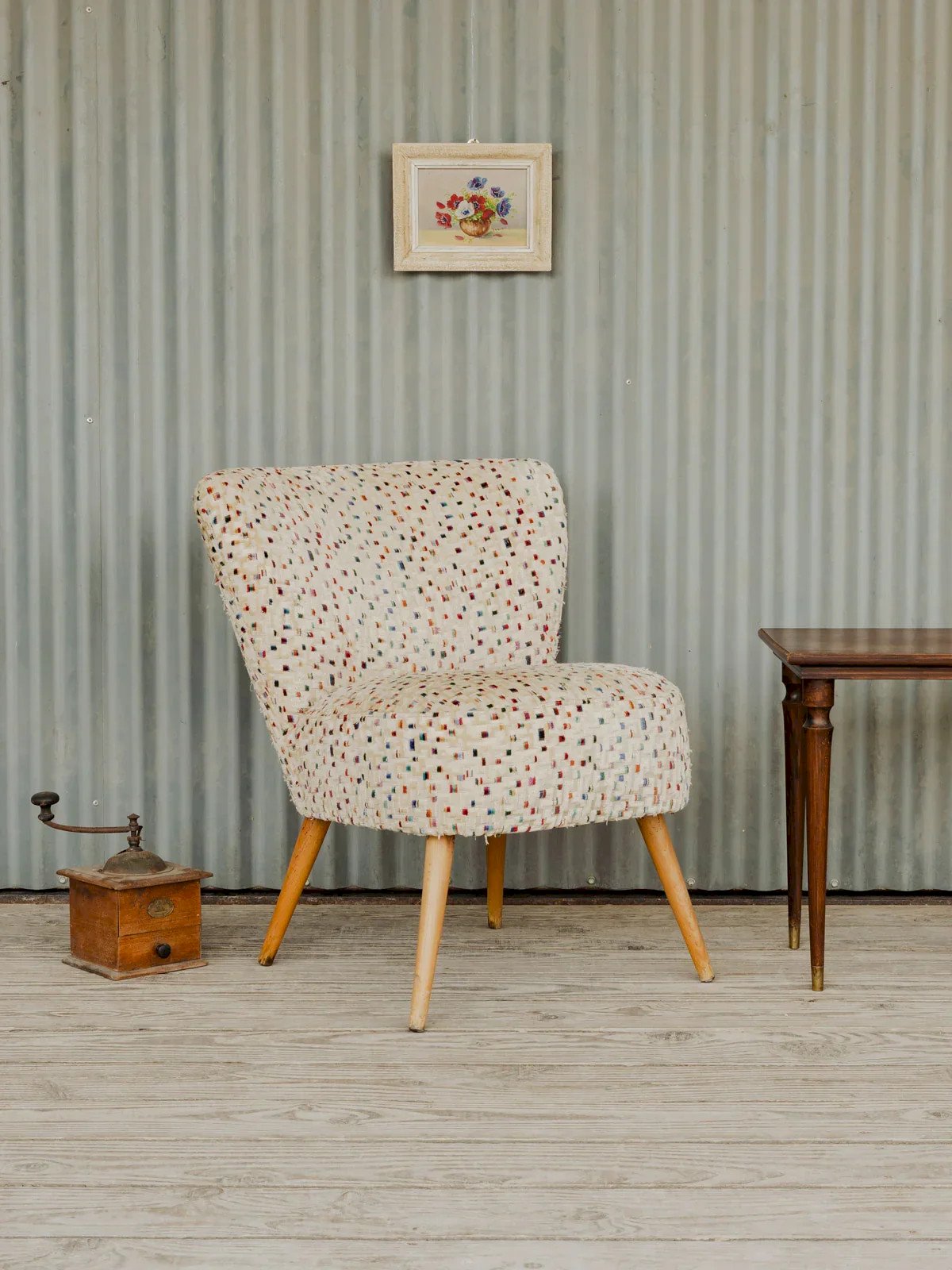
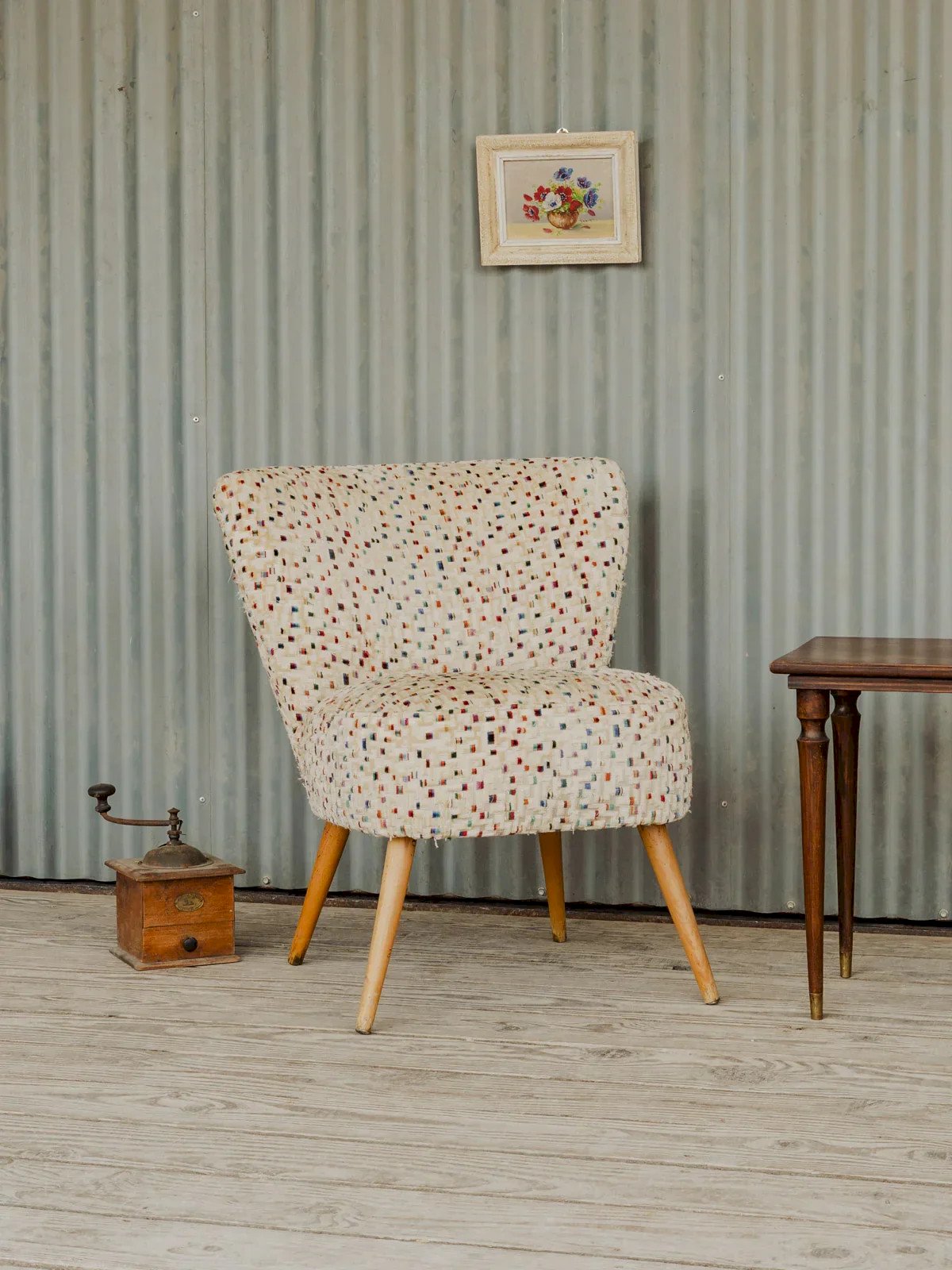
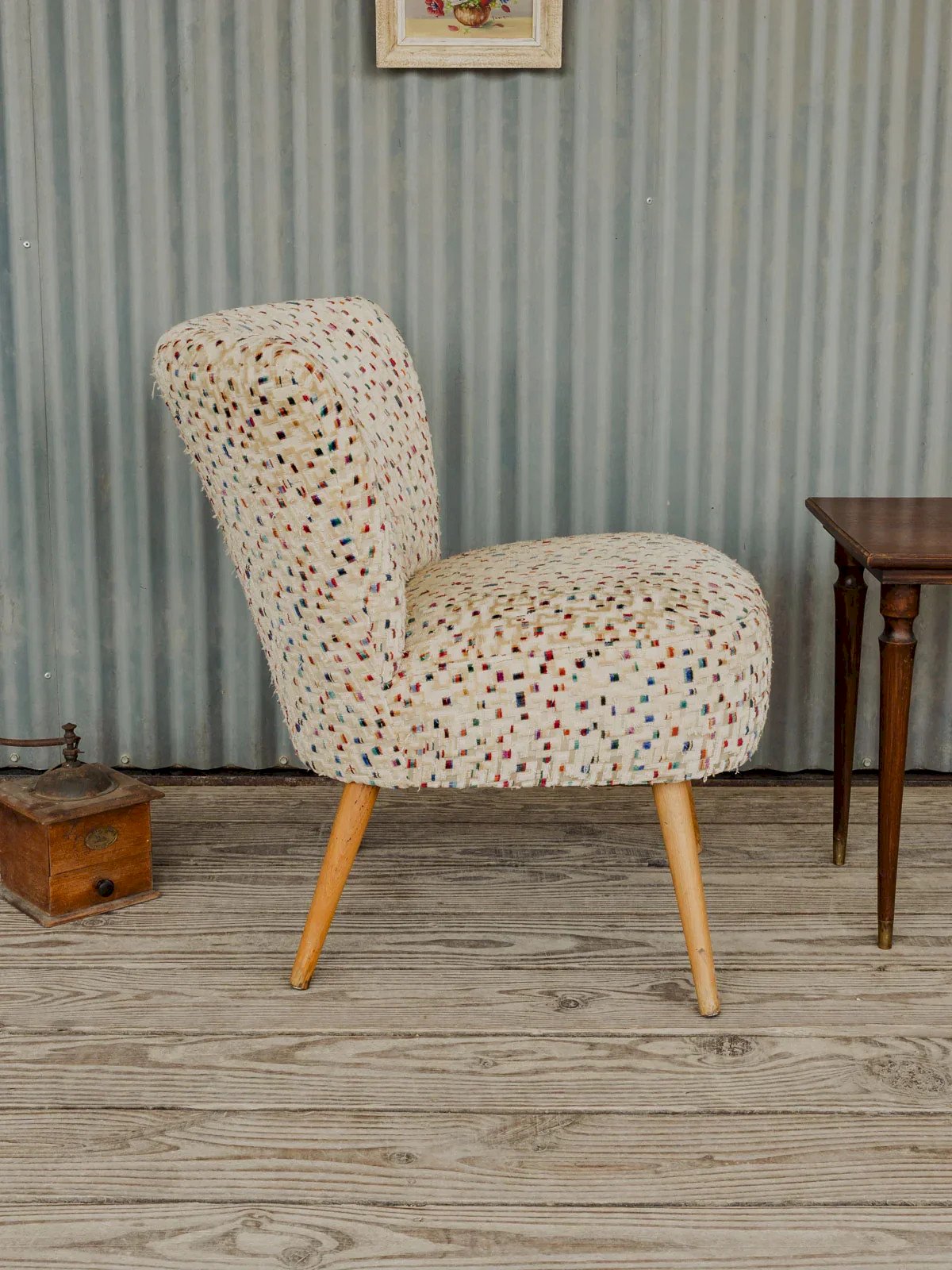
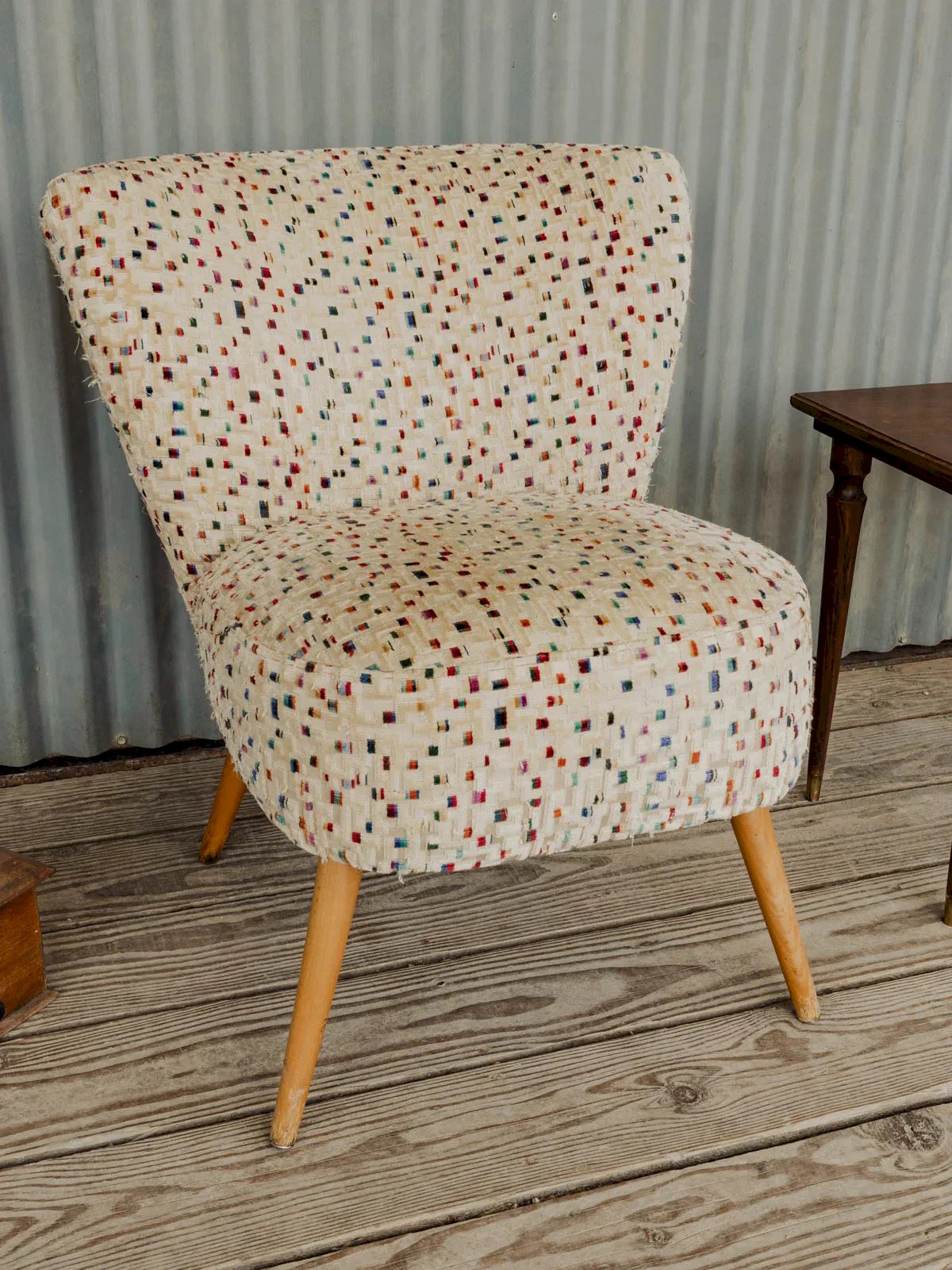
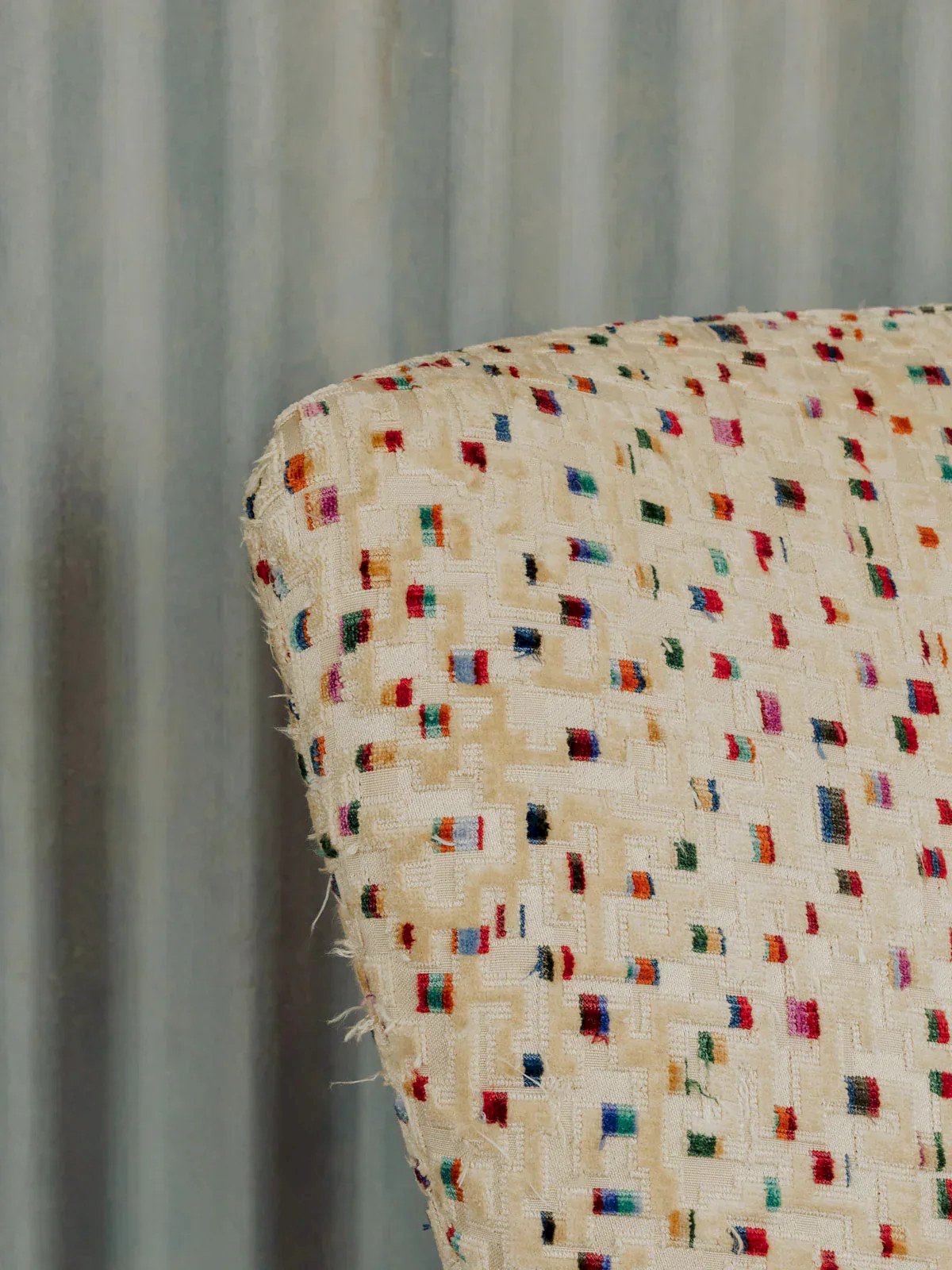
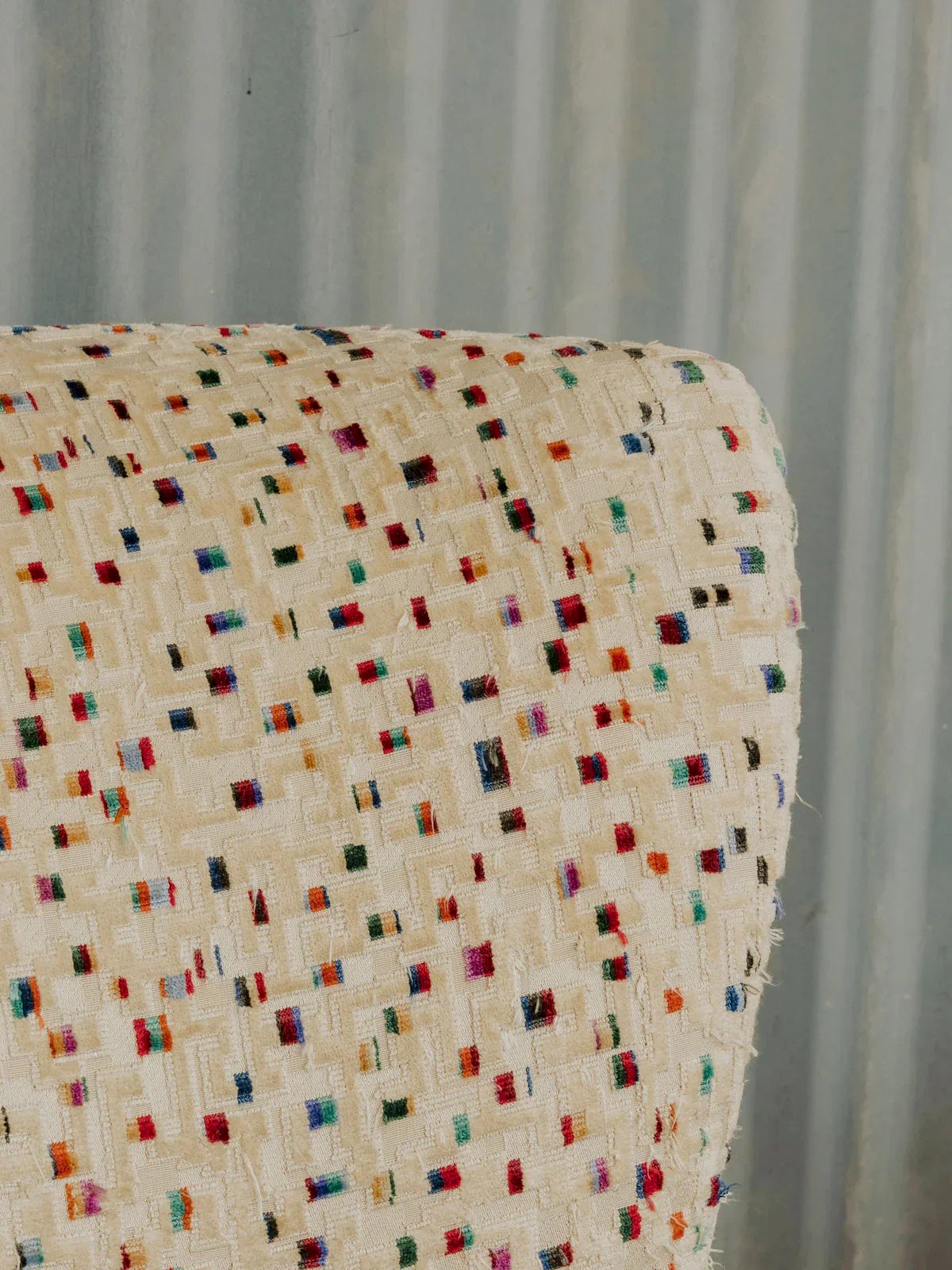
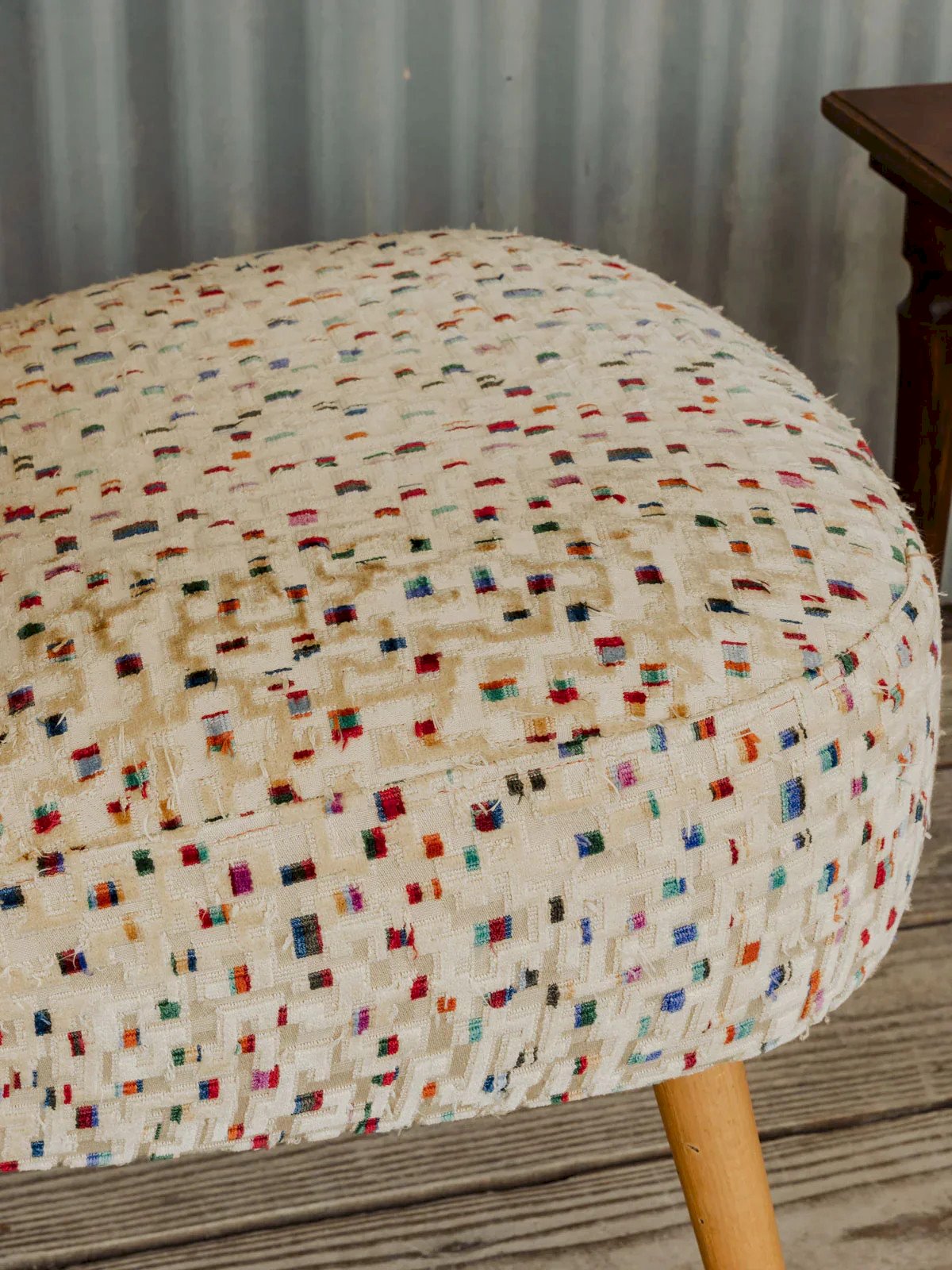
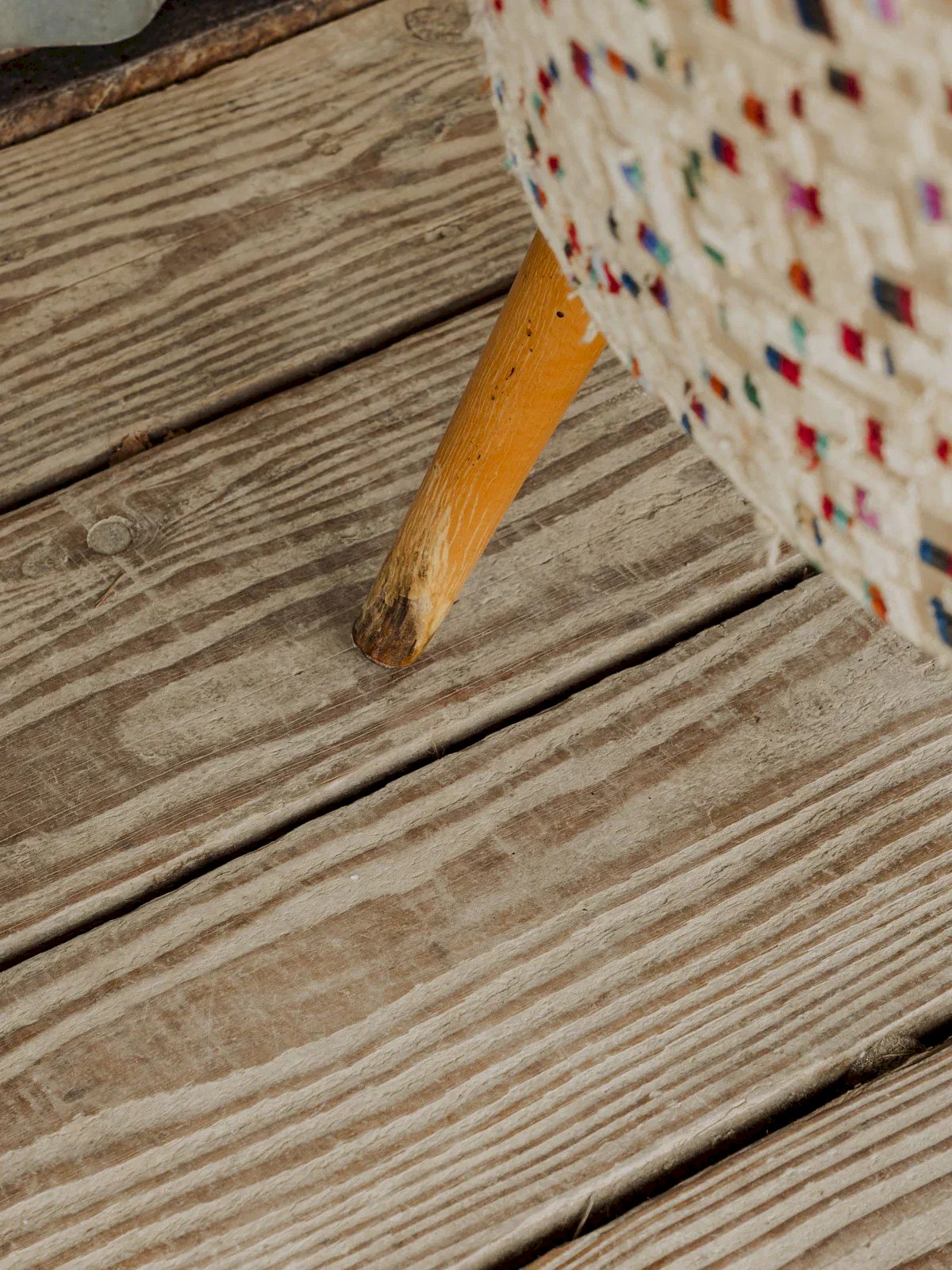
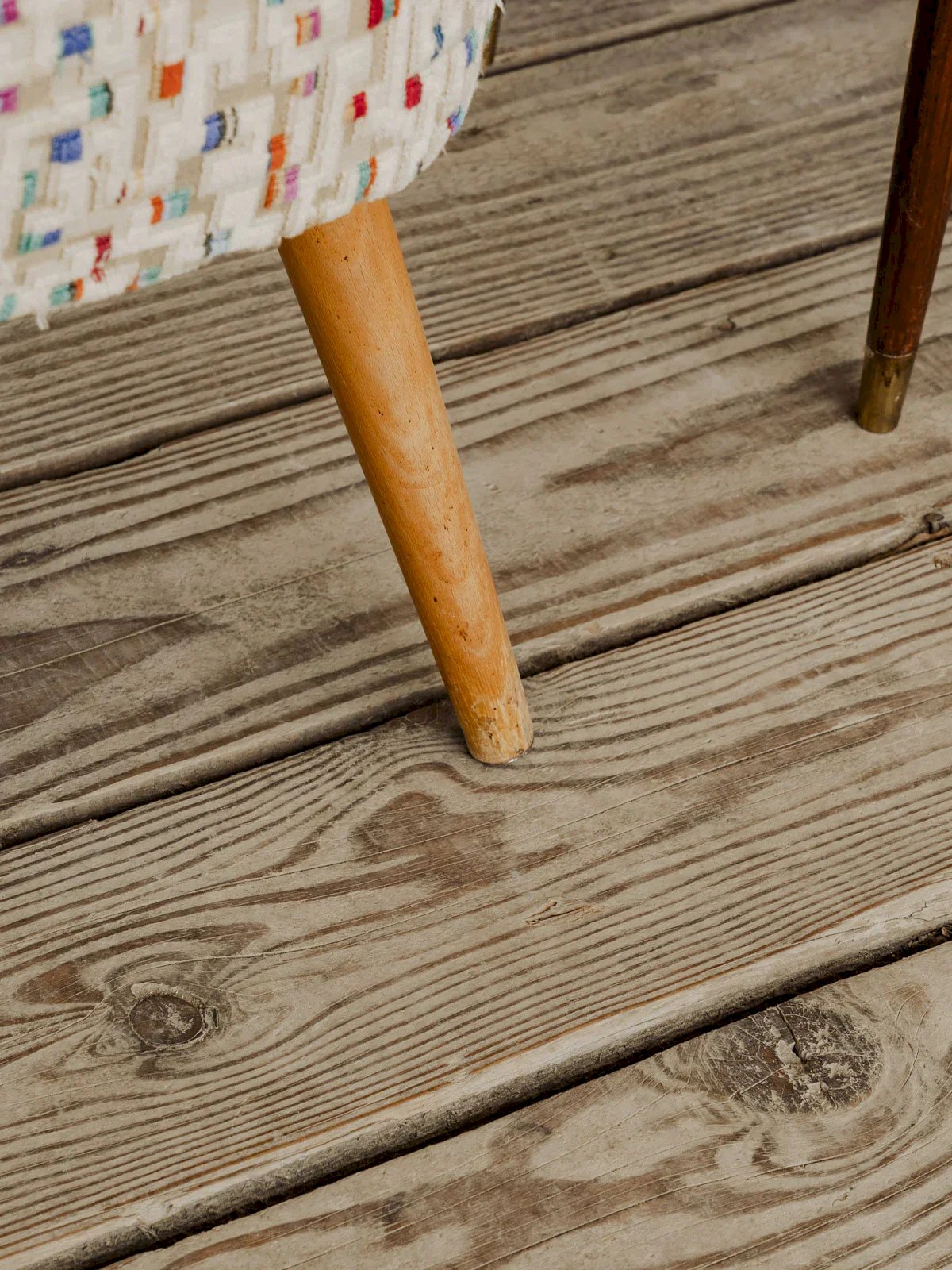
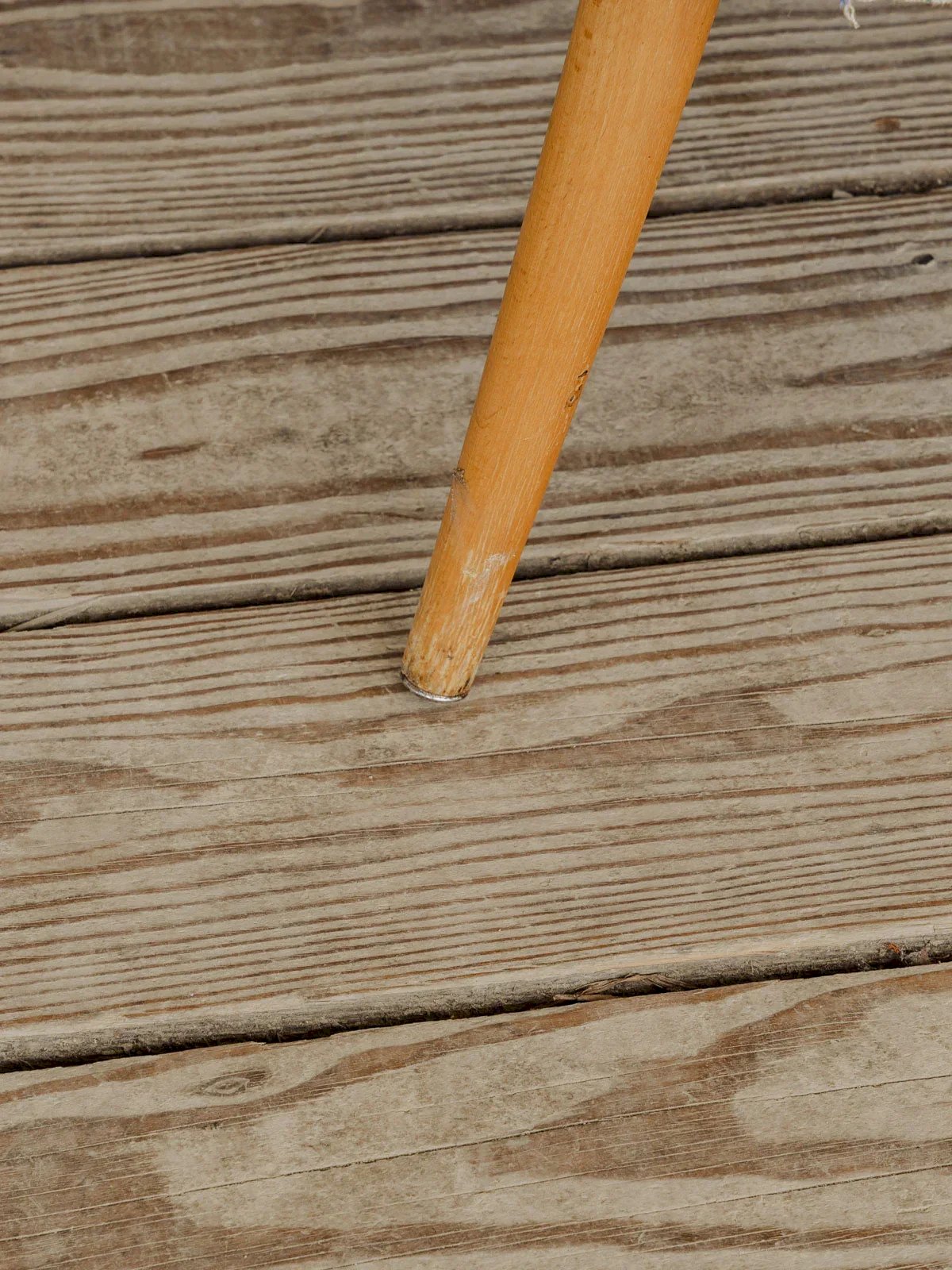
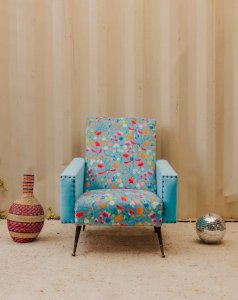
Adopt this armchair with a wooden base and a seat covered in beige fabric adorned with colorful patterns, which adds a graphic and warm touch to your interior. Its proportions and welcoming backrest make it an ideal seat for a reading nook, a bedroom, or a cozy living room. Its understated and timeless style blends well with both contemporary decor and vintage pieces. Some signs of wear are present. Width: 42 cm Depth: 41 cm Height: 68 cm Seat height: 44 cm Seat width: 42 cm Seat depth: 41 cm A brief history of the armchair If the chair is designed for work or dining, the armchair was born in the 17th century for one sole purpose: relaxation. Its name derives from the Old French "faudesteuil," a folding seat for dignitaries, but it emancipated itself under Louis XV to become this comfort piece with armrests. Unlike the chair, it features a wider seat and an inclined back, inviting conversation rather than maintaining a rigid posture. Whether it's a "bergère" with full cheeks to shield from drafts or a lighter "bridge" armchair, it embodies the evolution of the art of living.
Réf :
#412095
Brand / From : Debongout
Related Products



Comments
Jakob, the colored beige fabric armchair N°1207
249€
75002 Paris
Ce site contient des liens d’affiliation pour lesquels je peux recevoir une compensation.
Description
Adopt this armchair with a wooden base and a seat covered in beige fabric adorned with colorful patterns, which adds a graphic and warm touch to your interior. Its proportions and welcoming backrest make it an ideal seat for a reading nook, a bedroom, or a cozy living room. Its understated and timeless style blends well with both contemporary decor and vintage pieces. Some signs of wear are present. Width: 42 cm Depth: 41 cm Height: 68 cm Seat height: 44 cm Seat width: 42 cm Seat depth: 41 cm A brief history of the armchair If the chair is designed for work or dining, the armchair was born in the 17th century for one sole purpose: relaxation. Its name derives from the Old French "faudesteuil," a folding seat for dignitaries, but it emancipated itself under Louis XV to become this comfort piece with armrests. Unlike the chair, it features a wider seat and an inclined back, inviting conversation rather than maintaining a rigid posture. Whether it's a "bergère" with full cheeks to shield from drafts or a lighter "bridge" armchair, it embodies the evolution of the art of living.
Réf :
#412095
Brand / From : Debongout