 English
 Français


Description
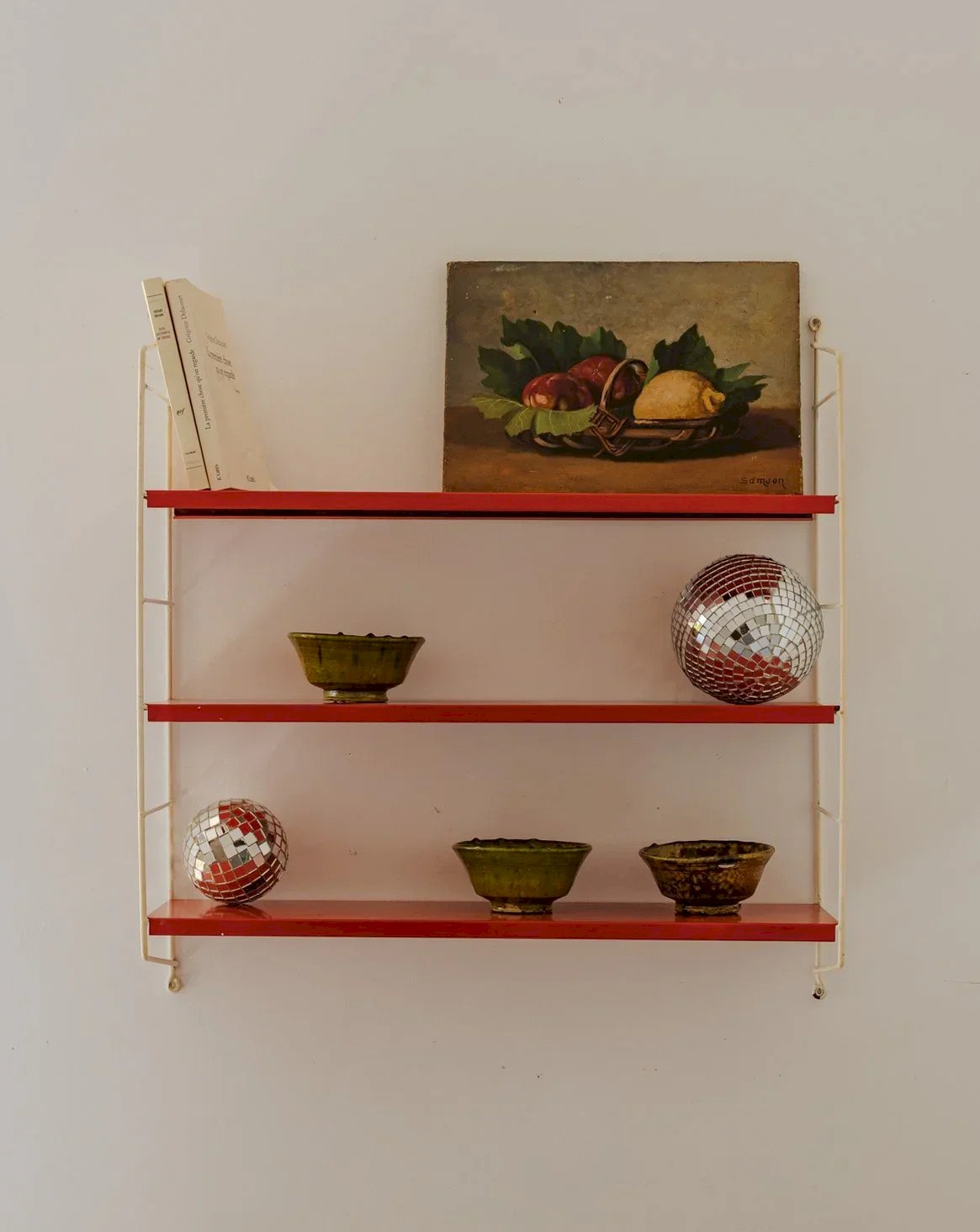
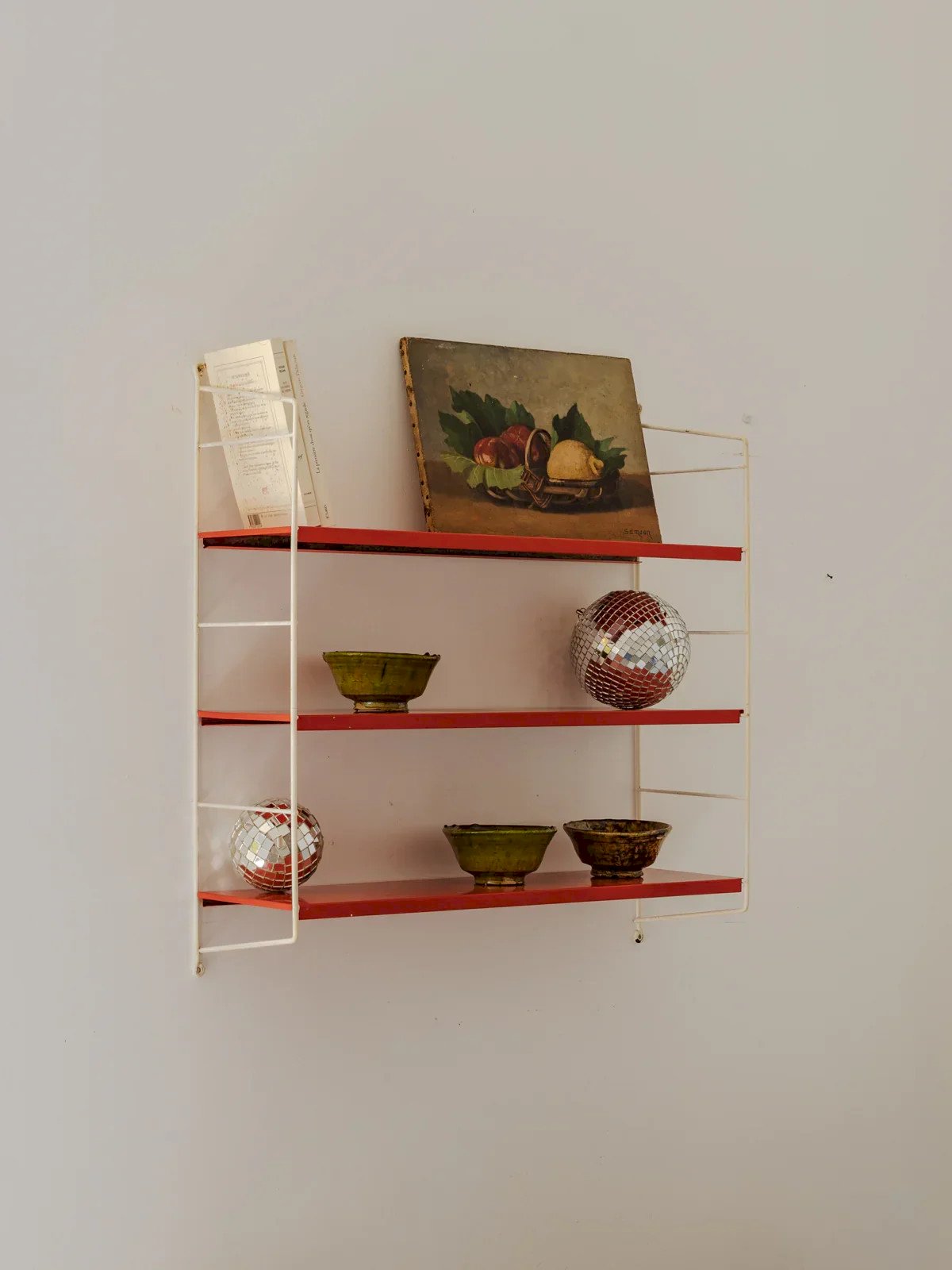
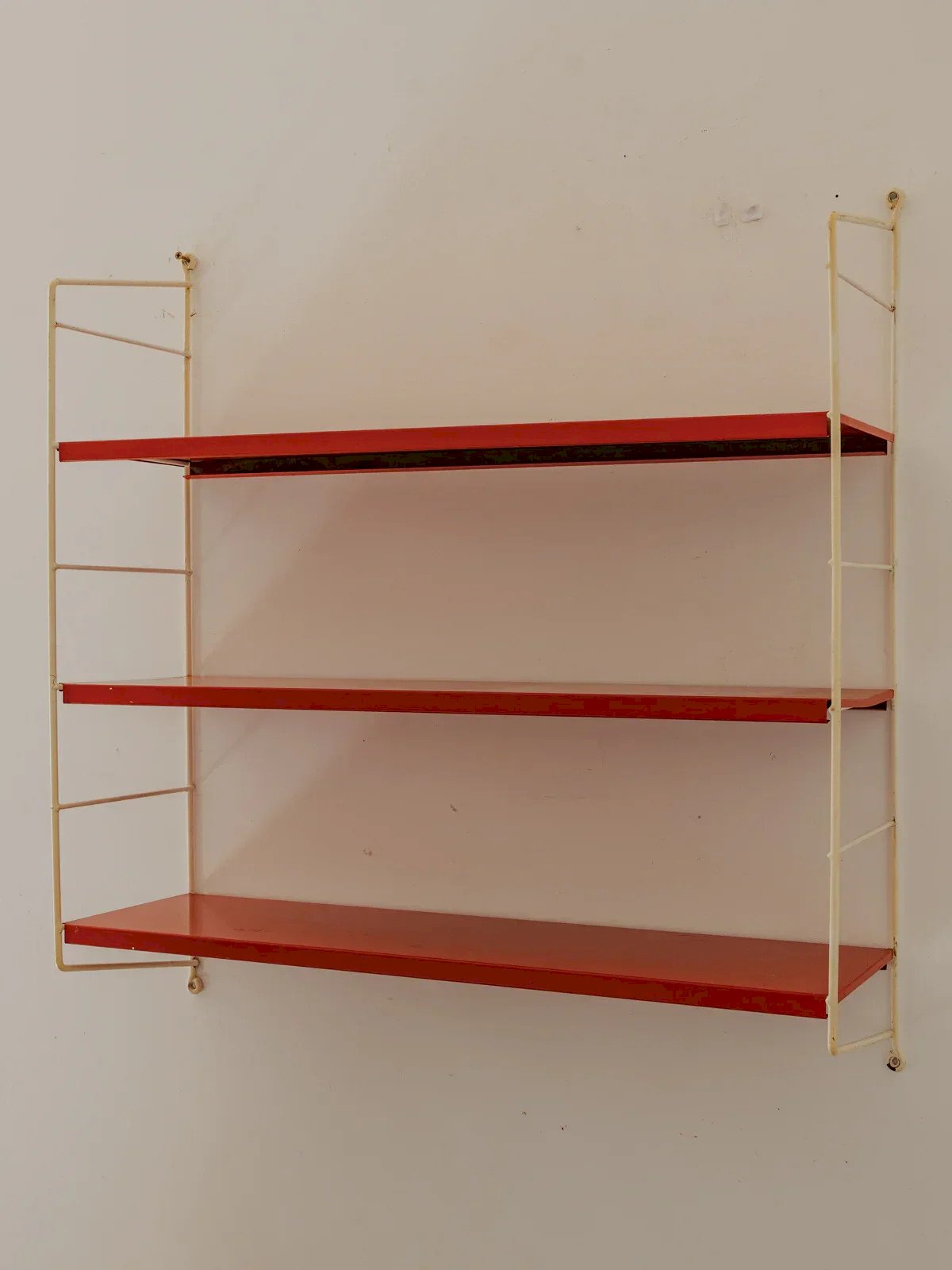
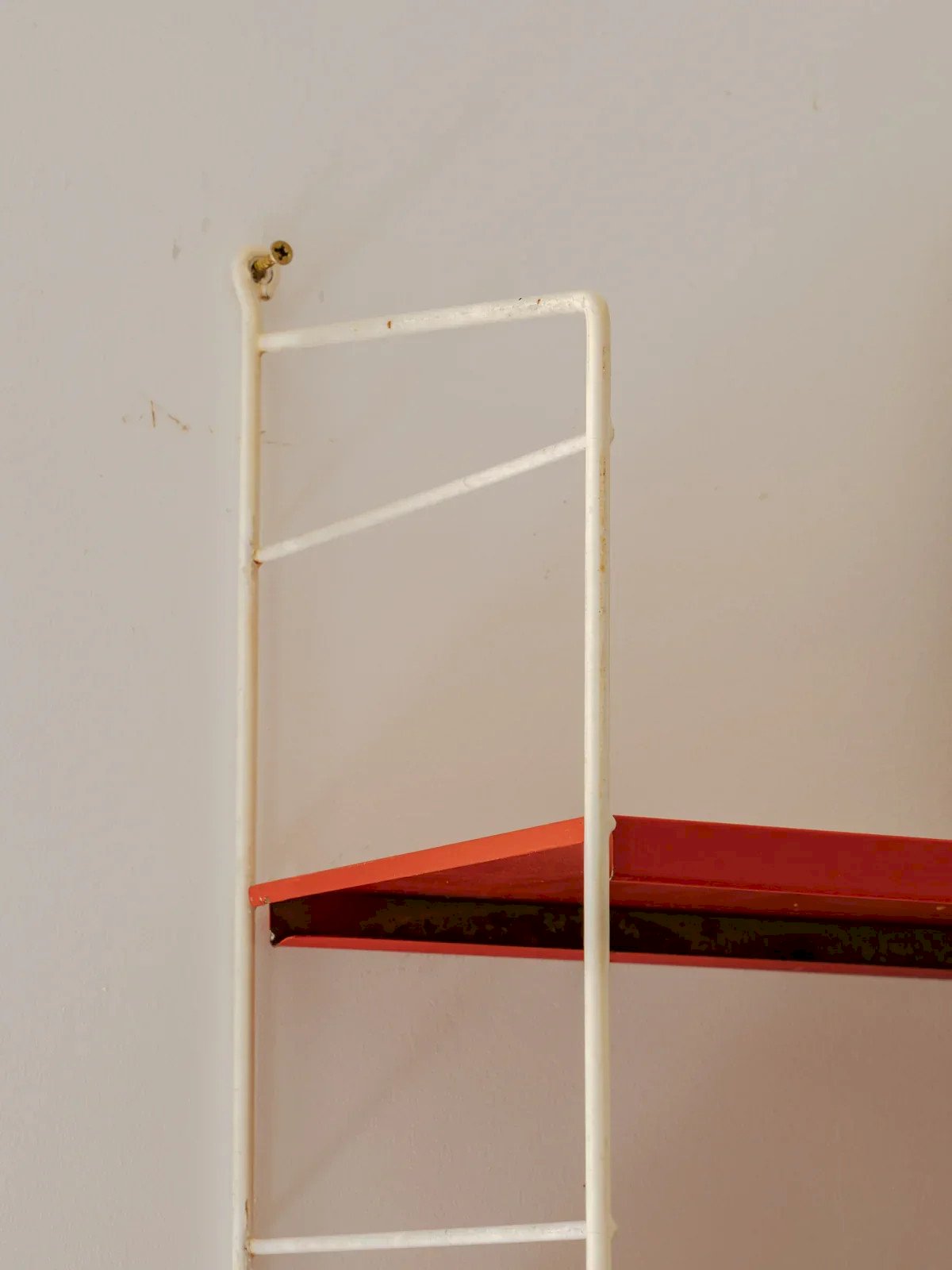
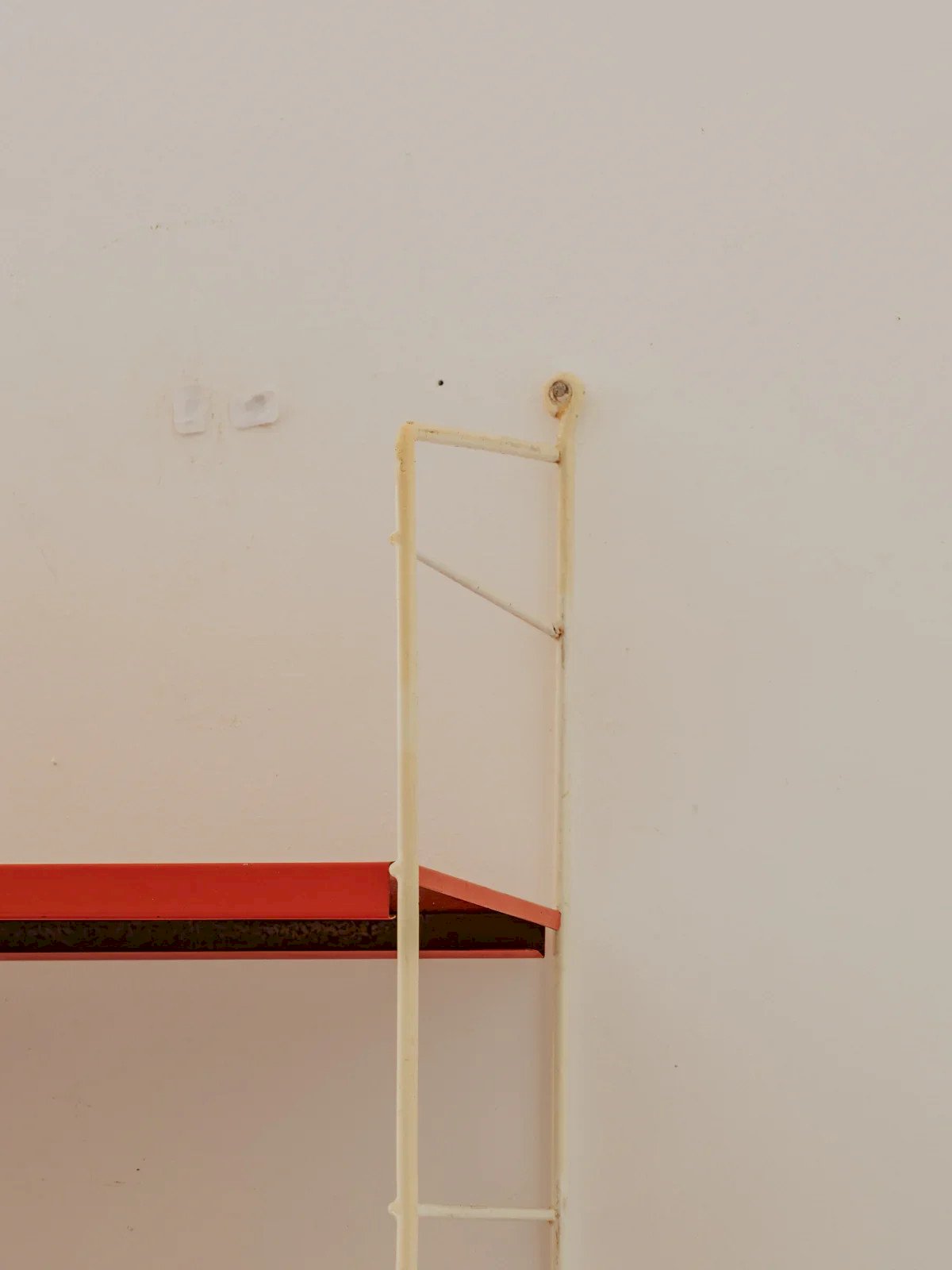
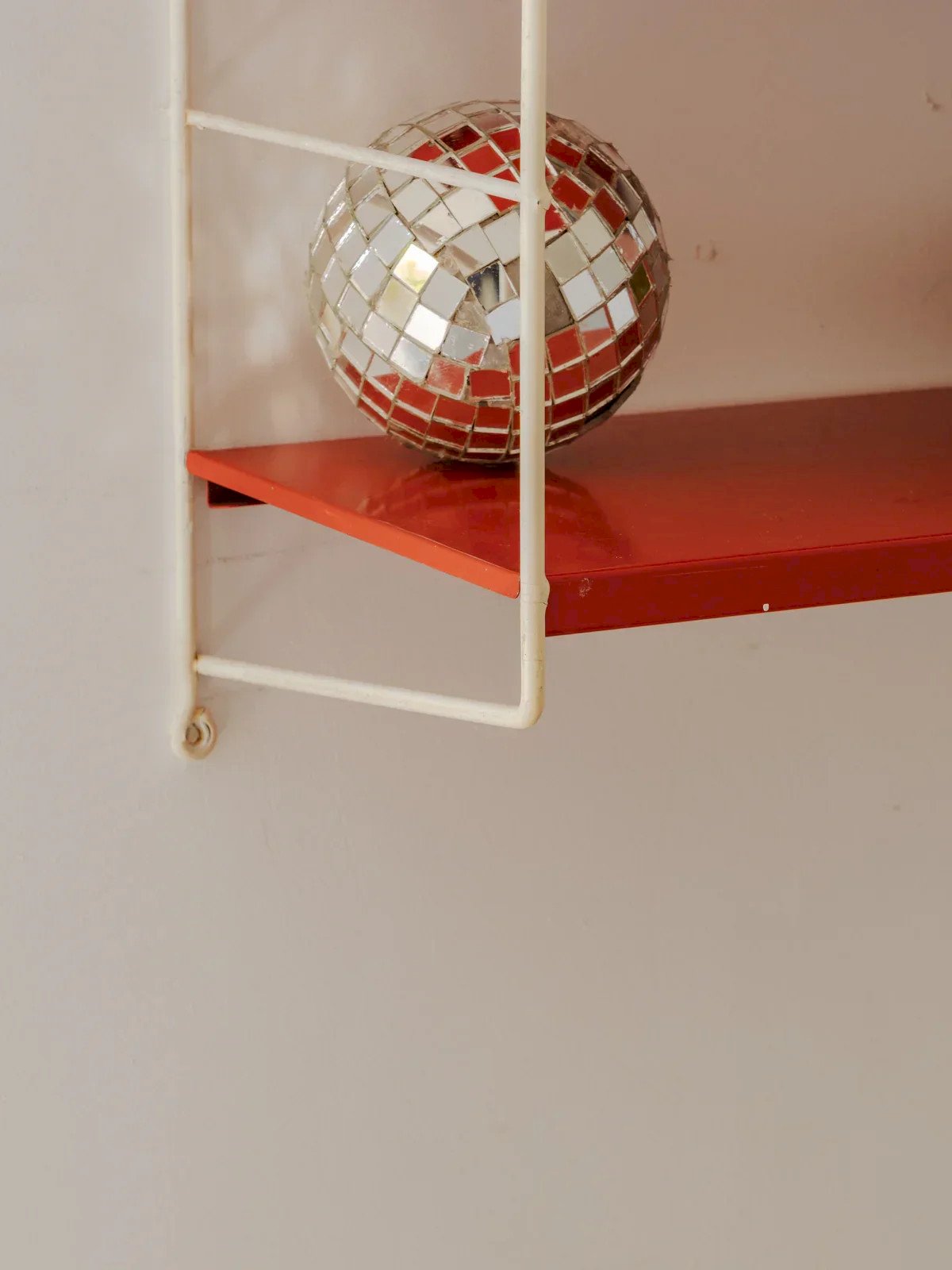
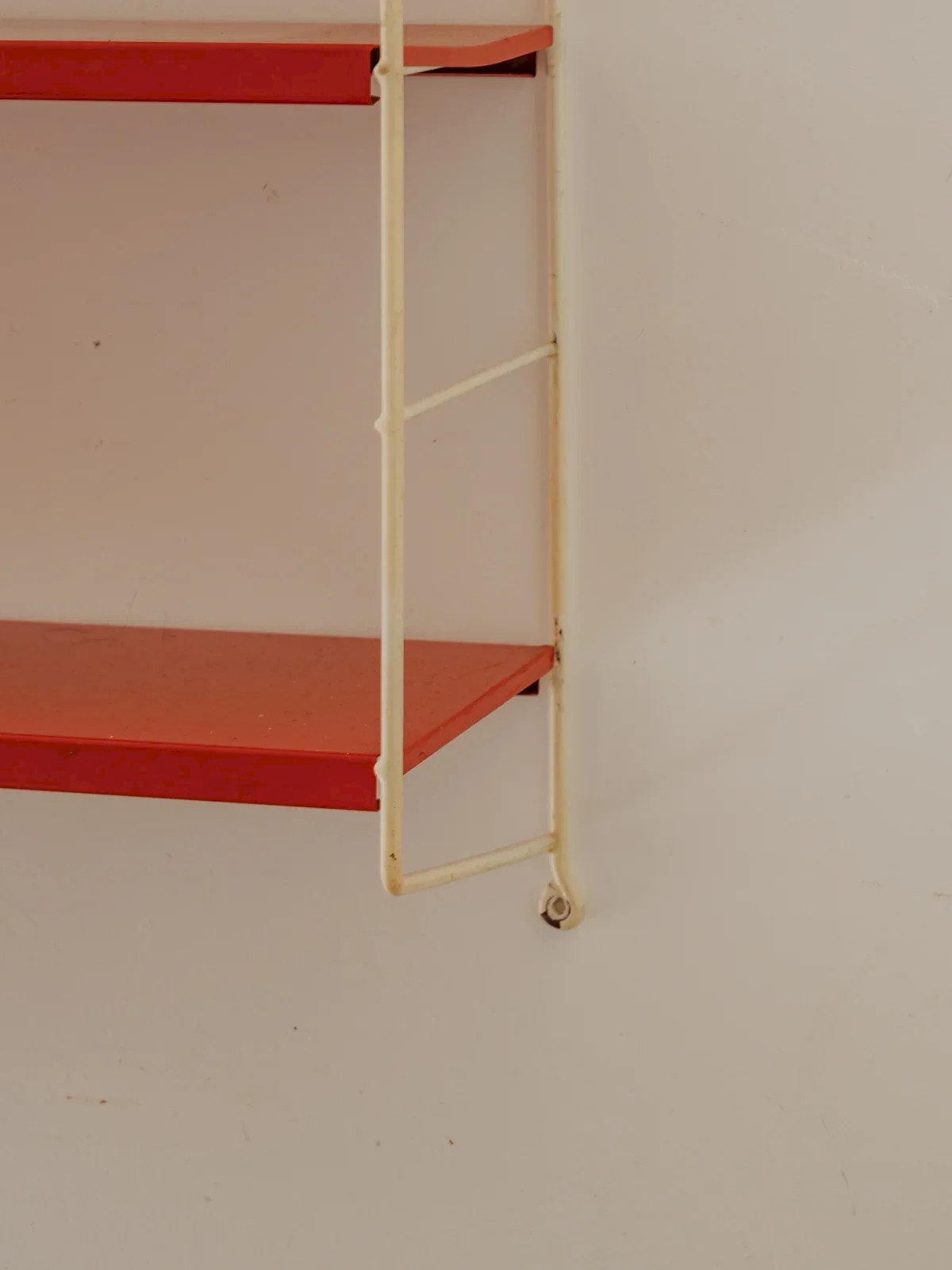
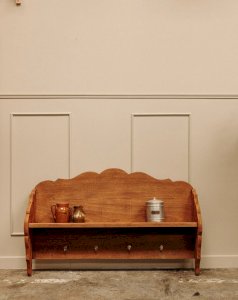
Discover this 1960s TOMADO wall shelf, signed and stamped Tomado Holland, which combines a white lacquered metal structure with orange sheet metal trays. Its silhouette easily fits into an entryway, kitchen, or office to display small objects and books without cluttering the space, adding a graphic retro touch to your wall. The balance of colors and the metallic finish complement both contemporary and vintage interiors. Some signs of wear are present. Length: 68 cm Width: 20 cm Height: 70 cm A brief history of the shelf Long before it became the sleek piece of furniture we know today, the shelf was merely a simple raw wooden board fixed in kitchens or workshops to keep tools within reach. It gained its noble status in the 18th century under the name "graduated shelf," making its way into salons to display precious bindings or fine porcelain. Its structure, without doors or side panels, makes it the lightest piece of furniture in the house, a feat of minimalism that frees up floor space while dressing the walls. Today, it serves not only to store but also to stage our daily lives, transforming a utilitarian surface into a true living tableau that breathes and allows light to flow.
Réf :
#411907
Brand / From : Debongout
Related Products


Comments
Isabelle, the lacquered metal wall shelf No. 275
339€
75002 Paris
Ce site contient des liens d’affiliation pour lesquels je peux recevoir une compensation.
Description
Discover this 1960s TOMADO wall shelf, signed and stamped Tomado Holland, which combines a white lacquered metal structure with orange sheet metal trays. Its silhouette easily fits into an entryway, kitchen, or office to display small objects and books without cluttering the space, adding a graphic retro touch to your wall. The balance of colors and the metallic finish complement both contemporary and vintage interiors. Some signs of wear are present. Length: 68 cm Width: 20 cm Height: 70 cm A brief history of the shelf Long before it became the sleek piece of furniture we know today, the shelf was merely a simple raw wooden board fixed in kitchens or workshops to keep tools within reach. It gained its noble status in the 18th century under the name "graduated shelf," making its way into salons to display precious bindings or fine porcelain. Its structure, without doors or side panels, makes it the lightest piece of furniture in the house, a feat of minimalism that frees up floor space while dressing the walls. Today, it serves not only to store but also to stage our daily lives, transforming a utilitarian surface into a true living tableau that breathes and allows light to flow.
Réf :
#411907
Brand / From : Debongout