English
 Français


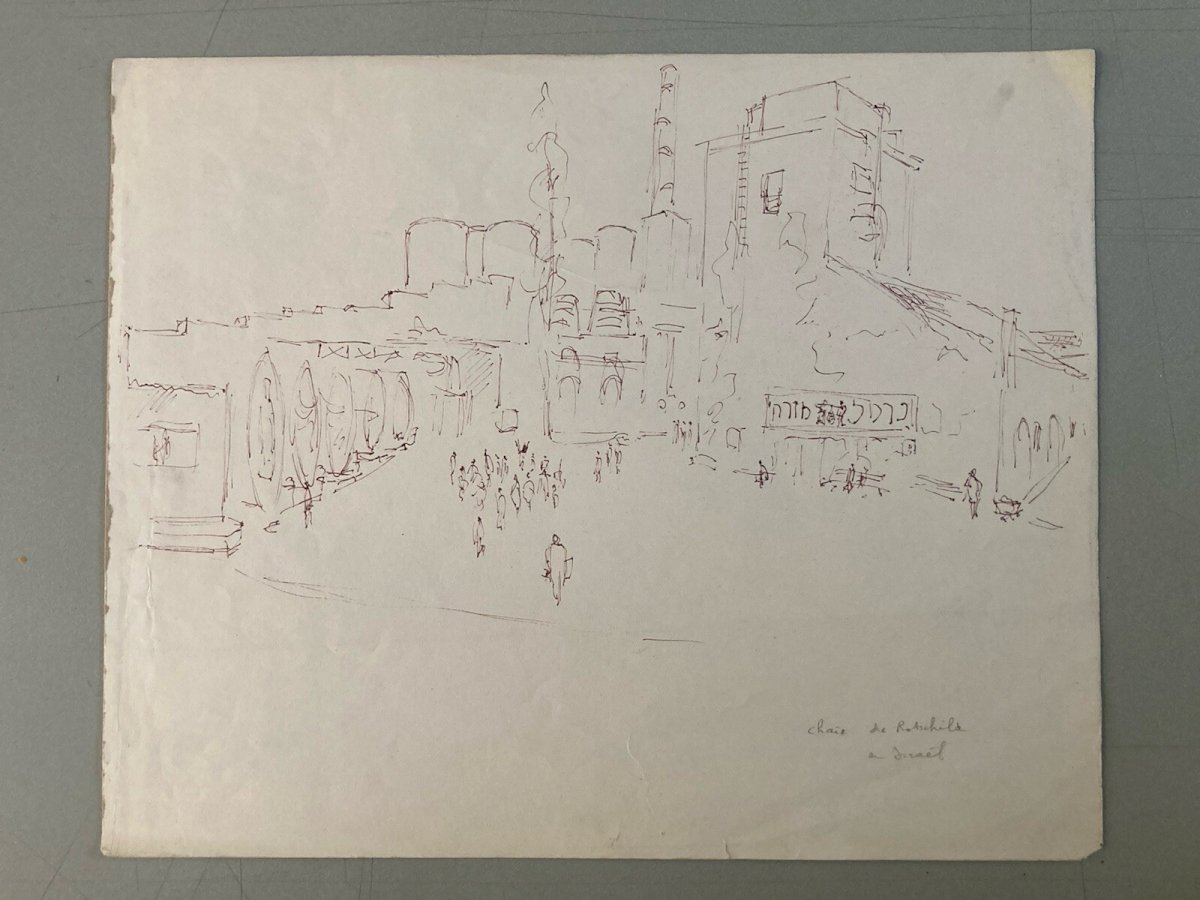
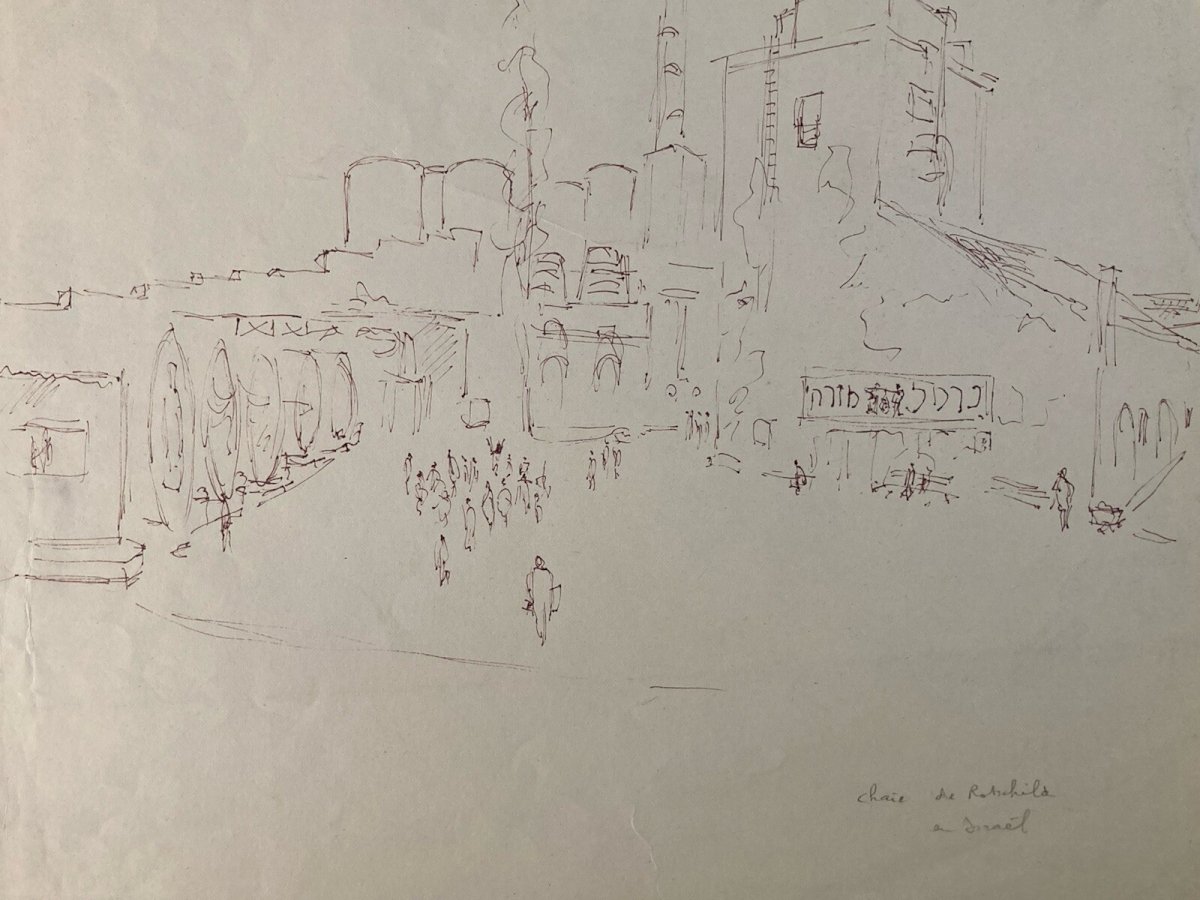
Description
As a student at the Collège de Sousse, Georges Massa experimented with landscape art at a very young age but never fully dedicated himself to his art. In fact, it was alongside his career in the postal administration and his involvement in youth hostels and youth travel services that he engaged in painting. A self-taught artist, he met Robert Caulet, a drawing teacher, in Sousse, who encouraged and advised him. In 1937, he decorated a party hall there and collaborated with Robert Caulet on various projects. In 1939, he was tasked with the decoration of the youth hostel in Lille and was assigned to create posters. Between 1945 and 1954, he was in contact with the most renowned painters in Tunisia (Moses Lévy, Jules Lellouche, Robert Hue, Abdelaziz Gorgi…) while his duties in the postal administration involved frequent travel. These travels allowed him to paint on site in Djerba, Gabès, Monastir, El Jem, Mahdia, and Tabarka. Georges Massa exhibited from 1949 to 1953 at the Tunisian Salon. In 1953, the Tunisian government acquired "Rue à Barcelone," which he exhibited at the Tunisian Salon that same year. He also participated in the Salon Arte de Tunis, founded in 1954 by artists from the postal administration, as well as at the Alliance Française in that same city. Settled in France, he continued to return to Tunisia to paint. From 1956 to 2000, Georges Massa participated in numerous group exhibitions and had several solo exhibitions dedicated to him. In 1994, he presented 54 works on Tunisia at the Chamber of Commerce in Marseille as part of the "Tunisia, the Green" day. On this occasion, the president of the event, Lotfi Hamdi, wrote to him: "Your presence at the cultural day of 'Tunisia, the Green' confirms your love for Tunisia, your lifelong country […]". A prolific artist, he produced no less than 7,000 watercolors and 300 drawings, and Georges Massa traveled and painted in many countries (Spain, Israel, Italy, Turkey, Greece, Egypt). Finally, he exhibited in London, Rome, and Luxembourg.
Réf :
#407587
Related Products



Comments
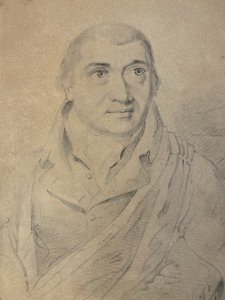
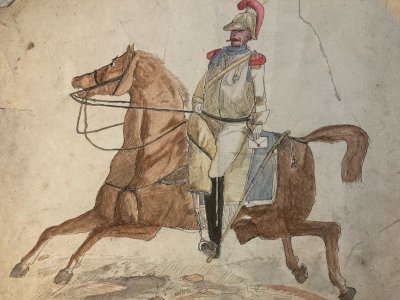
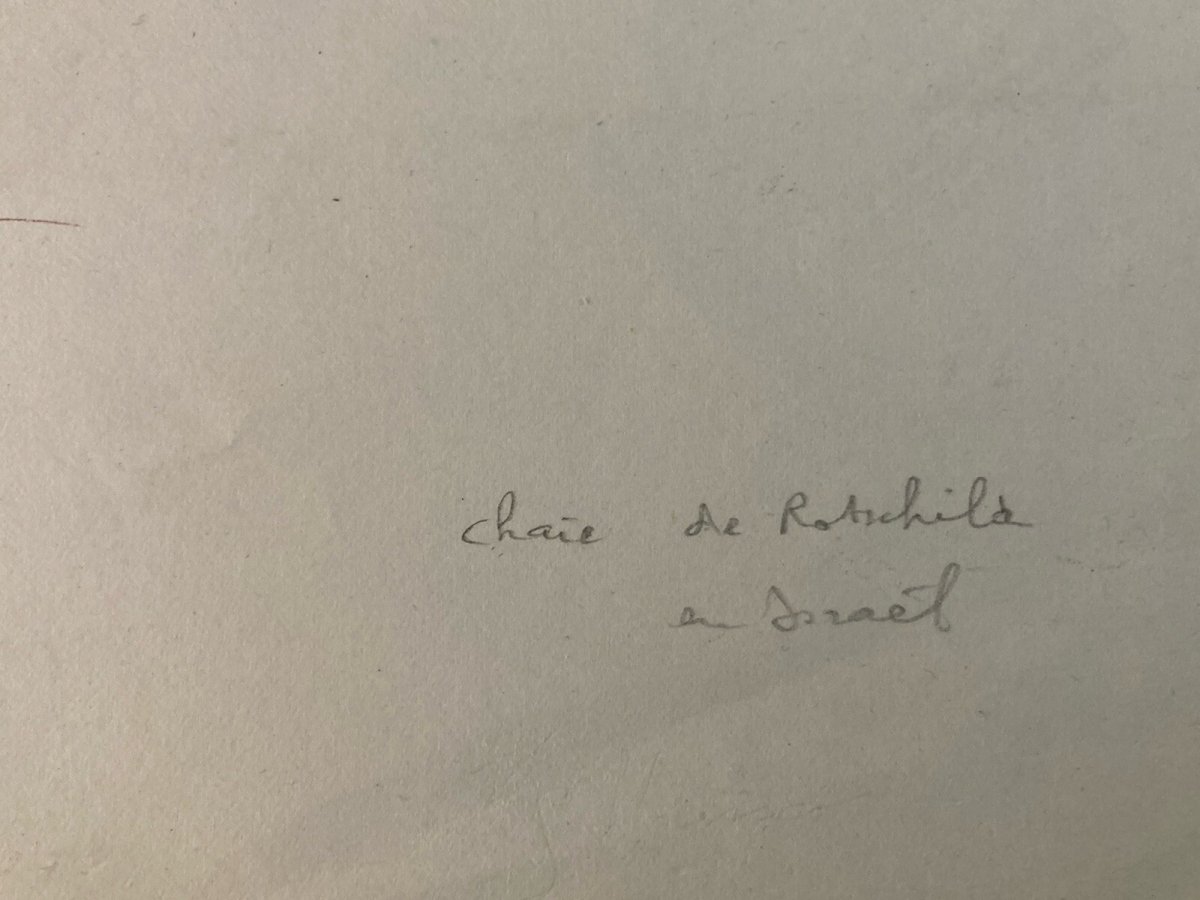
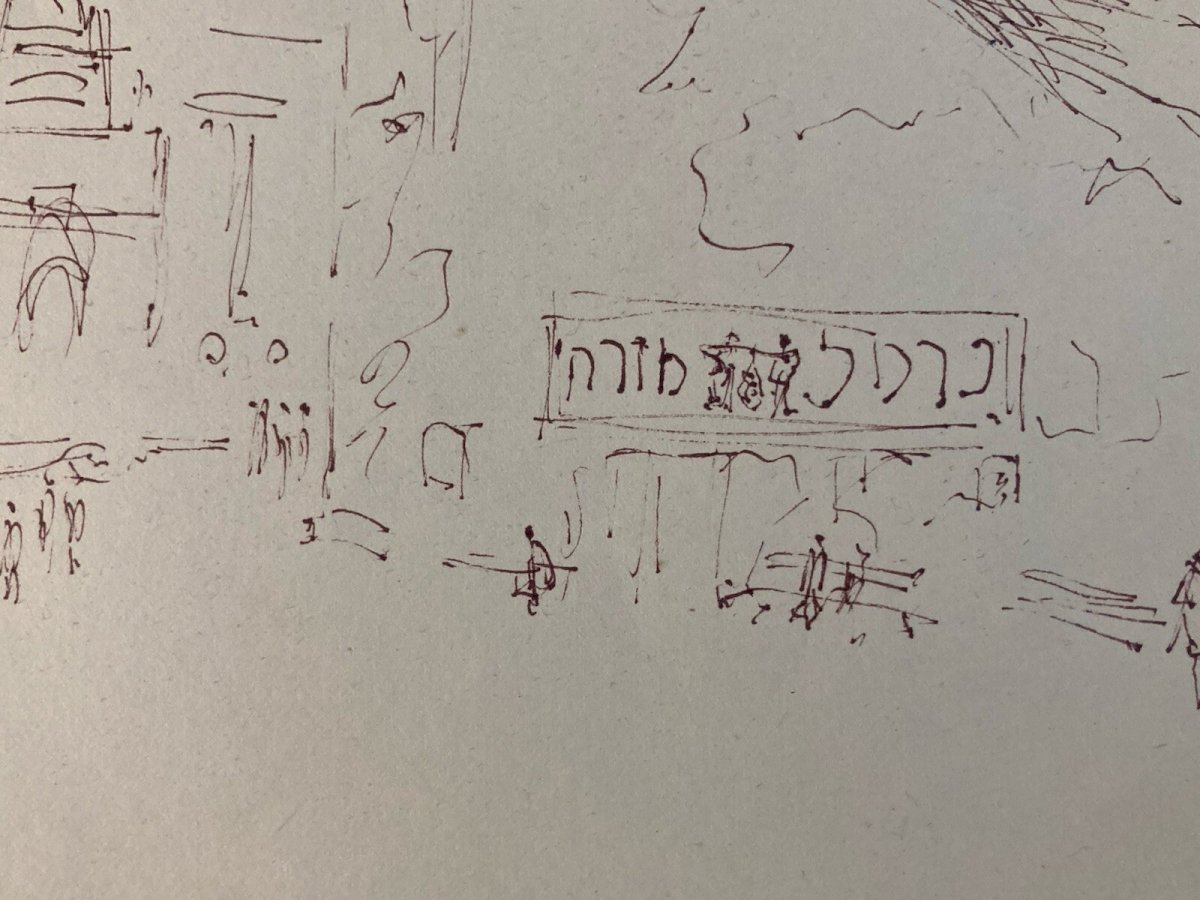
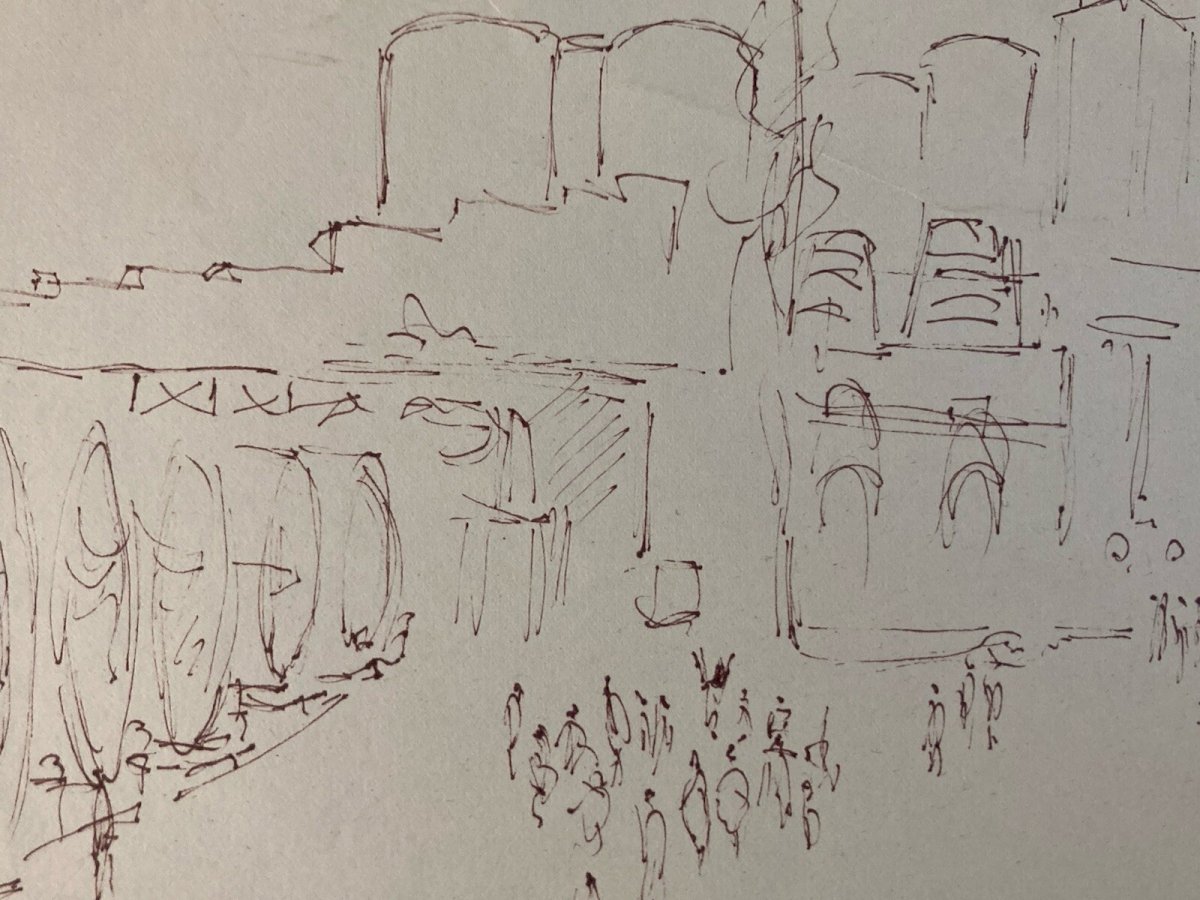
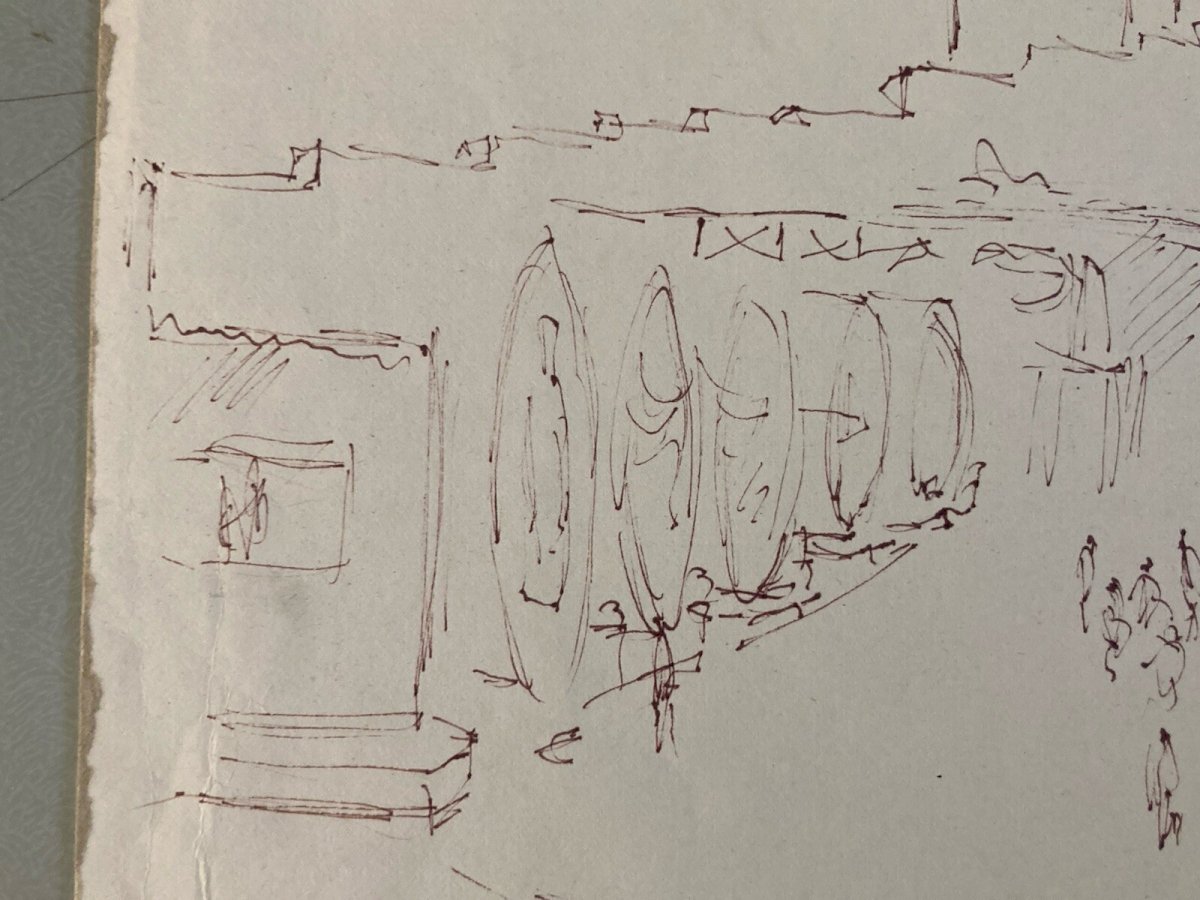
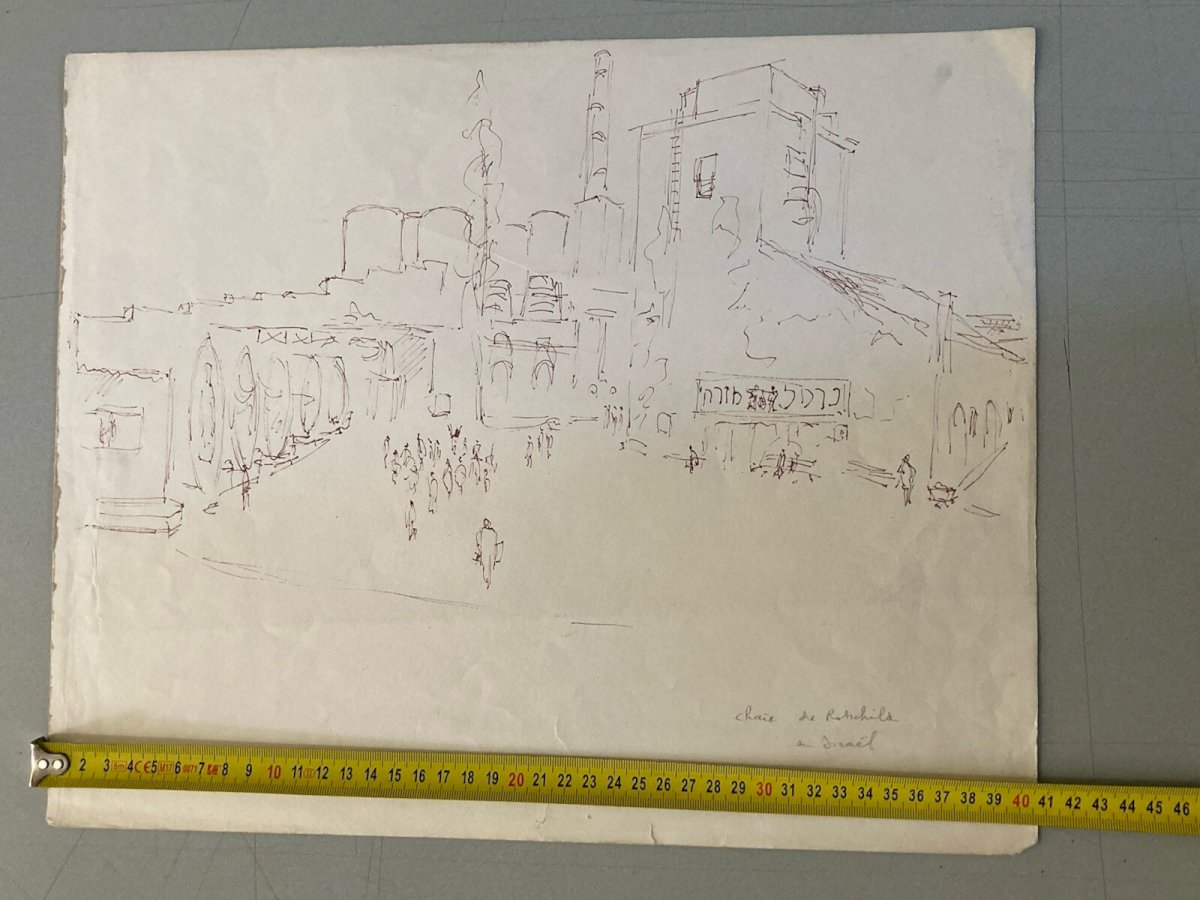
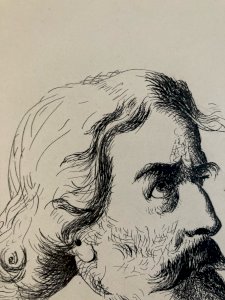
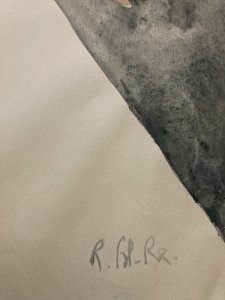
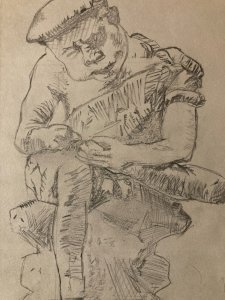
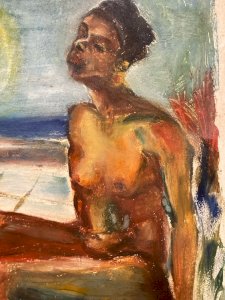
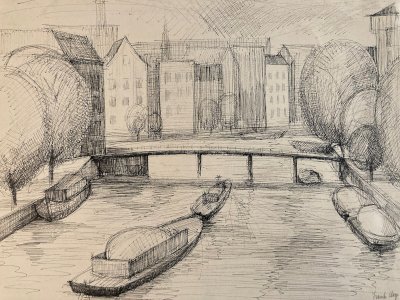
Ink drawing on Rothschild paper, Israel, Georges Massa, 1960, Antique
130€
31500 Toulouse
Ce site contient des liens d’affiliation pour lesquels je peux recevoir une compensation.
Description
As a student at the Collège de Sousse, Georges Massa experimented with landscape art at a very young age but never fully dedicated himself to his art. In fact, it was alongside his career in the postal administration and his involvement in youth hostels and youth travel services that he engaged in painting. A self-taught artist, he met Robert Caulet, a drawing teacher, in Sousse, who encouraged and advised him. In 1937, he decorated a party hall there and collaborated with Robert Caulet on various projects. In 1939, he was tasked with the decoration of the youth hostel in Lille and was assigned to create posters. Between 1945 and 1954, he was in contact with the most renowned painters in Tunisia (Moses Lévy, Jules Lellouche, Robert Hue, Abdelaziz Gorgi…) while his duties in the postal administration involved frequent travel. These travels allowed him to paint on site in Djerba, Gabès, Monastir, El Jem, Mahdia, and Tabarka. Georges Massa exhibited from 1949 to 1953 at the Tunisian Salon. In 1953, the Tunisian government acquired "Rue à Barcelone," which he exhibited at the Tunisian Salon that same year. He also participated in the Salon Arte de Tunis, founded in 1954 by artists from the postal administration, as well as at the Alliance Française in that same city. Settled in France, he continued to return to Tunisia to paint. From 1956 to 2000, Georges Massa participated in numerous group exhibitions and had several solo exhibitions dedicated to him. In 1994, he presented 54 works on Tunisia at the Chamber of Commerce in Marseille as part of the "Tunisia, the Green" day. On this occasion, the president of the event, Lotfi Hamdi, wrote to him: "Your presence at the cultural day of 'Tunisia, the Green' confirms your love for Tunisia, your lifelong country […]". A prolific artist, he produced no less than 7,000 watercolors and 300 drawings, and Georges Massa traveled and painted in many countries (Spain, Israel, Italy, Turkey, Greece, Egypt). Finally, he exhibited in London, Rome, and Luxembourg.
Réf :
#407587