 English
 Français


Description
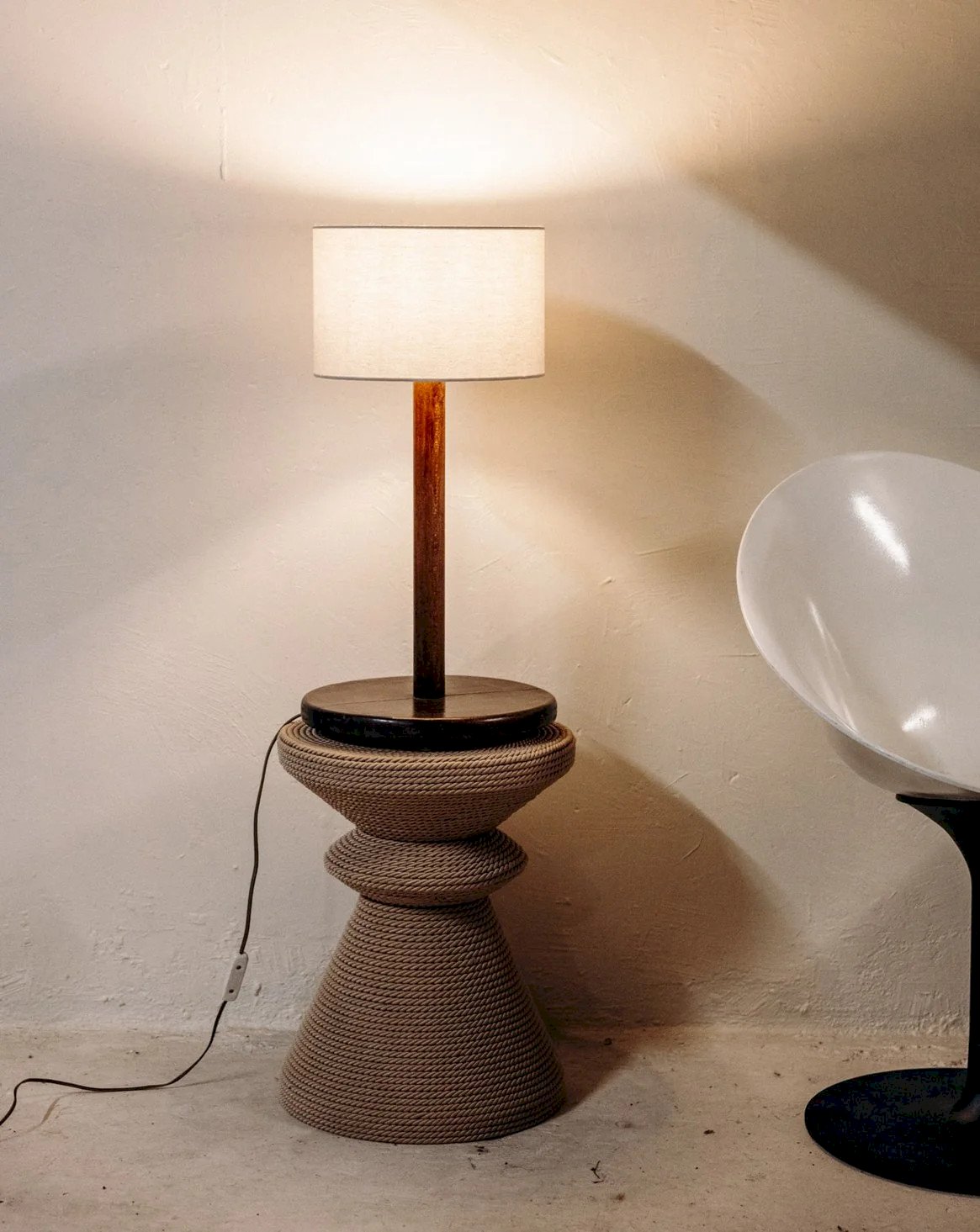
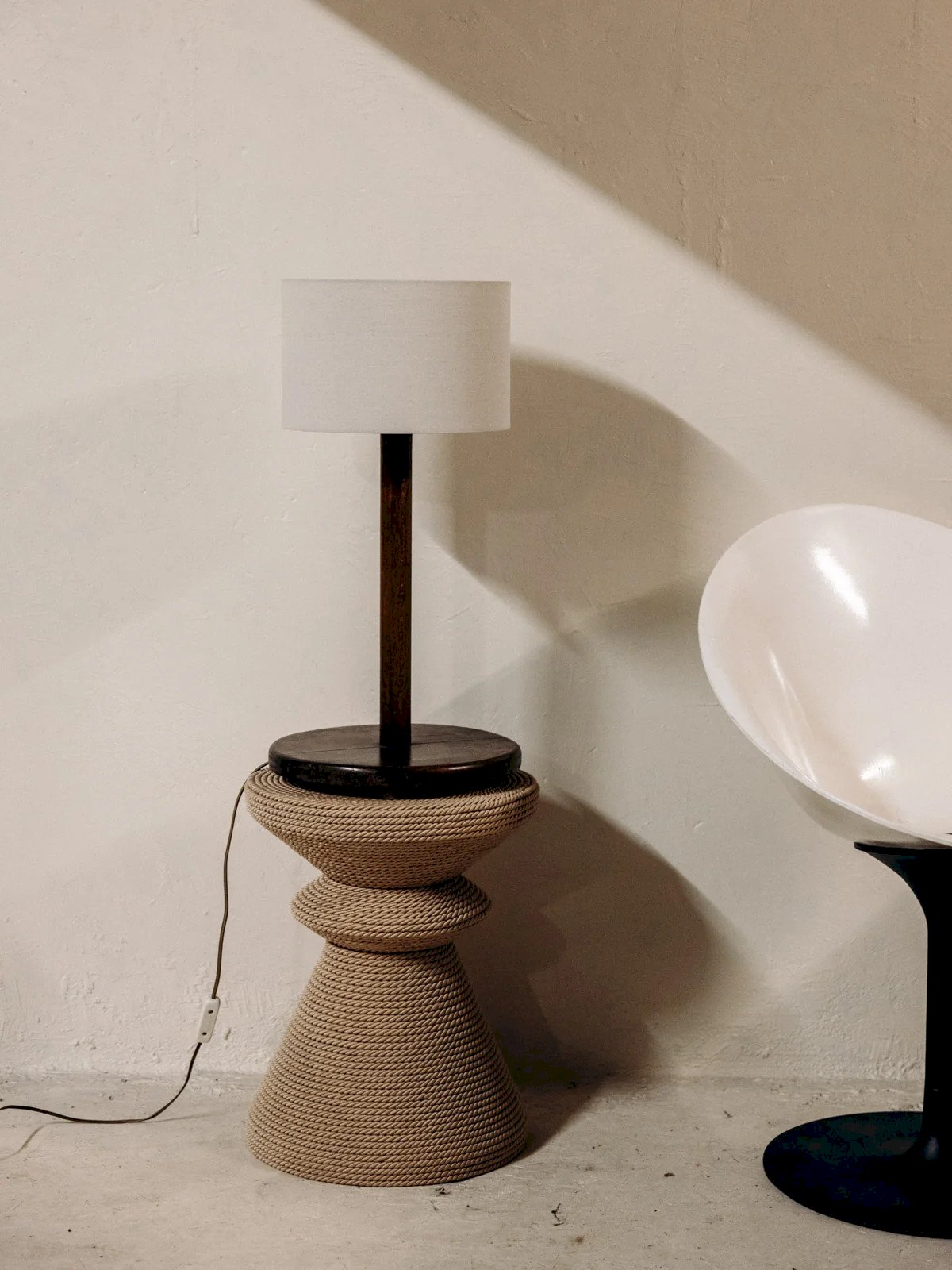
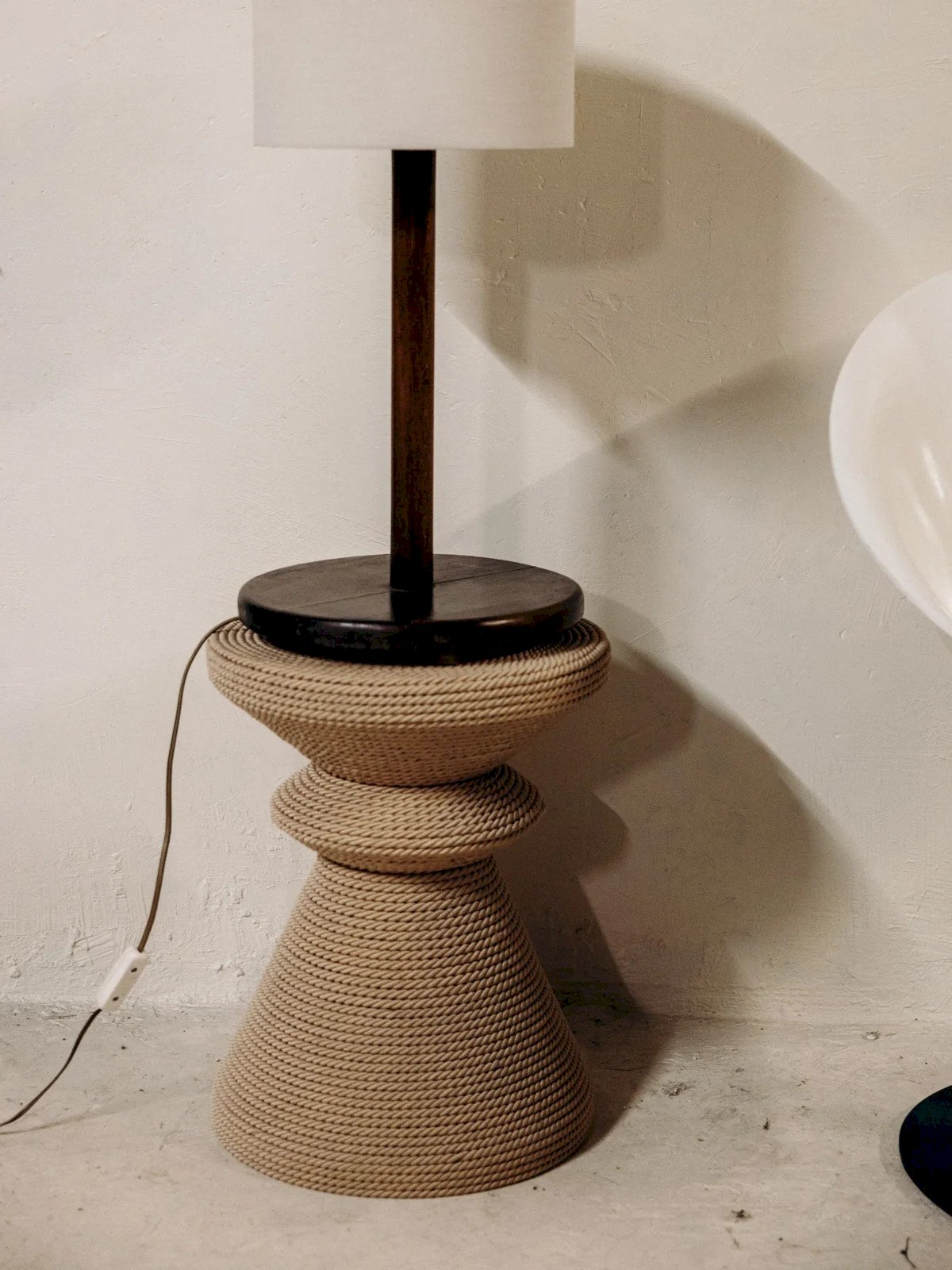
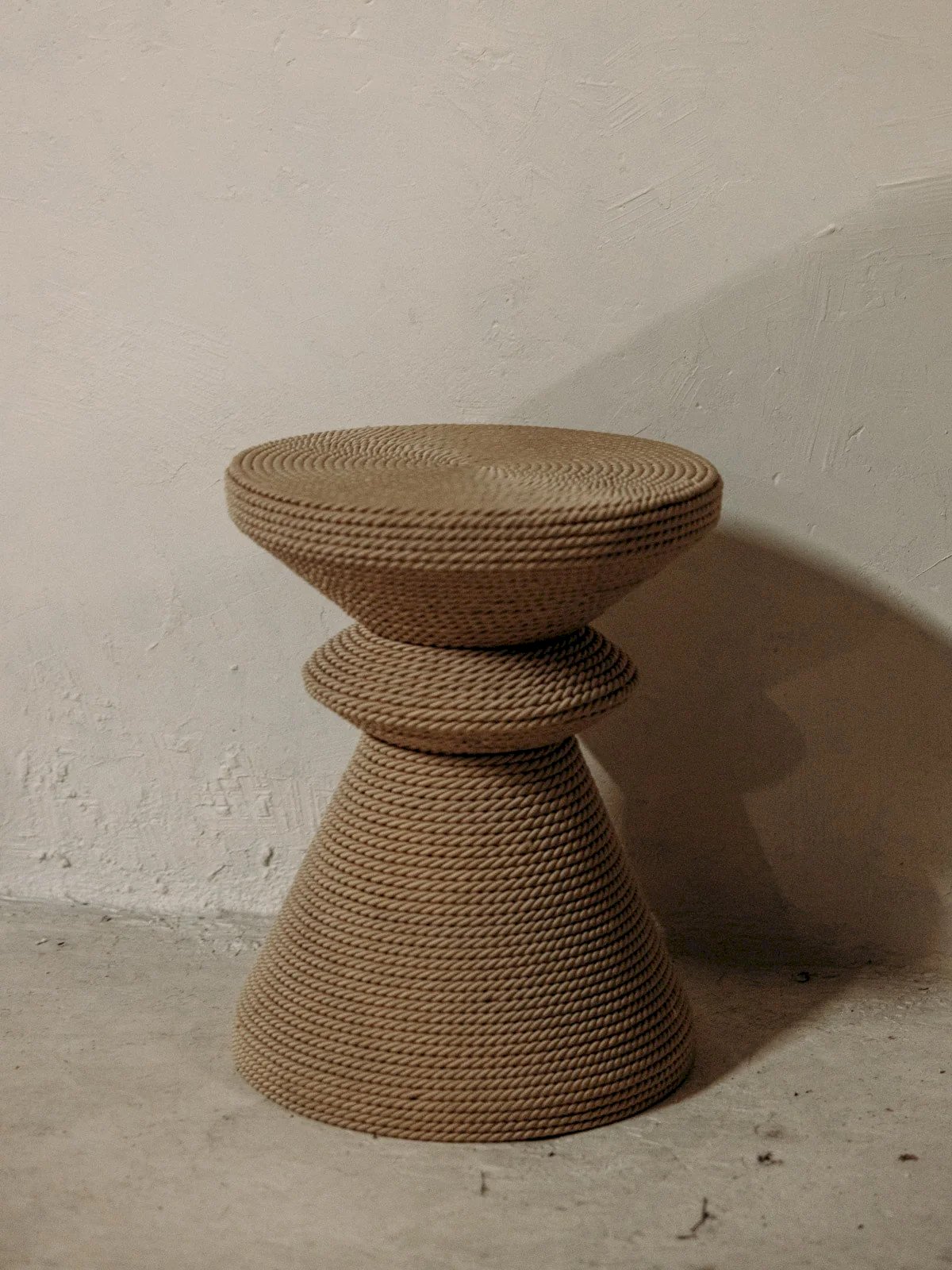
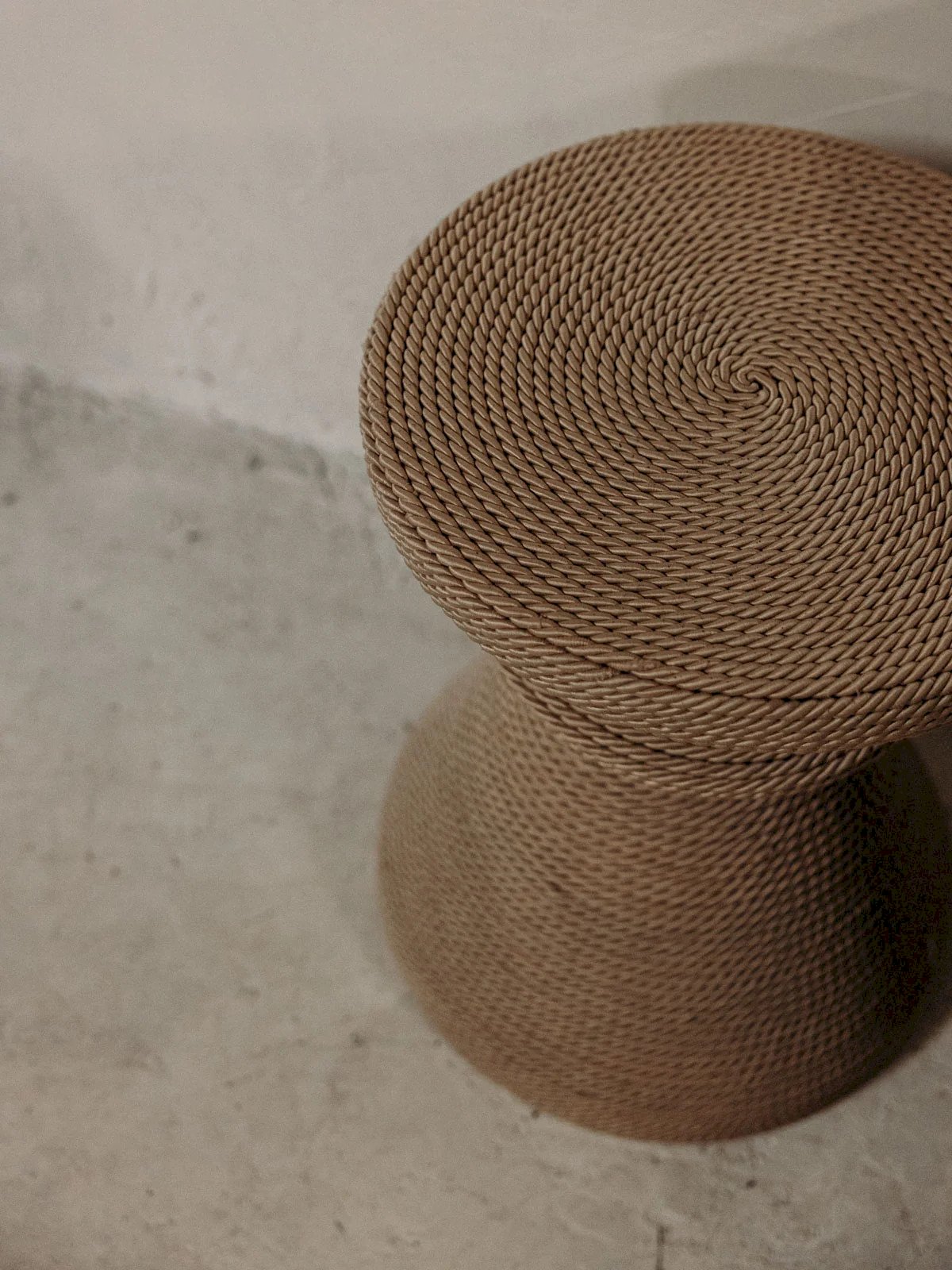
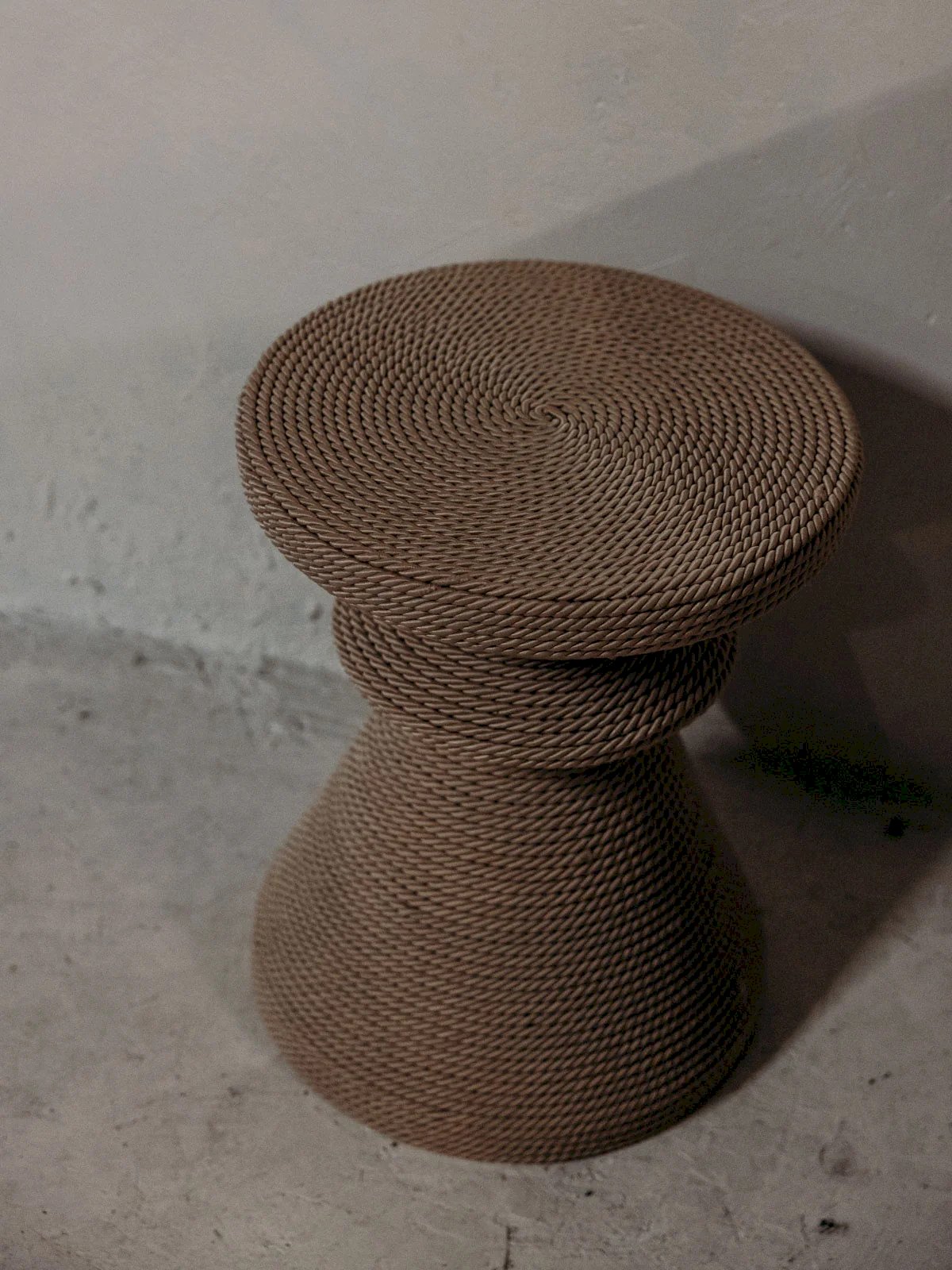
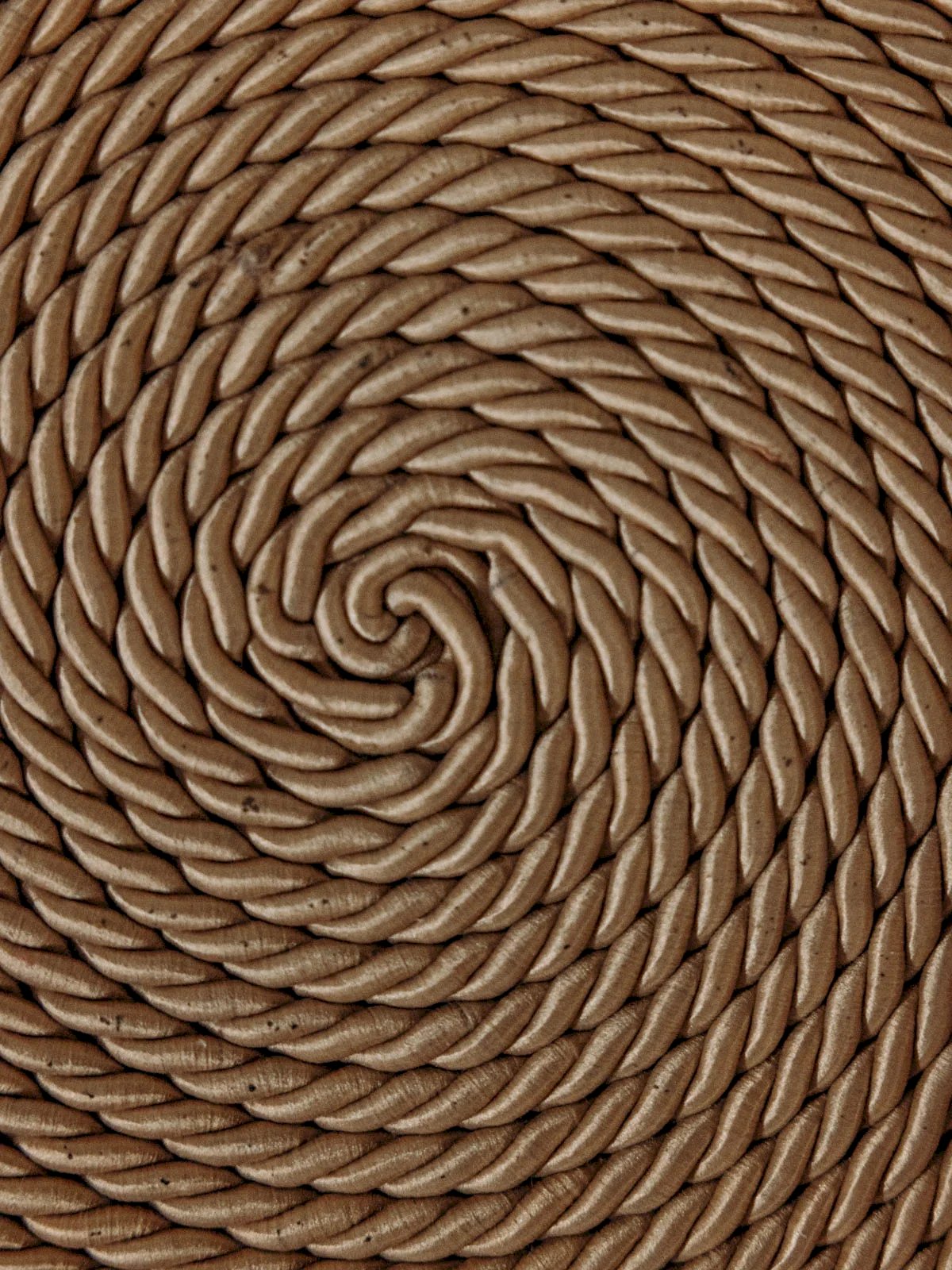
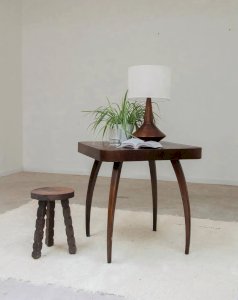
With its turned silhouette and refined texture, this dark wood side table adds a subtle contemporary touch to a living room or bedroom. The beige rope detail lightens its structure and gives it a unique relief, easy to pair with a linen sofa, a boucle armchair, or some ceramic objects. Its compact size makes it an ideal accent furniture piece next to an armchair, at the end of a sofa, or as a bedside table. At flea markets, it appeals with its simple line and warm material, fitting well into both a minimalist interior and a more eclectic decor. Placed with a smoky glass lamp and an art book, it creates a very inviting reading nook. Height: 46 cm Diameter: 36 cm A little history of the side table Born in the 17th century under the name "guéridon," the side table owes its origin to Moorish slaves [called guéridons] represented on the carved feet of the early models brought back from Italy. This nomadic piece of furniture revolutionized social life at court by allowing the rigidity of large buffets to be broken, creating conversation islands anywhere in the room. Its light and compact structure was designed to be moved as needed: to place a candlestick, a cup of tea, or a bedside book.
Réf :
#413659
Brand / From : Debongout
Related Products




Comments
Hanna, the side table with a rope finish No. 1565
199€
75002 Paris
Ce site contient des liens d’affiliation pour lesquels je peux recevoir une compensation.
Description
With its turned silhouette and refined texture, this dark wood side table adds a subtle contemporary touch to a living room or bedroom. The beige rope detail lightens its structure and gives it a unique relief, easy to pair with a linen sofa, a boucle armchair, or some ceramic objects. Its compact size makes it an ideal accent furniture piece next to an armchair, at the end of a sofa, or as a bedside table. At flea markets, it appeals with its simple line and warm material, fitting well into both a minimalist interior and a more eclectic decor. Placed with a smoky glass lamp and an art book, it creates a very inviting reading nook. Height: 46 cm Diameter: 36 cm A little history of the side table Born in the 17th century under the name "guéridon," the side table owes its origin to Moorish slaves [called guéridons] represented on the carved feet of the early models brought back from Italy. This nomadic piece of furniture revolutionized social life at court by allowing the rigidity of large buffets to be broken, creating conversation islands anywhere in the room. Its light and compact structure was designed to be moved as needed: to place a candlestick, a cup of tea, or a bedside book.
Réf :
#413659
Brand / From : Debongout