 English
 Français


Description
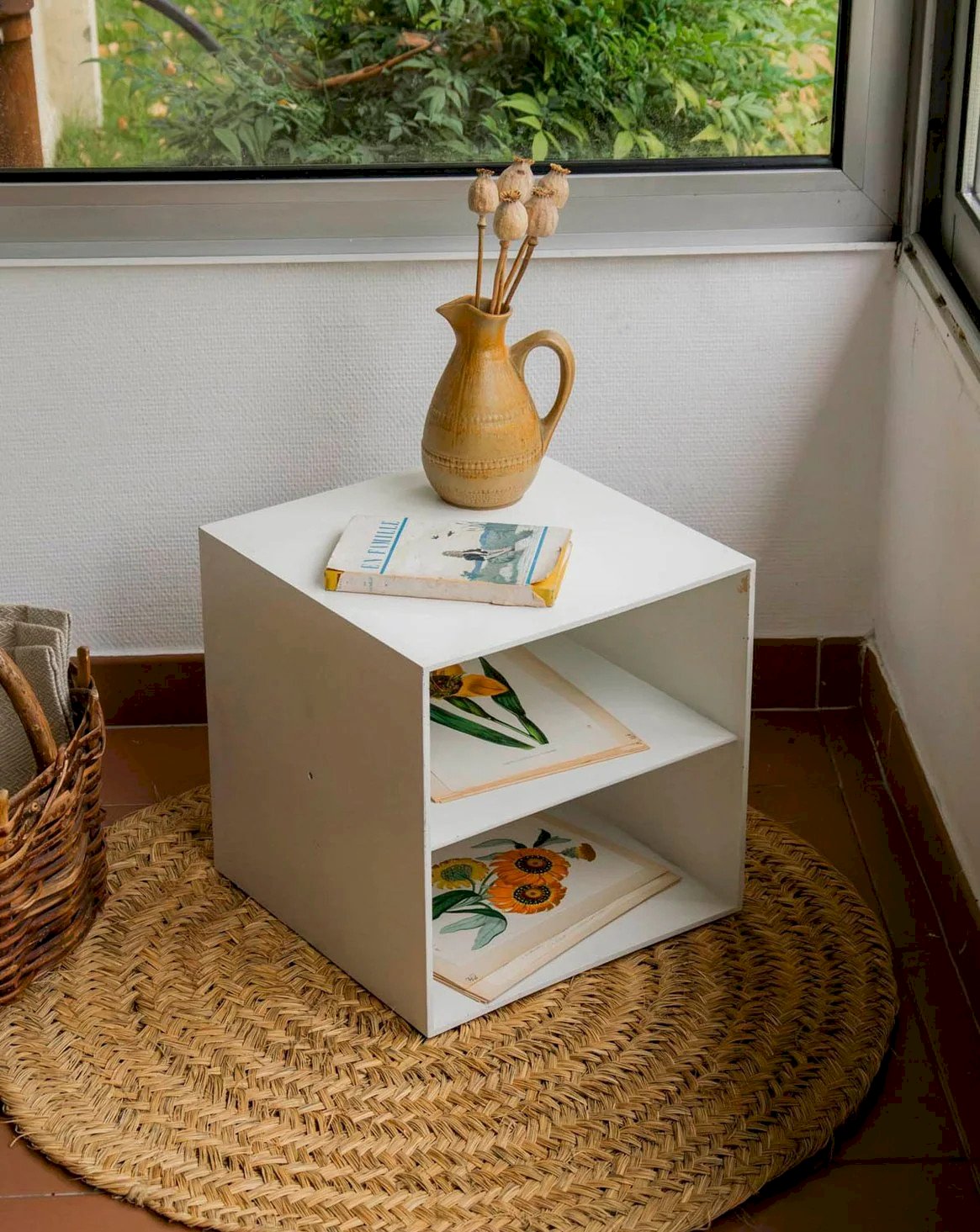
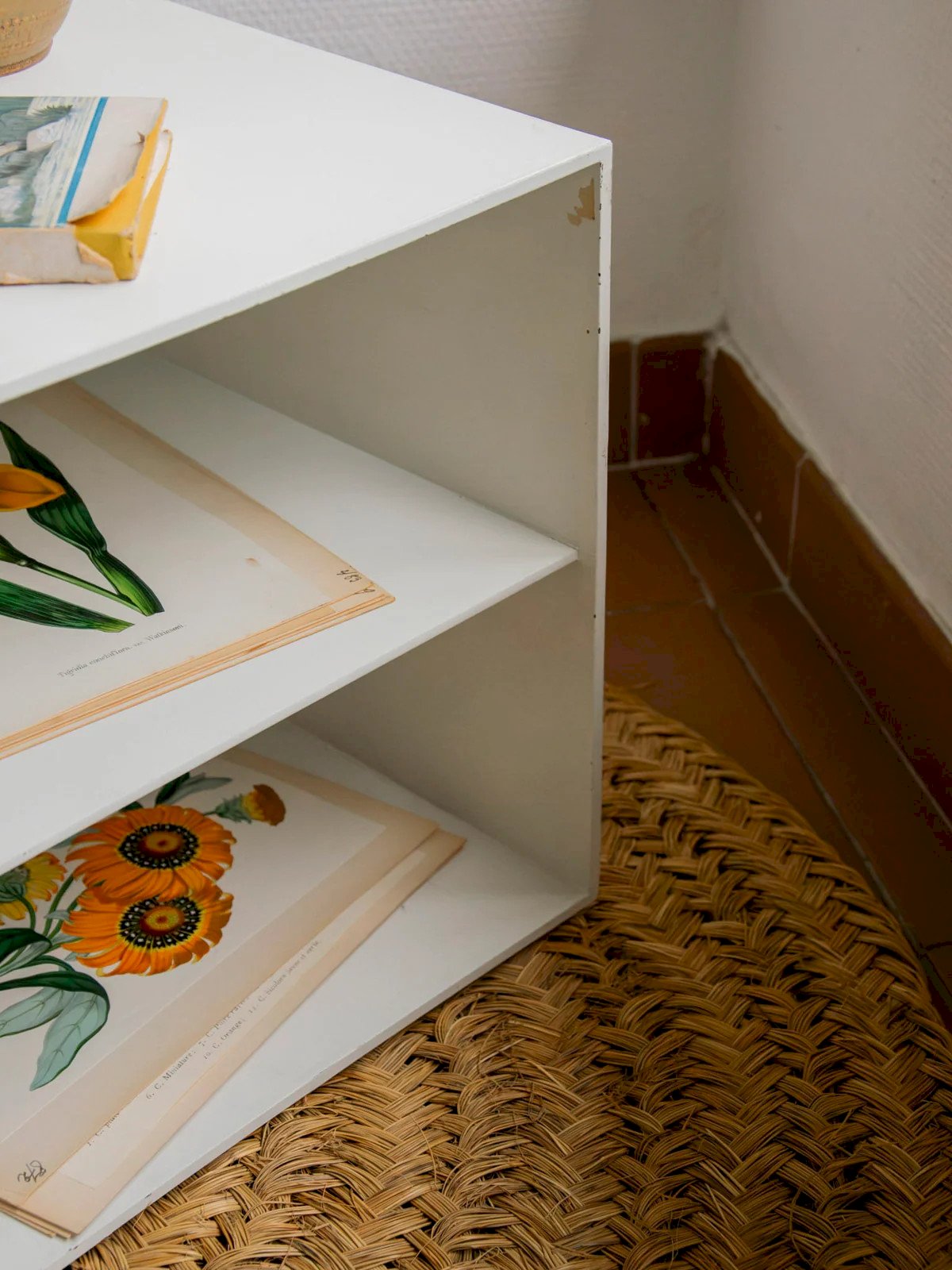
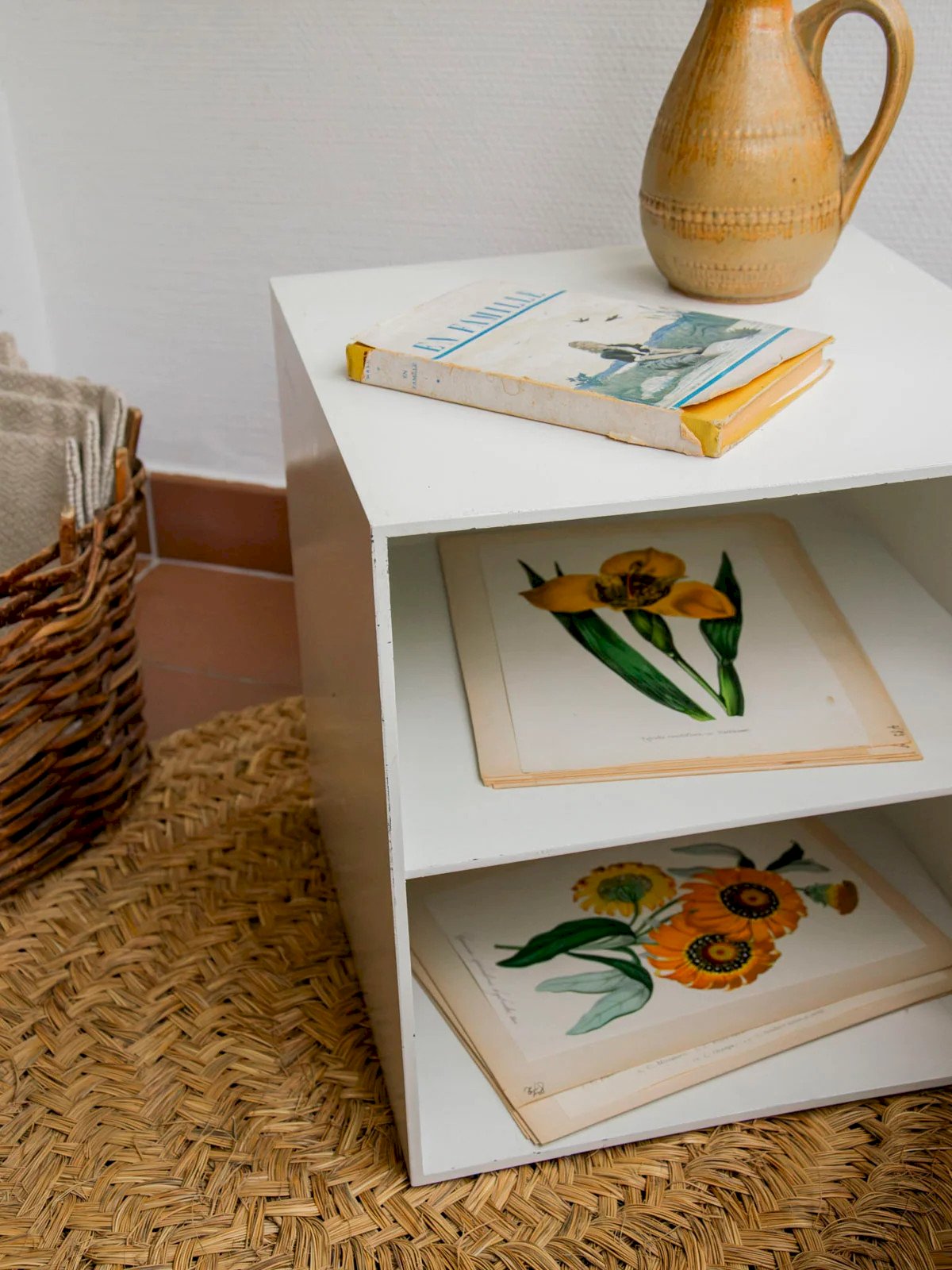
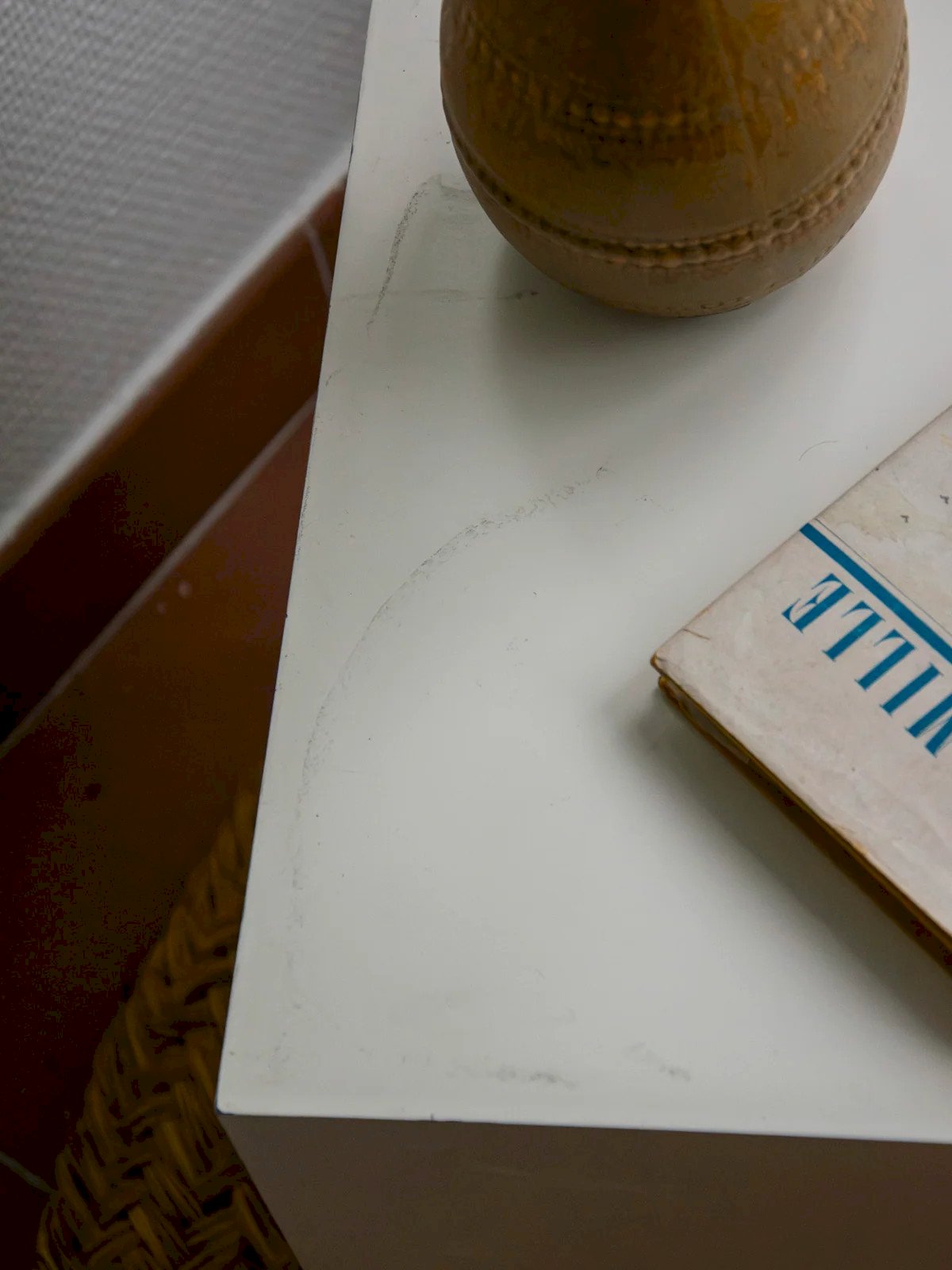
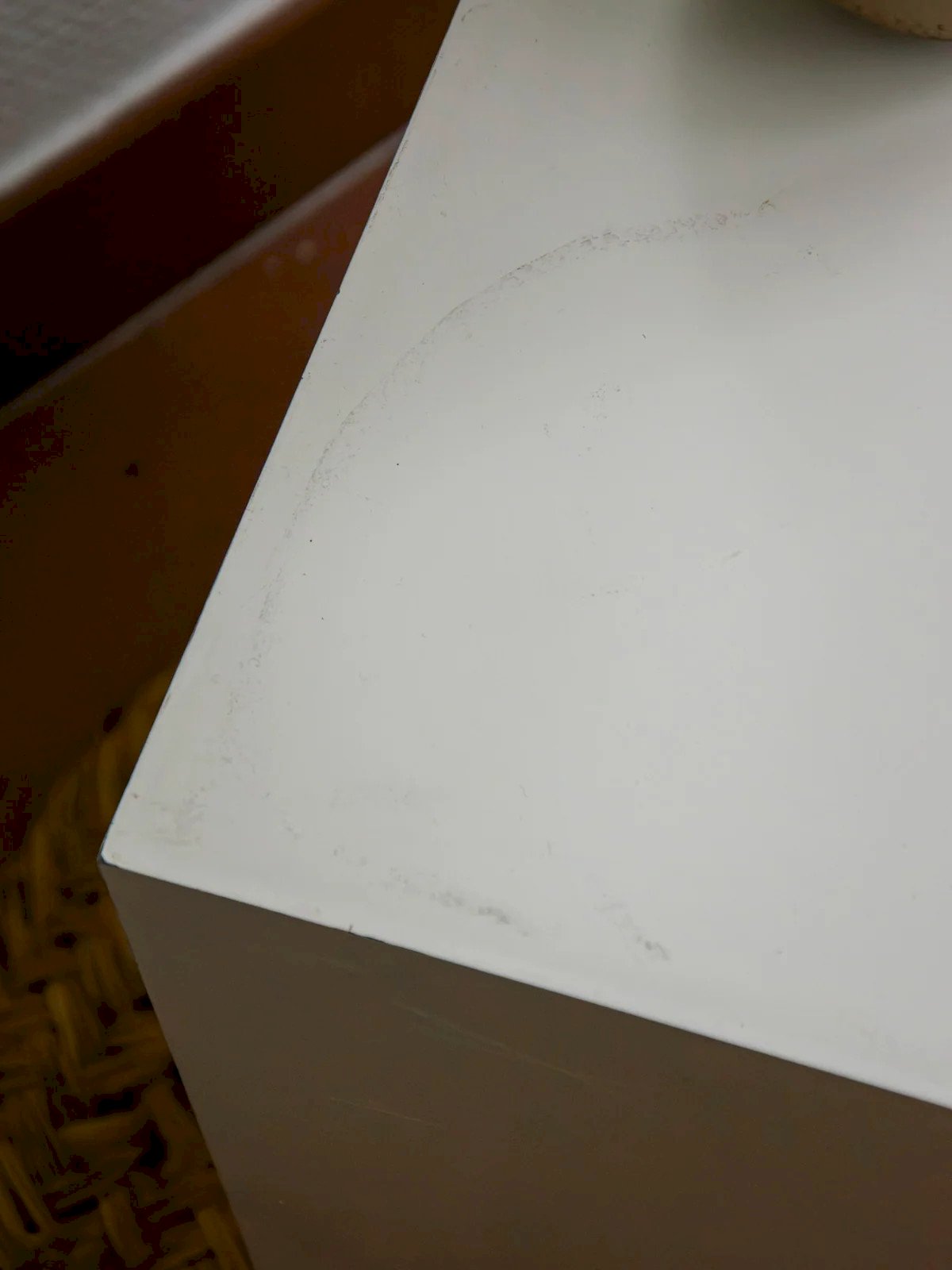
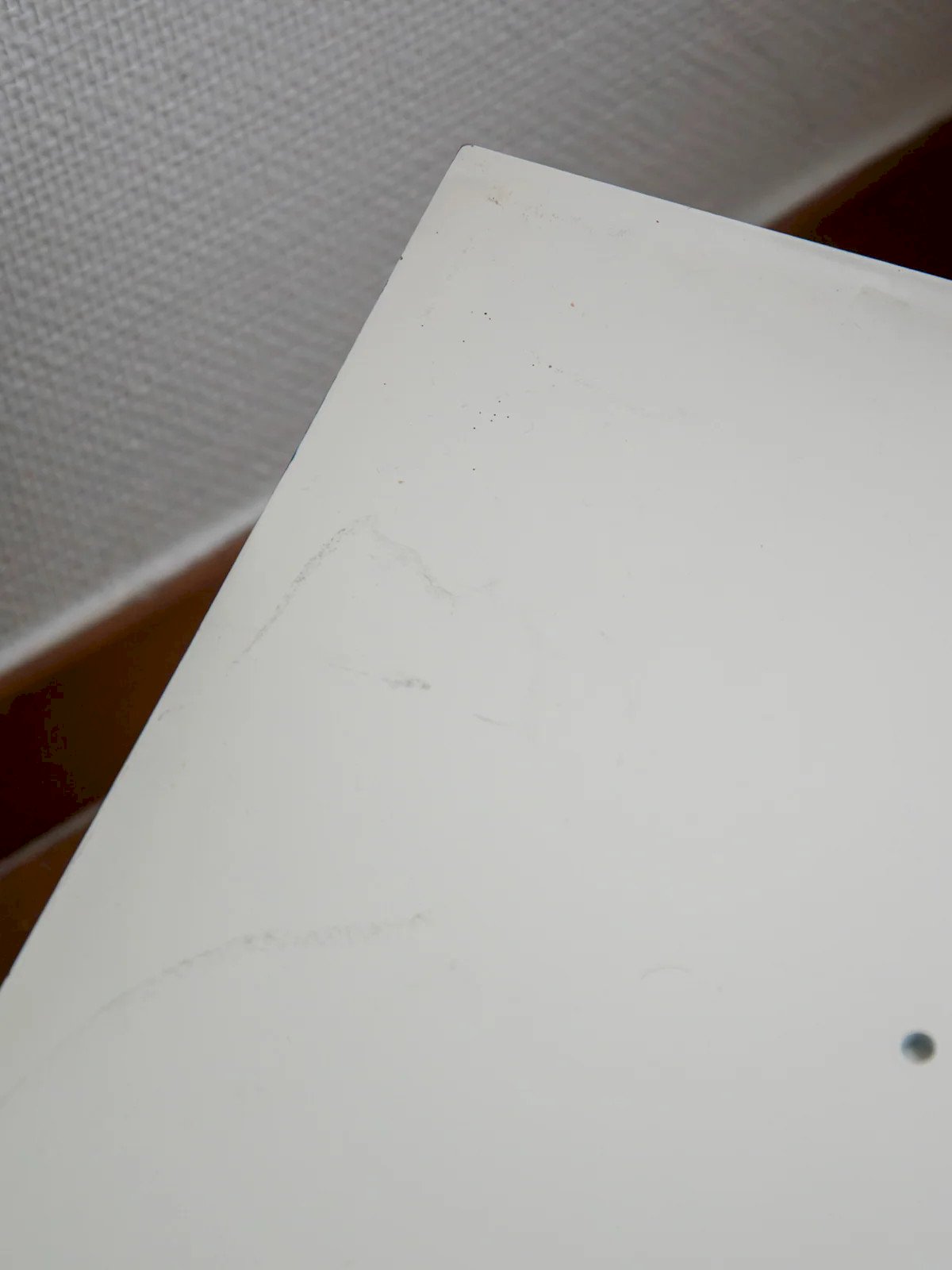
With its white resin and contemporary look, this side table finds a subtle and graphic note in the living room. The resin block, designed by Palaret and made in Finland, offers a crisp presence, while the niche holds vinyl records within reach. Positioned near a sofa or at the end of an armchair, it serves as a support for a lamp, a few magazines, or a decorative object. Its tall and compact format allows it to remain discreet on the floor while providing useful storage. Tucked into a reading corner, it complements a turntable and a neatly stacked pile of records. Width: 34.5 cm Depth: 34.5 cm Height: 34.5 cm Height of the niches: 17 cm A brief history of the side table Born in the 17th century under the name "guéridon," the side table owes its origin to the Moorish slaves [called guéridons] represented on the sculpted legs of the earliest models brought back from Italy. This nomadic piece of furniture revolutionized social life at court by allowing the rigidity of large buffets to be broken, creating conversation islands anywhere in the room. Its light and compact structure was designed to be moved according to needs: to place a candlestick, a cup of tea, or a bedside book.
Réf :
#414358
Brand / From : Debongout
Related Products

Comments
Hanna, the N°1617 resin side table
129€
75002 Paris
Ce site contient des liens d’affiliation pour lesquels je peux recevoir une compensation.
Description
With its white resin and contemporary look, this side table finds a subtle and graphic note in the living room. The resin block, designed by Palaret and made in Finland, offers a crisp presence, while the niche holds vinyl records within reach. Positioned near a sofa or at the end of an armchair, it serves as a support for a lamp, a few magazines, or a decorative object. Its tall and compact format allows it to remain discreet on the floor while providing useful storage. Tucked into a reading corner, it complements a turntable and a neatly stacked pile of records. Width: 34.5 cm Depth: 34.5 cm Height: 34.5 cm Height of the niches: 17 cm A brief history of the side table Born in the 17th century under the name "guéridon," the side table owes its origin to the Moorish slaves [called guéridons] represented on the sculpted legs of the earliest models brought back from Italy. This nomadic piece of furniture revolutionized social life at court by allowing the rigidity of large buffets to be broken, creating conversation islands anywhere in the room. Its light and compact structure was designed to be moved according to needs: to place a candlestick, a cup of tea, or a bedside book.
Réf :
#414358
Brand / From : Debongout