 English
 Français


Description
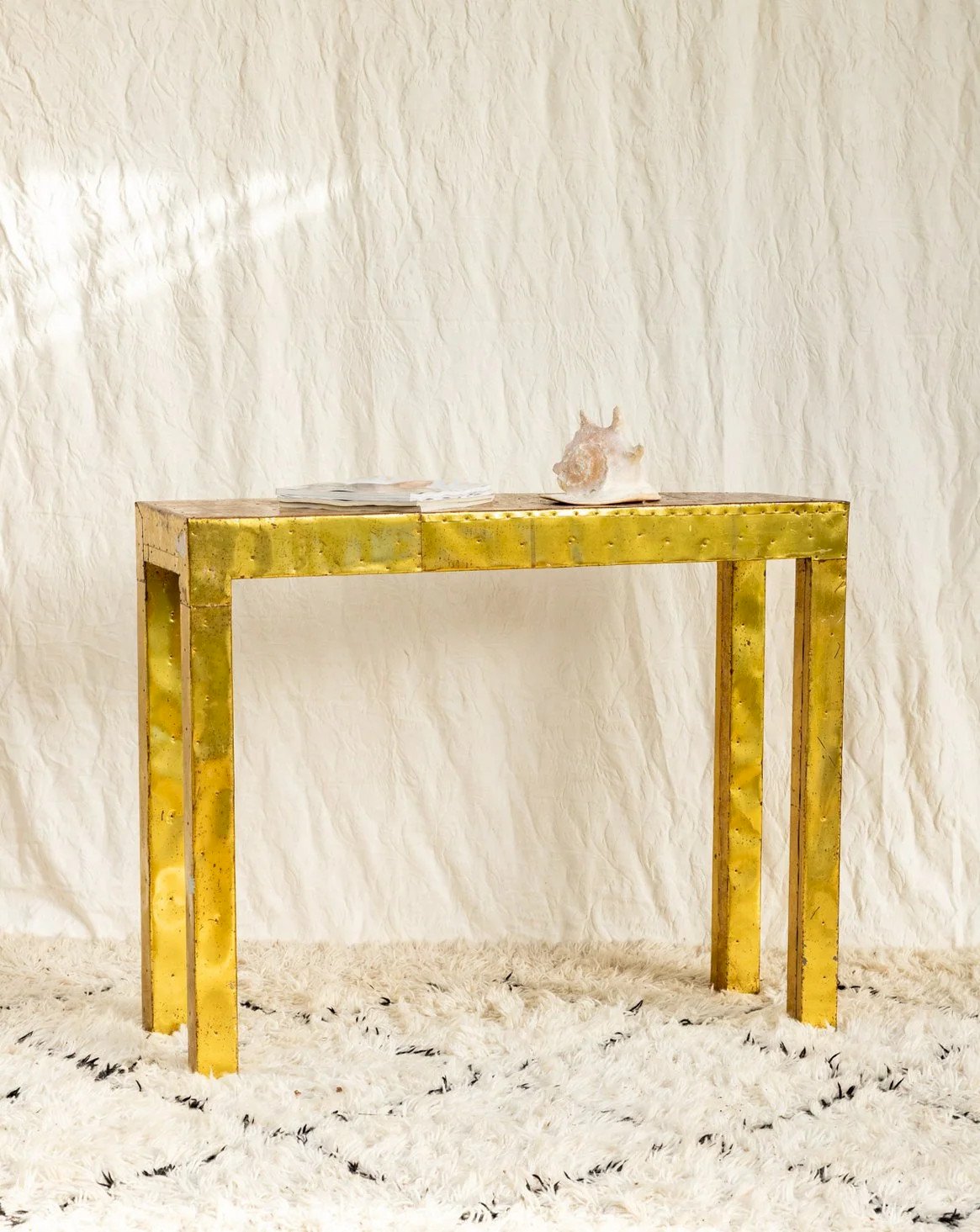
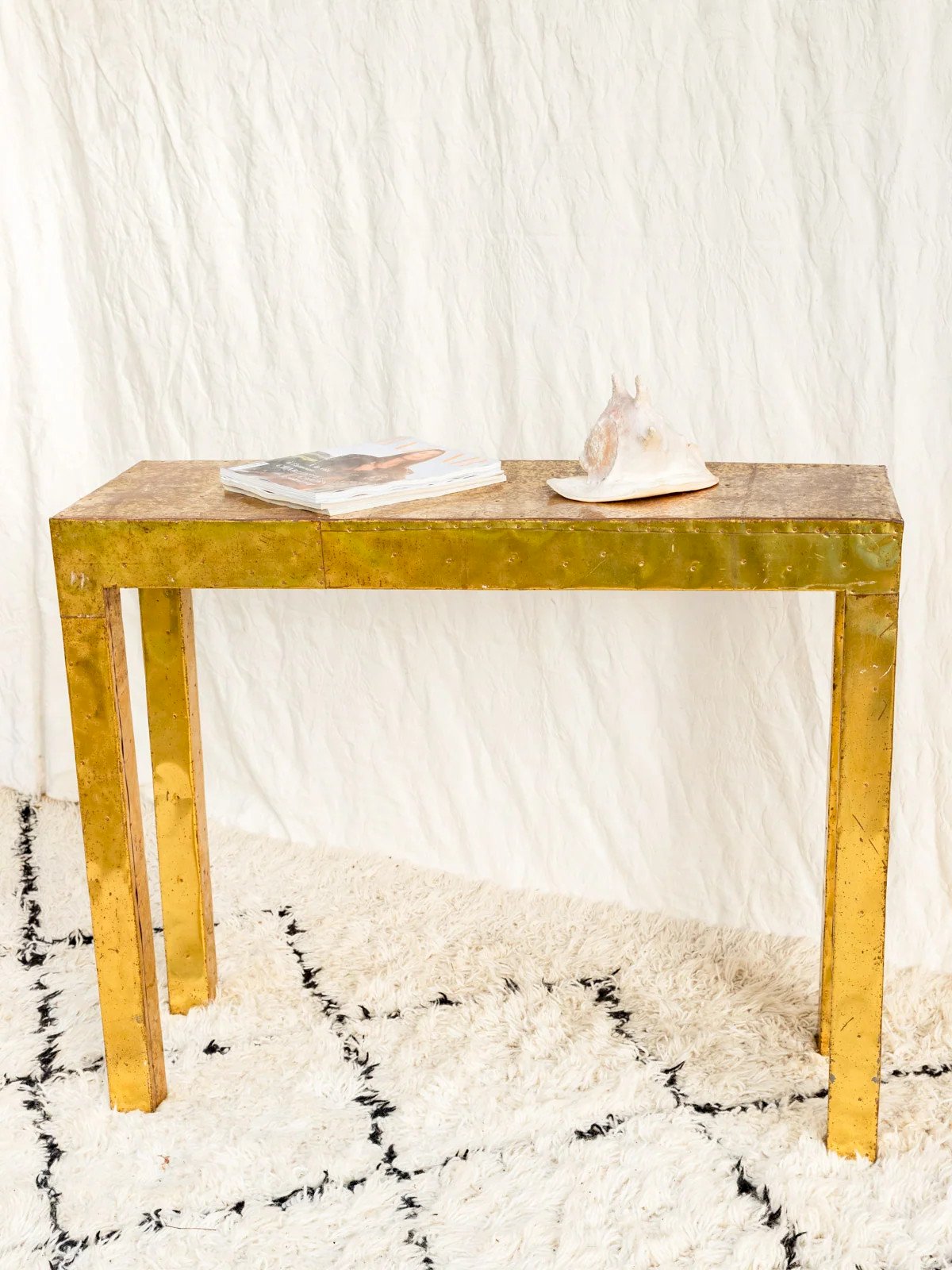
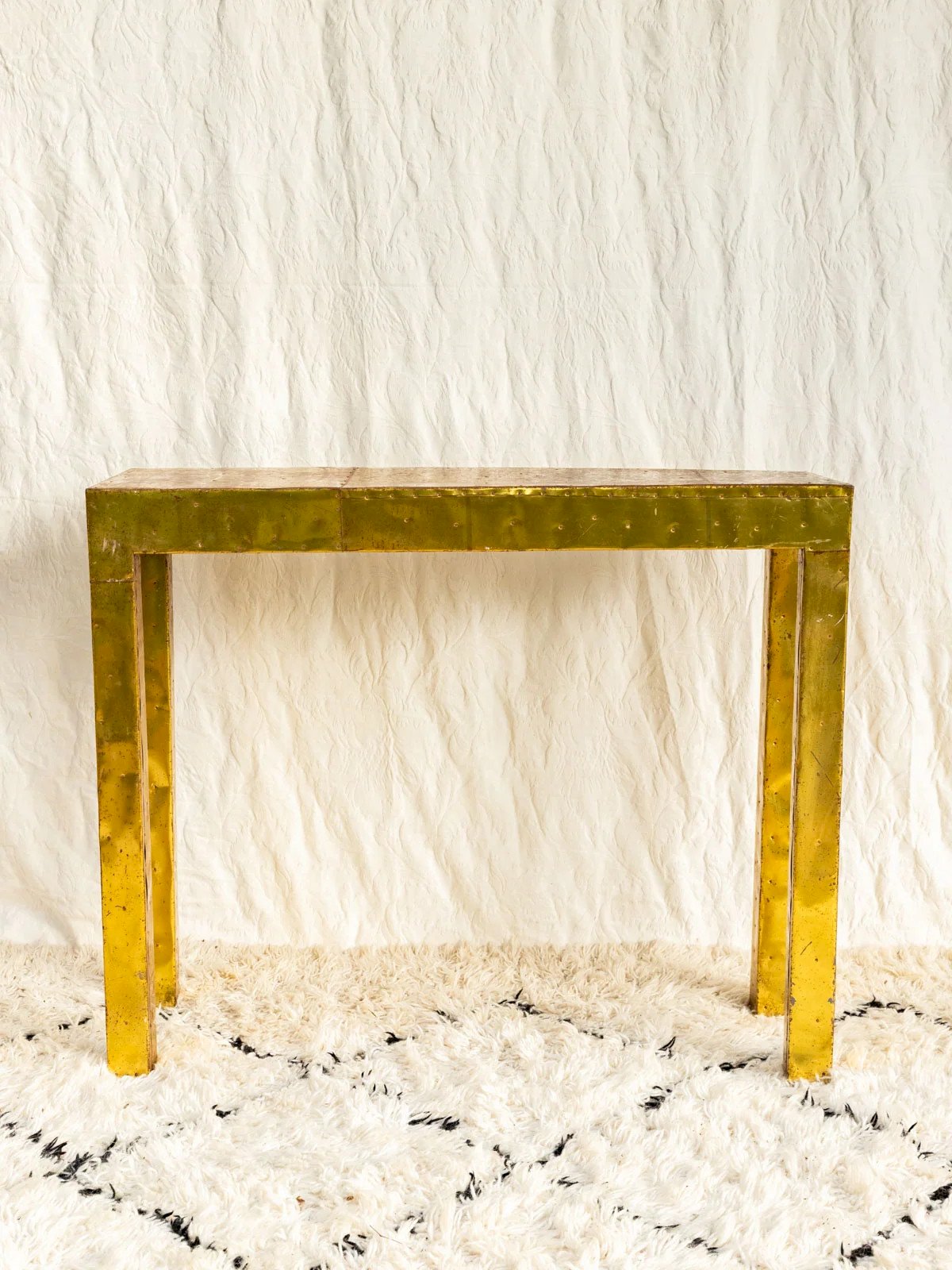
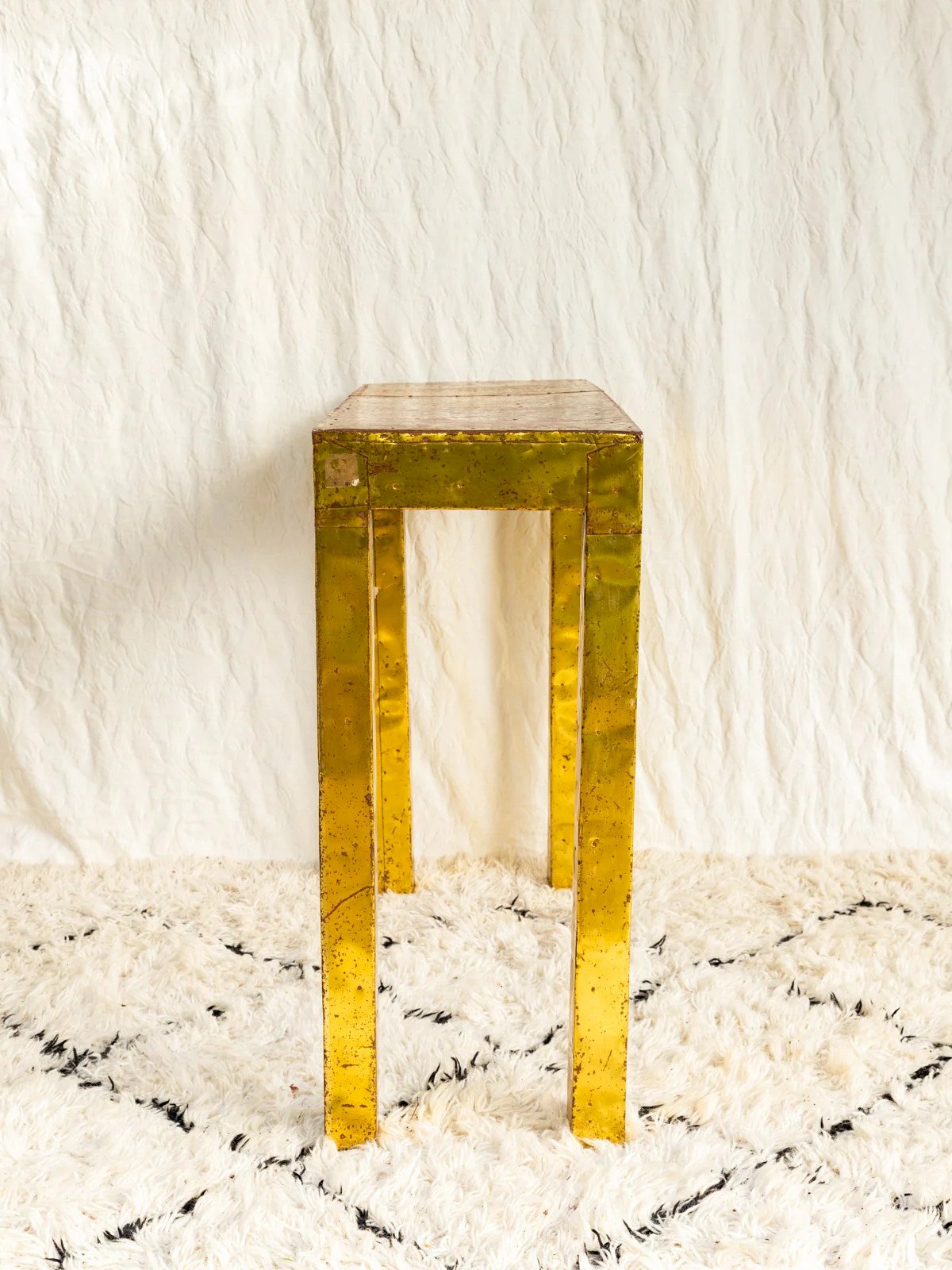
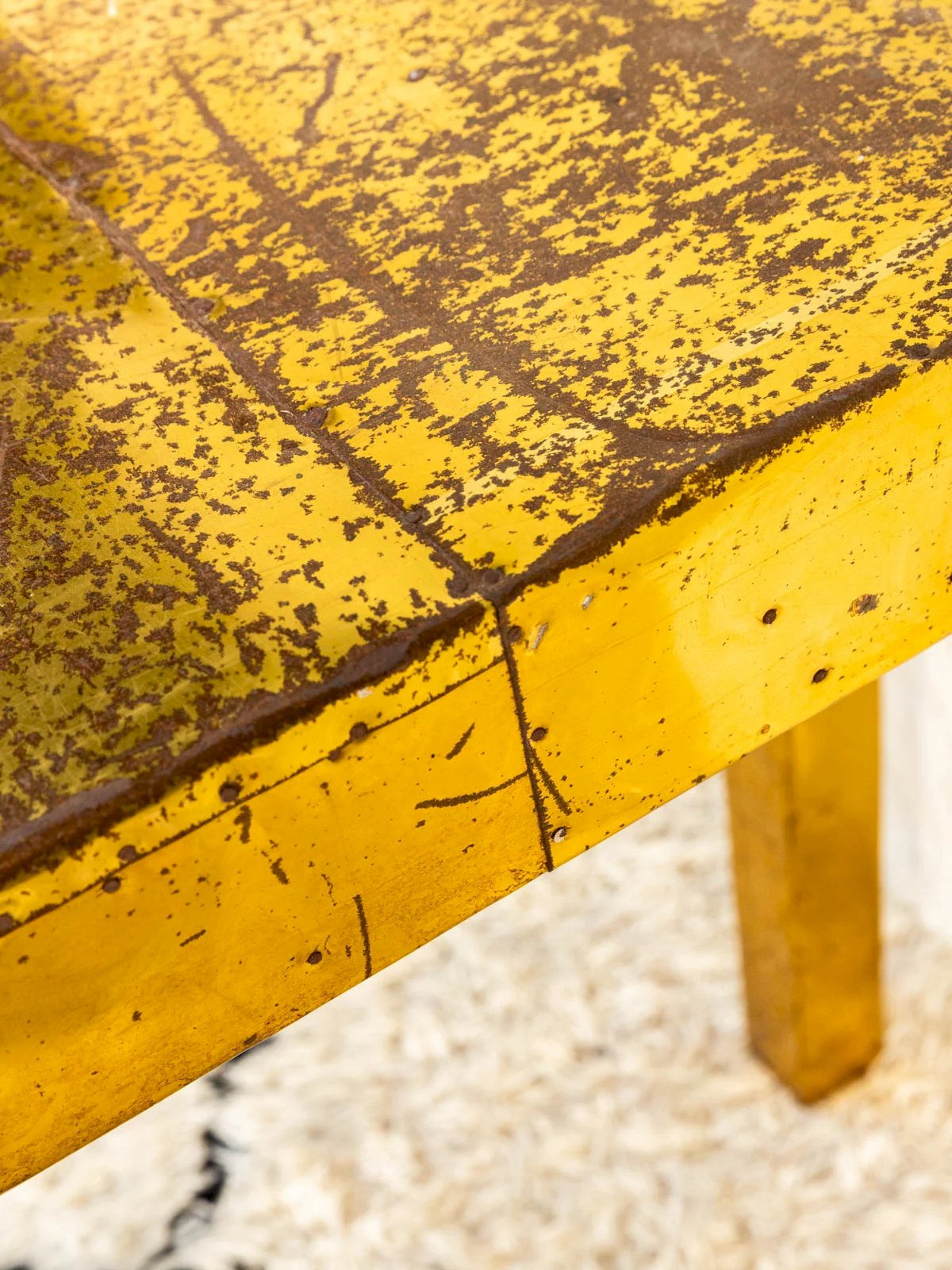
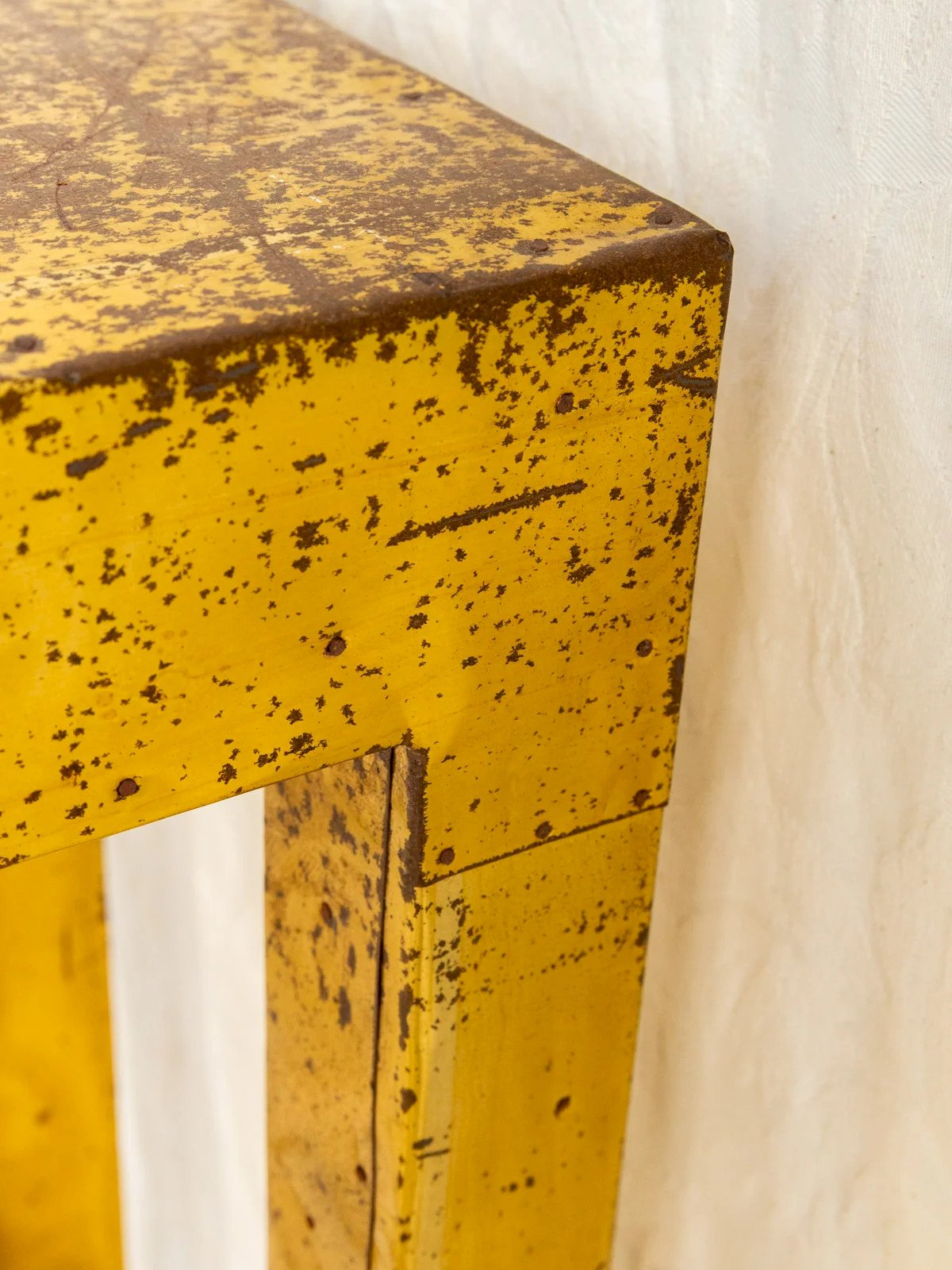
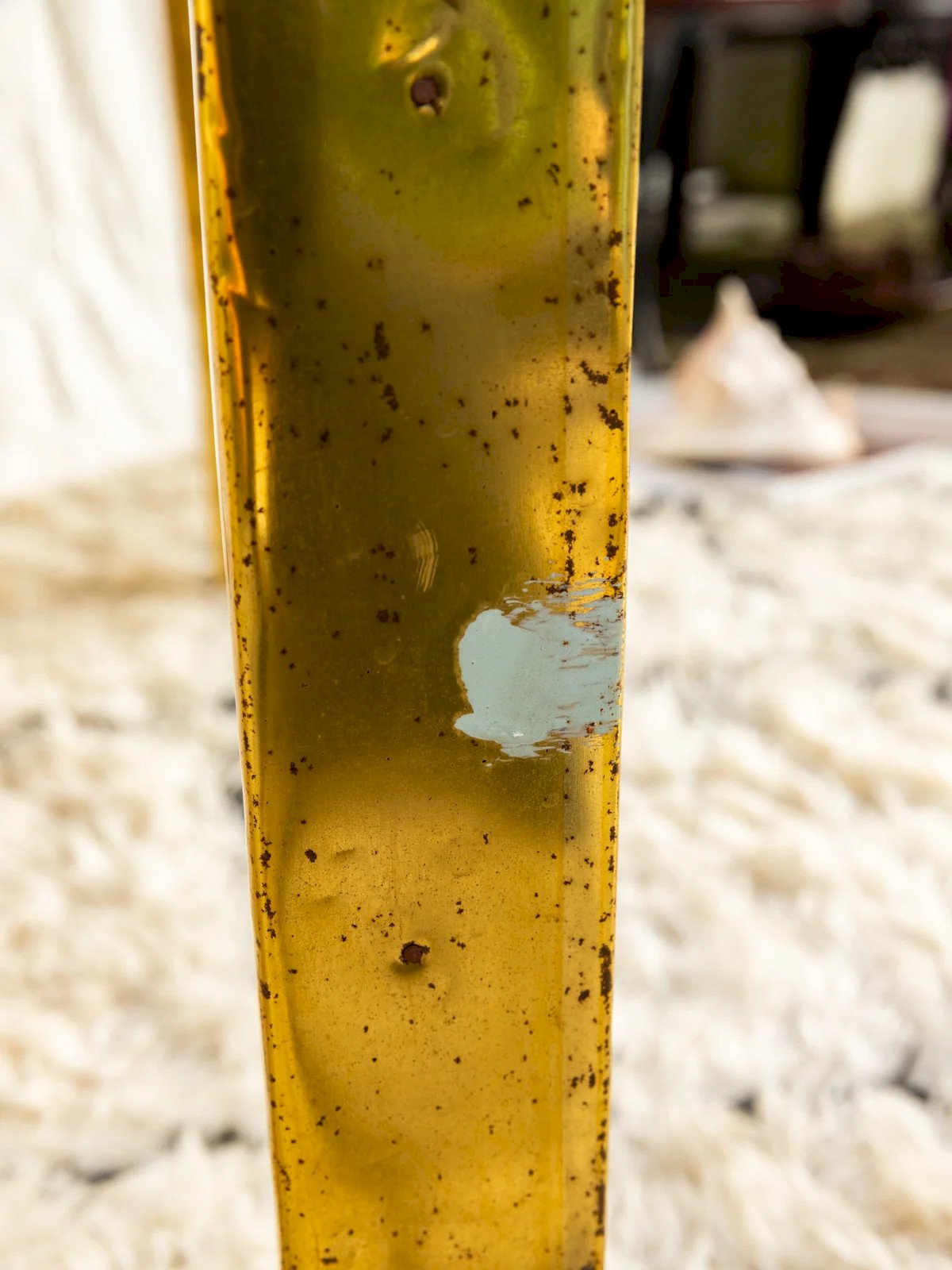
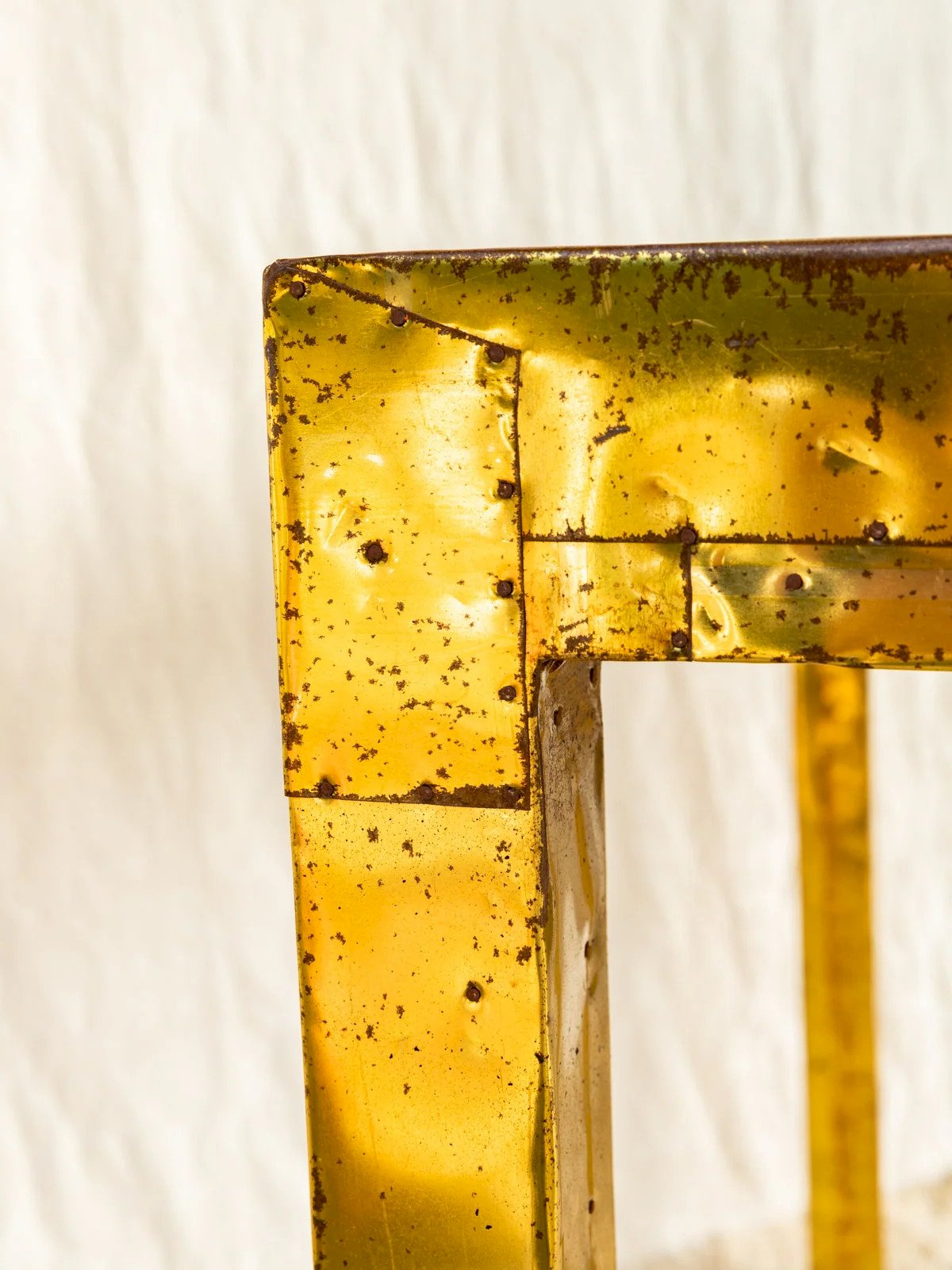
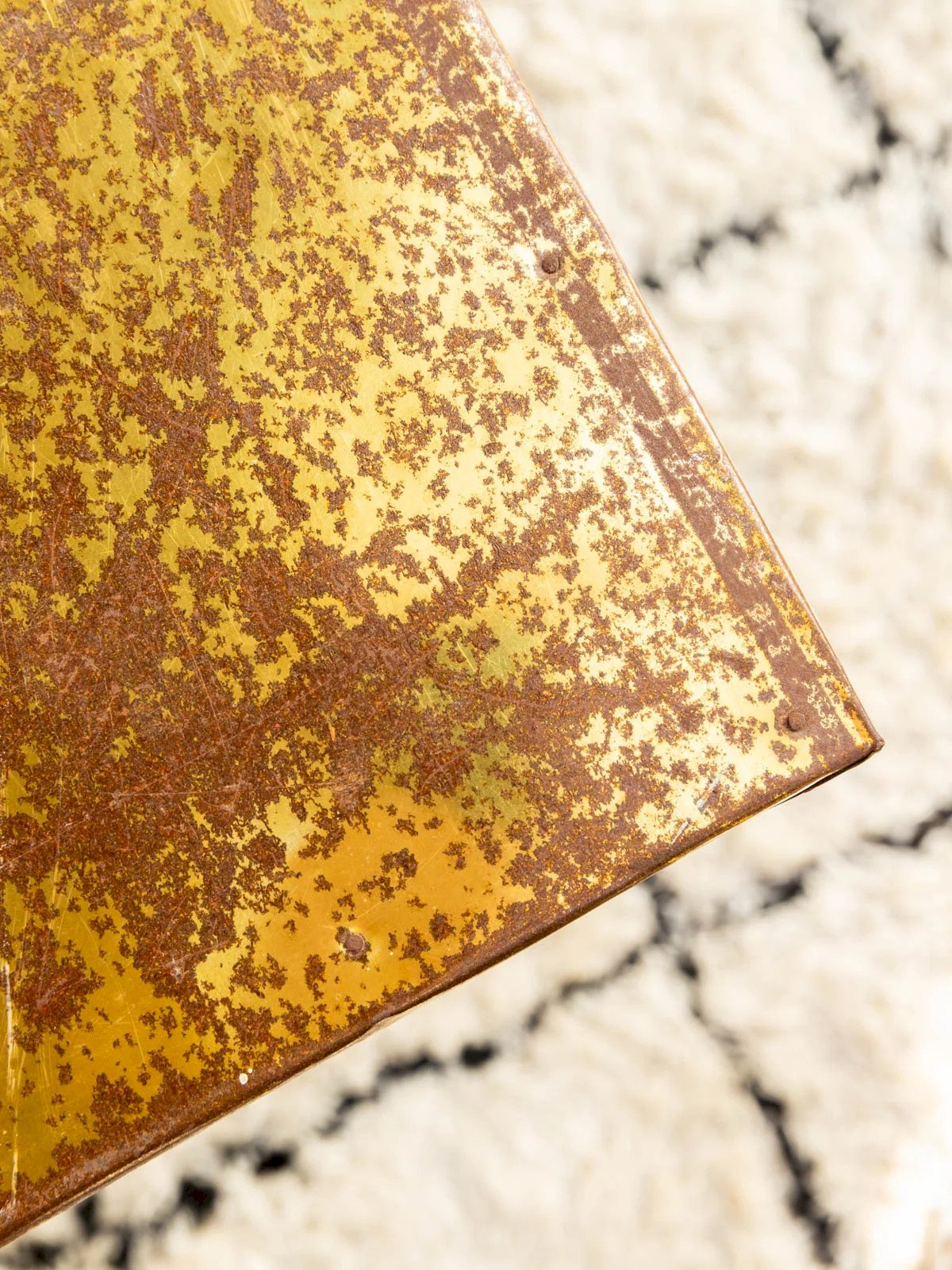
This African tin console catches the eye with its handcrafted design and regular studding, giving it a sleek and contemporary look. Its metal, in a golden hue, captures light subtly, while its wooden base adds a warmer touch to the whole. Second-hand, it retains the character of handcrafted pieces and elegantly fits into an entryway or living room. Its surface readily welcomes a lamp, a vase, or a few books without overwhelming the space. Placed against a wall, it creates a refined scene with a round mirror and a ceramic catchall. Length: 100 cm Width: 35 cm Height: 82 cm A Brief History of the Side Table Born in the 17th century under the name "guéridon," the side table originates from Moorish slaves [called guéridons] represented on the sculpted legs of the first models brought from Italy. This nomadic piece of furniture revolutionized social life at court by allowing the rigidity of large buffets to be broken to create conversation islands anywhere in the room. Its lightweight and compact structure was designed to be moved as needed: to place a candlestick, a cup of tea, or a bedside book.
Réf :
#414682
Brand / From : Debongout
Related Products




Comments
Hanna, the gilded tin console No. 1711
389€
75002 Paris
Ce site contient des liens d’affiliation pour lesquels je peux recevoir une compensation.
Description
This African tin console catches the eye with its handcrafted design and regular studding, giving it a sleek and contemporary look. Its metal, in a golden hue, captures light subtly, while its wooden base adds a warmer touch to the whole. Second-hand, it retains the character of handcrafted pieces and elegantly fits into an entryway or living room. Its surface readily welcomes a lamp, a vase, or a few books without overwhelming the space. Placed against a wall, it creates a refined scene with a round mirror and a ceramic catchall. Length: 100 cm Width: 35 cm Height: 82 cm A Brief History of the Side Table Born in the 17th century under the name "guéridon," the side table originates from Moorish slaves [called guéridons] represented on the sculpted legs of the first models brought from Italy. This nomadic piece of furniture revolutionized social life at court by allowing the rigidity of large buffets to be broken to create conversation islands anywhere in the room. Its lightweight and compact structure was designed to be moved as needed: to place a candlestick, a cup of tea, or a bedside book.
Réf :
#414682
Brand / From : Debongout