 English
 Français


Description
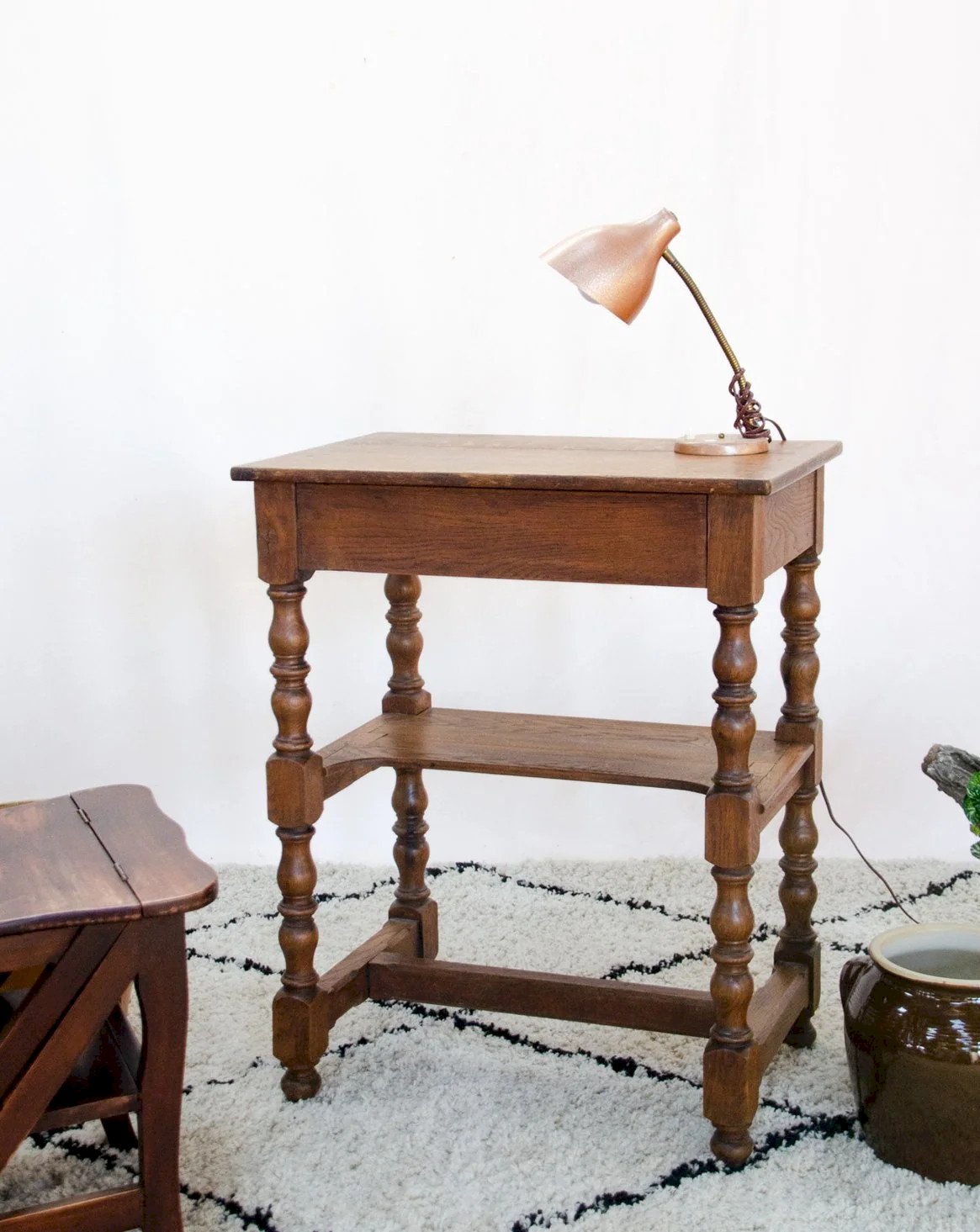
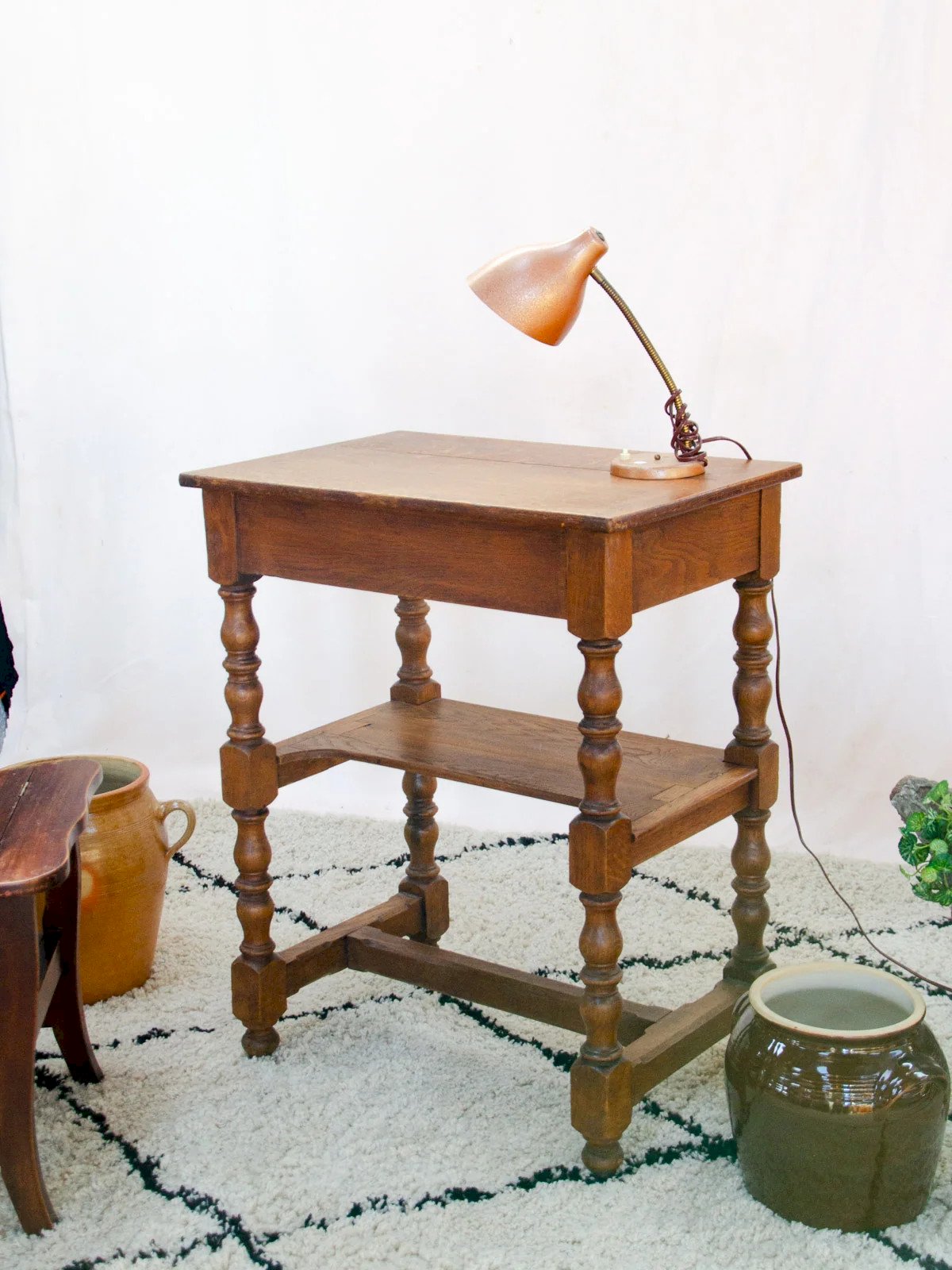
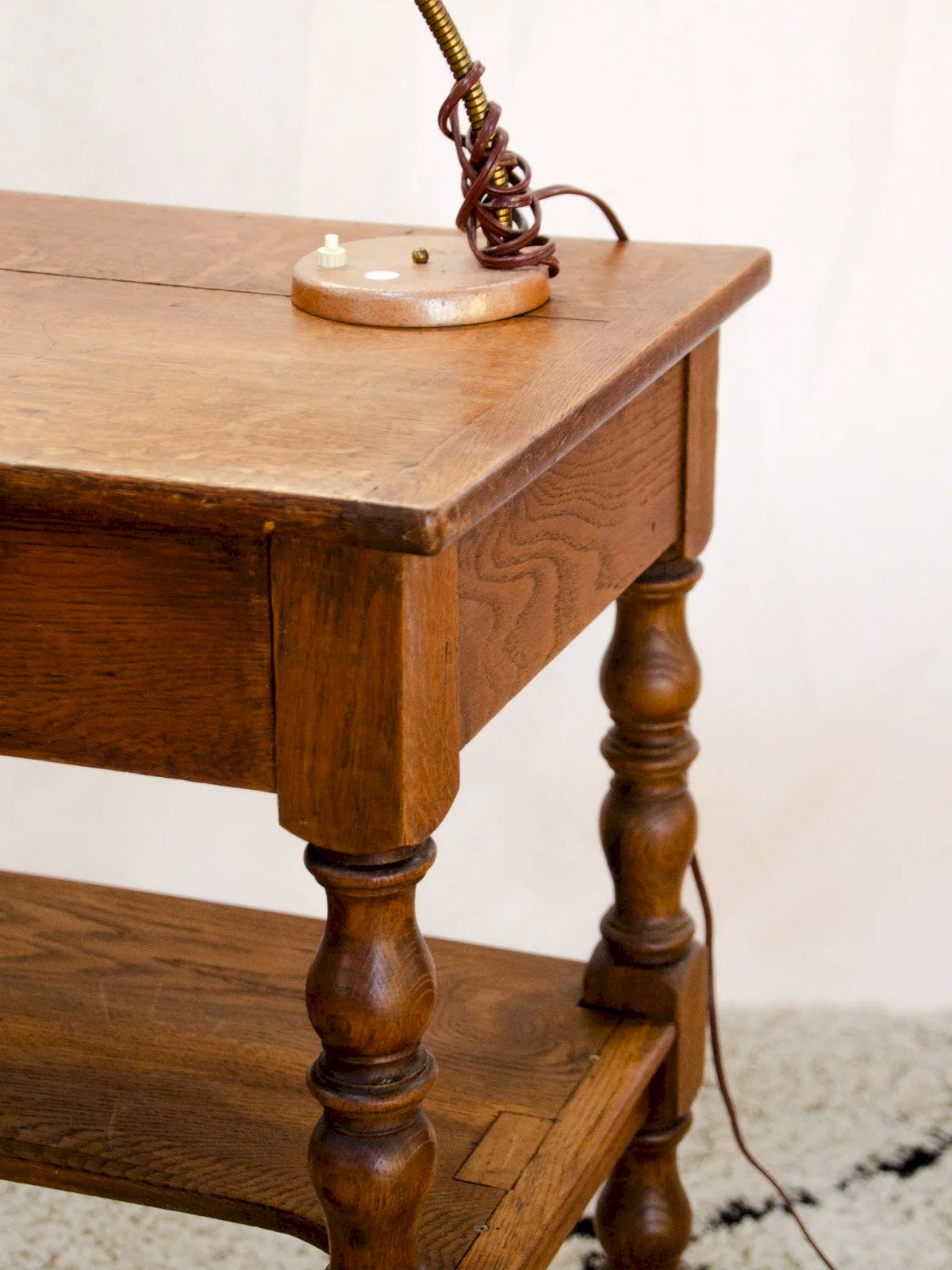
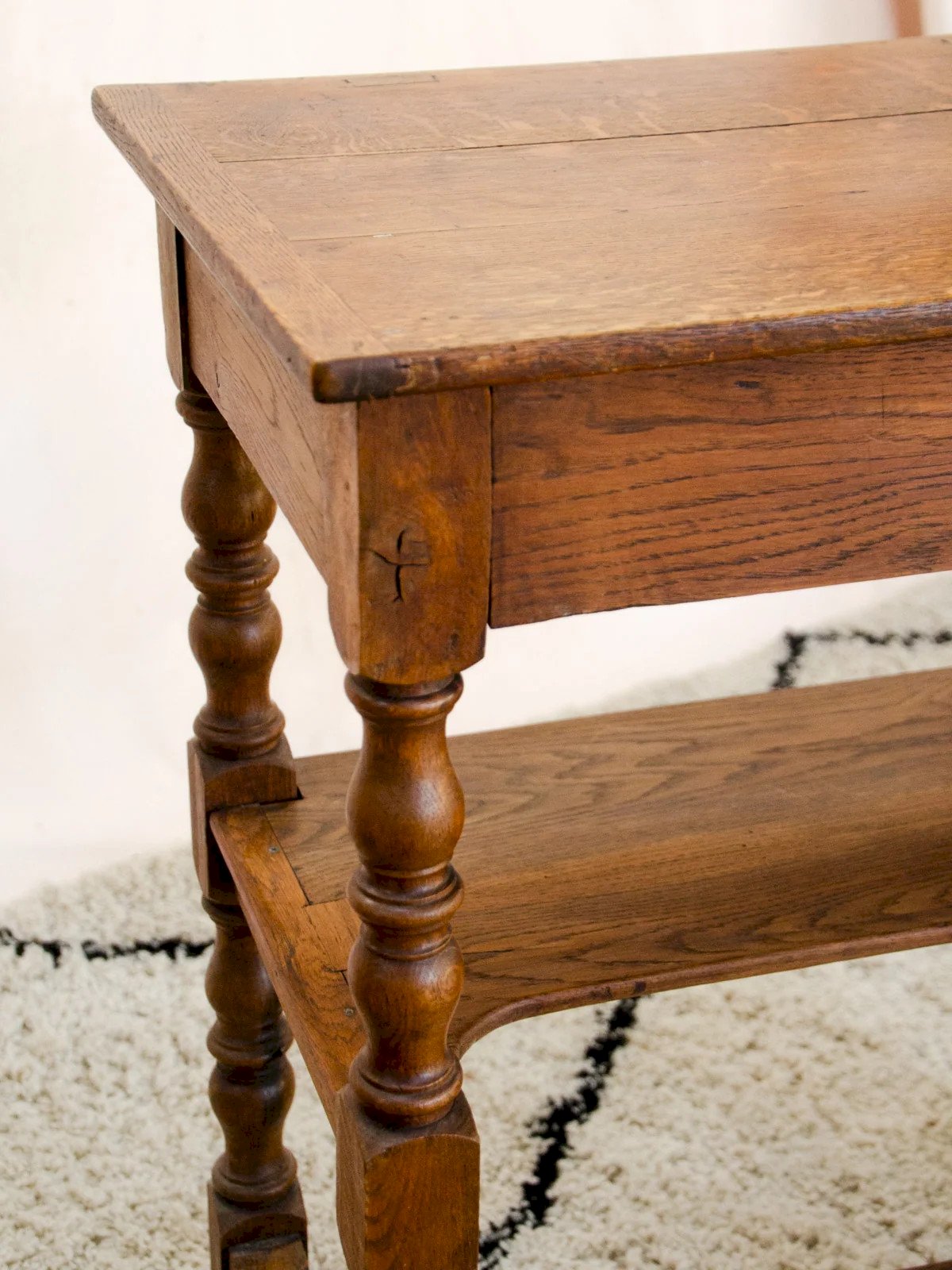
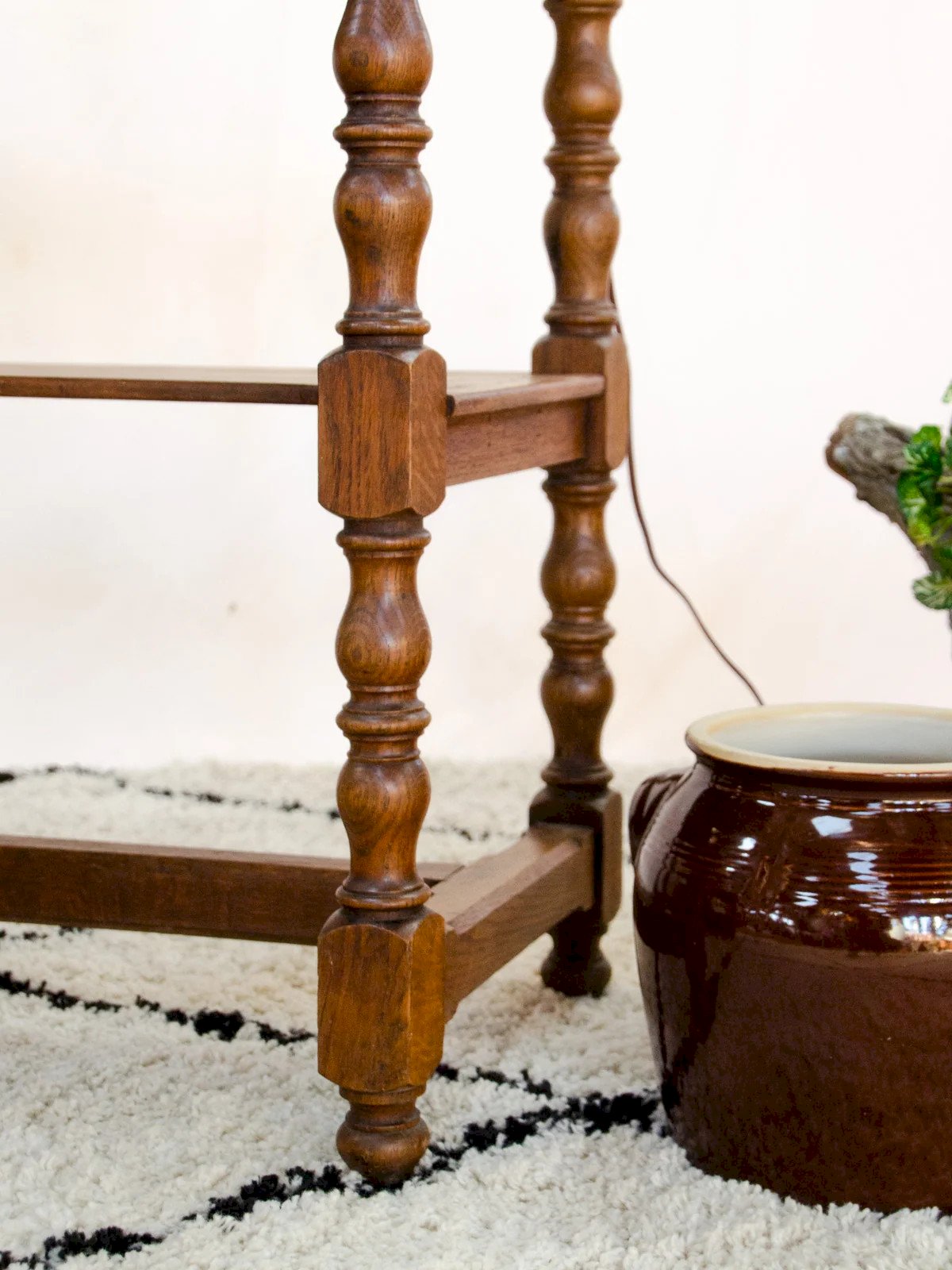
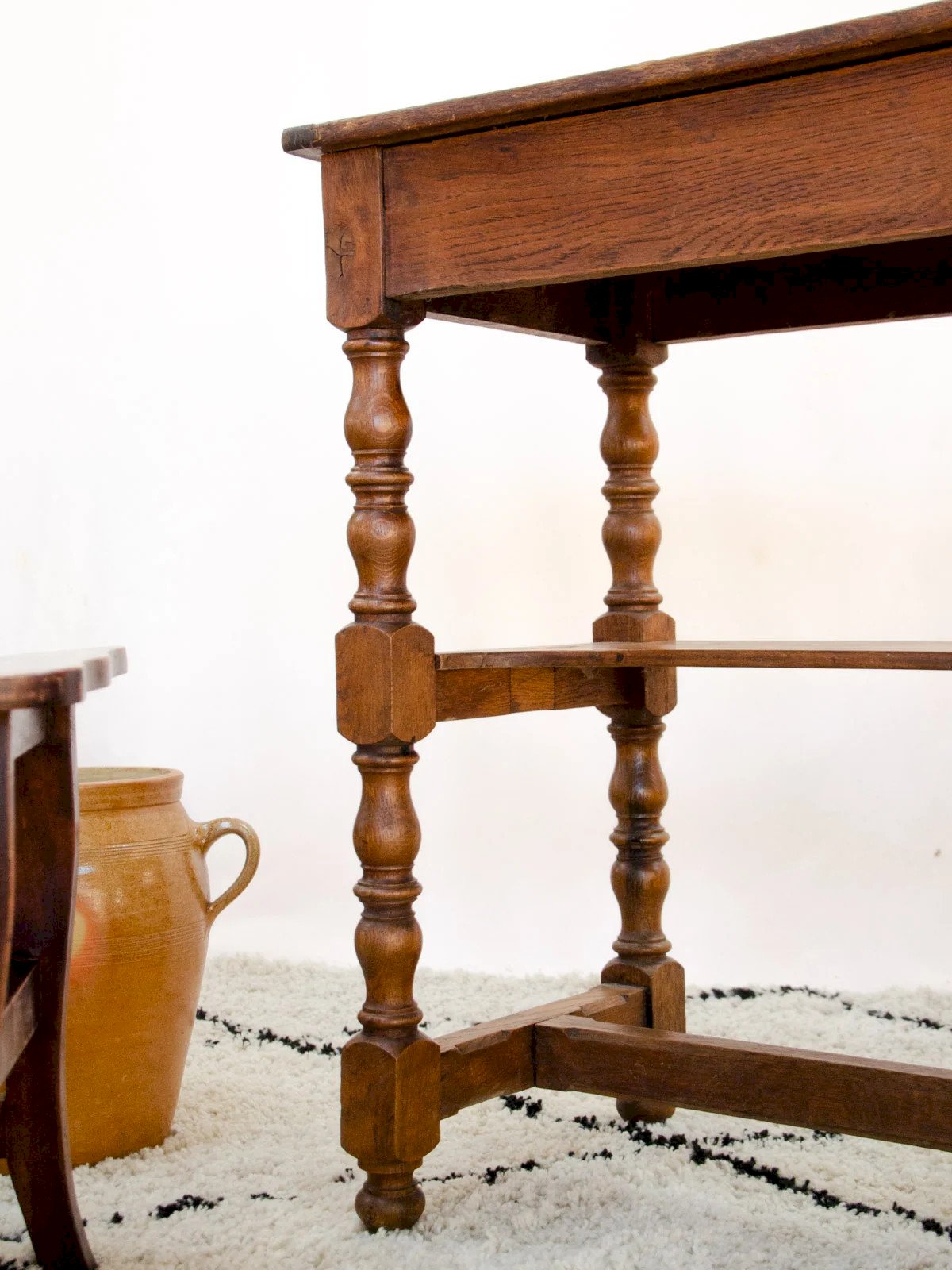
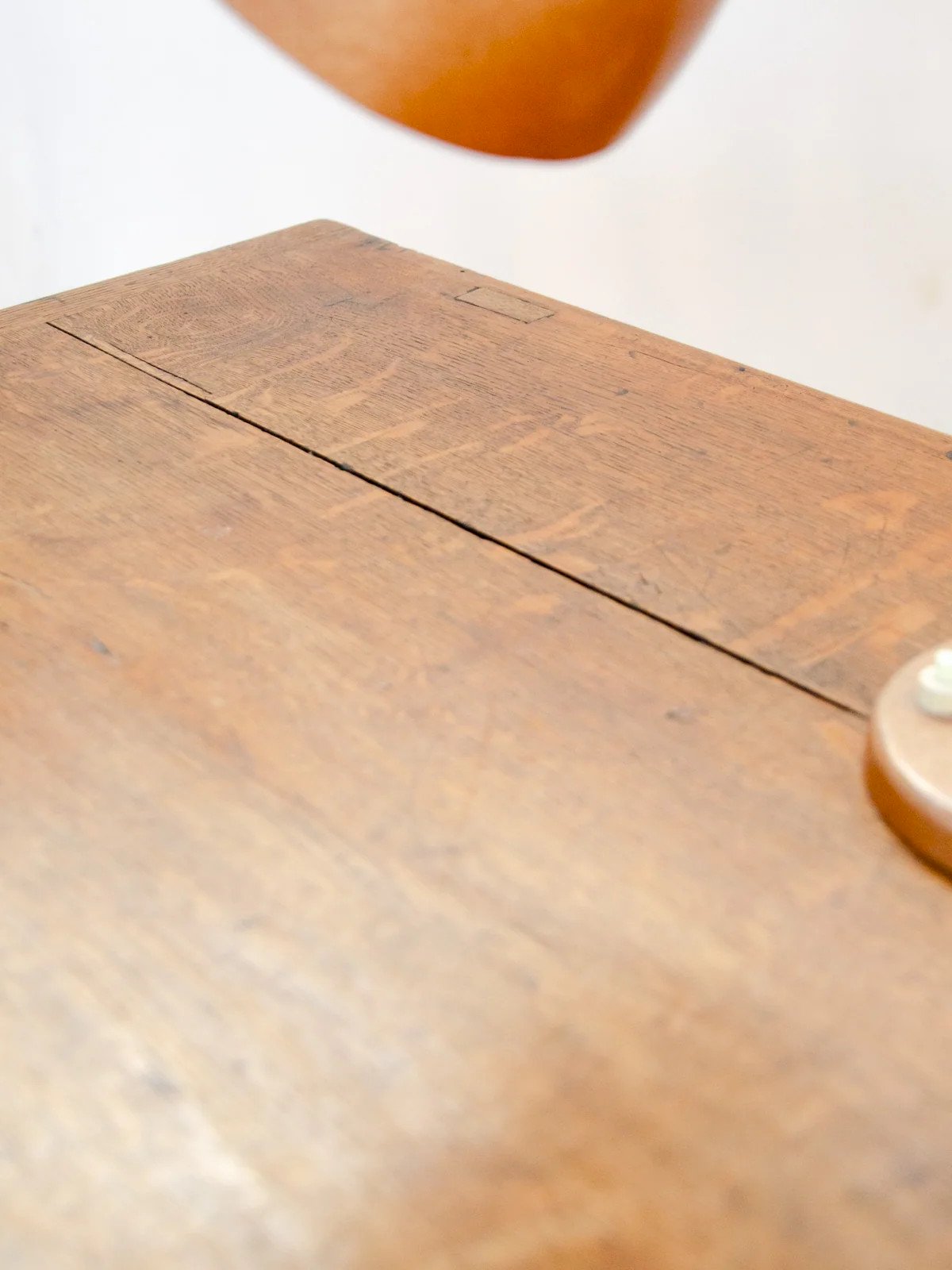
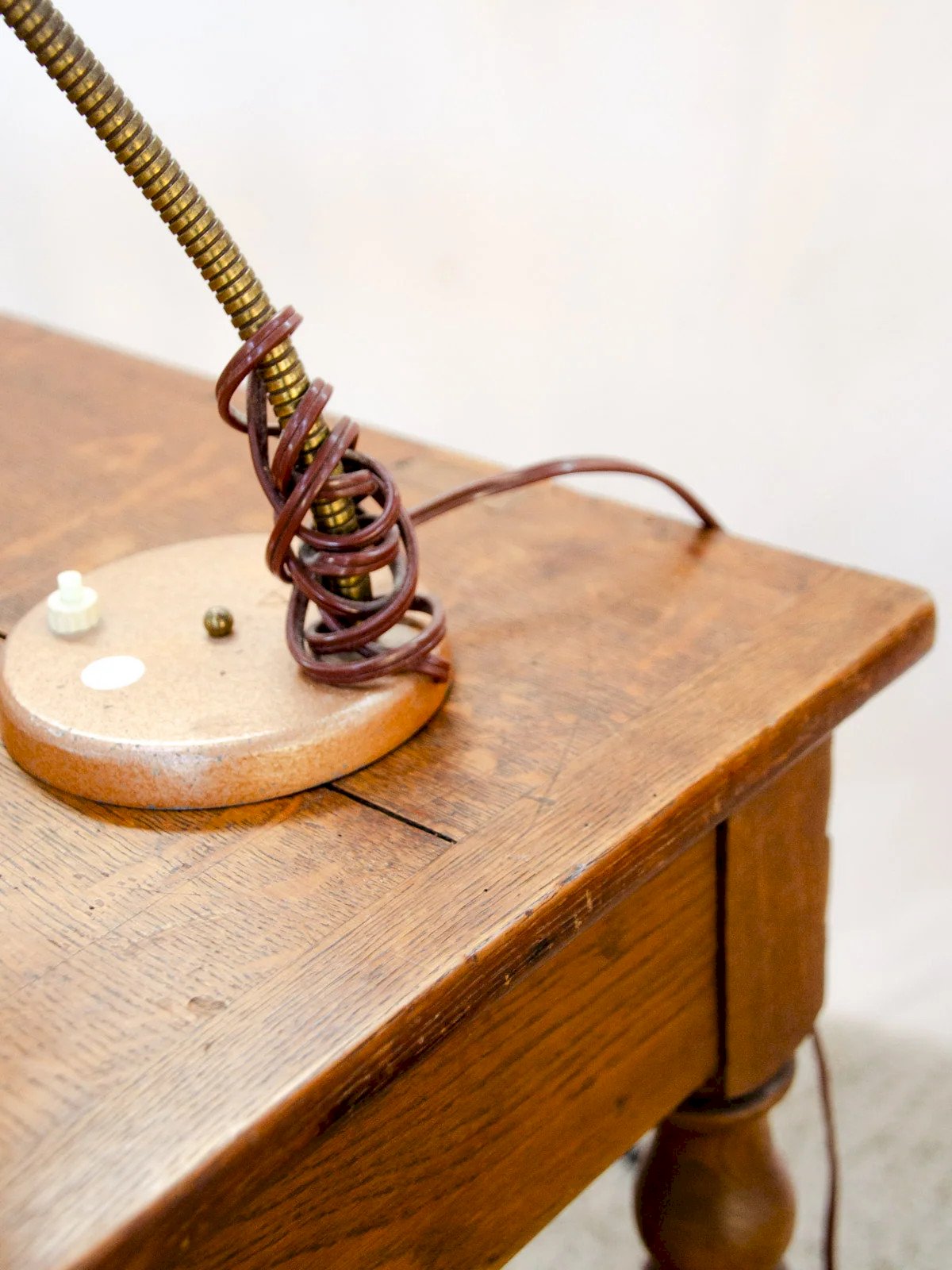
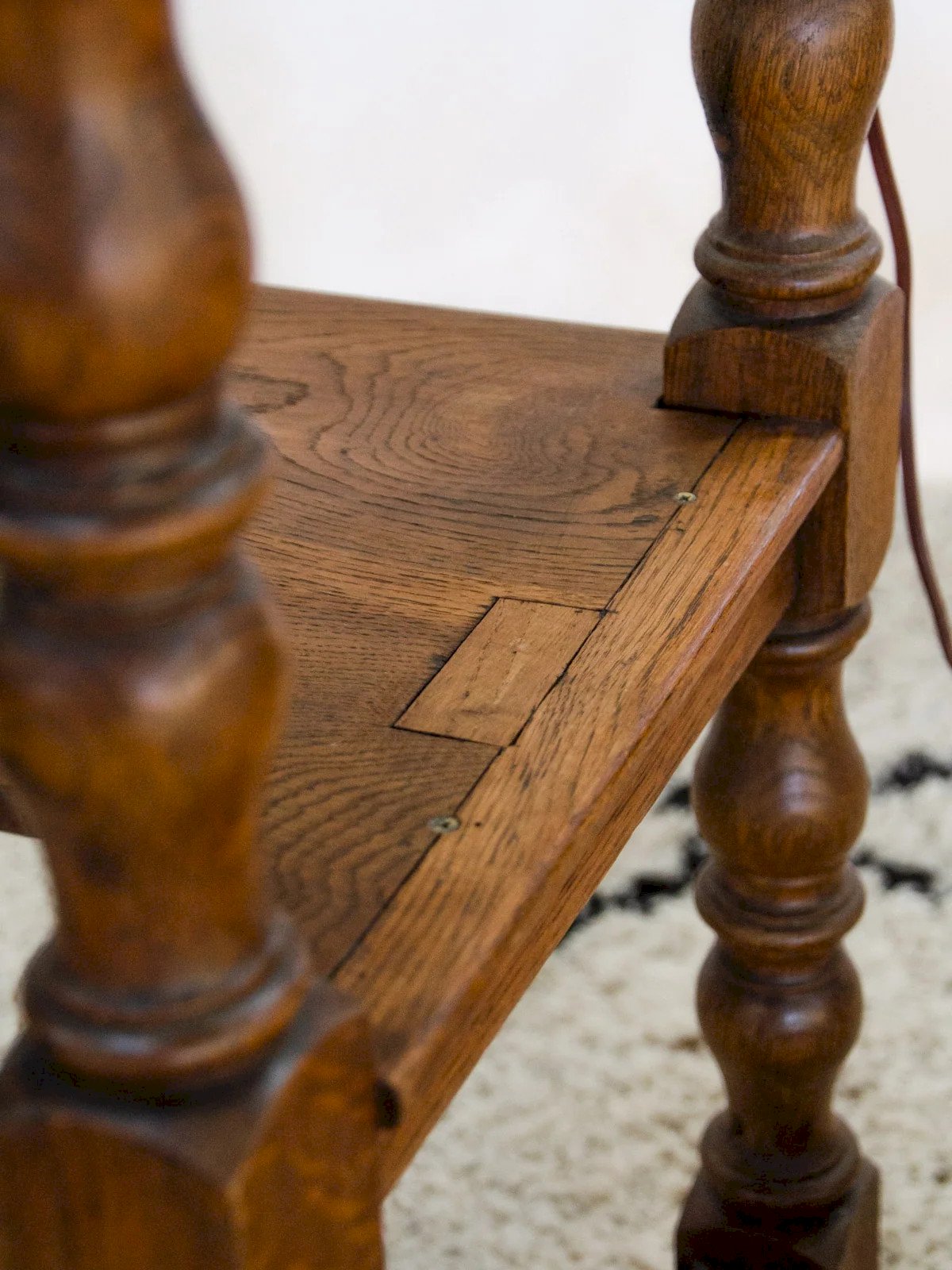
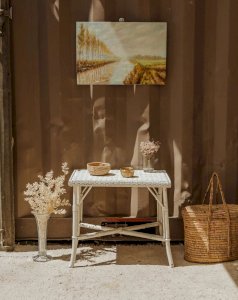
With its solid oak, this second-hand side table adds a subtle countryside touch. The turned legs and the stretcher give it a neat appearance, while the shelf provides extra support for a book, a lamp, or a few everyday items. Its size allows it to fit at the end of a sofa, in an entryway, or next to an armchair without weighing down the space. The oak highlights a robust and durable design, ideal for a warm and measured atmosphere. In a living room, it readily accommodates a stack of magazines and a ceramic vase, creating a delicate and lively corner. Length: 64 cm Width: 44 cm Height: 80 cm Shelf height: 42 cm Shelf depth: 27.5 cm A brief history of the side table Born in the 17th century under the name "guéridon," the side table originated from Moorish slaves [referred to as guéridons] depicted on the sculpted legs of the first models brought back from Italy. This nomadic piece of furniture revolutionized social life at court by allowing the rigidity of large buffets to be broken, creating conversation islands anywhere in the room. Its lightweight and compact structure was designed to be moved as needed: to place a candlestick, a cup of tea, or a bedside book.
Réf :
#414293
Brand / From : Debongout
Related Products
Comments
Francine, the solid oak side table No. 1701
239€
75002 Paris
Ce site contient des liens d’affiliation pour lesquels je peux recevoir une compensation.
Description
With its solid oak, this second-hand side table adds a subtle countryside touch. The turned legs and the stretcher give it a neat appearance, while the shelf provides extra support for a book, a lamp, or a few everyday items. Its size allows it to fit at the end of a sofa, in an entryway, or next to an armchair without weighing down the space. The oak highlights a robust and durable design, ideal for a warm and measured atmosphere. In a living room, it readily accommodates a stack of magazines and a ceramic vase, creating a delicate and lively corner. Length: 64 cm Width: 44 cm Height: 80 cm Shelf height: 42 cm Shelf depth: 27.5 cm A brief history of the side table Born in the 17th century under the name "guéridon," the side table originated from Moorish slaves [referred to as guéridons] depicted on the sculpted legs of the first models brought back from Italy. This nomadic piece of furniture revolutionized social life at court by allowing the rigidity of large buffets to be broken, creating conversation islands anywhere in the room. Its lightweight and compact structure was designed to be moved as needed: to place a candlestick, a cup of tea, or a bedside book.
Réf :
#414293
Brand / From : Debongout