 English
 Français


Description
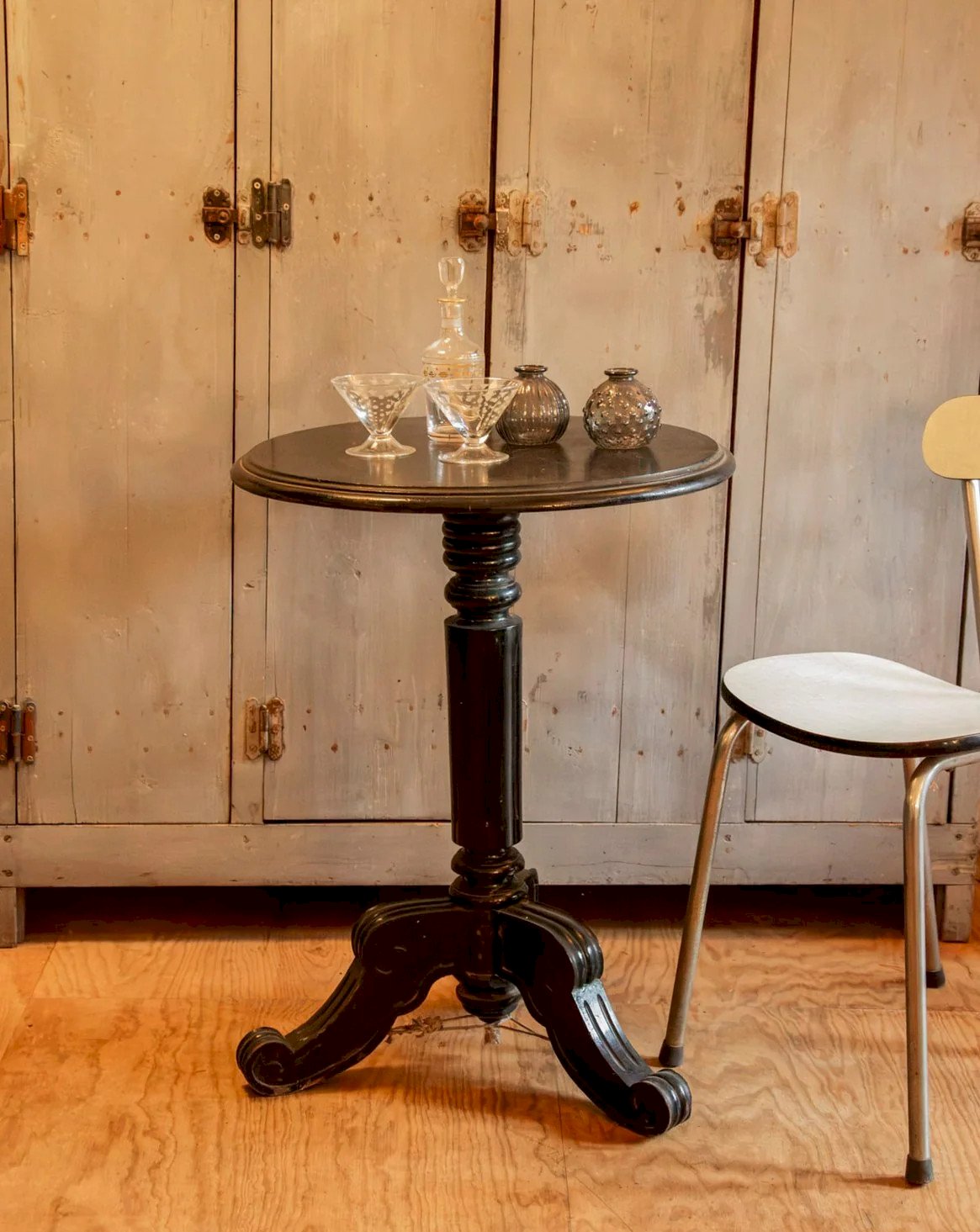
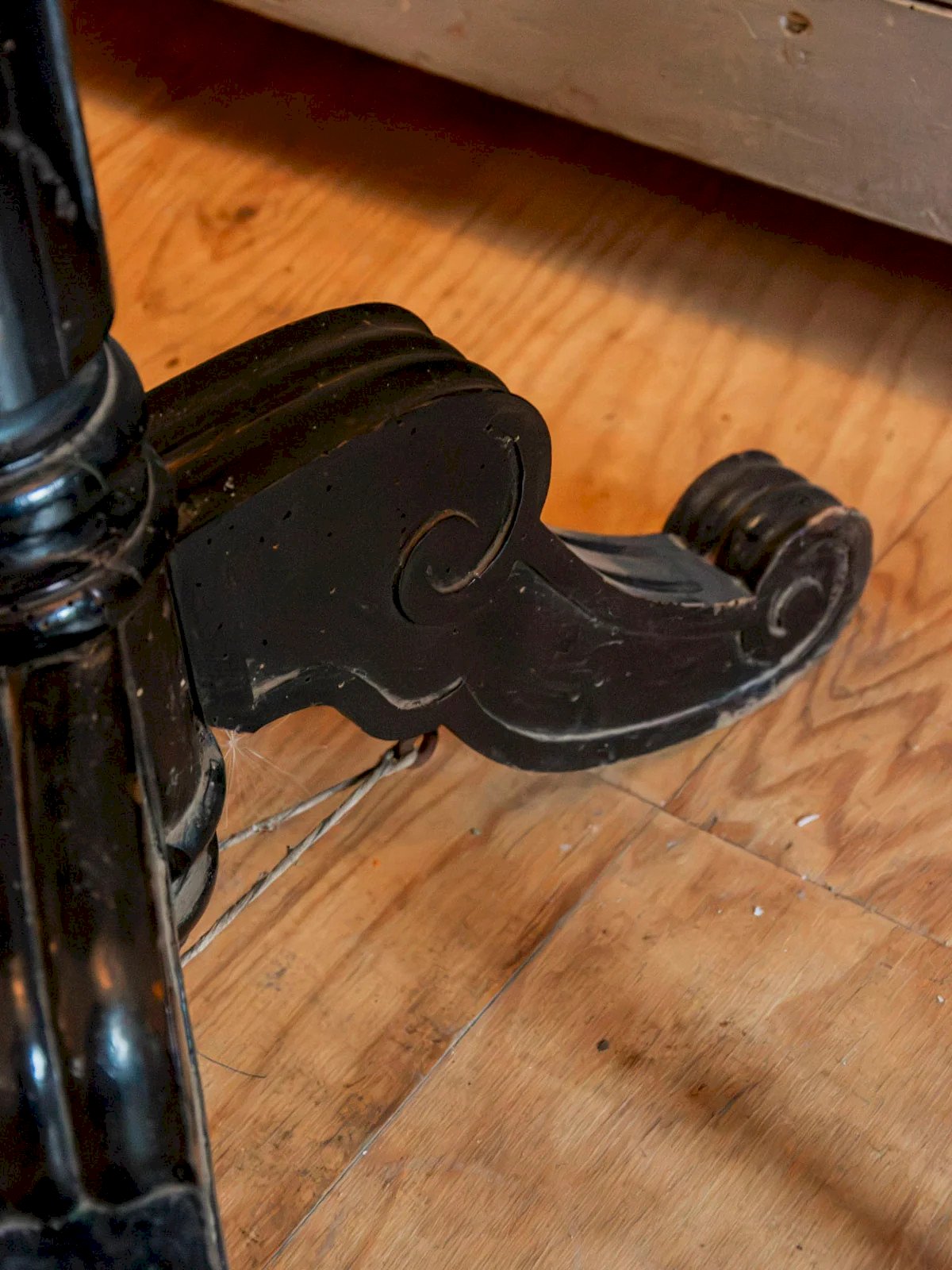
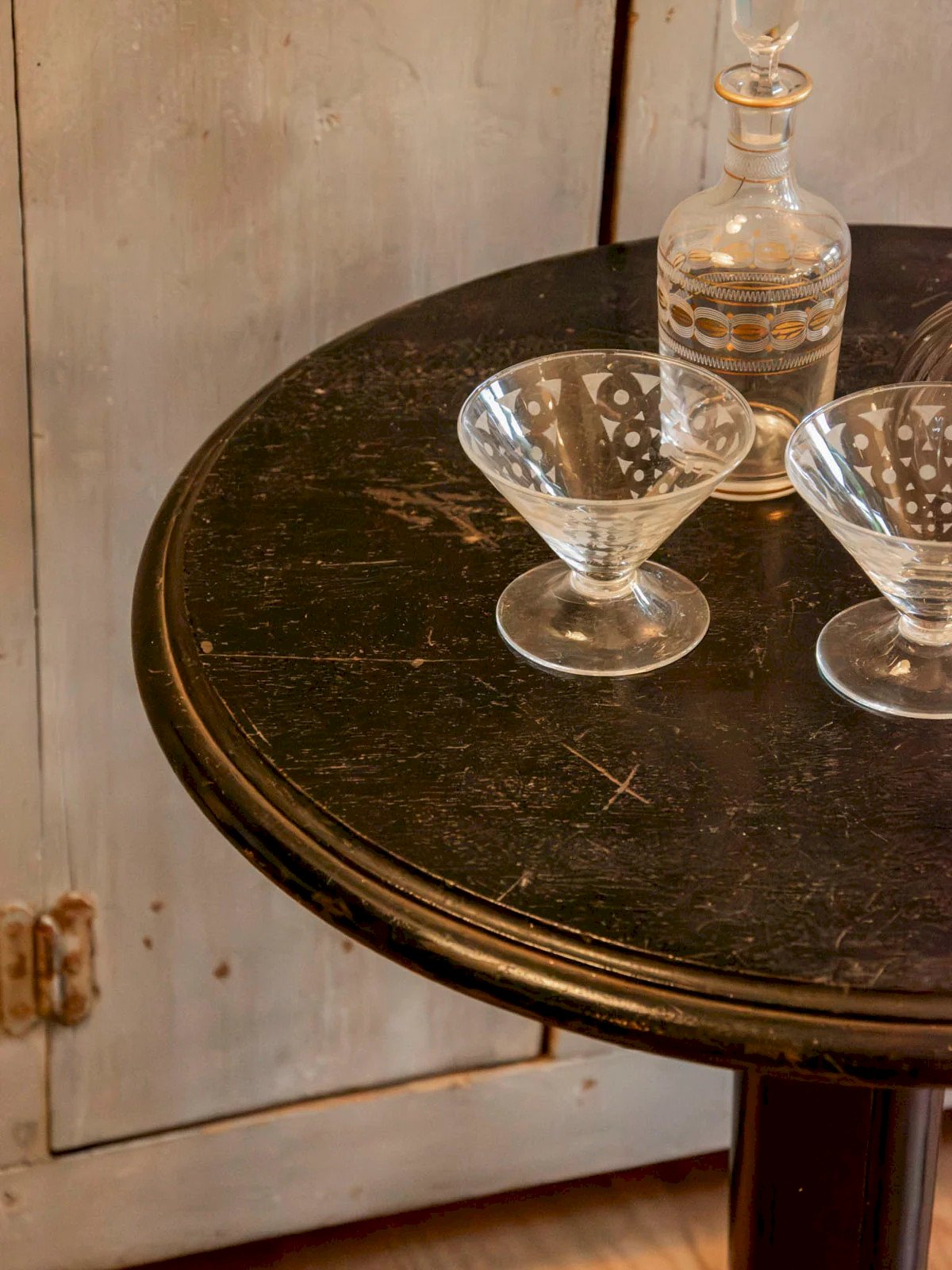
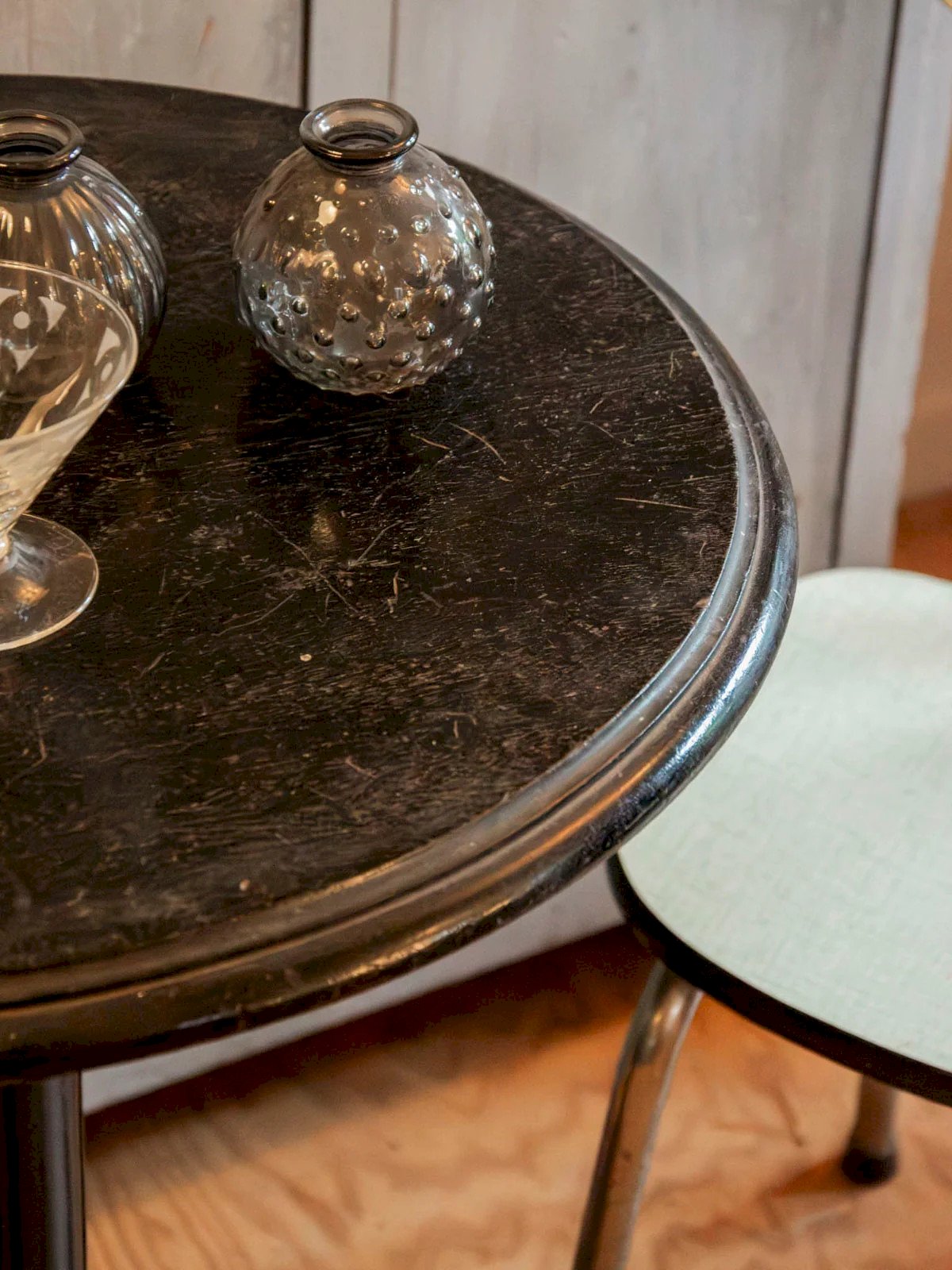
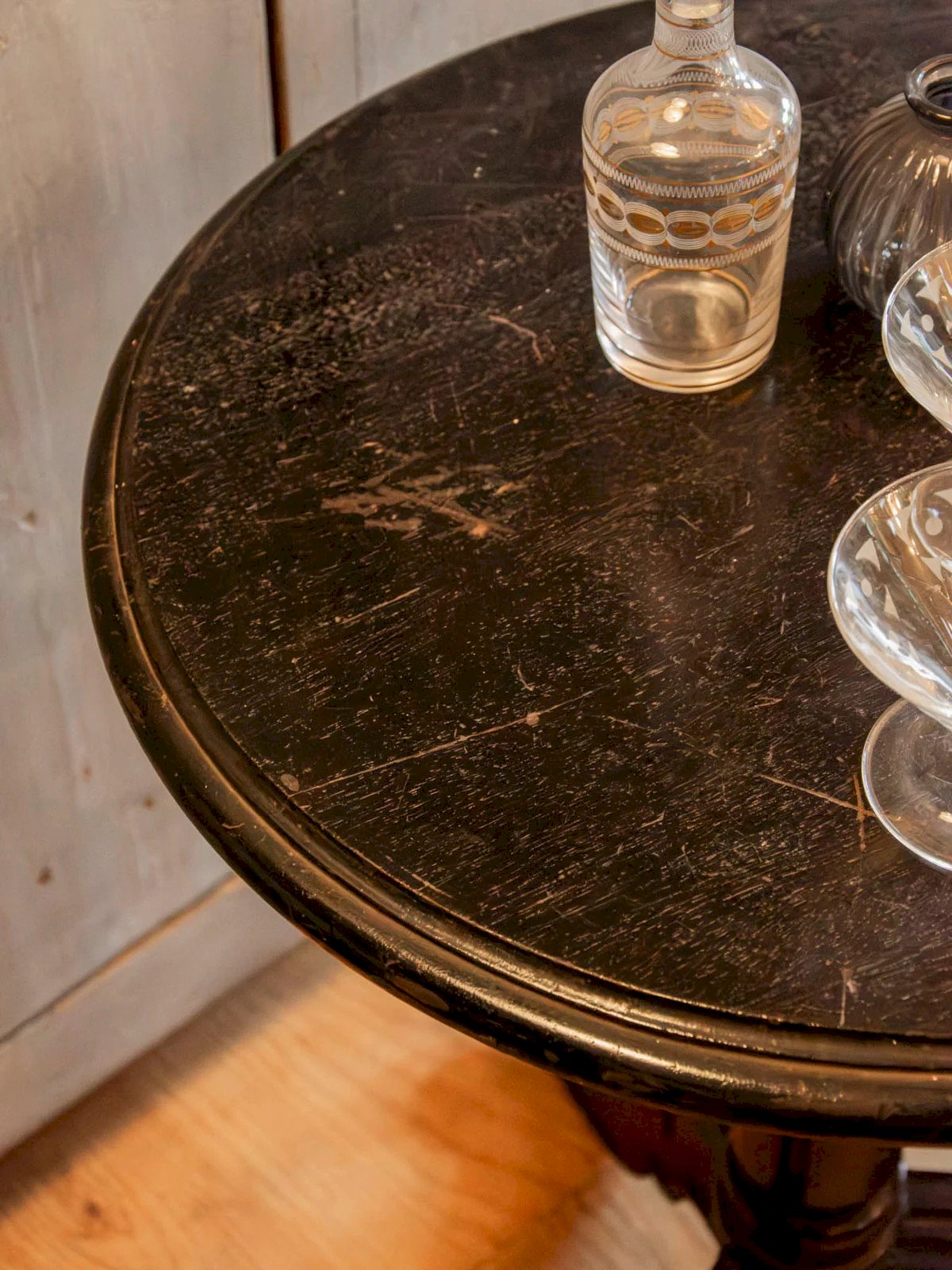
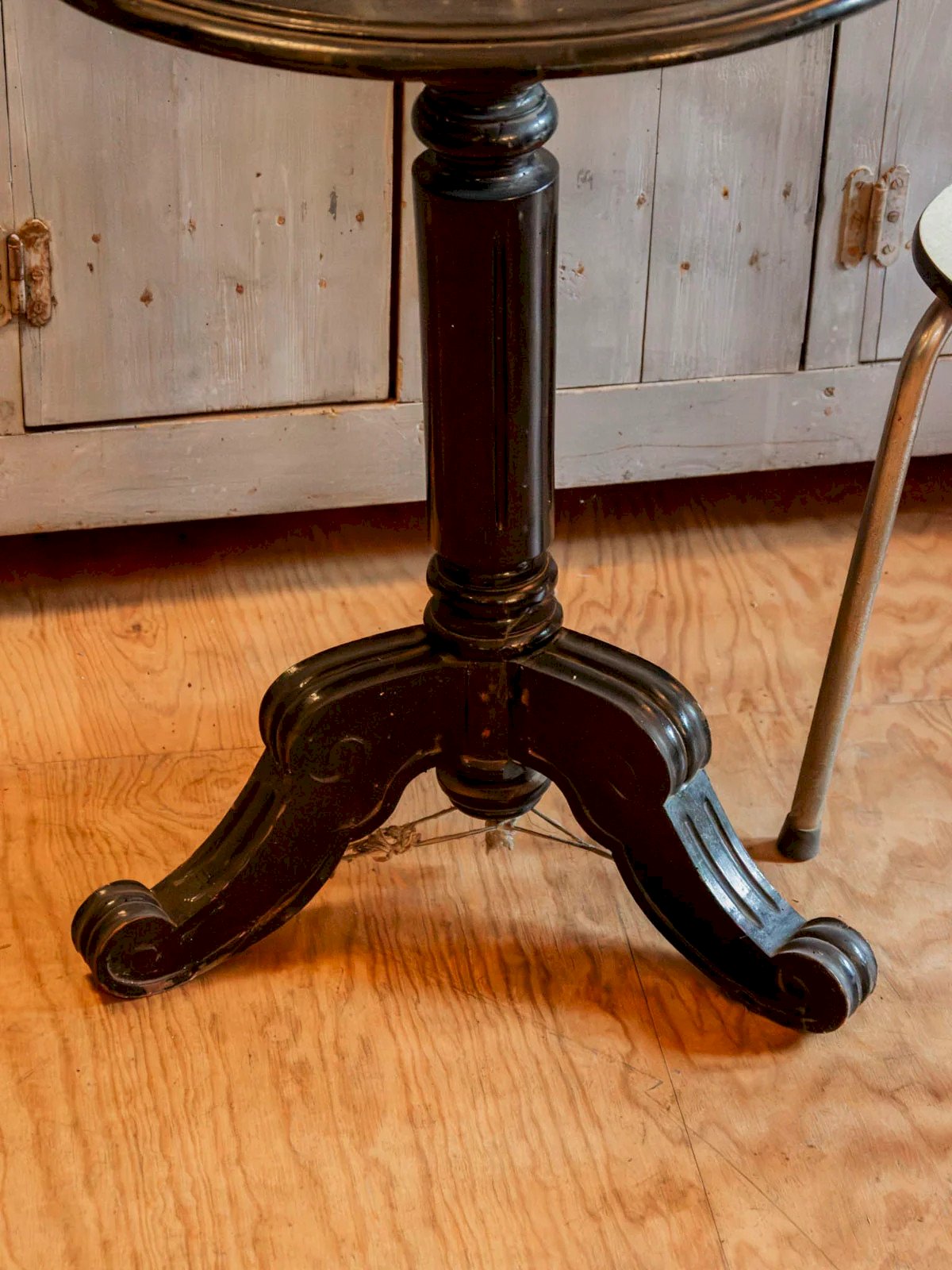
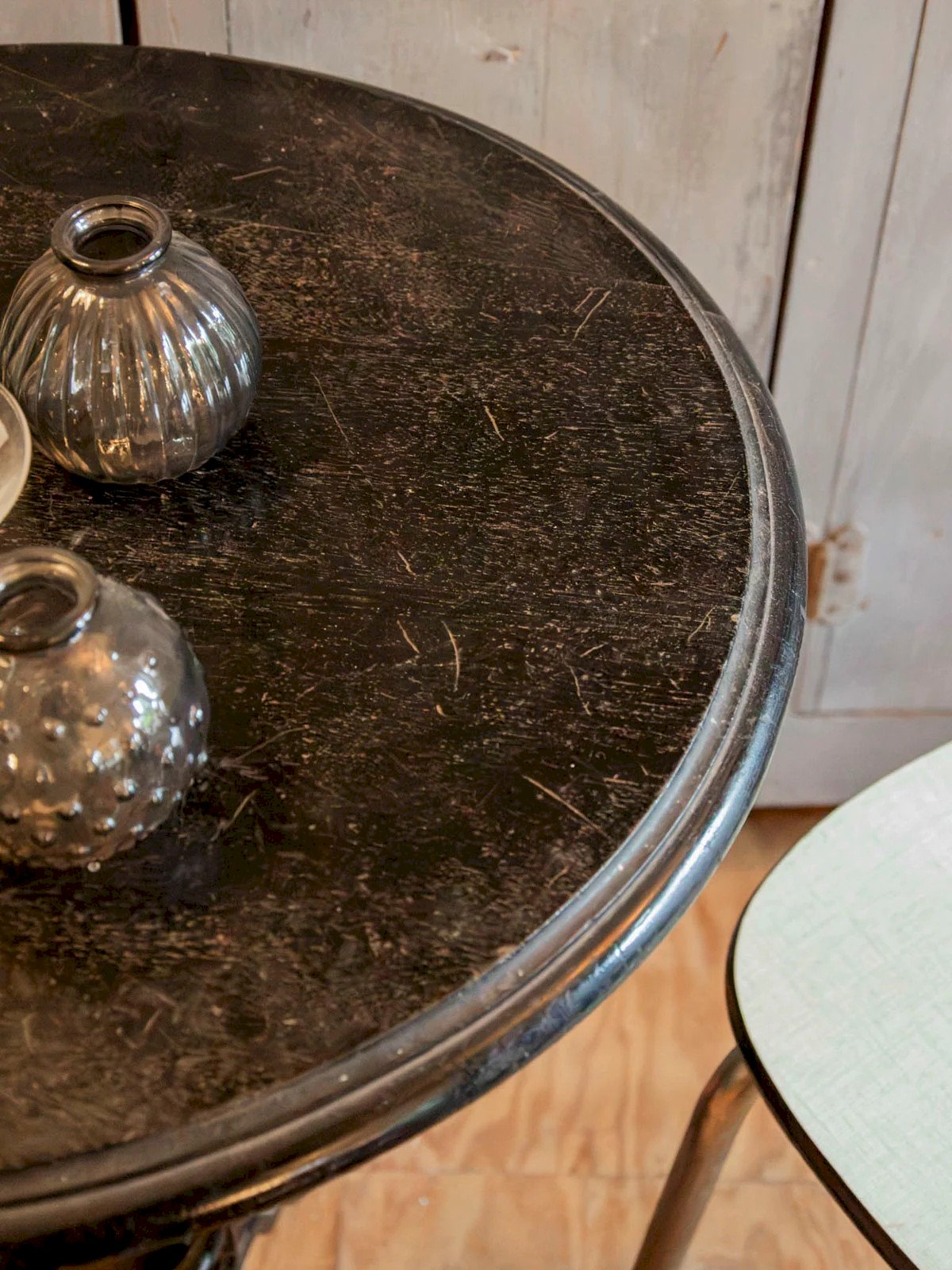
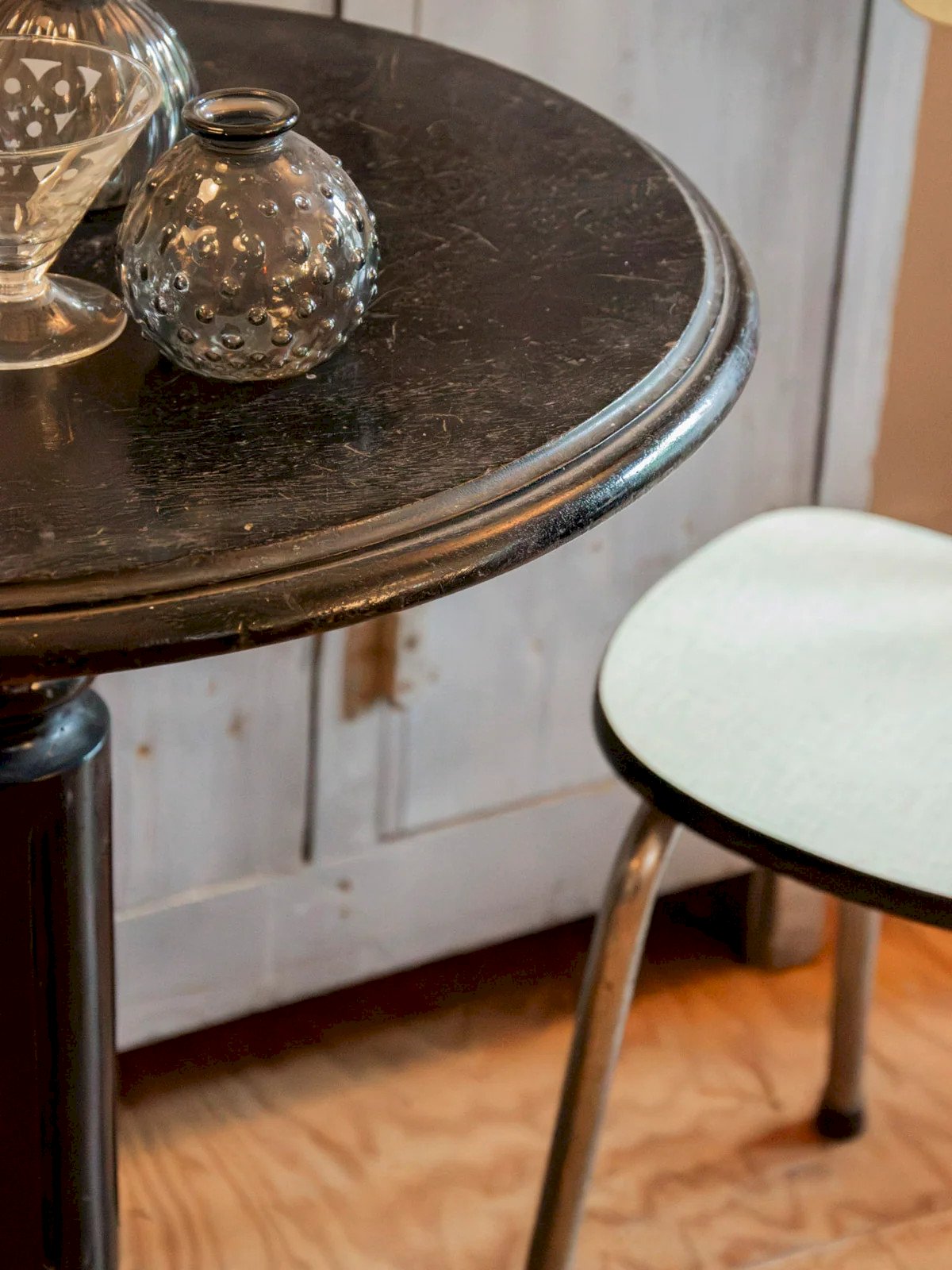
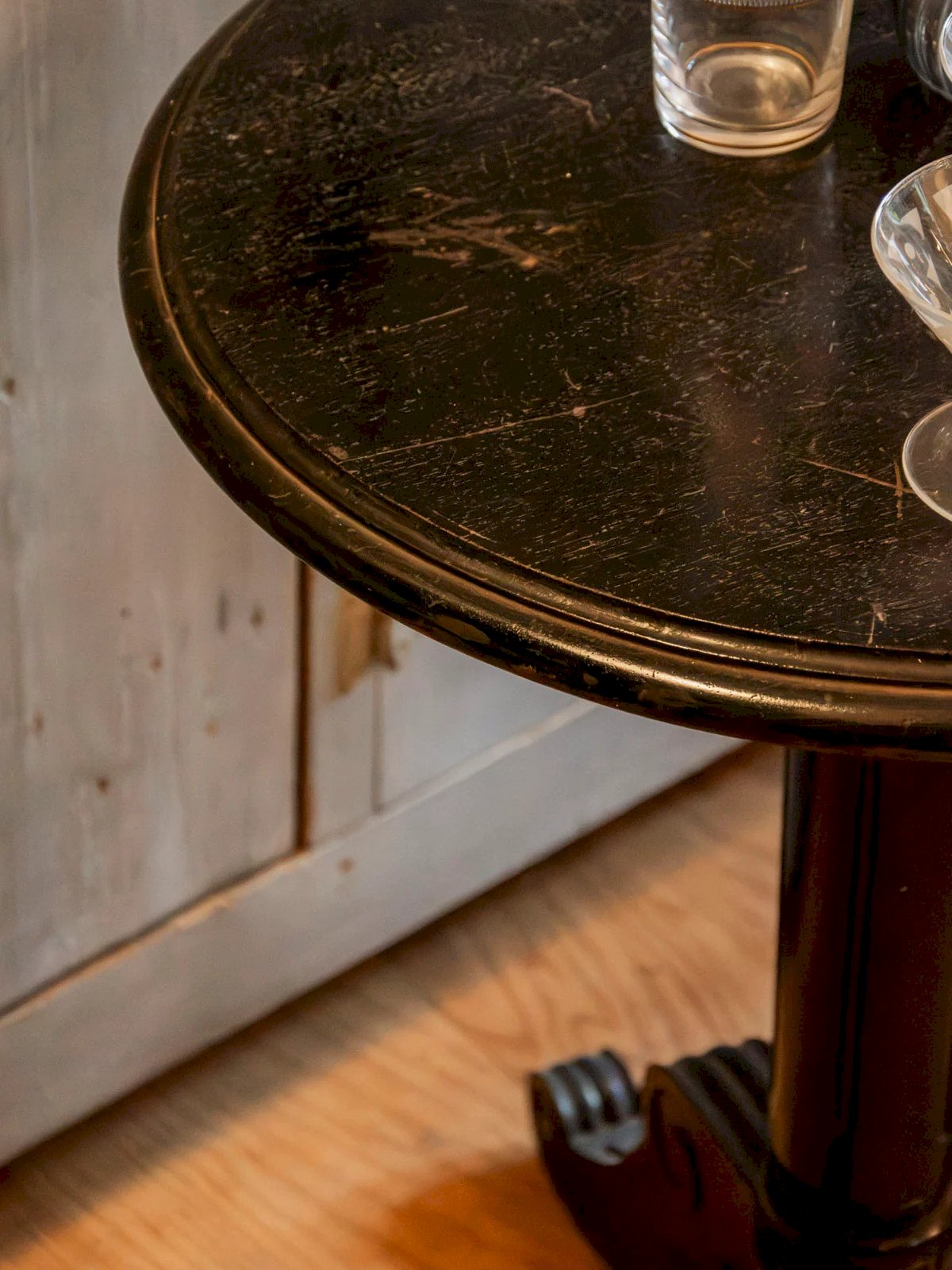
This black wooden side table stands out for its farmhouse-style pedestal appearance, highlighted by a rimmed top and intricately designed lion's paw legs. Its conical central pedestal gives it a graphic presence, while the blackened wood adds a sober and elegant touch. Sourced for an entryway or living room, it graciously accommodates a lamp, a few books, or a catchall, while showcasing decorative objects. Placed next to an armchair, it creates a refined reading nook, enhanced by a brass lamp and a bouquet of dried flowers. Height: 70 cm Diameter: 54 cm A little history of the side table Born in the 17th century under the name "guéridon," the side table owes its origin to the Moorish slaves [called guéridons] depicted on the carved legs of the first models brought back from Italy. This nomadic piece of furniture revolutionized social life at court by allowing the rigidity of large buffets to be broken, creating conversation islands anywhere in the room. Its lightweight and compact structure was designed to be moved as needed: to place a candlestick, a cup of tea, or a bedside book.
Réf :
#414114
Brand / From : Debongout
Related Products
Comments
Francine, the side table with sculpted legs No. 1611
289€
75002 Paris
Ce site contient des liens d’affiliation pour lesquels je peux recevoir une compensation.
Description
This black wooden side table stands out for its farmhouse-style pedestal appearance, highlighted by a rimmed top and intricately designed lion's paw legs. Its conical central pedestal gives it a graphic presence, while the blackened wood adds a sober and elegant touch. Sourced for an entryway or living room, it graciously accommodates a lamp, a few books, or a catchall, while showcasing decorative objects. Placed next to an armchair, it creates a refined reading nook, enhanced by a brass lamp and a bouquet of dried flowers. Height: 70 cm Diameter: 54 cm A little history of the side table Born in the 17th century under the name "guéridon," the side table owes its origin to the Moorish slaves [called guéridons] depicted on the carved legs of the first models brought back from Italy. This nomadic piece of furniture revolutionized social life at court by allowing the rigidity of large buffets to be broken, creating conversation islands anywhere in the room. Its lightweight and compact structure was designed to be moved as needed: to place a candlestick, a cup of tea, or a bedside book.
Réf :
#414114
Brand / From : Debongout