 English
 Français


Description
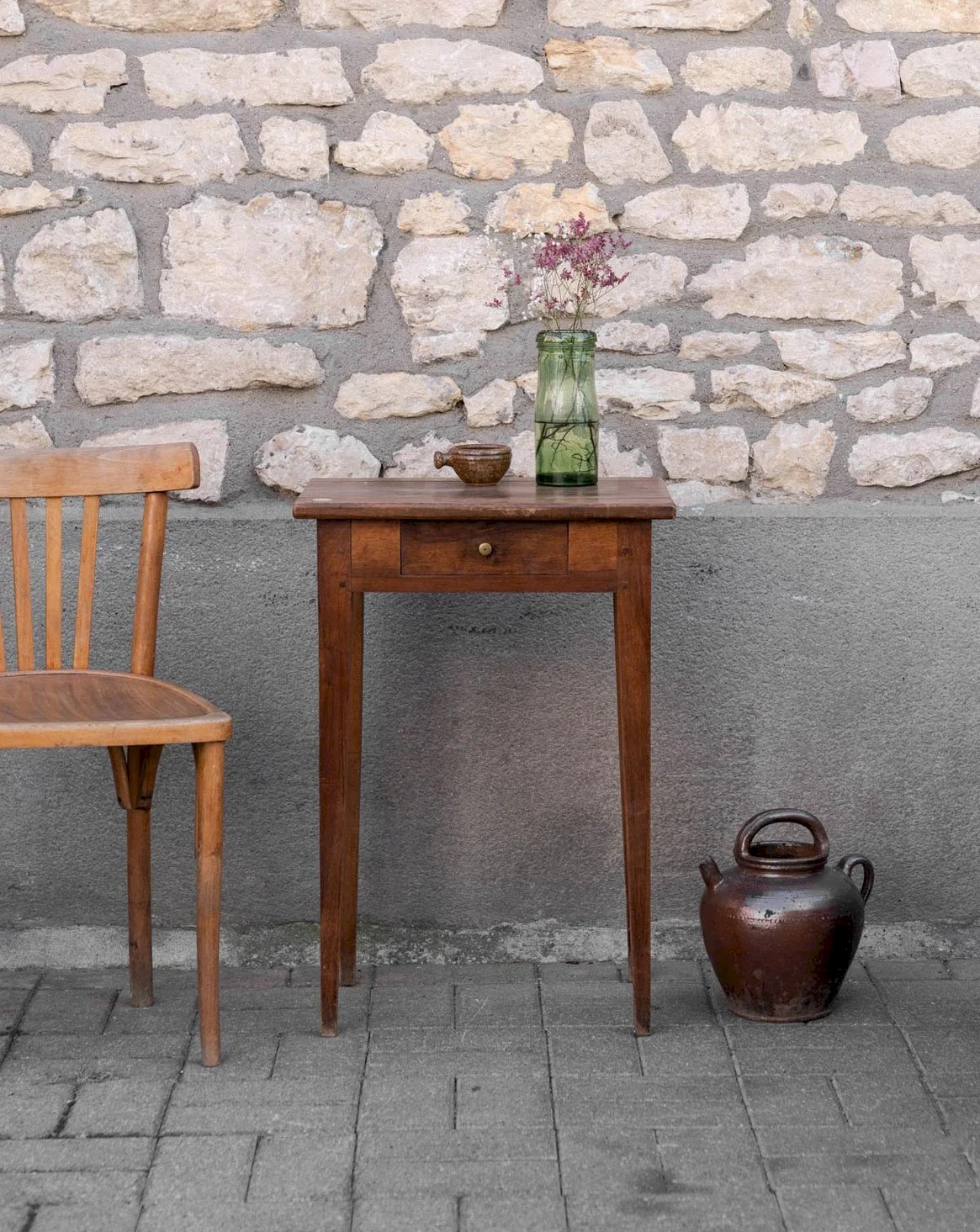
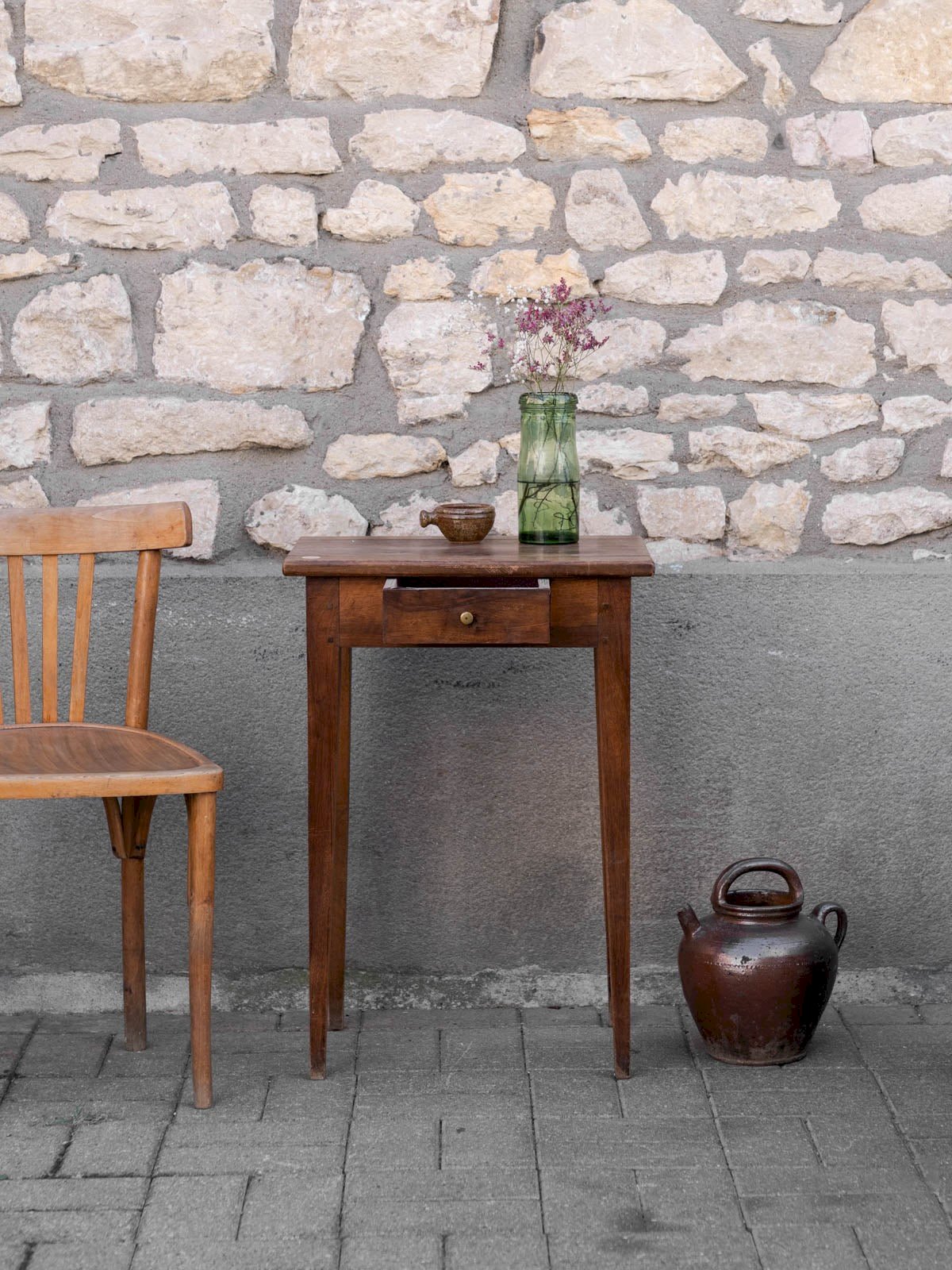
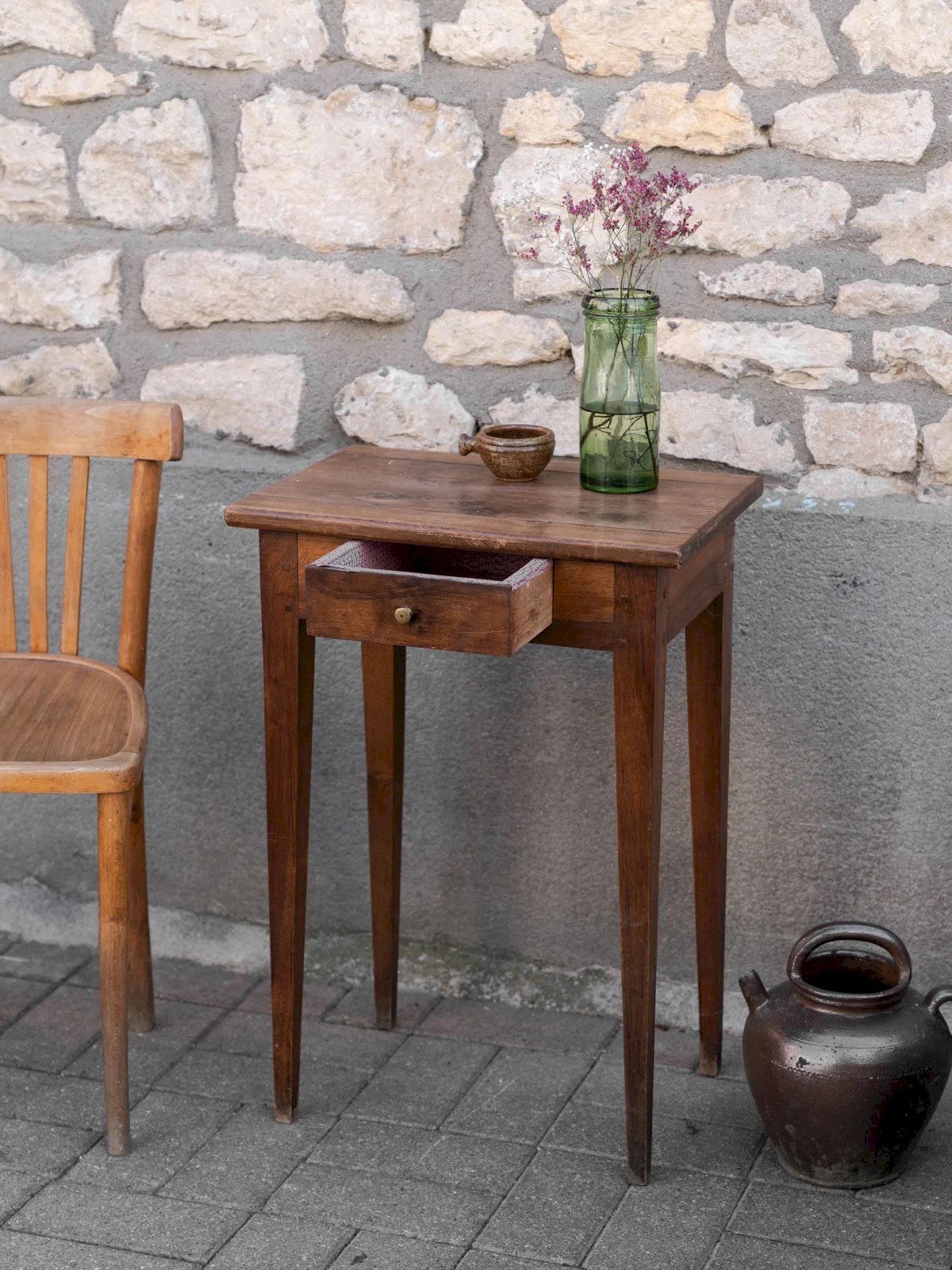
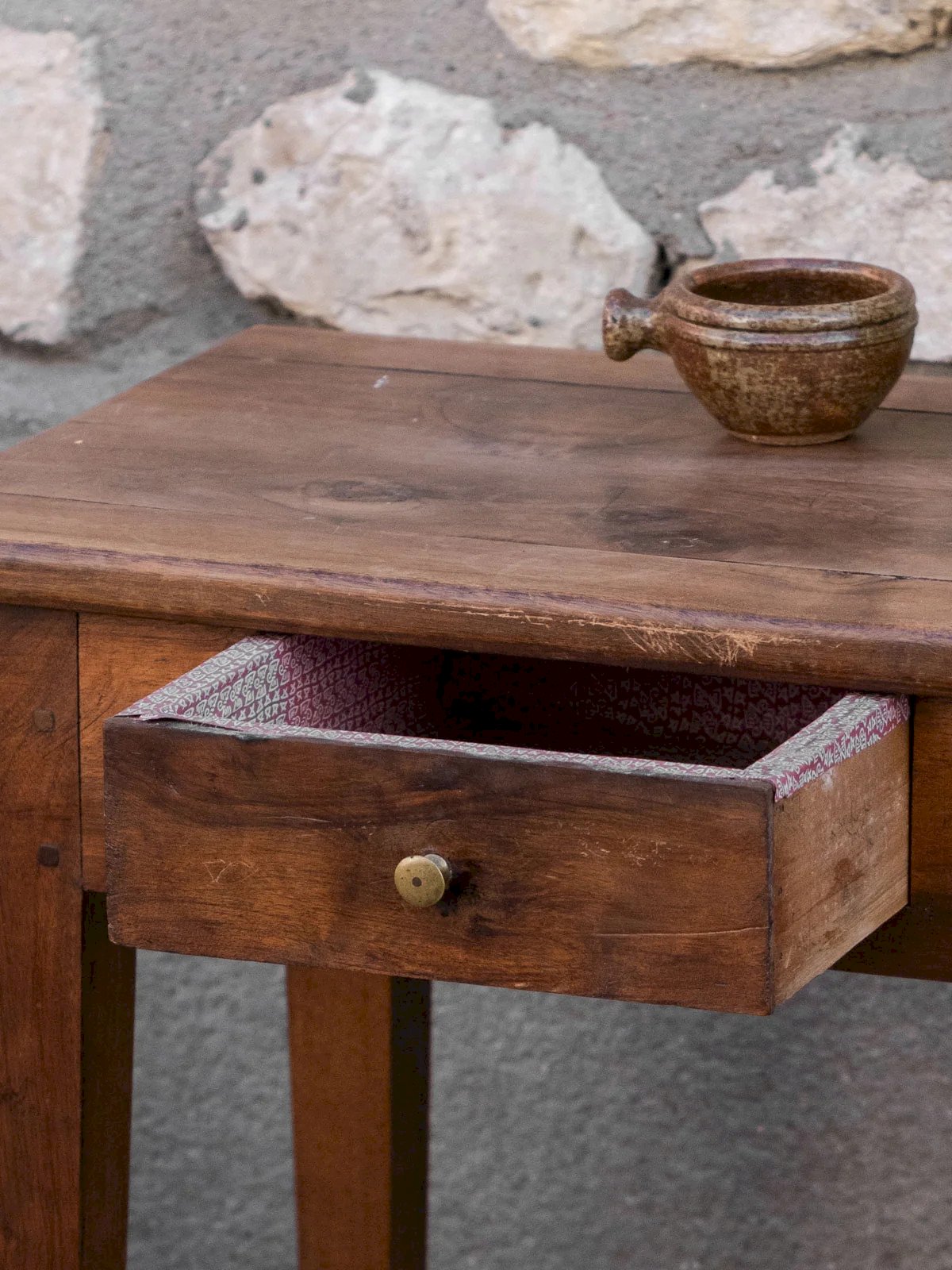
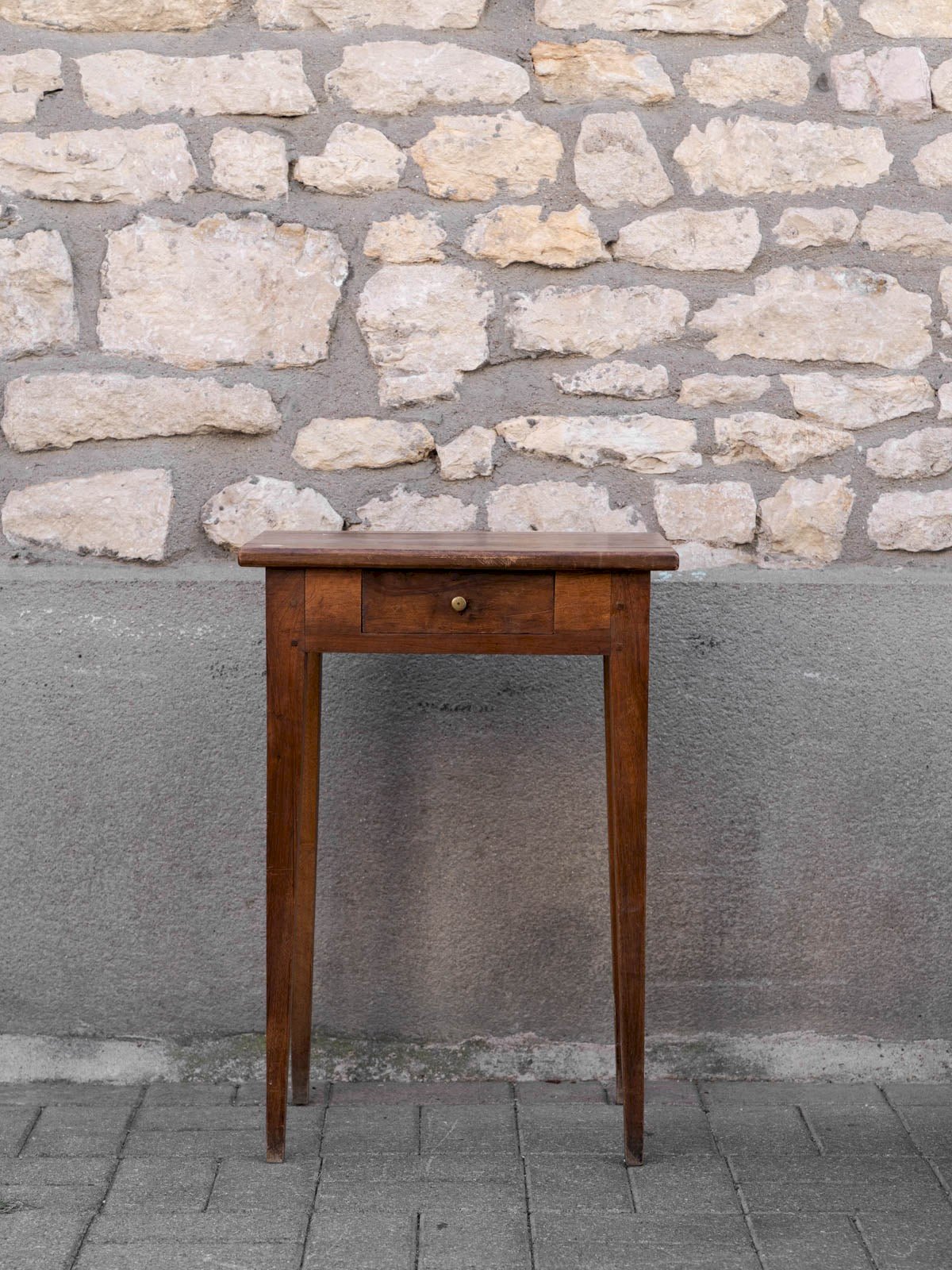
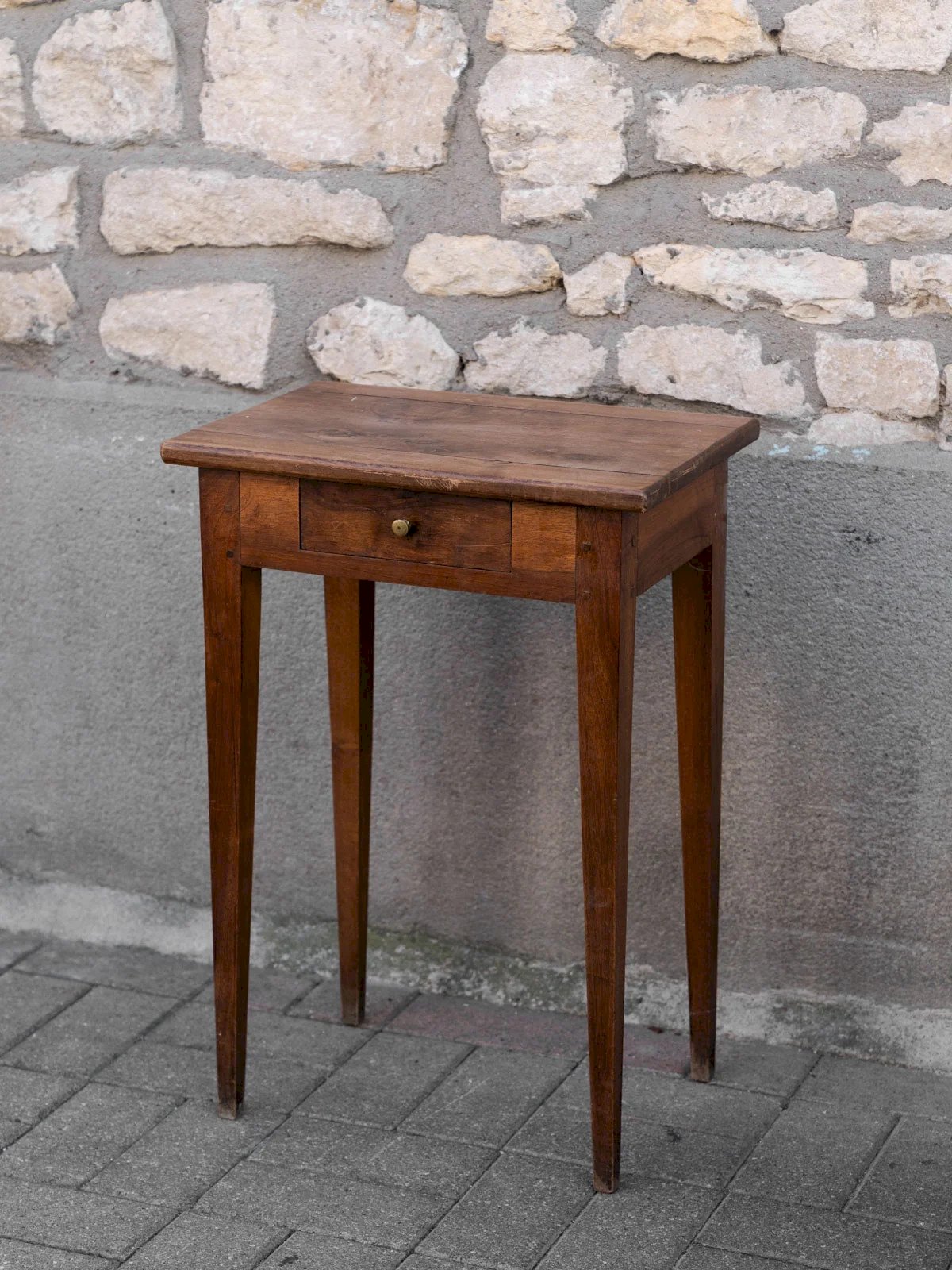
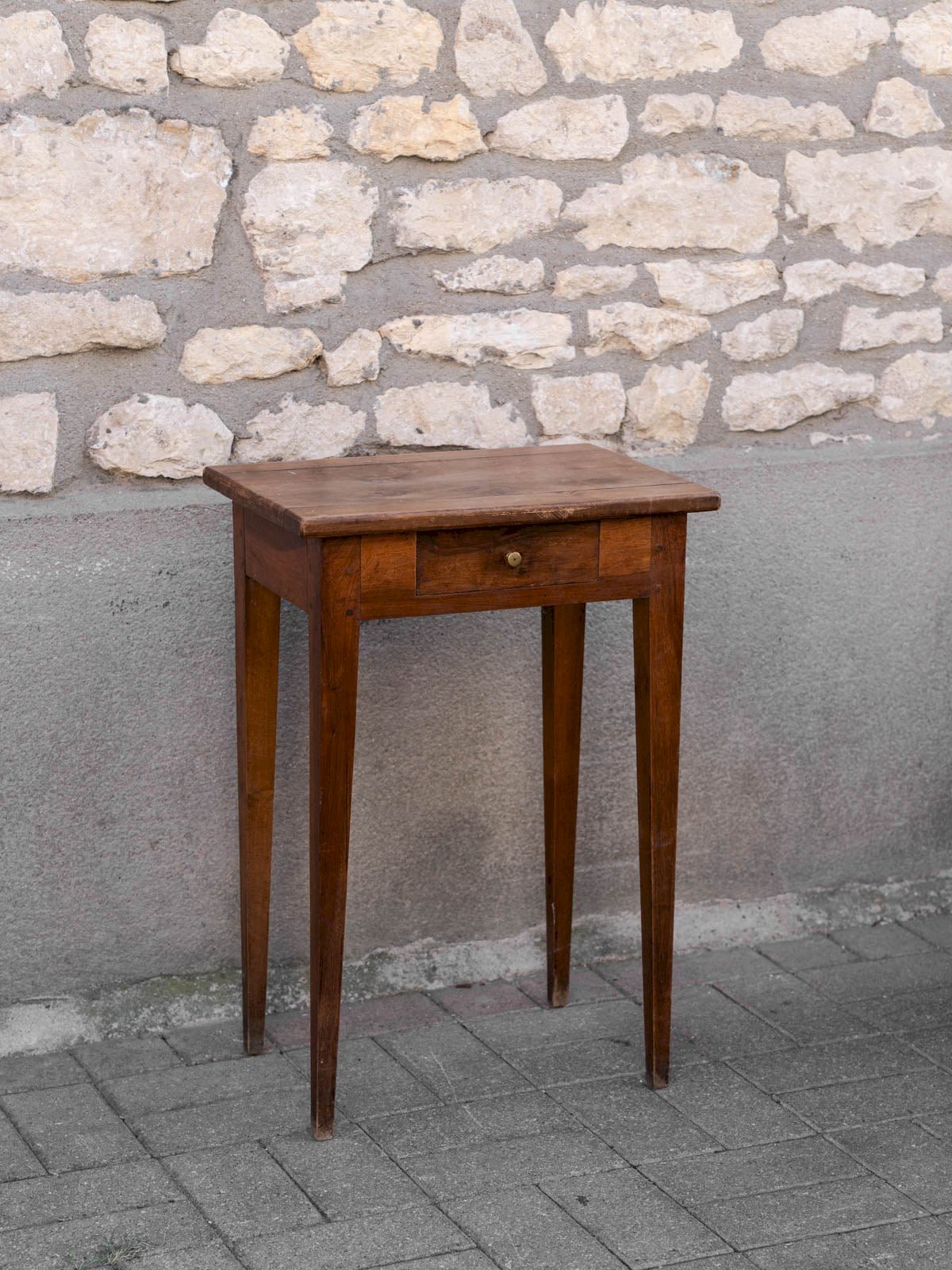
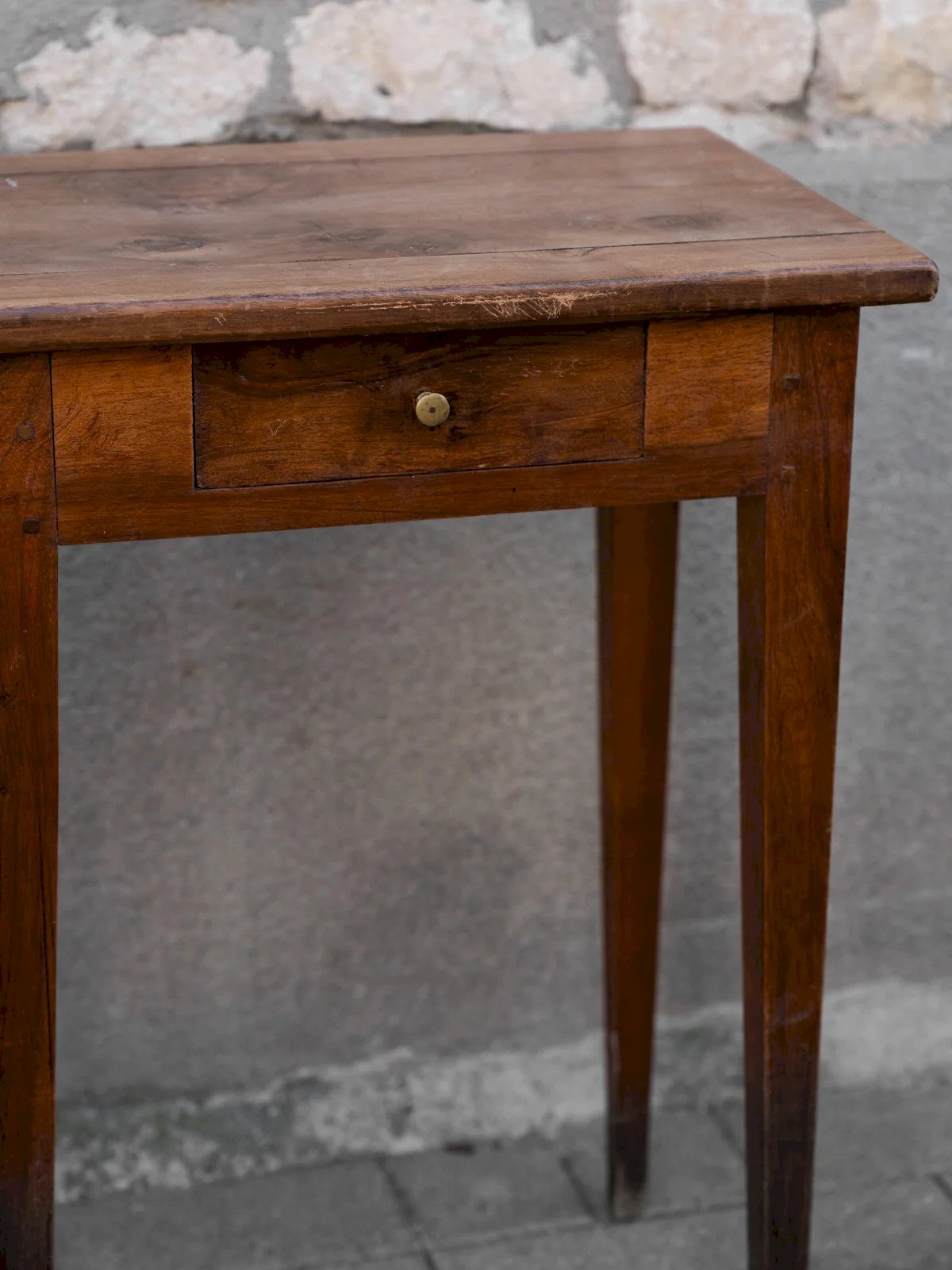
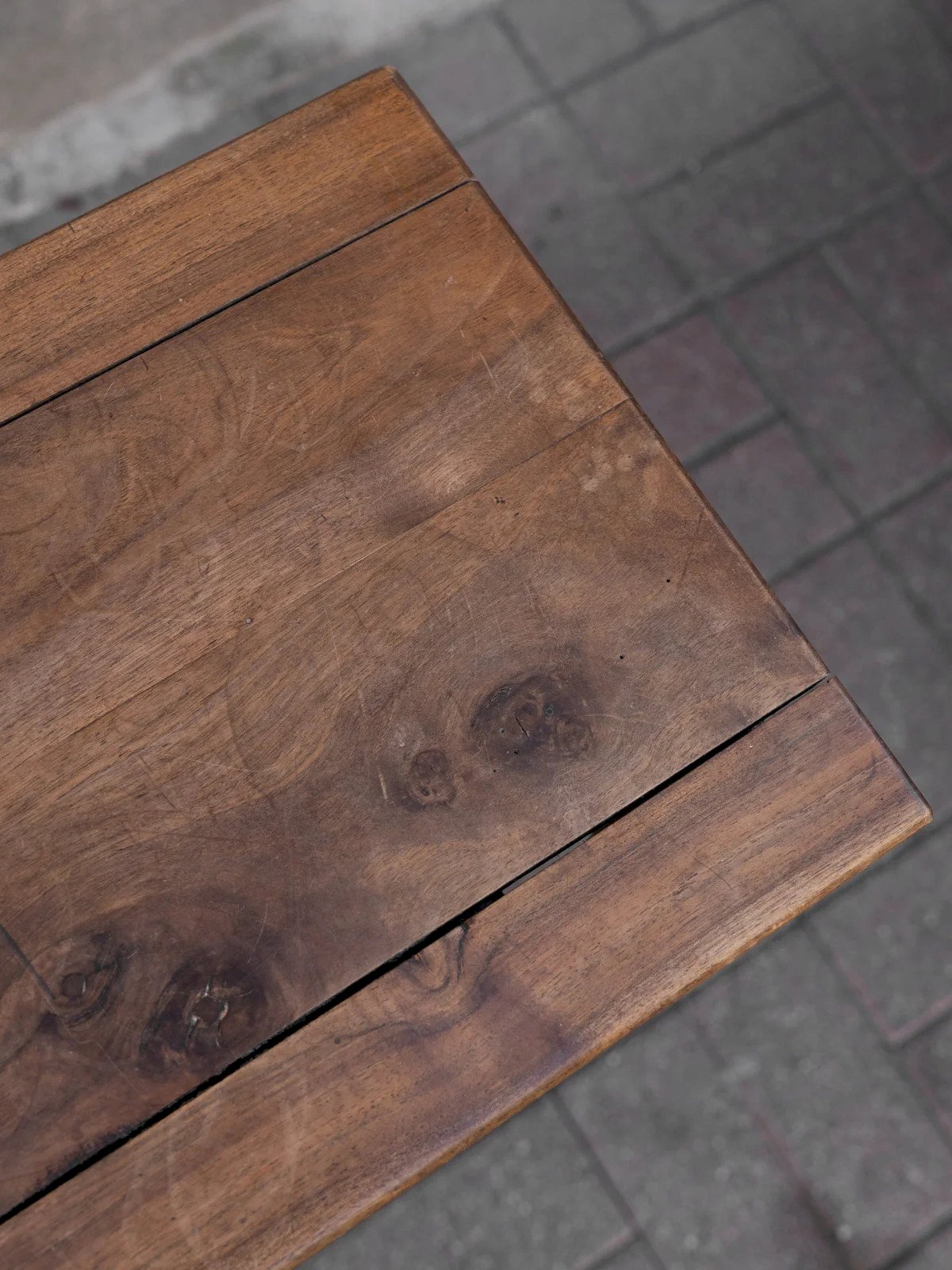
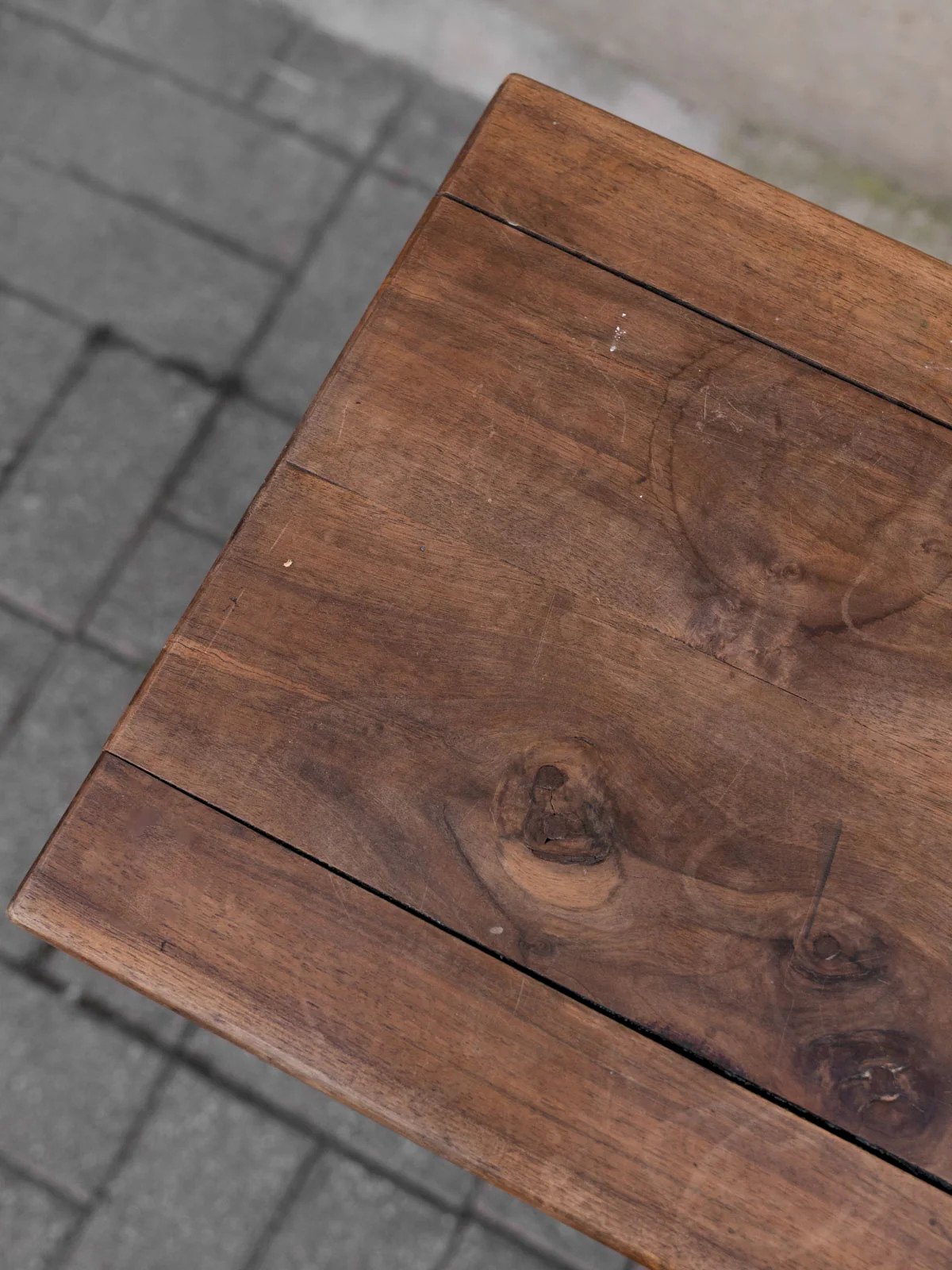
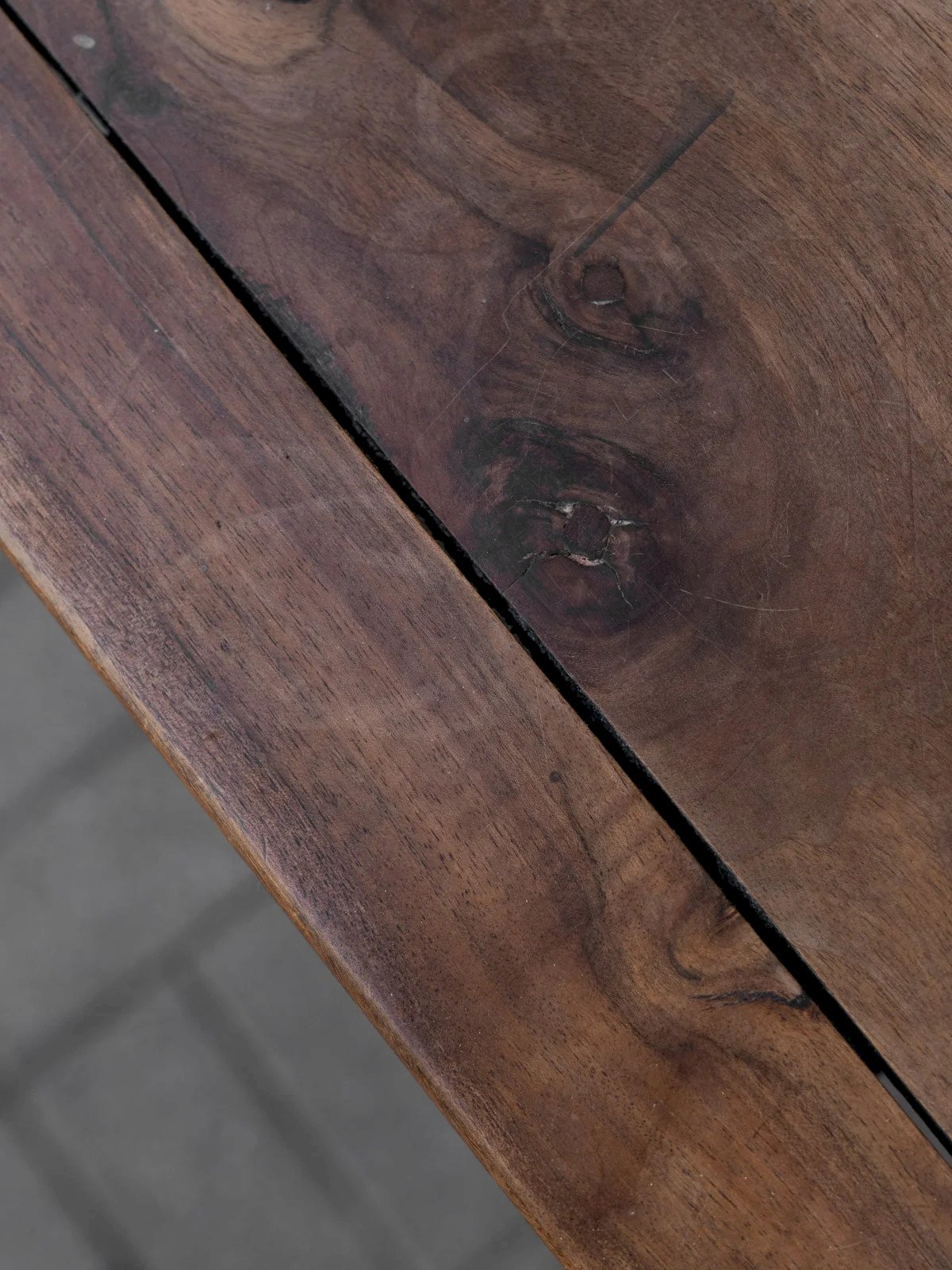
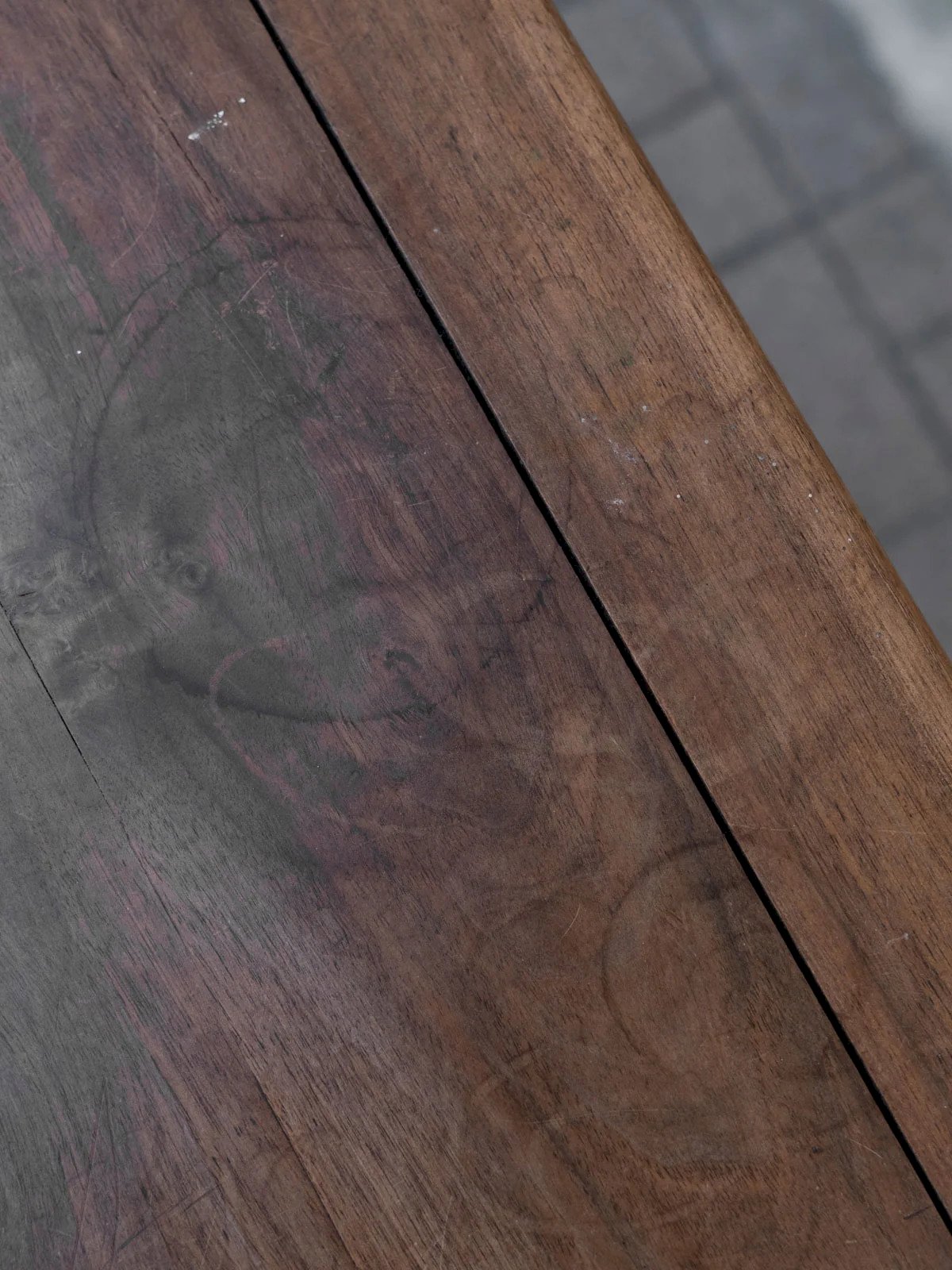
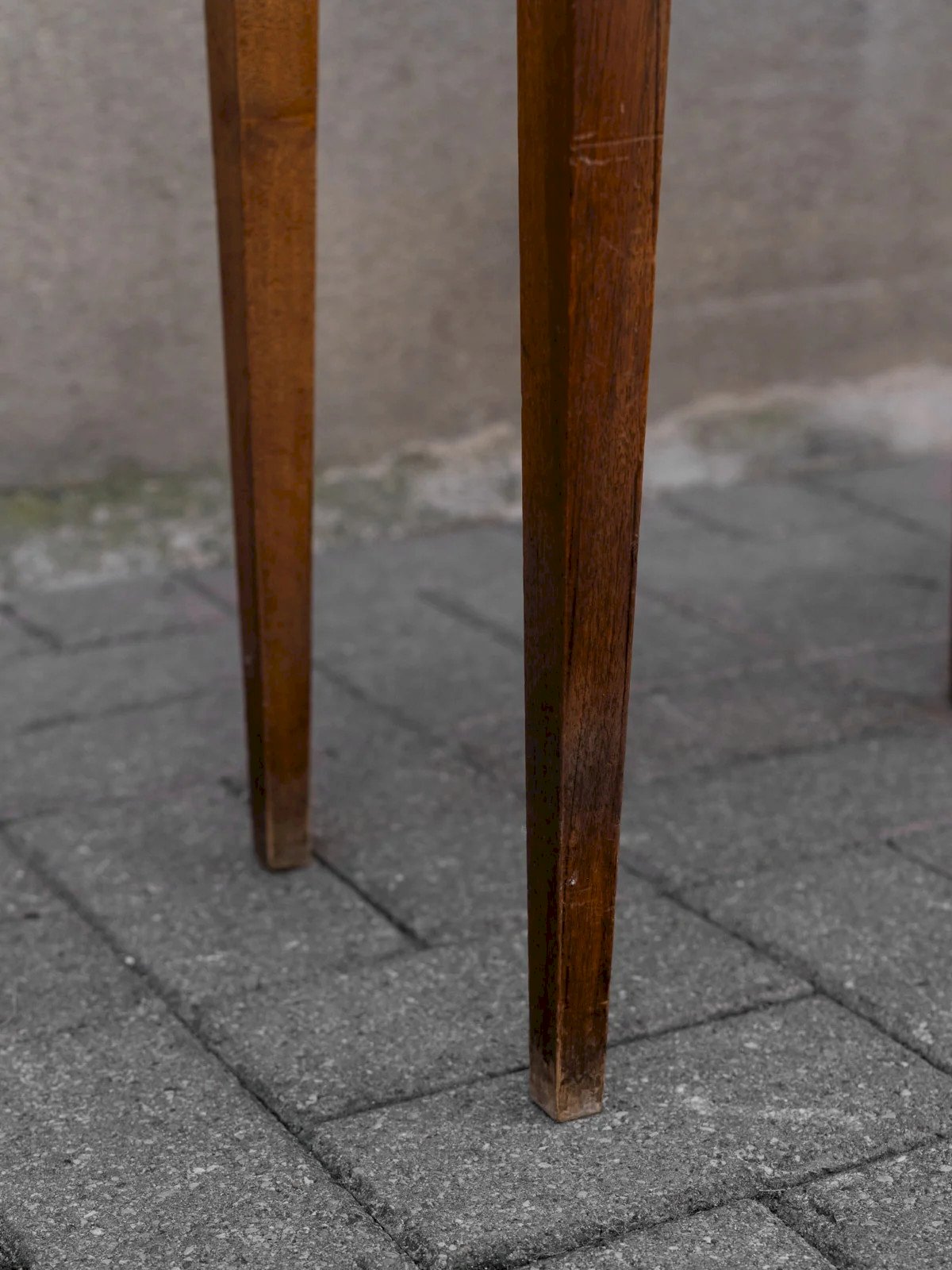
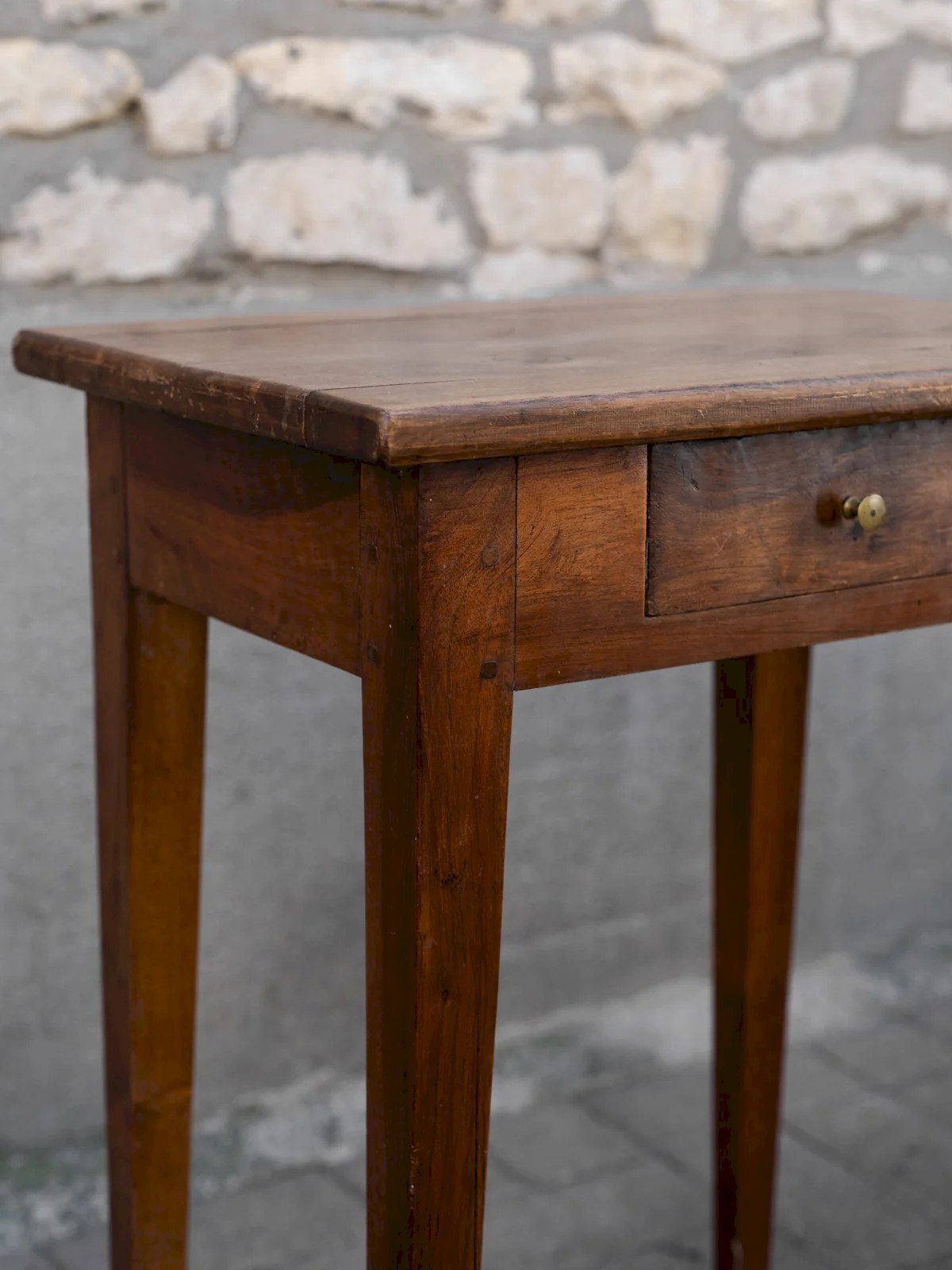
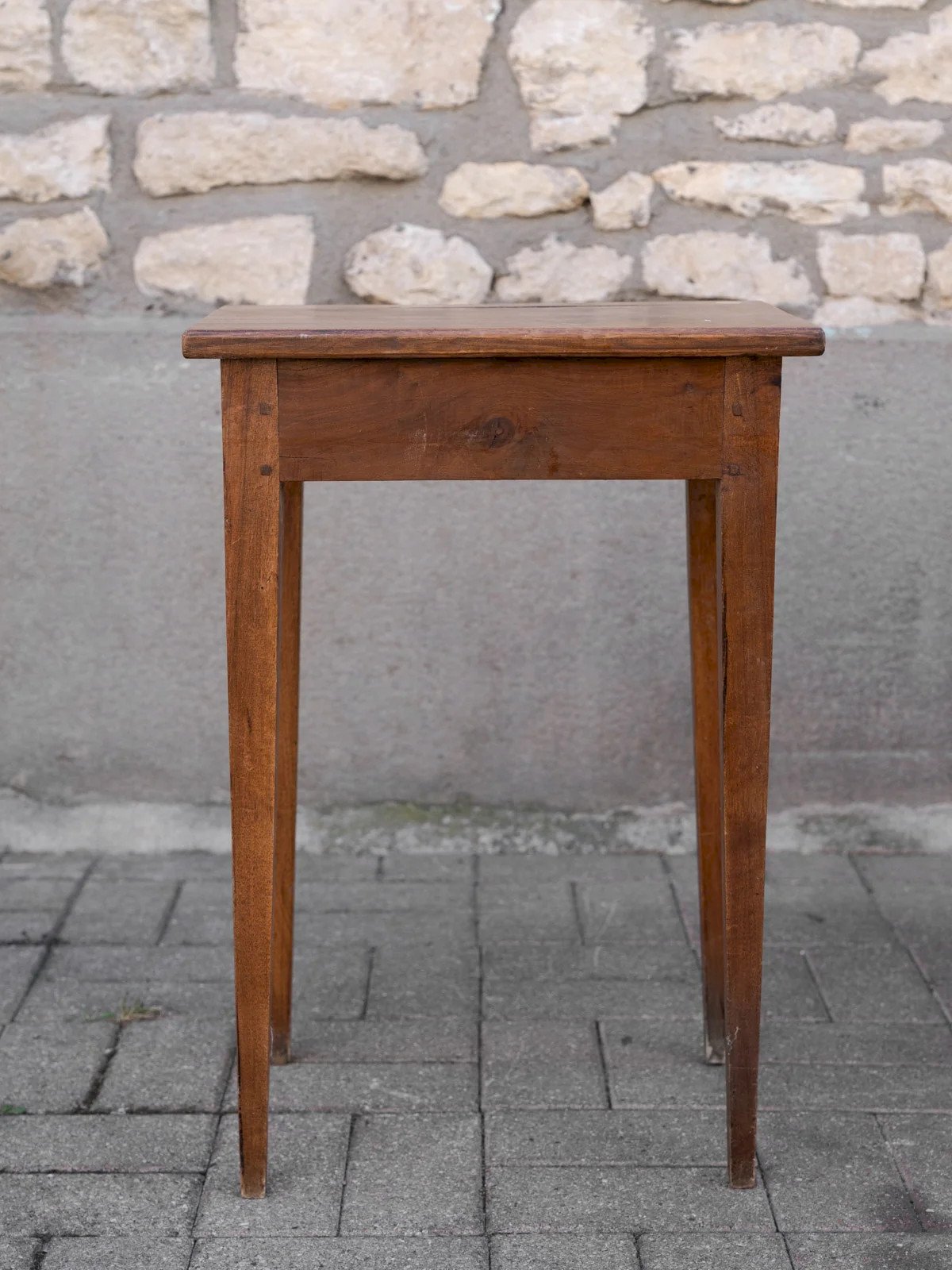
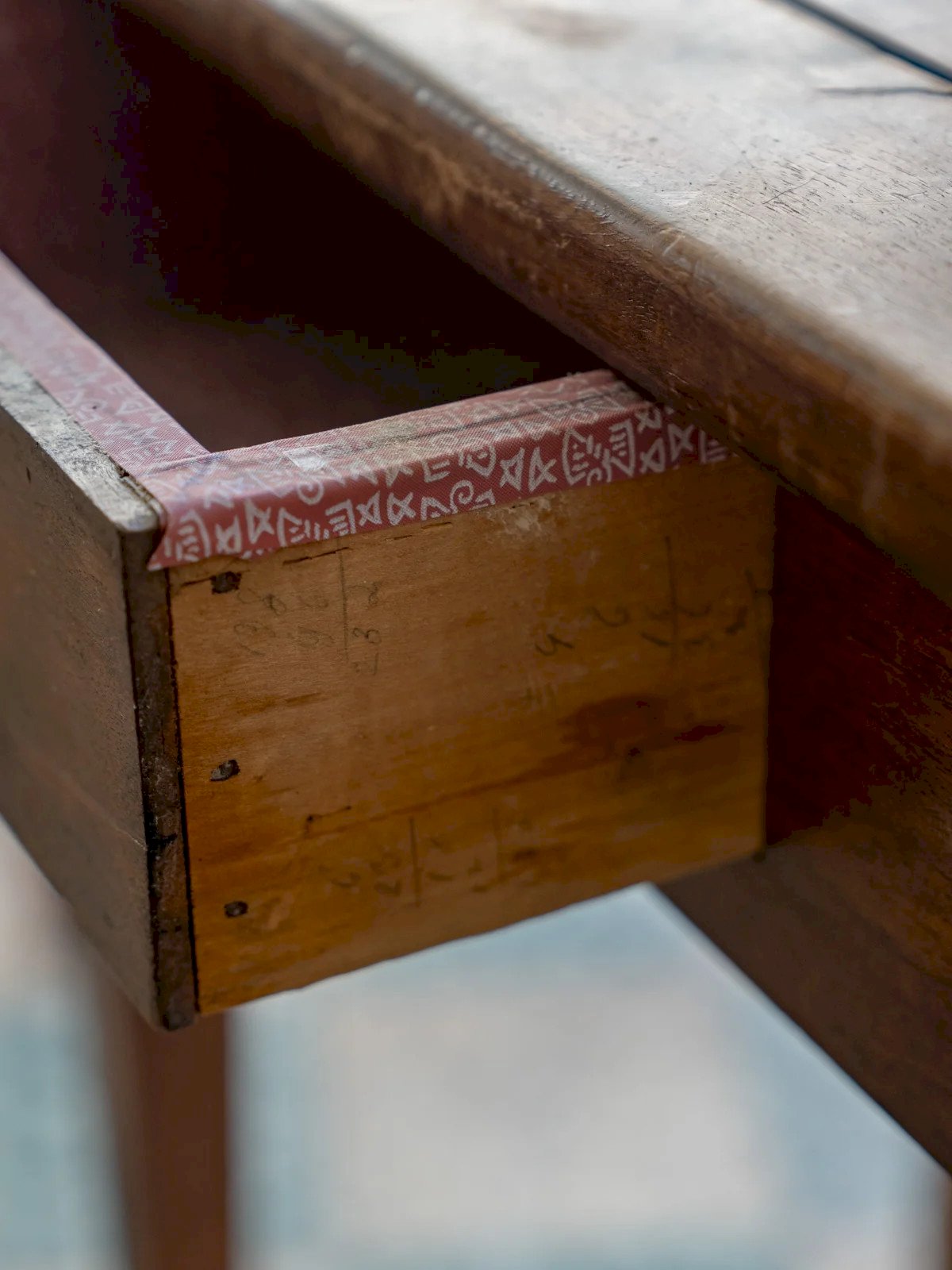
Invite this wooden side table into your home, where it will find its rightful place. With its cleverly hidden drawer, it offers practical storage space while adding a touch of character to your decor. Its wallpaper lining inside provides a surprising and personalized note, revealing a cozy style. Perfect for completing a reading nook or supporting an ambient lamp, it will bring a warm atmosphere to your space. Some signs of use are present. The top particularly shows splits at the joints between the boards, related to the natural aging of the wood. Length: 50 cm Width: 35 cm Height: 72.5 cm Drawer height: 6 cm A little history of the side table Born in the 17th century under the name "guéridon," the side table owes its origin to Moorish slaves [called guéridons] represented on the carved legs of the first models brought back from Italy. This nomadic piece of furniture revolutionized social life at court by allowing the rigidity of large buffets to be broken, creating conversation islands anywhere in the room. Its lightweight and compact structure was designed to be moved according to needs: to place a candlestick, a cup of tea, or a bedside book.
Réf :
#413560
Brand / From : Debongout
Related Products

Comments
Francine, the dark wood side table No. 1544
229€
75002 Paris
Ce site contient des liens d’affiliation pour lesquels je peux recevoir une compensation.
Description
Invite this wooden side table into your home, where it will find its rightful place. With its cleverly hidden drawer, it offers practical storage space while adding a touch of character to your decor. Its wallpaper lining inside provides a surprising and personalized note, revealing a cozy style. Perfect for completing a reading nook or supporting an ambient lamp, it will bring a warm atmosphere to your space. Some signs of use are present. The top particularly shows splits at the joints between the boards, related to the natural aging of the wood. Length: 50 cm Width: 35 cm Height: 72.5 cm Drawer height: 6 cm A little history of the side table Born in the 17th century under the name "guéridon," the side table owes its origin to Moorish slaves [called guéridons] represented on the carved legs of the first models brought back from Italy. This nomadic piece of furniture revolutionized social life at court by allowing the rigidity of large buffets to be broken, creating conversation islands anywhere in the room. Its lightweight and compact structure was designed to be moved according to needs: to place a candlestick, a cup of tea, or a bedside book.
Réf :
#413560
Brand / From : Debongout