 English
 Français


Description
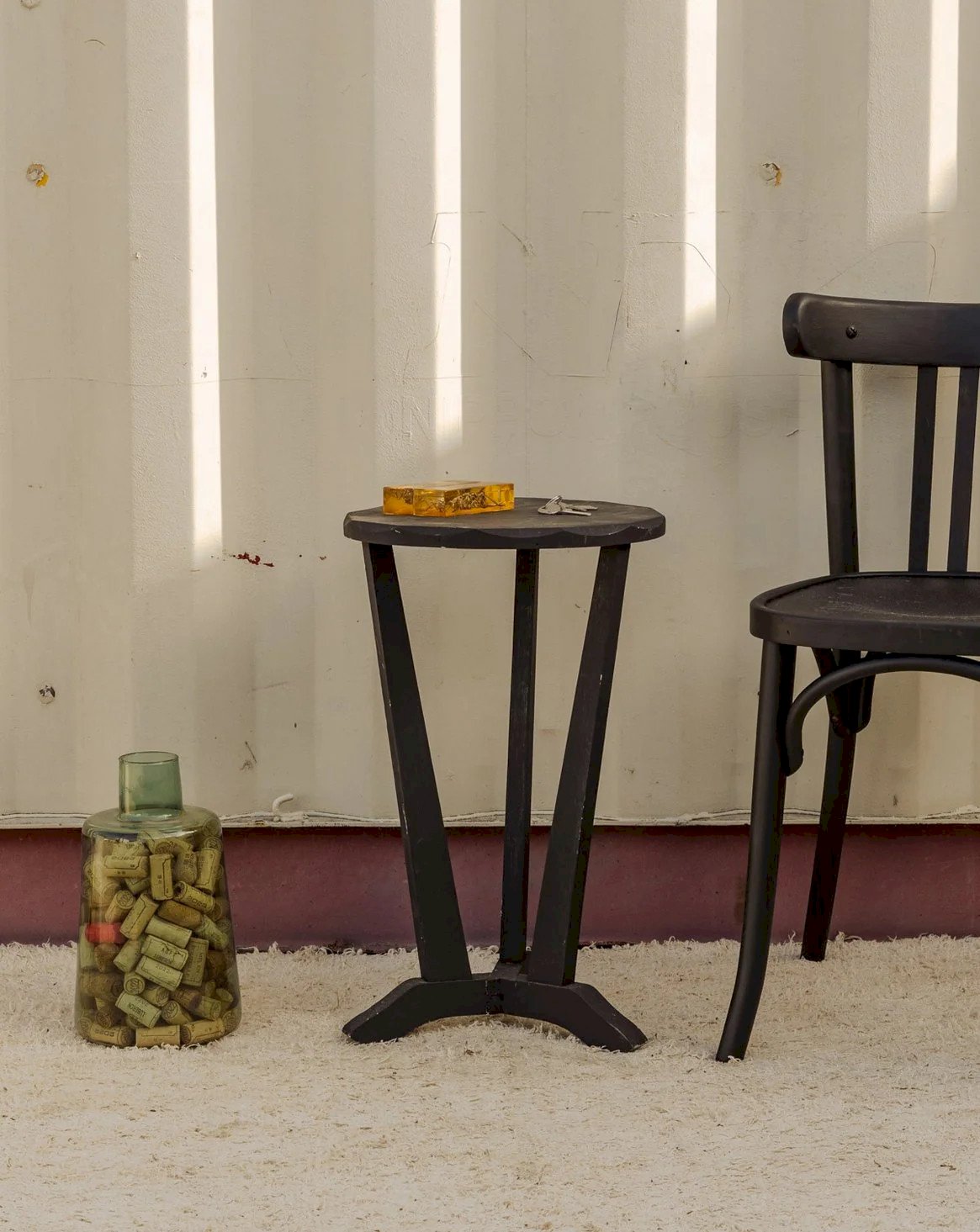
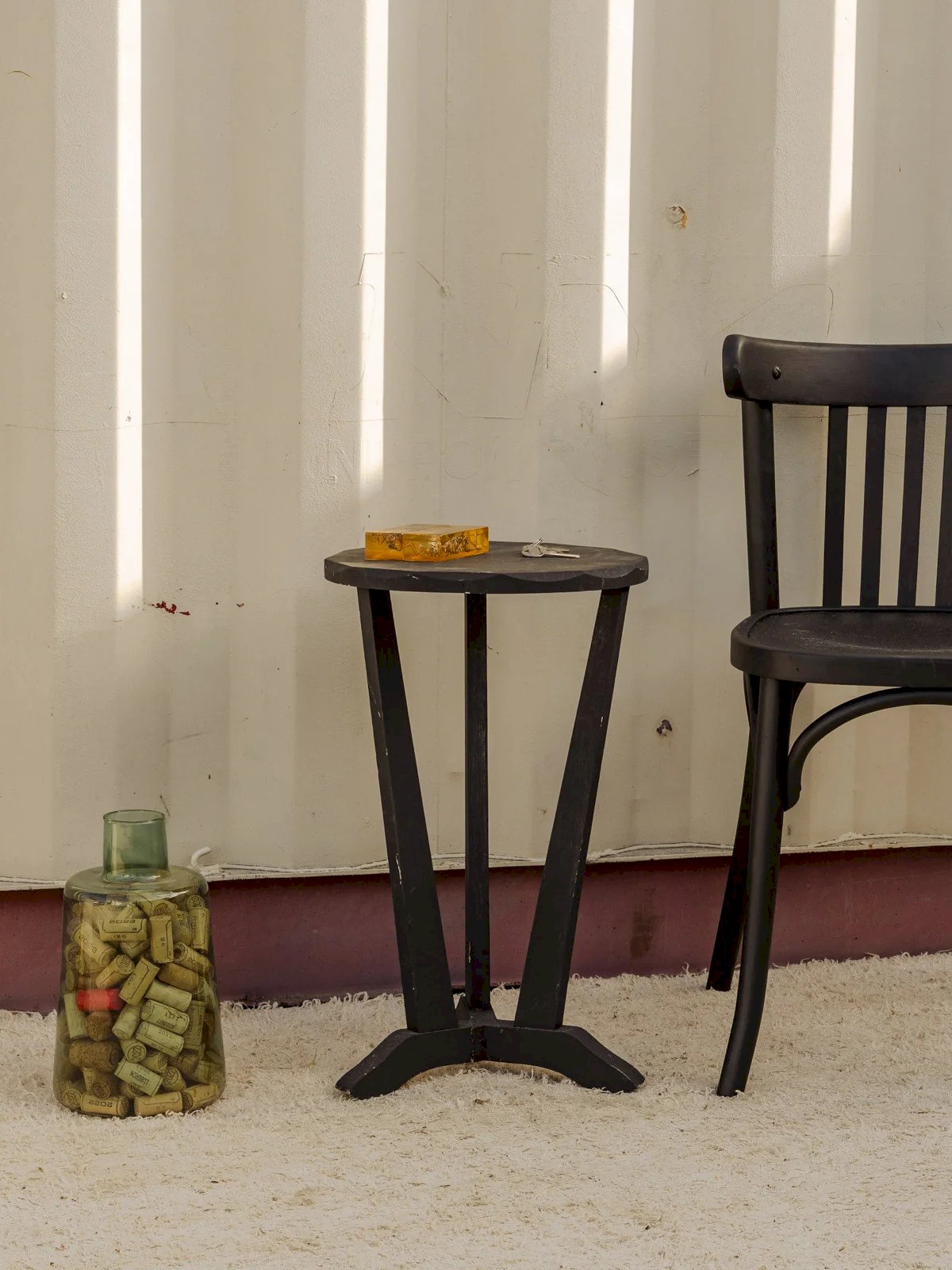
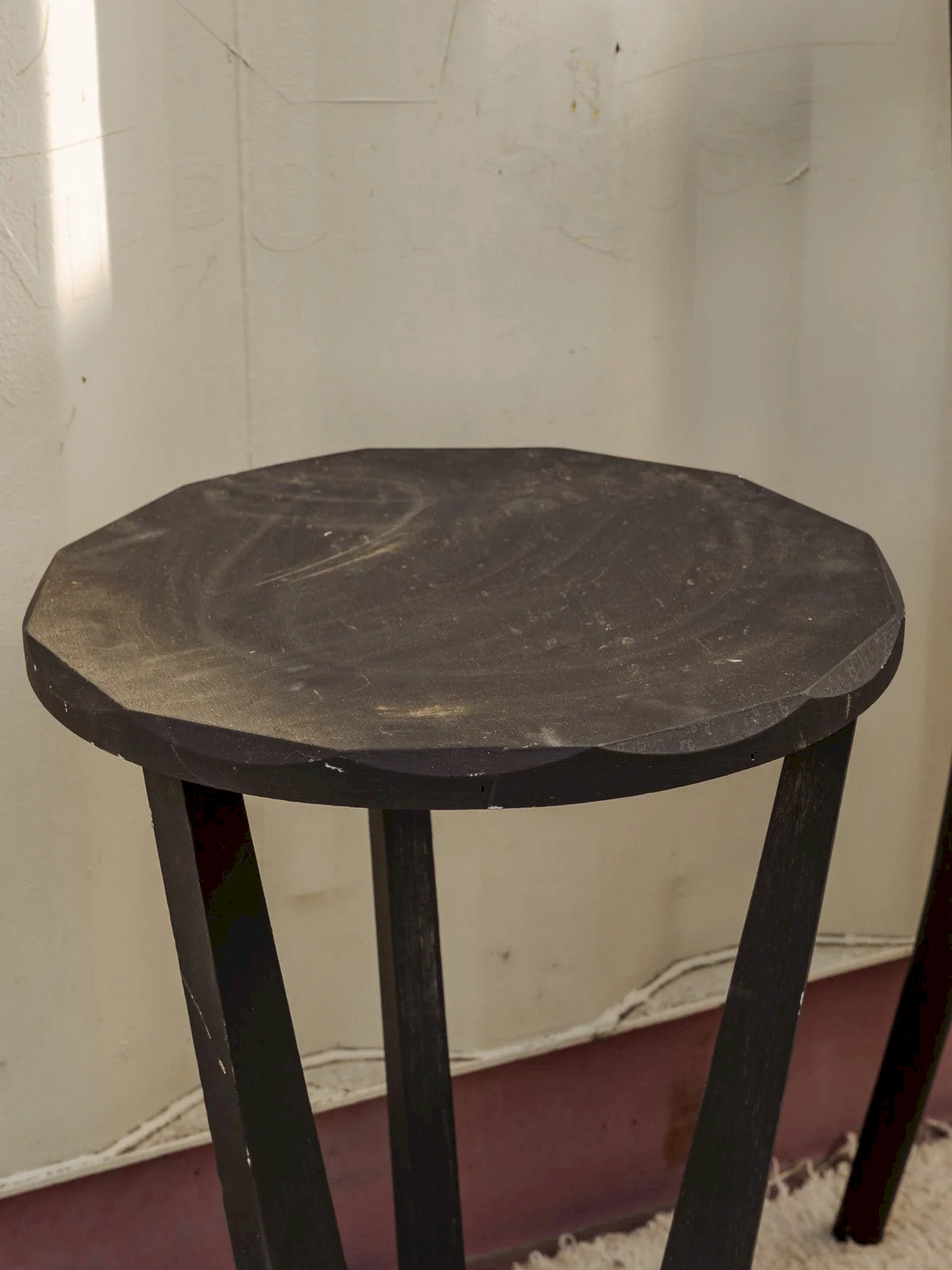
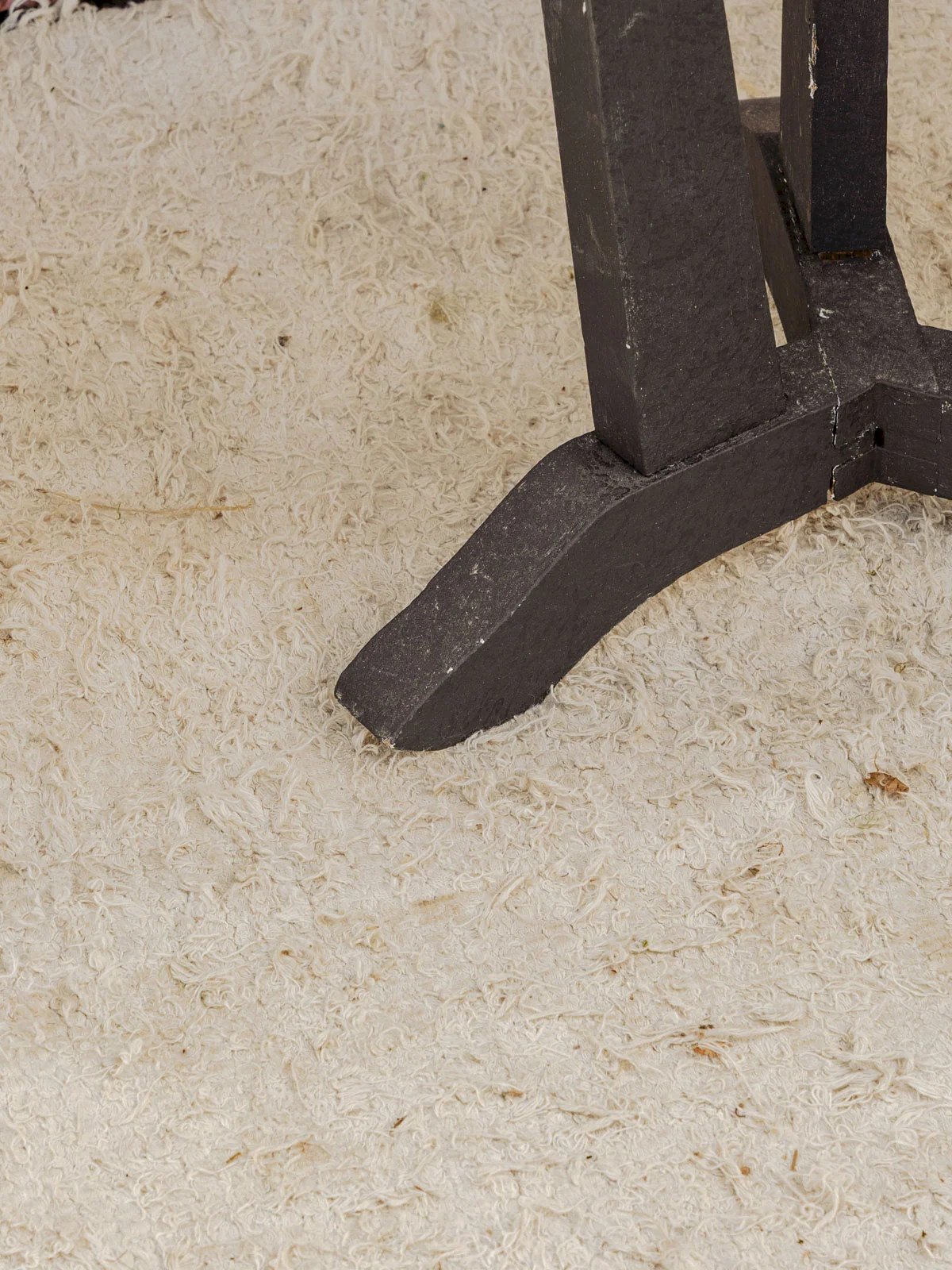
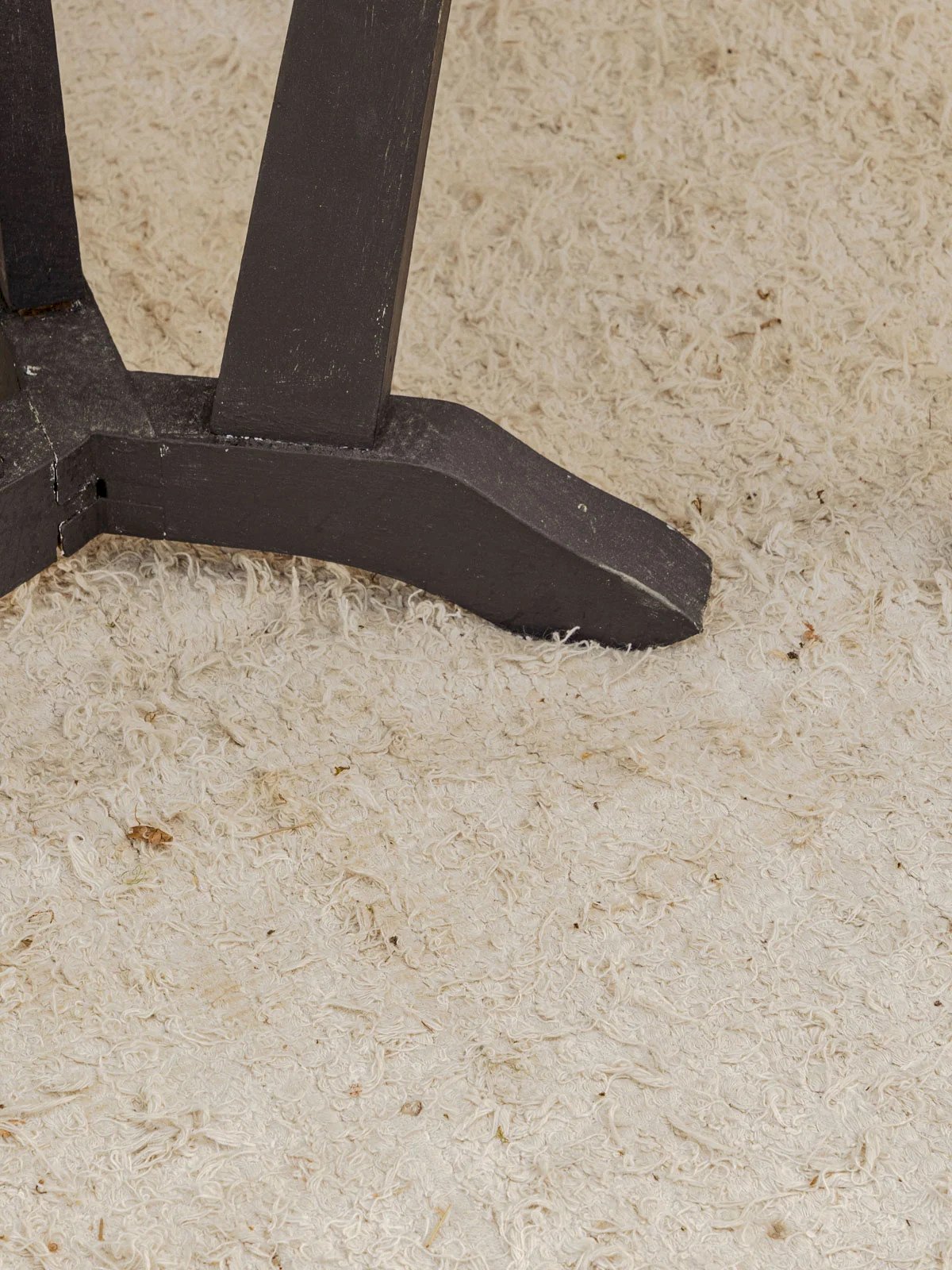
This black wooden side table, with a country spirit, brings a sober and refined touch to a living room or an entrance. Its round shape allows it to hold a lamp, a vase, or a few books while maintaining a discreet presence next to a sofa or an armchair. The black wood highlights a patinated look, ideal for creating a vintage and warm decor without overwhelming the space. It is suited both for a corner of the room and for staging near a window, with a small plant or a bouquet of wildflowers. A second-hand piece, it carries the memory of its past: a few marks of time. Height: 58 cm Diameter: 35 cm A Brief History of the Side Table Born in the 17th century under the name " guéridon," the side table owes its origin to Moorish slaves [called guéridons] represented on the sculpted legs of the first models brought back from Italy. This nomadic piece of furniture revolutionized social life at court by allowing the rigidity of large buffets to be broken, creating conversation islands anywhere in the room. Its lightweight and compact structure was designed to be moved as needed: to place a candelabrum, a cup of tea, or a bedside book.
Réf :
#414436
Brand / From : Debongout
Related Products


Comments
Francine, the black wooden pedestal N°1722
189€
75002 Paris
Ce site contient des liens d’affiliation pour lesquels je peux recevoir une compensation.
Description
This black wooden side table, with a country spirit, brings a sober and refined touch to a living room or an entrance. Its round shape allows it to hold a lamp, a vase, or a few books while maintaining a discreet presence next to a sofa or an armchair. The black wood highlights a patinated look, ideal for creating a vintage and warm decor without overwhelming the space. It is suited both for a corner of the room and for staging near a window, with a small plant or a bouquet of wildflowers. A second-hand piece, it carries the memory of its past: a few marks of time. Height: 58 cm Diameter: 35 cm A Brief History of the Side Table Born in the 17th century under the name " guéridon," the side table owes its origin to Moorish slaves [called guéridons] represented on the sculpted legs of the first models brought back from Italy. This nomadic piece of furniture revolutionized social life at court by allowing the rigidity of large buffets to be broken, creating conversation islands anywhere in the room. Its lightweight and compact structure was designed to be moved as needed: to place a candelabrum, a cup of tea, or a bedside book.
Réf :
#414436
Brand / From : Debongout