 English
 Français


Description
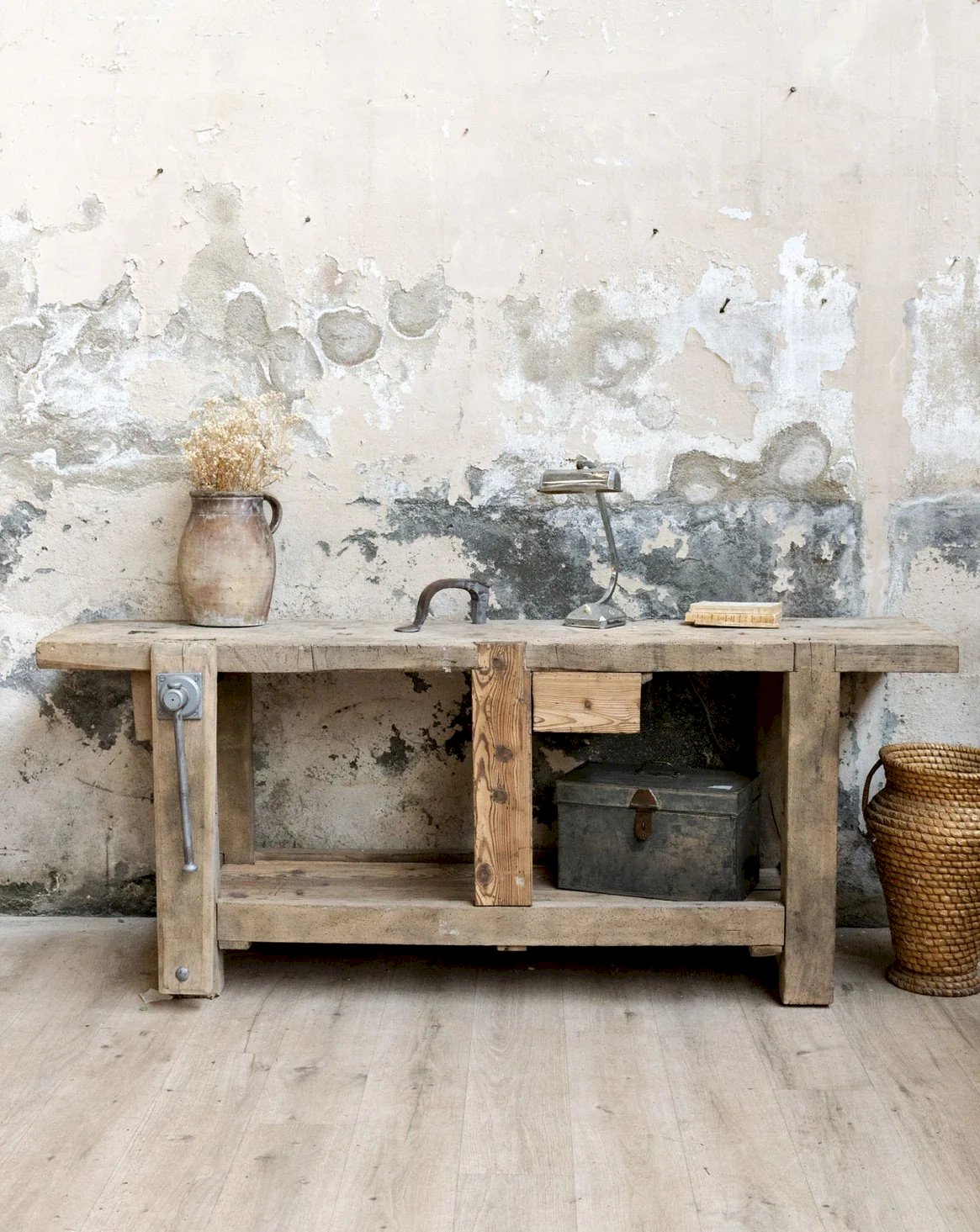
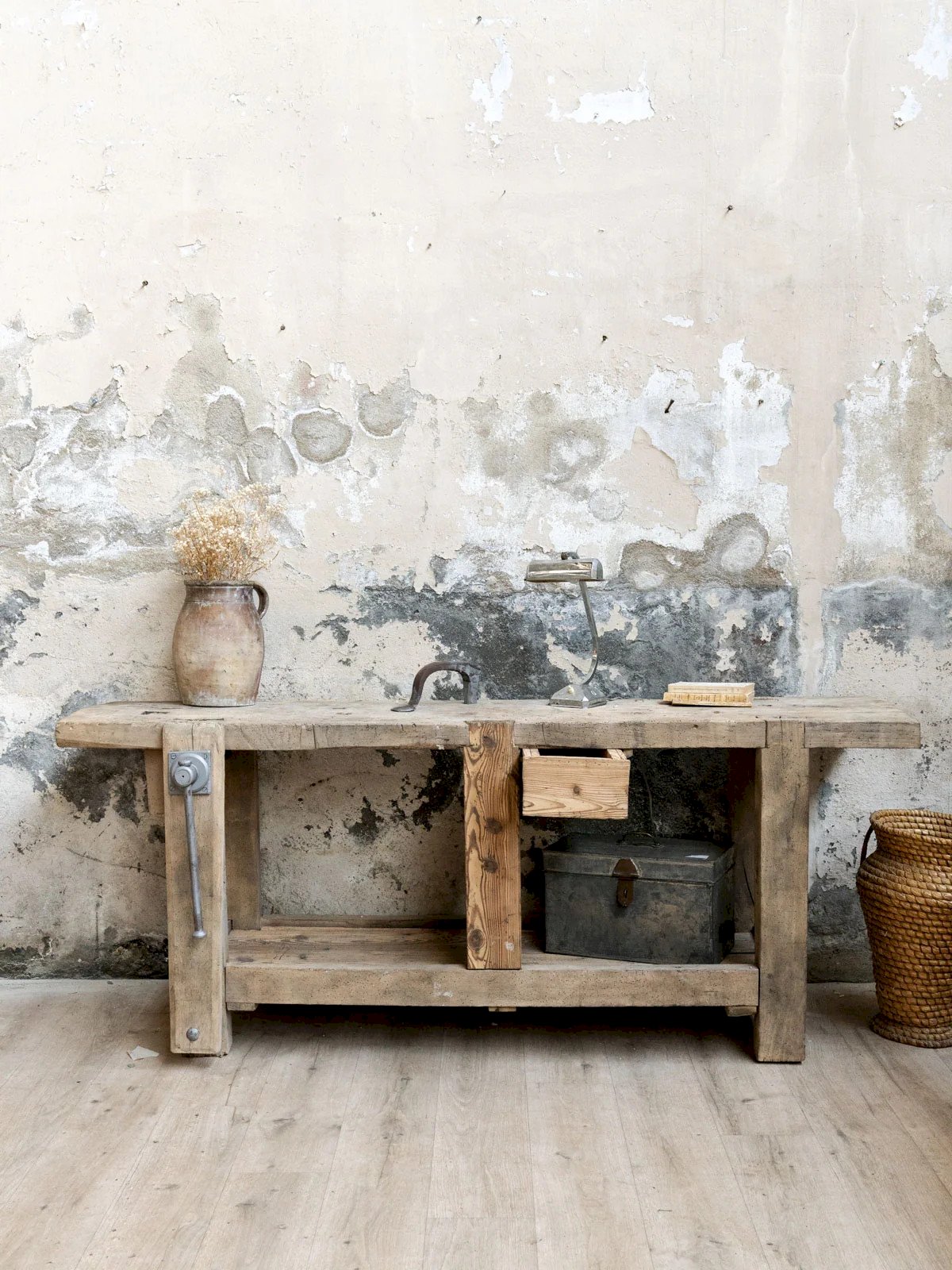
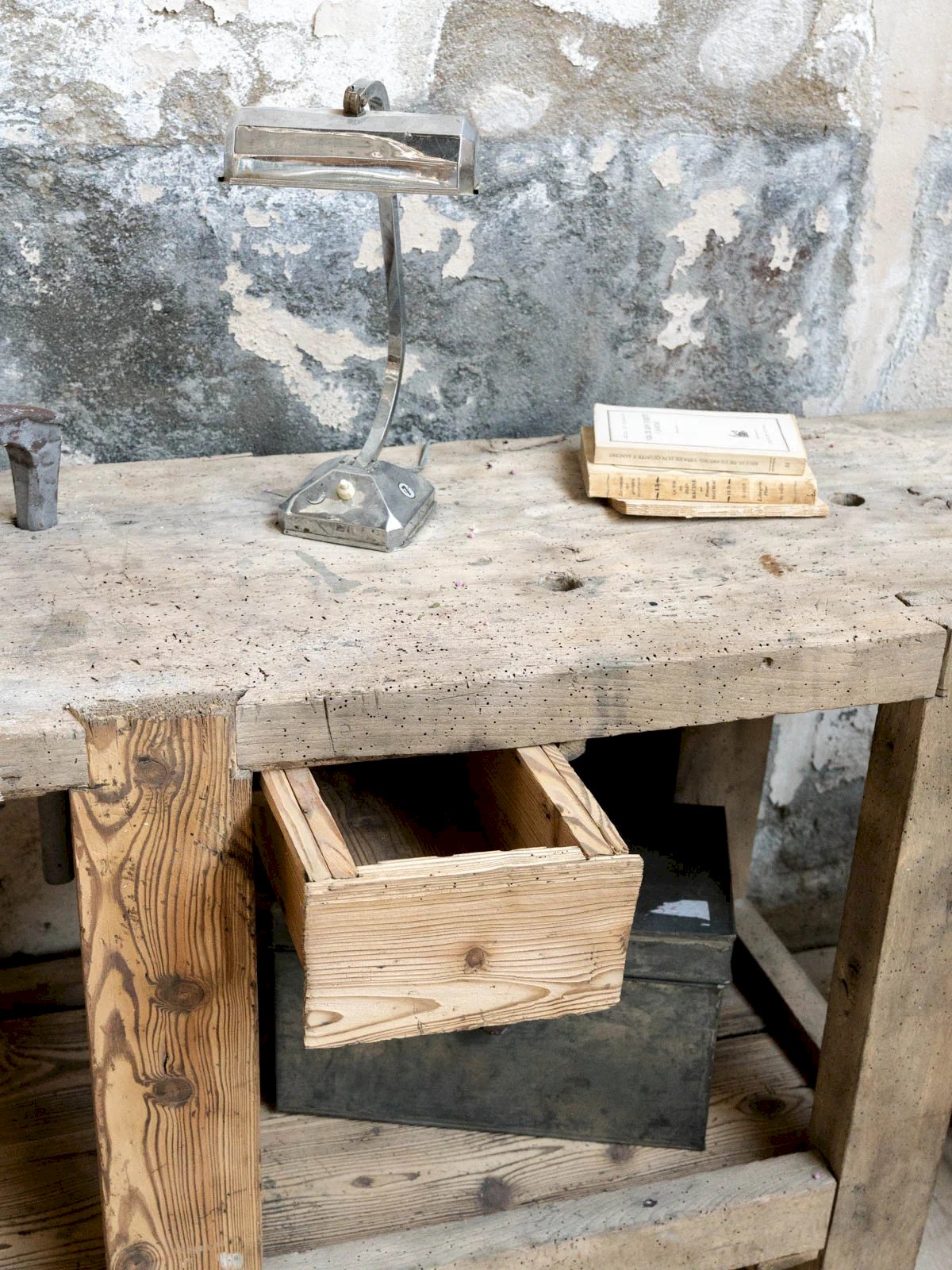
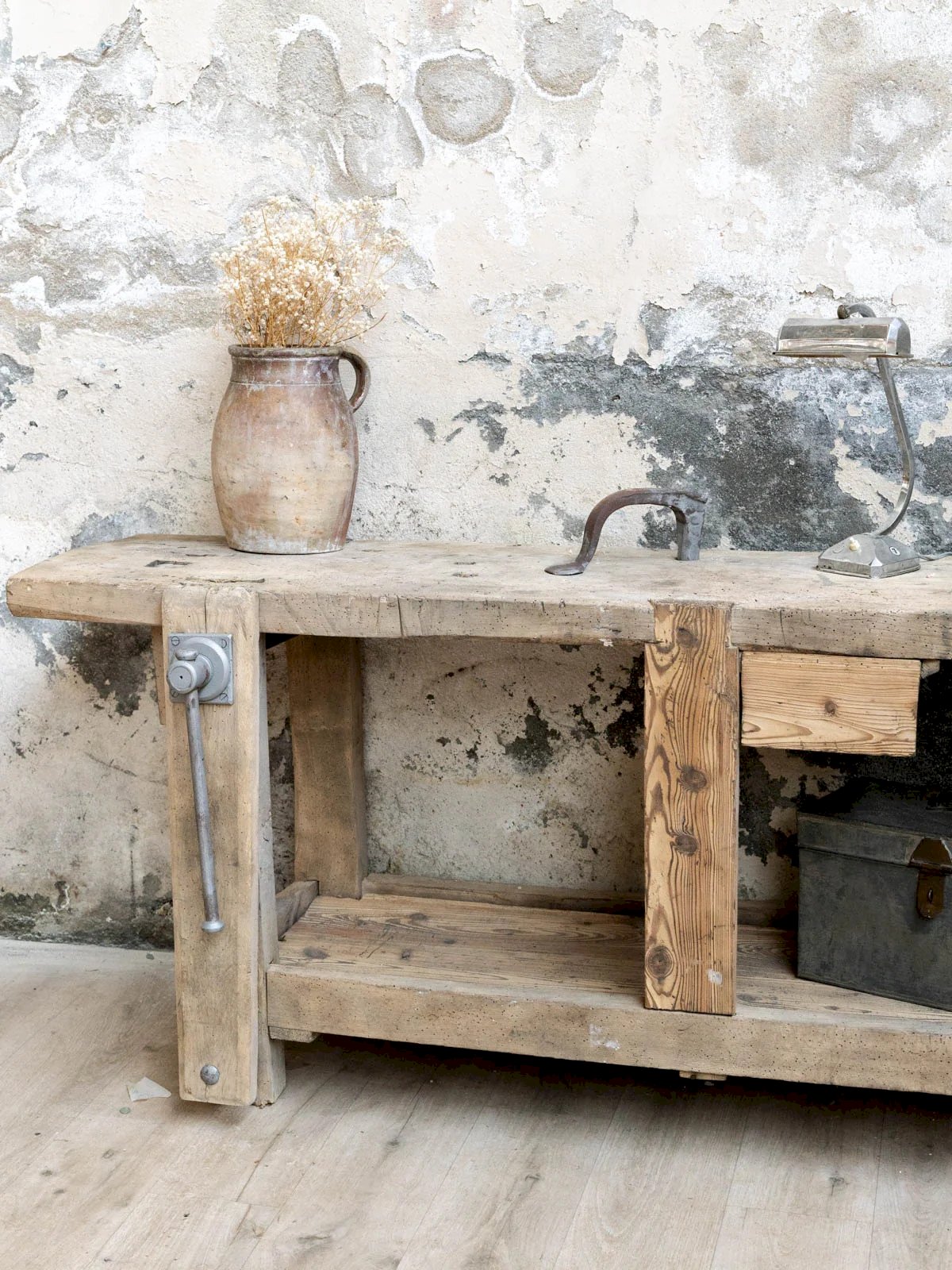
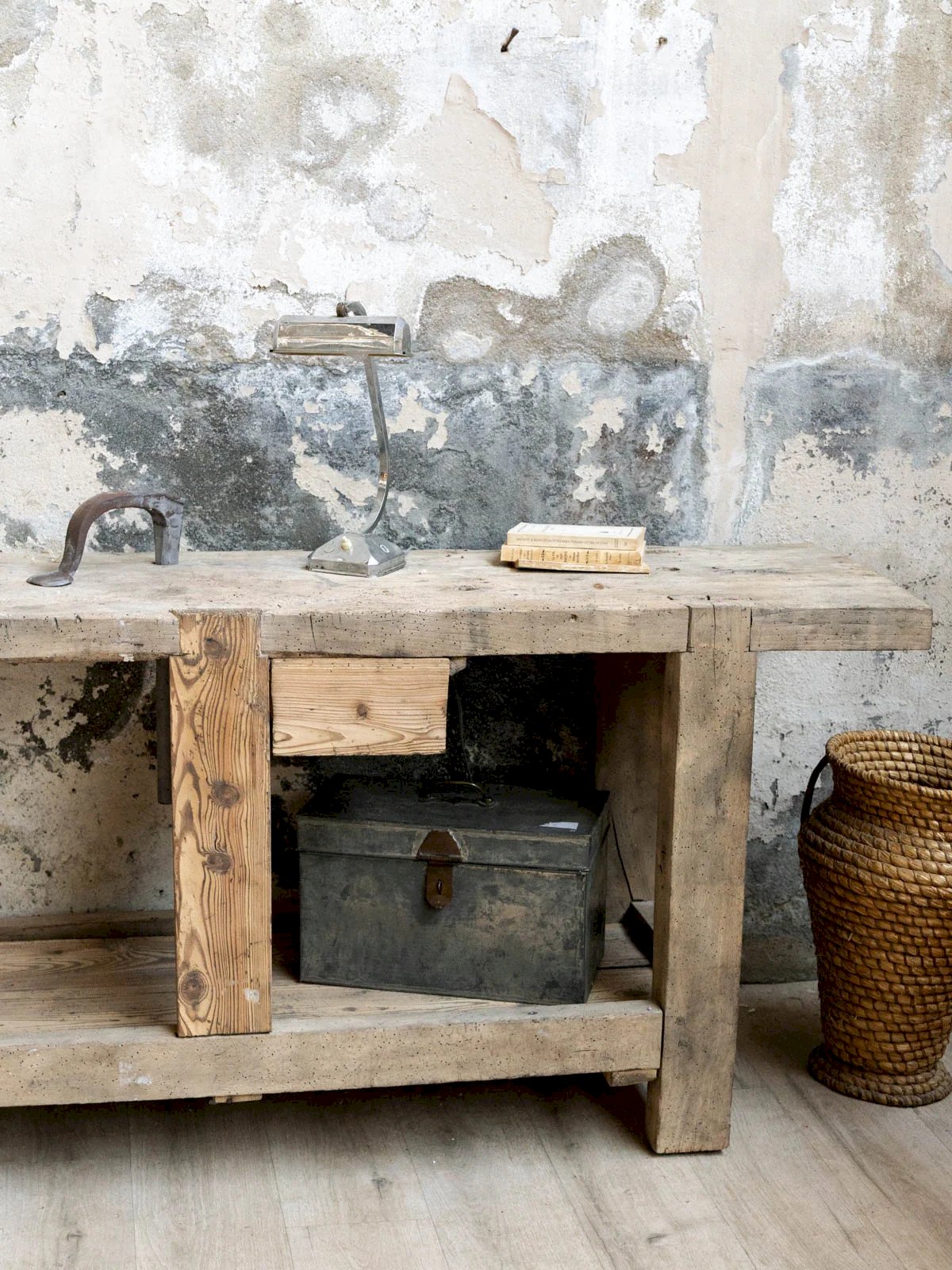
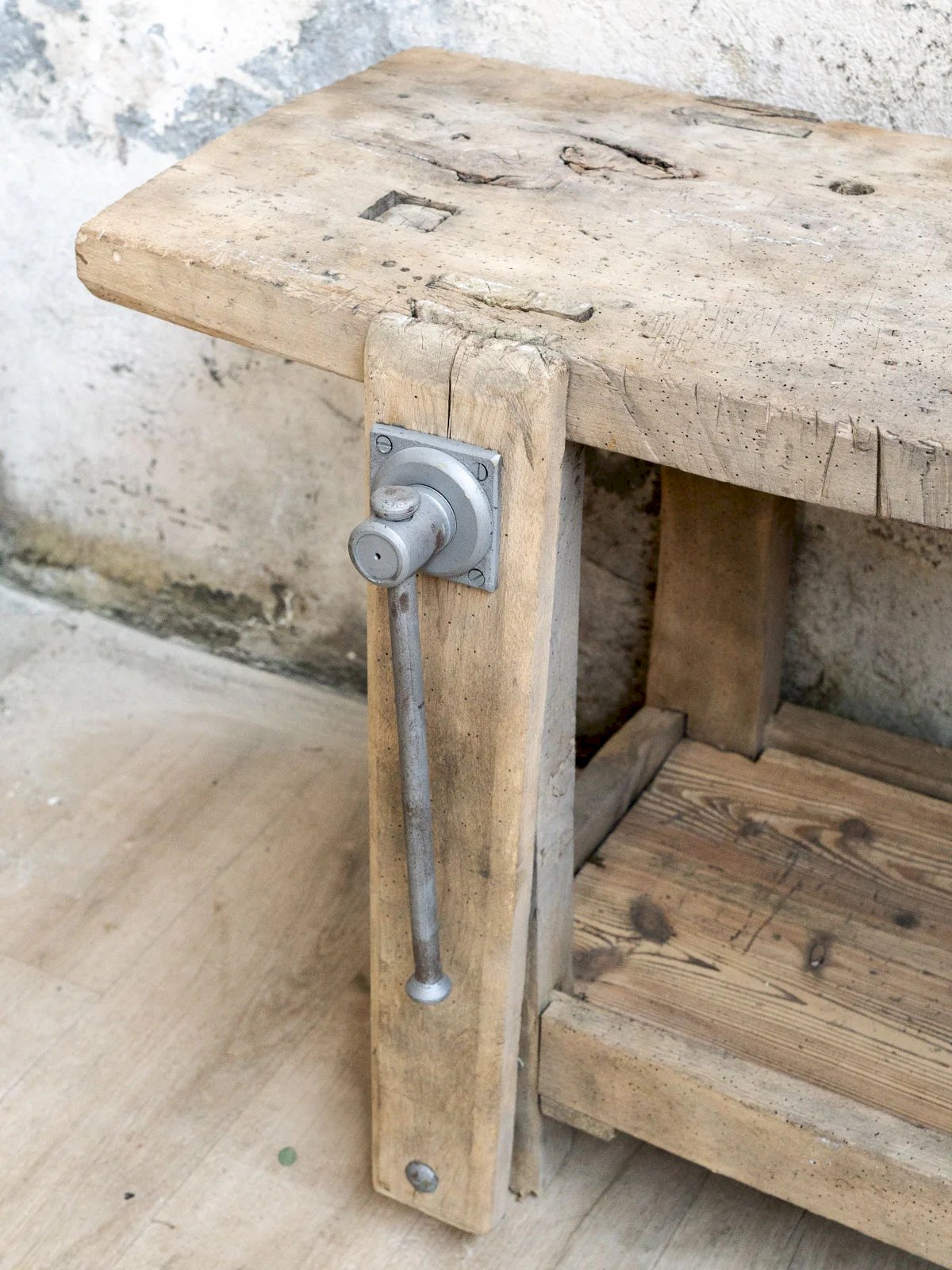
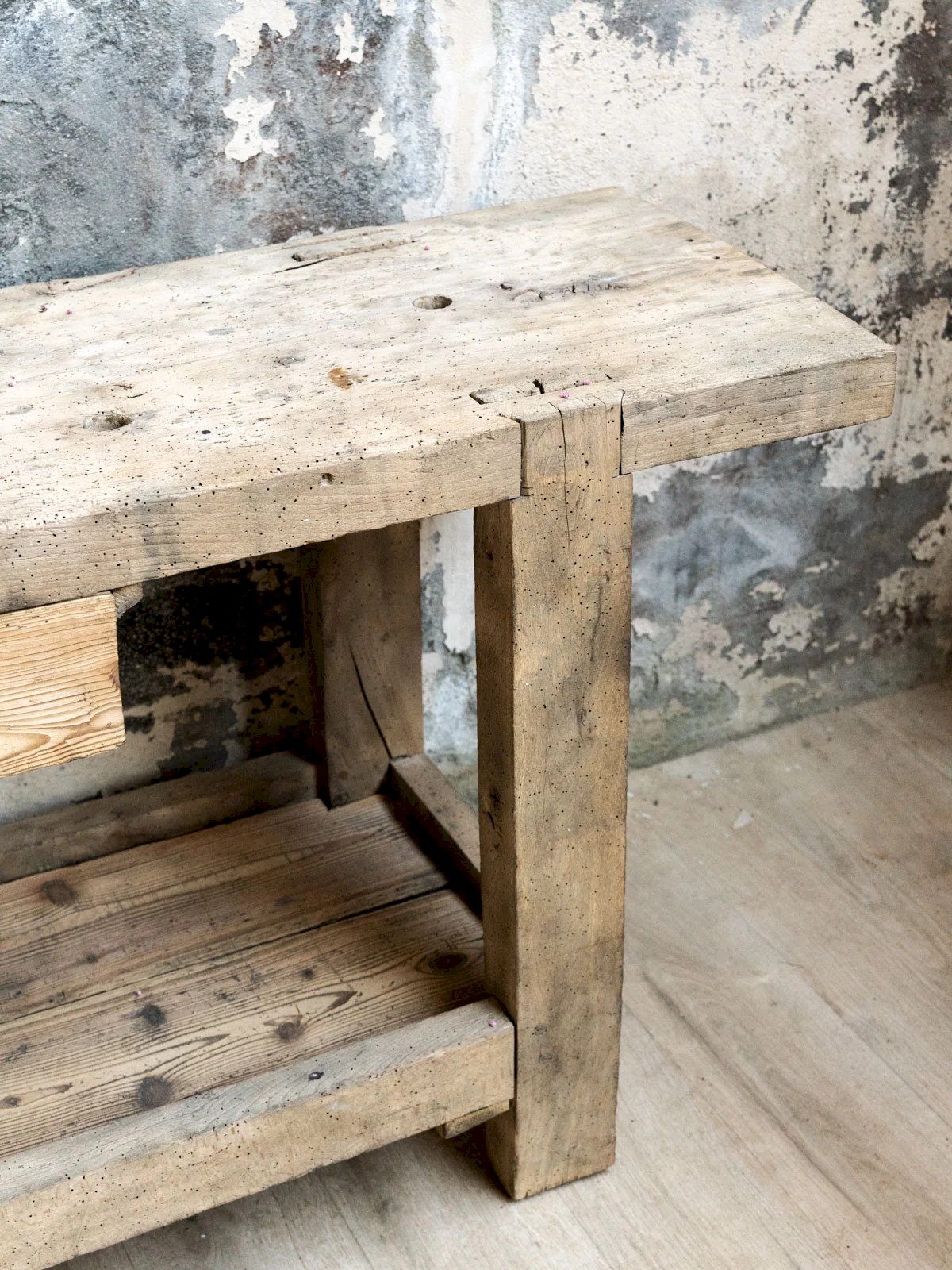
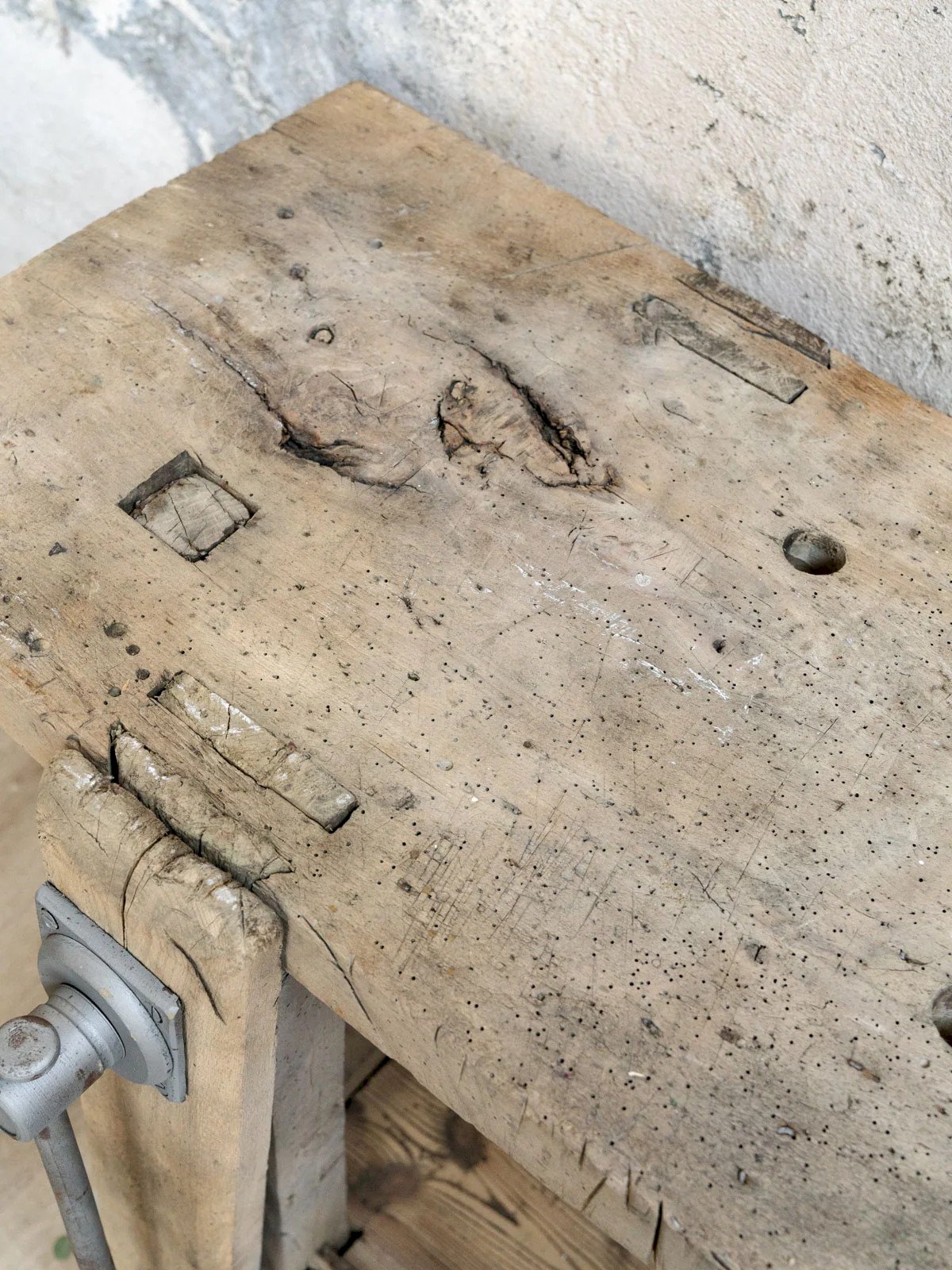
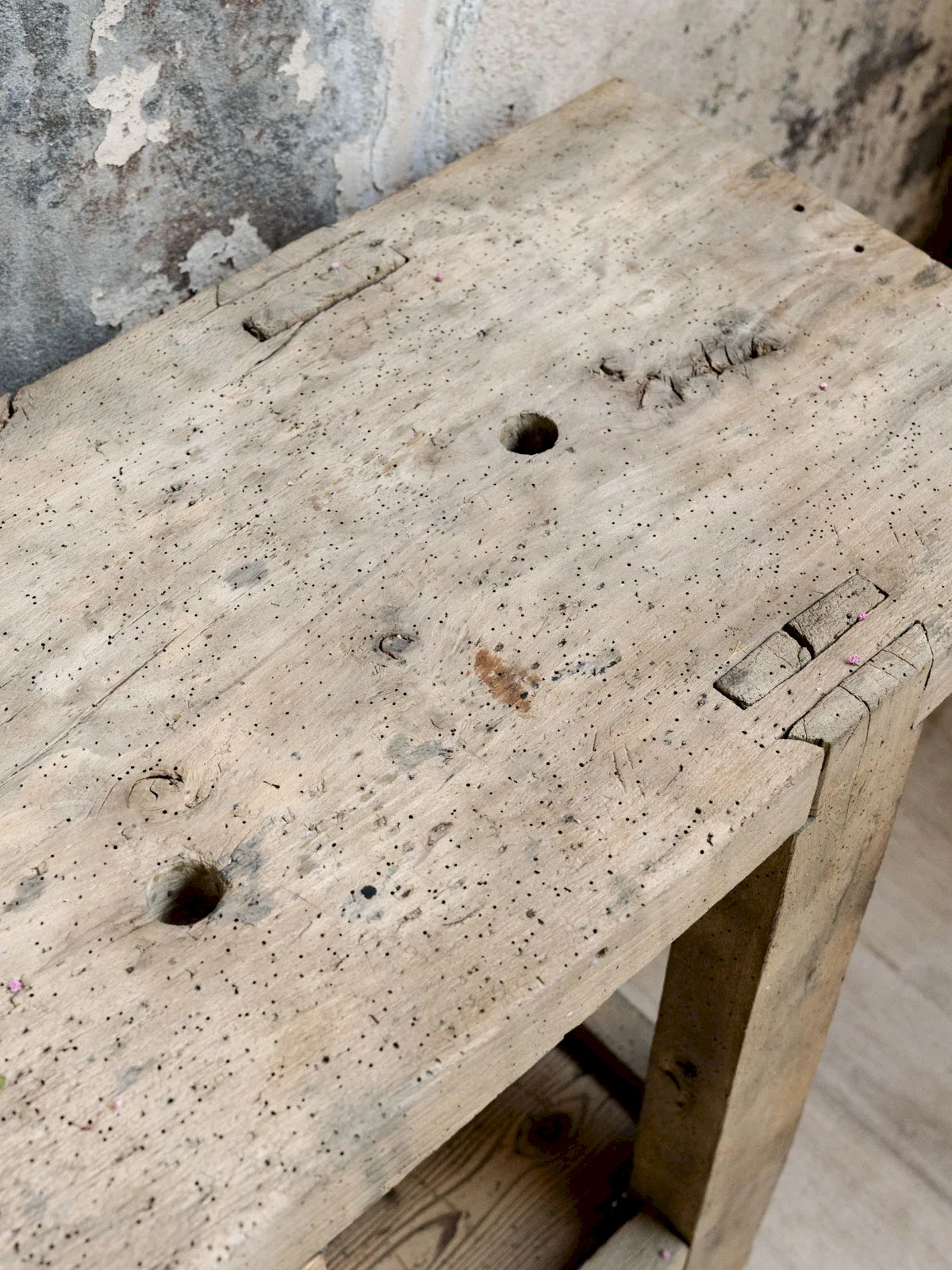
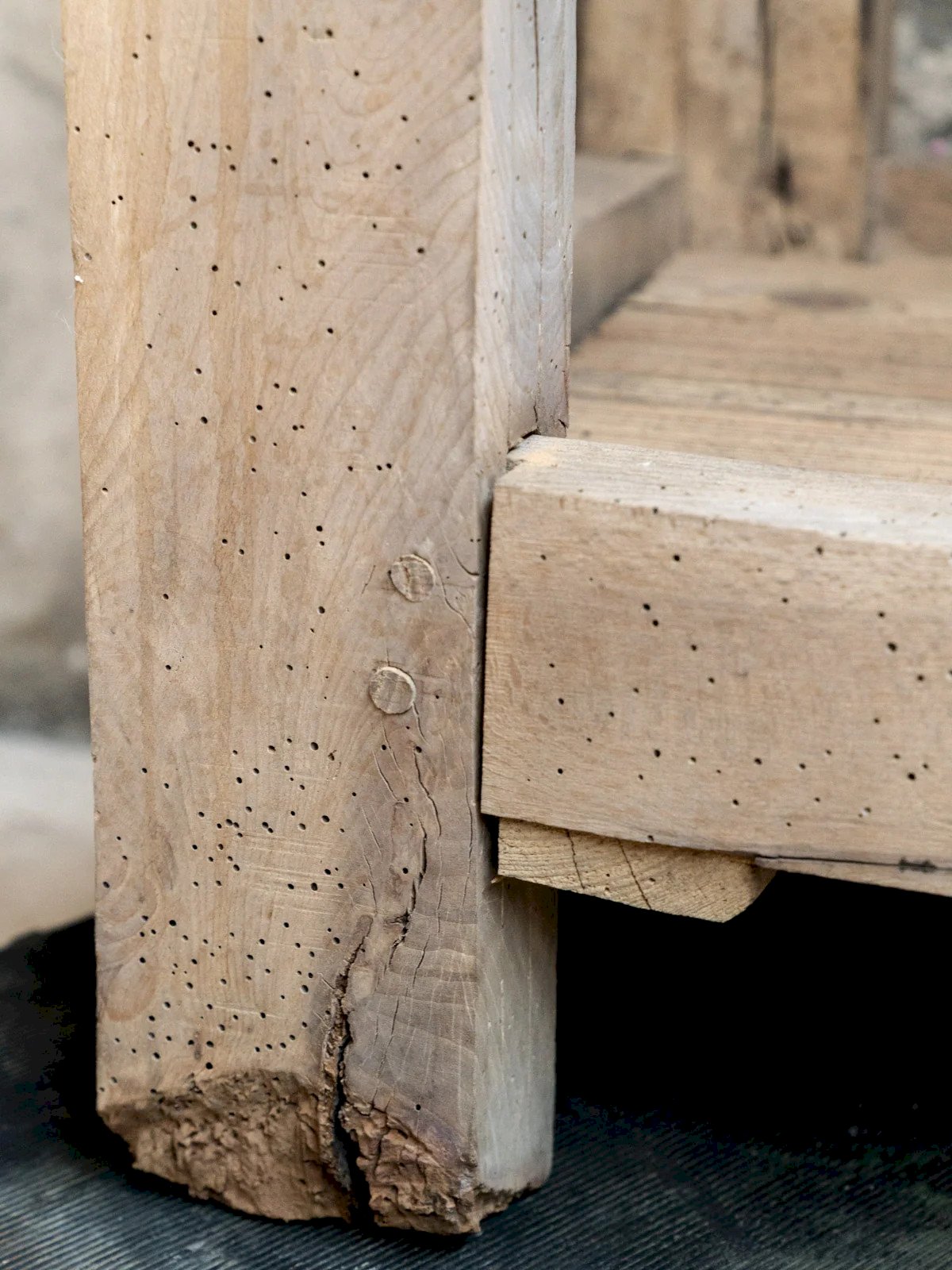
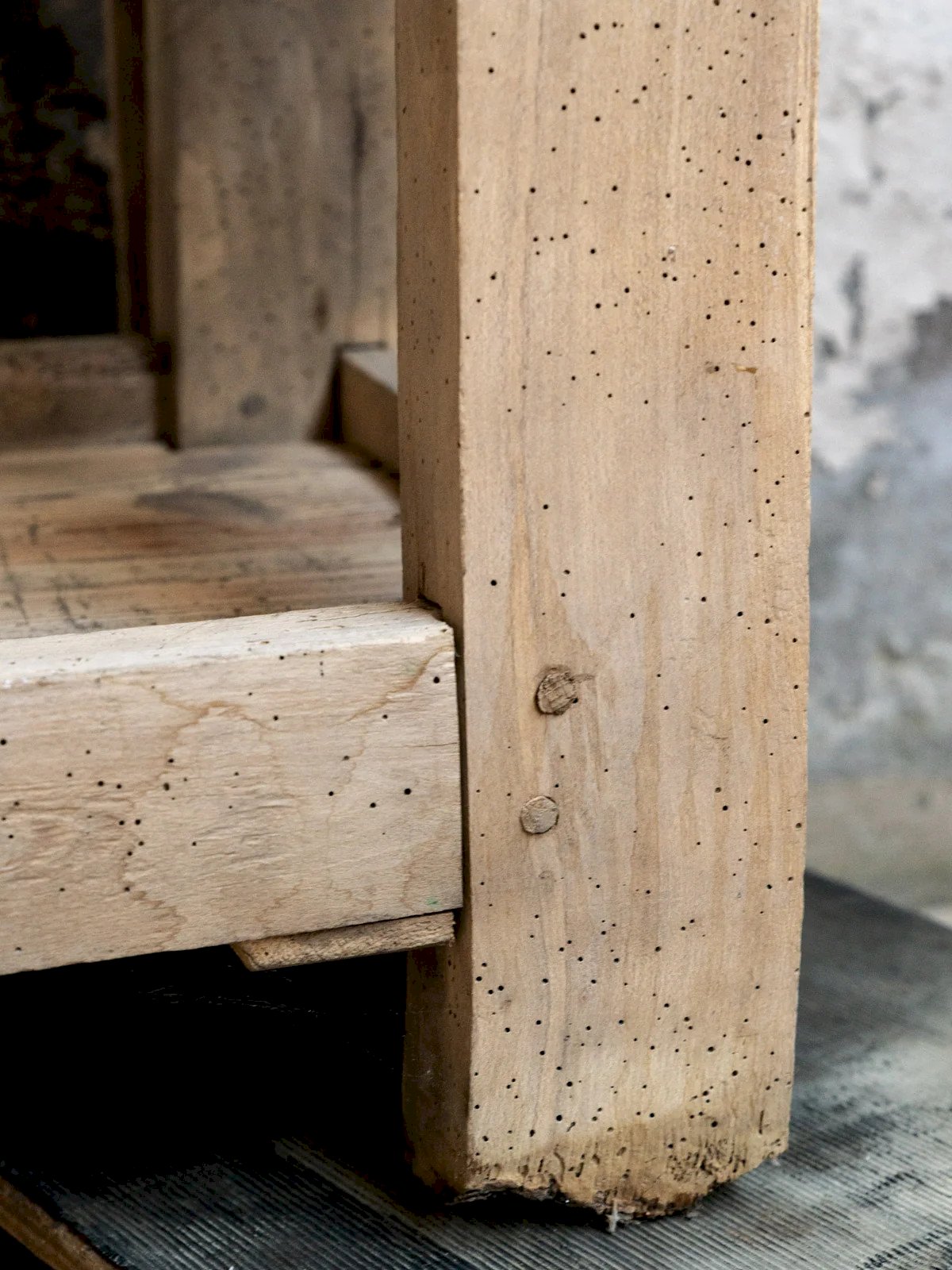
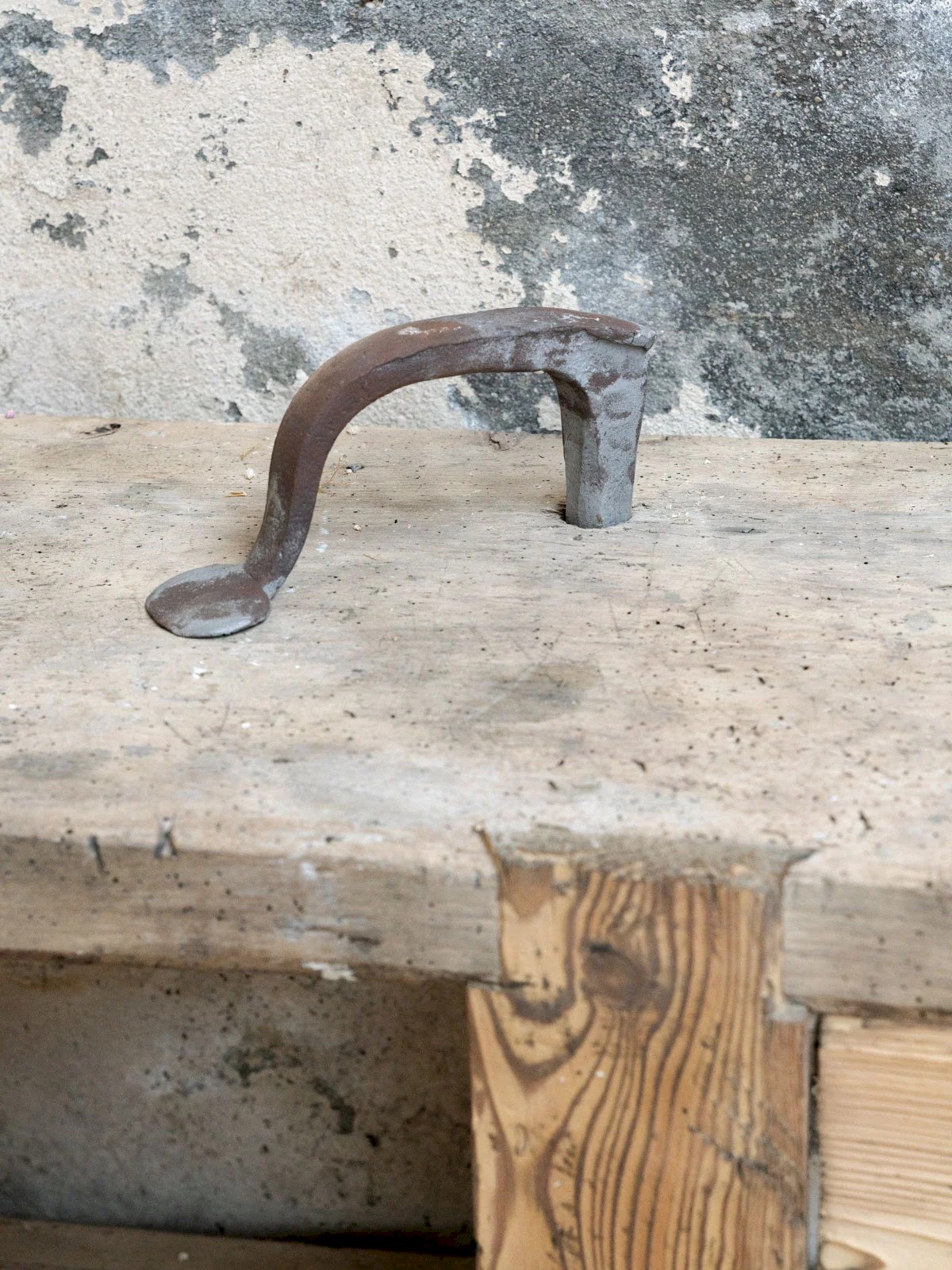
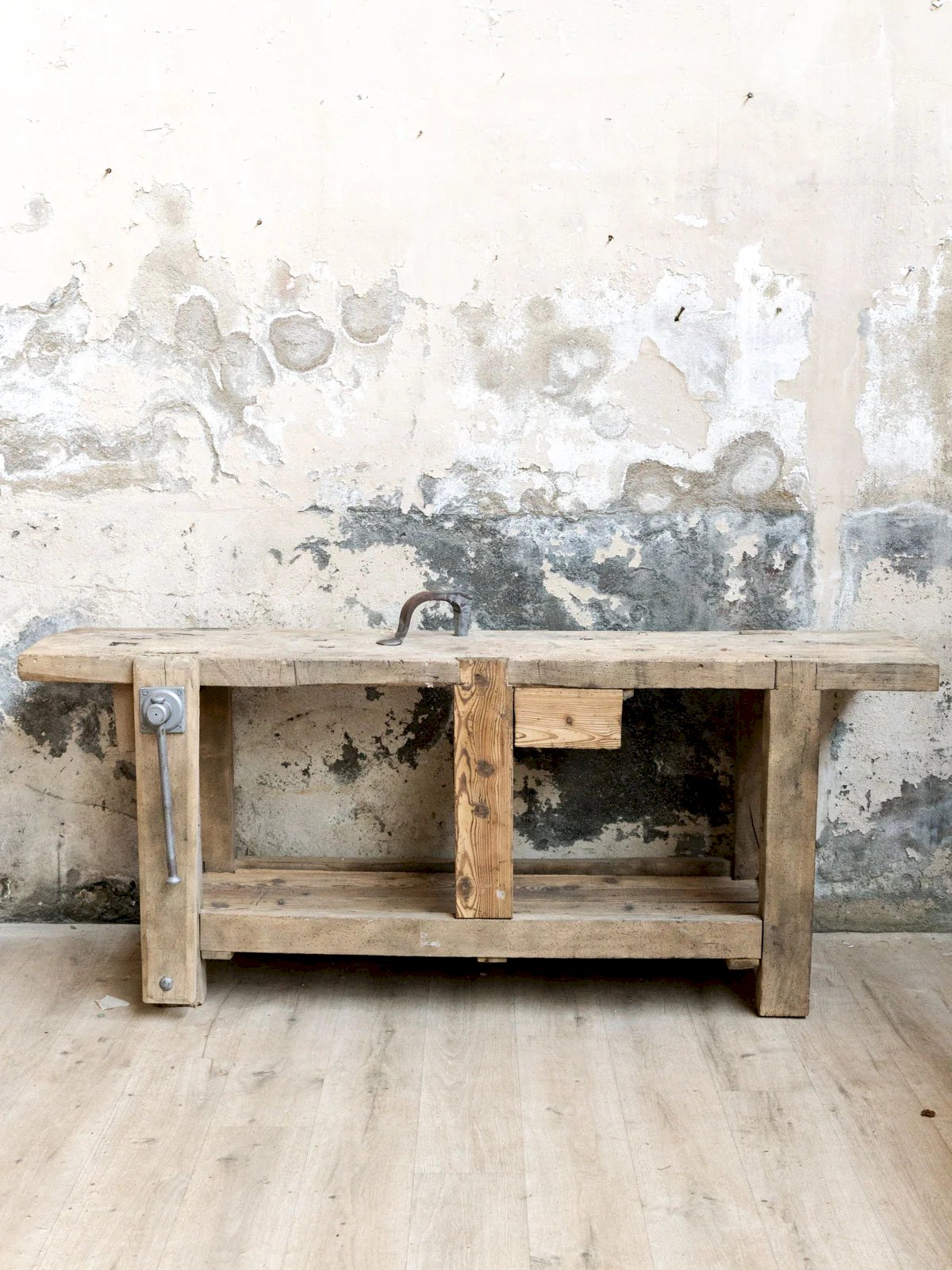
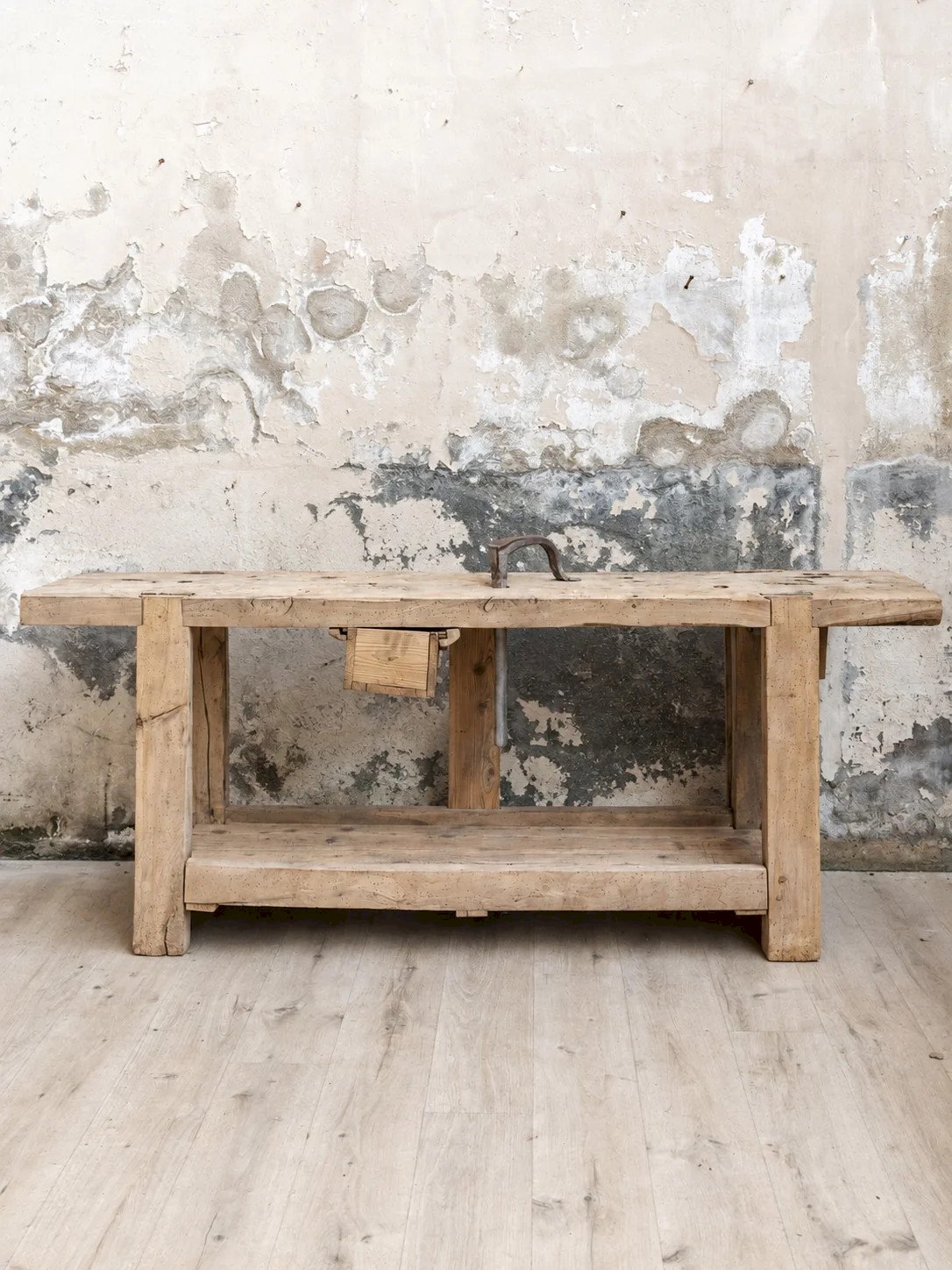
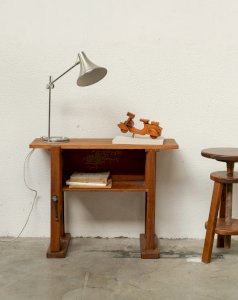
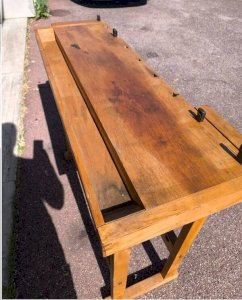
With its light wood and generous proportions, this workbench brings a countryside touch full of character to a kitchen, hallway, or living room. Its wide top can accommodate various items, lamps, baskets, or daily elements. The small drawer offers discreet storage for cutlery, table linen, or a few accessories. Its wooden material, understated and warm, naturally complements antique dishware, glass jars, or a bouquet of fresh flowers. As a second-hand piece, it bears the marks of its past: a small drawer that rubs and is slightly difficult to open and close. Length: 185 cmWidth: 45 cmDepth including metal press: 58 cmHeight: 74 cm A brief history of the workbenchTool for work before being a decorative object, the workbench was born in the 19th century to meet the precision needs of apothecaries, printers, or seed merchants. Its structure, dictated by use, is recognizable by its multitude of drawers and brass nameplates that allowed for the identification of stocks without losing a second. Whether called a "drawing table" or "workshop dresser," it today brings a raw industrial charm and unparalleled storage capacity. This furniture tells the story of a time when furniture was an extension of the craftsman's hand, making every mark of wear a testament to its past history.
Réf :
#413974
Brand / From : Debongout
Related Products




Comments
Fernand, the wooden workbench N°464
739€
75002 Paris
Ce site contient des liens d’affiliation pour lesquels je peux recevoir une compensation.
Description
With its light wood and generous proportions, this workbench brings a countryside touch full of character to a kitchen, hallway, or living room. Its wide top can accommodate various items, lamps, baskets, or daily elements. The small drawer offers discreet storage for cutlery, table linen, or a few accessories. Its wooden material, understated and warm, naturally complements antique dishware, glass jars, or a bouquet of fresh flowers. As a second-hand piece, it bears the marks of its past: a small drawer that rubs and is slightly difficult to open and close. Length: 185 cmWidth: 45 cmDepth including metal press: 58 cmHeight: 74 cm A brief history of the workbenchTool for work before being a decorative object, the workbench was born in the 19th century to meet the precision needs of apothecaries, printers, or seed merchants. Its structure, dictated by use, is recognizable by its multitude of drawers and brass nameplates that allowed for the identification of stocks without losing a second. Whether called a "drawing table" or "workshop dresser," it today brings a raw industrial charm and unparalleled storage capacity. This furniture tells the story of a time when furniture was an extension of the craftsman's hand, making every mark of wear a testament to its past history.
Réf :
#413974
Brand / From : Debongout