 English
 Français


Description
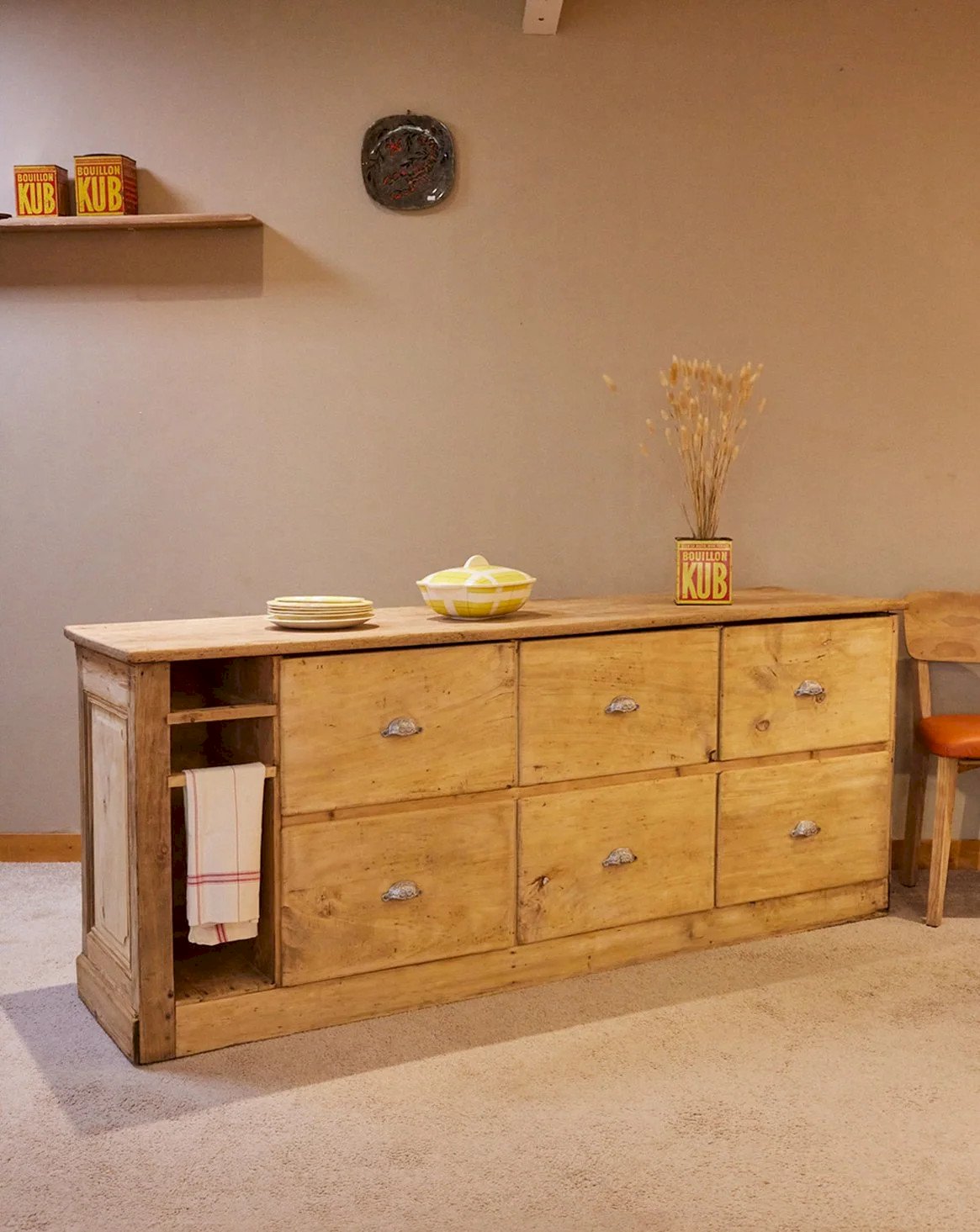
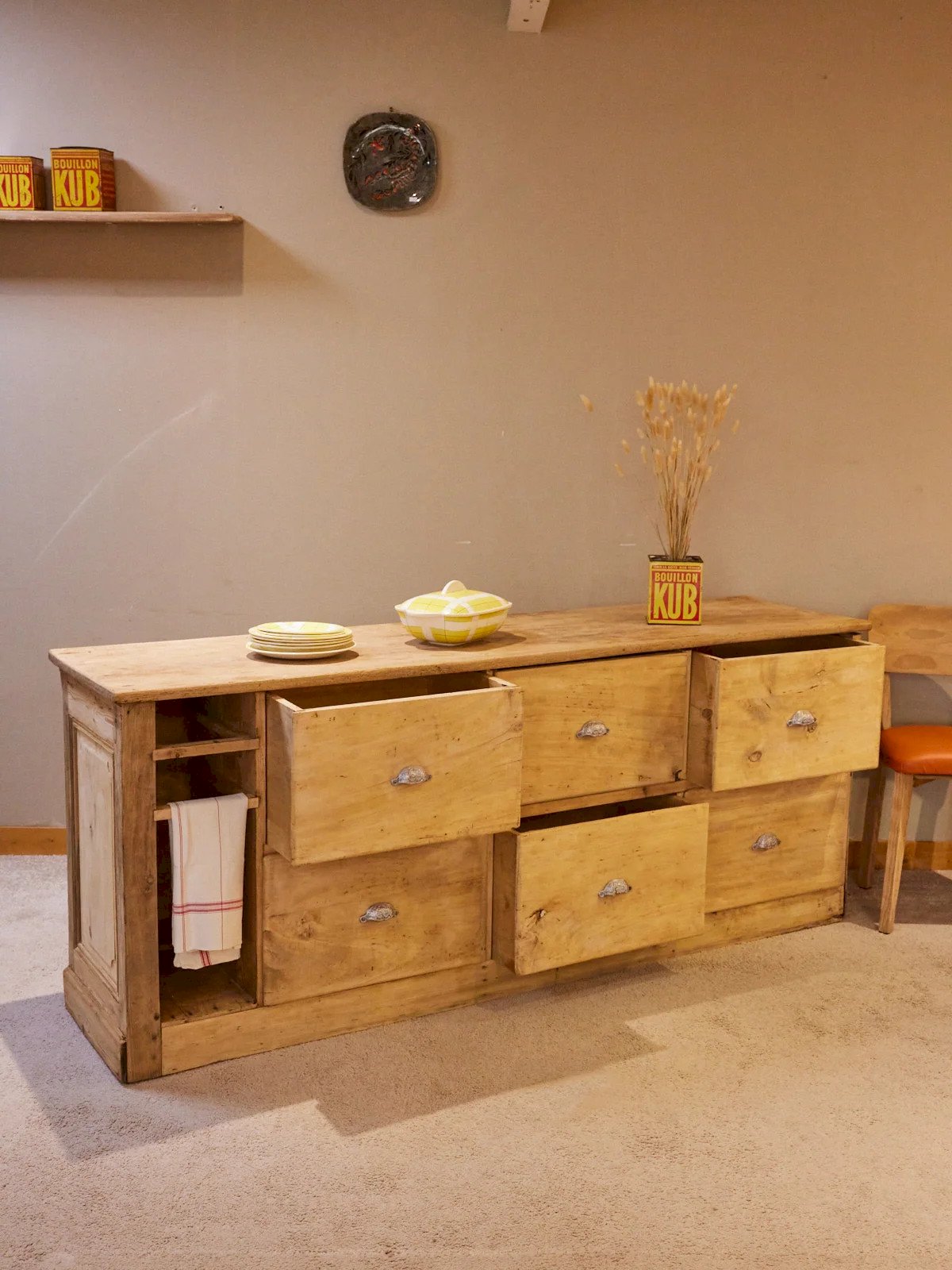
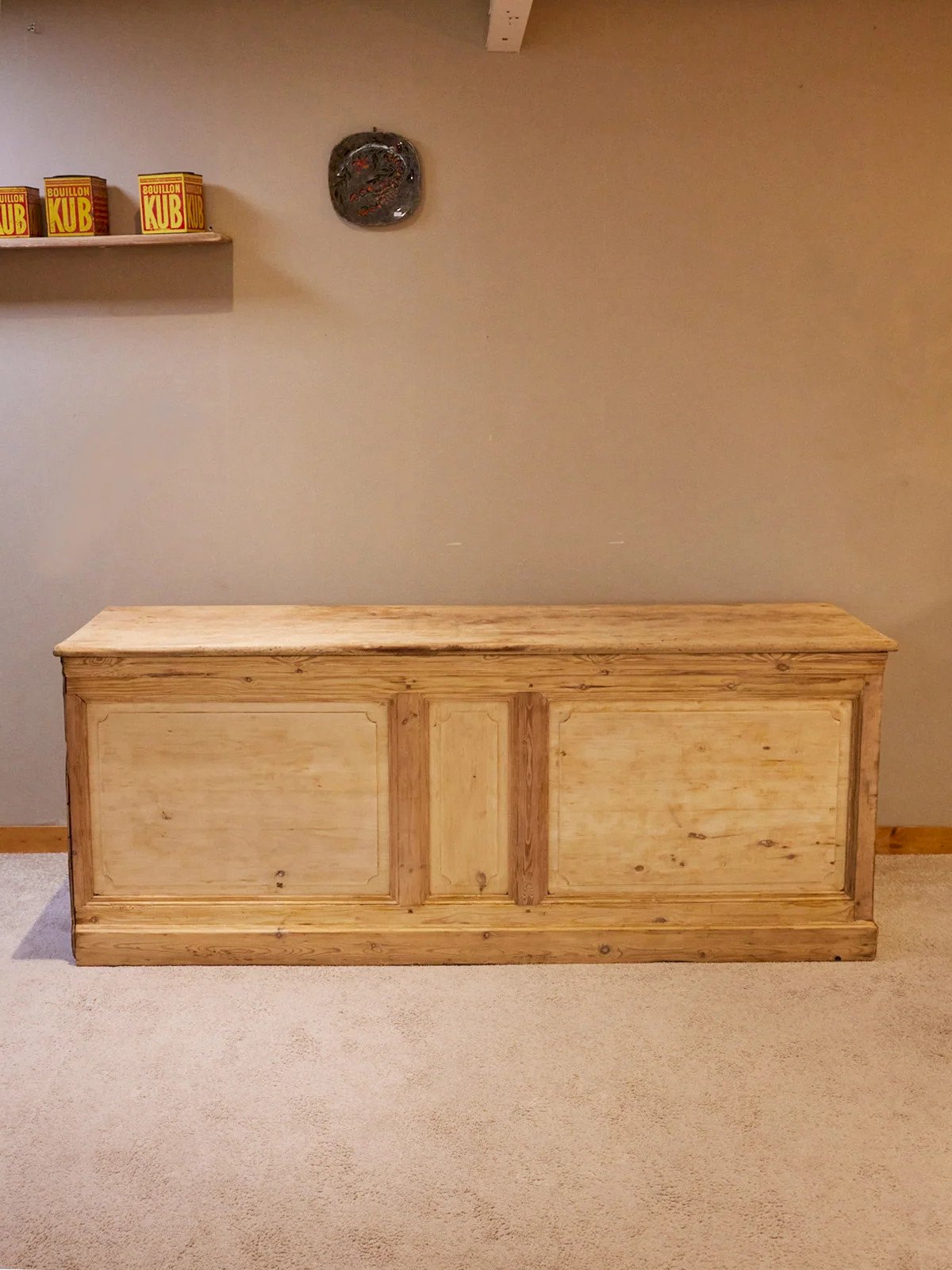
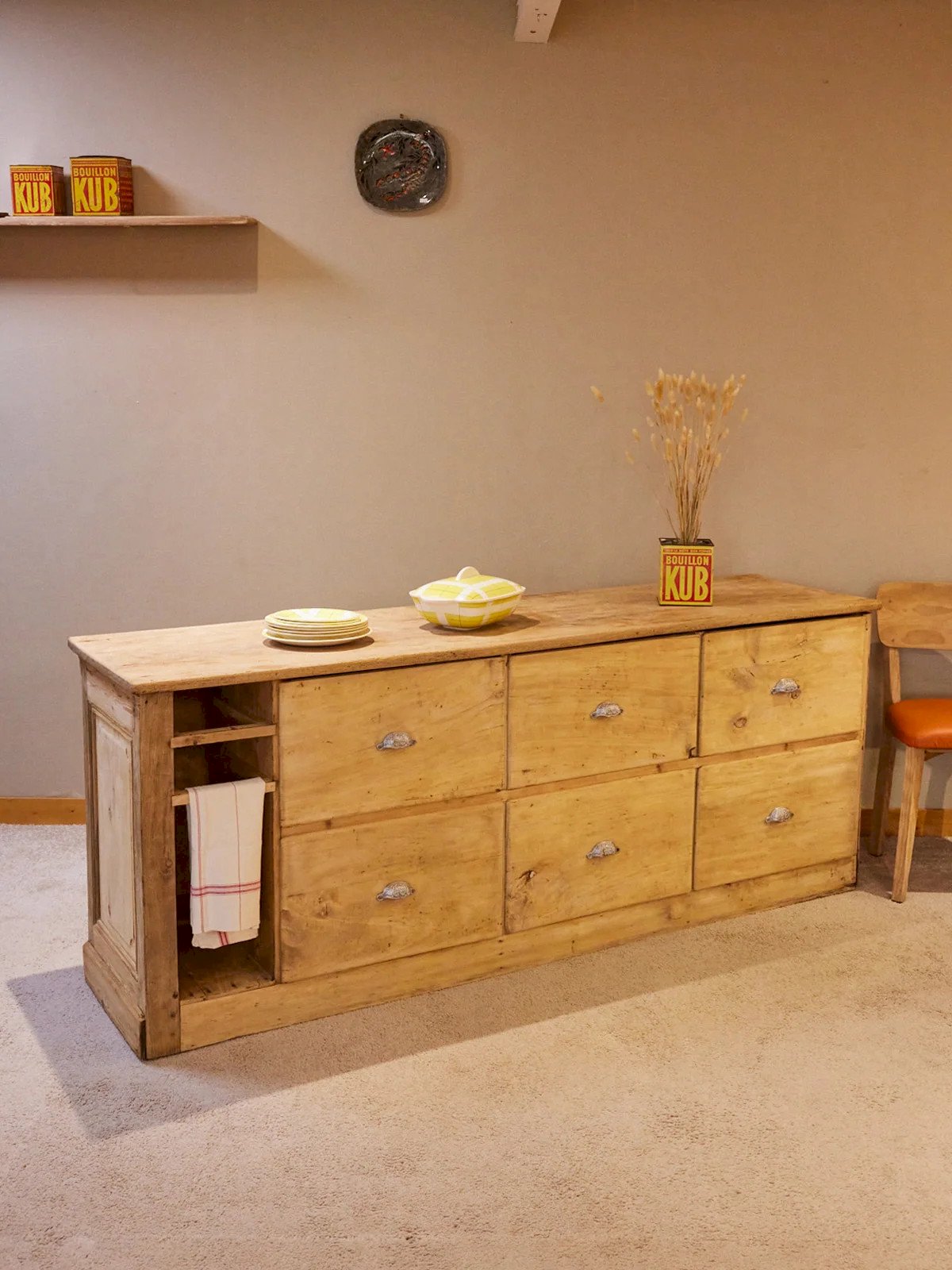
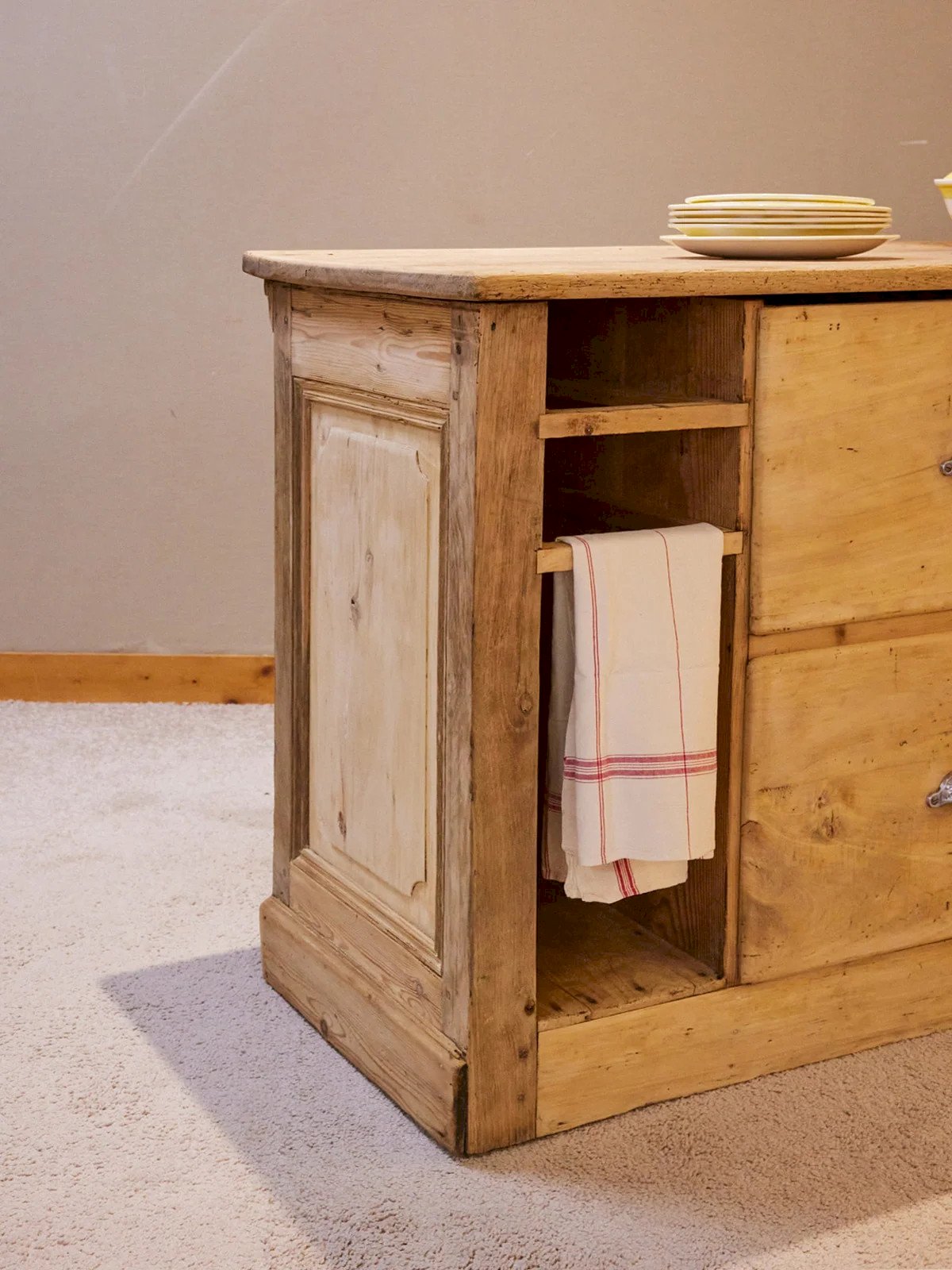
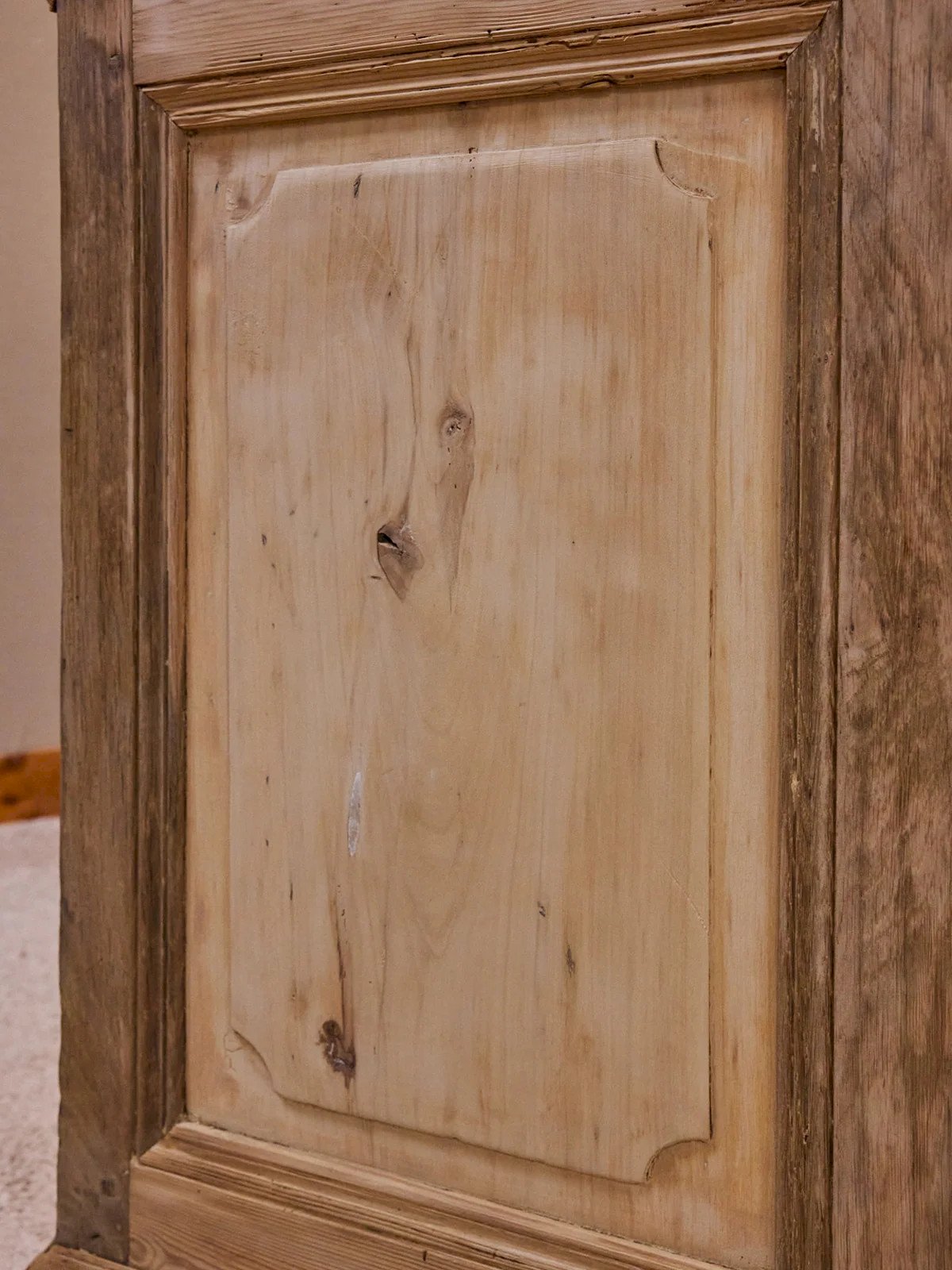
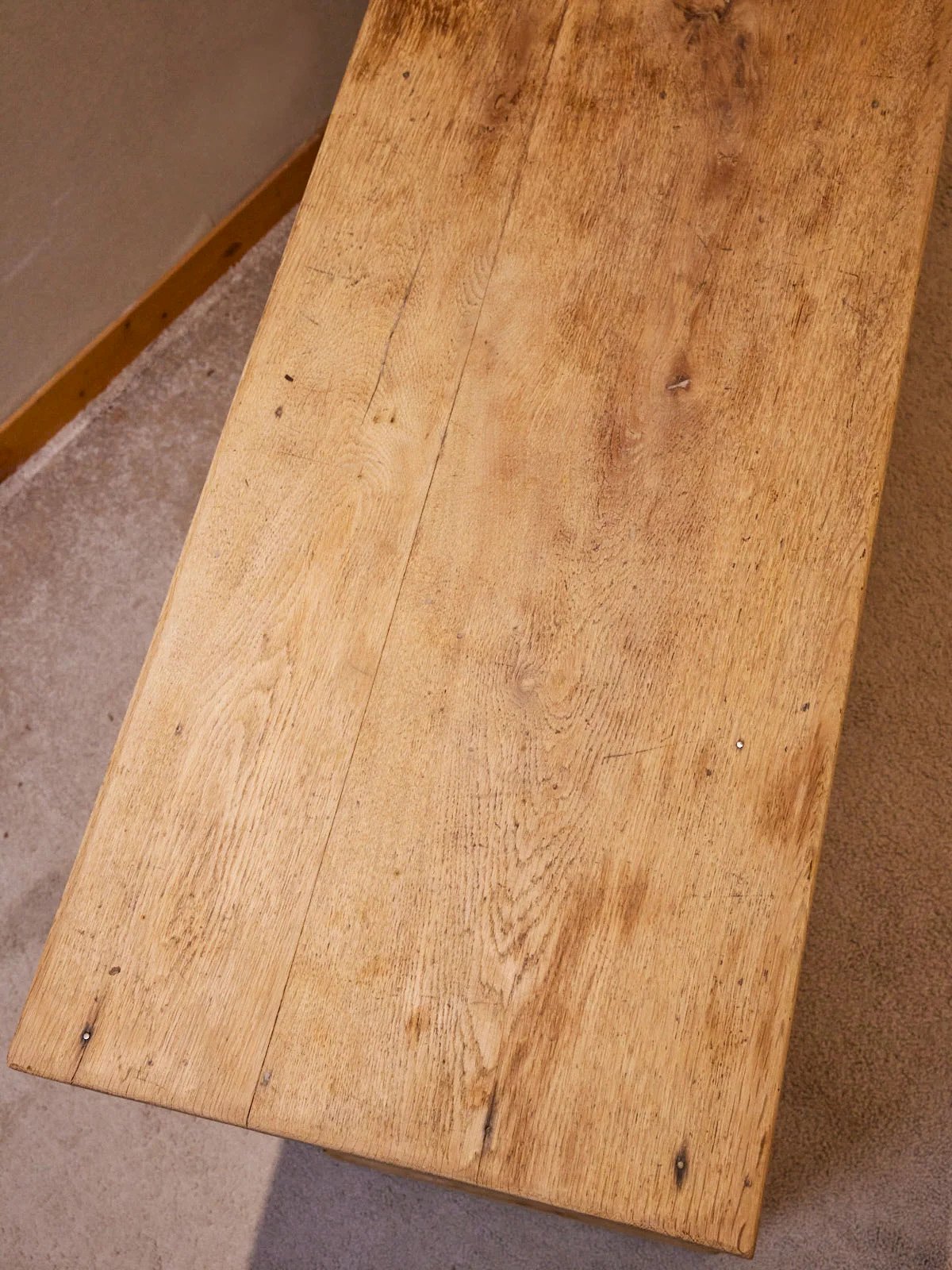
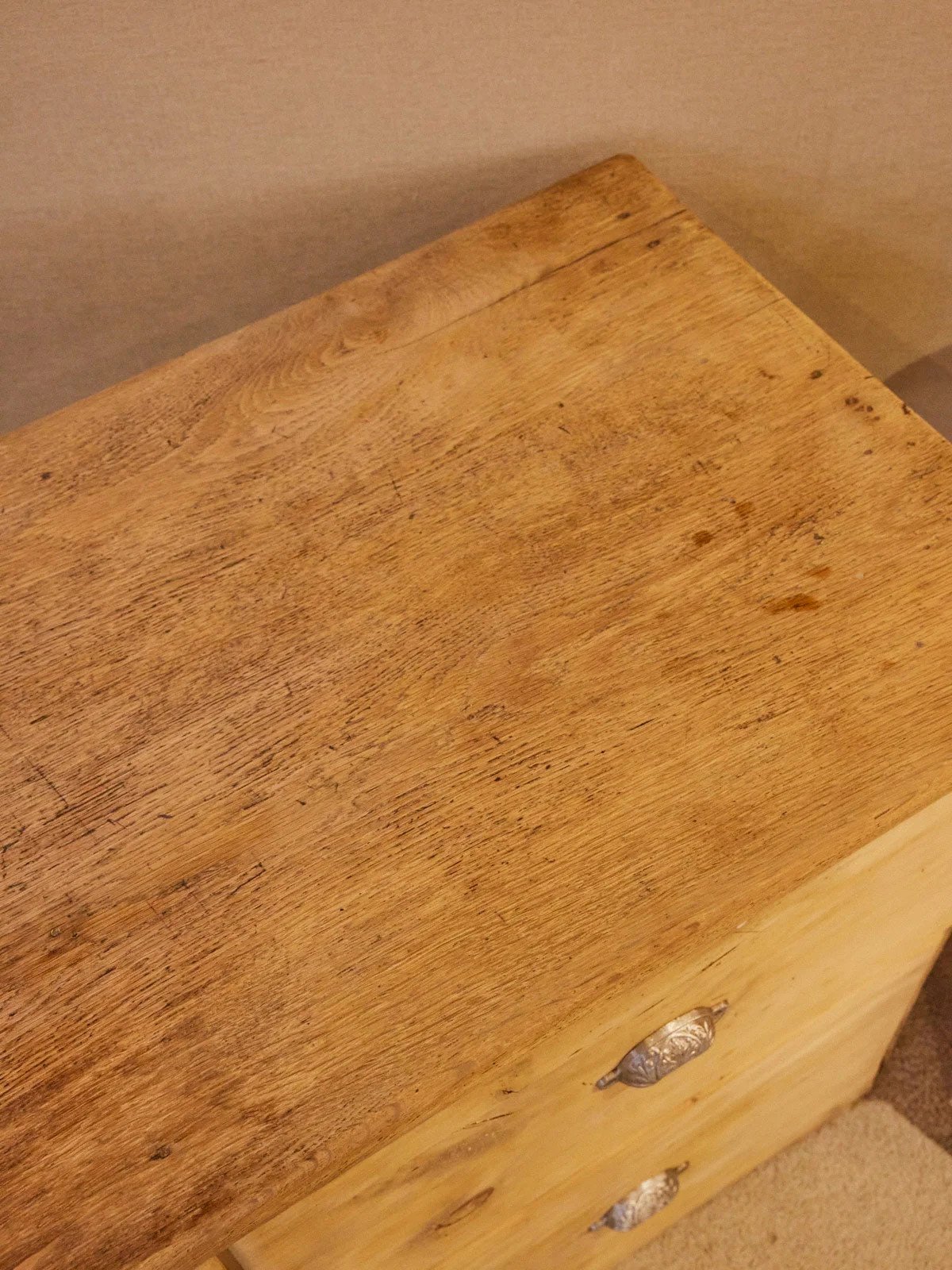
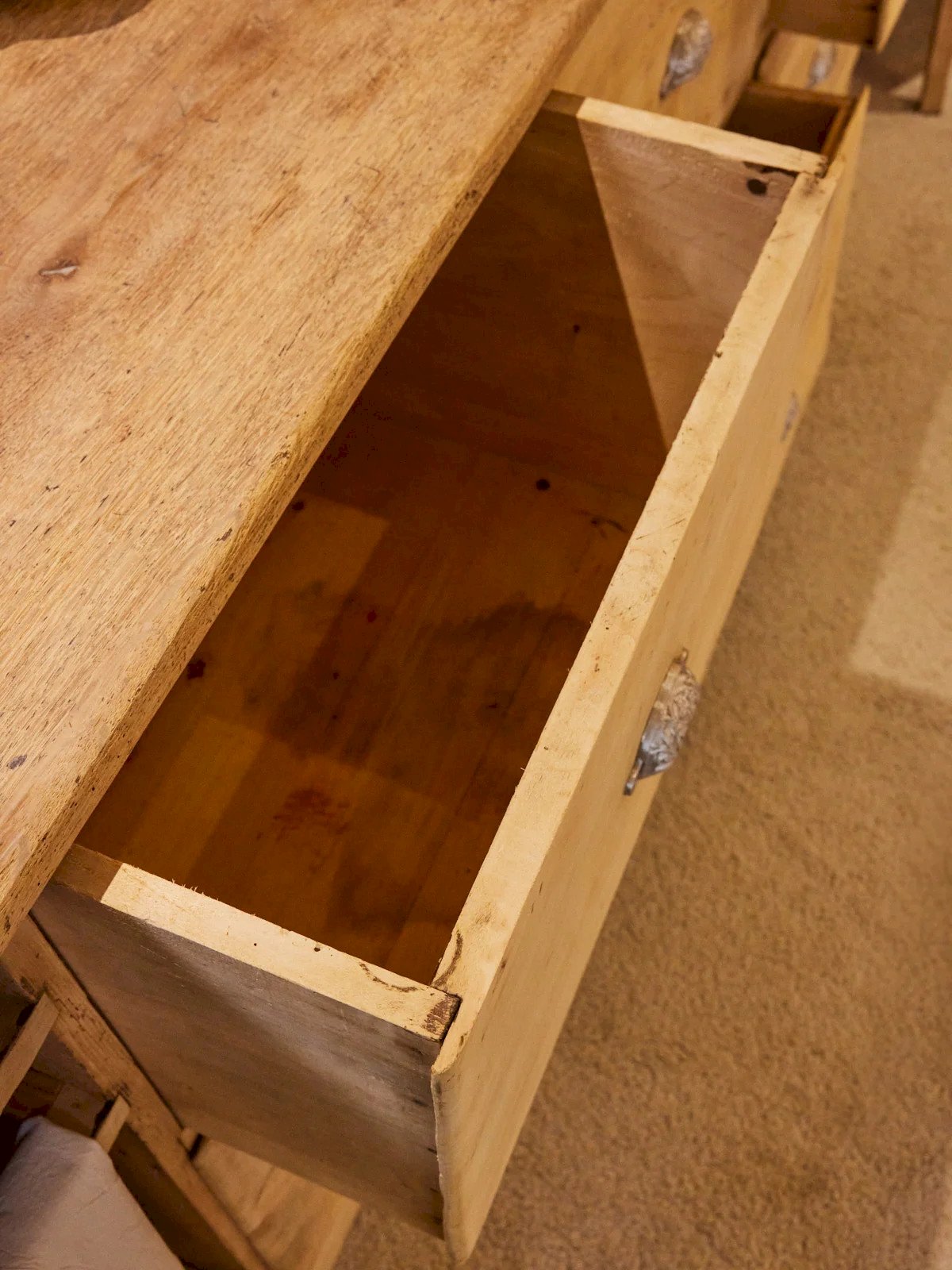
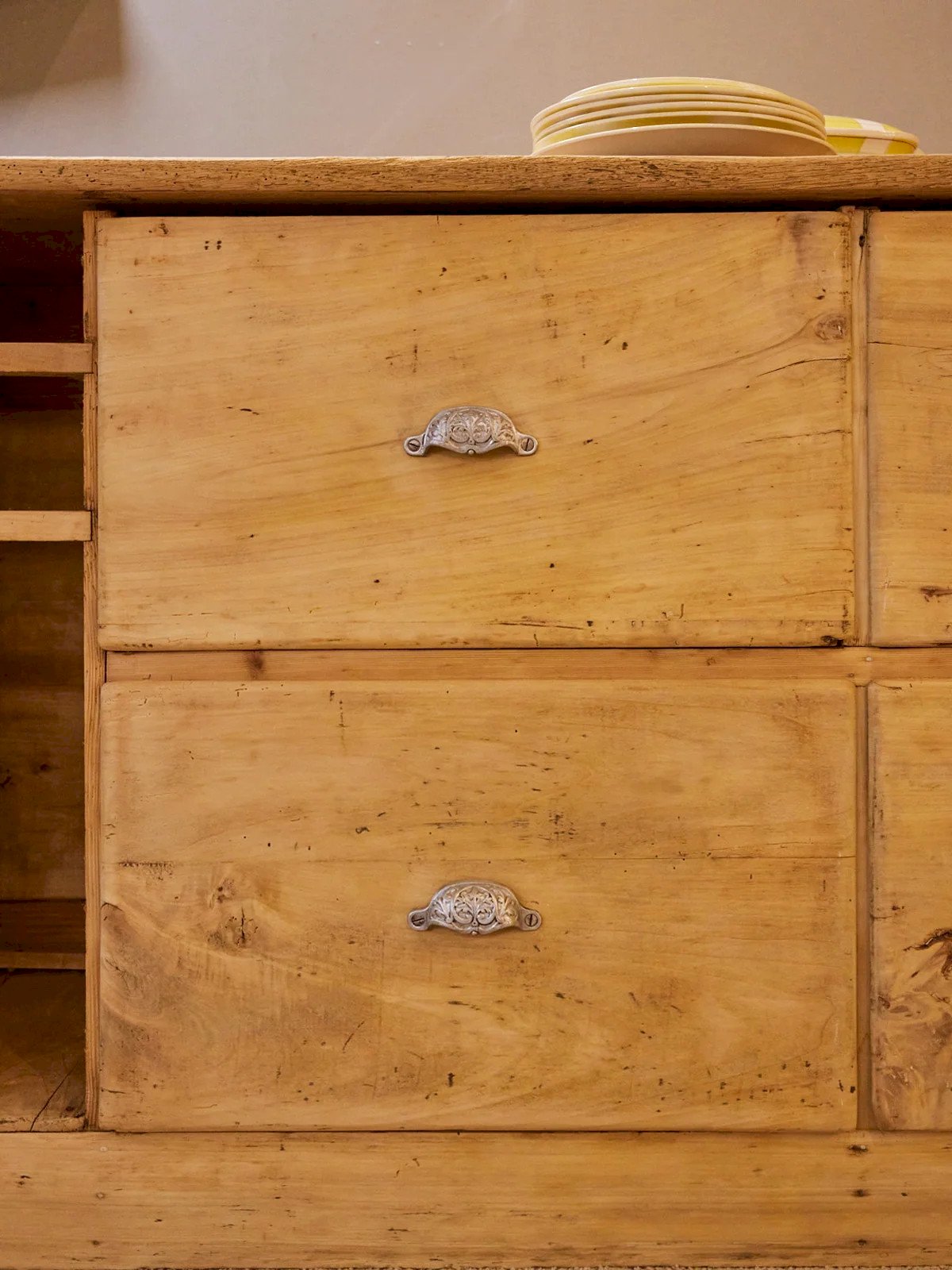
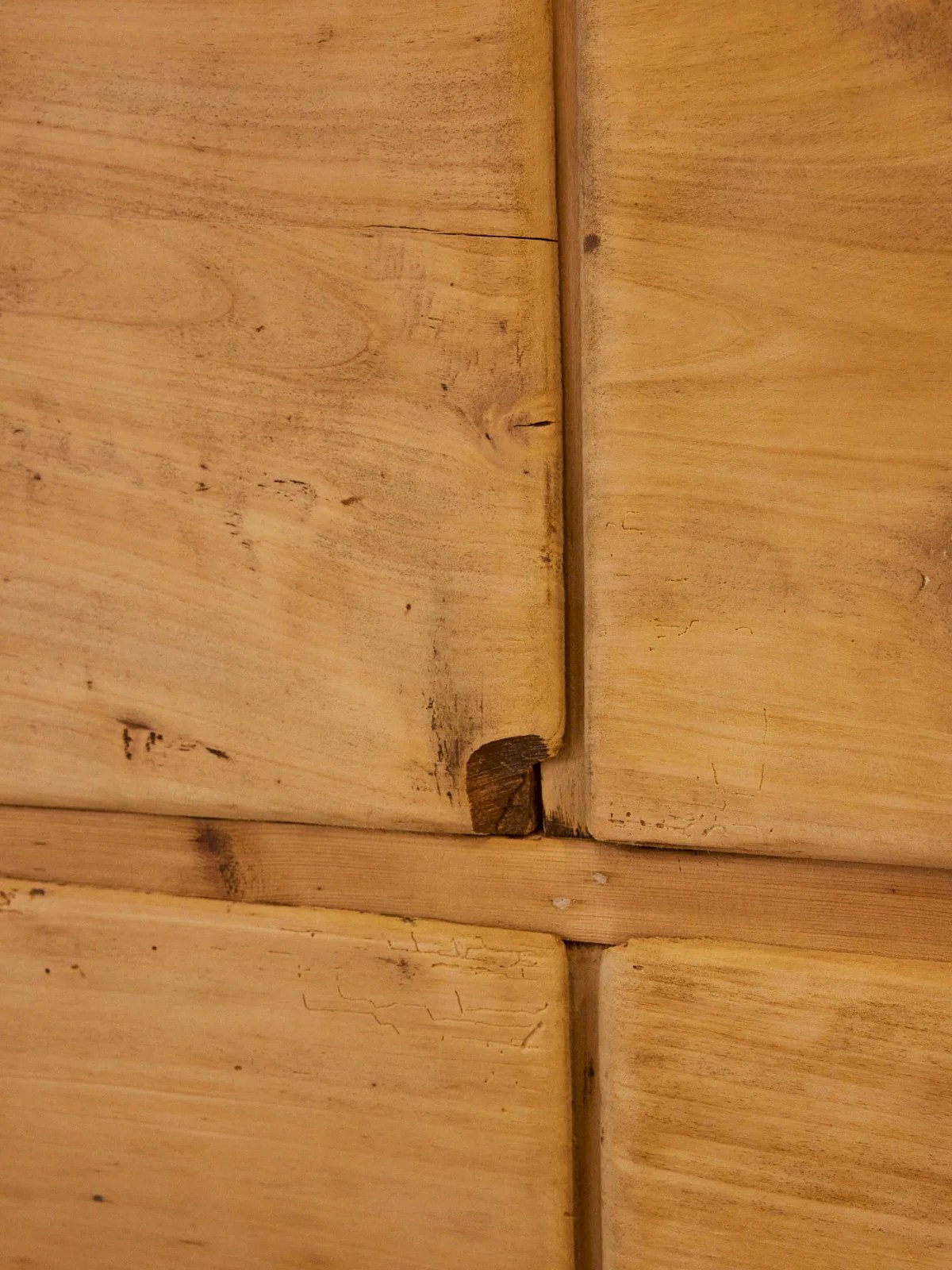
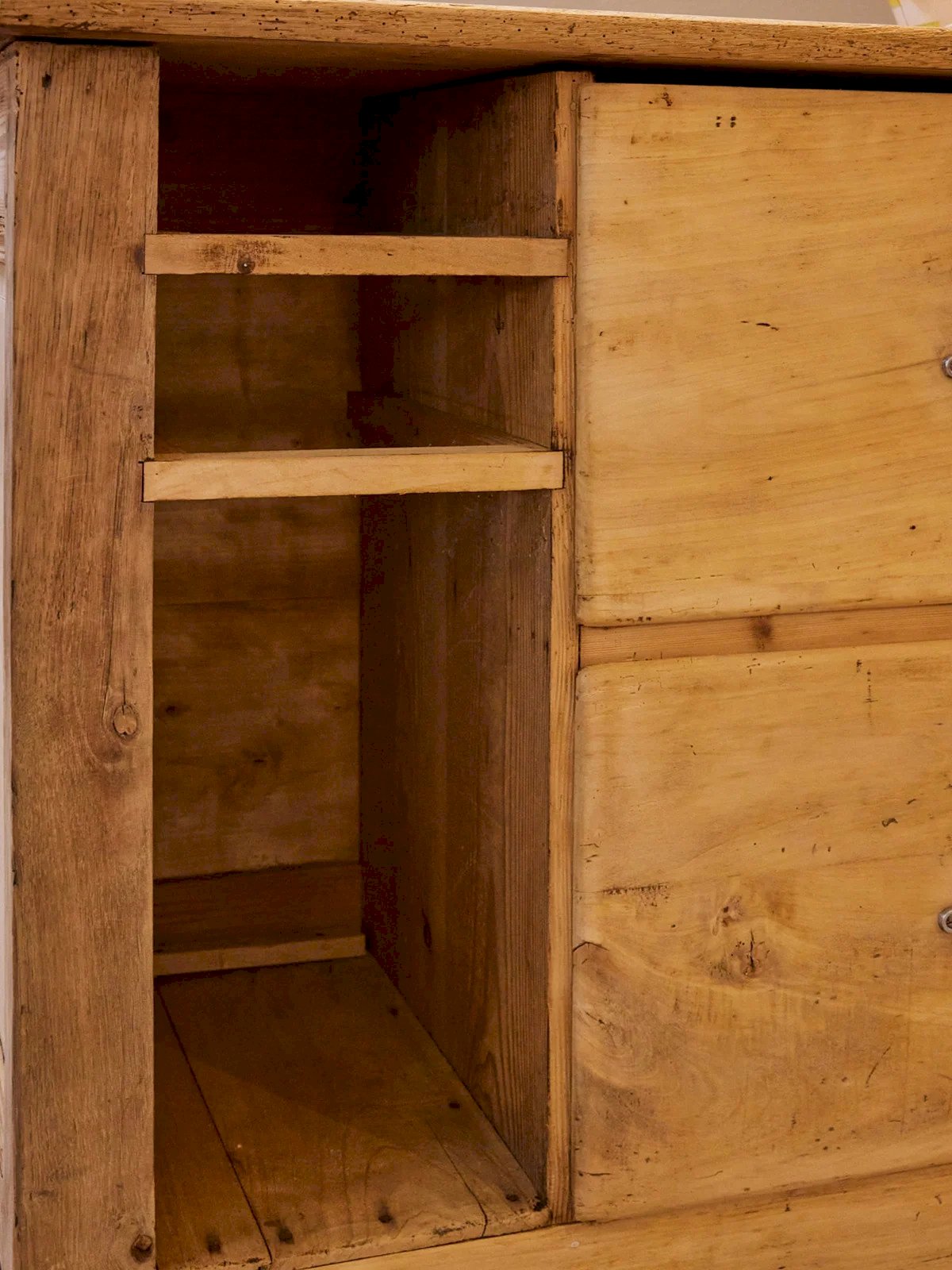
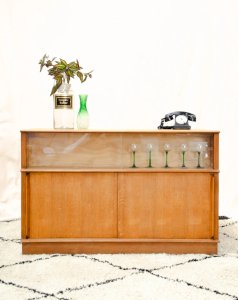
With its professional counter lines and sanded light wood, this piece of furniture adds a very elegant country touch to an interior. Designed to be placed as an island or against a wall, it can also serve as a large buffet, depending on how you organize the space. Its six large drawers offer generous storage for linens, dishes, or everyday accessories, while its elongated format naturally structures the space. The wood material emphasizes a soft presence, easily paired with antique chairs, ceramics, and linen textiles. A second-hand piece, it bears the marks of its history. Length: 195 cm Width: 50 cm Height: 80 cm Drawer height: 28 cm A brief history of the workbench Before becoming a decorative object, the workbench originated in the 19th century to meet the precision needs of apothecaries, printers, or seed merchants. Its structure, dictated by use, is recognized by its multitude of drawers and brass nameplates that allowed for stock identification without losing a second. Whether called a "drafting table" or "workshop seven-day chest," it today brings a raw industrial charm and unmatched storage capacity. This piece tells a story of a time when furniture was an extension of the craftsman's hand, making every wear mark a testament to its past history.
Réf :
#413829
Brand / From : Debongout
Related Products


Comments
Fernand, the sanded wooden counter No. 452
2 399€
75002 Paris
Ce site contient des liens d’affiliation pour lesquels je peux recevoir une compensation.
Description
With its professional counter lines and sanded light wood, this piece of furniture adds a very elegant country touch to an interior. Designed to be placed as an island or against a wall, it can also serve as a large buffet, depending on how you organize the space. Its six large drawers offer generous storage for linens, dishes, or everyday accessories, while its elongated format naturally structures the space. The wood material emphasizes a soft presence, easily paired with antique chairs, ceramics, and linen textiles. A second-hand piece, it bears the marks of its history. Length: 195 cm Width: 50 cm Height: 80 cm Drawer height: 28 cm A brief history of the workbench Before becoming a decorative object, the workbench originated in the 19th century to meet the precision needs of apothecaries, printers, or seed merchants. Its structure, dictated by use, is recognized by its multitude of drawers and brass nameplates that allowed for stock identification without losing a second. Whether called a "drafting table" or "workshop seven-day chest," it today brings a raw industrial charm and unmatched storage capacity. This piece tells a story of a time when furniture was an extension of the craftsman's hand, making every wear mark a testament to its past history.
Réf :
#413829
Brand / From : Debongout