 English
 Français


Description
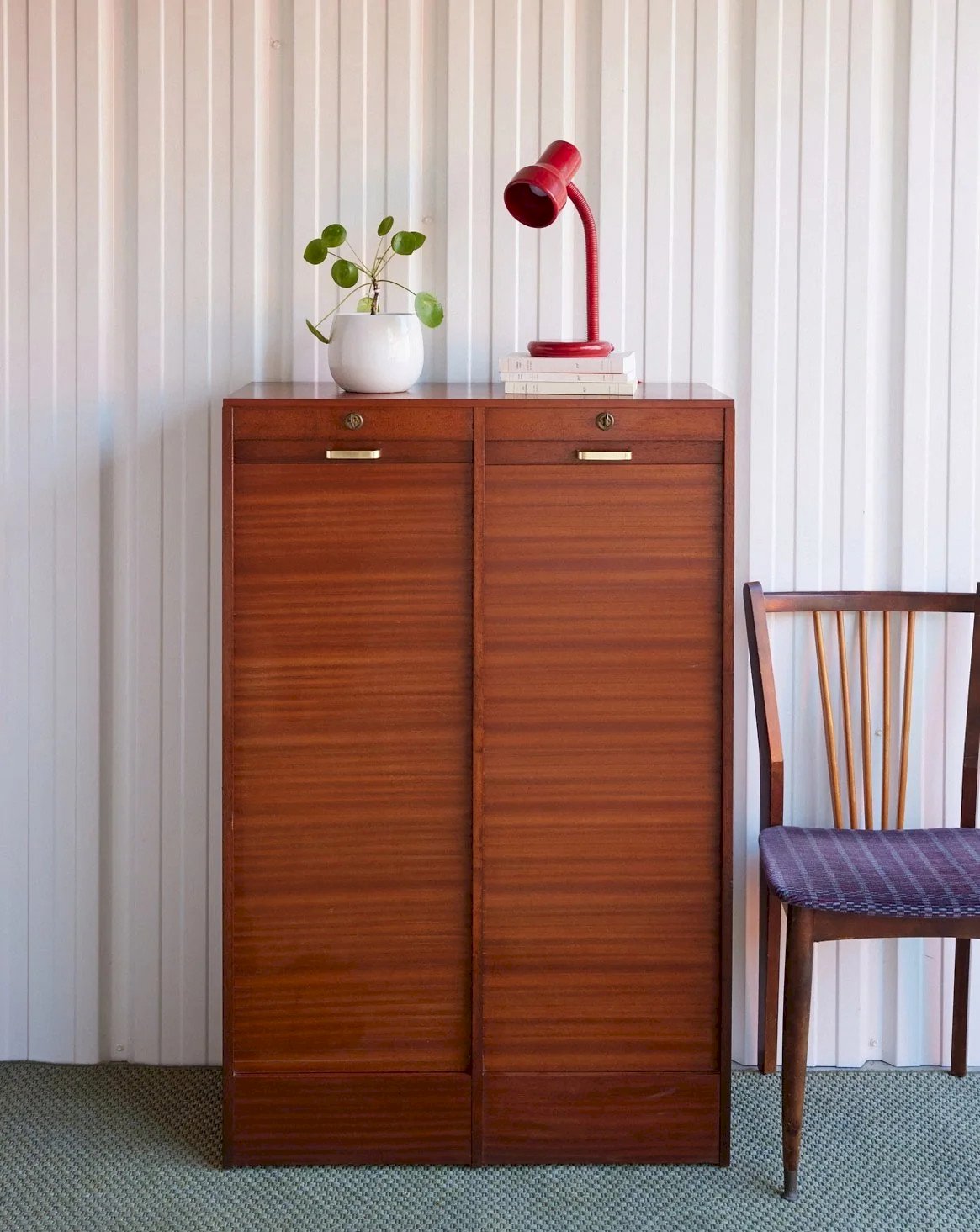
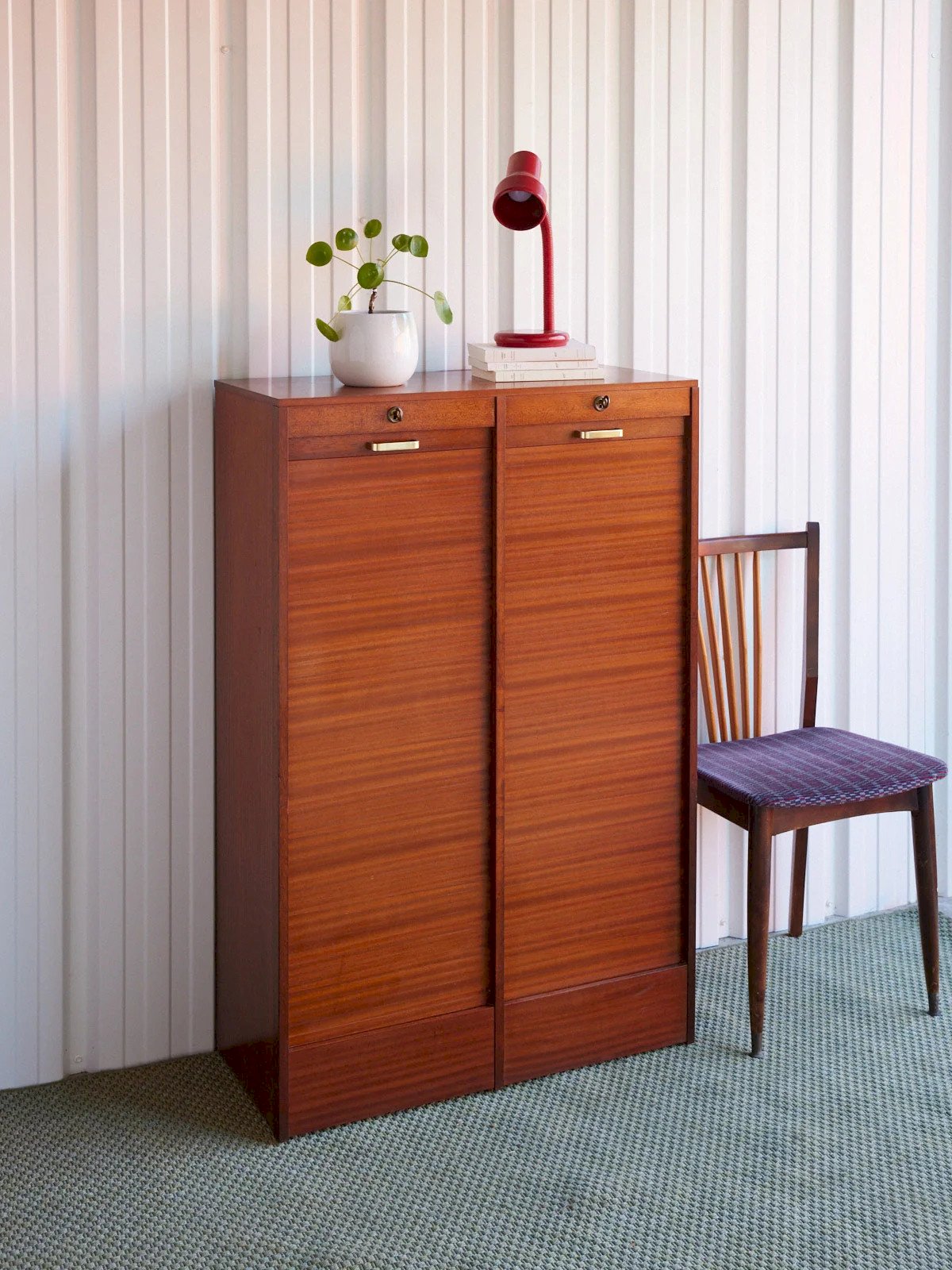
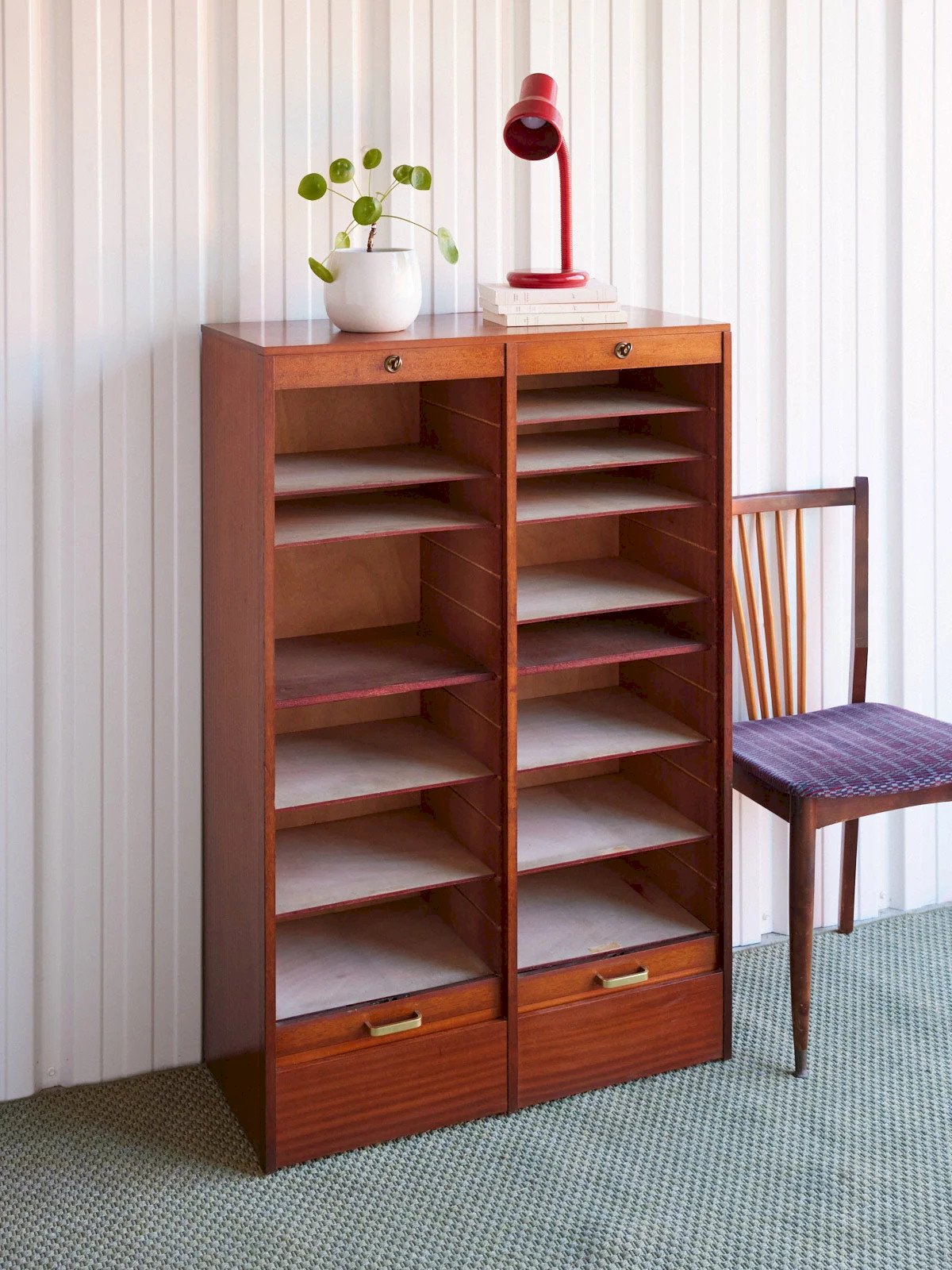
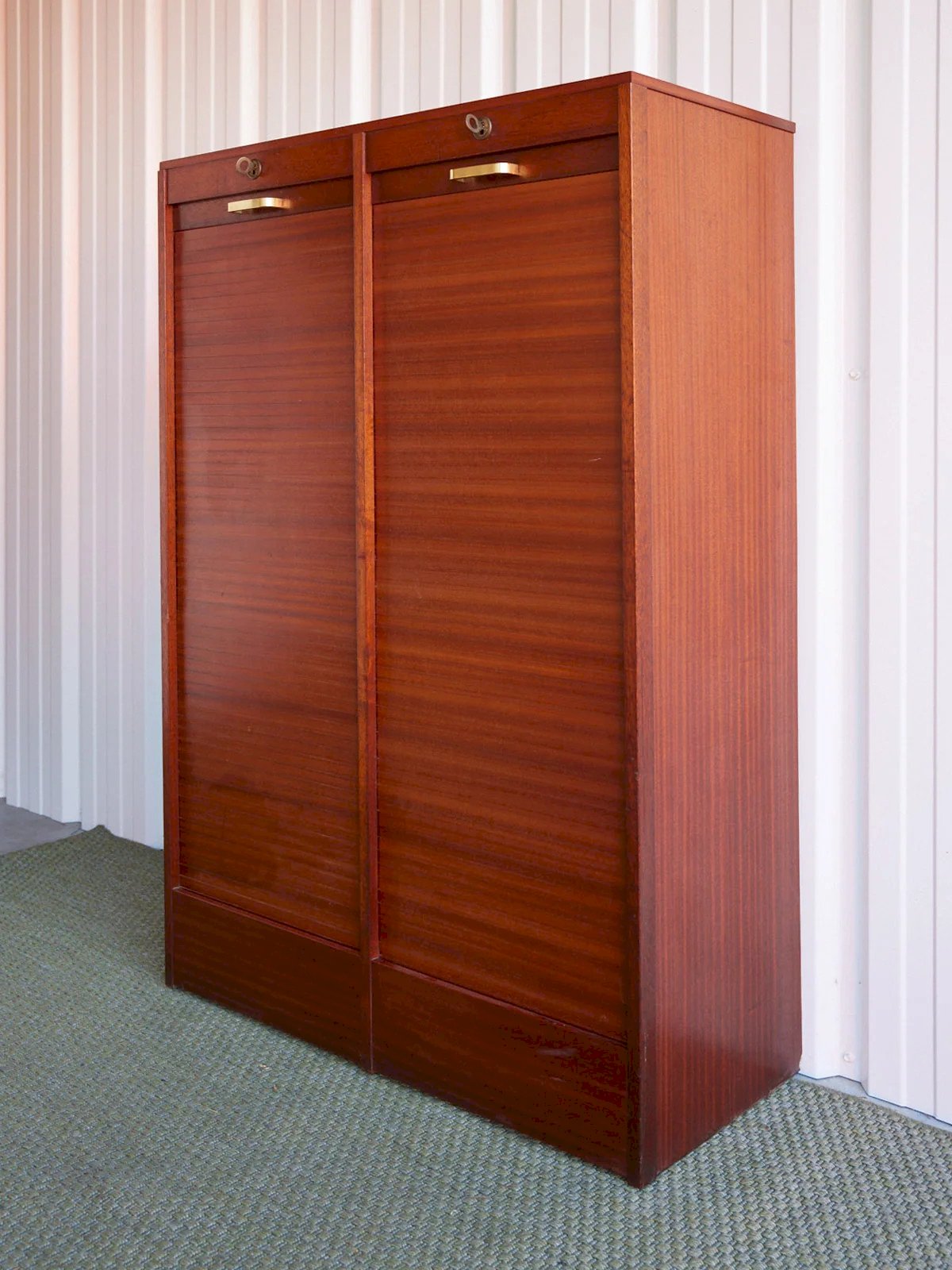
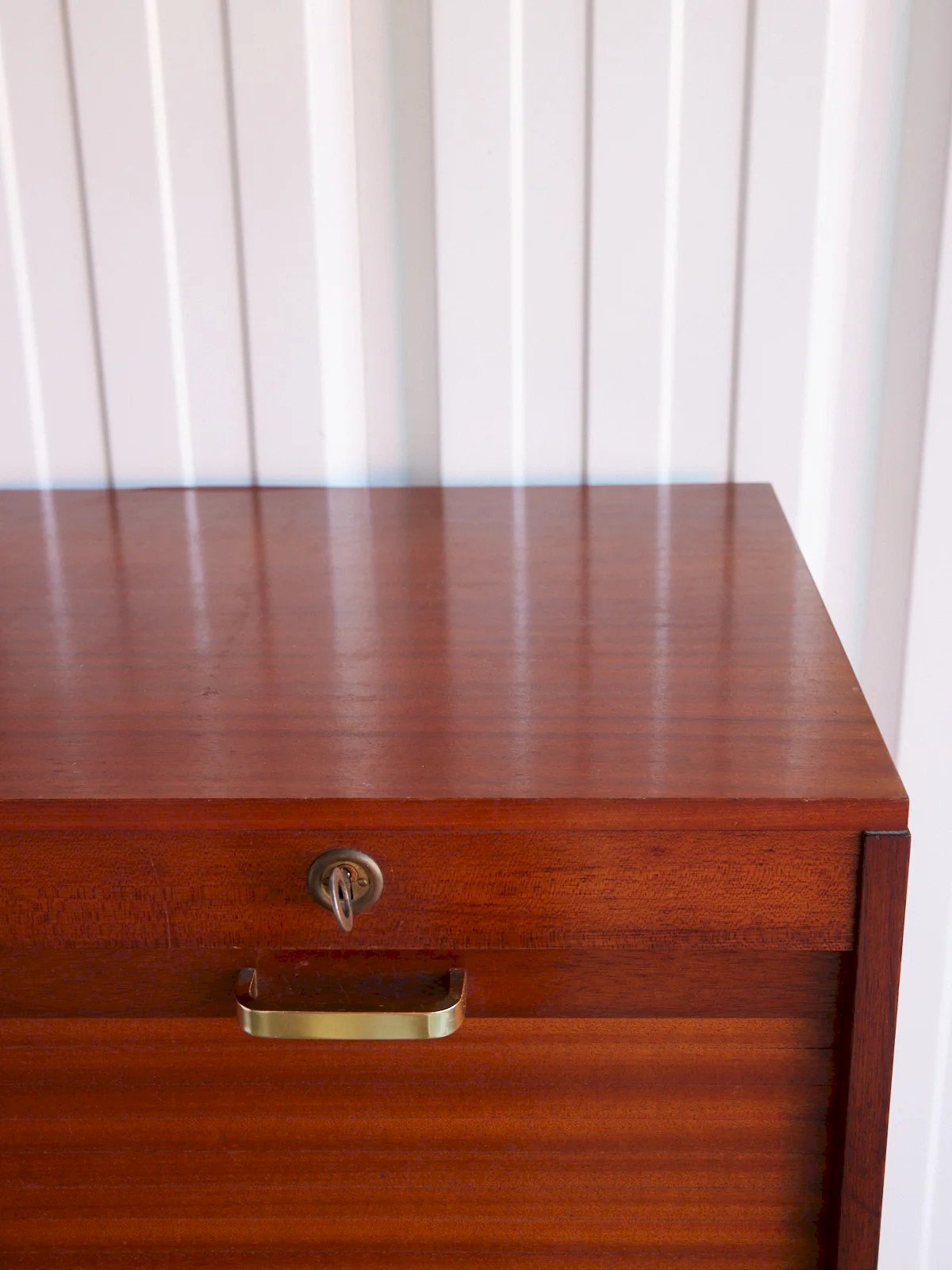
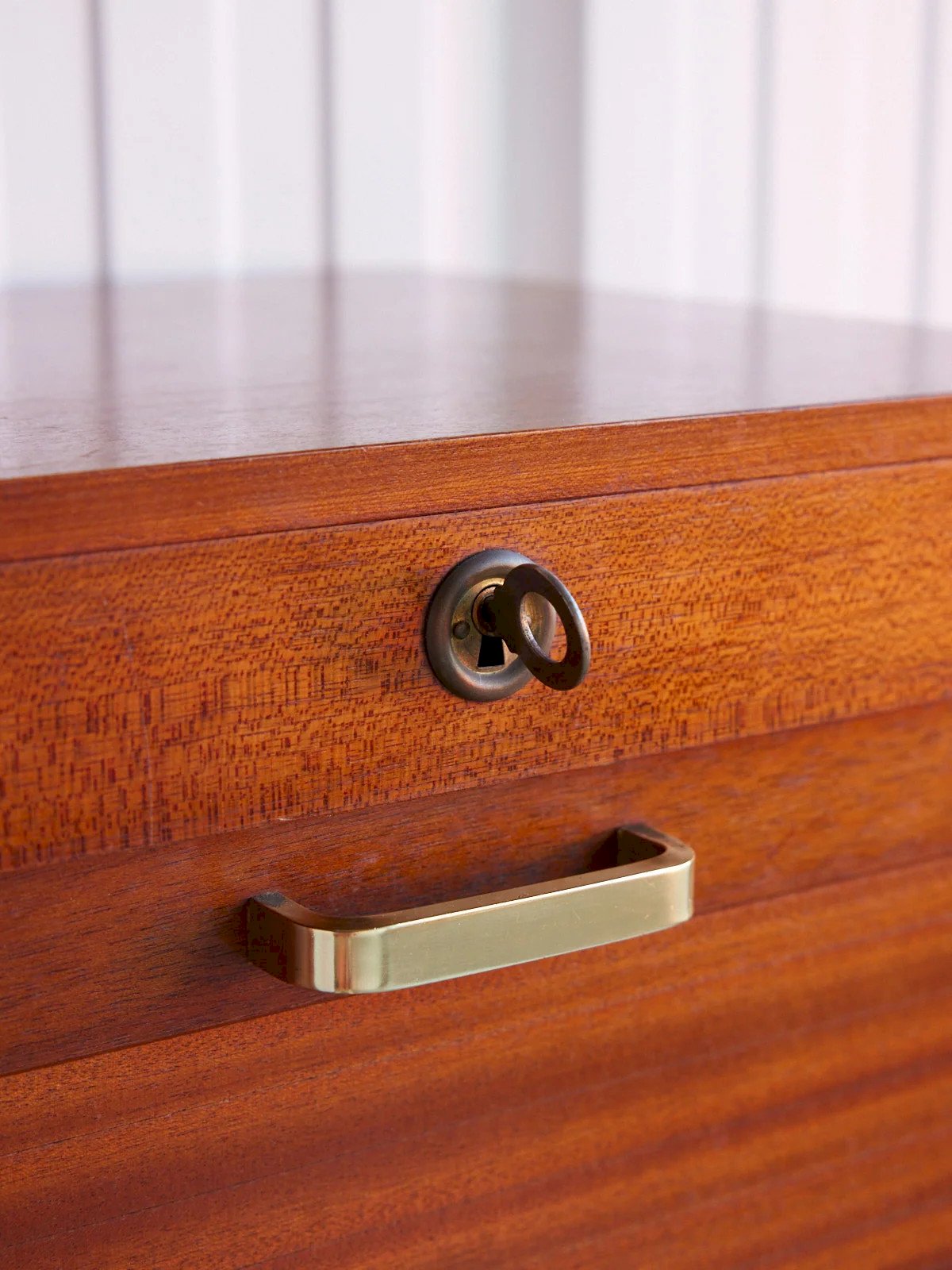
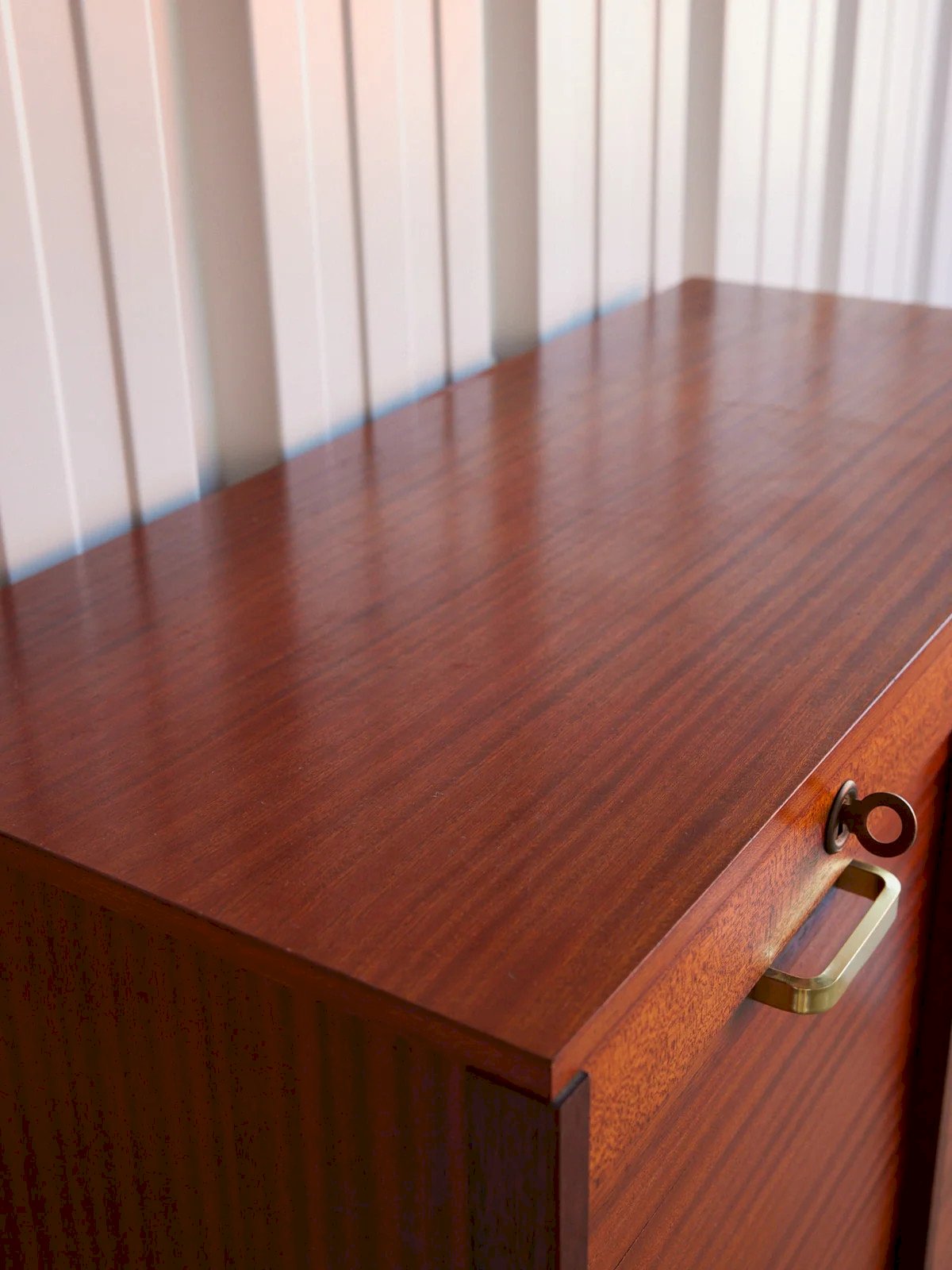
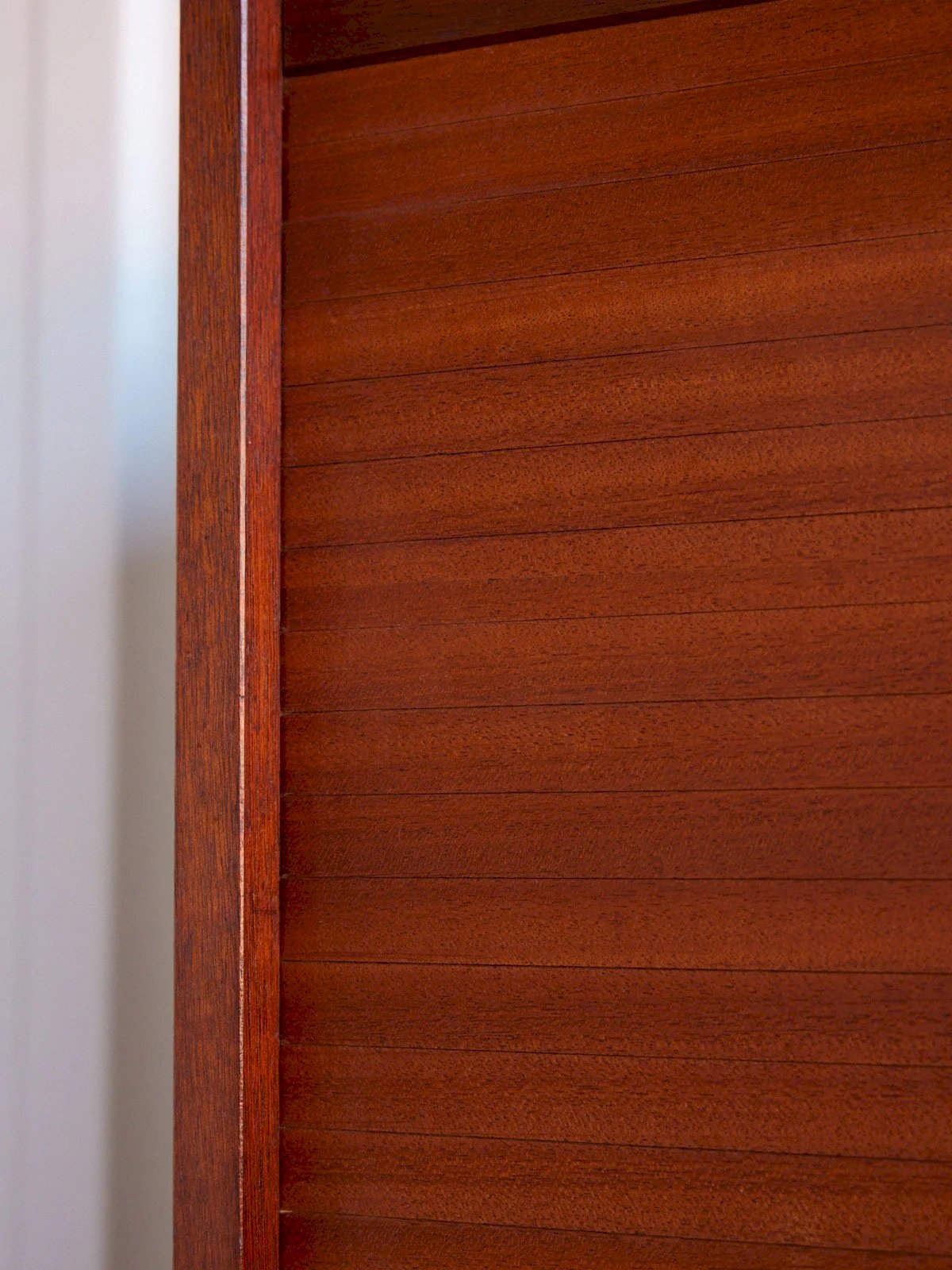
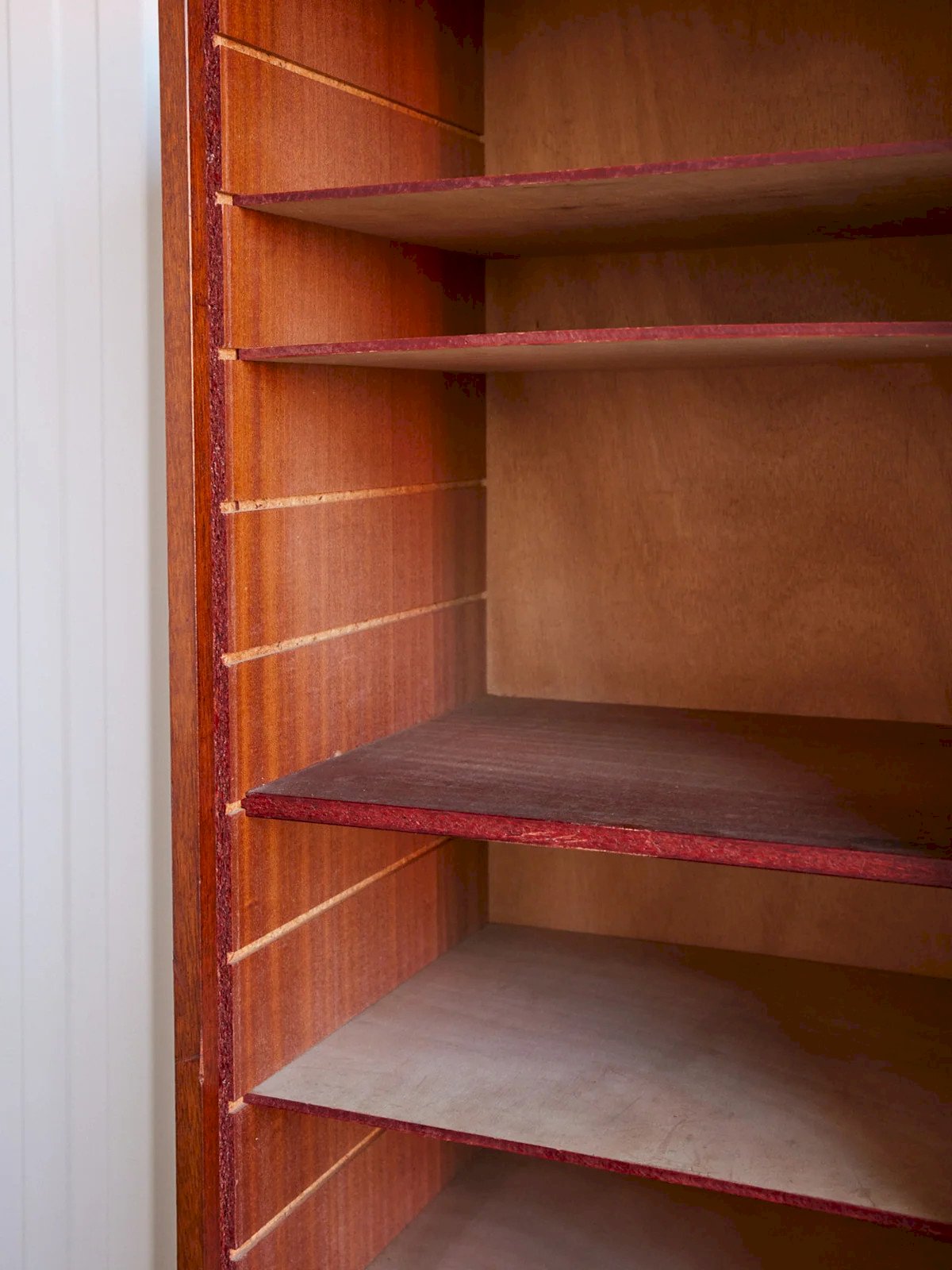
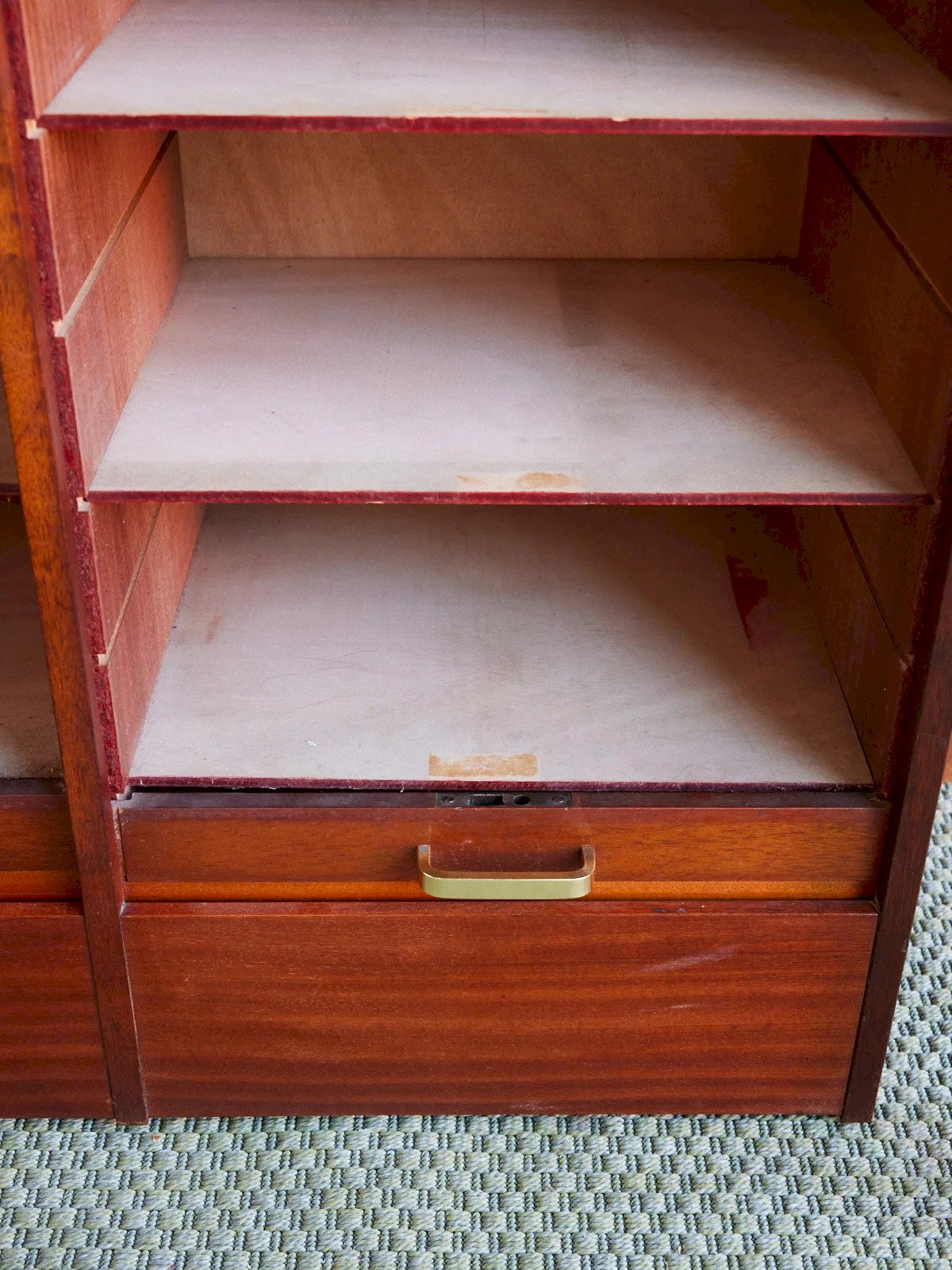
This vintage dark wood double filing cabinet brings a touch of countryside charm to the office or entryway, with a sober and warm appearance. Its tall vertical design allows it to take up little floor space while providing structured storage for papers, files, or mail. The wood easily complements an antique interior, a work chair, or a character desk, and its artisan furniture vocabulary gives it a fitting presence. In a curated decor, it also finds its place alongside notebooks, a desk lamp, and some writing objects placed on top. Length: 79 cm Width: 35 cm Height: 120 cm A brief history of the artisan furniture Before being a decorative object, artisan furniture emerged in the 19th century to meet the precision needs of apothecaries, printers, or seed merchants. Its structure, dictated by use, is identifiable by its multitude of drawers and brass nameplates that allowed for stock identification without losing a second. Whether referred to as a "drawing cabinet" or "workshop weekly cabinet," it now adds a raw industrial touch and exceptional storage capacity. This piece of furniture tells a story of a time when furniture was an extension of the artisan's hand, making every trace of wear a testament to its past history.
Réf :
#413991
Brand / From : Debongout
Comments
Fernand, the double wooden binder No. 457
449€
75002 Paris
Ce site contient des liens d’affiliation pour lesquels je peux recevoir une compensation.
Description
This vintage dark wood double filing cabinet brings a touch of countryside charm to the office or entryway, with a sober and warm appearance. Its tall vertical design allows it to take up little floor space while providing structured storage for papers, files, or mail. The wood easily complements an antique interior, a work chair, or a character desk, and its artisan furniture vocabulary gives it a fitting presence. In a curated decor, it also finds its place alongside notebooks, a desk lamp, and some writing objects placed on top. Length: 79 cm Width: 35 cm Height: 120 cm A brief history of the artisan furniture Before being a decorative object, artisan furniture emerged in the 19th century to meet the precision needs of apothecaries, printers, or seed merchants. Its structure, dictated by use, is identifiable by its multitude of drawers and brass nameplates that allowed for stock identification without losing a second. Whether referred to as a "drawing cabinet" or "workshop weekly cabinet," it now adds a raw industrial touch and exceptional storage capacity. This piece of furniture tells a story of a time when furniture was an extension of the artisan's hand, making every trace of wear a testament to its past history.
Réf :
#413991
Brand / From : Debongout